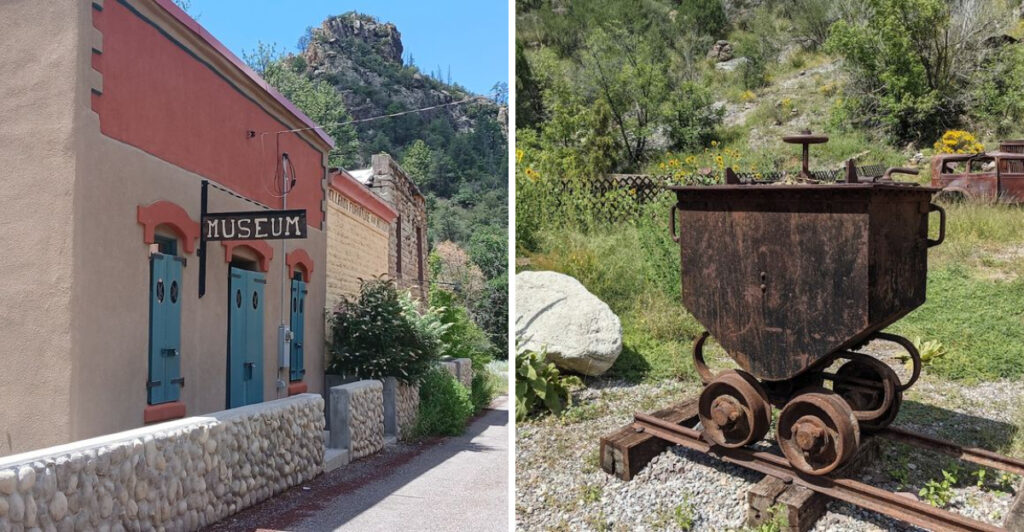
A rough mountain road winds into the Mogollon Mountains, and suddenly everything changes. The canyon opens wide.
The air feels cooler. Then, at 6,500 feet in New Mexico, an old town appears like time simply forgot to check back in.
I found it almost by accident while chasing views and taking the long way through the mountains. What I walked into felt unreal.
Crumbling adobe walls. Dusty streets.
Old mine remains scattered across the landscape. Every corner looked like it had something to say.
It is the kind of place that makes you slow down without even trying. No crowds.
No noise. Just history sitting quietly in front of you.
If you love places with character, big scenery, and a little mystery, keep this one on your radar. This is not just another stop.
It is the kind of place that stays with you.
Weathered Storefronts And Dusty Canyon Views
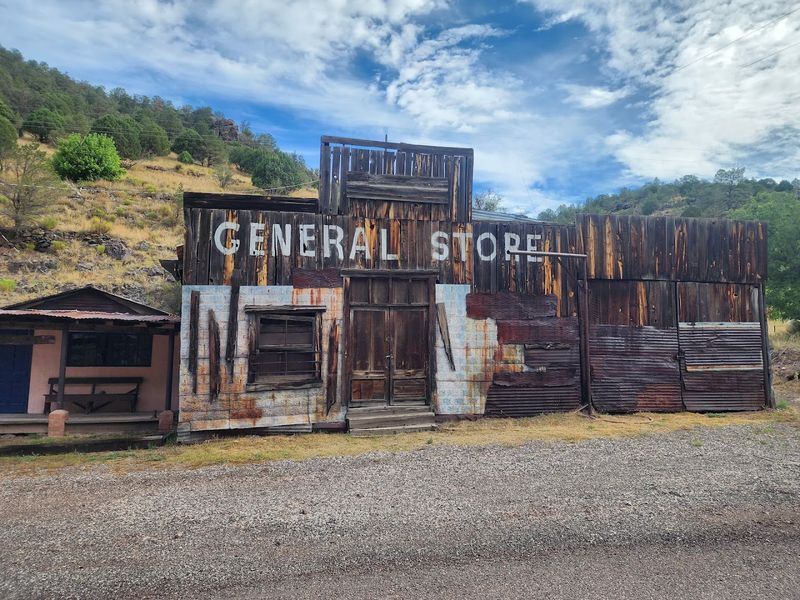
Standing in front of the old storefronts of this ghost town, I felt like time had simply pressed pause on an entire era.
The wooden facades still carry traces of painted signs, their letters faded by decades of high-altitude sun and canyon wind.
Each building leans slightly, as if whispering secrets to the next one over, and the canyon walls rising behind them make the whole scene feel like a painting.
What struck me most was how the dusty main street still holds its shape, with buildings on both sides framing a view that stretches right into the mountains.
The canyon setting adds a dramatic backdrop that no photograph fully captures, with pine-covered ridges looming overhead and Silver Creek murmuring nearby.
Mogollon was once one of the wildest and richest mining towns in the American West, with a population that swelled between 3,000 and 6,000 people at its peak.
Walking past those storefronts today, it is hard not to imagine the noise, the crowds, and the ambition that once filled every square foot of this now-silent street in Mogollon, New Mexico 88039.
Old Mining Roads Framed By Mountain Silence
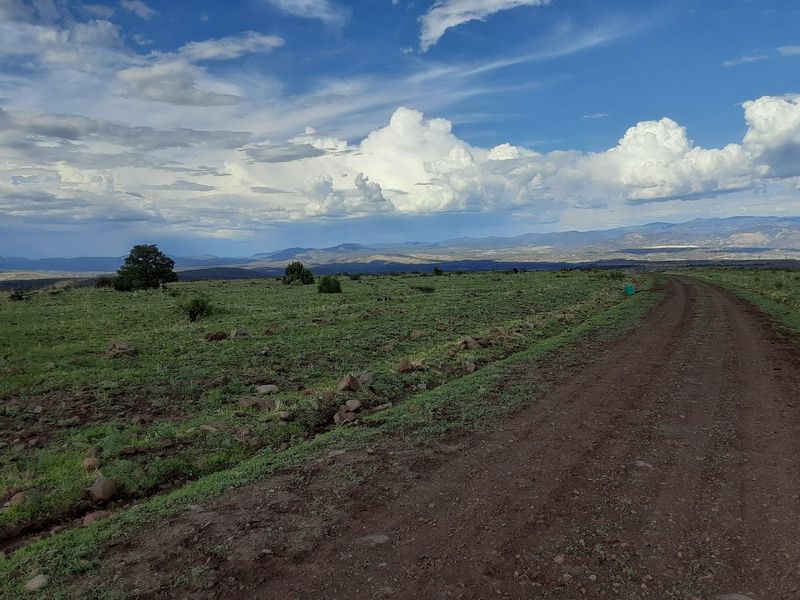
There is a particular kind of quiet that only exists in places where industry once roared and then suddenly stopped, and the old mining roads of this canyon have that silence in abundance.
I walked one of these roads early on a cool morning, with pine trees pressing in on both sides and the only sound being gravel shifting under my boots.
These roads were carved out during the late 1800s to haul ore from the surrounding mountains, and you can still see the cuts and grades that mule teams once traveled.
The Mogollon Mines produced nearly $20 million in gold and silver over their operational years, and the Little Fannie mine was the most significant employer in town.
Following these roads today feels like reading a map written in dirt and rock, with every turn revealing another rusted artifact or collapsed timber structure.
The mountain silence amplifies every detail, from the creak of a leaning fence post to the distant call of a hawk riding the thermals above the canyon rim.
Few roads carry that kind of layered history beneath your feet with every single step.
Faded Facades With Wild West Character
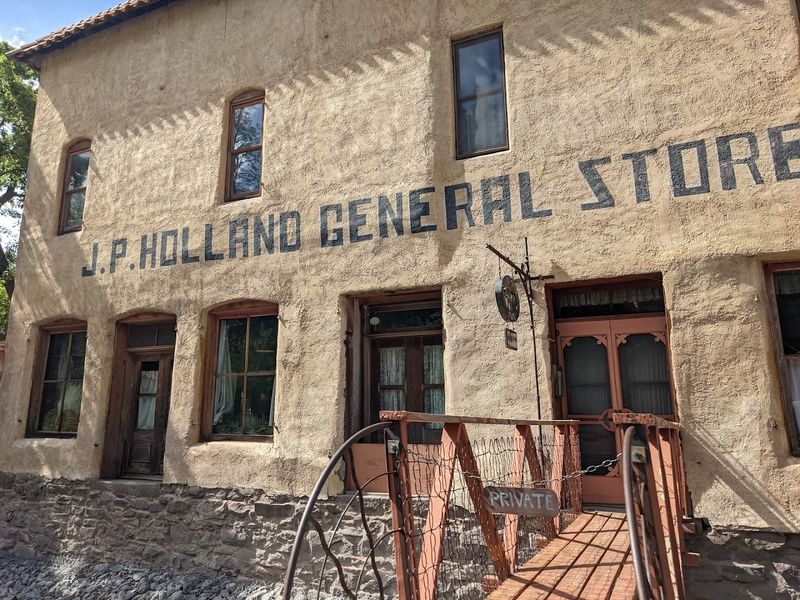
Some buildings just have personality, and the faded facades along this ghost town’s main street have it in generous amounts.
Peeling paint in shades of red, cream, and brown clings stubbornly to wood that has survived fires, floods, and more than a century of mountain weather.
Mogollon was repeatedly hit by devastating fires throughout its history, and residents rebuilt each time, often switching to brick and adobe to give their structures a fighting chance.
That resilience shows in the layered textures of the buildings that remain, where you can almost read the town’s history in the different materials stacked and patched together over the years.
One structure that always catches my eye is the old company building, its wide porch and square windows giving it a no-nonsense frontier authority.
The Wild West character here is not manufactured for tourists but earned through genuine hardship and stubborn survival.
Standing in front of these facades, I found myself thinking less about ruin and more about the sheer grit it took to keep building a town in such a remote and unforgiving canyon.
Wooden Porches Beneath Forested Canyon Walls
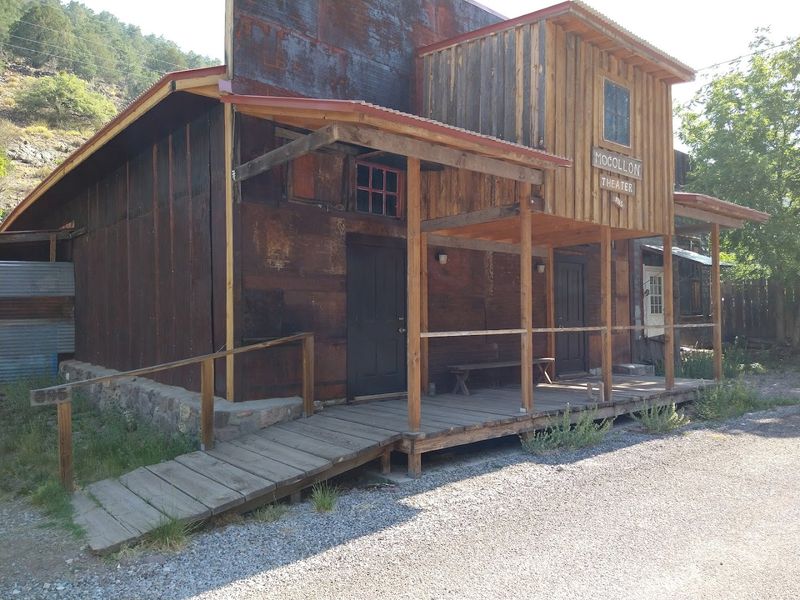
Few things ground you in a place like a creaking wooden porch. Forested canyon walls rise straight up in front of you.
The porches that survive in this town have a sagging, honest quality, boards worn smooth by decades of boots and weather, their railings tilted at angles that suggest long conversations and long afternoons.
The canyon walls here are not gentle slopes but dramatic vertical rises covered in ponderosa pine, Douglas fir, and oak, creating a forested amphitheater around the old buildings.
That combination of human-built wood and wild vertical landscape gives Mogollon its most distinctive visual character, something you notice immediately and never quite stop noticing.
The town sits in the Gila National Forest region, near the edge of the Gila Wilderness, which helps explain why the natural setting still feels rugged and untouched.
On the visit I made in late summer, afternoon light filtered through the canyon in long golden shafts that landed directly on those old porches, making them look almost warm and welcoming.
Nature and history share the frame here in a way that feels genuinely rare.
Quiet Streets Lined With Historic Ruins
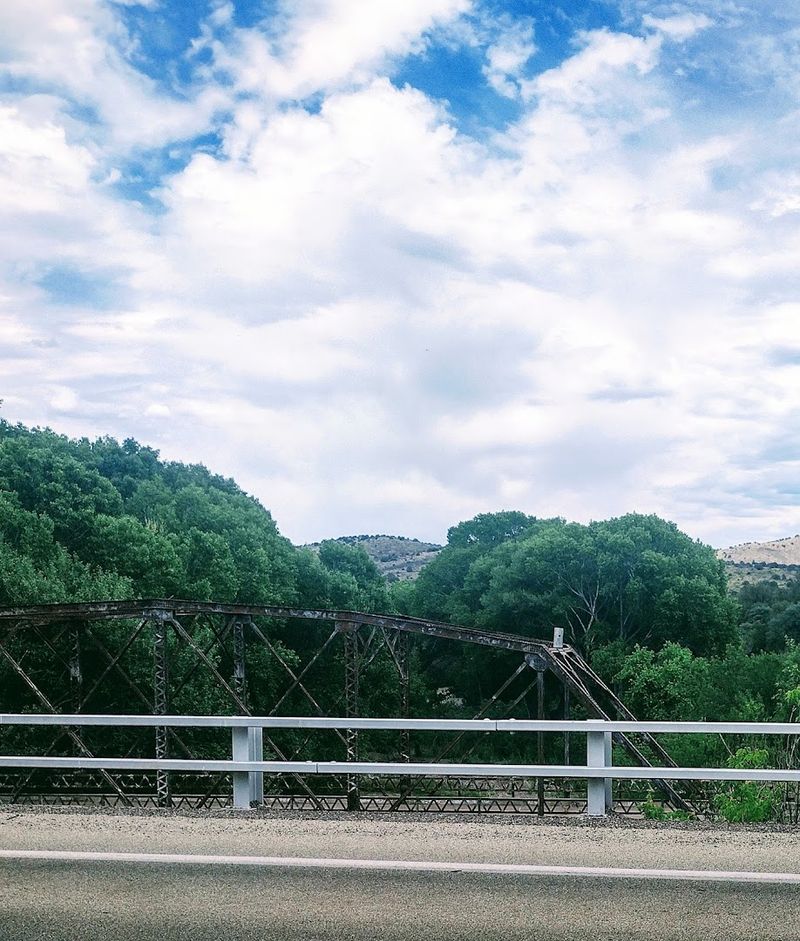
I walked the streets of this town in the middle of a weekday, and it felt like having a museum entirely to myself.
The exhibits were full-sized buildings slowly returning to the earth, weathered and quiet in the canyon air.
The ruins along the main and side streets range from nearly intact structures to walls standing alone without roofs, their interiors open to the sky and filled with decades of leaf litter and silence.
Adobe walls hold their shape surprisingly well up here, their thick earthen mass resisting time in a way that wooden frames simply cannot match.
Mogollon and the Fannie Hill Mill and company town area are recognized for their historic mining significance, with National Register listings added in 1987 that give the place weight among these ruins.
What makes the streets feel so compelling is the combination of intact buildings and collapsed ones side by side, giving you a before-and-after view of abandonment in real time.
Wildflowers push through cracked foundations, and small lizards dart across rubble piles with complete indifference to the historical significance beneath their feet.
These streets ask you to slow down and look carefully.
Rustic Cabins Hidden Among The Hills
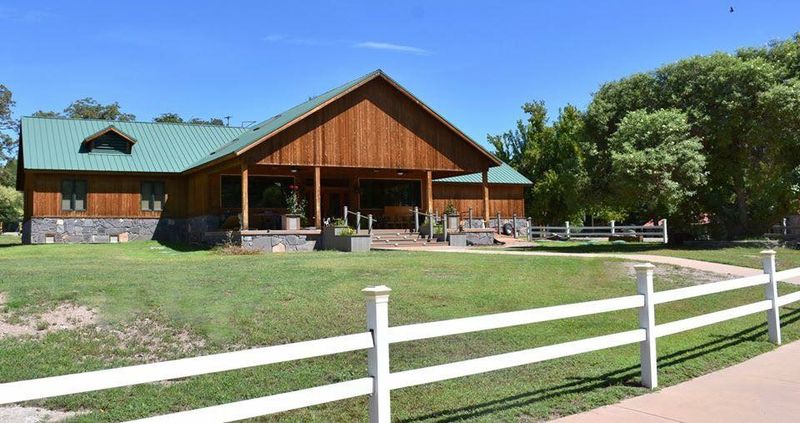
Not everything in this town sits along the main street, and some of the most interesting discoveries require a little wandering up the surrounding hillsides.
Tucked among the pines and scrub oak, small cabins and miner’s shacks cling to the slopes in various states of collapse, their weathered timber walls blending into the forest floor in shades of gray and brown.
These were the homes of the miners and workers who kept the Little Fannie and other mines running through the boom years, and they were built for function rather than comfort.
Single-room structures with low ceilings and small windows, they tell a story of hard work and harder winters at 6,500 feet in the Mogollon Mountains.
The hike up Graveyard Gulch, starting from the old schoolhouse, passes several of these tumbled-down shacks on its 1.25-mile route to the historic Mogollon Cemetery.
Seeing them in context, scattered across the hillside above the town they once served, gives you a fuller picture of how densely this canyon was once populated.
Each cabin feels like a small, personal chapter in a much larger story waiting to be read.
Sunlit Adobe Walls And Weathered Timber
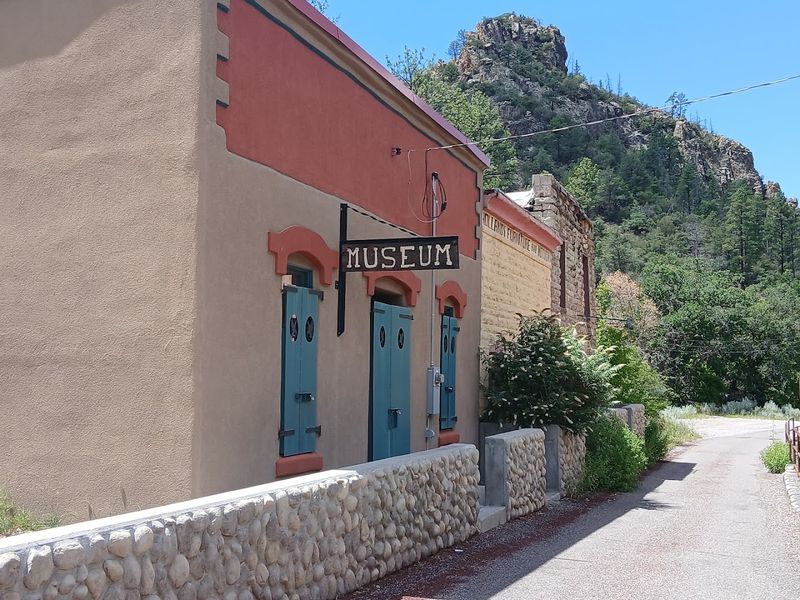
There is something deeply satisfying about the way sunlight hits an adobe wall in the late afternoon, turning rough earthen surfaces into something that glows.
Mogollon has plenty of those moments, especially when the canyon angle catches the sun just right and throws warm light across the mix of adobe and timber construction that defines the town’s architectural character.
After the major fires that repeatedly swept through Mogollon, residents made a practical shift toward adobe construction, which proved far more resistant to spreading flames than the original wooden buildings.
That history is visible in the layering of materials across the townsite, where adobe walls often sit next to or even incorporate older timber framing in ways that tell the story of rebuilding.
The weathered timber elements, door frames, window sills, exposed beams, have taken on a silver-gray patina that contrasts beautifully with the warm tan of the adobe.
Photographers visiting this town will find the sunlit adobe sections particularly rewarding, with textures and shadows that change dramatically from morning to evening.
Every surface here has earned its wrinkles honestly, and that earned quality is exactly what makes the visual experience so satisfying.
A Remote Canyon Walk Through The Past
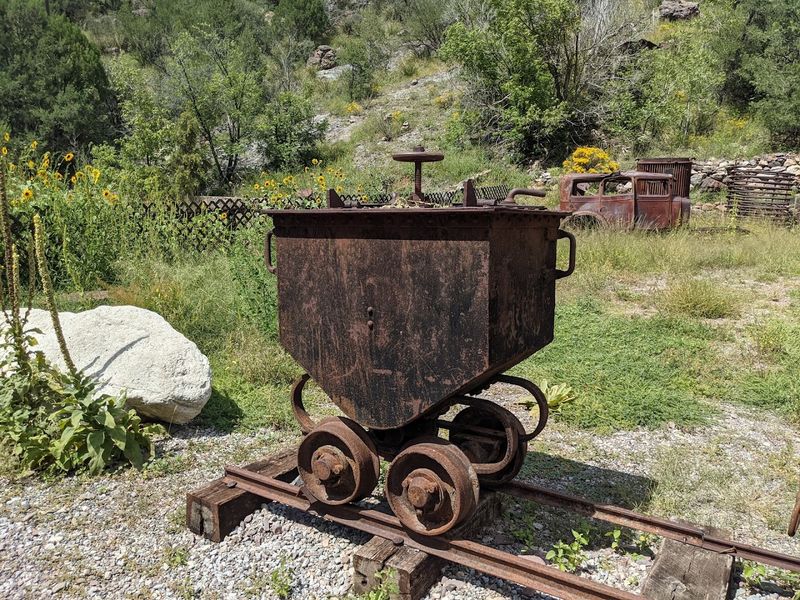
My favorite way to experience this place is simple. I walk slowly, without a fixed agenda, letting the canyon reveal itself at its own pace.
The route up Graveyard Gulch is the most structured hike available, a 1.25-mile trek from the old schoolhouse that passes mine workings, collapsed shacks, and decaying artifacts before arriving at the historic Mogollon Cemetery.
That cemetery holds 207 unique graves, including many people who fell during the 1918 Spanish Flu epidemic, and standing there among the markers with canyon walls all around is a genuinely moving experience.
Beyond that trail, the walk through town and along Silver Creek offers its own rewards, with the creek providing a constant natural soundtrack to the deep silence.
The remoteness of this location is real and worth planning for, as the road in is narrow and winding, and services are limited, with a small cafe and a few businesses open Fridays through Sundays from May through October.
That remoteness is also precisely what preserves the atmosphere, keeping the crowds thin and the experience honest.
This remote canyon walk through the past leads you straight to Mogollon, New Mexico 88039, a place that rewards travelers who make the effort to find it.