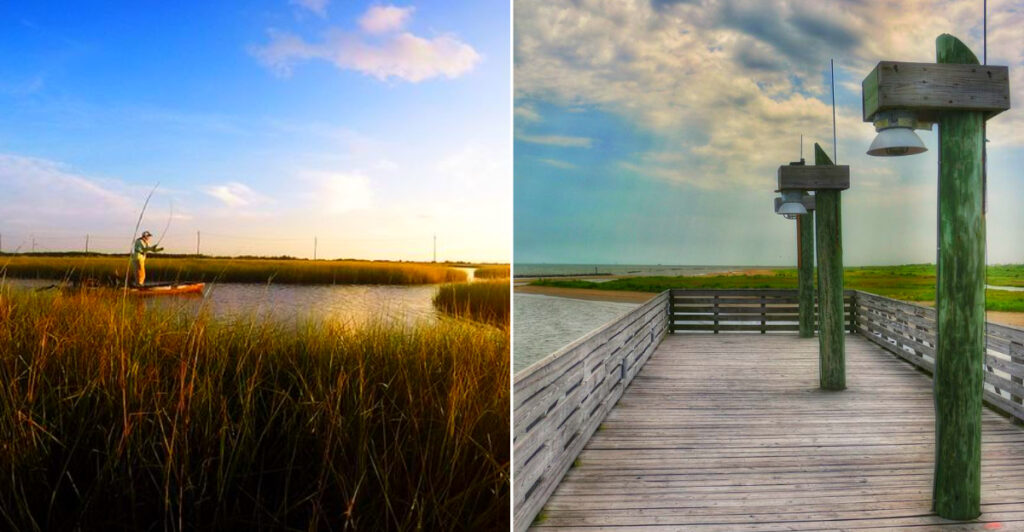
I drove past the marshland for what felt like an hour before the road finally dumped me onto a thin strip of land surrounded by open water.
No resorts. No souvenir shops charging triple. Just houses on stilts, a fishing pier where strangers share bait, plus a beach that stretches empty in every direction. The locals here tell you where the fish are biting instead of guarding the information.
I ate seafood pulled from the Gulf that morning. I watched the sun set over water so calm it looked painted.
At night, the sky went completely dark plus the Milky Way appeared like someone had spilled glitter across the ceiling.
This island is the only inhabited barrier island in the state, plus it still remembers what a relaxing beach town is supposed to feel like. Louisiana has a gorgeous island getaway where the crowds never seem to find their way.
Notice The Raised Creole Cottages
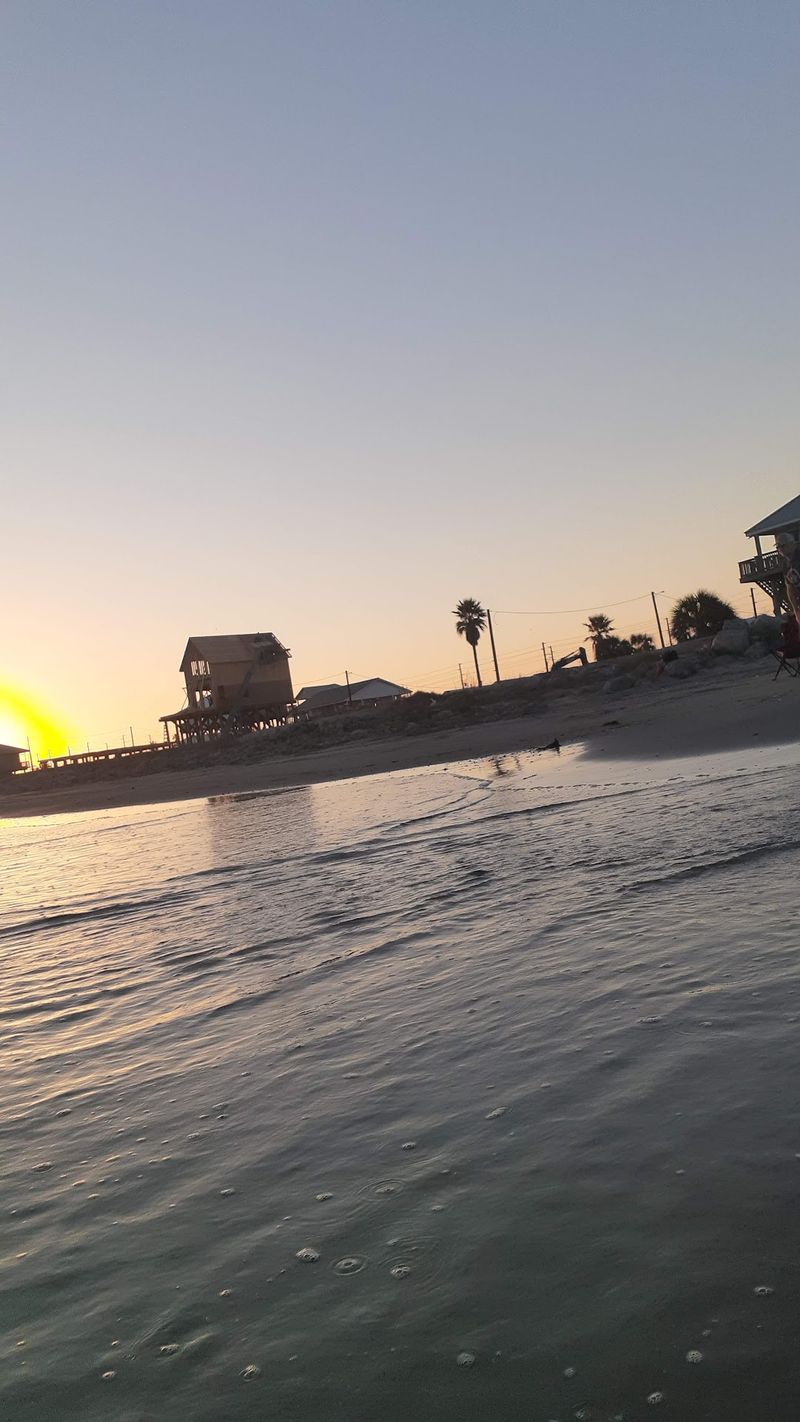
Some of the most memorable sights in Grand Isle are not flashy at all. Raised Creole cottages sit above the ground with broad porches and tall rooms, built in ways that answered heat, flooding, and hard weather long before modern design started talking about resilience.
Many of these homes date to the 1800s, and their survival feels almost stubborn. The 1893 hurricane destroyed grand hotels, yet the island’s oak chenier forests helped shield a number of older houses, leaving behind an architectural record of fishing families and farming life.
Drive slowly through older lanes and really look. Small details, like rooflines, shutters, and porch depth, say a lot about how people adapted here, and they give the island a lived-in beauty no newer beach town can easily copy.
Highway 1 Runs Out Of Louisiana Before The Beach Does
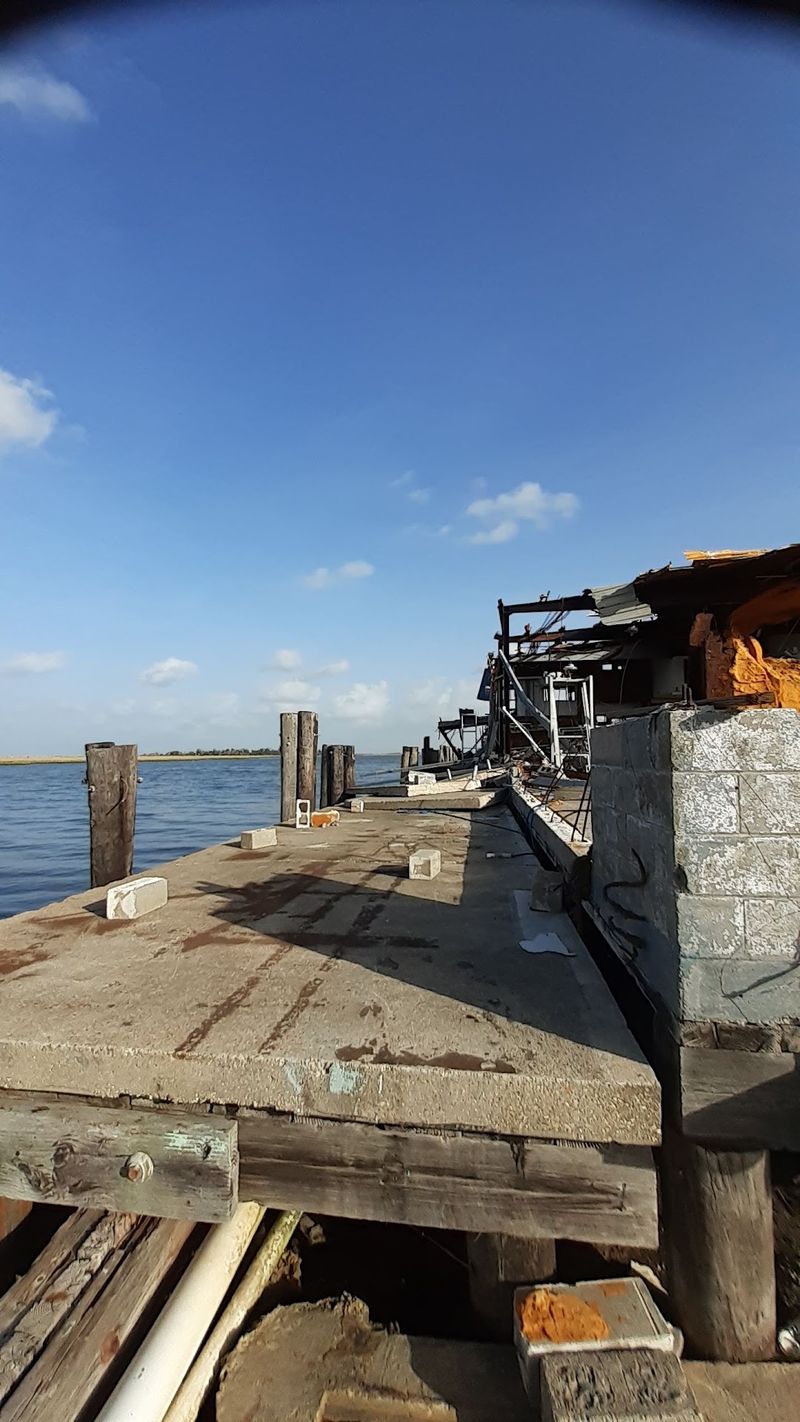
Grand Isle sits at the southern end of Louisiana Highway 1, where the road crosses miles of marshland before reaching the Gulf. Stay on Highway 1 through Leeville and Port Fourchon, then continue over the final bridge onto the island.
Once the bridge drops into town, Highway 1 becomes Grand Isle’s central spine, running past elevated homes, marinas, restaurants, and beach roads. Continue toward the Tourist Information Center at 2757 Louisiana Highway 1 for local guidance, or follow signs toward your chosen beach crossover or the state park.
Grand Isle has several separate public beach access points rather than one central parking lot. Use parking at a designated crossover, walk over the dune path to the Gulf, and avoid private drives or unmarked shoreline access.
Plan Around Spring And Fall Birding
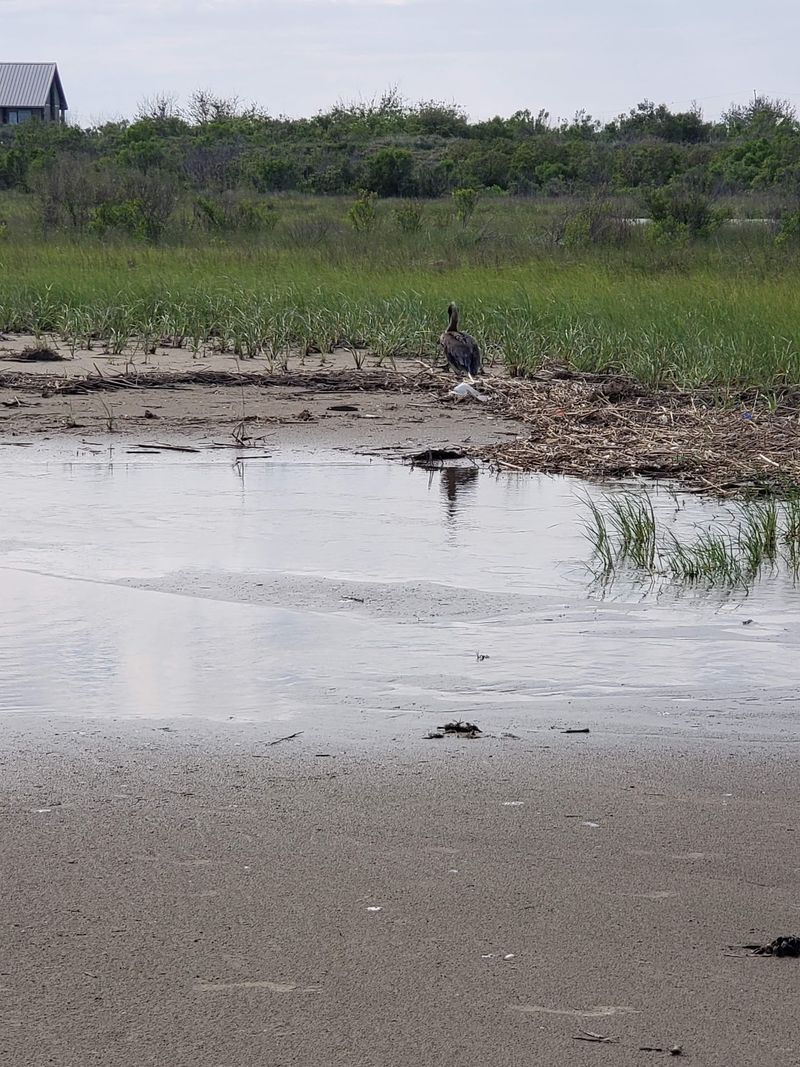
Birds arrive here like travelers who have crossed a huge, shining highway of water. Grand Isle sits along the Mississippi Flyway, and its rare live oak-hackberry chenier forests give migrating birds a precious place to rest after flying across the Gulf.
Spring and fall are especially lively, with songbirds, wading birds, and raptors showing up in woods, marshes, and along the beach. Lafitte Woods Nature Preserve is a key stop, but the state park and the back side of the island can also reward patient eyes.
Bring binoculars, water, and more time than you think you need. Even if you are not a serious birder, the sight of tiny birds dropping into the trees after a long journey makes Grand Isle feel both fragile and astonishingly alive at once.
Try More Than One Kind Of Fishing
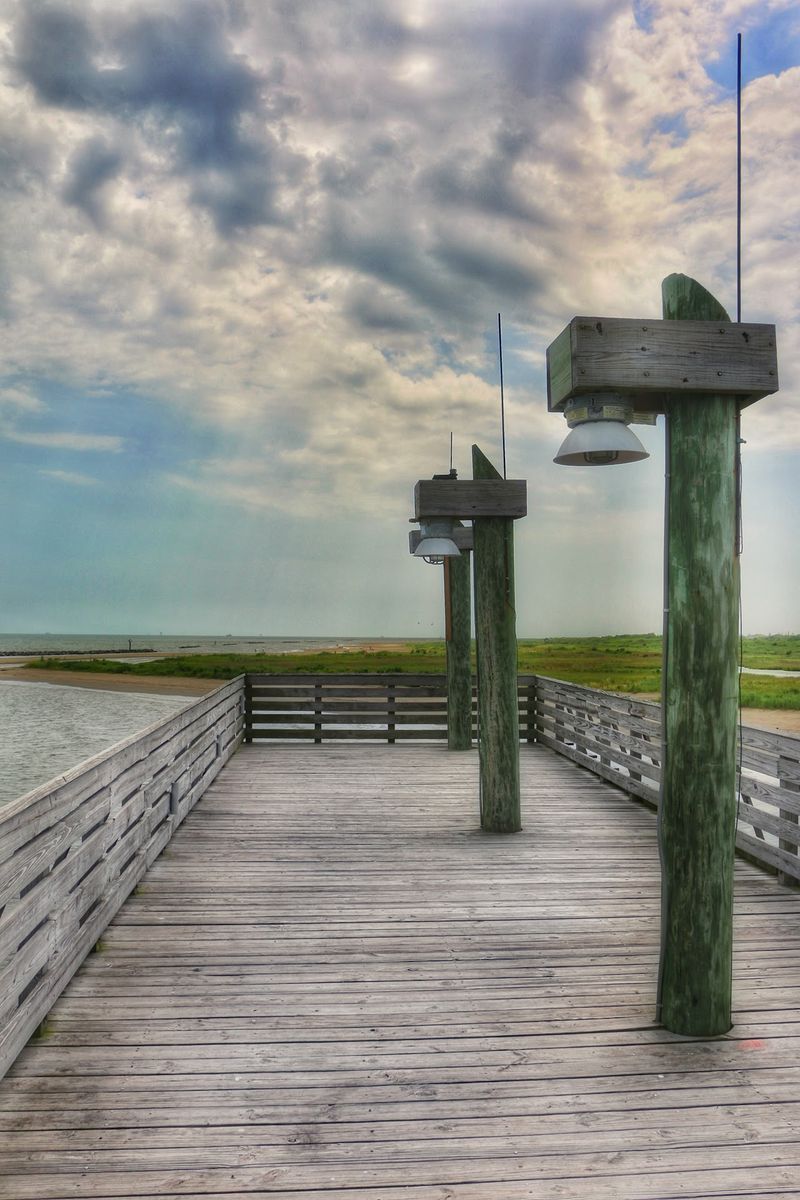
Fishing in Grand Isle is not one single activity, which is part of the fun. The waters around the island hold more than 280 species, so visitors can choose deep-sea trips, inshore outings, surf casting, bank fishing, or a simple session from a public pier.
Grand Isle State Park has a 900-foot fishing pier and a cleaning station, which makes things easier for casual visitors. Sections near the old Caminada Bridge are also popular, and kayak anglers can slip into marshes and lagoons that larger boats cannot reach.
I like that the island never acts precious about fishing. It feels practical, everyday, and woven into local life, so even beginners can join in without feeling out of place, as long as they check rules, tides, and weather before heading out.
Claim A Quiet Stretch Of Beach
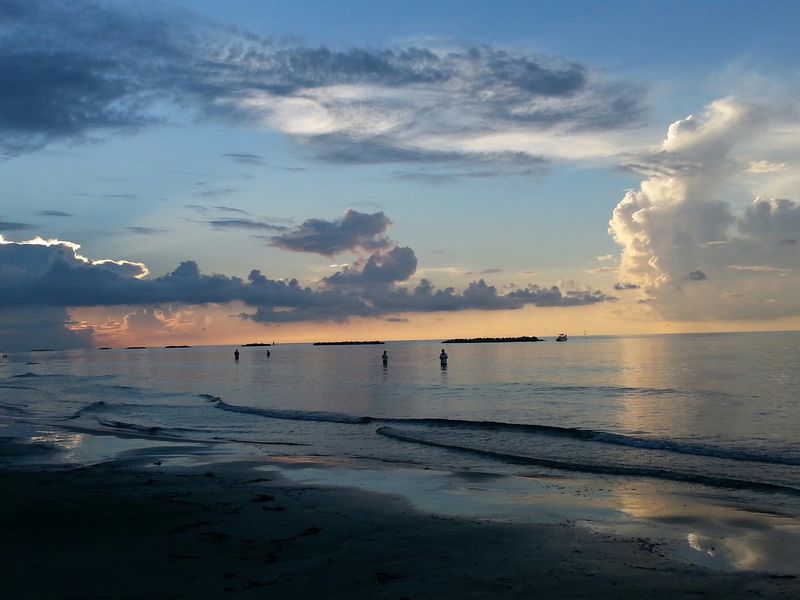
Silence can be the best beach amenity, and Grand Isle has plenty of it. The island offers seven miles of public beaches, and even on a pleasant day the shoreline often feels calmer than busier Gulf spots built around crowds, noise, and nonstop activity.
Swimming, sunbathing, shelling, and simple walking all work well here. The Gulf water stays warm much of the year, and the open space makes it easy to settle into your own small patch of sand without feeling pressed close to strangers.
One practical detail surprises first-time visitors: golf carts are allowed on the beach with a town permit. That little bit of island logic somehow fits perfectly, and it makes exploring the long shoreline feel playful rather than hectic, especially if you want to wander beyond the busiest access points.
Get Out On The Water Early
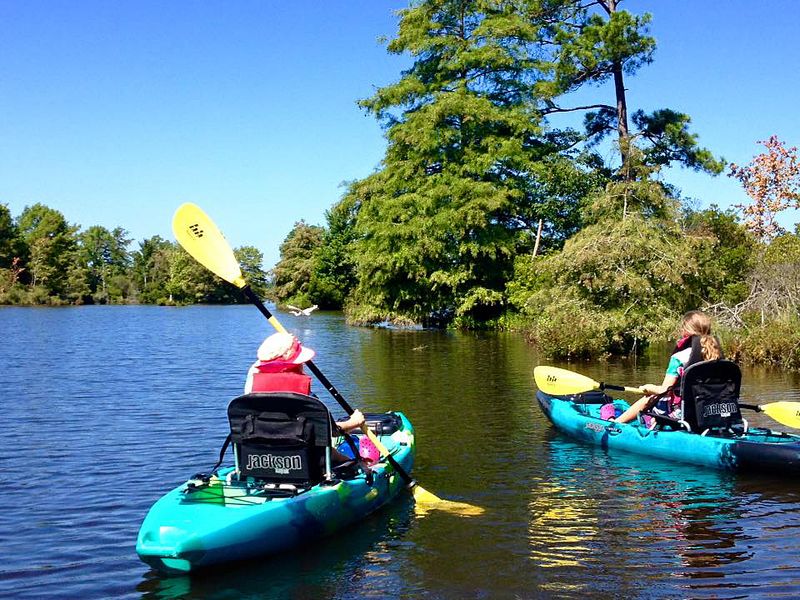
Morning water around Grand Isle can look almost glassy, as if the island has not fully woken up yet. That is the ideal time to try kayaking or paddleboarding in the backwaters, lagoons, and marshy edges where the scenery feels close, quiet, and wonderfully detailed.
Local outfitters can help with rentals and basic guidance, which makes the activity approachable for visitors. More energetic travelers sometimes try surfing or skimboarding, but paddling gives you the best chance to notice birds, changing light, and the odd little textures of coastal life.
Go early to beat stronger sun and shifting winds. A hat, water, and dry bag matter more than people expect, and the slower pace of a paddle trip often reveals more of Grand Isle than racing from one landmark to the next ever could.
Give The State Park A Full Half Day
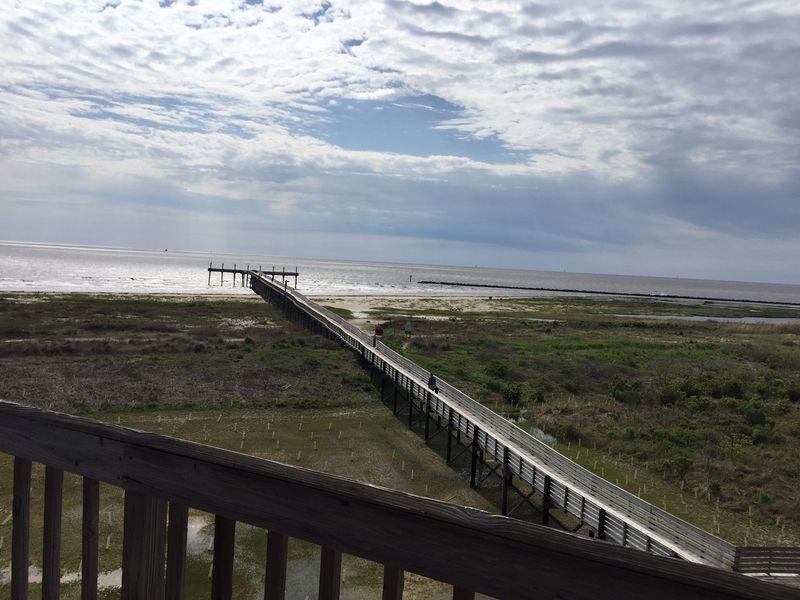
At the eastern end of the island, Grand Isle State Park pulls several versions of the coast into one place. It is Louisiana’s only state park directly on the Gulf, and its 140 acres include beach, lagoons, trails, camping areas, birding spots, and a crabbing pier.
The 2.5 miles of nature trails are easy to overlook if you focus only on the shore, but they are worth your time. You can hike or bike through changing habitats and get a better feel for how tightly packed the island’s ecosystems really are.
Set aside at least half a day instead of treating the park like a quick stop. That extra time lets you shift between beach and trail, notice wildlife, and catch the place in different moods as wind, light, and tide keep subtly rearranging the scene.
Respect The Island’s Fragile Defenses
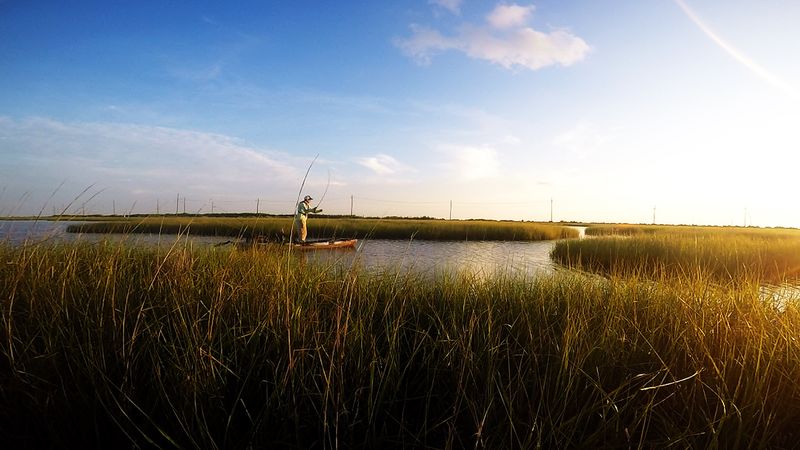
Grand Isle may feel sturdy in spirit, but its natural systems are delicate. Dunes, beaches, marshes, and the rare chenier forests do serious work here, protecting habitat, helping wildlife, and buffering inland places from storm energy in ways that are easy to underestimate.
Groups such as The Nature Conservancy and local efforts like Restore Grand Isle support tree planting, dune work, and broader restoration. Those projects are not decorative extras.
They help preserve migratory bird habitat and strengthen the island’s natural defenses over time.
Visitors can help in simple ways that matter. Stay off protected dunes, avoid trampling plants, pack out trash, and follow posted beach guidance.
Grand Isle’s beauty is tied to survival, and once you understand that, the landscape stops feeling disposable and starts feeling deserving of real care.
Eat Local And Wander The Back Lanes
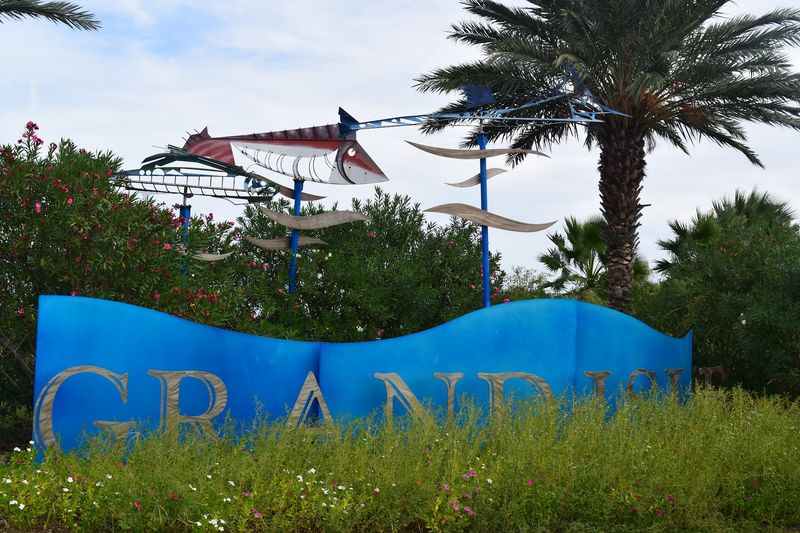
Some places reveal themselves best between meals, and Grand Isle does that beautifully. Fresh seafood is central to local life, so looking for crab, shrimp, and oysters is an easy way to taste the island’s working identity rather than just its vacation side.
After eating, wander family-owned shops and the quieter roads behind the main strips. Streets such as Post Lane have old oaks, older homes, and that slightly weathered look that tells you people live here for real, not only for a weekend picture.
I always end up slowing down in these less obvious corners. They are where Grand Isle sheds any hint of beach-town sameness and becomes more specific, more human, and far more memorable than a schedule built only around sand, sun, and the next outdoor activity.
Pick Your Season With Care
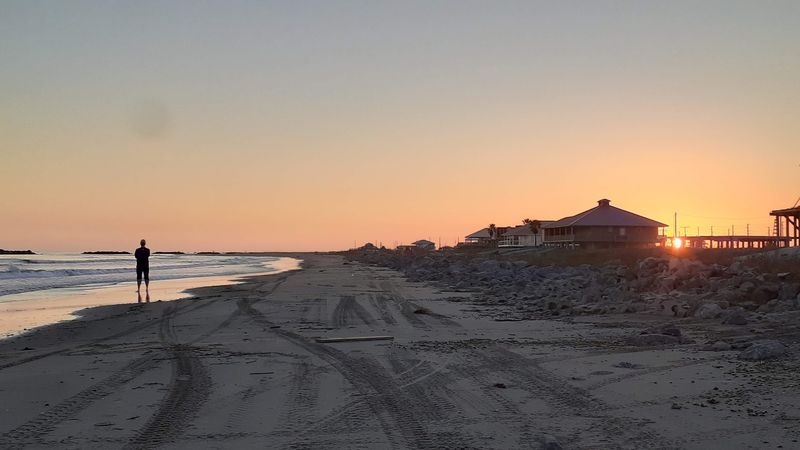
Grand Isle changes its personality with the calendar, so timing matters more than many visitors expect. Spring, especially from March to May, usually brings pleasant temperatures, strong fishing, and peak bird migration, making it one of the smartest choices for a first trip.
Fall has its own quiet rewards. Beaches feel less crowded, temperatures often stay mild, birdwatching remains excellent, and anglers still find productive days for species such as redfish and trout in surrounding waters.
Winter can work surprisingly well if your main goal is peace. The island feels spare, open, and thoughtful then, and productive fishing days still happen.
Summer has beach energy, of course, but for a dreamy getaway without the biggest crowds, spring and fall usually offer the nicest balance of comfort and space.
See Resilience, Not Just Scenery
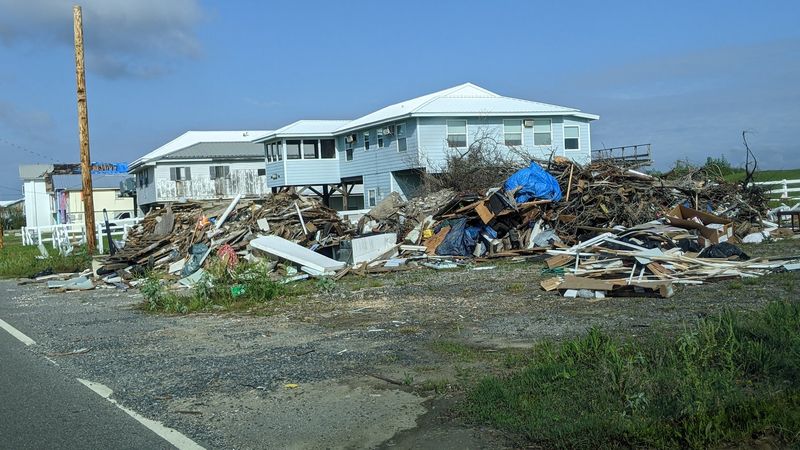
Beauty on Grand Isle never feels separate from hardship, and that is part of what makes it moving. As a barrier island, it helps shield inland communities from storm force, yet it also takes direct hits from hurricanes that repeatedly test homes, roads, beaches, and daily routines.
Storms such as Betsy in 1965 and Ida in 2021 left major damage, but the island keeps rebuilding. Ongoing work to reinforce dunes, beaches, and other natural defenses shows how survival here depends on both community effort and healthy coastal systems.
Spend a little time looking past the postcard views. You begin to notice repairs, plantings, and practical choices shaped by experience, and the island becomes more than a pretty destination.
It turns into a lesson in endurance, adaptation, and coastal life lived without much illusion.