Outlaw history always feels a little more thrilling when there is a secret tunnel involved.
A hidden Kansas passage tied to one of America’s most notorious gangs brings the Wild West out of dusty legend and into a place you can actually picture: hurried footsteps, whispered plans, and a desperate escape route beneath an ordinary-looking hideout.
It is the kind of story that makes history feel less like a textbook and more like a scene from a frontier crime drama.
The appeal is part mystery, part danger, and part old-fashioned curiosity. You do not have to be an outlaw buff to feel the pull of a place where real people once tried to slip away from trouble underground.
Kansas has plenty of quiet prairie towns, but stories like this prove some of them are hiding seriously dramatic chapters.
I have always liked historic spots with a little suspense built in, and a tunnel once linked to infamous outlaws would absolutely make me lean closer, look harder, and imagine every shadow.
The Dalton Gang: Who Were These Notorious Outlaws
Before the tunnel made headlines, the men behind it were already legendary. The Dalton brothers, Bob, Grat, and Emmett, rose to notoriety in the late 1800s as one of the most feared outlaw gangs in the American West.
Originally from a large Kansas family, they started out on the right side of the law, working as lawmen and U.S. marshals.
But the lure of fast money pulled them toward train robberies and bank heists that made their names infamous across the frontier.
Their story feels almost cinematic, a family torn between duty and crime, leaving a trail of bold escapes and dramatic confrontations.
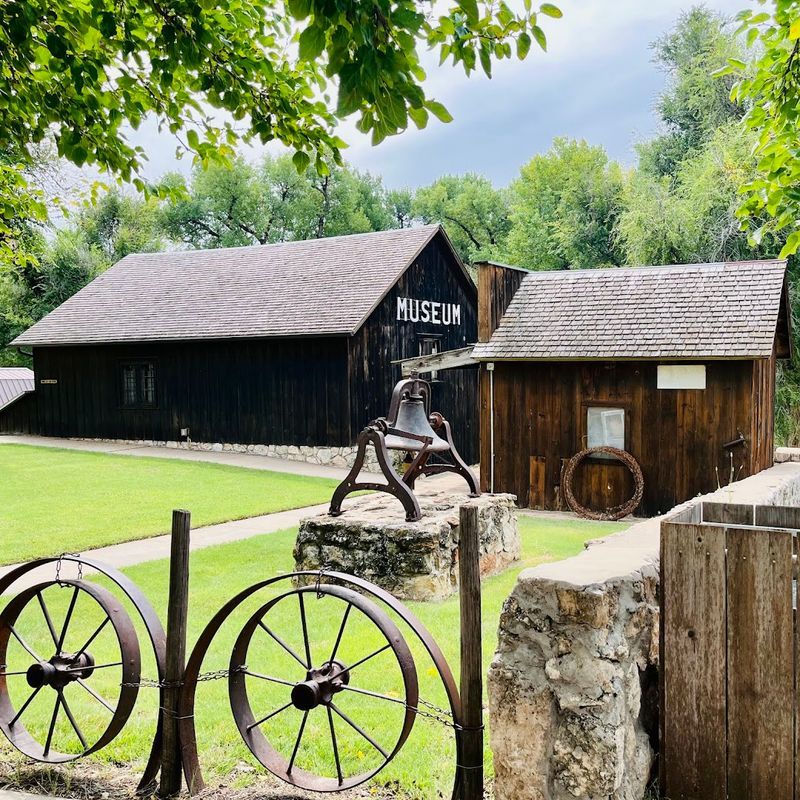
The Dalton Gang Hideout Museum and Souvenir Shop in Meade, Kansas, keeps that story alive with artifacts, photographs, and firsthand accounts that put real faces on the legend.
Knowing who they were makes walking through that tunnel feel genuinely thrilling.
The Farmhouse Connection: A Sister’s Secret Role
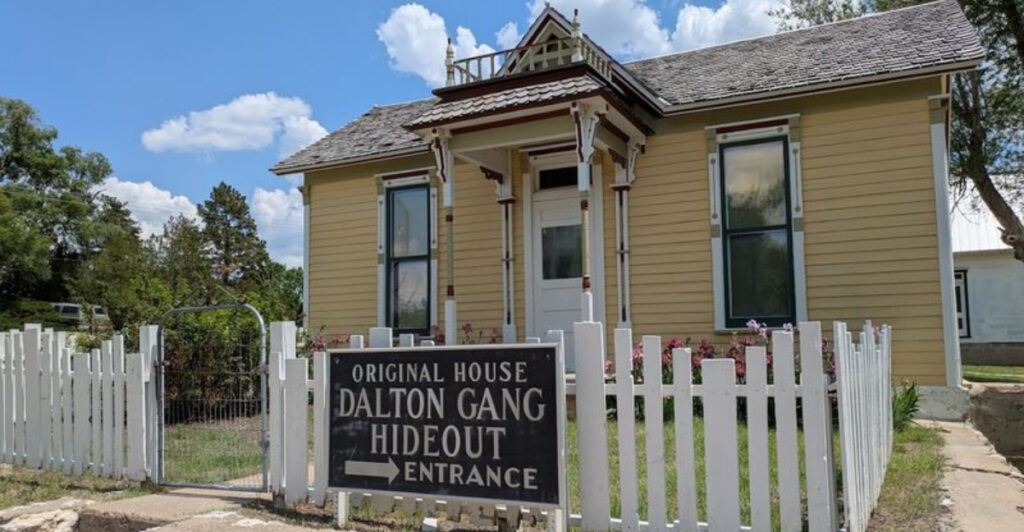
Here is a detail that most people do not expect: the hideout was not some remote cave or abandoned shack.
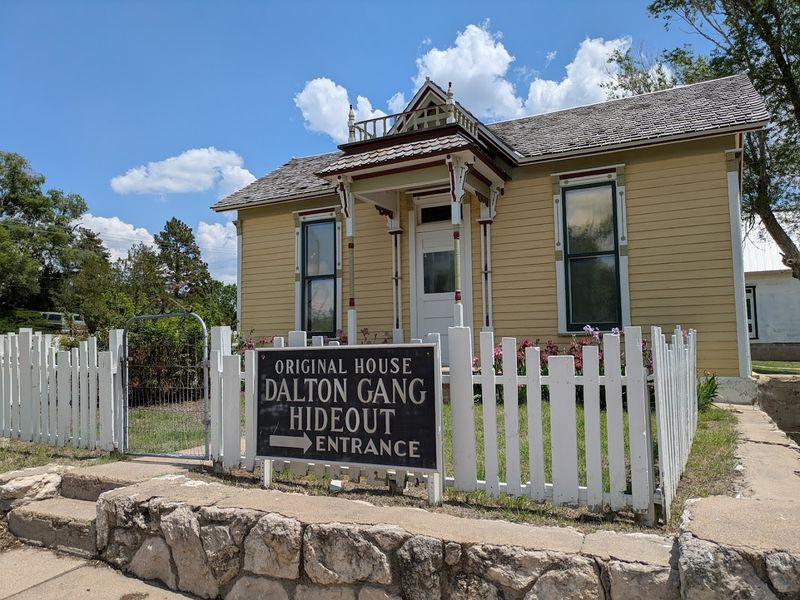
It was a perfectly ordinary-looking farmhouse owned by Eva Dalton Whipple, sister of the Dalton brothers.
Eva and her husband lived at the property on what is now 502 S Pearlette St in Meade, Kansas, and the house served as a safe haven whenever the gang needed to lay low.
To neighbors, it was just another frontier home on the Kansas plains.
That cover story was part of what made it so effective. Nobody suspected a family homestead of harboring some of the most wanted men in the country.
The Dalton Gang Hideout Museum and Souvenir Shop preserves the original structure, letting visitors stand inside the very rooms where the gang once ate, slept, and plotted their next moves. Family loyalty, it turns out, ran dangerously deep.
The Tunnel Itself: Engineering An Escape Route
The tunnel is the undisputed star of the whole experience.
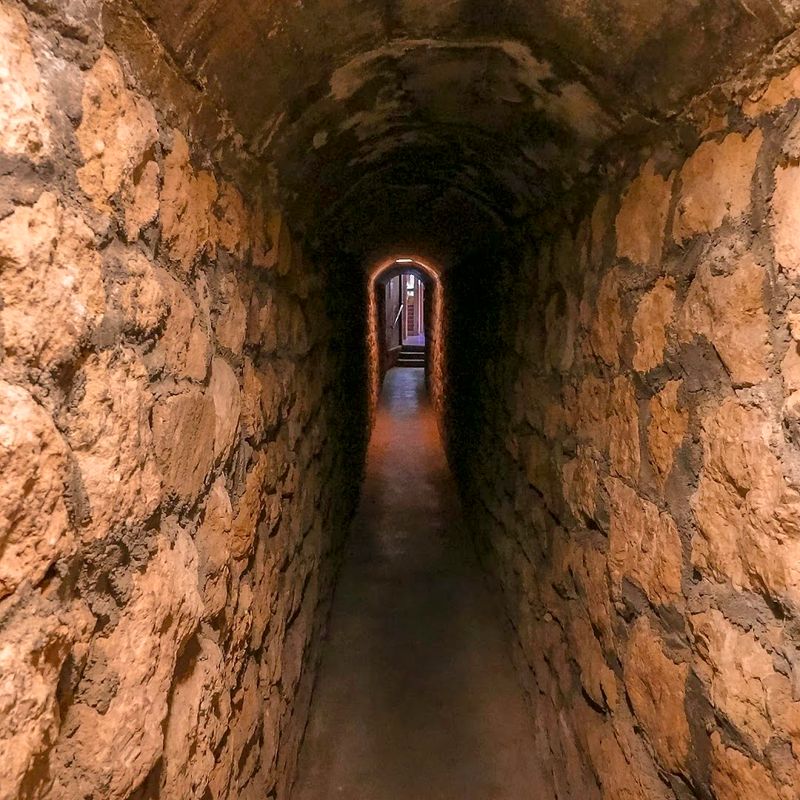
Running roughly 95 feet underground, it connected the farmhouse basement directly to the barn, giving the Dalton Gang a concealed exit if lawmen ever came knocking at the front door.
What makes it impressive is how practical it is. The passage is low, tight, and earthy, exactly the kind of space you would build if your goal was speed and secrecy rather than comfort.
Visitors who walk through it today often describe a genuinely eerie feeling, knowing that real outlaws once crawled through the same darkness.
The tunnel has been carefully preserved so that the experience stays as authentic as possible.
At the Dalton Gang Hideout Museum and Souvenir Shop, this underground corridor is not just a display, it is something you physically move through, and that hands-on quality is what makes it unforgettable. Some history is best felt, not just read about.
The 1892 Coffeyville Raid: The Beginning Of The End
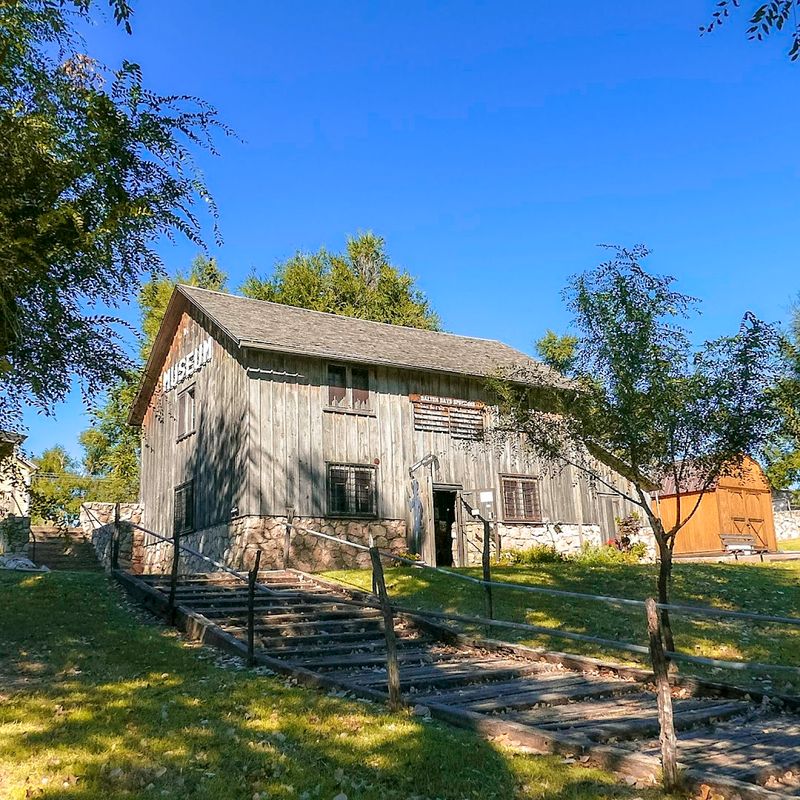
Every outlaw story has a turning point, and for the Dalton Gang, that moment came on October 5, 1892.
The brothers attempted something audacious: robbing two banks simultaneously in Coffeyville, Kansas, a town where many locals actually recognized them.
The plan collapsed fast. Townspeople armed themselves and a fierce gunfight erupted in the streets.
By the end of the confrontation, four citizens and four gang members had lost their lives, and the Dalton Gang as a unit was effectively finished. Only Emmett survived, though he was seriously wounded.
The Coffeyville raid is covered in detail at the Dalton Gang Hideout Museum and Souvenir Shop, with displays that help visitors understand just how dramatically the gang’s story ended. It is a sobering contrast to the tunnel’s quiet secrecy.
What began as a calculated operation became one of the most chaotic days in Kansas outlaw history, and the exhibits do not shy away from that reality.
Emmett Dalton’s Survival And Later Life
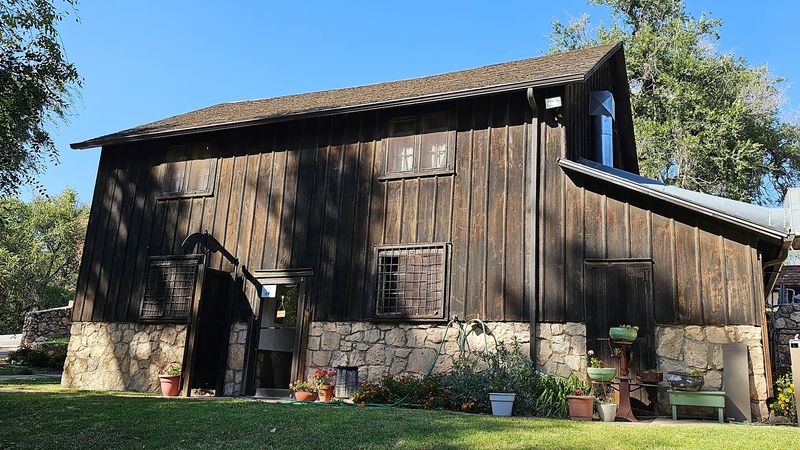
Out of all the Dalton brothers who rode together, Emmett was the one who lived long enough to tell the tale himself.
After surviving Coffeyville with serious injuries, he was convicted and sentenced to life in prison, but was pardoned in 1907 after serving about 14 years.
What happened next is genuinely surprising. Emmett went on to become a real estate agent, wrote a memoir called “When the Daltons Rode,” and even consulted on Hollywood films about his family.
He lived until 1937, long enough to see his outlaw days become pop culture legend.
His story adds a layer of complexity to the Dalton narrative that the Dalton Gang Hideout Museum and Souvenir Shop explores thoughtfully.
Emmett’s transformation from convicted outlaw to respectable citizen raises real questions about identity and second chances.
His journey also echoes stories from places as far away as Ohio, where former outlaws sometimes reinvented themselves in new communities after serving their time.
The Museum’s Artifacts: A Window Into Frontier Life
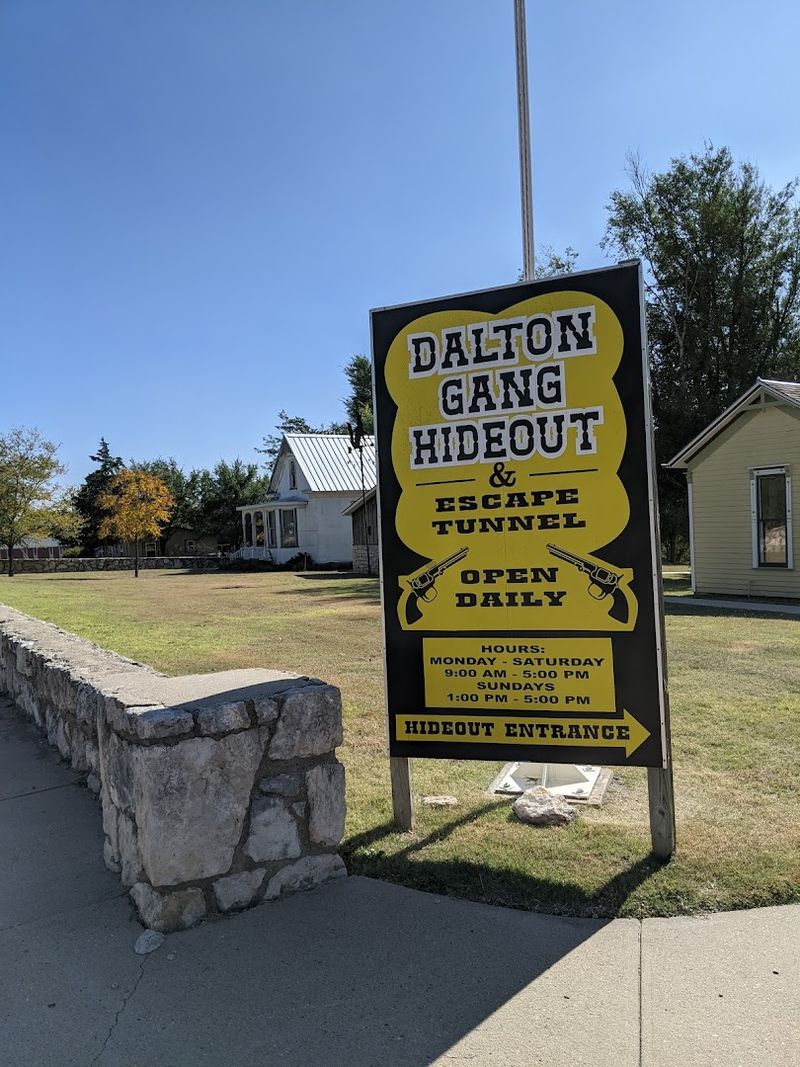
Step beyond the tunnel and you will find a surprisingly rich collection of period artifacts that flesh out the world the Dalton Gang actually lived in.
The museum features vintage firearms, old photographs, wanted posters, and everyday objects from the frontier era that give context to the outlaw lifestyle.
There is also a taxidermy display upstairs that catches visitors off guard in the best possible way, adding a quirky, old-school museum charm that feels authentic rather than staged.
It is the kind of detail that reminds you this institution has been around for roughly 80 years and has its own personality.
Visitors consistently mention how knowledgeable and passionate the staff are, often going well beyond the displays to share stories, answer questions, and bring the history to life verbally.
At the Dalton Gang Hideout Museum and Souvenir Shop, the artifacts are great, but the people presenting them are what truly make the collection sing.
Meade, Kansas: The Small Town Behind the Big Story
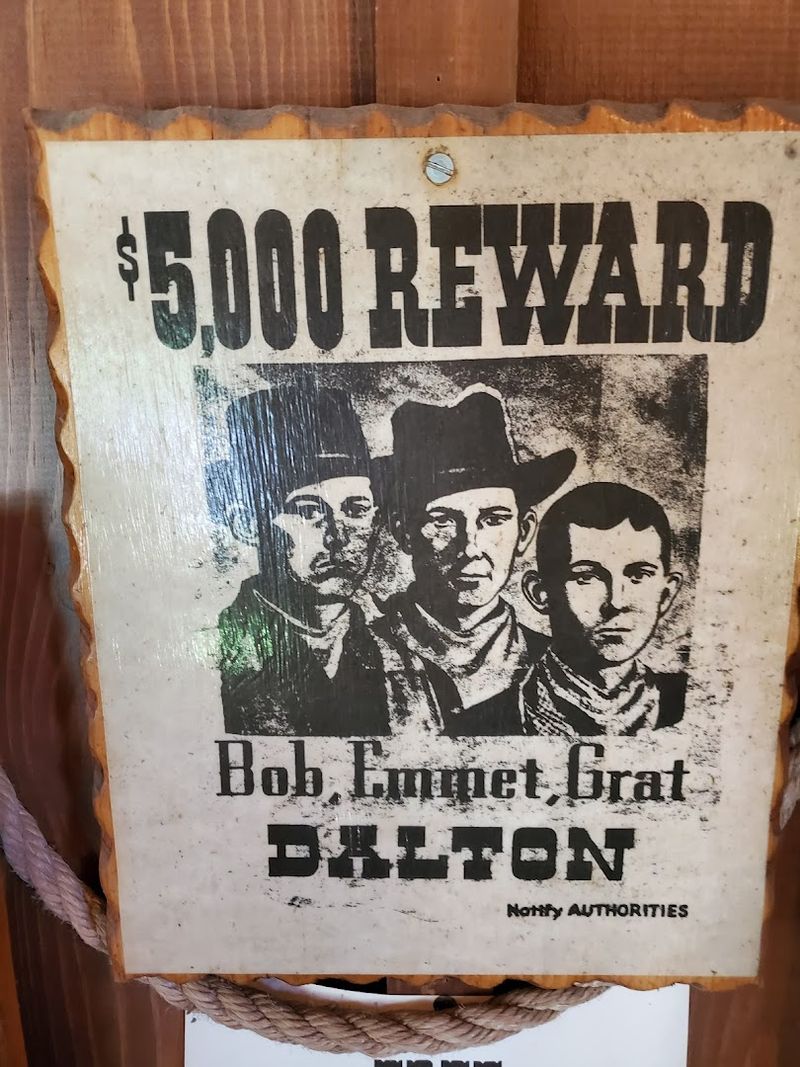
Meade, Kansas, is the kind of town that road-trippers might pass through without a second glance, but that would be a serious mistake.
With a population of just over 1,500 people, it sits in the southwestern corner of the state, surrounded by the wide, unhurried landscape of the Great Plains.
The town takes genuine pride in its outlaw heritage, and the area around the hideout is well-maintained and welcoming, with picnic grounds and open space that make it a pleasant stop for families and solo travelers alike. There is even a small stage on the property that hints at summer events.
Meade feels like the kind of community that has decided to own its unusual history rather than downplay it.
Much like small towns in Ohio that celebrate their own quirky historical footnotes, Meade leans into the Dalton story with confidence and community spirit. That local pride is part of what makes a visit here feel genuinely warm.
Visiting Tips: Hours, Admission, And What To Expect
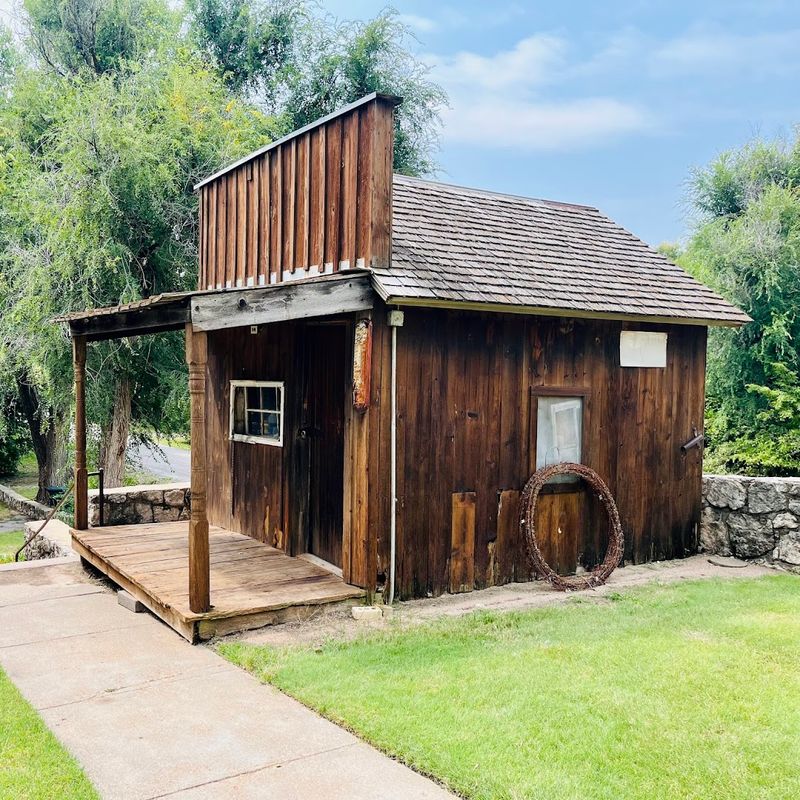
Planning a stop at the Dalton Gang Hideout Museum and Souvenir Shop is straightforward, but a few practical details are worth knowing before you arrive.
The museum is generally open Monday through Saturday from 9 AM to 5 PM, with Sunday hours running from 1 to 5 PM.
That schedule makes it a flexible option for road-trippers passing through during regular daytime hours. The admission price is modest, making it an easy yes for families on a budget.
The self-guided tour format means you can move at your own pace, though the on-site staff are known for being exceptionally informative and enthusiastic if you want a more guided experience.
Dogs are welcome on the grounds, which is a bonus for pet owners on long drives.
Whether you are cutting across Kansas from Ohio or simply exploring the region, a stop at 502 S Pearlette St in Meade rewards the detour with far more than you might expect from a small-town attraction.
The Souvenir Shop: Taking A Piece Of History Home
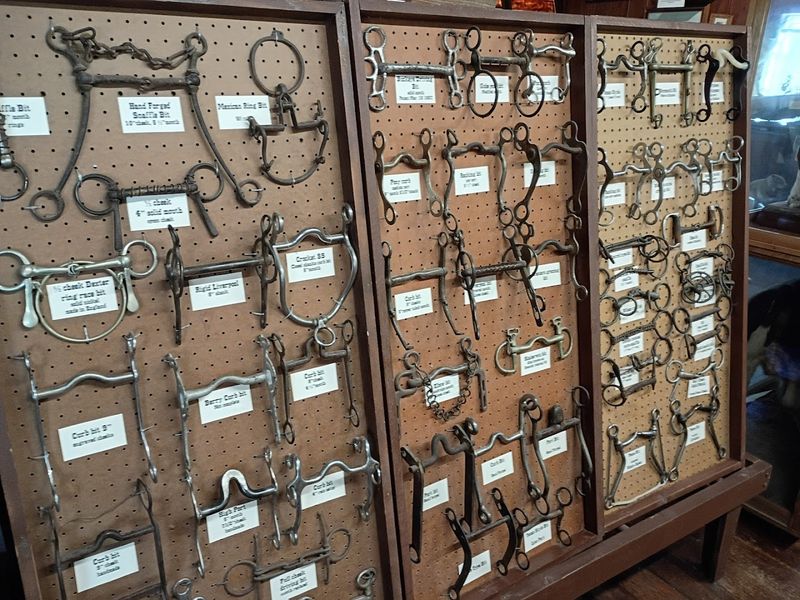
Not every museum souvenir shop earns its own mention, but this one does.
The shop at the Dalton Gang Hideout Museum and Souvenir Shop carries a solid selection of Western-themed gifts, history books, postcards, and branded memorabilia that go well beyond the generic tourist trinket category.
For history enthusiasts, the book selection alone is worth browsing.
Titles covering the Dalton family, frontier justice, and Wild West outlaws give visitors a way to keep learning long after they have left Meade behind.
It is the kind of shop where you go in for a postcard and leave with three books and a replica sheriff’s badge.
Picking up a souvenir here feels more meaningful than most because the items connect directly to the story you just experienced.
From Ohio to Oregon, road-trippers often talk about the small, unexpected stops that stuck with them, and a well-curated souvenir shop is one of the details that helps a place linger in your memory.
Why This Place Keeps Drawing Visitors Back
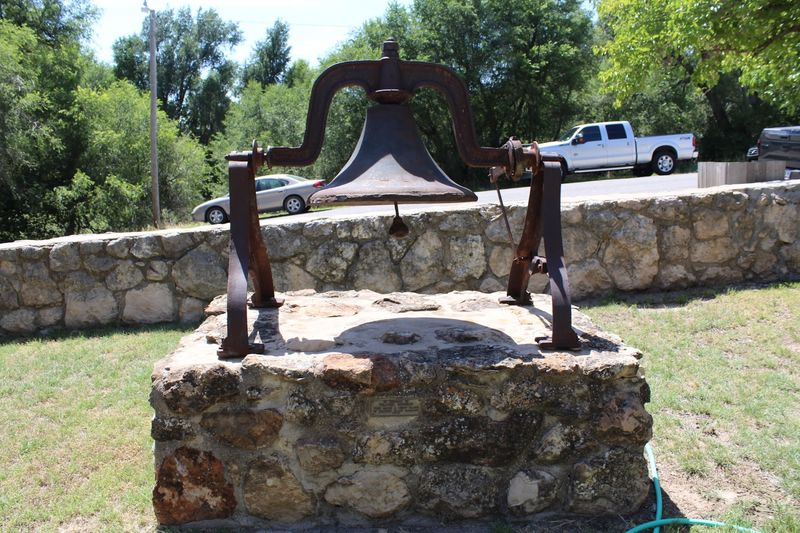
A 4.5-star rating from nearly 500 reviewers is not something a small Kansas museum earns by accident.
The Dalton Gang Hideout Museum and Souvenir Shop keeps pulling people in because it delivers something increasingly rare in modern tourism: an experience that feels genuine, personal, and a little rough around the edges in the best possible way.
The staff genuinely love the history they share. The tunnel genuinely surprises people.
The artifacts are real, the building is original, and the story behind it all is one of America’s most dramatic outlaw sagas. That combination is hard to manufacture.
Road-trippers from across the country, including many from Ohio who are crossing the country on long drives, consistently describe this stop as one of the highlights of their journey.
It is the kind of place that reminds you that history does not always live in grand museums in big cities.
Sometimes it lives in a farmhouse tunnel in a small Kansas town, waiting quietly for you to walk through it.