Louisiana is not known for caves. The state is flat, wet, plus built on sediment that does not form the kind of underground passages that draw spelunkers elsewhere.
Which makes the rock overhangs tucked along a creek in Kisatchie National Forest all the more surprising.
The trail to reach them is short, barely a few minutes on foot, but the destination feels transported from another landscape.
Two rock shelters overlook the creek, their ceilings blackened by smoke from fires that burned thousands of years ago when Archaic peoples used these overhangs as temporary homes.
Later visitors included Union soldiers hiding supplies during the Civil War, plus outlaws who found the seclusion useful for reasons the historical markers do not spell out.
A hidden Louisiana forest trail leads to rock overhangs that sheltered early inhabitants millennia before anyone thought to call this state home, plus the creek running below still sounds exactly as it did then.
Plan Your Parking And Approach
Start at the designated parking area near Parish Road 455 or Forest Service Road 403; the spot is small but clearly marked and leads to a trailhead within a few minutes walk.
The dirt and gravel access road can be rough after rain, so park mindfully and avoid blocking any forest service gates or pullouts meant for maintenance vehicles.
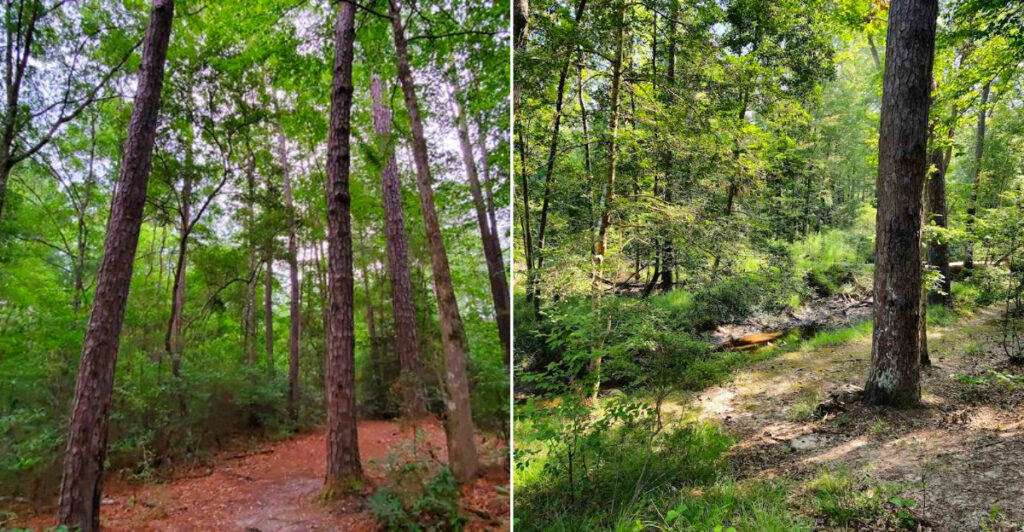
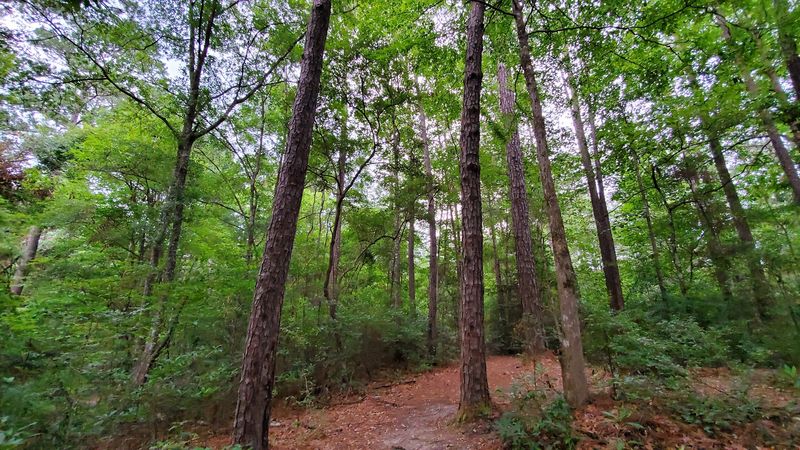
From the lot the trail is a short, shaded walk, often under a canopy of pines and hardwoods. Keep an eye on posted signage and the historical marker that gives context to the cave; it’s easy to miss small informative plaques if you’re focused on reaching the overhangs quickly.
Bring a map or save GPS coordinates 30.9722767, -93.1922582; phone reception can be spotty but these coordinates reliably get visitors to the right pullout in Vernon Parish.
The Cave Starts Where The Pavement Gives Up
From Highway 171 in Pickering, take Louisiana Highway 10 east and follow the official forest route toward the quieter backroads.
The final approach shifts from regular highway driving to Forest Service roads, so slow down and trust the signs more than the feeling that you should already be there. After turning onto Forest Service Road 403, continue through the woods until the Wolf Rock Cave parking area appears on the right.
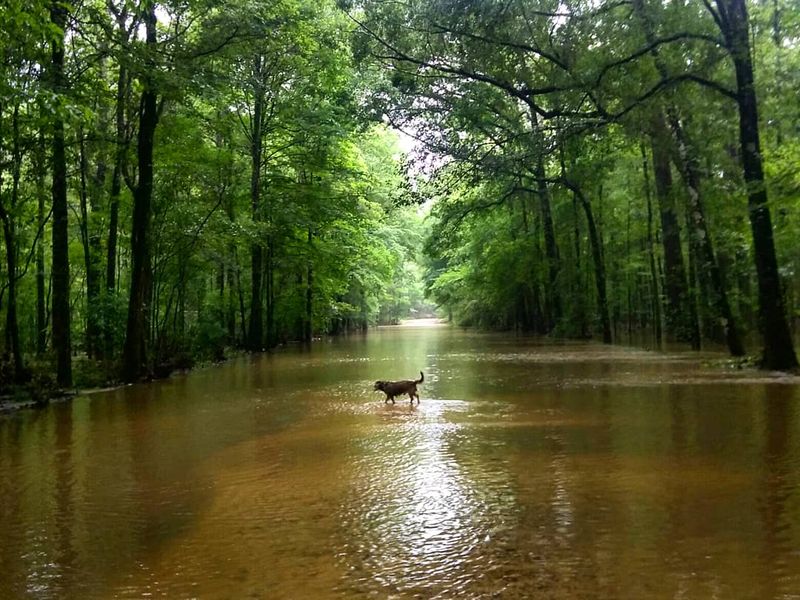
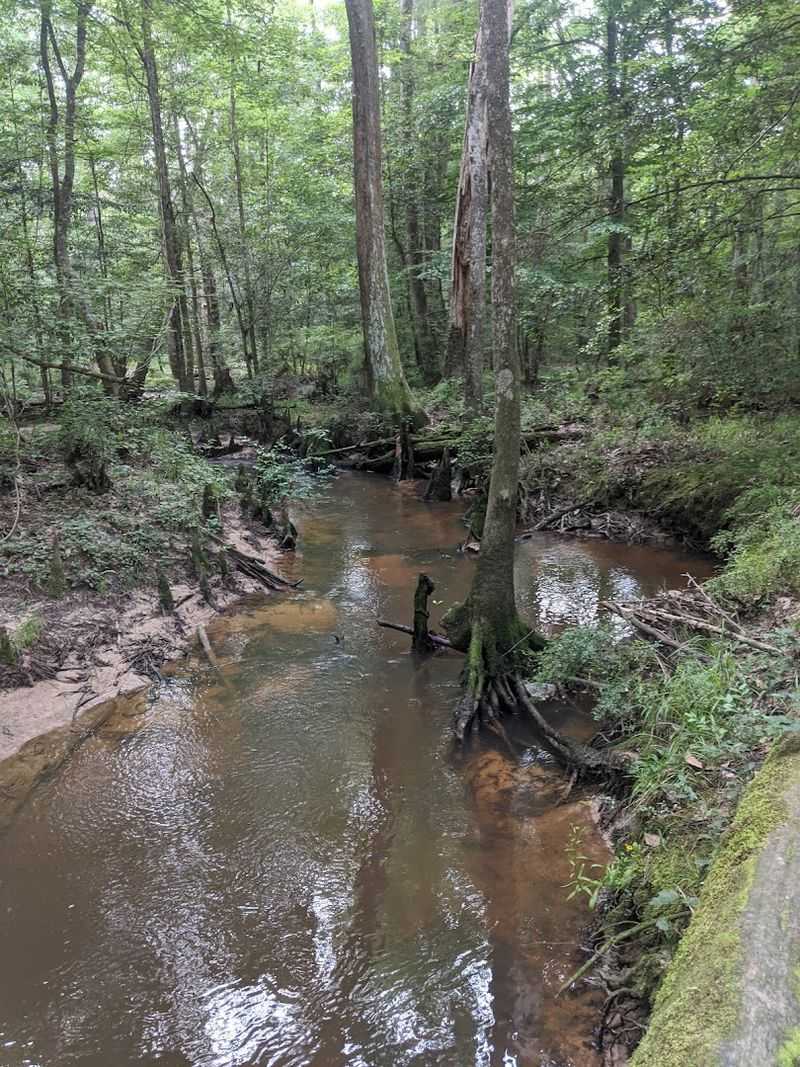
From the parking area, the cave is reached by a short trail along Bundick’s Creek. Dress for wooded, uneven ground, because the last part of the trip is a walk through the forest rather than a step out of the car.
Dress For Uneven Ground
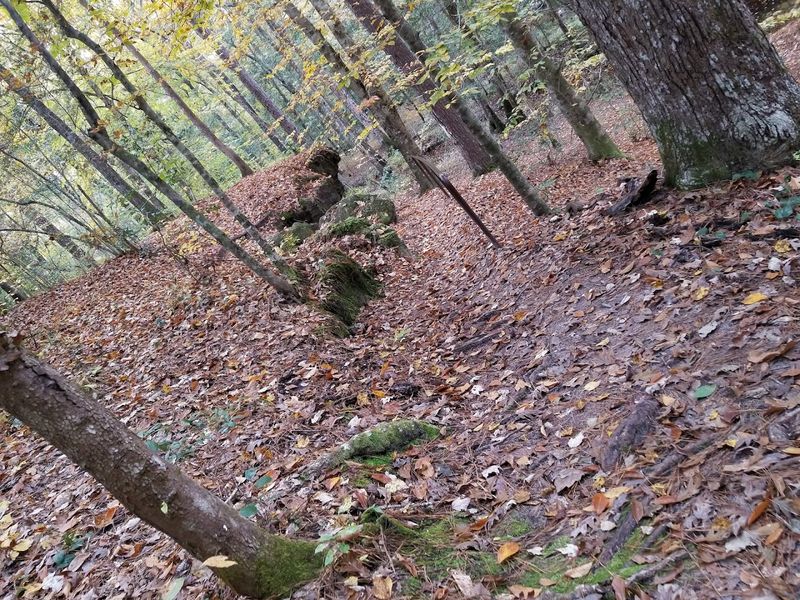
The walk from the parking area to Wolf Rock Cave is brief but deceptively variable in footing; sections of trail have roots, leaf litter, and short steep bits that demand ankle support. I learned this the first time I misjudged a step and appreciated decent tread more than once during the visit, especially when detouring off the path to explore creekside viewpoints.
Shoes with good grip help on the slick patches near Bundick Creek and when scrambling toward the cave mouth. If you travel with kids or older companions, suggest lightweight hiking boots or trail sneakers rather than everyday sneakers to reduce slips and sore ankles.
Bring a small gaiter or quick-change socks if rain is forecast; the road into the ranger district can toss up mud that clings to shoes and makes the short hike suddenly messy.
Bring Bug Spray And Sun Protection

Mosquitoes and biting insects are commonly mentioned by visitors to Wolf Rock Cave, particularly in warmer months and near Bundick Creek, so bug spray is a must-have item for comfort.
Applying repellent before you leave the car stops the pests from making the short hike memorable for the wrong reasons, and a small travel-size bottle fits easily in a daypack.
Although the path is mostly shaded, sun protection matters for the drive and any exposed stretches near parking or trail entrances; a hat and sunscreen prevent surprise sunburns during summer or late afternoon visits. Consider lightweight long sleeves to protect from both sun and insects while keeping cool.
For families, pack a child-safe repellent option and treat clothing or gear with permethrin if you plan repeated forest outings; it reduces the need for heavy topical application and helps keep everyone more comfortable while exploring the site.
Respect Archaeology And Leave No Trace
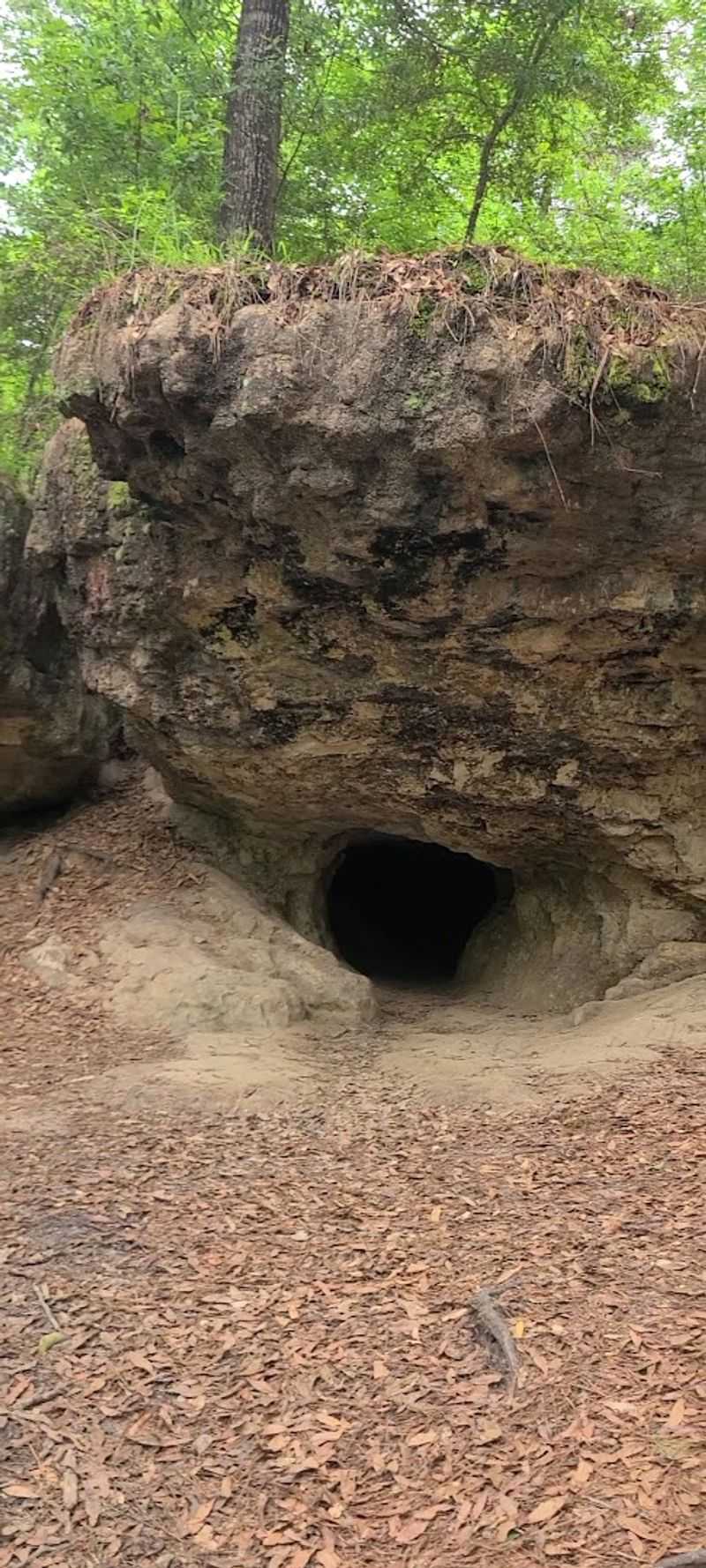
Wolf Rock Cave is archaeologically significant as Louisiana’s oldest known human shelter, so respecting the site is essential for preserving its scientific value.
Remove nothing and disturb nothing; artifacts such as chert flakes and old tools are part of a fragile record that tells a story of Archaic peoples over 4,500 years ago, and removing items or digging alters that narrative forever.
Stick to established paths and the immediate viewing areas near the cave mouth; wandering into closed-off sections, especially those sealed for safety by the Forest Service, is both illegal and hazardous.
Pack out any trash and consider bringing a small bag to collect stray litter you encounter, helping keep the site natural for future visitors.
If you find something that appears archaeological, photograph it, note its location, and report it to Forest Service staff rather than attempting to move it. This simple habit supports preservation and helps researchers protect regional heritage responsibly.
Time Your Visit For Cooler Light
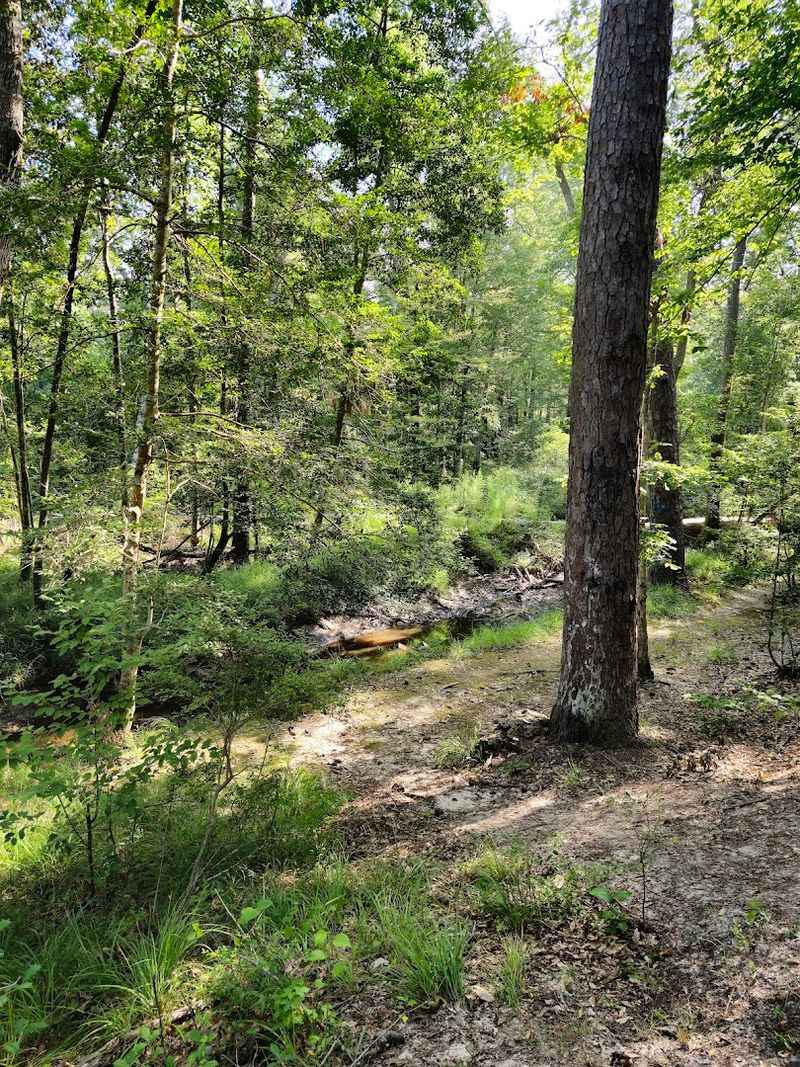
The cave and the short trail benefit from early morning or late afternoon visits when cooler temperatures and softer light make the walk more pleasant and the sandstone textures more photogenic.
Bundick Creek’s edge catches this light nicely, and the contrast between shaded forest and sunlit creek creates striking visual moments without intense mid-day glare.
A morning visit also often means fewer people and quieter conditions, letting you listen to the creek and the subtle bird songs that fill the Kisatchie canopy. Cooler hours reduce insect activity too, so plan accordingly if mosquitoes are a concern.
If you aim to photograph the cave mouth, avoid harsh noon light; the overhangs show better detail in slanted light and the temperature drop inside the mouth becomes a welcome relief on hot days, adding atmospheric depth to your pictures.
Expect A Shallow Cave With A Rich Story
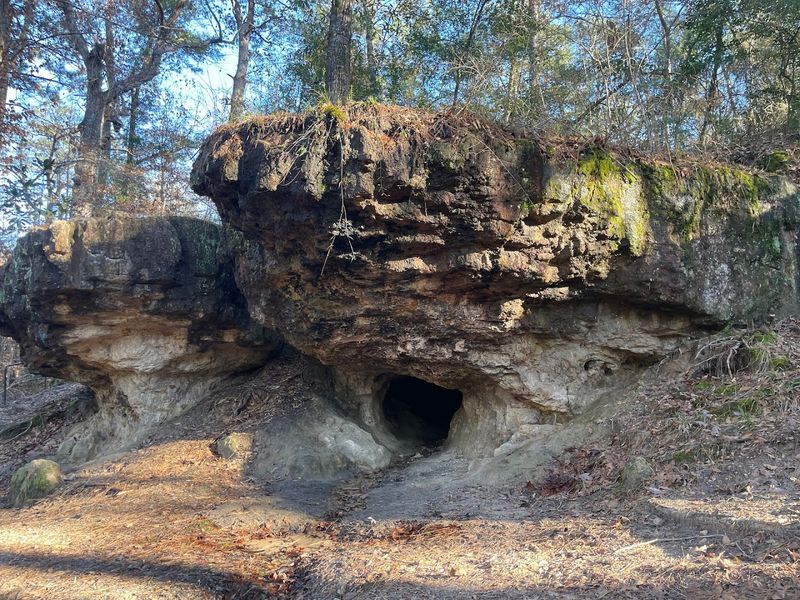
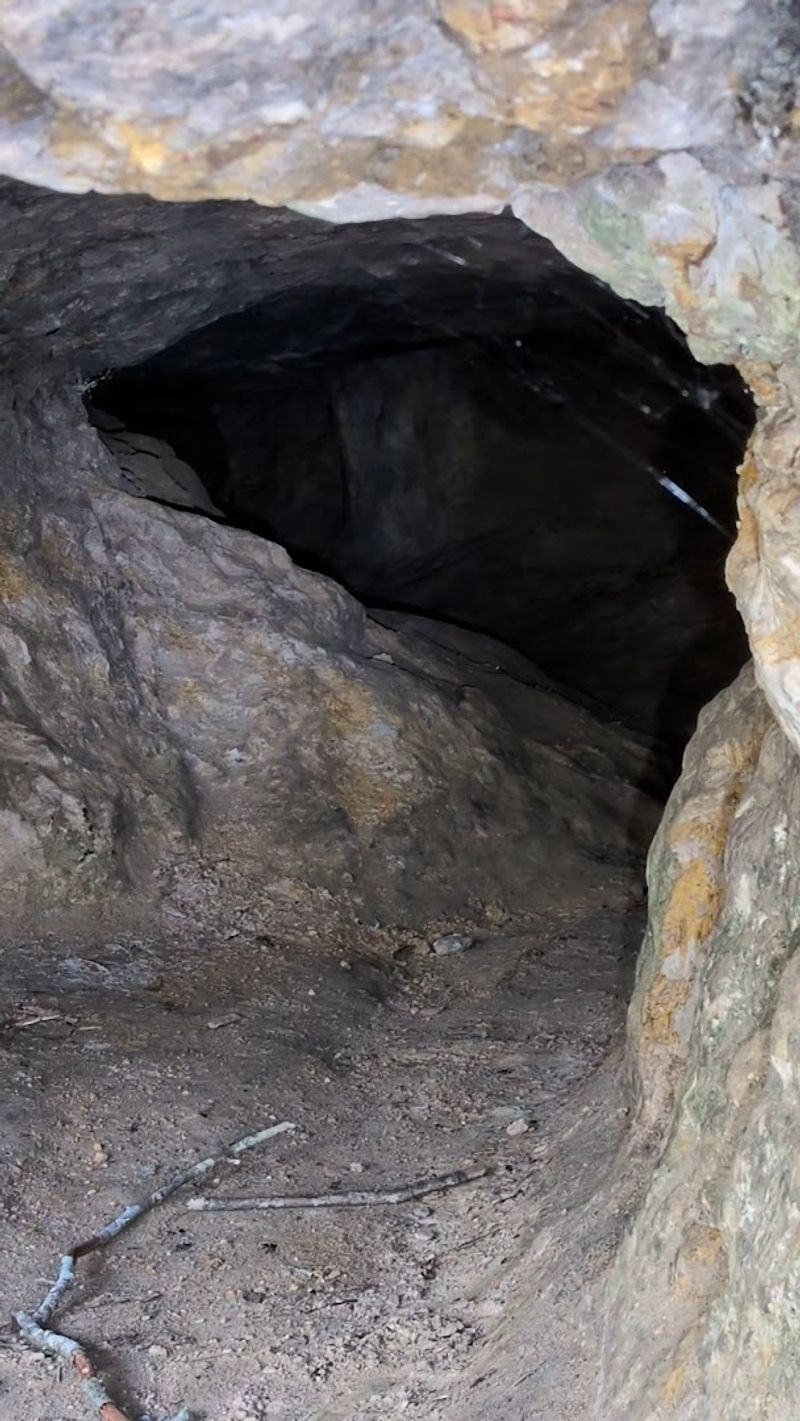
Wolf Rock Cave is modest in size, more of a shallow overhang than a deep cavern, but its significance is enormous compared with its footprint; Archaic peoples used these sheltered recesses for toolmaking and respite.
The cave provides a direct sensory connection to the past: the cool air pooling near the mouth, the layered sandstone walls, and the creek just below all speak to why humans returned to this spot repeatedly across centuries.
Many visitors are surprised by the cave’s scale; it does not reward spelunking ambitions, but it offers palpable contours of human history and natural erosion. Respect the sealed back chambers; they were closed for safety in the 1970s to protect both visitors and the fragile interior.
Approach with curiosity rather than expectation of grandeur; the site’s power lies in its quiet continuity and the tangible link it provides between landscape and long human occupation.
Listen For Military Training Sounds
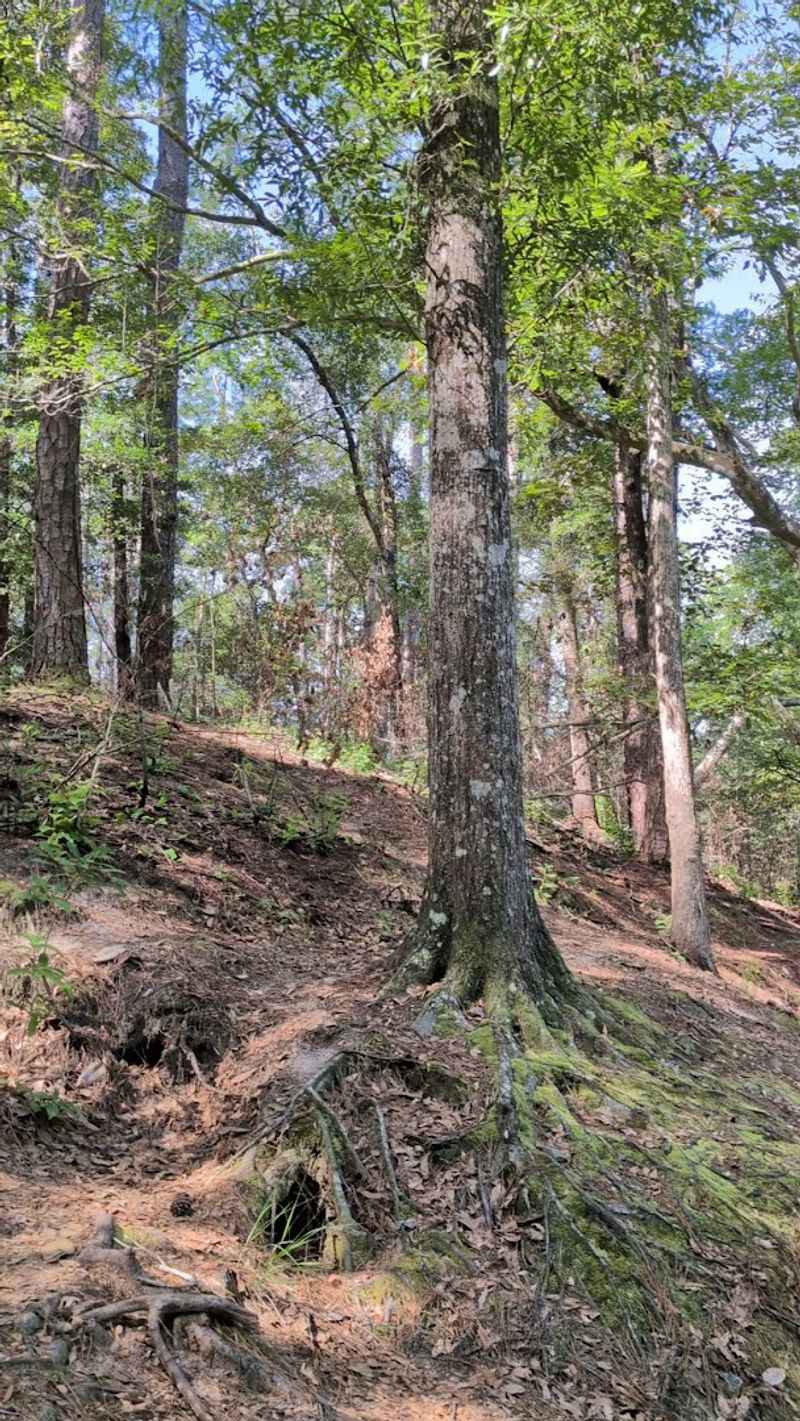
The Calcasieu Ranger District is an active landscape adjacent to National Guard training areas, so it’s not uncommon to hear distant gunfire or training noises while visiting Wolf Rock Cave.
The sounds can be surprising if you expect uninterrupted forest quiet, but they typically originate from designated military ranges rather than the immediate vicinity of the cave.
Hearing these noises shouldn’t be alarming, but it’s worth planning around any loud-day discomfort, especially with children or noise-sensitive companions. Check local notices or ranger station bulletins if training schedules matter to your visit; the Forest Service can sometimes advise on likely days for activity in nearby ranges.
Keep perspective: the sounds underscore the forest’s layered uses, ecological, historical, and contemporary, and rarely interfere with the short trail or the contemplative nature of the shelter itself.
Bring A Headlamp For Tight Crawls
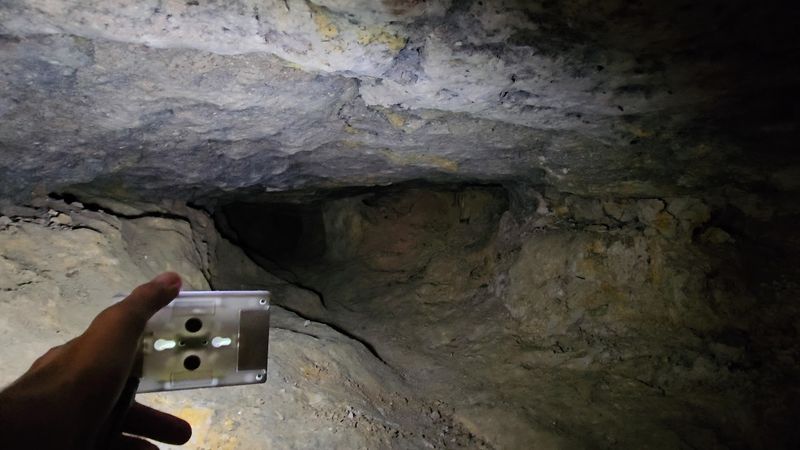
Although the accessible section of Wolf Rock Cave is shallow, some visitors choose to crouch or crawl a short distance into the mouth to experience the cooler air and sense of enclosure; a headlamp or small flashlight improves visibility during these tight moves and helps avoid scraping hands on sandstone.
Wearing knees pads or old clothing can make the brief crawl more comfortable if you plan to explore slightly inward.
Keep safety front of mind: the cave interior beyond the public opening is closed and was sealed by the U.S. Forest Service for stability.
Never attempt to force entry into blocked areas or squeeze through narrow gaps that appear to continue; those passages can be unstable and dangerous.
A modest headlamp also helps when returning along shaded trail segments near sundown, reducing trip hazards and making the short walk back to the car feel secure and relaxed.
Combine With Nearby Little Cypress Picnic Spot
If you’re visiting Wolf Rock Cave with family or a group, plan a two-part outing: the cave visit followed by a short drive to Little Cypress or a nearby picnic area for a longer stay.
Little Cypress provides covered picnic space and a playground, which helps extend the day beyond the cave’s brief exploration opportunity and gives children time to burn off energy safely.
Bring a small trash bag and leave the areas cleaner than you found them; that culture of care keeps both the cave and local picnic spots pleasant for everyone. Restrooms are not available at the cave, so plan accordingly before you set out.
Combining the cave with nearby amenities makes the trip more satisfying for groups who might otherwise find the cave visit too short, allowing time to reflect on the site’s history while enjoying a proper outdoor meal and shade.
Watch For Broken Signage And Trail Variance
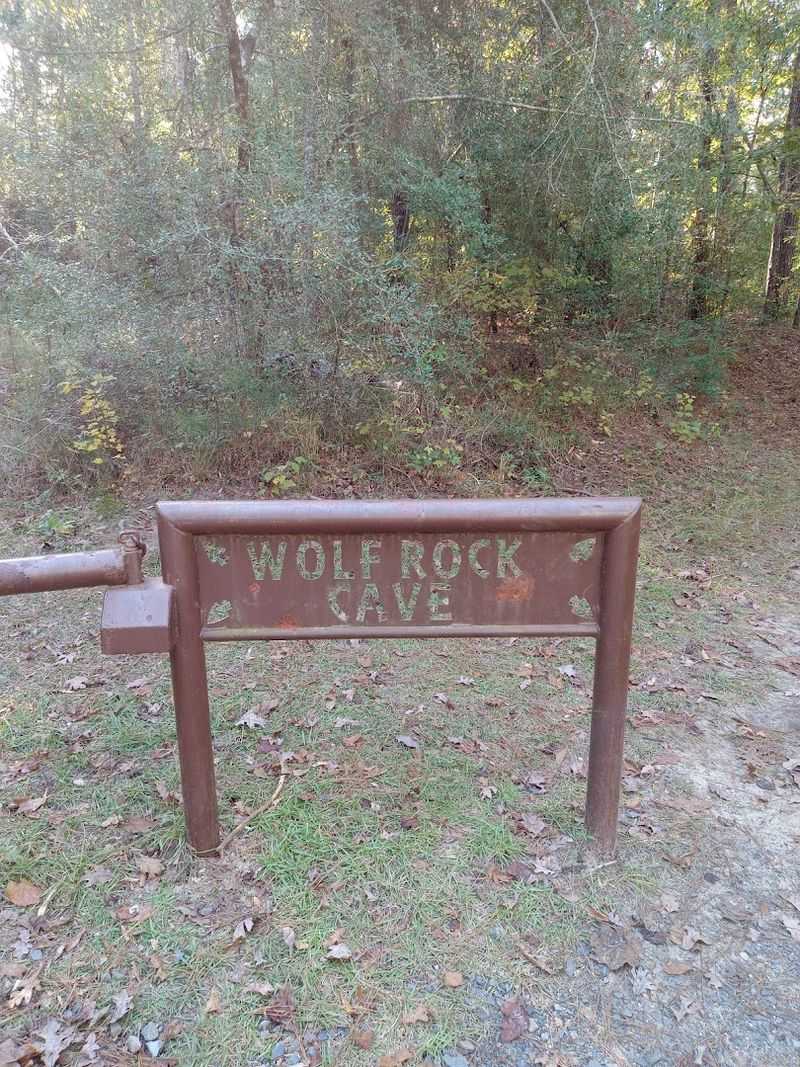
The trail network around Wolf Rock Cave is lightly traveled and some signs or markers have suffered from wear or vandalism, so expect a mix of well-marked stretches and places where the path requires a little more attention.
Maps and the historical marker near the parking area are reliable anchors, but detours or faint boot tracks can tempt explorers off the maintained route.
Stick to obvious clearings and the short route toward the creek and cave mouth; wandering further often leads into uneven terrain without additional payoff. If you enjoy longer hikes, seek out official trails in the Kisatchie National Forest system rather than improvising near the cave to protect fragile archaeological zones.
A spare compass or offline map app helps if you plan to wander, and reporting broken or missing signage to the ranger office supports others who will follow your footsteps later.
Bring A Small Trash Bag And Help Keep It Clean
Despite the cave’s remote feel, litter sometimes appears near the parking area and along the path; bringing a small trash bag is a simple way to leave the site in better shape than you found it.
A one-person cleanup takes only a few minutes and helps protect both the aesthetic and archaeological integrity of the Wolf Rock Cave environment.
Pack out all food wrappers and any disposable items to deter wildlife and maintain the area’s natural state. If you encounter larger debris, note its location and report it to the ranger district to coordinate safe removal.
This small act of stewardship keeps the experience authentic for future visitors and honors the long human history tied to the shelter; archaeology thrives best when modern visitors treat sites with quiet care rather than curiosity that disturbs.
Bring Kids And Dogs Thoughtfully
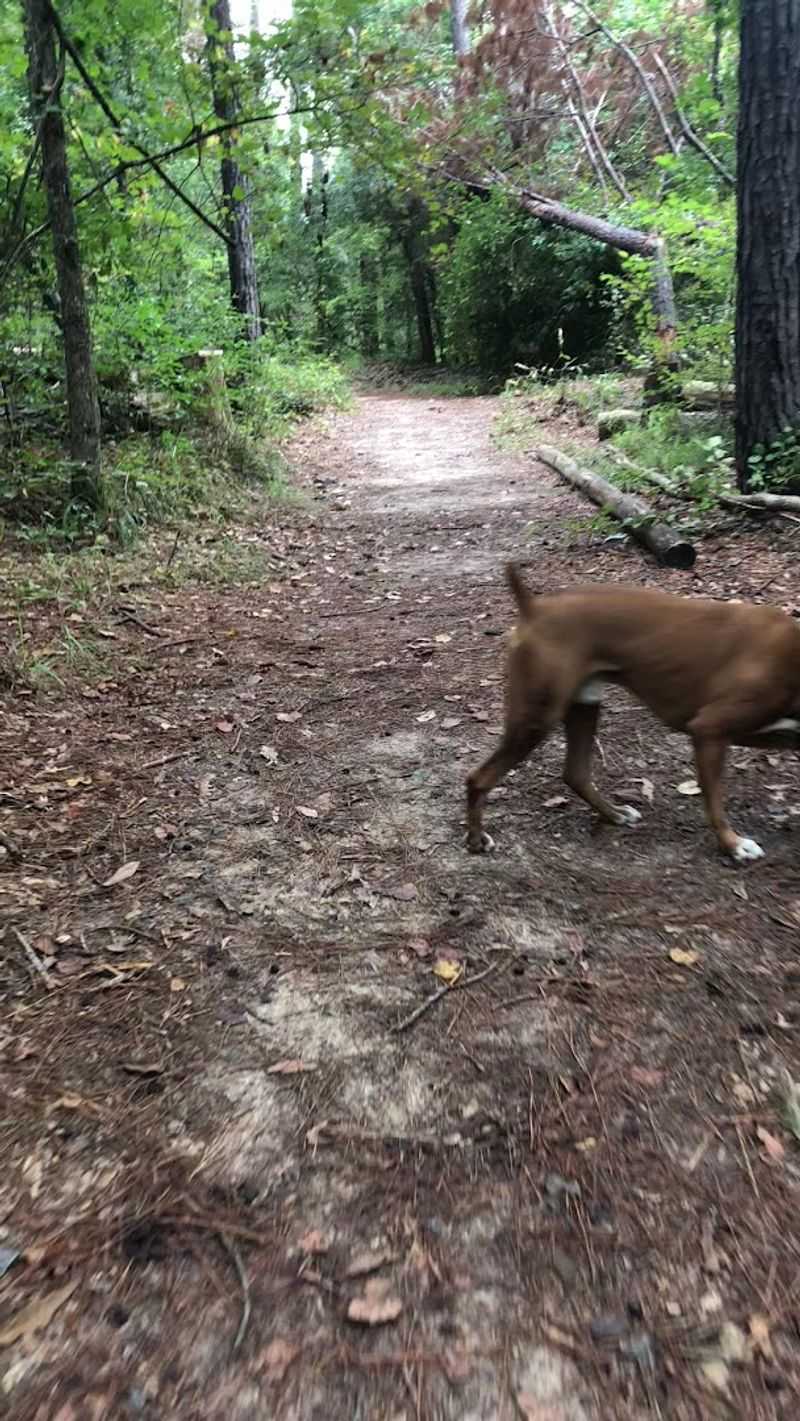
Wolf Rock Cave is an approachable destination for families and well-behaved dogs, but a little planning makes the experience smooth.
Keep dogs leashed near the cave and creek to protect wildlife and to prevent them from disturbing archaeological zones; the short walk is often fine for pets but watch for mosquitoes and ticks that can irritate both dogs and children on warm days.
Prepare kids for low-ceiling crawls and explain why artifacts must not be touched. Kneepads or old pants help if youngsters want to crouch briefly into the mouth, and a small first-aid kit covers minor scrapes from leaf litter and small roots.
Always supervise closely near the creek edge and uneven slopes. With thoughtful preparation, a family visit becomes a gentle, educational outdoor lesson about geology, history, and stewardship in one neat, short outing.