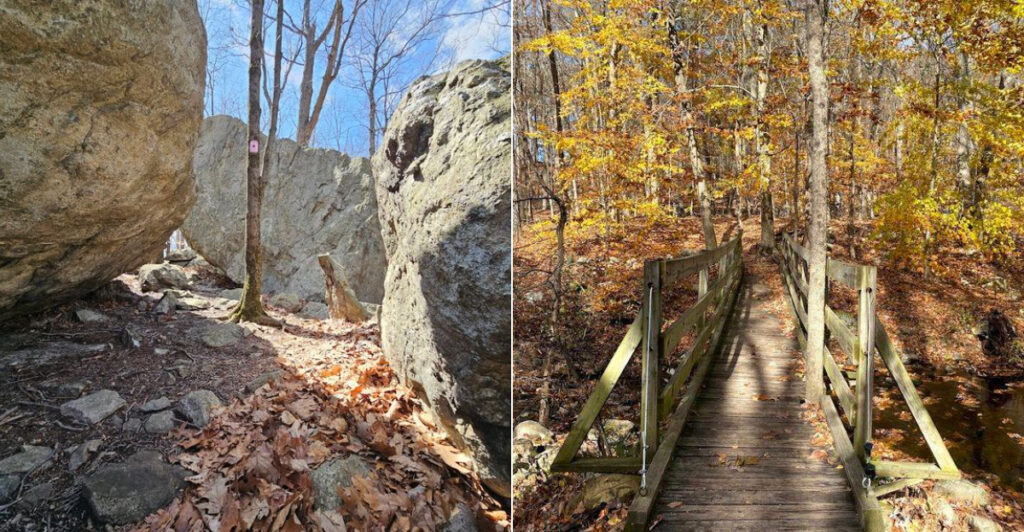
A real rock labyrinth, boulders the size of houses, and forest corridors so narrow that hikers actually have to turn sideways to squeeze through. New Jersey hides a wild outdoor adventure that most travelers drive right past without knowing.
This is not a theme park attraction. This is raw, rugged, and completely free to explore. The landscape does things that genuinely stop people in their tracks. Massive ancient boulders stacked like nature got creative on purpose.
Narrow passages that feel like a real-life puzzle. Trails that twist through shaded forest and open up to unexpected views. Every turn keeps the curiosity alive. Treating yourself to an outdoor adventure like this belongs on every weekend list.
Lace up the hiking shoes, pack some snacks, and bring a sense of wonder. New Jersey is ready to surprise even the most seasoned explorer. One visit, and the photos alone will earn a dozen excited texts back home.
The Rock Labyrinth That Started It All
Only few hiking trails in New Jersey can claim to have an actual labyrinth built entirely by nature. At Pyramid Mountain Natural Historic Area, the rock labyrinth is the main event, and it earns every bit of that title.
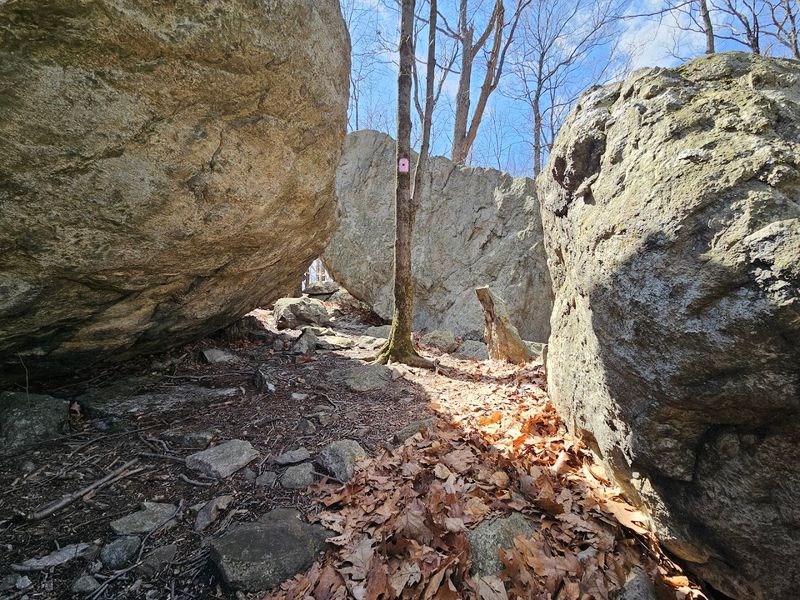
The labyrinth is a series of massive boulders and tight rock corridors that hikers must navigate carefully. Some passages are wide enough to walk through easily. Others require a bit of creative maneuvering, especially if you packed a large backpack.
The rocks here were deposited thousands of years ago by retreating glaciers, which means every boulder you squeeze past has been sitting in that exact spot since the last Ice Age. That is a thought worth pausing on mid-scramble.
First-time visitors often underestimate how immersive the labyrinth feels once you are inside it. The boulders rise well above head height, cutting off sight lines and creating a genuine sense of mystery.
You genuinely do not know what is around the next corner. Kids absolutely love this section of the trail, and honestly, so do adults who have not lost their sense of adventure.
Glacier-Carved Giants Frozen In Time
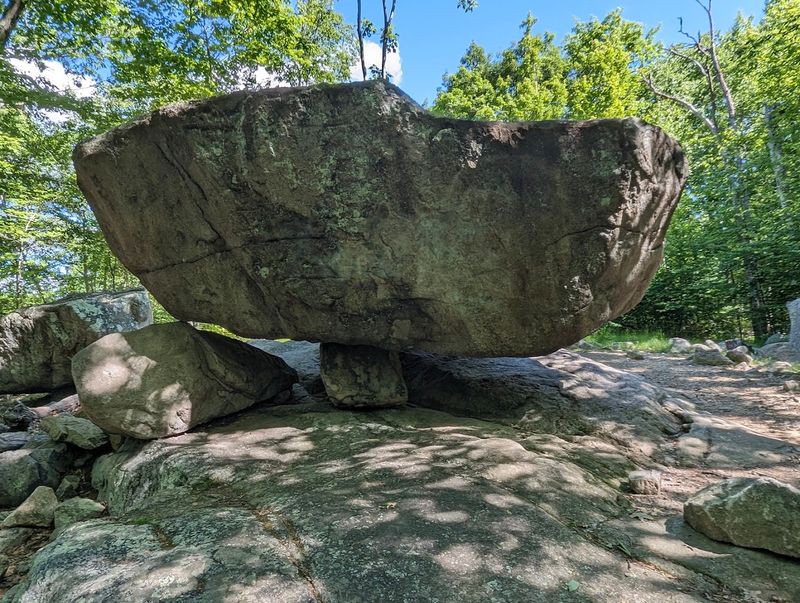
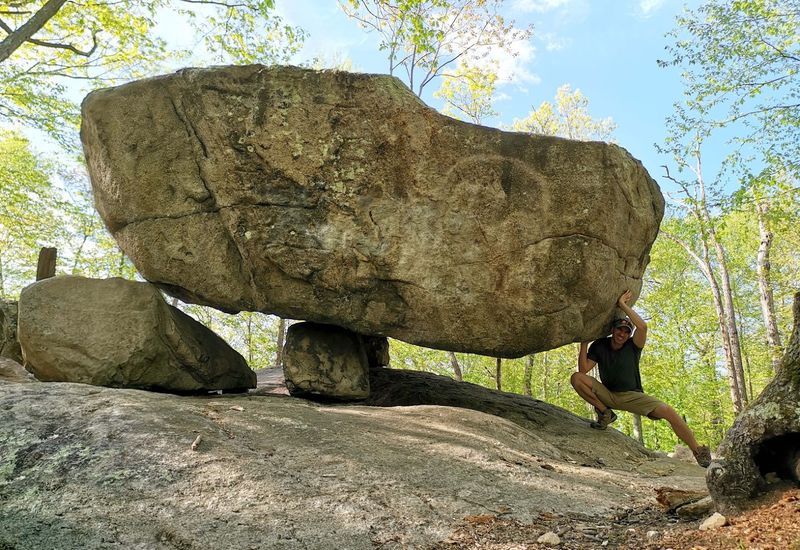
Picture a boulder the size of a small house, balanced on a hillside as if someone just set it down and forgot to come back. That is exactly what you find at Pyramid Mountain, and the science behind it is just as jaw-dropping as the sight itself.
During the last Ice Age, glaciers moved slowly across New Jersey, carrying enormous rocks from hundreds of miles away. When the ice melted, those rocks stayed put. Scientists call them glacial erratics, and Pyramid Mountain has some of the most impressive examples in the entire state.
Tripod Rock is the most famous of these. It is a massive boulder balanced on three much smaller rocks, creating a formation so precise it looks almost intentional. Local legends and amateur archaeologists have spent decades debating whether ancient people helped position it.
Standing next to Tripod Rock for the first time has a way of making a person feel very small in the best possible way. The sheer scale of it shifts your sense of what is possible in a New Jersey state park.
The trail to Tripod Rock branches off from the main labyrinth loop, so most hikers hit both highlights in a single outing.
The Trail System And How To Read It
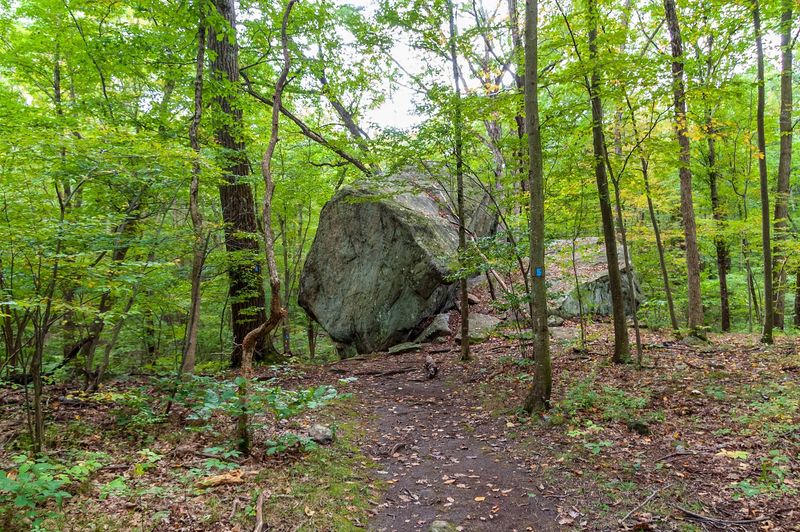
Pyramid Mountain Natural Historic Area has a network of color-coded trails that connect the labyrinth, the rock formations, and the wooded ridgelines into one satisfying loop. Getting familiar with the map before you start saves a lot of backtracking.
The blue trail is the most popular route and takes hikers through the heart of the labyrinth and up toward Tripod Rock. It covers roughly two miles one way and involves moderate elevation gain with a few steep scrambles mixed in.
The yellow and white trails offer quieter alternatives that wind through dense hardwood forest and past smaller rock outcroppings. These paths suit hikers who prefer a slower pace or want to extend their outing without repeating the same ground twice.
Trail maps are available at the visitor center located at 472 Boonton Ave, Boonton, NJ 07005, and the staff there are genuinely helpful when it comes to pointing out current trail conditions. Always check in before heading out, especially after heavy rain.
One thing experienced hikers mention repeatedly is how well-marked the trails are for a free county park. The blazes are clear, frequent, and easy to follow even in low light.
What The Forest Feels Like In Every Season
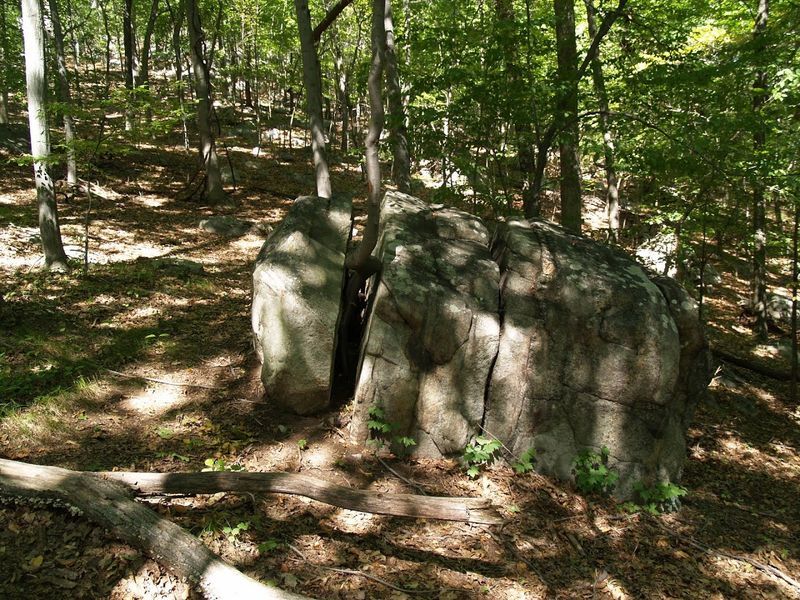
Pyramid Mountain does not have just one face. The park transforms dramatically with every season, and regular visitors often say each visit feels like a completely different place depending on the time of year.
Spring brings wildflowers pushing up between the boulders and a soundtrack of birdsong that makes the whole forest feel alive. The trail mud can be thick in April, so waterproof boots are genuinely worth it during that stretch.
Summer turns the canopy into a dense green ceiling that keeps the trail shaded and surprisingly cool even on hot days. The rock labyrinth stays pleasantly dim and breezy, which makes mid-July hikes far more comfortable than they have any right to be.
Autumn is when Pyramid Mountain earns its most dramatic reputation. The hardwood forest ignites in reds, oranges, and yellows that frame the grey boulders in a way that photographers chase from miles away.
October weekends fill up fast, so a weekday visit is worth planning for.
Winter strips the trees bare and reveals the full scale of the rock formations in a way that leafy seasons simply cannot. Snow-dusted boulders against a pale sky create a scene that feels completely remote, even though the parking lot is just a short walk away.
Wildlife Hiding Between The Rocks And Roots
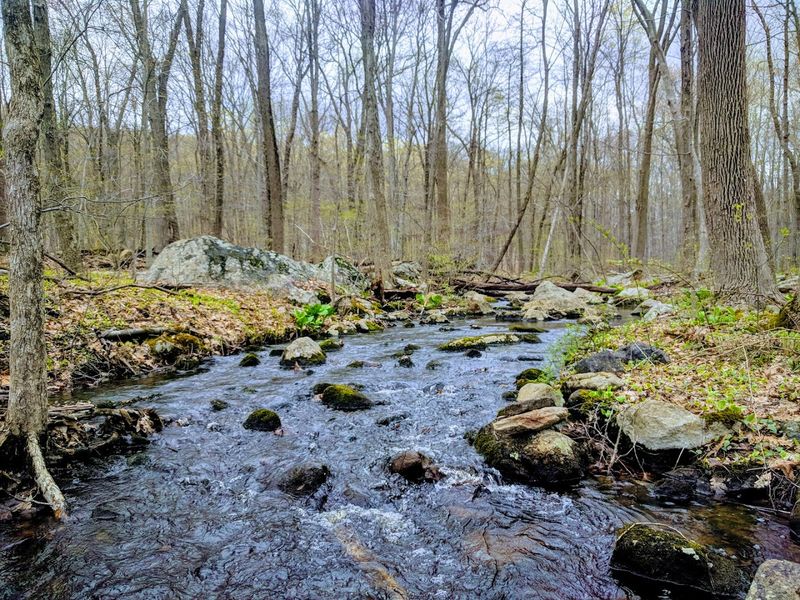
The boulders and dense forest create perfect habitat for a surprisingly wide range of wildlife. Paying attention to what moves around you on the trail turns a good hike into a genuinely memorable one.
White-tailed deer are common sightings, especially in the early morning hours when the trail is quiet. They often stand completely still and watch hikers pass, seemingly unbothered by the company as long as nobody moves too quickly.
Red-tailed hawks circle the ridge above the rock formations, riding thermals and scanning the forest floor below. Spotting one glide silently overhead while you are squeezing through a boulder corridor is the kind of moment that makes you forget to keep walking.
The rock crevices and shaded ledges provide shelter for eastern box turtles, garter snakes, and a variety of salamanders. Lifting a rock to peek underneath is tempting, but leaving the habitat undisturbed keeps the ecosystem healthy for every visitor who comes after you.
Birders have recorded over 100 species in and around Pyramid Mountain, making it a solid destination for anyone with binoculars and patience.
The History Carved Into Every Boulder
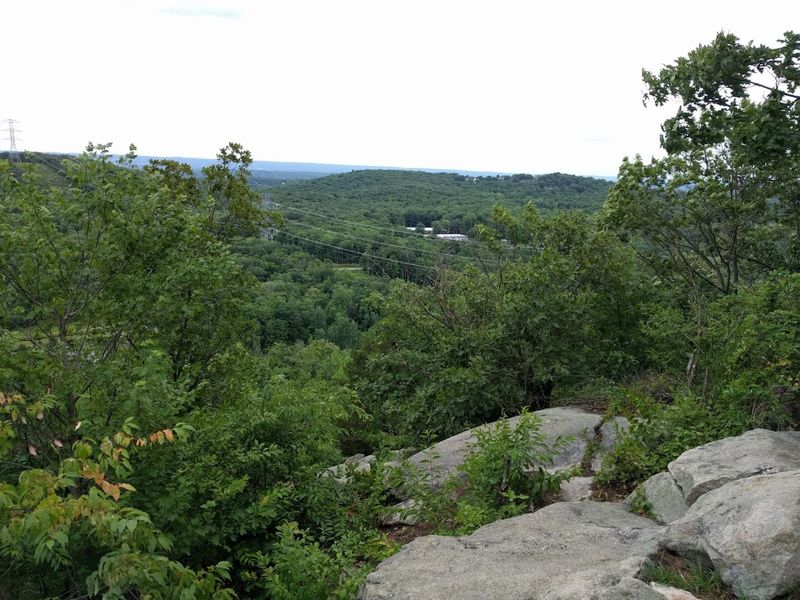
Pyramid Mountain is not just a geological wonder. The land carries layers of human history that stretch back thousands of years, and the boulders themselves may hold clues to how ancient peoples used this landscape.
The Lenape people, the original inhabitants of this region, are believed to have used Pyramid Mountain as a ceremonial and navigational site. Tripod Rock in particular aligns with the summer solstice sunrise in a way that many researchers consider intentional rather than coincidental.
European settlers arrived in the 1700s and began farming the valleys surrounding the mountain. Evidence of their presence survives in old stone walls that cut through the forest, running past boulders and tree roots in long, straight lines that look completely out of place in a wild landscape.
The park itself was established in the late 20th century after years of advocacy by local residents who wanted to protect the land from development. That effort is worth appreciating every time you walk a trail that might otherwise have become a parking lot.
The Morris County Park Commission now manages the property and maintains the visitor center at 472 Boonton Ave, Boonton, NJ 07005, where interpretive displays bring the full history to life. History has a way of changing how a place feels underfoot once you know what happened there.
Practical Tips That Actually Make A Difference
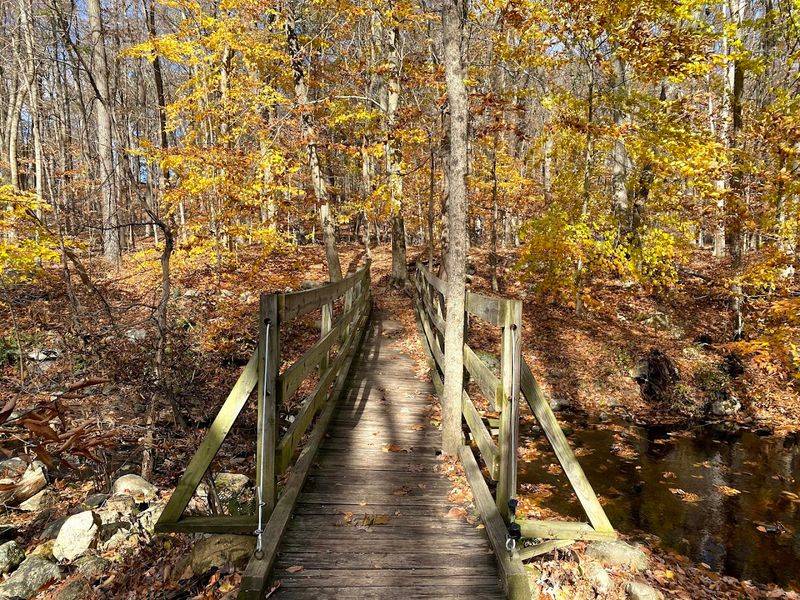
A little preparation goes a long way at Pyramid Mountain, especially if the labyrinth section is on your itinerary. The rock scrambles are manageable for most fitness levels, but the right gear makes them significantly more enjoyable.
Footwear is the single most important gear decision you will make. Trail running shoes or low-cut hiking boots with grippy soles handle the wet rocks and rooty sections far better than sneakers. Several visitors learn this lesson the hard way each season.
Bring more water than you think you need. The labyrinth section involves more physical effort than the flat distance suggests, and there are no water sources on the trail itself. A two-liter carry for a half-day hike is a smart baseline.
The visitor center offers restrooms, trail maps, and friendly staff who can answer questions about current conditions. Cell service along the trail is inconsistent, so downloading an offline map before you leave the parking lot is a genuinely useful habit.
Are you a solo hiker? Letting someone know your planned route and expected return time is a simple habit that experienced trail-goers swear by, and it costs nothing but thirty seconds.
Why This Place Deserves A Spot On Your List
Some parks feel like obligations. Pyramid Mountain feels like a reward.
The combination of geological drama, accessible trails, free admission, and genuine wilderness character makes it stand out in a state that often gets underestimated outdoors-wise.
The labyrinth alone is worth the drive. There is simply nothing else quite like it in the immediate region, and the fact that you can experience it without a permit, a fee, or a reservation makes it even more appealing.
Families with kids of varying ages consistently rate the park as one of their favorite Morris County outings because the trail offers enough challenge to feel exciting without pushing anyone beyond their limits. The rock scrambles are just difficult enough to feel like an accomplishment.
Solo hikers, photographers, history enthusiasts, and wildlife watchers all find something specific to love here. That kind of broad appeal is genuinely rare in a single destination, and it keeps people coming back across different seasons and different chapters of their lives.
New Jersey has been quietly holding onto this one for a while. Now you know where to find it, and the rocks have been waiting long enough.