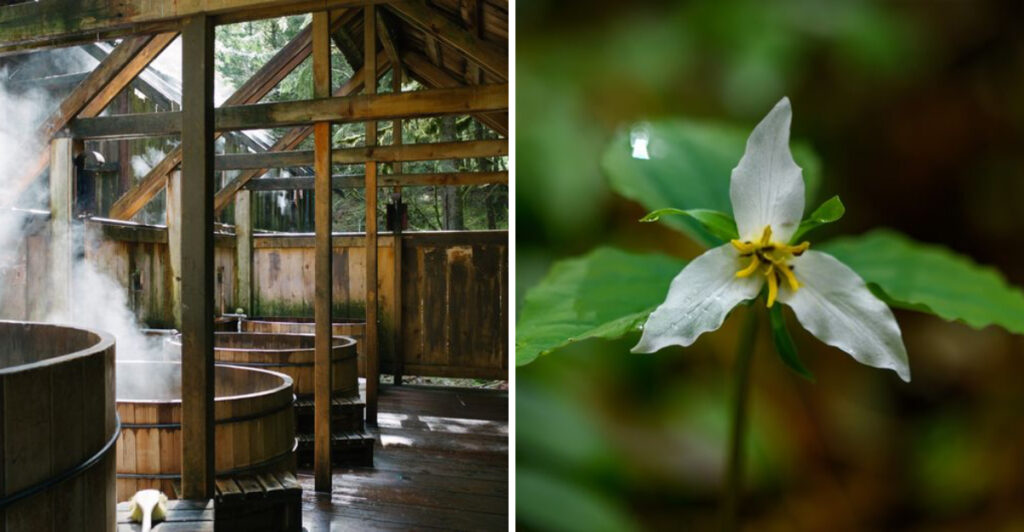
What if the best soak of your life was hiding just three miles from the road? This corner of Oregon feels different the moment you step out of the car.
The forest pulls you in, the noise of everyday life disappears, and something about the air shifts. The trail earns every step.
At the end of it, a natural geothermal spring feeds hand-carved cedar tubs placed deep in an old-growth canopy, and the whole setup feels genuinely, refreshingly unlike anything else in the state.
Pack a towel, bring cash, and find it.
Where The Adventure Begins
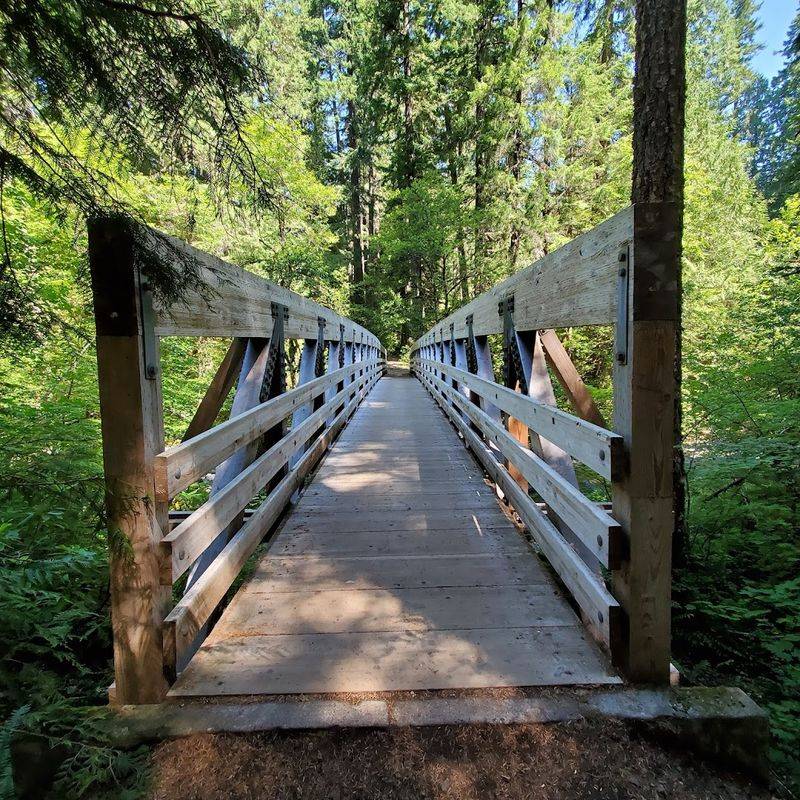
Before the cedar tubs and steaming water, the journey starts at a simple gravel parking lot. The trailhead is well-marked, and the atmosphere already feels different from the moment you step out of the car.
Tall Douglas firs close in overhead, the air smells like pine and damp earth, and the noise of everyday life fades almost instantly.
A small fee station greets visitors near the lot, and it is worth paying attention to since rangers do patrol the area. Parking is free, but a Northwest Forest Pass or day-use fee is typically required for trail access.
Cash is useful to have on hand.
The trail register and posted signs give useful information about current conditions, which can change dramatically depending on the season.
Checking these before heading out helps set realistic expectations. The whole setup is refreshingly low-key, and that simplicity is part of what makes Bagby feel like a genuine backcountry find rather than a polished tourist attraction.
The Forest Trail Offers Three Miles Of Pure Pacific Northwest Beauty
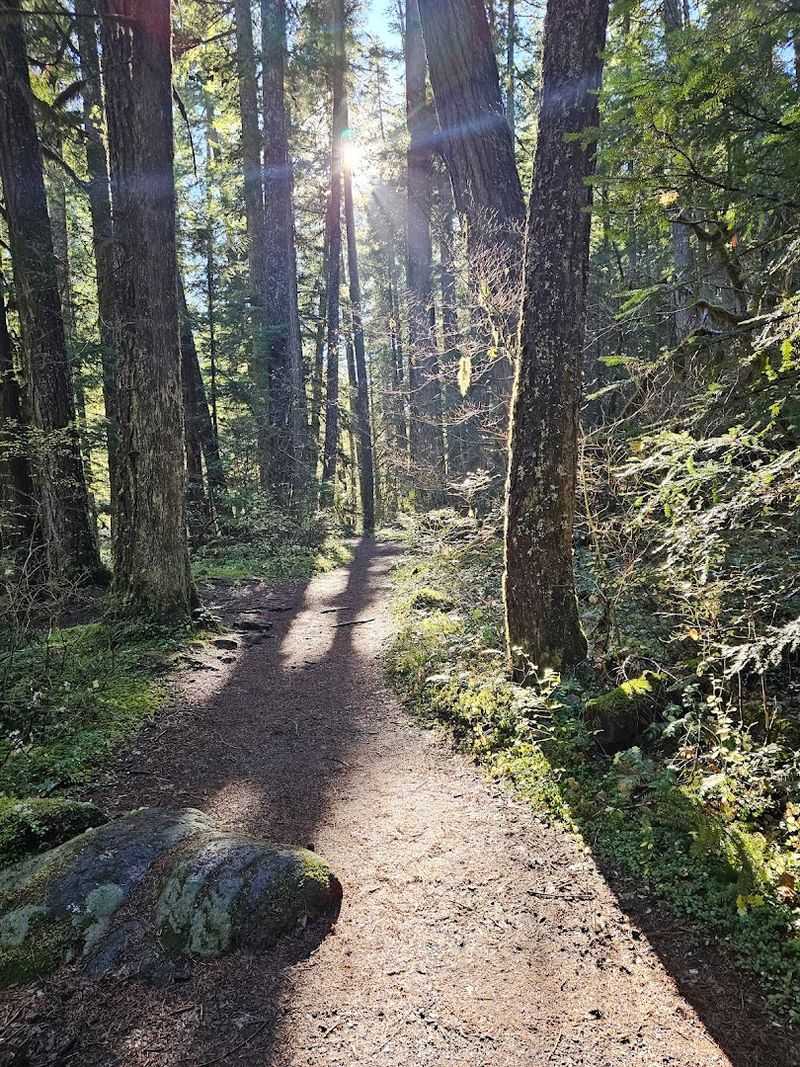
The trail to Bagby Hot Springs is a 3-mile round trip, meaning it is just 1.5 miles each way, making it one of the more scenic and manageable easy hikes in Oregon.
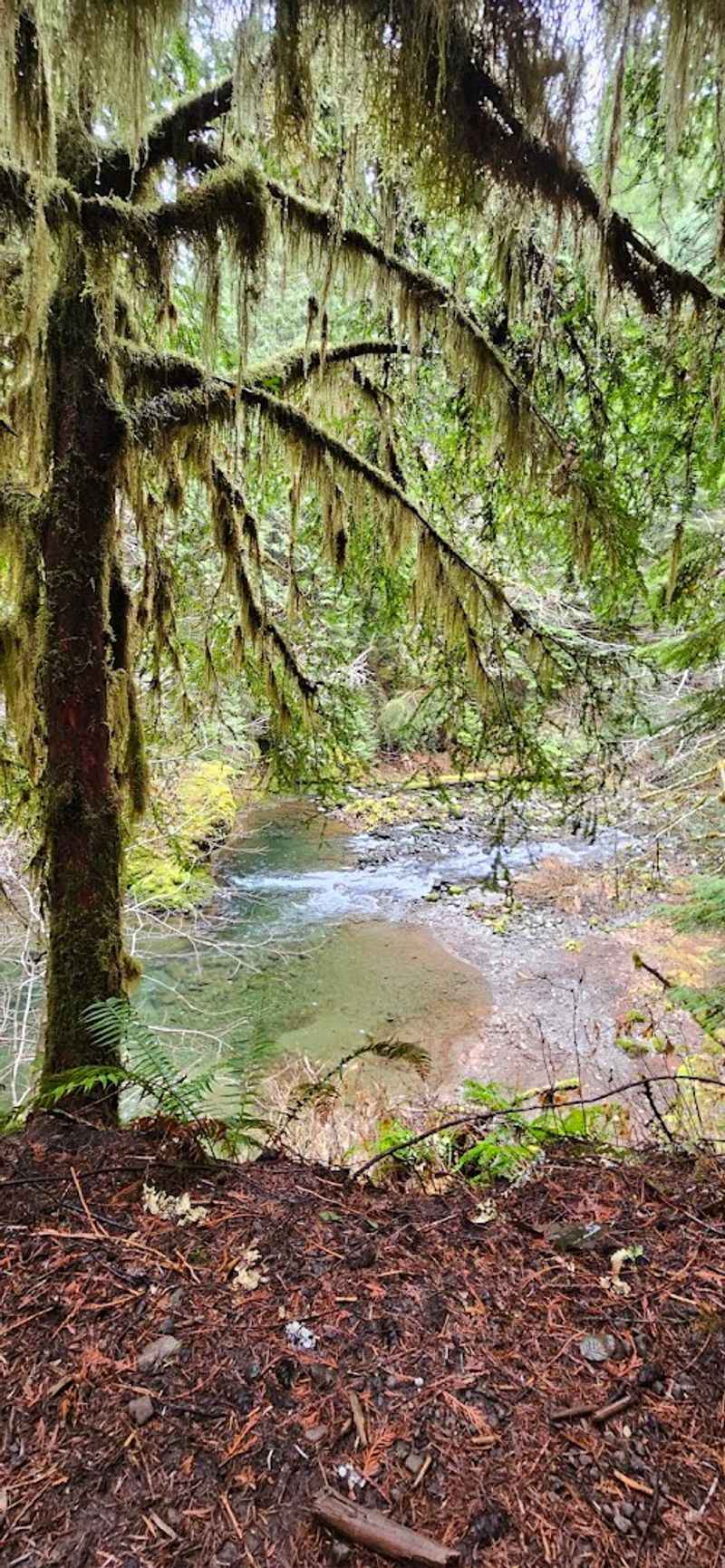
The path winds through old-growth forest with trees so tall they seem to block out the sky. Moss covers nearly every surface, giving the whole scene a vivid, almost electric shade of green.
The trail is well-maintained and follows a gentle incline for most of its length, with one short steeper section near the end. Most hikers with average fitness find the round trip manageable without much difficulty.
Kids who are comfortable walking a few miles tend to enjoy it too, especially with all the natural curiosities along the way.
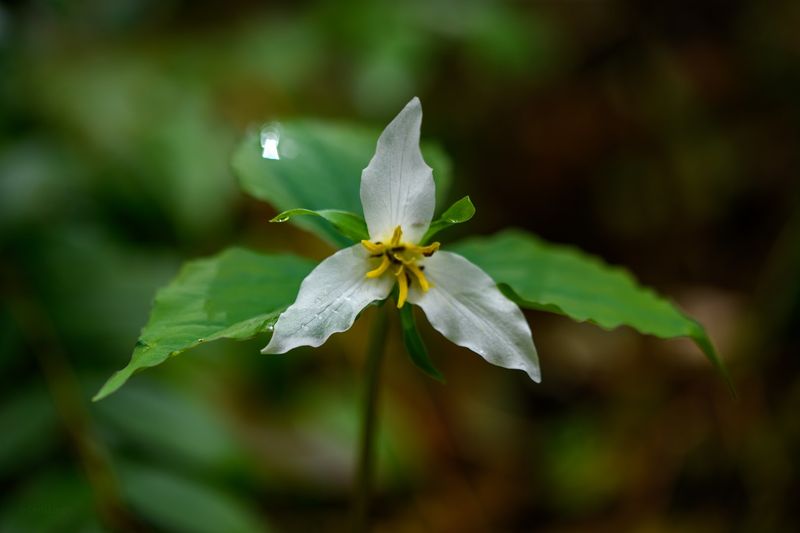
Mushrooms pop up along the edges of the path in autumn, and the sound of the Collawash River accompanies much of the walk. Seasonal wildflowers, bird calls, and the occasional glimpse of a squirrel darting between roots make this trail feel alive in every direction.
It rewards slow walkers just as much as fast ones.
The address associated with the trailhead is the parking lot on NF-70 near Estacada, Oregon. GPS reception can be unreliable in this part of Oregon, so downloading offline directions or bringing a printed map adds a useful layer of backup for the drive in.
Rustic, Raw, And Remarkable Hot Springs
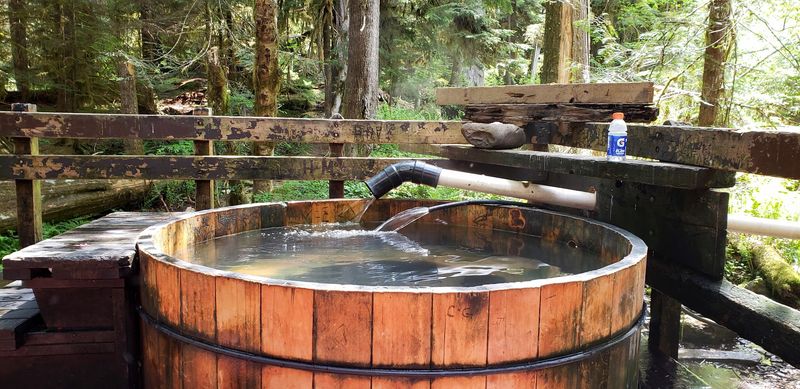
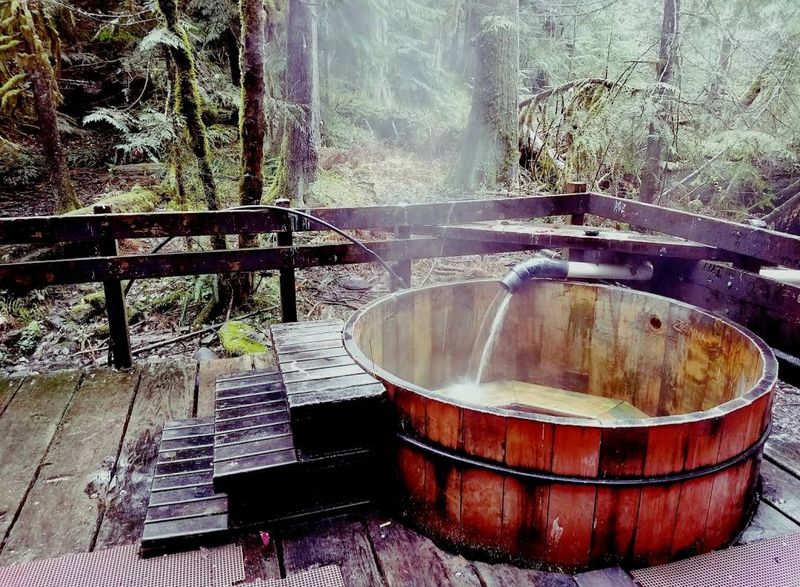
At the end of the trail, the reward is something genuinely unlike most hot spring setups. Bagby Hot Springs features hand-carved cedar log tubs fed by a natural geothermal spring.
The water flows through wooden pipes directly into the tubs, and visitors can adjust the temperature by mixing in cold water from a separate hose.
The spring water arrives quite hot, sometimes reaching temperatures well above comfortable soaking range, so patience and a bit of adjustment are usually needed before settling in. That hands-on process is actually part of the charm.
There are no digital controls or resort-style amenities here, just wood, water, and forest silence.
Private tubs sit inside a covered bathhouse structure, while communal tubs are available in a more open area lower down the hill. The communal tubs tend to have shorter wait times and offer a more social experience.
Both options have their appeal depending on what kind of afternoon you are hoping to have. The whole setup feels refreshingly old-fashioned in the best possible way.
Private Versus Communal Tubs
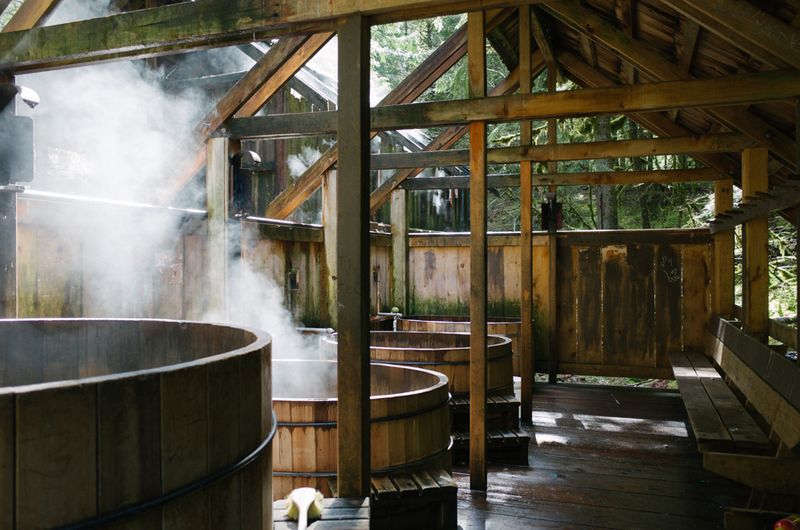
Choosing between private and communal tubs at Bagby is worth thinking about before you arrive, since each option offers a pretty different experience. The private tubs are housed inside individual wooden stalls within a covered bathhouse.
They hold a smaller amount of water and are ideal for couples or small groups who want a quieter, more secluded soak.
Wait times for private tubs can stretch to an hour or more on busy weekends, especially when the weather is pleasant. Weekday visits dramatically cut down on that wait, and some visitors report having the place nearly to themselves on quiet mornings.
Arriving early in the day tends to work in your favor no matter which type of tub you prefer.
The communal tubs sit in a lower section of the facility and are larger, more open, and generally more sociable. They fill faster and turn over more quickly, which means shorter waits.
For solo hikers or anyone curious about the full Bagby experience, trying both types on the same visit is completely possible if timing allows.
Wildlife And Scenery Along The Way
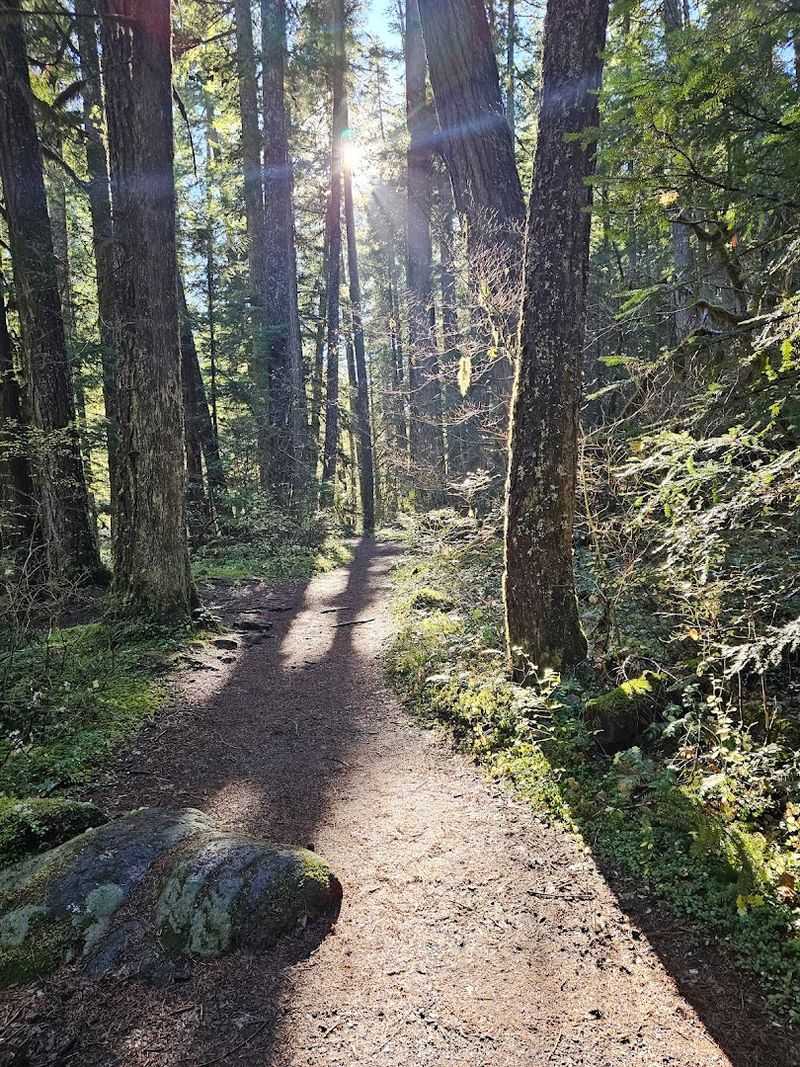
The hike to Bagby is rarely just about the destination. The forest between the trailhead and the springs is alive with things worth stopping to notice.
Towering Douglas firs and western red cedars line the path, their roots creating natural obstacles that keep the walk interesting without making it technical.
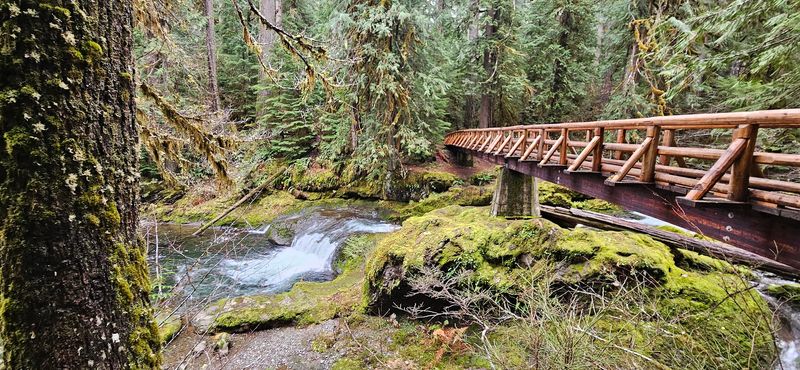
The Collawash River runs close to the trail for a good portion of the route, and the sound of moving water is a constant, calming presence. In autumn, the trail floor becomes a patchwork of fallen leaves and clusters of mushrooms in surprising shapes and colors.
Some hikers make a point of visiting specifically during October for this reason.
Birds are active throughout the year, and the forest canopy provides habitat for species like the Steller’s jay and various woodpeckers. Squirrels are nearly guaranteed company.
A short distance past the hot springs, Shower Creek Falls offers an additional reward for those willing to keep walking; check current trail signage for exact distances, as the detour varies slightly by source.
That short detour is well worth the extra steps on a clear day.
Timing Your Visit Right
Bagby Hot Springs is open year-round, but the experience changes significantly depending on when you go. Summer and fair-weather weekends bring the largest crowds, and tub wait times can stretch long enough to test anyone’s patience.
Going midweek or during shoulder seasons like spring and fall tends to offer a much more relaxed visit.
Winter visits carry their own appeal but also their own risks. Snow can make the road to the trailhead difficult or impassable for standard vehicles, and trail conditions can be slippery.
Checking road conditions before heading out is a smart move any time between November and March in this part of Oregon.
Spring brings lush greenery and flowing creeks at their most dramatic. Fall delivers mushrooms, changing colors, and cooler air that makes the hot tubs feel even more inviting by contrast.
Each season frames the forest differently, which is part of why so many visitors return multiple times throughout the year rather than treating it as a one-and-done destination.
The People Who Keep Bagby Running
Bagby Hot Springs is managed with help from dedicated volunteers who play a real role in keeping the facility functional and welcoming.
Bagby Hot Springs is now managed by Bagby Preservation, Inc., which took over operations under a 20-year contract with the U.S. Forest Service in 2023, maintaining the tubs, repairing infrastructure, and staffing the site.
This volunteer presence has made a noticeable difference in the overall atmosphere. Earlier years saw the site struggle with misuse and deteriorating conditions, but ongoing community effort has helped restore it to a much better state.
Visitors who arrive with respect for the space are contributing to that same culture of care.
Staff and volunteers at the site tend to be approachable and genuinely enthusiastic about the place.
They can answer questions about tub availability, current conditions, and trail information.
Treating them with courtesy and following posted guidelines goes a long way toward making the experience better for everyone. The community spirit here is one of the things that makes Bagby feel different from a typical recreation site.
Gear That Makes The Trip Better
Packing smart for a Bagby trip takes only a few minutes of planning but makes a big difference on the trail and at the tubs. Water is the most important thing to bring, and more than you think you will need.
The hike is not strenuous, but the combination of walking and soaking in hot water can leave people more dehydrated than expected.
A towel and a change of clothes are obvious necessities, but flip-flops or water sandals are especially useful for navigating the wet wooden floors around the tubs. Snacks help pass the time if there is a wait for a private tub.
A small dry bag or waterproof pouch keeps phones and valuables safe near the water.
Cash is worth having since the fee station near the trailhead may not accept cards. Cell service is essentially nonexistent in this part of Oregon, so downloading an offline map before leaving is a practical move.
Leave-No-Trace habits matter here, which means packing out everything you bring in without exception.
Some Things You Should Keep In Mind
While Bagby has a historic association with a more relaxed dress culture, the current official policy prohibits public nudity. Visitors should be aware that rules are actively enforced, and swimwear is now the expected standard.
The general atmosphere is relaxed and non-judgmental, with most visitors focused on their own experience rather than anyone else’s. That said, families with young children may want to think carefully about the environment before bringing kids along.
The communal areas and trail itself tend to be more mixed in terms of what people choose to wear.
Signage at the site provides some guidance, and the volunteer staff can answer questions about current norms. The overall vibe is easygoing rather than anything edgy or uncomfortable.
Approaching the experience with an open and respectful mindset tends to result in a much more enjoyable visit, regardless of personal comfort level with the clothing-optional aspect of the place.
Extending The Experience Overnight
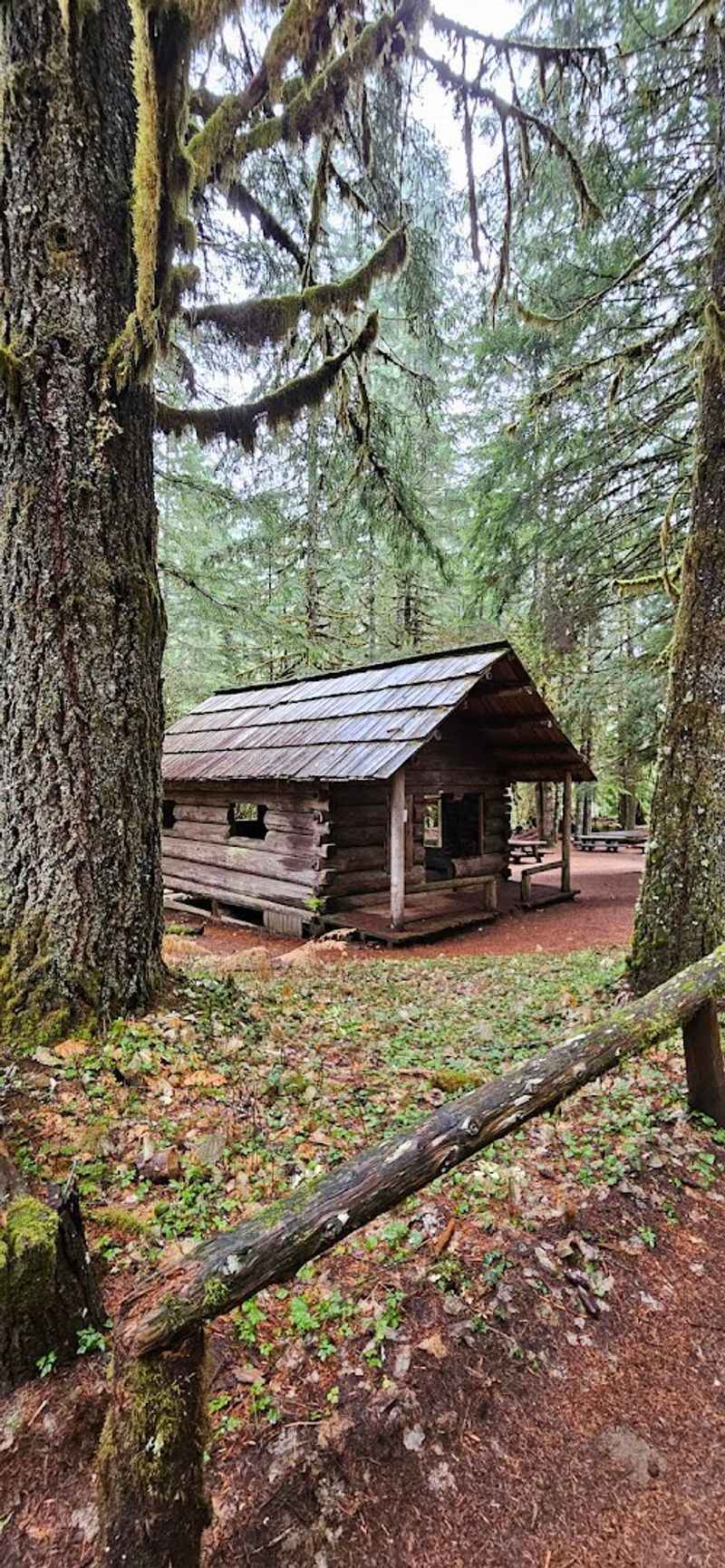
For those who want to stretch the Bagby experience beyond a single afternoon, camping options exist in the surrounding area.
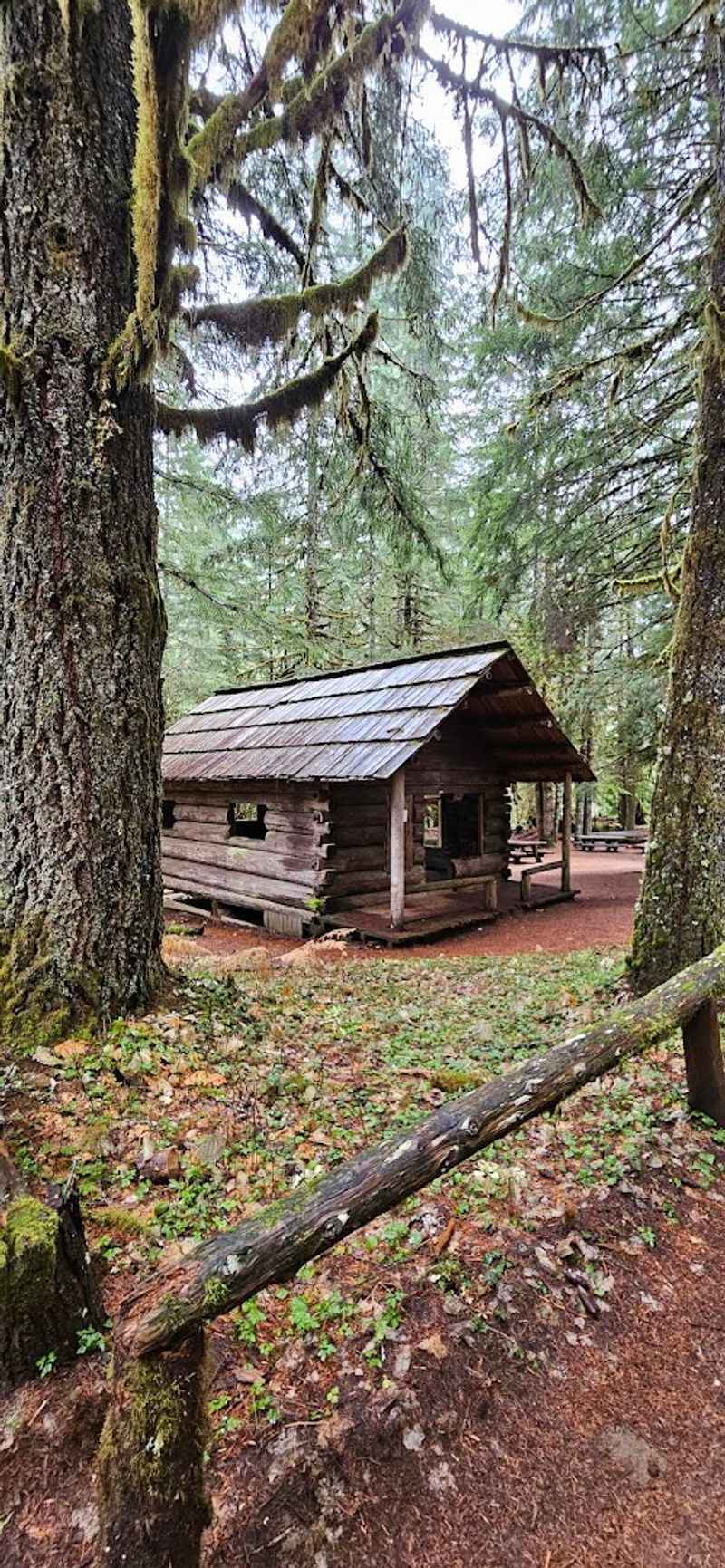
Primitive campsites near the trailhead offer a straightforward overnight option that puts visitors right at the start of the trail for an early morning hike before the crowds arrive.
The campsite area is quiet and forested, with a simple setup that suits the no-frills character of the whole destination. Amenities are basic, which is part of the appeal for anyone looking to genuinely disconnect.
Vault toilets are available, but there is no running water or electricity at the camping area.
Arriving the evening before a planned soak means getting a head start on weekend crowds and waking up to birdsong in old-growth forest.
It also removes the stress of a long drive on the day of the visit. Reservations or permits may be required depending on the season, so checking with the Mount Hood National Forest beforehand is a reasonable step before packing a tent.
What Visitors Should Know Right Now
Bagby Hot Springs has faced some closures and partial shutdowns in recent years due to storm damage and the need for ongoing structural repairs.
The wooden tubs and pipe systems require regular maintenance, and significant weather events have occasionally forced temporary closures.
Before planning a trip, checking the current status through the Mount Hood National Forest website or calling the ranger district is a genuinely important step.
Some visitors have arrived to find certain tubs out of service or the site operating at reduced capacity. That can be disappointing after a three-mile hike, so a quick confirmation call before heading out is worth the effort.
Restoration work has been ongoing, and the goal is to return the facility to full operation.
The community response to these challenges has been largely positive, with volunteers and supporters rallying around the site. Progress has been steady, even if slower than anyone would prefer.
Bagby’s long-term future looks hopeful, and the passion people feel for preserving this corner of Oregon speaks volumes about how much the place means to those who know it.