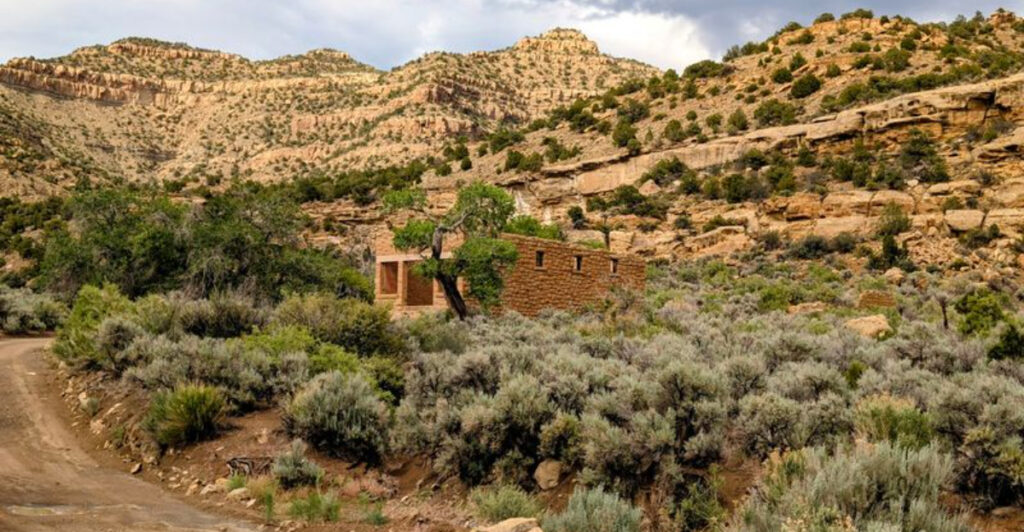
Some road trips change the second you realize the landscape has been keeping secrets. In Utah, one high-desert stop turns a quick highway break into a quiet encounter with people whose stories were carved and painted into stone long before modern maps existed.
The canyon walls do not feel like scenery here. They feel like a message board from another world, covered with ancient figures, symbols, and life-size forms that make the past feel startlingly close.
What makes the experience so powerful is how easy it is to reach, with no ticket, no complicated planning, and no need to set aside an entire day. You can arrive expecting a short walk and leave with the strange feeling that you have stood inside a much larger timeline.
Add it to your next drive, because Utah’s desert roads are full of places that reward anyone willing to pause.
Where the Canyon Hides in Plain Sight
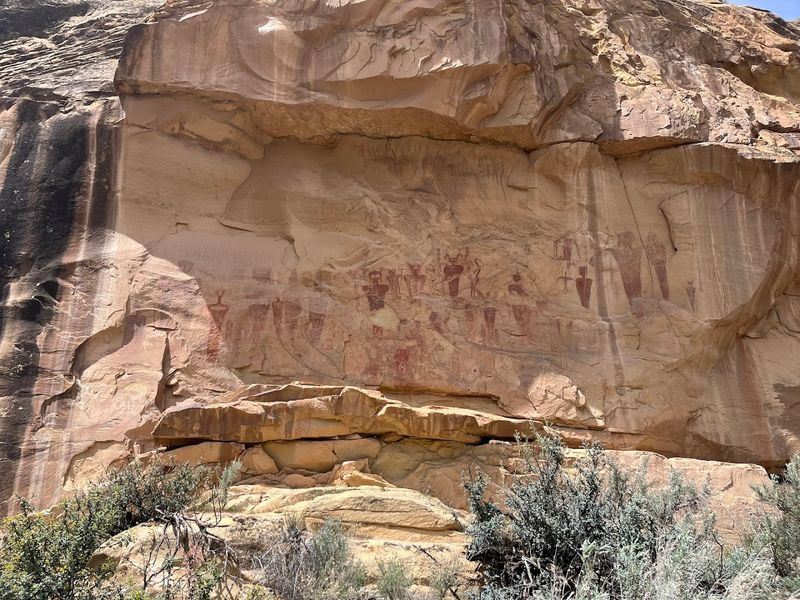
Most people driving through eastern Utah on I-70 have no idea that a short detour off the highway leads to one of the most quietly spectacular rock art sites in the American Southwest. The turnoff sits near Thompson Springs, a small desert community that has seen better days but still holds its ground with a certain stubborn charm.
Follow Thompson Canyon Road, also marked as UT-94, and the canyon opens up around you like a slow reveal in a film you did not expect to enjoy.
The address is 21 Sego Cyn Rd, Thompson Springs, UT 84540, and getting there is genuinely straightforward. Stay on the main road through Thompson Springs and the canyon will find you before you start second-guessing the directions.
Quick Tip: This is a paved, accessible drive for most standard vehicles. Only continue deeper into the canyon past the rock art panels if you have four-wheel drive, as the road gets considerably rougher beyond the interpretive site.
Best For: Road trippers on I-70, families with kids curious about history, and anyone who appreciates a low-effort detour with an unexpectedly high payoff.
Ancient Panels That Stop You Mid-Sentence
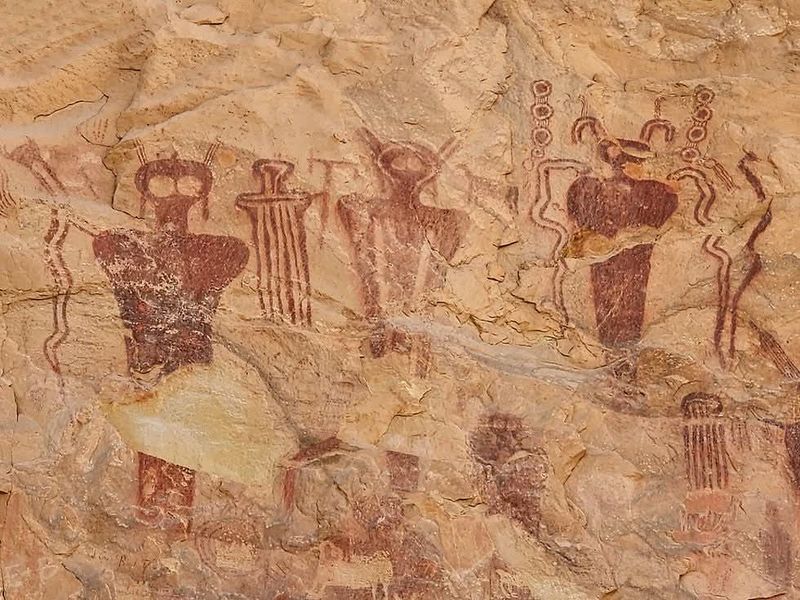
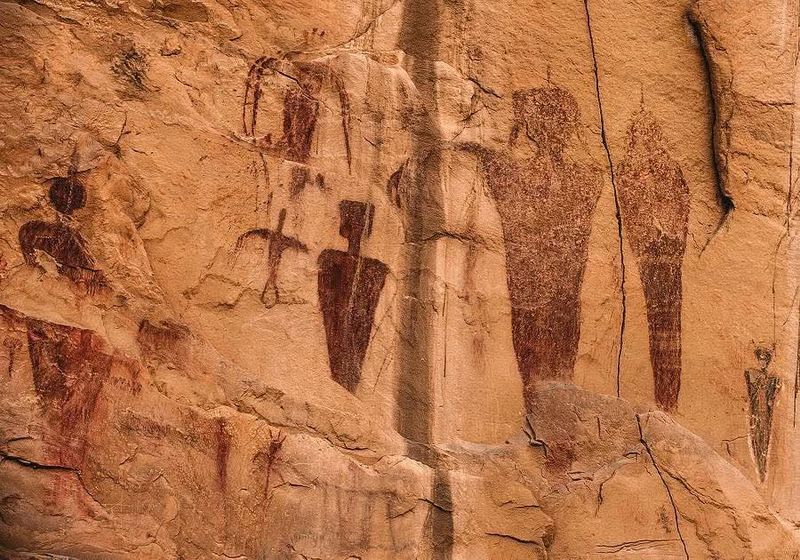
Standing in front of the rock art panels at Sego Canyon is the kind of moment that makes conversation feel unnecessary. The images are genuinely large, some of them life-size, and the colors in the pictographs have held on with a stubbornness that feels almost defiant against the centuries.
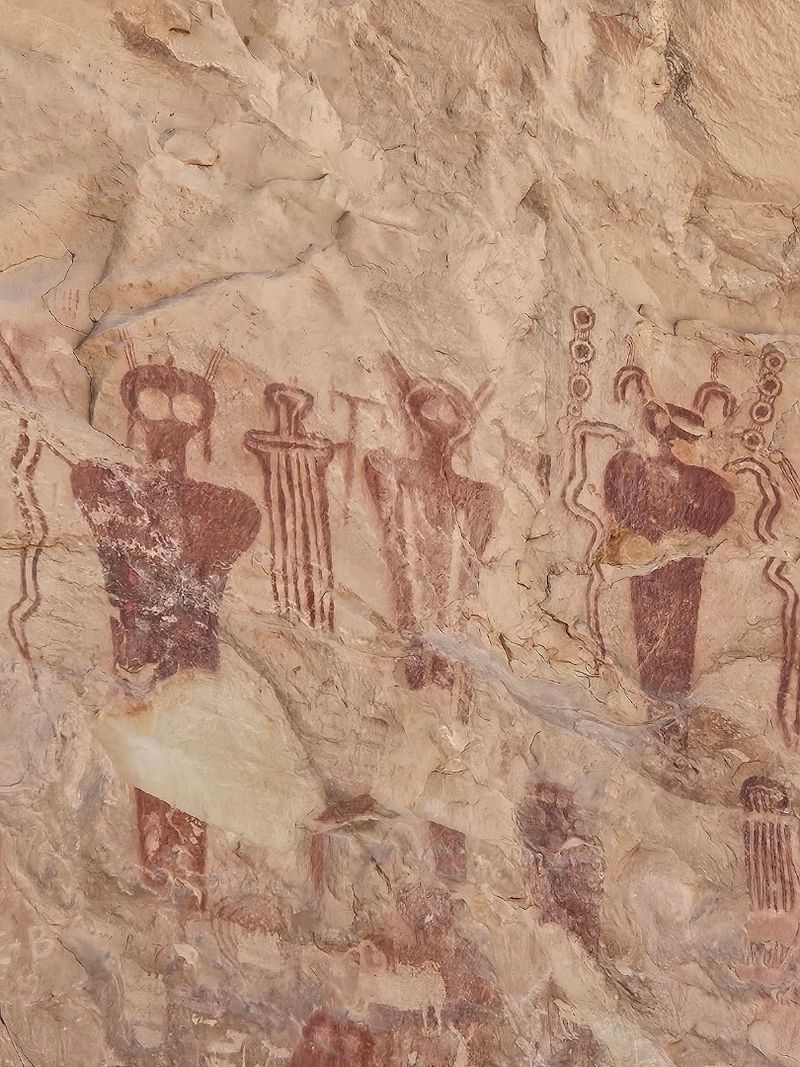
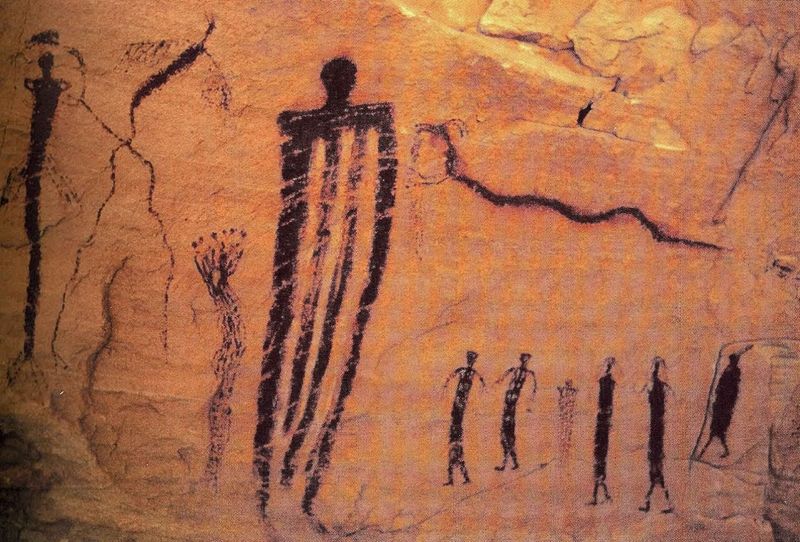
There are multiple distinct styles on display here, including Barrier Canyon style pictographs and Ute petroglyphs, representing different cultures and different chapters of human presence in this landscape.
The figures are haunting in the best possible way. Elongated bodies, hollow eyes, and shapes that resist easy explanation have sparked debate among researchers and visitors alike, which is part of what makes standing here feel like reading a sentence in a language you almost understand.
Why It Matters: These panels represent multiple pre-Columbian cultural traditions layered onto the same canyon walls, making Sego Canyon one of the more archaeologically layered rock art sites accessible to the general public in Utah.
Insider Tip: Arrive near sunset if your schedule allows. Visitors have noted that the low-angle light brings the colors and textures of the panels into full, fiery relief in a way that midday sun simply cannot match.
The Ghost Town That Sets the Mood
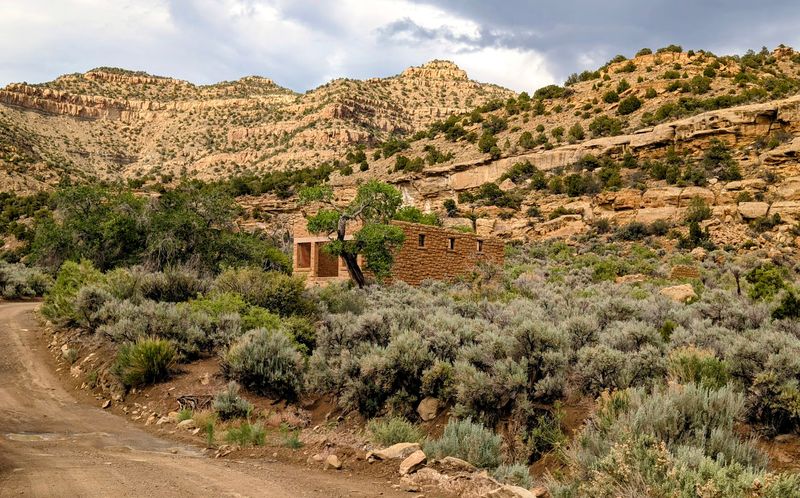
Before you even reach the canyon panels, the drive through Thompson Springs earns its keep. The town is a genuine ghost town, not the curated, gift-shop variety, but the real kind where empty buildings and quiet streets do most of the storytelling.
It is the sort of place that makes you slow down instinctively, the way you might lower your voice in an old library without anyone asking you to.
A cemetery sits nearby, and visitors who take a few minutes to walk through it tend to come away with a different kind of quiet. Paired with the rock art just up the road, the ghost town gives the whole outing a layered, unhurried quality that a simple trailhead parking lot could never provide.
Common Mistakes to Avoid: Do not skip the ghost town portion of the drive in your rush to reach the petroglyphs. The context it provides makes the canyon panels feel even more resonant, and it costs you nothing but a few extra minutes.
Best For: History-minded visitors, photography enthusiasts, and anyone who finds that abandoned places carry a particular kind of atmosphere worth pausing for.
Free, Accessible, and Refreshingly Uncommercialized
There is something quietly radical about a place this remarkable costing absolutely nothing to visit. No entrance fee, no reservation system, no timed entry window to book three weeks in advance.
Sego Canyon Rock Art Interpretive Site operates on the simple premise that ancient cultural heritage should be reachable by anyone who makes the drive.
Restroom facilities are available on site, which may sound like a minor detail until you have spent a few hours navigating rural Utah and start treating a clean bathroom the way other people treat a hot meal. The panels are easily visible from the road and the short walking area nearby, meaning visitors with mobility considerations can still take in the main displays without difficulty.
Quick Verdict: For a free stop with functioning facilities, genuine historical significance, and minimal planning required, Sego Canyon punches well above its weight class on any road trip itinerary through eastern Utah.
Planning Advice: This works perfectly as a 10-to-20-minute stop if you are pressed for time, or as a longer, more contemplative visit if the canyon draws you in, which it tends to do more often than people expect.
What the Rock Art Actually Tells Us (And What It Does Not)
Here is where things get genuinely interesting. The rock art at Sego Canyon spans multiple cultural periods and artistic traditions, which means the canyon walls are essentially a conversation across centuries between groups of people who never met each other.
Researchers identify at least three distinct styles: Archaic Barrier Canyon style, Fremont culture images, and Ute period petroglyphs, each with its own visual vocabulary and estimated time period.
Dating rock art is notoriously difficult, and the honest answer about exactly how old these images are is that nobody knows for certain. Estimates range from several hundred years to potentially thousands of years for the oldest Barrier Canyon style figures.
That ambiguity is not a weakness of the site; it is part of what makes it so compelling.
Why It Matters: Sego Canyon offers a rare chance to observe multiple pre-Columbian artistic traditions in one location, giving visitors a sense of the long human timeline in the Colorado Plateau region without requiring any specialized knowledge to appreciate what they are seeing.
Pro Tip: Read the interpretive signage at the site carefully. It provides cultural context that genuinely changes how you look at each panel.
The Midpoint That Changes the Whole Road Trip
Right around here is where a good road trip stops being a drive and starts being a story. Sego Canyon has a way of becoming the detail that anchors the whole journey, the thing you mention first when someone asks how the trip went.
It is not the Grand Canyon, and it does not try to be. Its power is quieter and more personal, the kind that settles in after you have left and keeps surfacing in conversation for longer than you expected.
Families find that kids respond to the rock art with a curiosity that screens rarely produce. Couples tend to slow down here in a way that the rest of a highway-heavy road trip does not always allow.
Solo visitors often describe having the canyon almost entirely to themselves, which is the kind of solitude that feels earned rather than imposed.
Best Strategy: Pair the Sego Canyon stop with a short walk along the canyon floor to follow the small stream that runs through it. Keep pets from drinking the water, as it has reportedly caused stomach upset in at least one well-documented canine incident that visitors have cheerfully noted.
Who This Is For: Anyone passing through eastern Utah on I-70 who has 20 minutes and a willingness to be surprised.
Protecting What Is Left and Why It Genuinely Matters
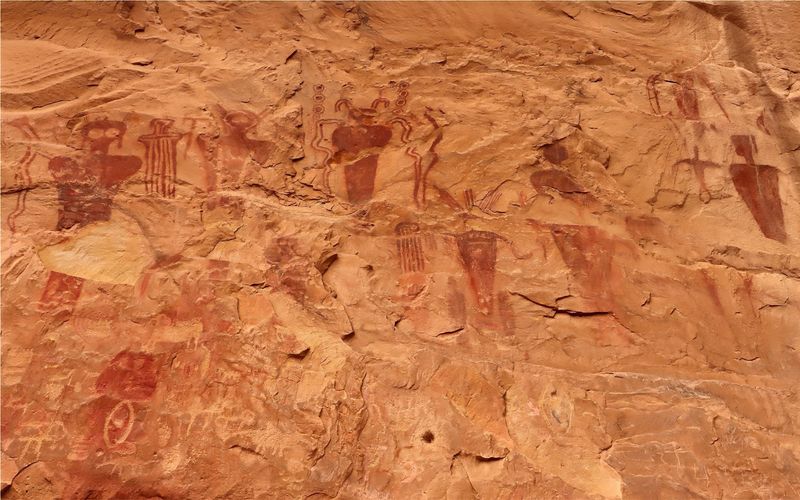
Not everything at Sego Canyon has been preserved perfectly, and that honesty is worth sitting with for a moment. Some panels have been vandalized, a reality that a handful of visitors have noted with visible frustration.
It is a reminder that sites like this exist in a fragile balance between being discovered and being damaged by the very attention that discovery brings.
The Leave No Trace principle applies here in a specific and meaningful way. Do not touch the rock art.
Do not add marks of any kind. Keep a respectful distance from the panels and treat the site as the irreplaceable cultural record that it actually is.
Future visitors, and future generations, are counting on the people who show up today to behave accordingly.
Common Mistakes to Avoid: Touching or leaning against the rock art panels, even gently, causes damage over time. The oils from human skin accelerate deterioration in ways that are not always immediately visible but are cumulative and permanent.
Final Thought: Sego Canyon is the kind of place that rewards the people who treat it well and quietly suffers at the hands of those who do not. Show up as the former, and you will leave with something that no photograph fully captures: the particular satisfaction of having stood in the presence of something ancient and left it exactly as you found it.