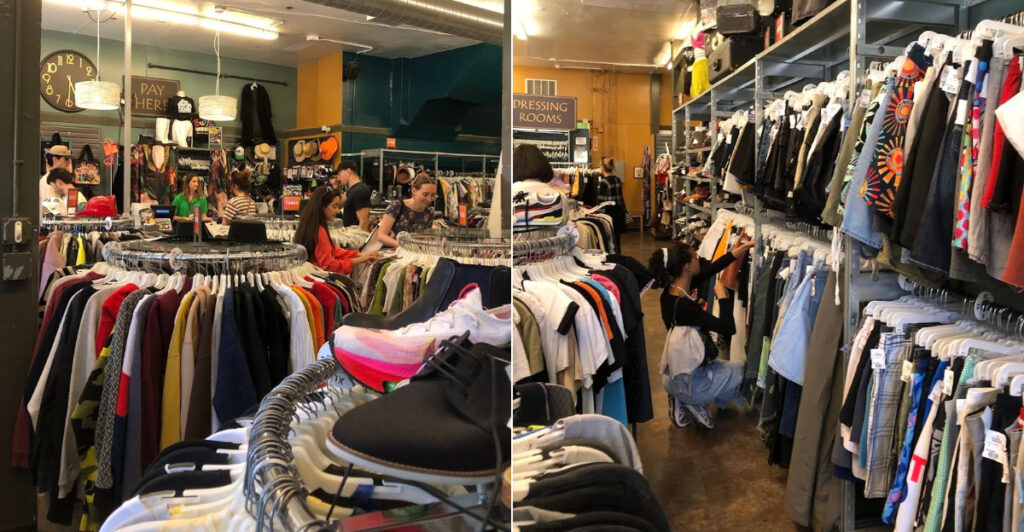
Secondhand shopping in California can feel like a full-on hunt, and this place makes it a thrill from start to finish. This isn’t the typical thrift-store experience with questionable smells or endless searching.
The racks are thoughtfully curated, the prices are fair, and the finds can be genuinely surprising. Fashion students, vintage collectors, and bargain hunters alike all know this is the place to spot something unique.
Patience and a keen eye are rewarded with pieces you didn’t expect to find but suddenly can’t live without.
Colorful murals, independent shops, and a vibrant, creative energy make wandering the streets just as fun as hunting through the racks. If you’ve ever wanted to snag a designer label without paying designer prices, this is the kind of store that turns that dream into reality.
How A Simple Idea Led The Way
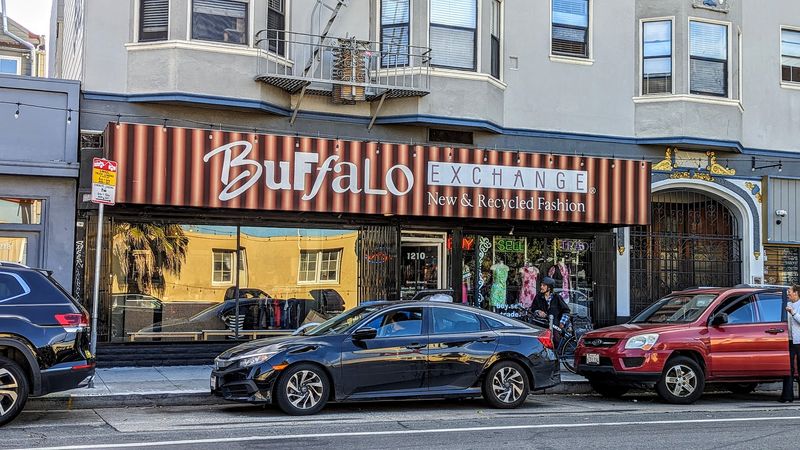
Buffalo Exchange didn’t start in San Francisco. It was founded in Tucson, Arizona, back in 1974 by Kerstin and Spencer Block, a couple who believed that buying and selling secondhand clothing should feel fun and accessible rather than fringe or embarrassing.
The concept was simple but ahead of its time. Bring in clothes you no longer wear, and the store either buys them outright or trades you store credit for something new to you.
That model turned a small Arizona shop into a national chain with dozens of locations, including this beloved San Francisco spot on Valencia Street.
The Mission District location carries that founding spirit with real pride. The store reflects the neighborhood it calls home, which is creative, diverse, and full of people who value originality over conformity.
Shopping here feels like participating in something bigger than just a transaction.
What makes Buffalo Exchange stand out from standard thrift stores is its buy-sell-trade system. Staff actually review what you bring in and select pieces based on current demand and quality.
That process keeps the inventory fresh and prevents the racks from becoming a chaotic dumping ground.
The chain has built a reputation for rotating inventory that rewards regular visitors, and the Valencia Street location is no exception to that rule.
What The Racks Actually Look Like Inside
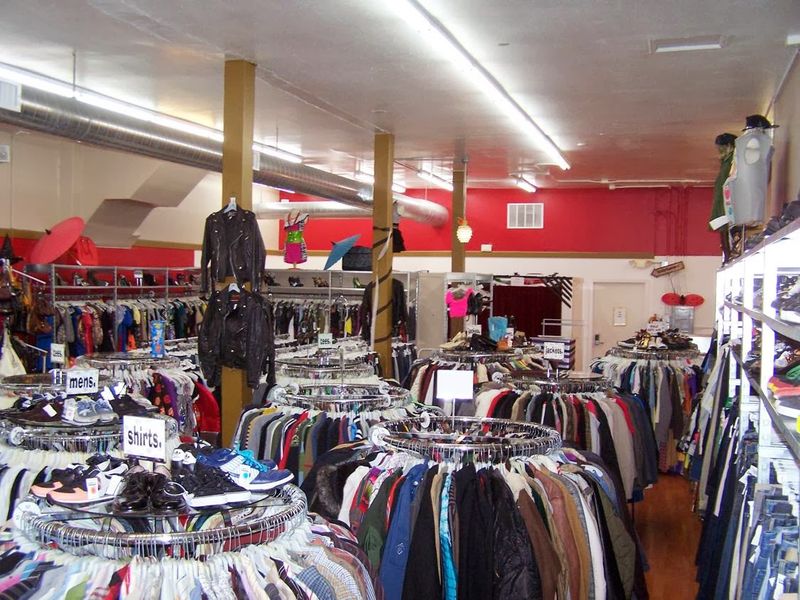
Walk through the front door and the first thing you notice is that the store is organized. Not in a sterile, department-store way, but in a way that makes browsing feel manageable and even enjoyable.
Clothing is sorted by type and color, which makes the hunt feel purposeful.
The racks hold a genuinely eclectic mix. You might flip past a basic denim jacket, then land on a vintage Levi’s piece from the 1980s, then spot something with a recognizable designer tag placed right beside it.
The variety keeps your hands moving and your eyes sharp.
Shoes are lined up along dedicated sections, and accessories like belts, bags, and hats fill their own corners of the store. It’s the kind of layout that rewards slow, deliberate shoppers who take their time rather than rushing through.
The lighting is decent enough to actually see colors and textures clearly, which matters more than people realize when you’re evaluating fabric quality or checking for wear. Too many thrift stores make this impossible with dim or yellow overhead lighting.
Brands like Levi’s, Free People, Madewell, and occasionally higher-end names do show up on the racks. The key is visiting frequently, because inventory turns over fast and yesterday’s rack looks completely different tomorrow.
The Buy-Sell-Trade System Explained
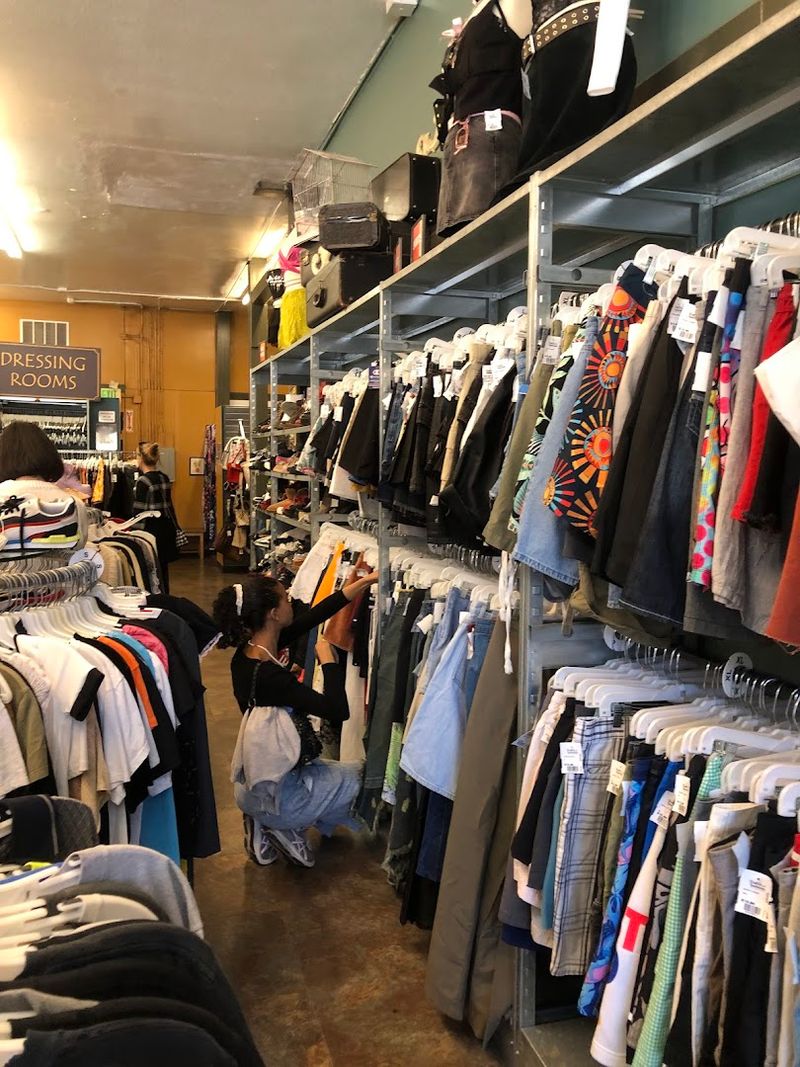
The buy-sell-trade model is what separates Buffalo Exchange from a traditional donation-based thrift store. You don’t just drop off a bag and walk away.
You bring in your items, a staff member reviews them on the spot, and they make you an offer in cash or store credit.
Store credit is typically worth more than the cash offer, which makes it a smart choice if you’re already planning to shop. The percentage varies, but many customers find they can turn a bag of clothes into a solid credit toward something they actually want to wear.
The selection process can feel a little nerve-wracking the first time, especially if you’ve brought in pieces you were proud of. Not everything gets accepted, and the staff are honest about what they’re looking for based on current trends and condition.
Items need to be clean and in good shape to be considered. Stains, heavy wear, or outdated styles that no longer have a market are usually passed on.
Think of it less as judgment and more as quality control that benefits every shopper who walks through the door. It’s a practical system that makes the whole secondhand cycle feel refreshingly honest.
Designer Finds And What To Watch For
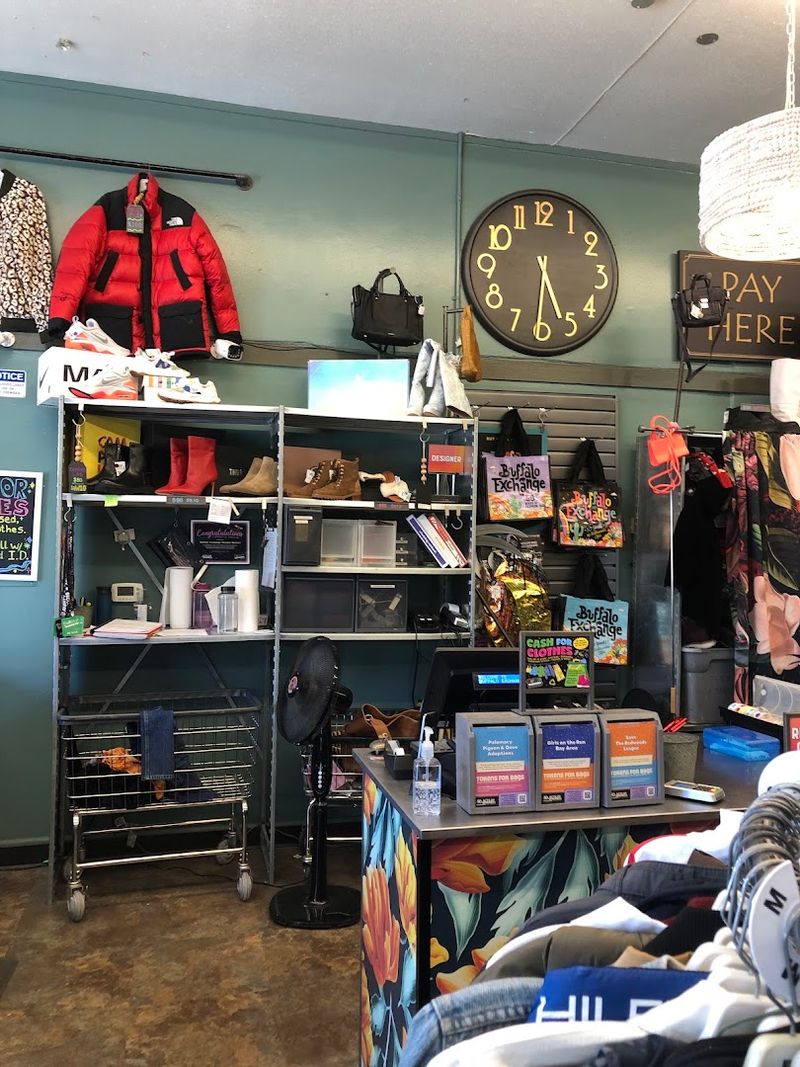
The designer hunt at Buffalo Exchange is real, but it takes a specific kind of patience. Shoppers who visit regularly and know what to look for tend to walk away with the best finds, while casual visitors sometimes miss the good stuff entirely.
Knowing your brands helps enormously. Labels like Anthropologie, Patagonia, Reformation, Eileen Fisher, and even the occasional luxury piece have been spotted on these racks.
The price tags are a fraction of what you’d pay retail, which is the whole point of being here.
Checking the fabric content label is a smart habit to develop. Natural fibers like wool, silk, cashmere, and linen tend to hold up better over time and are often signs that a piece was made with more care than average fast-fashion items.
Fit matters more in thrift shopping than anywhere else. Unlike a retail store, you can’t order a different size if the one on the rack doesn’t work.
Trying things on before committing is always the right move, no matter how good a piece looks on the hanger.
Do you have a specific brand or style you’ve been chasing? The staff at Buffalo Exchange are often knowledgeable and happy to point you toward sections that might match what you’re looking for.
Building a relationship with a store like this one pays off in a way that online shopping simply cannot replicate.
The Mission District Vibe That Surrounds The Store
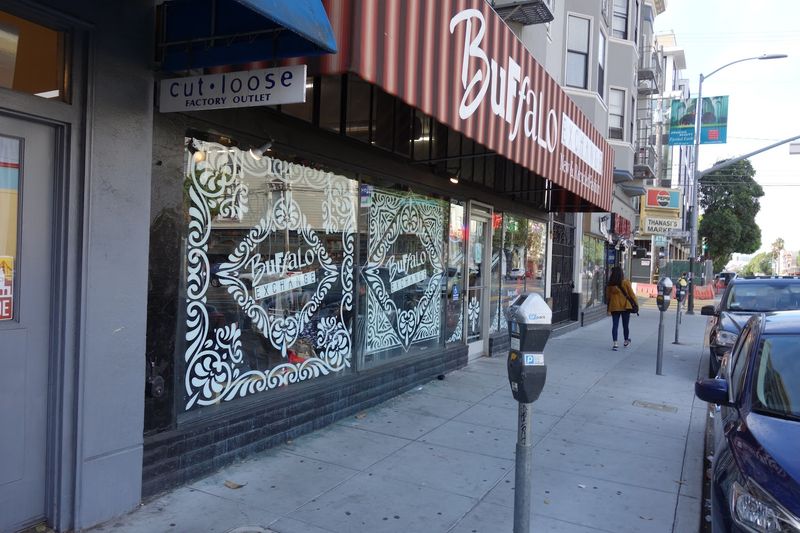
Buffalo Exchange sits right in the middle of one of San Francisco’s most visually striking neighborhoods. The Mission District is known for its bold street murals, independent businesses, and a cultural energy that has shaped the city’s identity for decades.
Valencia Street itself is a corridor worth exploring before or after your shopping session. The street is lined with bookshops, coffee spots, vintage boutiques, and restaurants that reflect the neighborhood’s Latin roots and its ongoing creative evolution.
The sidewalks here feel alive in a way that’s hard to describe without actually standing on them. People move with purpose, street art covers entire building walls, and the mix of longtime residents and curious visitors creates an atmosphere that feels genuinely urban and unpretentious.
The Mission is also one of the more walkable parts of San Francisco, which means you can easily build a full afternoon around a visit to Buffalo Exchange. The store is a natural anchor for a longer exploration of everything Valencia Street has to offer.
Is this your first time visiting the Mission District? If so, arriving on a weekend gives you the fullest experience, when the street is busiest and the energy is at its peak.
Pair your thrift run with a slow walk south from the store and you’ll understand quickly why people fall hard for this particular corner of California.
Tips For First-Time Visitors
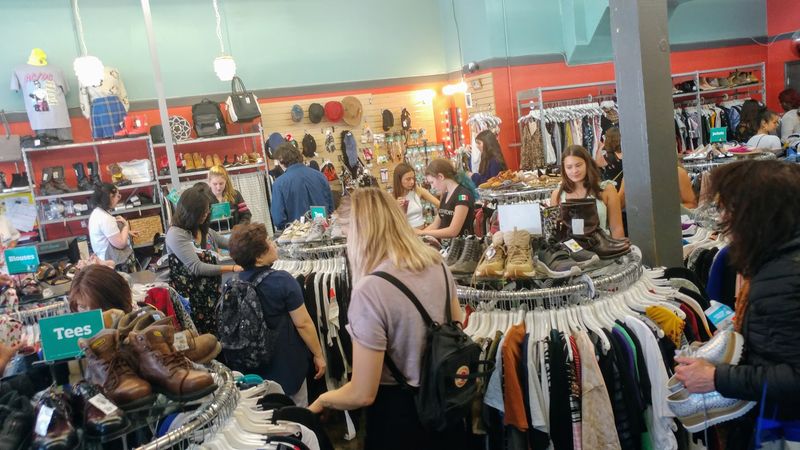
First visits to Buffalo Exchange can feel a little overwhelming if you walk in without a plan. The store has a lot going on, and it helps to approach it with a loose strategy rather than hoping a perfect outfit will leap off the rack at you.
Start by identifying what you actually need. Are you looking for everyday basics, statement pieces, or something specific like a denim jacket or a structured blazer?
Having even a rough idea narrows your focus and makes the visit more productive.
Wearing simple, easy-to-remove clothing makes the fitting room experience smoother. You’ll likely want to try on several pieces, and layered outfits or complicated footwear slow that process down considerably.
Dress practically for a shopping day.
Bring your sellable items on the same trip if you have them. The store accepts drop-offs during regular hours, and getting your trade credit sorted first means you already know your budget before you start browsing.
That small shift in order can make the whole visit feel more intentional.
Timing your visit matters more than you might expect. Mid-week mornings tend to be quieter, which means less competition for fresh inventory and more breathing room to browse without the weekend crowd.
The store at 1210 Valencia St in San Francisco, CA 94110 is open daily, so flexibility in your schedule is a real advantage when hunting for the best pieces.
Sustainability And The Secondhand Movement
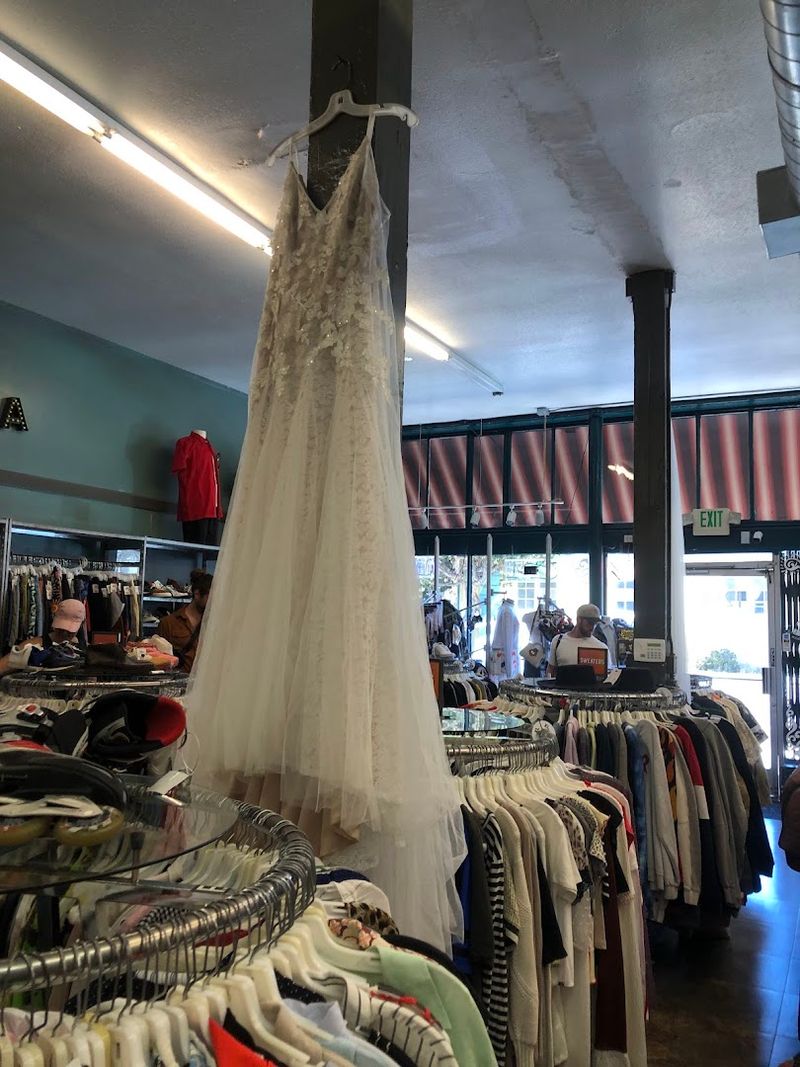
Secondhand shopping has moved well past being a budget necessity. For a growing number of people, it’s a deliberate choice rooted in the belief that buying used clothing is one of the most practical ways to reduce the environmental impact of getting dressed every day.
The fashion industry is one of the more resource-heavy industries on the planet. Every piece of clothing that gets resold instead of discarded represents water, energy, and labor that doesn’t have to be spent producing something new.
That math adds up quickly when you multiply it across thousands of transactions. Buffalo Exchange has been part of this conversation for decades, long before sustainable fashion became a mainstream talking point.
The buy-sell-trade model inherently extends the life of clothing, keeping pieces in circulation rather than sending them to a landfill.
Shopping here also supports a local business within a community that values independent retail. The Mission District has long been a neighborhood where small, locally rooted businesses thrive, and Buffalo Exchange fits that culture naturally and without pretense.
Why Regulars Keep Coming Back
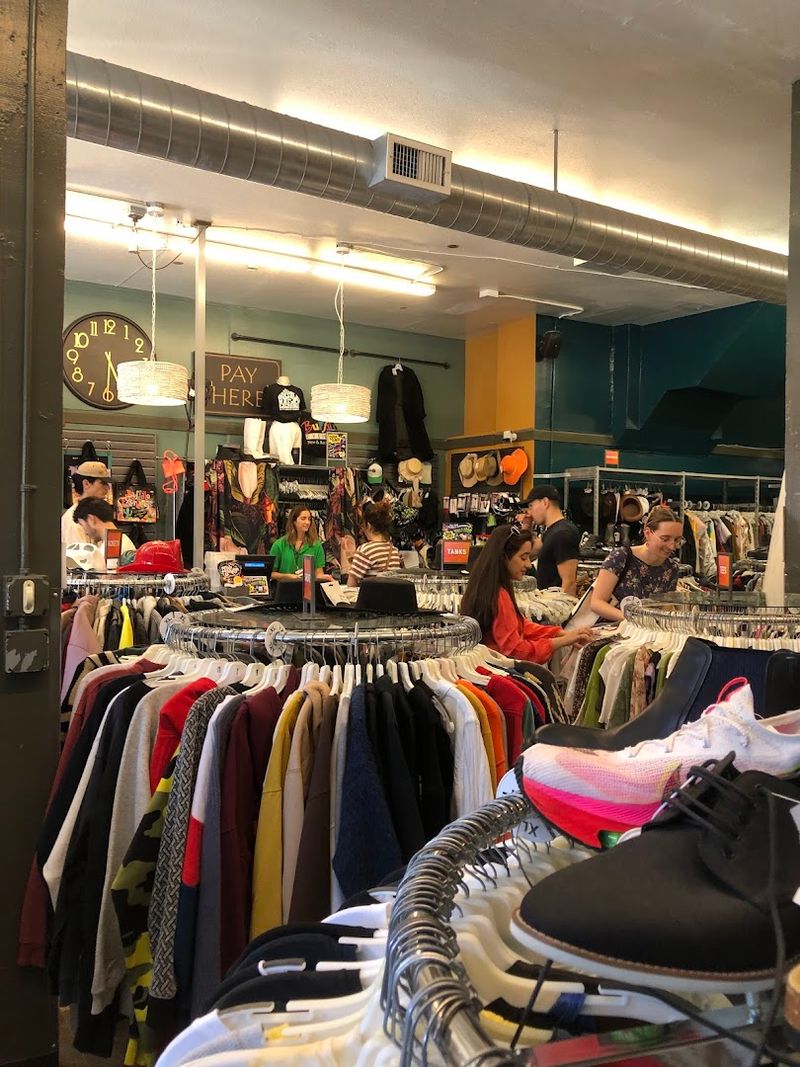
Ask anyone who shops at Buffalo Exchange regularly and they’ll tell you the same thing: the inventory is never the same twice. That unpredictability is exactly what keeps people coming back week after week, even when they don’t technically need anything new.
There’s a particular satisfaction in finding something great at a fraction of its original price. It’s not just about saving money, though that’s obviously part of it.
It’s about the story behind the piece, the fact that it existed somewhere else before landing in your hands.
The staff at the Valencia Street location tend to be genuinely passionate about fashion and thrift culture. That enthusiasm shows in how the store is maintained, how items are priced, and how willing they are to have a real conversation about what you’re looking for.
The community of shoppers who frequent this store is also part of the draw. You’ll encounter people with sharp personal style, students experimenting with their look, and collectors who know exactly what they’re hunting for.
The mix makes for an energetic and surprisingly social shopping environment.
If you make one stop on Valencia Street, make it here, and then make a habit of coming back to see what’s new on the racks next time.