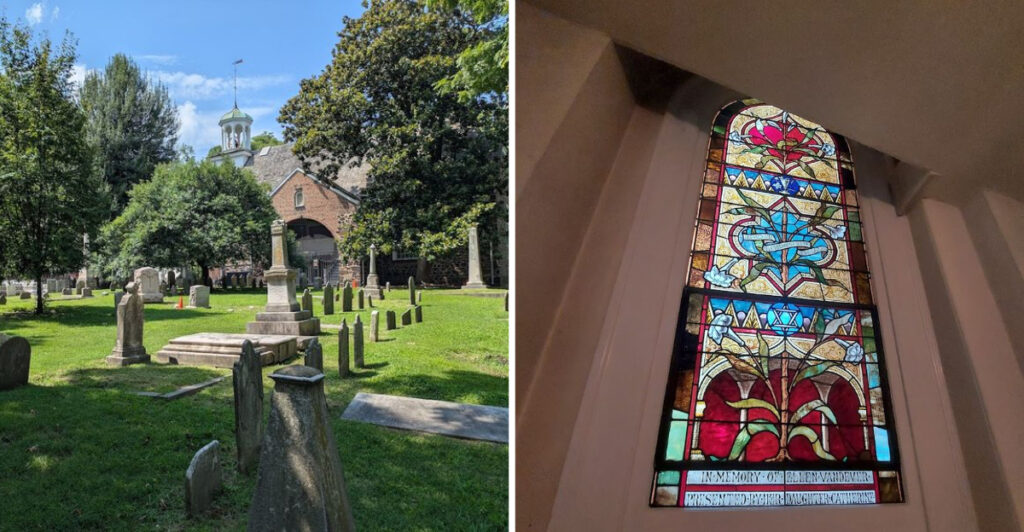
This historic stone church in Delaware has been standing since the late 1600s.
It remains one of the oldest and most remarkable religious landmarks in the state.
What makes the place so memorable is not only its age, but the way it still feels solid, calm, and deeply rooted in its surroundings.
The stonework, the setting, and the sense of continuity all hit at once, giving visitors the feeling that they are standing in front of something that has quietly outlasted centuries of change.
That is where the experience starts to deepen.
A visit here is not just about looking at an old building.
It is about stepping into a place that carries early Delaware history in a way that feels visible, grounded, and real.
For travelers who like historic places with genuine character, this is the kind of stop that leaves a lasting impression.
A First Glance That Stops You
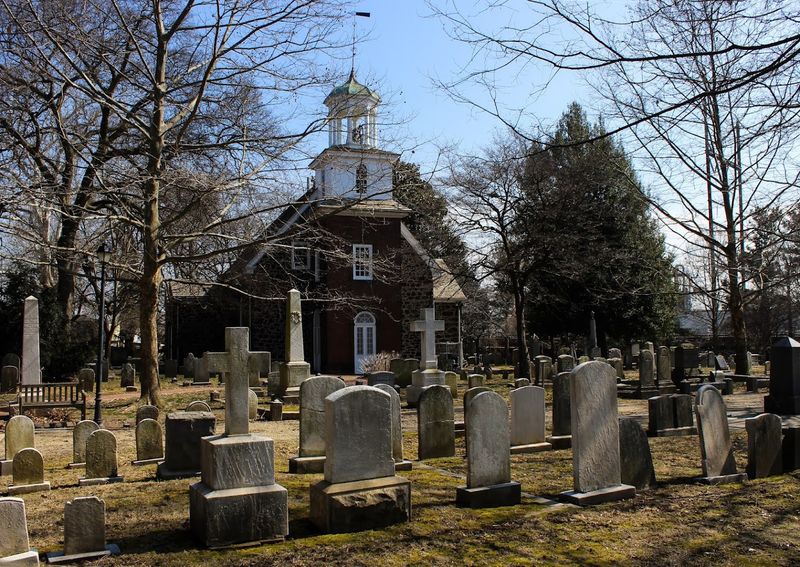
This building gained attention in silence.
Holy Trinity, also called Old Swedes Church, rises with sturdy stone walls and a compact shape that feels confident rather than grand.
That first look explains a lot about why the place lingers in memory.
The church is part of the Old Swedes Historic Site in Wilmington, Delaware, and it carries its age without turning dusty or distant.
Instead, it feels present.
The rough texture of the stone, the balanced lines, and the modest footprint all create a scene that seems surprisingly calm beside the city around it.
There is no need for theatrical framing here.
The power comes from knowing that this church dates to 1698–1699, which is the kind of timeline that instantly resets a traveler’s sense of time in Delaware.
It also helps that the setting still encourages a slower pace.
A visit begins with architecture, but it quickly becomes something broader, as the entire site suggests endurance, continuity, and the rare pleasure of finding a place that never had to shout to stay important.
For practical planning, Old Swedes Historic Site is located at 606 N Church St, Wilmington, DE 19801.
That address places travelers at the heart of one of the most historically distinctive corners of the city.
The Story Written In Stone
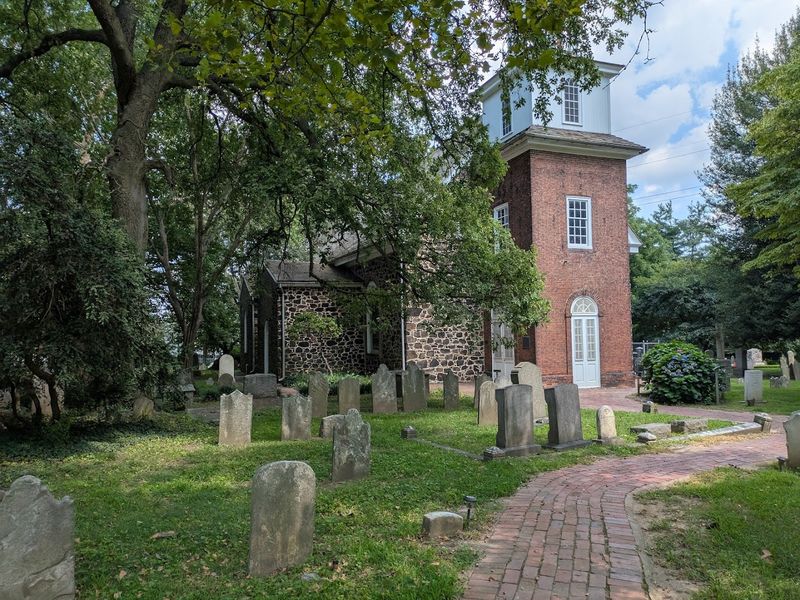
Age is the headline here.
Holy Trinity, known widely as Old Swedes Church, was constructed in 1698–1699 and that date places it among the earliest surviving churches in the country.
Its origins connect directly to the former Swedish colony along the Delaware River, which gives the building a history deeper than many visitors expect when they arrive in Wilmington.
The church is not simply old for Delaware.
It is old in a way that helps explain how layered early American settlement really was.
That background gives every architectural detail more weight.
Thick masonry, practical design, and a clear sense of purpose reveal a place built for durability, community, and regular use rather than display.
It also explains why the church matters beyond religion or architecture alone.
Holy Trinity serves as a reminder that the region’s past includes Swedish influence, colonial crossroads, and local traditions that survived changing governments and centuries of urban growth.
Plenty of historic places feel frozen behind glass.
This one feels more like a stubborn chapter that refused to be edited out, and that makes its stones seem wonderfully talkative.
The House That Deepens The Story
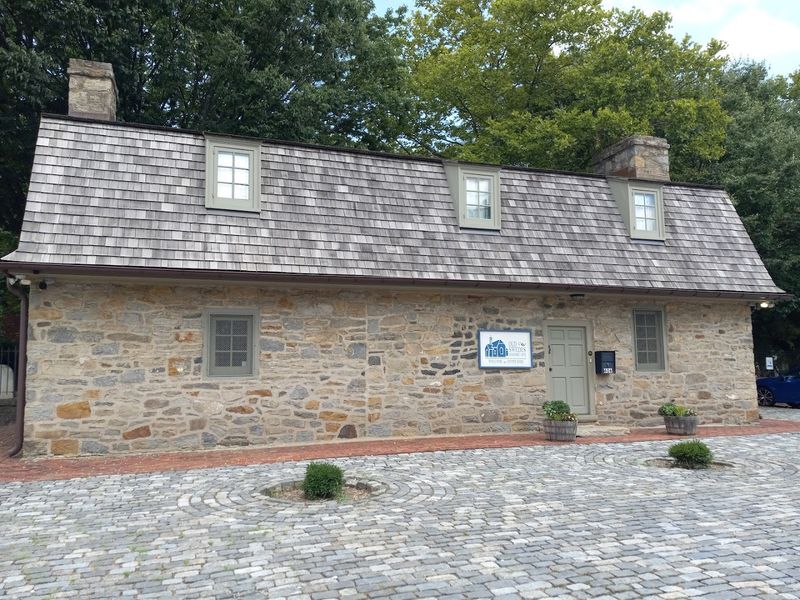
Just beyond the church, the Hendrickson House adds a quieter but equally meaningful layer to the experience.
At first glance, it seems modest, but that is part of what makes it so effective.
The house helps shift the visit away from only admiring a historic landmark and toward understanding the people who once built a life around it.
Walking over from Holy Trinity makes the entire site feel more grounded and complete.
The focus widens from worship and architecture to daily routines, family life, and the kind of work that shaped this early community over generations.
That added context gives the church even more weight, because it reminds visitors that the story here was never limited to one building.
It was about a whole world of ordinary lives unfolding around it.
The Hendrickson House deepens the visit in exactly the right way.
It brings warmth, scale, and human detail to a site already filled with history, and it helps the past feel a little closer, clearer, and easier to imagine.
Where The Site Comes Together
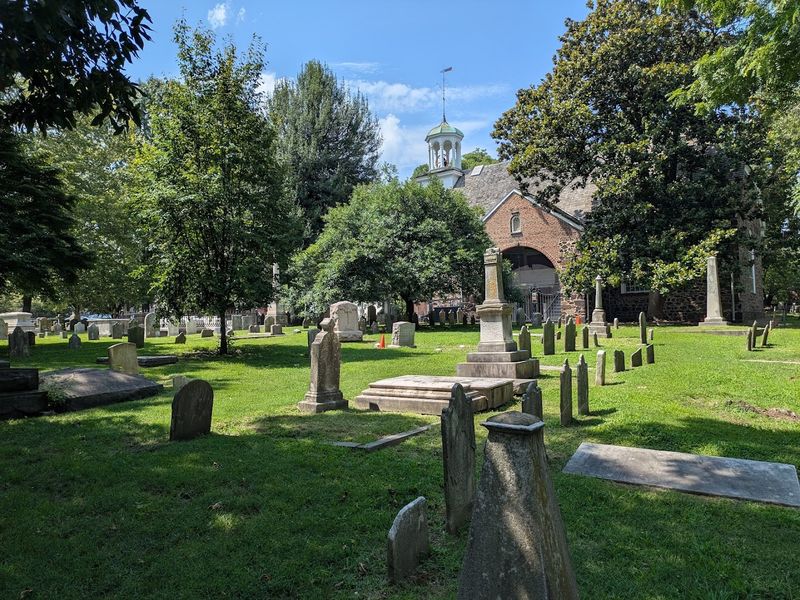
Context changes everything.
Seeing Holy Trinity as part of the Old Swedes Historic Site makes the church feel less like an isolated monument and more like the center of a larger historical landscape.
The location helps visitors understand how religion, settlement, and daily life once overlapped in practical ways.
Rather than presenting the church as a single photo stop, the site encourages a fuller reading of early Wilmington and the colonial era in Delaware.
That broader frame matters because it gives the building breathing room.
The church becomes easier to appreciate when viewed as one element in a preserved environment shaped by memory, heritage interpretation, and the long afterlife of a community founded centuries ago.
Even before stepping inside, the surroundings set the tone.
The grounds invite slower observation, and that pause is useful, because Holy Trinity rewards visitors who bring curiosity instead of a rushed checklist and let the atmosphere do some of the storytelling.
Inside The Quiet Drama
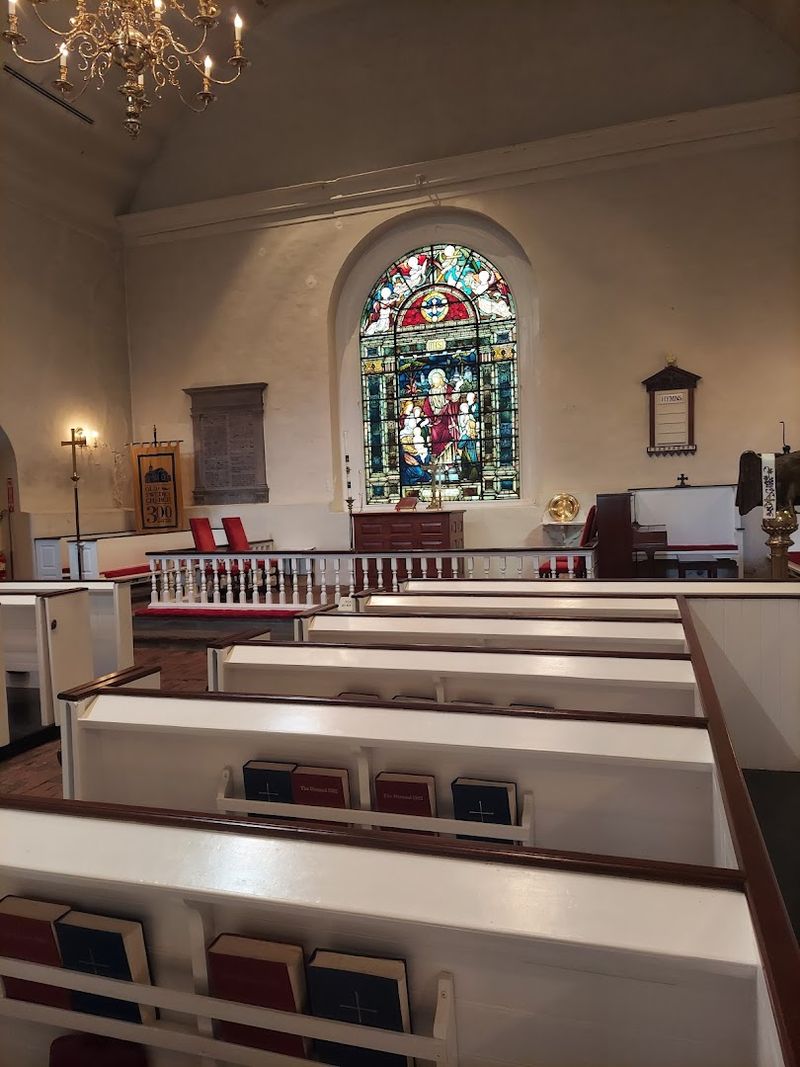
Step inside, and the mood changes immediately.
The interior of Holy Trinity feels restrained, balanced, and deeply rooted in an earlier idea of sacred space.
There is no need for excessive ornament when proportion and light already do the work.
Old wood, historic finishes, and the measured arrangement of the room create a kind of visual hush that makes modern spaces seem noisy by comparison.
That simplicity is part of the appeal.
Visitors are not overwhelmed by spectacle.
They are invited to notice craftsmanship, age, and the everyday devotion that once shaped the building’s use week after week.
The experience also sharpens respect for preservation.
A church this old can easily become abstract in the imagination, but the interior brings everything back to human scale, where benches, windows, and surfaces speak of ordinary people gathering in a place built to last.
It is easy to admire the architecture, yet the deeper impression comes from the feeling of continuity.
Few rooms in Delaware can make centuries feel so close together, and fewer still can do it with such calm self-possession.
A Different Side Of Wilmington
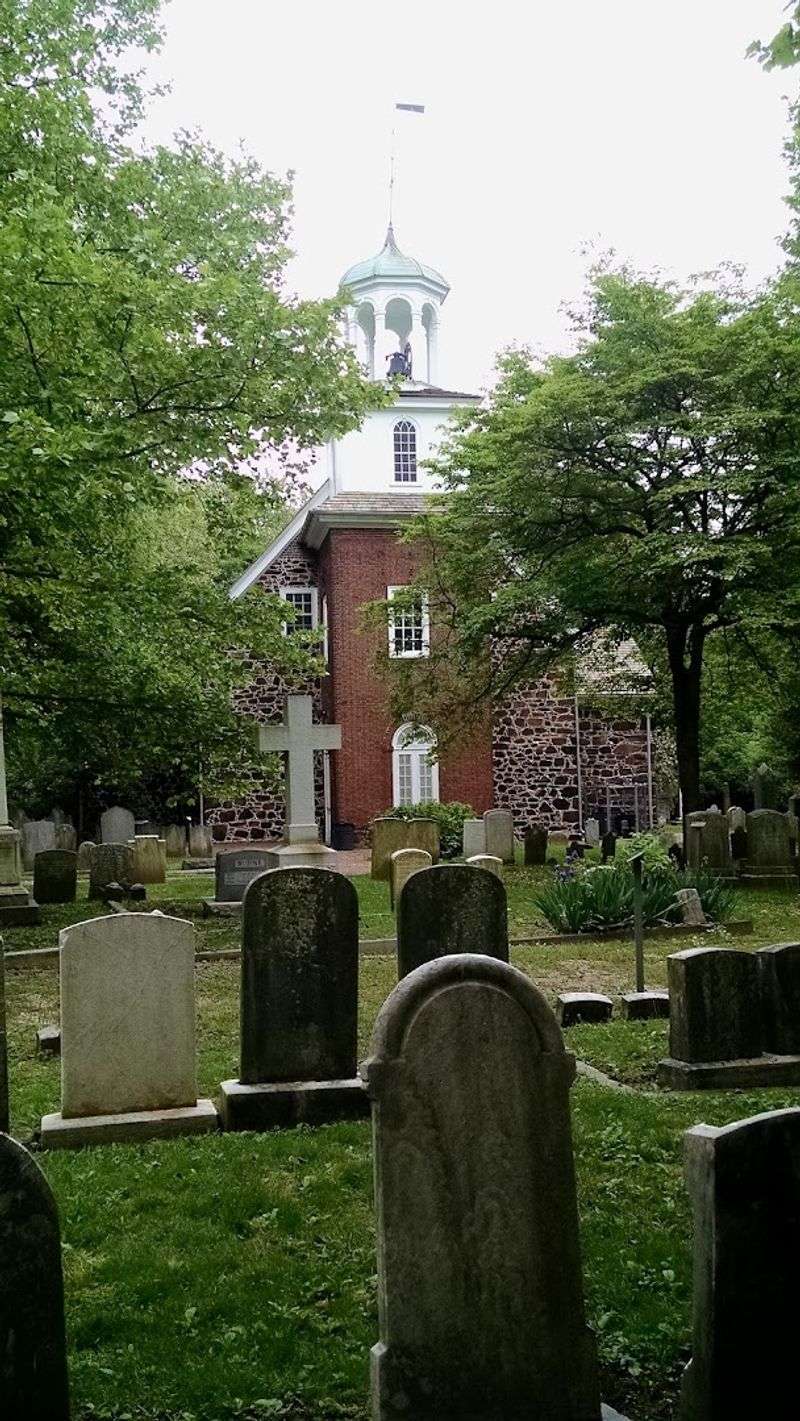
Here is the surprise.
Holy Trinity does not sit in a polished fantasy version of the past, and that contrast is part of what makes the visit memorable.
The church stands within present day Wilmington, where industry, infrastructure, neighborhoods, and history share the same visual frame.
That mix gives the site an honesty many restored landmarks never quite achieve, because the old building has not been separated from the real city around it.
Instead, it continues to exist within it.
The result is a sharper sense of endurance.
Old Swedes Church feels less like a museum object and more like a stubborn witness to the long evolution of Delaware.
Travelers who enjoy layered places will appreciate that tension.
The setting highlights how much has changed since the late seventeenth century, while also emphasizing how remarkable it is that the church still holds its place with such dignity.
That urban context does not weaken the experience.
It strengthens it, because Holy Trinity becomes more than a beautiful survivor.
It becomes proof that historic character can remain visible even when the landscape around it has completely changed its rhythm.
Why History Lovers Linger
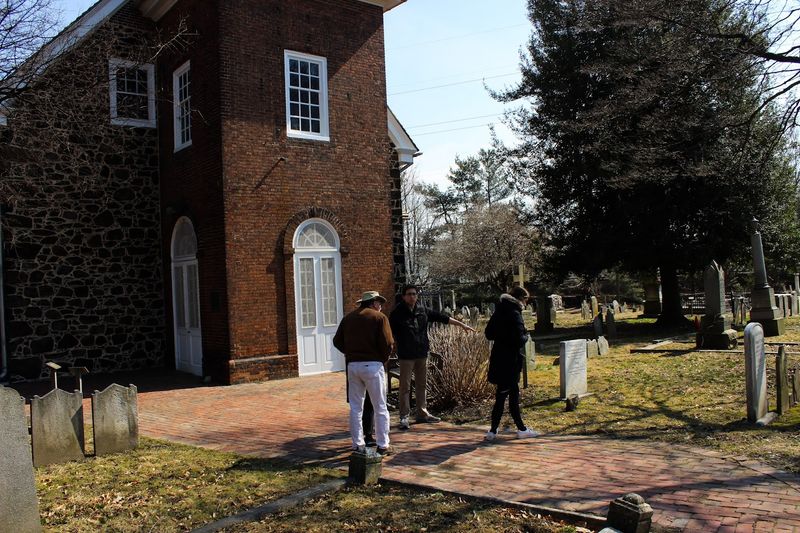
Curiosity has a field day here.
Holy Trinity rewards visitors who enjoy looking closely, asking questions, and connecting architecture to the larger story of colonial America.
It is easy to arrive expecting a brief stop and then realize the church opens several paths of interest at once.
Swedish colonial history, early American religion, preservation work, and Wilmington’s development all meet on this one site without feeling forced.
That layering makes the visit unusually satisfying.
Even people who are not normally drawn to churches often find themselves engaged by the building’s age, material presence, and place within the story of Delaware.
The church also works well for travelers who prefer depth over quantity.
Rather than racing between attractions, they can spend meaningful time noticing details, considering the historical context, and appreciating how much information a single structure can hold.
There is an educational quality here, but it never feels dry.
Holy Trinity has enough texture, atmosphere, and historical gravity to keep the experience grounded in feeling as much as fact, which is exactly the combination that turns a stop into a lasting travel memory.
Best Way To Experience It
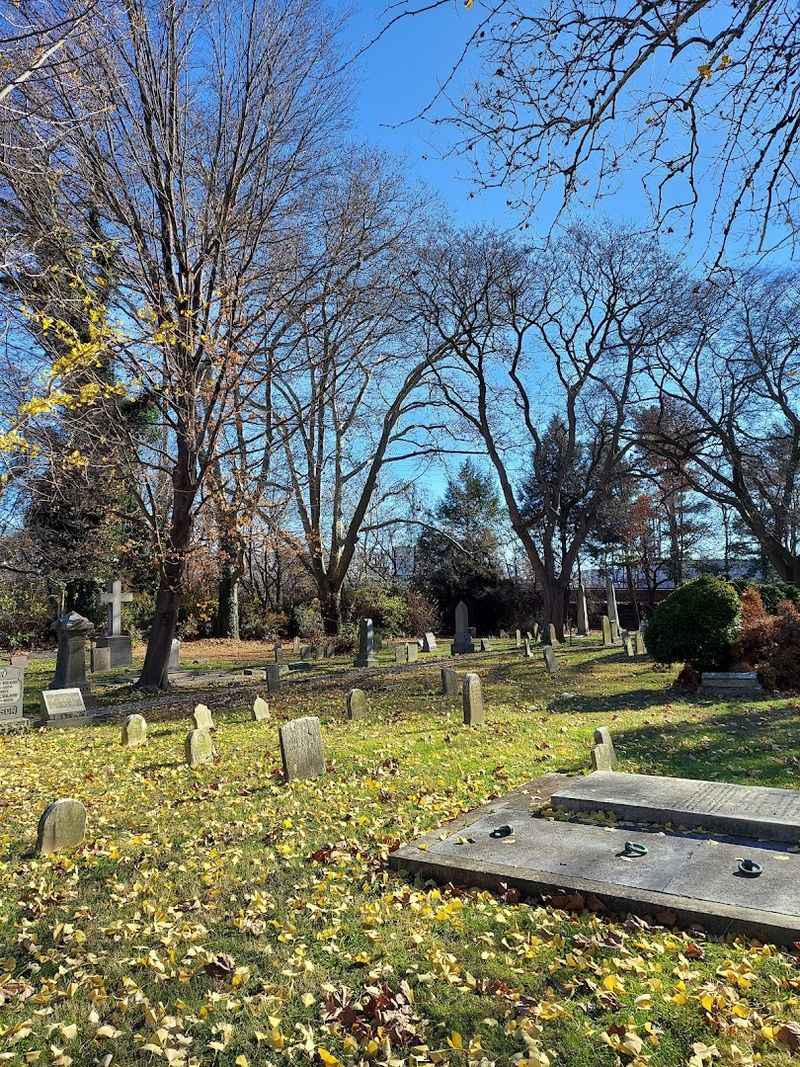
Timing shapes the mood.
Holy Trinity is best experienced slowly, with enough room in the schedule to walk the grounds, study the exterior, and let the age of the place sink in.
This is not a destination for a sprint.
The church rewards patience, especially for visitors who enjoy photography, architectural detail, and those moments when a historic site becomes more interesting the longer one stays.
Light also matters.
Softer daylight tends to flatter the stone and reveal more texture, while a quieter moment on the grounds makes it easier to notice the balance between the church and its surroundings.
A little preparation helps too.
Reading a bit about New Sweden and early Wilmington before arriving can deepen the experience, because the building suddenly becomes part of a bigger narrative instead of a single preserved landmark.
Most of all, this place works best for travelers willing to trade speed for attention.
Holy Trinity does not flood the senses with constant activity, but that restraint is exactly its strength, and it leaves visitors with the rare feeling that they have actually met a piece of old Delaware.
The Details That Stay With You
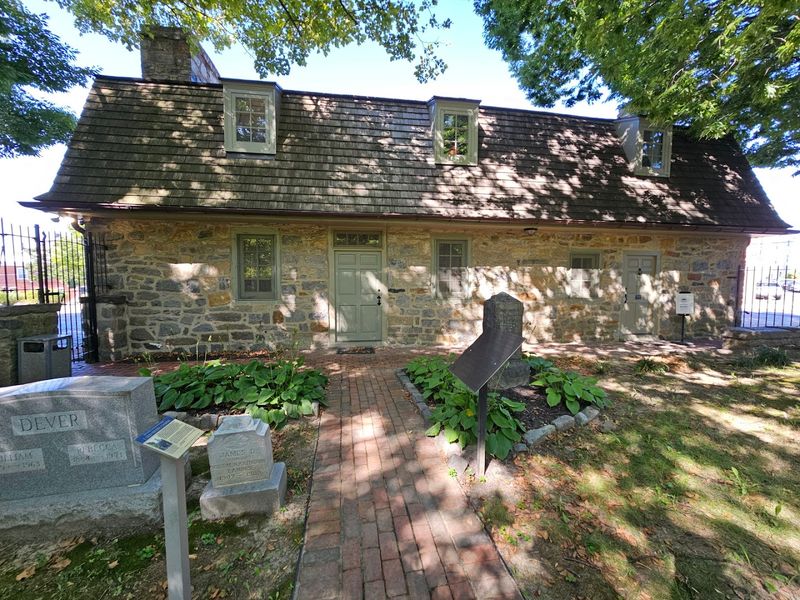
Big history is important, but the small details do the real magic.
At Holy Trinity, texture, proportion, and weathered surfaces often leave the strongest impression.
A window frame, a section of stonework, the careful simplicity of the design, all of it quietly reinforces the fact that this church was built for use, not for theatrical effect.
That practical beauty gives the place much of its charm.
It also keeps the experience grounded.
Visitors are not just told the church is old.
They can see age in the materials and feel it in the measured character of the building itself.
These details are especially memorable because they resist modern polish.
Nothing feels overdone.
The church remains handsome without becoming decorative, which suits a structure rooted in seventeenth century purpose and community life.
That is why the place photographs well but feels even better in person.
The eye catches one subtle feature after another, and together they build a lasting impression that is less about spectacle and more about authenticity, the kind of quality travelers hope to find and rarely forget.
A Delaware Landmark Worth The Detour
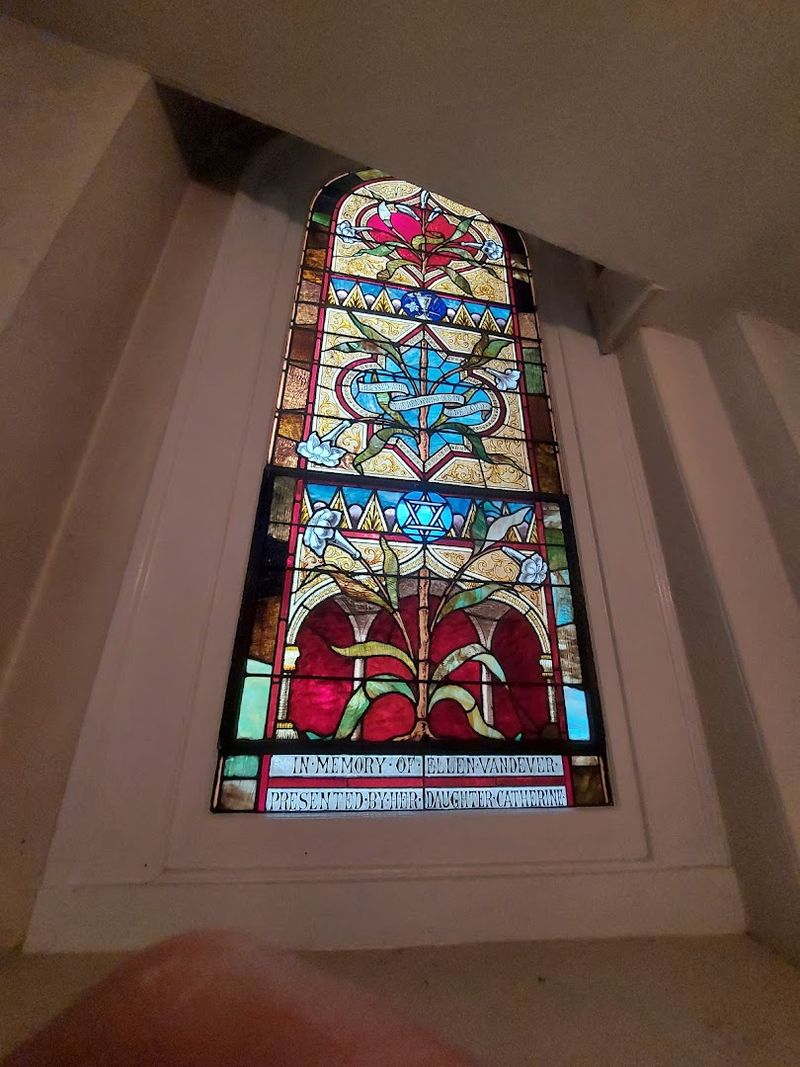
Some historic places fade as soon as the visit ends.
Holy Trinity does the opposite, because its appeal rests on substance, setting, and the unusual confidence of a church that has stood through centuries of change.
For travelers exploring Wilmington, it offers something both specific and wide ranging.
The site tells a distinctly local story, yet it also opens a broader window onto colonial history, preservation, and the long cultural threads that shaped Delaware.
That combination gives the church real staying power.
It is easy to recommend to architecture fans, history enthusiasts, and curious travelers who simply enjoy places with atmosphere and honest historical weight.
Just as importantly, the experience remains manageable.
A visit feels rewarding without demanding an entire day, which makes Holy Trinity an excellent addition to a city itinerary built around meaningful stops rather than constant motion.
In the end, this old stone church offers exactly what many travelers hope to find and rarely do.
It delivers age, character, and a clear sense of place, then sends visitors back into Delaware with the satisfying feeling that the state has just revealed one of its best kept historical cards.