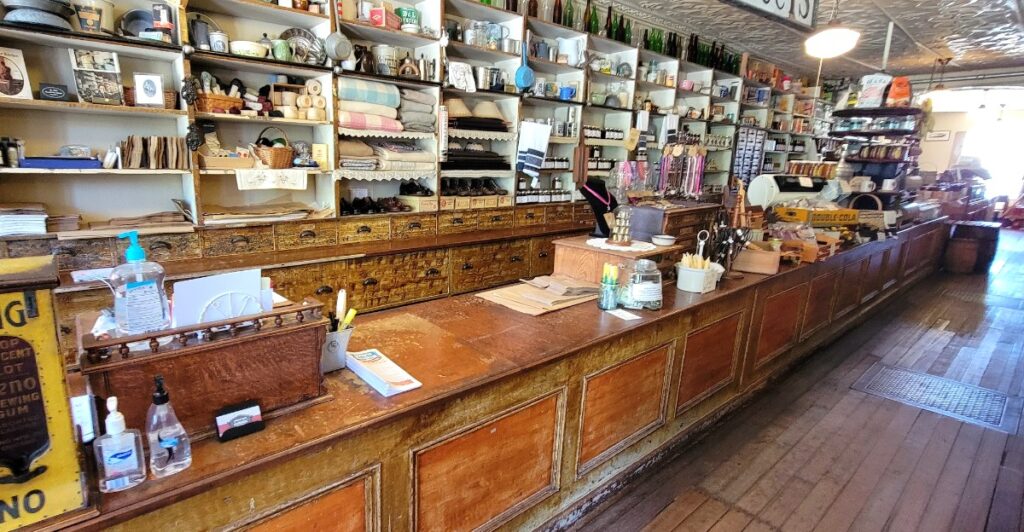
A coal oil and kerosene pump still stands inside one little Iowa store. Not in a museum basement.
Right there on the shop floor, among the soaps and jars of local jam.
That detail alone would grab my attention. Then add tin ceilings overhead, wooden floors underfoot, and glass-topped display cases that have held goods since the 1800s.
Back then, shoppers didn’t even pay with cash. They used yearly credit allowances to buy fabric, shoes, and candy.
Today, the shelves carry regional foods, handmade crafts, German ornaments, and old-fashioned toys.
Half the place feels like a store, and the other half feels like a time capsule you can actually shop. That’s a reason I’d consider going.
Where else can a jar of mustard and a slice of frontier history end up in the same shopping bag?
The Floors, Ceilings, And Cases Have Barely Budged Since The 1800s
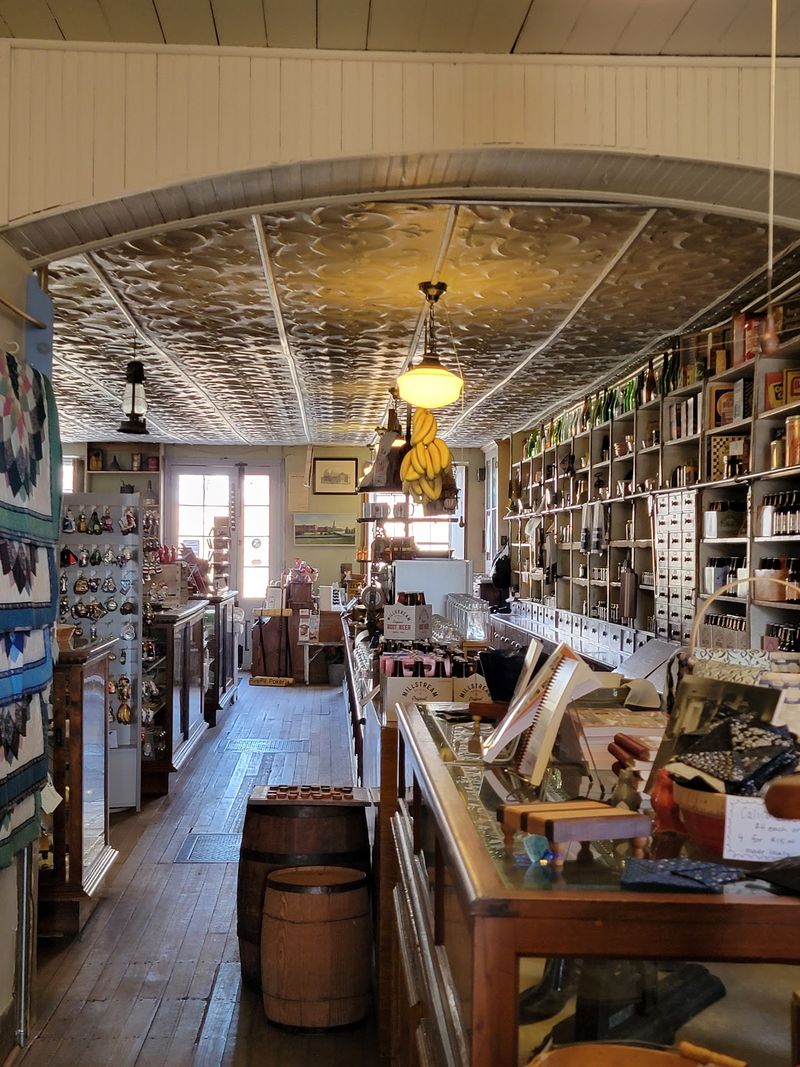
Original tin ceilings still stretch across the High Amana General Store. Down below, the wooden floors and glass-topped display cases have stayed right where they belong.
That kind of survival is rare for any shop in Iowa. Most old stores got remodeled, gutted, or turned into something shiny decades ago.
Here, the bones of the building tell the story without a single plaque doing the heavy lifting. You get the long sales counter, the antique cases, and those patterned ceilings that make you look up more than once.
It also isn’t a theme park version of the past. Nobody built this to look old for a photo shoot.
The interior has remained largely untouched for well over a century. That means the space you browse is the same space colony members used generations ago.
My advice is simple. Slow down before you start shopping and take a full lap just looking at the room itself.
Check the ceiling patterns, the counter, and how the cases frame everything inside them. Treat it like the opening act, because it really is.
The merchandise will still be there when you finish gawking. The building just deserves first dibs on your attention.
Colony Shoppers Once Paid With Credit Instead Of Cash
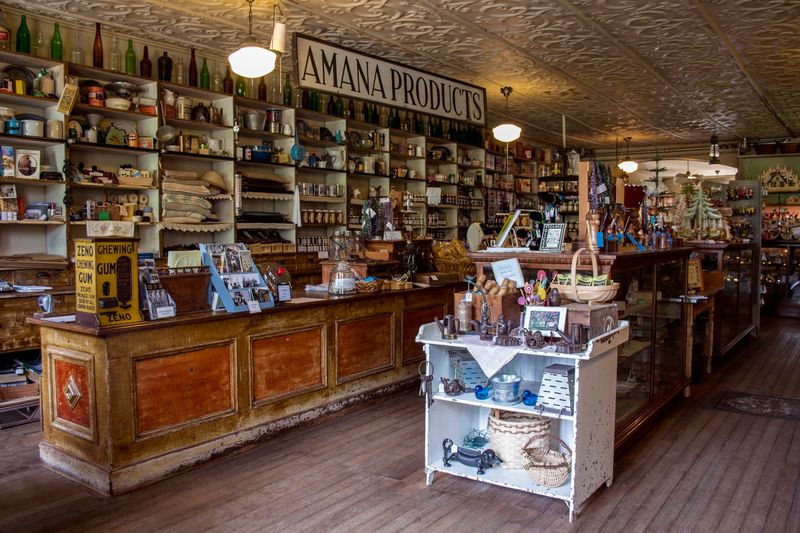
Cash was not the main currency here for a very long time. Back in the communal days of the Amana Colonies, members received yearly credit allowances to buy what they needed.
The store opened in 1857 and quickly became a busy community hub. Folks came in for fabric, shoes, candy, and other personal items.
Think about how that worked for a second. Every bolt of cloth and every piece of candy came out of a set yearly budget.
The store also played another big role. It brought in goods from the outside world that colony residents couldn’t grow or make themselves.
So this counter was more than a place to shop. It was a window to everything beyond the villages, one delivery at a time.
That history makes the visit feel richer today. You’re browsing in a spot that once connected a whole community to the wider country.
Kids especially might enjoy this bit of trivia. Ask them how they’d spend a yearly allowance if candy and shoes came from the same pot.
It’s a fun way to bring the past into the present. Plus, it might spark a surprisingly serious debate about priorities.
A Future Appliance Giant Got His Start Behind This Counter
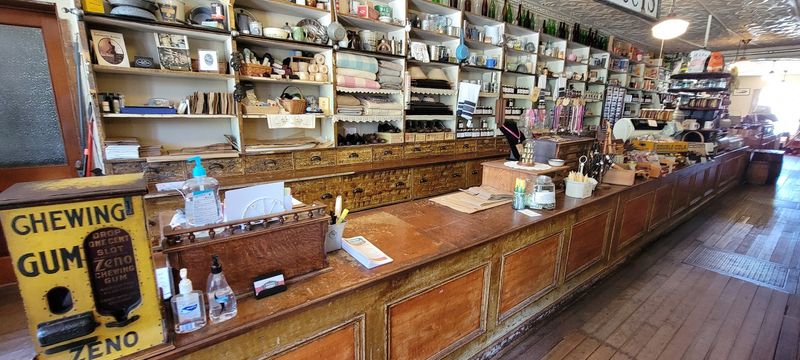
Tires, bicycles, and radios showed up on these shelves in the 1920s. That was the work of manager William Foerstner, who expanded what the store sold.
Picturing radios beside fabric bolts is a little delightful. It shows how the store adapted when the world started moving faster.
The Foerstner story gets bigger from there. William’s son, George Foerstner, began his business career working right here in the store.
George later founded Amana Refrigeration, Inc. and served as its president. Yes, the same Amana name many people know from kitchen appliances.
That’s quite a jump from stocking shelves in a small village. Then again, plenty of great careers started with sweeping floors and helping customers.
This connection gives the High Amana General Store a fun twist. Your fridge at home might share a family tree with this humble shop counter.
Keep that detail in your back pocket during the visit. It makes a great conversation starter with anyone in your group who loves business stories.
It also proves something nice about small places in Iowa. Big ideas can grow from spots that look quiet and unassuming from the road.
Good Luck Walking Past The Old Kerosene Pump
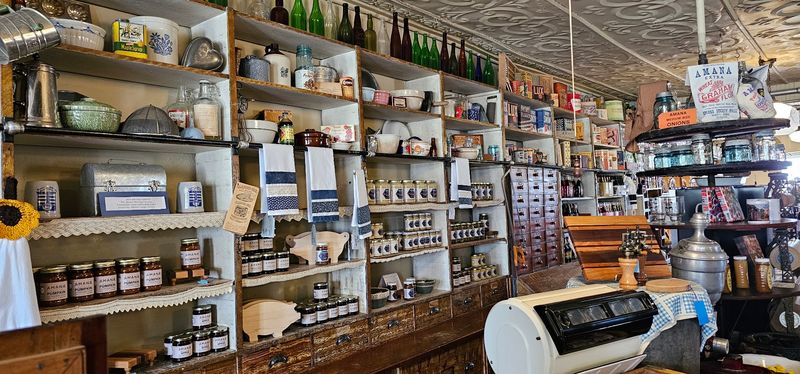
Among all the vintage pieces inside, one stands out like a celebrity. A historic coal oil and kerosene pump still stands in the store.
It ranks among the oldest functional antiques on site. That alone makes it worth a closer look.
Back in the day, people needed coal oil and kerosene for lamps and daily chores. Filling up was a normal errand, like grabbing milk is today.
Seeing the pump in person helps that idea click. Reading about old routines is one thing, but standing beside the actual equipment hits differently.
It’s a great teaching moment for kids, too. Ask them to guess what the pump did before reading anything about it.
The answers will probably be creative. Someone might guess it makes soda, which honestly sounds like a better invention.
The pump also shows why so many people call this place part museum and part store. Artifacts sit alongside things you can actually buy.
So go ahead and snap a photo. Just remember the pump is history, not merchandise, so it’s staying put no matter how charming it looks.
Shelves Stocked With Things You Won’t Find At The Mall
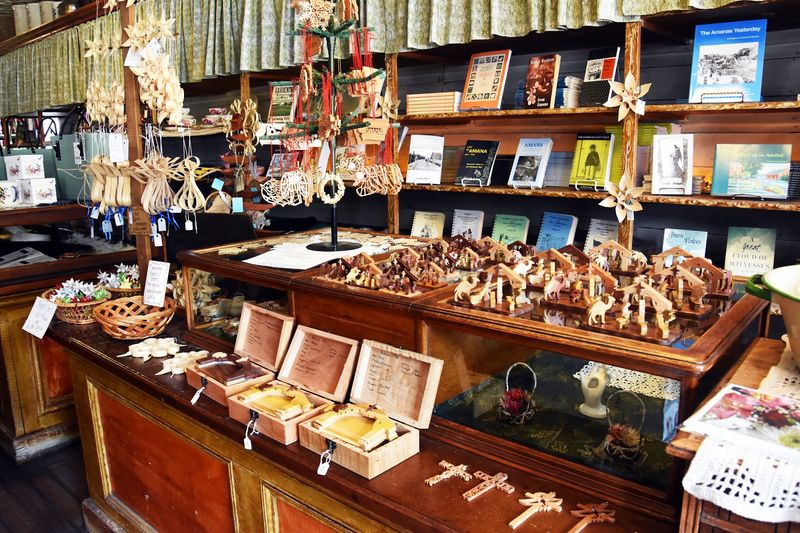
Handmade soaps, local history books, and Amana-made crafts all share shelf space here. The mix feels gloriously unpredictable in the best way.
The High Amana General Store carries gifts, housewares, and plenty of locally made products. Many items reflect the artisan traditions of the Amana Colonies.
You’ll also find old-fashioned toys mixed into the selection. They’re new items with a classic feel, perfect for anyone tired of screens and beeping gadgets.
A board game like checkers fits right into this setting. It’s the kind of simple fun that never really goes out of style.
Gift shopping becomes much easier in a place like this. You can grab something with real local roots instead of another generic souvenir.
Books about local history make especially smart picks. They let you keep learning about the colonies long after you drive home.
My tip is to give yourself extra time. Small shops with this much variety tend to hide good finds on lower shelves and in corners.
And one more thing. The store is run as a nonprofit, so every purchase helps support it and its history.
Your Snack Drawer Is About To Get An Iowa Upgrade
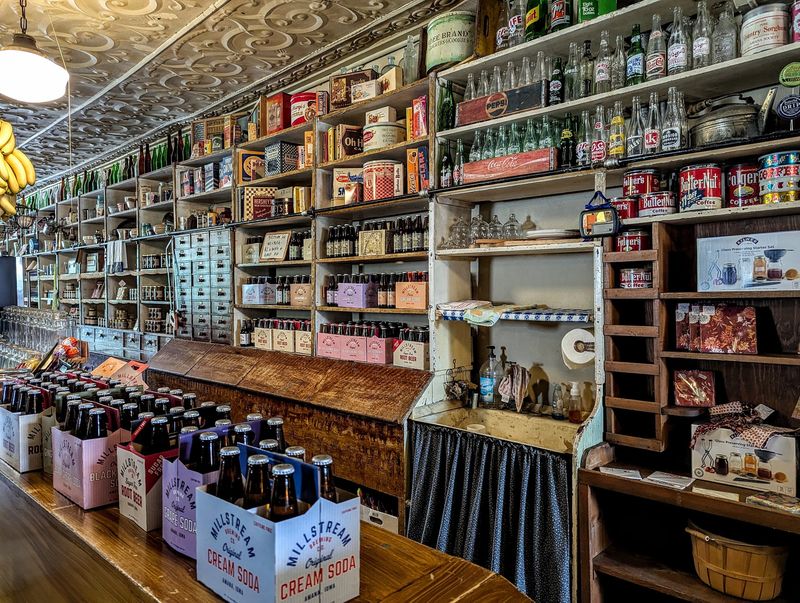
Beef jerky, local mustards, and jams make up some of the tastiest finds on the shelves. These regional specialty foods give you a delicious way to take the colonies home.
A jar of local jam turns an ordinary breakfast into a small souvenir. Mustard does the same thing for a plain sandwich.
The store also carries Amana products in one handy spot. That’s useful if you can’t visit every shop in the colonies during a single trip.
Jerky is a road-trip classic for good reason. It travels well, and it beats gas station snacks by a mile.
Thirsty after browsing? Old-fashioned sodas and ice cream novelties are available for a quick treat.
Grabbing a cold drink and wandering the aisles sounds like a pleasant way to spend an afternoon. It turns shopping into a little nostalgic outing.
Food gifts are smart choices for hard-to-shop-for people. Almost everyone appreciates something tasty from a place with real history.
Just plan ahead if you’re traveling far in warm weather. Keep a small cooler in the car so your treats arrive home in good shape.
German Roots Show Up In Ornaments And Seasonal Decor
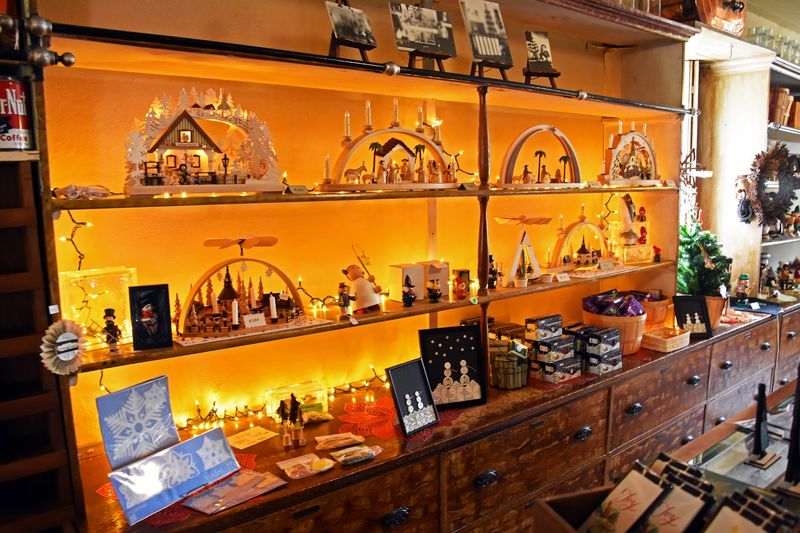
German immigrants founded the Amana Colonies, and that heritage still shows in the merchandise. The store offers a solid selection of traditional German items.
German Christmas ornaments are a highlight here. They sit alongside other seasonal decor and locally made goods.
Holiday shoppers will appreciate the Christmas section. It offers a different feel from big-box stores packed with plastic everything.
An ornament from this place carries a story. Every December, it can remind you of a trip to a historic Iowa village.
The German connection also adds depth to your visit. You’re seeing traces of European folk traditions that traveled across an ocean and settled on the prairie.
For a fun family tradition, let each person choose one ornament. Over the years, your tree becomes a scrapbook of places you’ve explored.
You don’t need to wait for winter to shop for Christmas, either. Picking up holiday gifts early feels smart and saves stress later.
Honestly, buying ornaments in summer feels a bit rebellious. But your future self will be grateful when December sneaks up again.
A Quiet Village Setting Makes Browsing Feel Unhurried
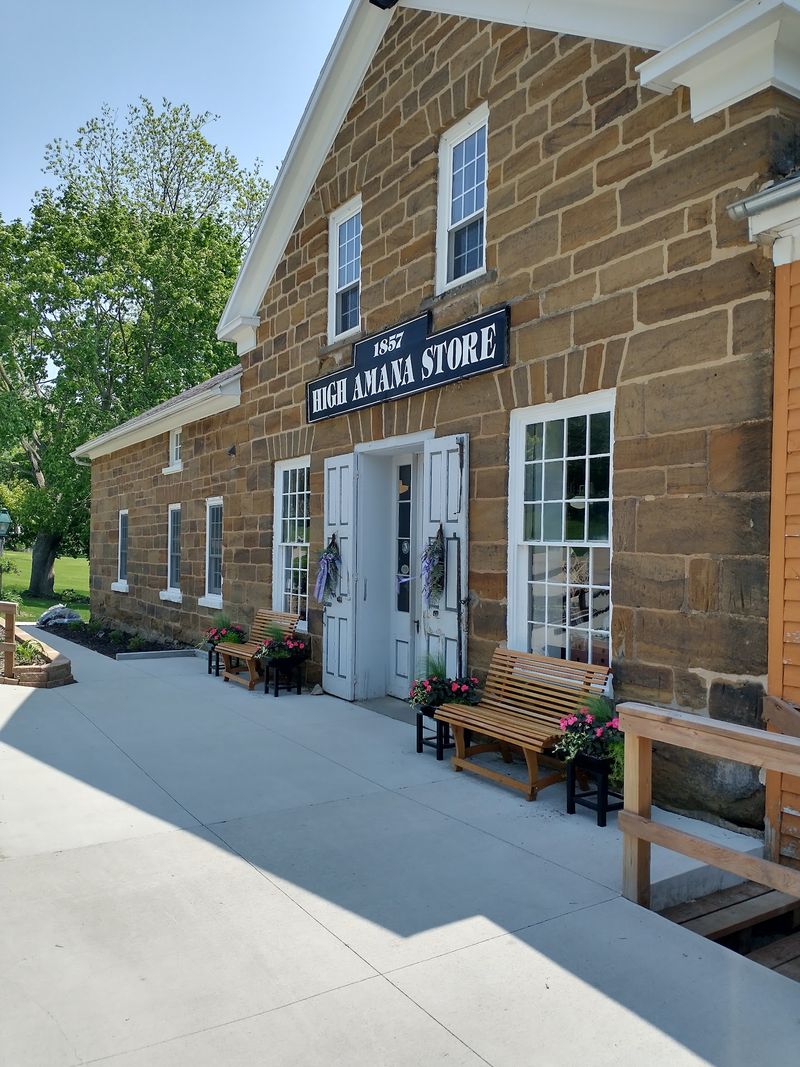
High Amana sits a little off the main tourist path in the Amana Colonies. That slightly out-of-the-way spot gives the store a calm, peaceful vibe.
You’ll find the High Amana General Store at 1308 G St, Amana, IA 52203. Plug that into your map before you leave, since village streets can be easy to miss.
The Amana Colonies are recognized as a National Historic Landmark. That makes this whole area a great stop for anyone who loves history.
The colonies include several villages, each with its own character. Visiting High Amana adds a quieter chapter to a bigger day trip.
The store has also been noted as accessible for someone using a walker. That’s helpful information for families traveling with older relatives.
A slower pace is part of the appeal. You can browse without feeling rushed from one aisle to the next.
Consider pairing your stop with visits to other colony villages. Making a full day of it helps you see how the communities connect.
And if you love road trips through Iowa farm country, the drive itself becomes a bonus. Quiet roads make good company for curious travelers.
Check The Calendar Before You Hit The Road
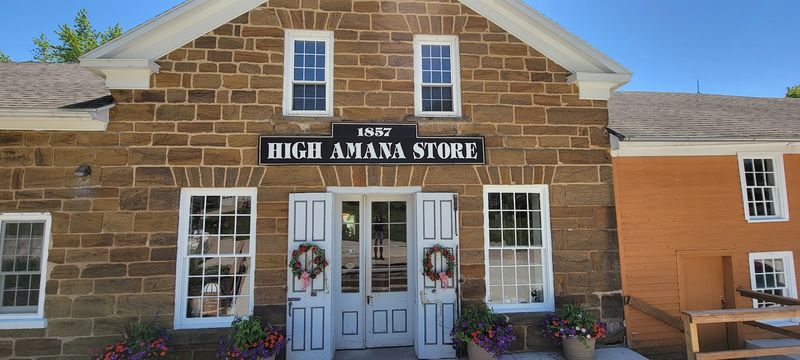
Timing matters with a seasonal treasure like this. The store’s main visiting season runs from mid-March through October.
During April through October, hours run Monday through Saturday from 10 AM to 5 PM. Sundays run shorter, from 10 AM to 3 PM.
Outside the main season, things change. During March, November, and December, the store opens on Mondays, Fridays, and Saturdays from 10 AM to 5 PM, plus Sundays from 10 AM to 3 PM.
It generally closes in January and February.
Because schedules can shift, double-check before driving out. A quick look at current hours can save you from staring sadly at a locked door.
Arriving earlier in the day gives you more time to explore. You’ll want room to study the antiques and still shop without rushing.
Festivals in the Amana Colonies can add extra fun to a visit. Planning around one could turn a simple shopping trip into a full Iowa adventure.
Bring a little patience and plenty of curiosity. This place rewards people who wander, read, and notice small details.
Leave some trunk space too. Between jams, soaps, ornaments, and books, you’ll probably head home with more than you planned, and that’s half the fun.