I arrived expecting the usual historic-site rhythm: a gate, a path, a few dates, maybe a polished old house doing its best museum face. What I found instead was quieter, heavier, and much harder to leave behind.
The grounds ask you to slow down before you even realize you have obeyed. Names, sculptures, preserved structures, and written testimonies turn the visit into something more intimate than sightseeing.
This is not a place for casual wandering with one eye on your phone. It deserves attention, silence, and the willingness to be uncomfortable.
Louisiana’s essential historic site offers one of the most powerful and respectful ways to understand the human history behind plantation life.
Come prepared for sun, walking, and emotional weight. Give yourself time after the tour, too.
Some places are not meant to entertain you; they are meant to change how you listen.
Start With The Audio Tour
The audio tour at Whitney Plantation is designed to center enslaved voices, and I recommend starting there because it sets the tone for everything that follows.
The recording blends first-person narratives collected by the Federal Writers’ Project with carefully researched context, so you begin by hearing names and experiences rather than owner-centric anecdotes.
That shift matters; it guides you to read plaques and view sculptures differently, with empathy and attention to detail. Allow the audio to pace you.
Move slowly between exhibits and cabins, pausing to let a story settle before advancing. The tour typically lasts about 115 minutes, so plan a relaxed morning or afternoon to absorb its full impact.
Follow The River Road Into A Harder History
Whitney Plantation, 5099 Louisiana Hwy 18 is found at Wallace, LA 70049. It sits along Louisiana’s River Road, where the drive itself begins shifting the mood before you arrive.
Head toward Highway 18 and give yourself enough time, because this is not the kind of stop you want to squeeze between rushed errands. The setting feels quiet, open, and deliberately removed from city noise.
Once you pull in, let the pace change. Park, take a breath, and approach the visit with attention rather than tourist autopilot, because this place asks for more than a quick look around.
Watch For The Sculptures Of Children
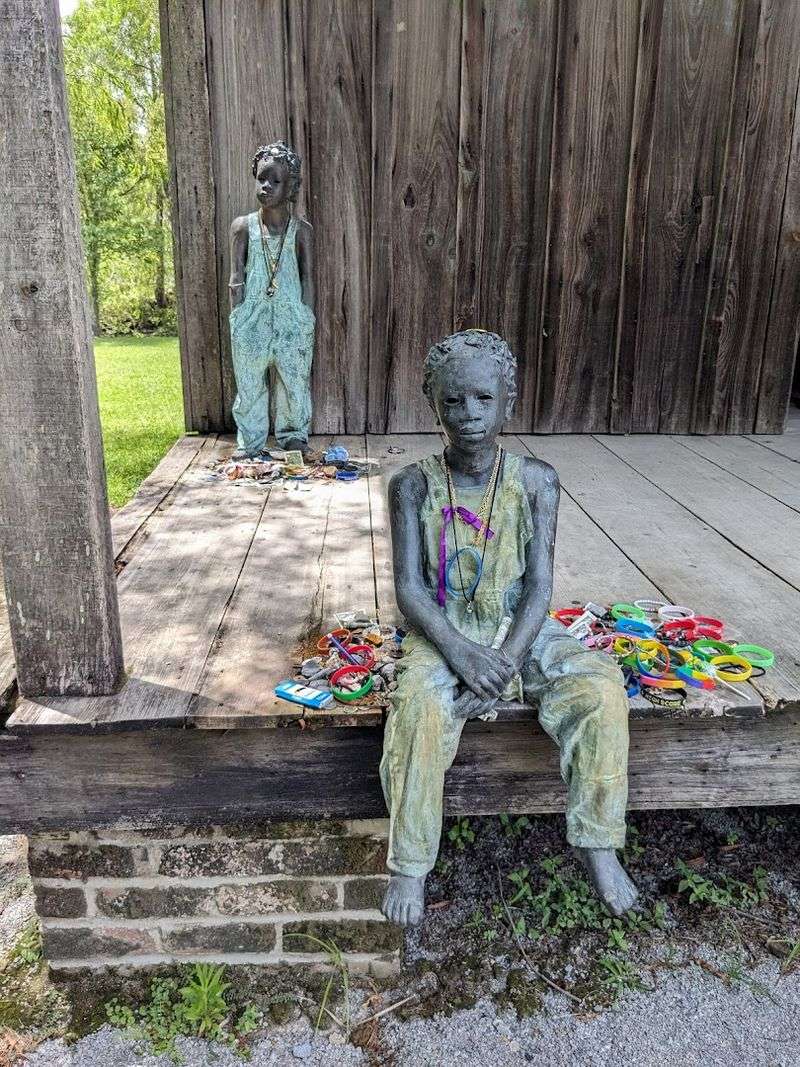
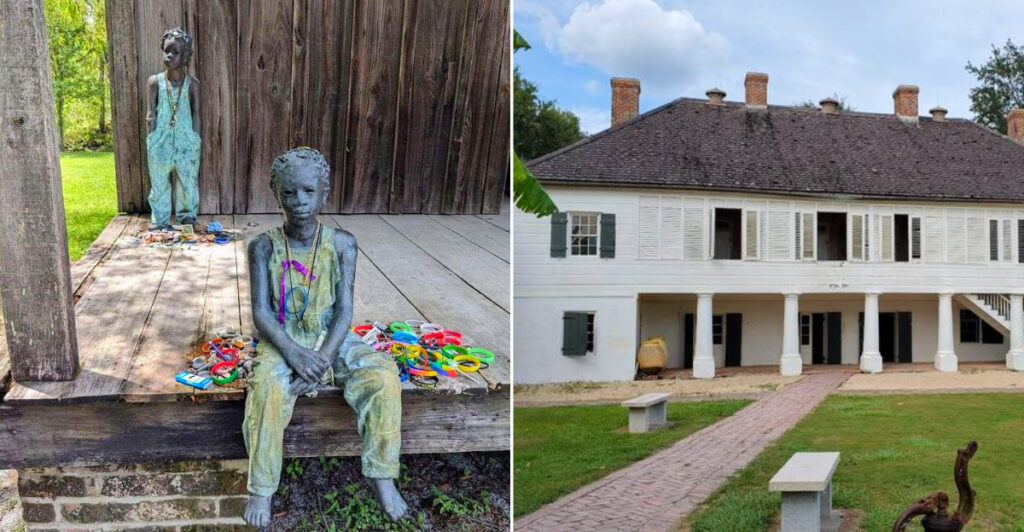
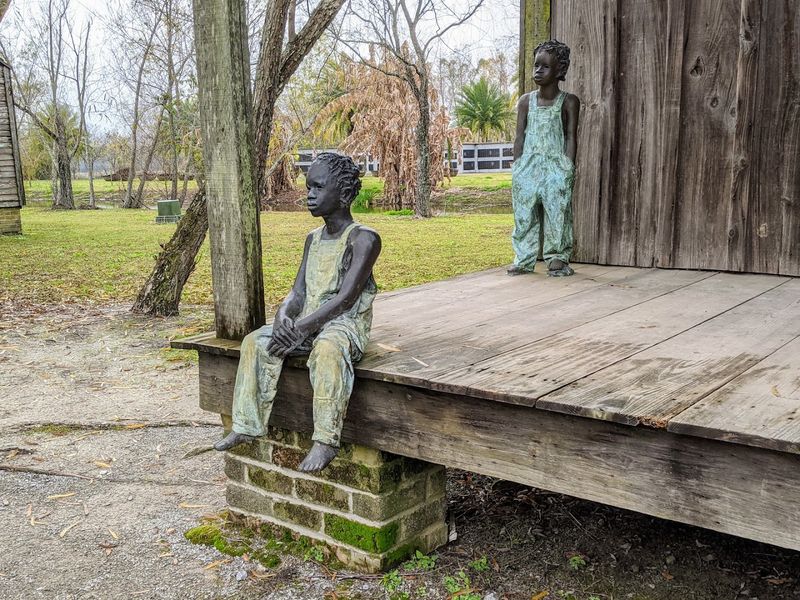
The life-size sculptures of children at Whitney are disarmingly intimate and intentionally placed to provoke conversation. Seeing these figures up close shifted my perspective from abstract history to individual lives, the scale and detail make absence palpable.
Many visitors leave small gifts near the sculptures; those gestures underscore how the site encourages active, not passive, remembrance. The artist’s choices and placement invite questions about loss, family, and the violence endured by the youngest lives.
While viewing, keep in mind that these installations are memorials, not props. Approach with quiet curiosity, read nearby interpretive panels, and resist photograph poses that trivialize the solemn intent behind the work.
Read The Wall Of Honor Closely
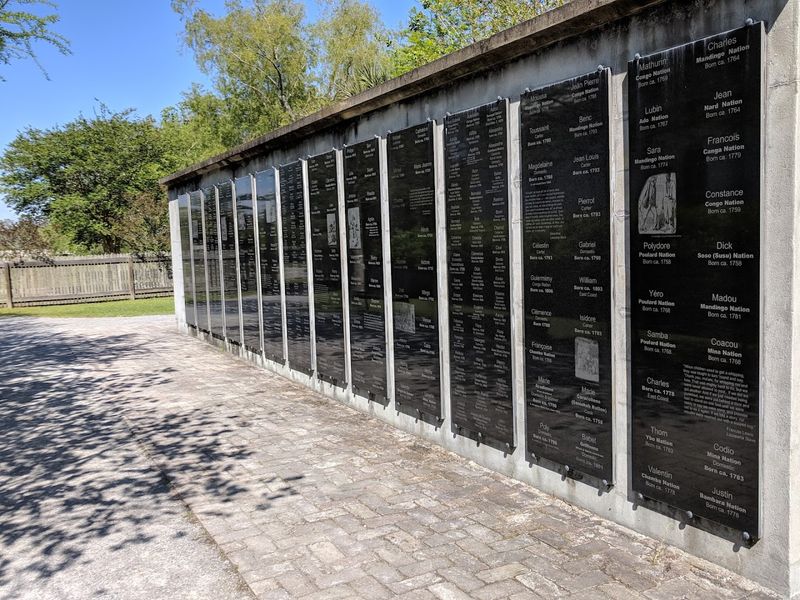
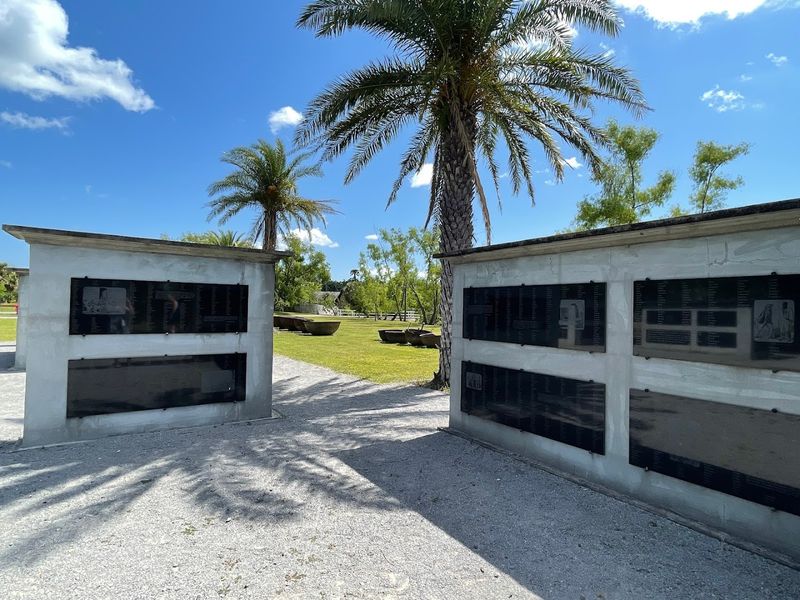
The Wall of Honor lists the 354 people once enslaved at Whitney, and I found reading the names a grounding experience. Each name anchors the exhibits to real individuals with family networks and life stories; the wall resists the erasure that often happens in traditional plantation narratives.
Take time to trace spellings, note repeated surnames, and imagine the web of relationships behind the roster. Some names may appear simple at first glance, but they begin to feel heavier the longer you stand there, especially when you consider how many records were incomplete, controlled by others, or never preserved at all.
The museum often provides contextual notes that link these names to specific cabins or records. This is historical work done in public, and it rewards patience, attention, and humility.
Bringing a small notebook to jot questions or names you want to research later is a good visitor habit, especially if one detail sends you looking for a fuller story.
Respect The Cabins And Onsite Structures
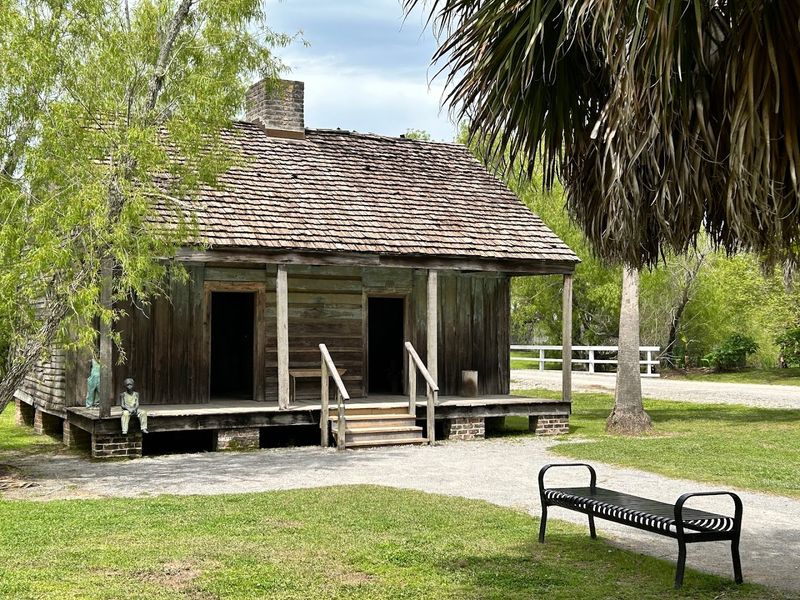
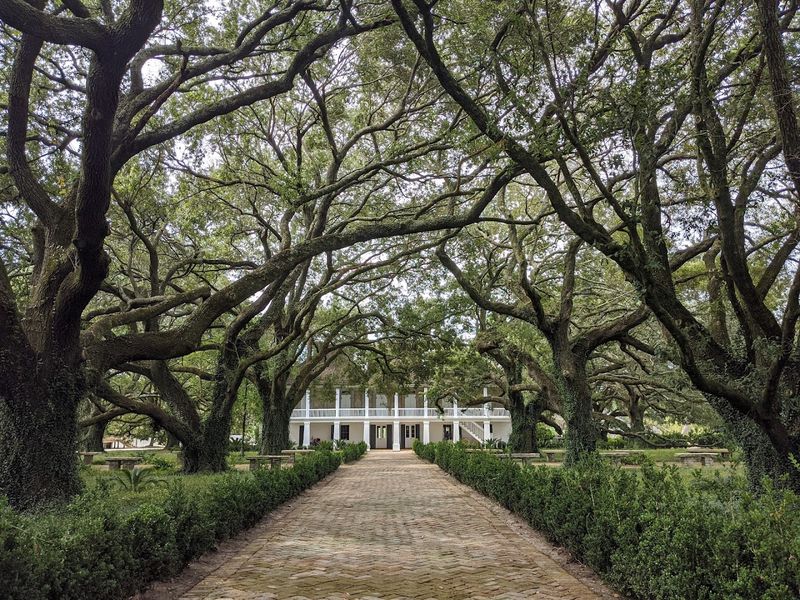
The onsite cabins and the circa 1790 French Creole raised main house are not props; they are material archives that require respectful consideration. The two original slave cabins, relocated to represent period living conditions, offer a tangible sense of spatial constraint and daily life.
The main house’s Creole architecture and surviving French Creole barn provide architectural context without centering planter comfort. Observe construction details, rooflines, and foundation types, and read the captions that explain alterations over time.
Photos are fine, but avoid staged shots that treat the structures as backdrops. Treat the site as a place of memory and study, not performance, and follow signage that explains preservation choices and historical accuracy measures.
Plan For On-Site Museum Time
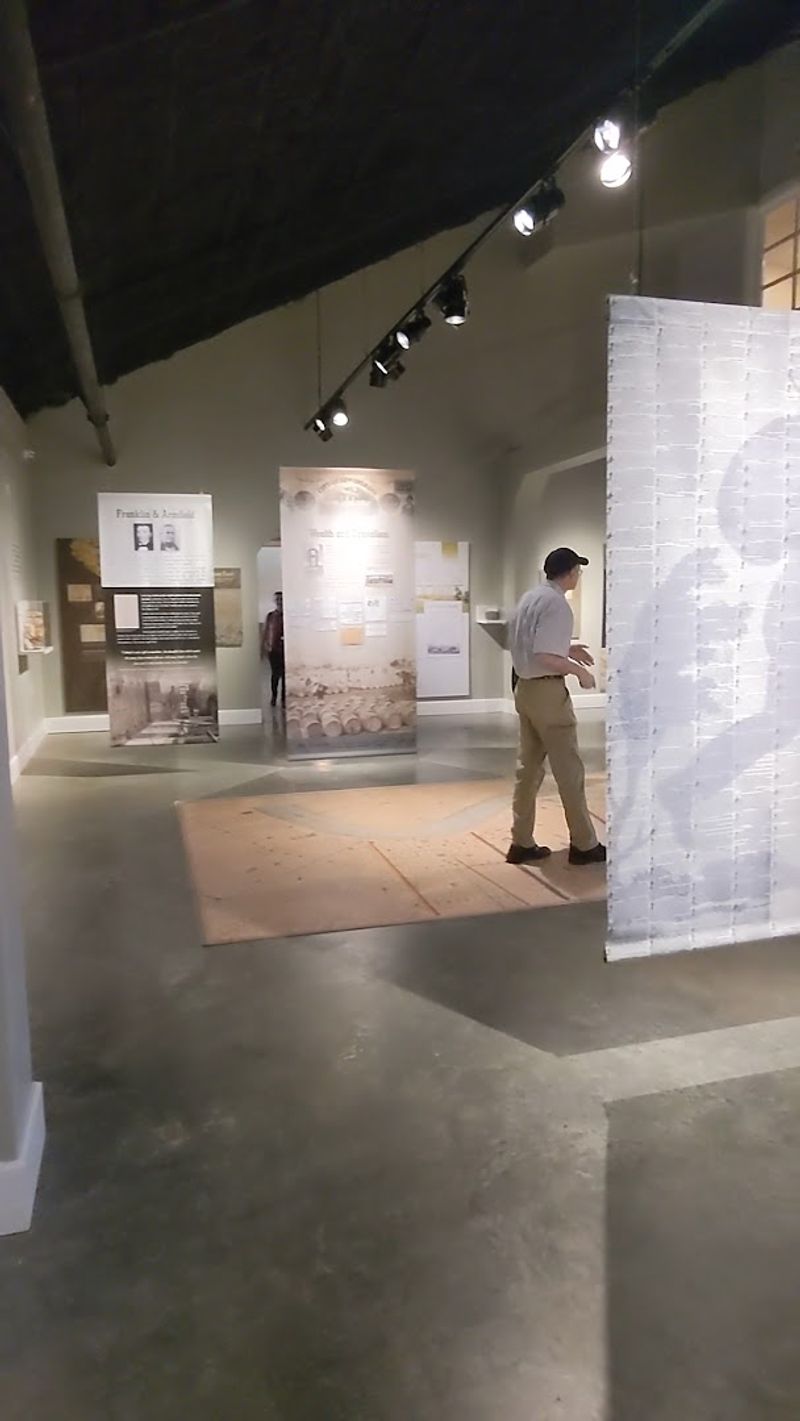
The indoor museum and interpretive exhibits in the gift shop area hold dense information that complements outdoor sites, so budgeting time inside is important.
I recommend starting or ending your visit with these displays because they consolidate the broader history of slavery in Louisiana, the transatlantic trade, and local legacies.
The gift shop doubles as a small research library with carefully chosen titles, many offering primary-source material or nuanced scholarship. Spend at least 30 to 45 minutes browsing exhibits and books.
Staff can point you to titles for deeper reading, and purchases here directly support the nonprofit mission. Treat the museum as a study space for questions the grounds raise.
Consider A Guided Tour For Deeper Context
A knowledgeable guide can add lineage, local context, and personal touches that enrich the self-guided audio experience, and I found guides often connect names on the Wall of Honor to family stories. If schedules allow, book a guided tour in advance because they can sell out, especially on weekends.
Guides are trained to foreground enslaved people’s perspectives, offering interpretive framing you might miss alone. That said, if you prefer solitary reflection, the audio tour is excellent.
Either way, plan for roughly two hours on site and arrive early to avoid midday heat and to enter with fresh attention and energy for difficult material.
Mindful Photography And Social Media Posting
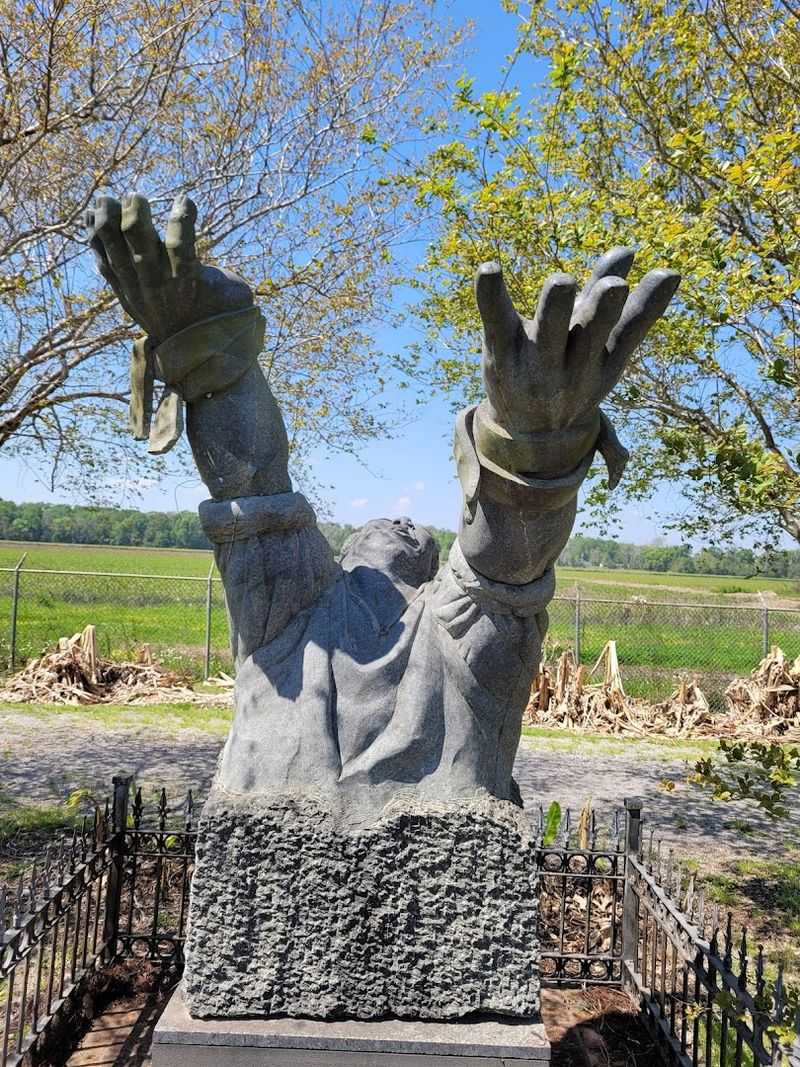
Photography here requires sensitivity, the exhibits are memorials and records of suffering, not mere visuals for social sharing. I avoid staged, celebratory images and instead take contextual photos of plaques, sculpture details, and landscape views that communicate meaning rather than spectacle.
If you post on social media, include context and avoid captions that exoticize or trivialize the history. Many visitors leave written notes and tokens, and those personal memorials deserve privacy.
Follow site rules about restricted areas and ask staff if unsure. Thoughtful documentation can amplify the museum’s educational goals, but careless posts can inadvertently commodify trauma.
Visit The Slave Revolt Memorial With Intent
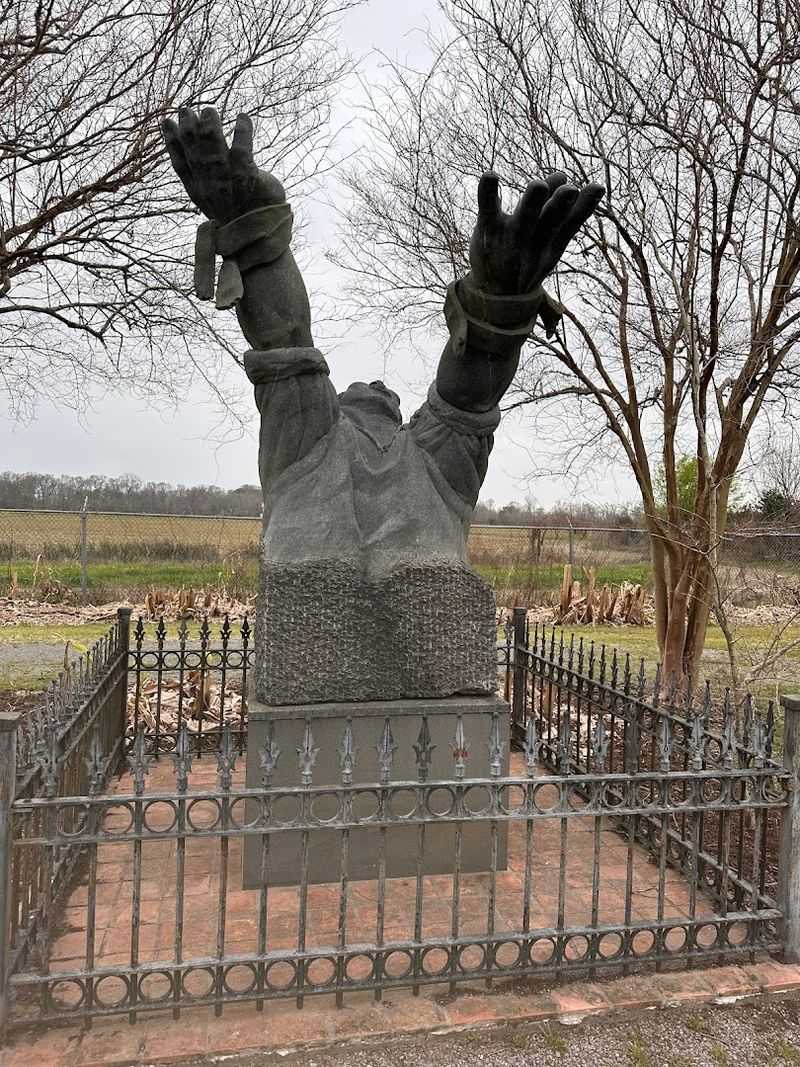
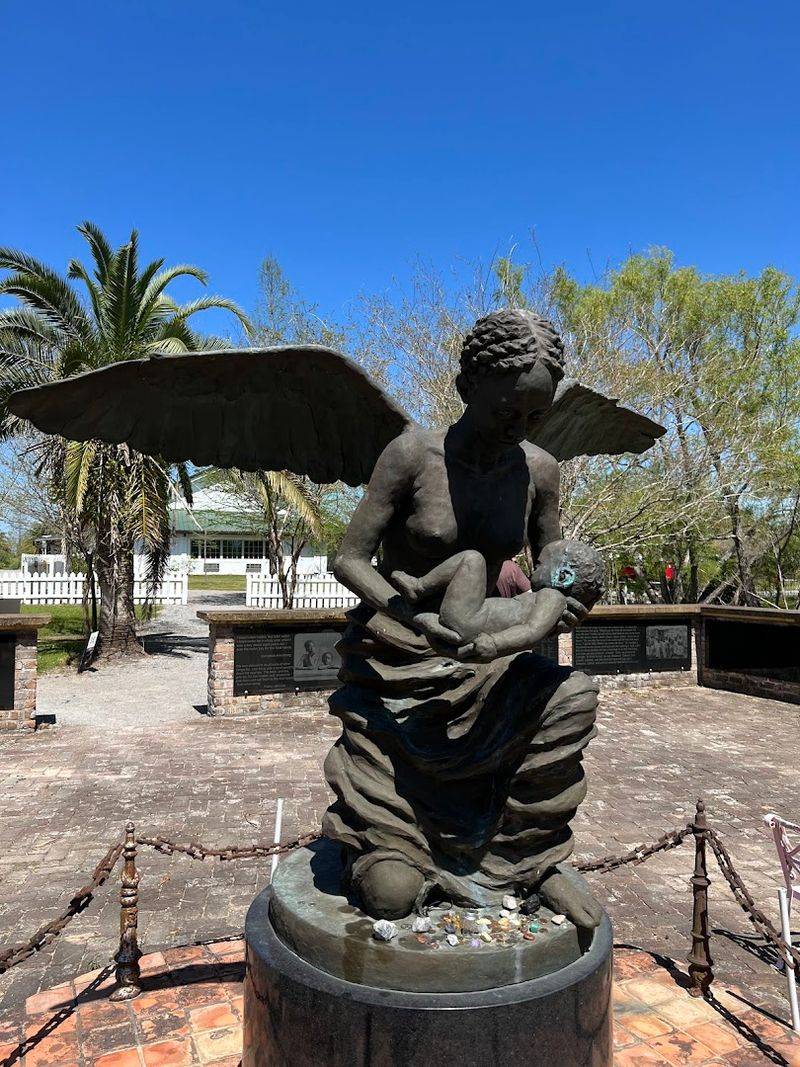
The Slave Revolt Memorial commemorating the 1811 German Coast Uprising is a powerful, often understated feature that rewards close attention. Sculptures and interpretive text locate the uprising in local geography and national history, reminding visitors that resistance was widespread and consequential.
I found that reading the placards and then stepping back to view the memorial as a composition revealed layers of deliberate design. Approach the memorial expecting to be challenged; it reframes narratives of agency and community among the enslaved.
Engage with the material by asking how local memory differs from national textbooks and consider following up with research into primary sources referenced on site.
Check Hours And Transportation Logistics
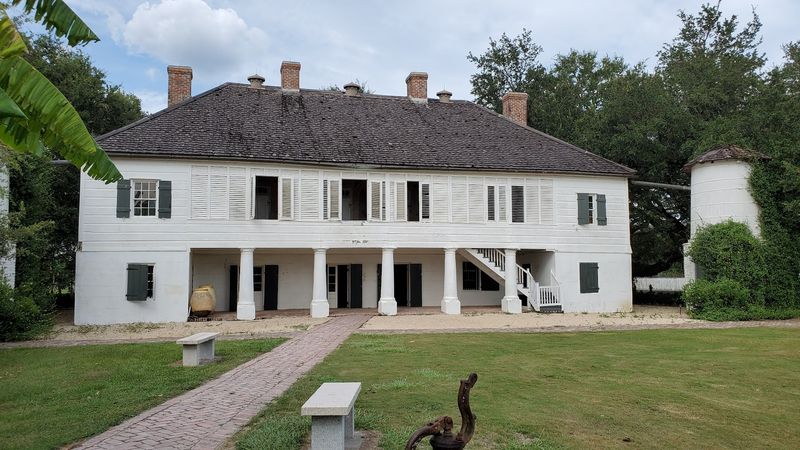
Whitney Plantation is open most days but closed Tuesdays, so verify hours before you go and remember it opens at 9:30 AM. The site is roughly a 40 to 60-minute drive from central New Orleans depending on traffic, and public transit options are limited, so plan for a car or tour transfer.
Parking is available on site, and restrooms are located in the main visitor area. If you rely on a tour company, many pair Whitney with other nearby sites, but independent travel gives flexibility to linger.
Bring water, comfortable shoes for uneven paths, and sun protection for Louisiana weather during spring and summer months.
Prepare Emotionally And Intellectually
This site demands emotional preparedness; it will unsettle and educate in equal measure, so arrive with realistic expectations about the content. Reading primary accounts beforehand can help you contextualize what you’ll hear on site, but part of Whitney’s power is encountering testimony in situ.
Some exhibits may not be suitable for very young children, plan accordingly and use provided signage to guide decisions. Bring tissues and a plan for debriefing with companions.
Allow the experience to influence your questions rather than seek closure before you leave; the point is lasting engagement, not a neat emotional arc that ends when you exit the gate.
Use The Bookstore As A Next-Step Resource

The Whitney bookstore is more than souvenirs; it’s a curated reading list that extends learning beyond the grounds. After walking the exhibits, I often pick a title that deepens a thread introduced on site, oral histories, regional studies, or art analyses related to the sculptures.
Purchases support the nonprofit museum and local scholarship. Staff recommendations are thoughtful and targeted, so ask for suggestions tied to specific exhibits you found compelling.
If you want to keep learning, choose one or two books rather than buying everything; focused reading will make your return visits and conversations more meaningful and sustained over time.