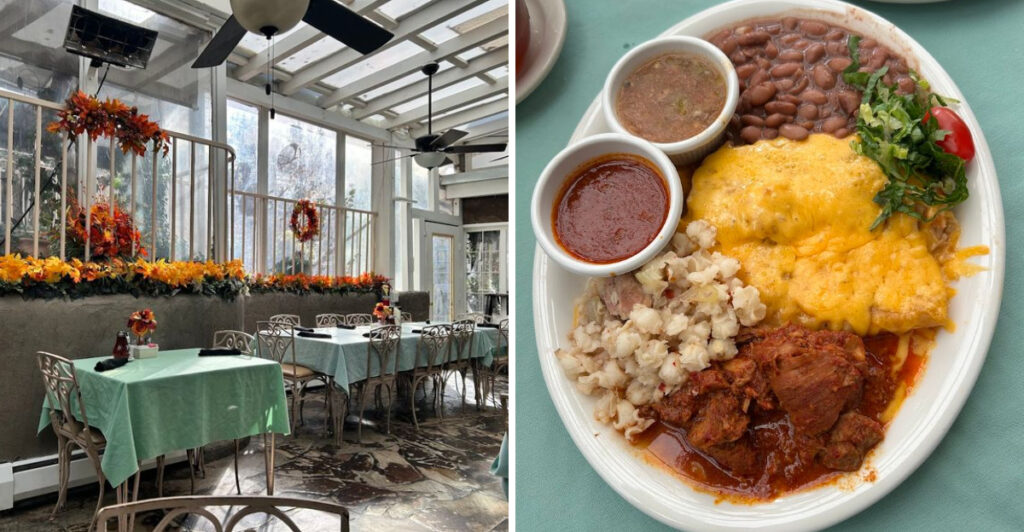
Some restaurants are more than a meal. You feel it before the first plate reaches the table.
That is exactly what happened when I made the drive into the high desert hills. The road opened, the afternoon went quiet, and this old restaurant in New Mexico came into view like it had been waiting there for years.
Inside, the smell of red chile did all the talking. No fuss.
No performance. Just the kind of cooking that makes everyone at the table pause.
The adobe walls carry history without trying too hard. The courtyard has a slow, sun-warmed feeling that makes people linger longer.
Guests arrive hungry, but they leave with more than a full stomach. I thought I was going for a simple meal.
Instead, I found a place with a mood and a reason people keep returning. Here is why this restaurant stays with you after lunch ends.
A Restored Hacienda With Deep Family Roots
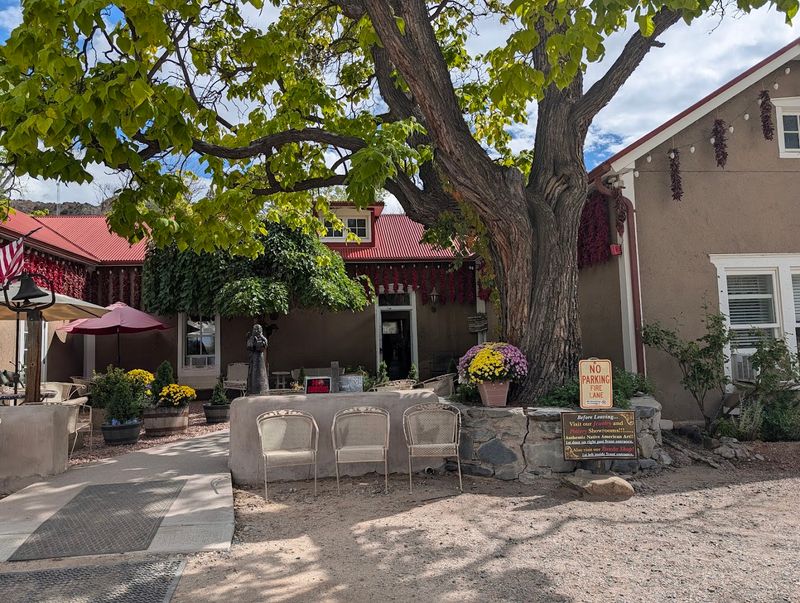
The first time I walked up to this place, I had a feeling that the building itself had something to say before the food ever arrived.
The structure is a historic adobe hacienda, the kind with thick earthen walls that keep things cool in summer and hold warmth close in winter, and it carries the kind of quiet dignity that only comes from generations of careful stewardship.
Family photographs line the interior walls, giving the dining rooms a personal quality that no decorator could manufacture.
The hacienda was originally a private family home, and that residential origin is still visible in the layout, the low doorways, and the way each room feels like it belongs to someone rather than a corporation.
Inside, I kept noticing small details, a carved wooden frame here, a worn tile there, each one a quiet reminder of the home this once was.
That layered sense of history does something to the way the food tastes, making each plate feel like part of a longer, richer tradition.
The restaurant earning that lived-in warmth is Rancho de Chimayó, located at 300 Juan Medina Rd, Chimayó, NM 87522.
Adobe Walls And Warm Dining Rooms
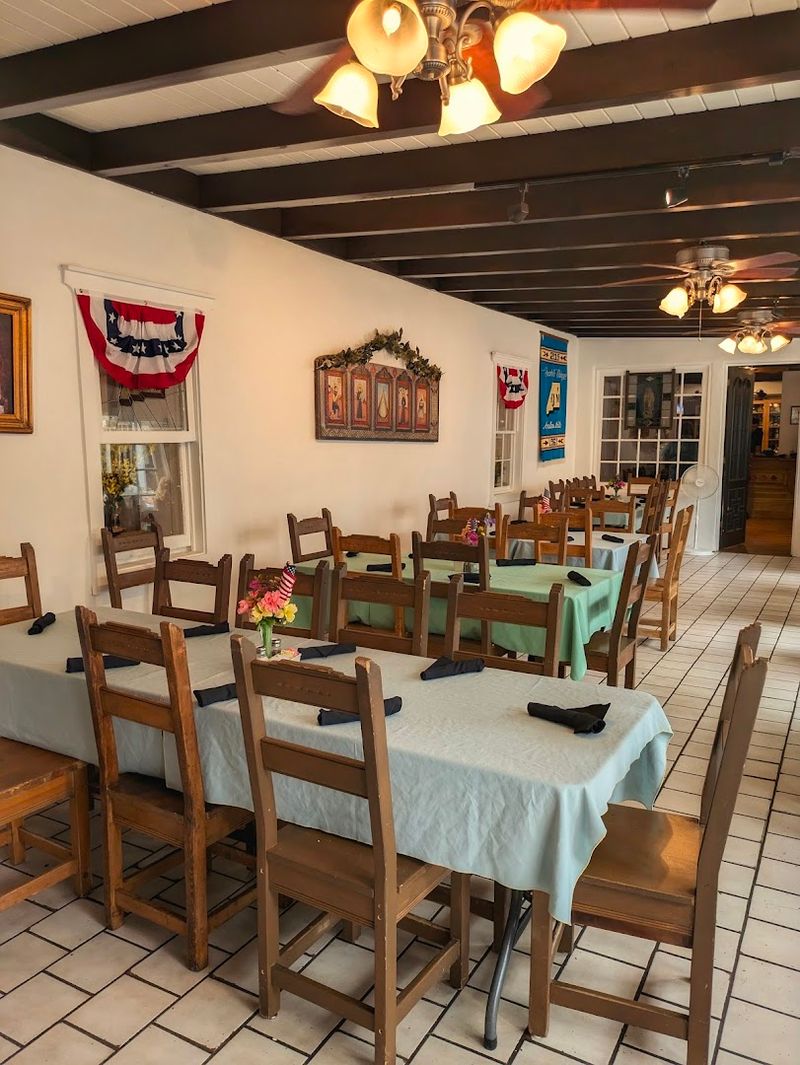
Mountain evenings in northern New Mexico have a way of turning cold fast. The fireplaces at this restaurant handle that reality with the kind of effortless grace that only a well-seasoned building can manage.
A table near one of those fires while a bowl of red chile warms you from the inside is a combination that feels almost unfairly comfortable.
The fireplaces are built into the adobe walls in the traditional New Mexican style, with a rounded form that radiates heat evenly and looks beautiful doing it.
I visited on a weeknight when the temperature outside had dropped sharply after sunset, and the shift from cold parking lot to warm, firelit dining room was the kind of contrast that makes a meal feel like a genuine reward.
The glow from the fire softens everything in the room, the faces of other diners, the texture of the walls, even the color of the food on the plate.
Plenty of people plan return visits around the cooler months specifically to get a table near the hearth.
That kind of deliberate comfort is something this restaurant has clearly understood for a very long time.
Fireside Tables For Chilly Mountain Evenings
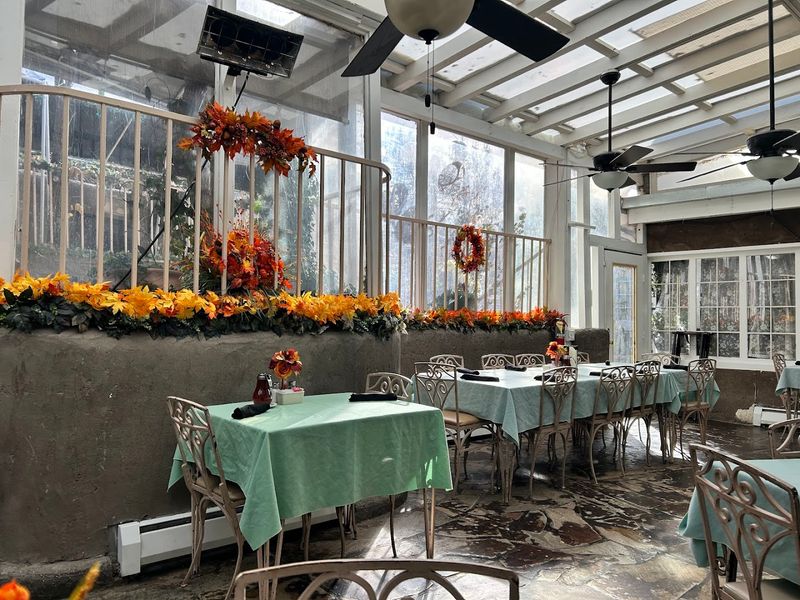
Mountain evenings in northern New Mexico have a way of turning cold fast, and the fireplaces at this restaurant handle that reality with the kind of effortless grace that only a well-seasoned building can manage.
Sitting near one of those fires while a bowl of red chile warms you from the inside is a combination that feels almost unfairly comfortable.
The fireplaces are built into the adobe walls in the traditional New Mexican style, with a rounded form that radiates heat evenly and looks beautiful doing it.
I visited on a weeknight when the temperature outside had dropped sharply after sunset, and the shift from cold parking lot to warm, firelit dining room was the kind of contrast that makes a meal feel like a genuine reward.
The glow from the fire softens everything in the room, the faces of other diners, the texture of the walls, even the color of the food on the plate.
There is a reason people plan return visits around the cooler months specifically to get a table near the hearth.
That kind of deliberate comfort is something this restaurant has clearly understood for a very long time.
A Terraced Patio Made For Slow Lunches
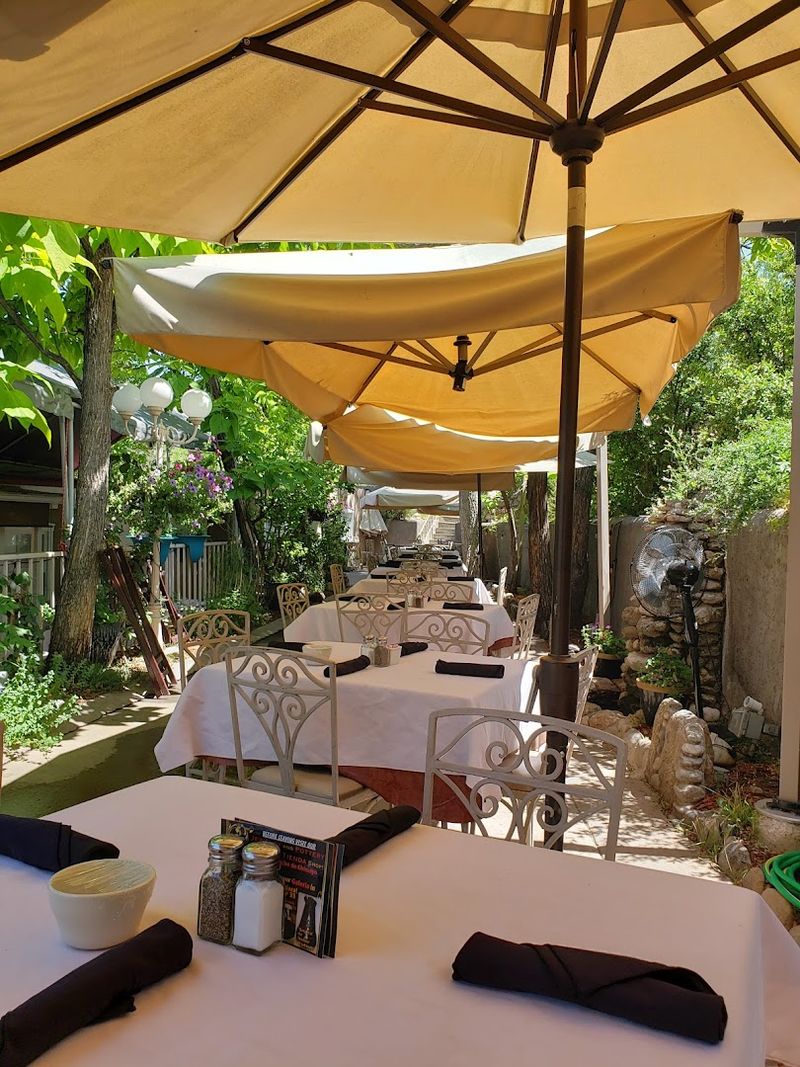
On a clear afternoon in Chimayó, the terraced patio at this restaurant becomes the best seat in the whole county, and that is not something I say lightly.
The outdoor dining area is arranged across several levels, with greenery and natural landscaping softening the edges of the space and giving each table a sense of its own quiet corner.
I chose a spot on the upper terrace during my lunch visit and spent a few minutes just taking in the mountain backdrop before even opening the menu.
The patio has a relaxed pace to it that the indoor rooms, as comfortable as they are, simply cannot replicate in the same way.
Sunlight filters through the trees overhead, and the air carries that particular high-desert clarity that makes everything feel slightly more vivid than usual.
Weekend breakfast is served on Saturdays and Sundays, making the patio an ideal spot for a long, unhurried morning meal when the light is still low and the crowds have not yet arrived.
A plate of tamales and a basket of sopaipillas out there while the mountains sit quietly in the distance is the kind of lunch that resets your entire perspective on the week.
Northern Red Chile With Serious Local Pride
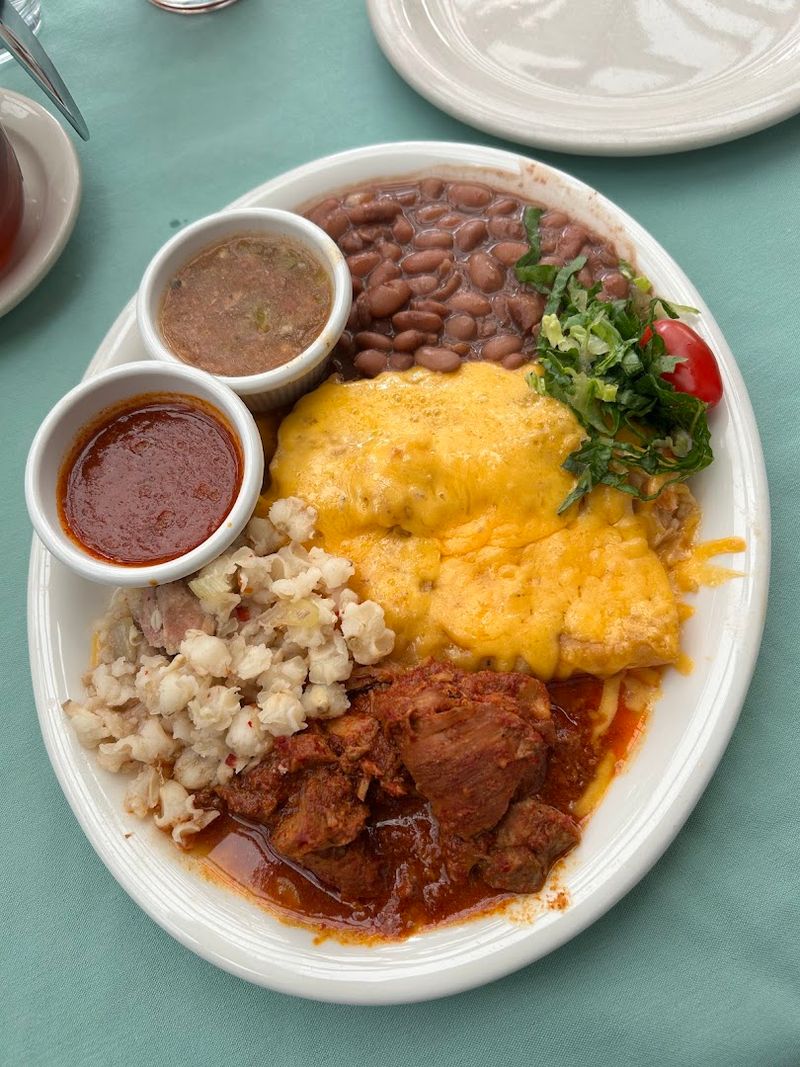
The red chile here is not a garnish or an afterthought, it is the main event, and the kitchen treats it with the kind of focused respect that signals real culinary conviction.
Northern New Mexico red chile has a flavor profile that is earthy, complex, and deeply savory in a way that is distinct from other regional styles, and the version served at this restaurant leans fully into those qualities.
The Chimayo red chile specifically has a reputation that extends well beyond the village, prized for its rich color and layered heat that builds slowly rather than hitting all at once.
My order of Carne Adovada arrived as a generous portion of pork slow-cooked in that velvety red chile sauce, tender enough to fall apart with minimal encouragement from a fork.
The sauce clung to the meat in a way that told me it had been given proper time and attention, not rushed or thinned out to stretch the batch.
Red chile enchiladas are another strong showing on the menu, with blue corn tortillas adding a slightly nutty undertone that plays well against the bold sauce.
This is the kind of chile cooking that reminds you why regional food traditions matter so much.
A Mountain Setting With Old New Mexico Charm
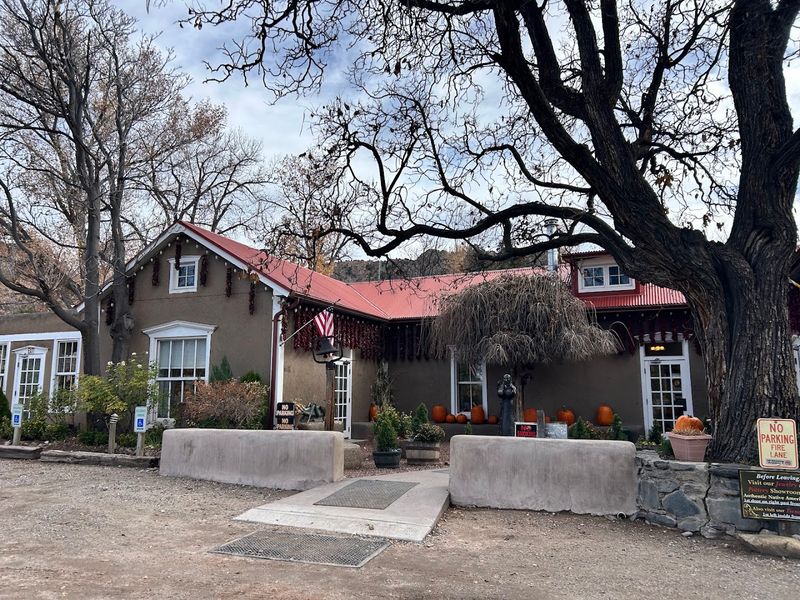
The drive to Chimayó runs through some of the most quietly beautiful landscape in the American Southwest, and arriving at this restaurant feels like the natural conclusion to that journey.
The village sits in a river valley flanked by the Sangre de Cristo Mountains, and the restaurant grounds feel like they grew out of that terrain rather than being placed on top of it.
Adobe buildings, old trees, and a general unhurried quality to the surroundings give the whole property a sense of place that is increasingly rare in modern dining.
I parked and took a moment before walking in, just to absorb the view of the hills and the wide sky above them, which is something you can actually do here without feeling rushed.
The setting rewards travelers who make the trip specifically for it, but it also rewards those who stumble upon it while visiting the nearby Santuario de Chimayó, one of the country’s most important Catholic pilgrimage sites.
Old cottonwood trees shade parts of the property, and their rustling in the afternoon breeze adds a layer of sound that makes the whole experience feel grounded and real.
Few restaurants anywhere can claim a setting this naturally compelling.
Stuffed Sopaipillas With A Real Claim To Fame
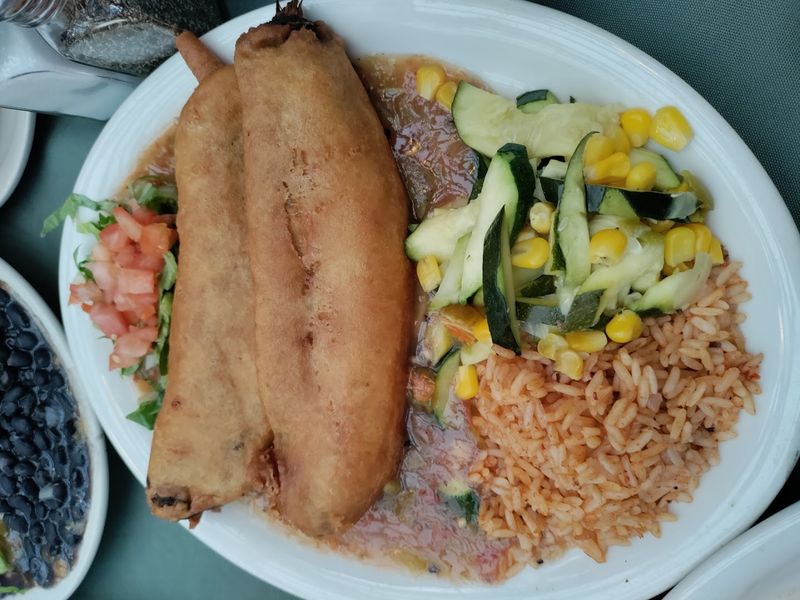
Rancho de Chimayó holds a specific and well-known distinction in New Mexican food history: the restaurant is widely credited with creating or popularizing the stuffed sopaipilla as a menu item, now a beloved staple across the region.
A traditional sopaipilla is a light, puffy fried bread that gets served with honey as a sweet finish to a meal, but the stuffed version takes that same airy shell and fills it with savory ingredients like beans, rice, meat, and chile.
The result is a dish that manages to be simultaneously comforting and surprising, especially if you are encountering it for the first time.
I ordered the stuffed sopaipilla after hearing another diner praise it at a nearby table, and the portion arrived looking almost architectural in its generous construction.
The exterior was golden and pillowy, and cutting into it released a cloud of steam along with the aroma of the filling inside.
It is the kind of dish that makes you want to tell someone about it the moment you finish, which is probably why that nearby diner was recommending it in the first place.
A dish that has spread across an entire state is a legacy worth ordering.
A Heritage Stop That Feels Wonderfully Lived In
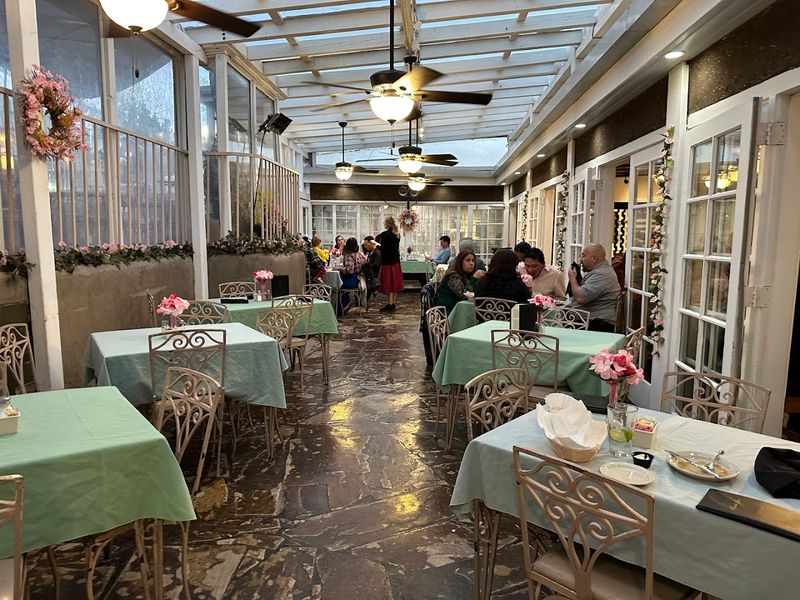
Some restaurants feel like museums, carefully preserved and pleasant to look at but somehow distant from real life, and this place is the opposite of that in every way that counts.
The worn edges on the furniture, the family photographs that have clearly been on those walls for decades, and the easy rhythm of the dining rooms all signal that this is a place where real life has been happening for a very long time.
The restaurant has earned recognition from the James Beard Foundation with an America’s Classics Award, which is one of the most meaningful honors in American dining because it specifically celebrates places that reflect the character of their communities.
That award did not change the atmosphere here in any visible way, and that consistency is itself a form of integrity.
A small shop on the property offers cookbooks and take-home items, giving visitors a way to carry part of the experience with them.
The cookbook in particular is a popular purchase, filled with recipes drawn from the same culinary tradition that built the menu.
By the time I left, I felt the specific kind of satisfaction that only comes from spending time somewhere that has genuinely earned its reputation through years of quiet, consistent excellence.