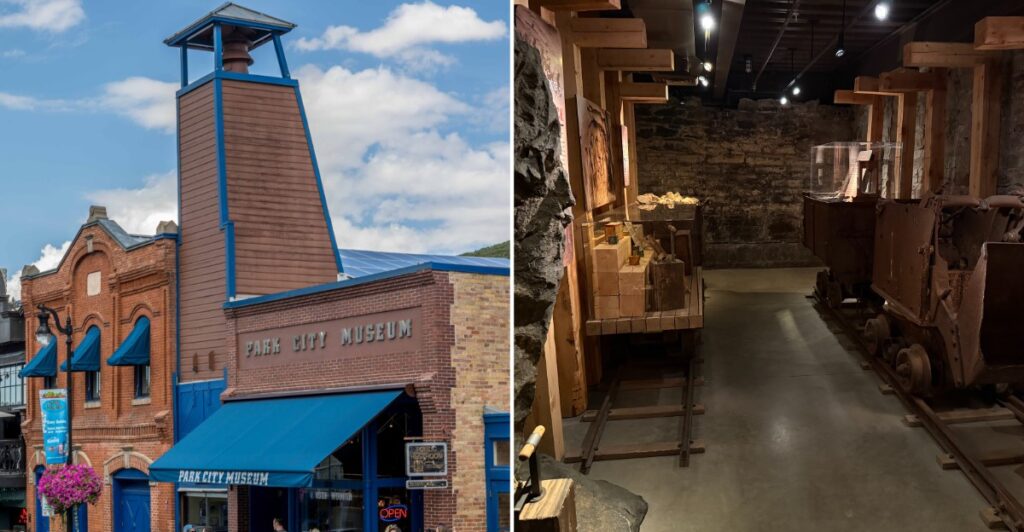
A toilet once made headlines at a mountain town jail. In 1906, the local paper cheered that the upgrade made the cells “fit for human beings to live in.”
Before that, prisoners got a dirt floor, no running water, no electricity, and one lonely wood stove for heat. I can’t imagine riding out a long Utah winter night down there.
The cells still sit in a basement below a building from 1885, and they outlasted a giant fire in 1898. Someone even burned a labor union symbol into a cell wall in 1916, and you can still see it.
I like how you can still stand right inside those cramped, chilly cells today, no arrest required. So who landed behind these bars, and what were they thinking while they waited?
The Jail That Shrugged Off A Town-Wrecking Fire
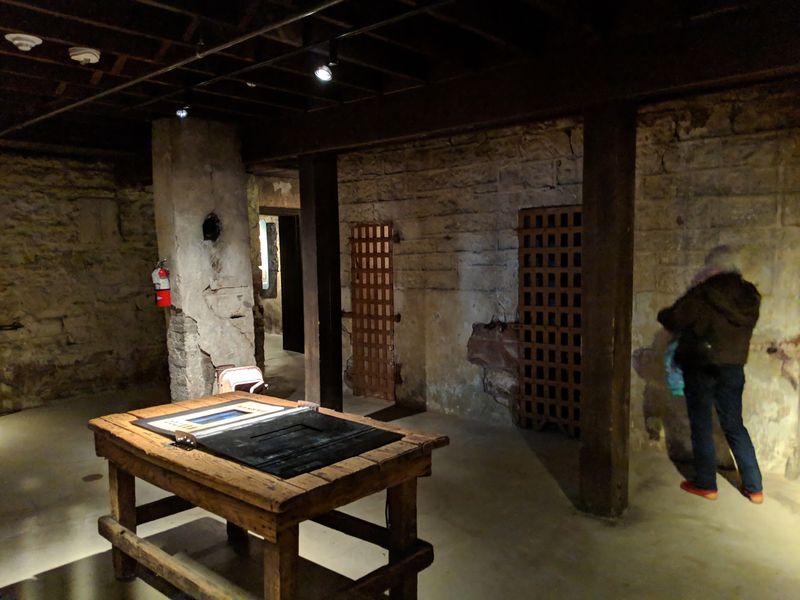
Fire tore through much of the town in 1898, and City Hall took a serious beating. The jail in its basement, though, made it through.
That stubborn little lockup now sits inside the Park City Museum, waiting for curious visitors. You’ll find it below the museum, down in what folks have long called the Dungeon.
Some people also call it the Territorial Jail. The name makes sense, since Utah wasn’t even a state when the building went up in 1885.
Think about that for a second. These cells were holding prisoners before Utah earned its star on the flag.
The Great Fire of 1898 wiped out a huge chunk of the old mining town. Rebuilding took years of hard work from the people who stayed.
Yet the jail stayed put, walls and all. That’s why you can stand inside original cells today instead of reading about them on a sign.
History books are great, but they can’t give you goosebumps quite like this. Here, the past isn’t behind glass at all.
It’s right there around you, a little cold and a lot real. Bring your curiosity and maybe a light jacket.
Dirt Floors, No Water, And One Very Busy Wood Stove
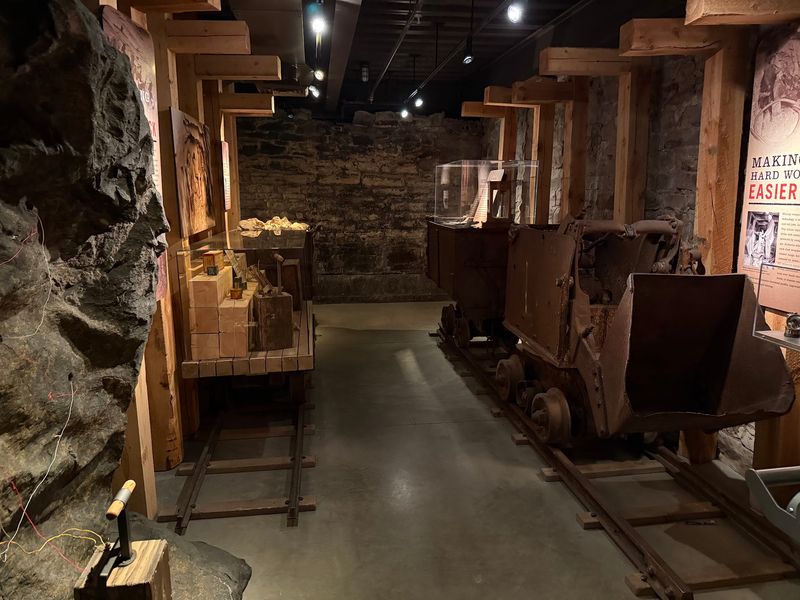
Comfort was not on the menu down here. The original jail had a dirt floor, no running water, and no electricity at all.
Heat came from a single wood stove. In a high mountain town with snowy winters, that stove had a tough job.
Records describe the place as dark, dank, and cold. Those three words pretty much sum up the whole guest experience.
Then 1906 arrived with some big news. Workers added a concrete floor and a toilet to the jail.
The local Park Record newspaper praised the change in a memorable way. It said the upgrade made the jail “fit for human beings to live in.”
Read that line again and let it sink in. For about two decades, the town apparently admitted the jail wasn’t quite fit for people.
That one quote tells you more than a long history lesson could. Life behind these bars was rough in ways most of us never picture.
So when you step into the cells today, look down at that floor. A concrete slab once counted as luxury, and that’s a pretty wild thought.
Somebody Left A Message On The Wall In 1916
Graffiti usually gets painted over fast. At this jail, one piece from 1916 became a treasured artifact instead.
Burned into a cell wall is an insignia for the Industrial Workers of the World. Most people shorten that group to the I.W.W.
The I.W.W. was a labor union that fought for workers’ rights. In a mining town, those fights could get heated in a hurry.
Mine union organizers and strikers actually spent time in this jail during the early 1900s. So that symbol isn’t random doodling at all.
Someone made a statement with whatever they had on hand. More than a century later, the message still hangs around.
Other historic graffiti marks the cells too. Take your time and scan the walls slowly, because small details are easy to miss.
Kids especially love hunting for these marks. It feels a bit like a treasure hunt, only the treasure is a clue about real lives.
Ask yourself what you’d scratch into a wall if you were stuck down here. Then appreciate the person who chose a union symbol and stood by it.
Find Out Who Got Tossed Behind These Bars
Bank robbers? Mostly no. The jail mainly held people for the everyday trouble that popped up in a busy mining town.
Fighting showed up often on the list. So did disturbing the peace, petty larceny, and prostitution.
Picture a crowded silver boom town full of hardworking miners. Tempers flared, money vanished, and somebody had to cool off somewhere.
That somewhere was usually this cold basement. A night here probably made people think twice about their next scuffle.
The early 1900s added a different type of prisoner. Mine union organizers and strikers landed in these cells during labor clashes.
That detail changes how the jail feels. Some prisoners weren’t troublemakers at all, just workers pushing for better conditions.
The museum brings these folks to life through stories from past inhabitants. Their voices turn dusty records into real people with real choices.
Here’s a fact that surprises plenty of visitors. The last prisoners stayed in this jail in 1966, which is far more recent than most guess.
Your grandparents could have read about it in the paper. History sits closer than it seems sometimes.
Ghost Stories Come Free With The Creaky Atmosphere
Local legend says the Dungeon has a few extra residents. Nobody on the guest list, though, seems to have checked out.
Stories claim the old jail is haunted. Some museum staff have reportedly had experiences down there that they couldn’t easily explain.
Do you believe in that sort of thing? Either way, the setting does a lot of the spooky work on its own.
You’re standing in cells that held prisoners for roughly 80 years. Low light and old walls tend to make imaginations run fast.
Skeptics can still enjoy the vibe without buying the legends. Believers might want to linger a little longer and listen closely.
Kids usually love this part of the visit. A safe little scare plus real history makes a pretty great combo.
Younger children who spook easily may want a hand to hold. The basement feels very different from the bright exhibits upstairs.
Fall visits feel extra fitting for this kind of story. Still, a haunted jail works in any season if you ask me.
Just don’t blame the ghosts if you feel a chill. That part might just be the stone walls.
The Building Upstairs Has Worn Plenty Of Hats
City Hall in 1885 wasn’t just one office. The building did a little bit of everything for the growing town.
It housed the police department and the fire department. City government offices worked there too, all under one roof.
So the jail made perfect sense in the basement. Officers didn’t have far to walk with a new arrival.
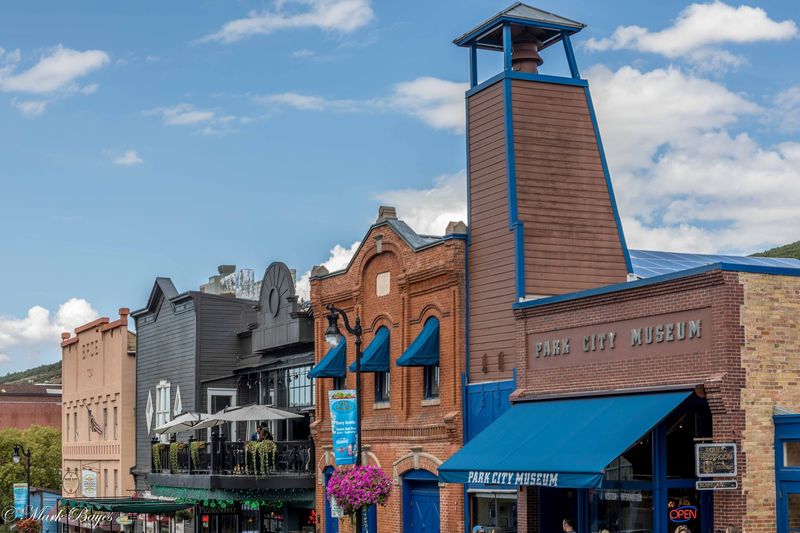
Today, the Park City Museum fills this same historic building. You’ll find it at 528 Main St, Park City, UT 84060, right on the town’s main drag.
That location makes it super easy to work into a day downtown. Shops and restaurants line the street around it.
The Great Fire of 1898 badly damaged City Hall. Even so, the building’s story kept going, and the jail beneath it survived.
I like how one building connects so many parts of town life. Firefighters, police, and lawmakers all once shared these walls.
Look closely at the structure as you head inside. You’re entering a spot that has served this Utah town for well over a century.
Not many buildings can claim that kind of staying power.
Climb Upstairs For Silver Mines And Ski Slopes
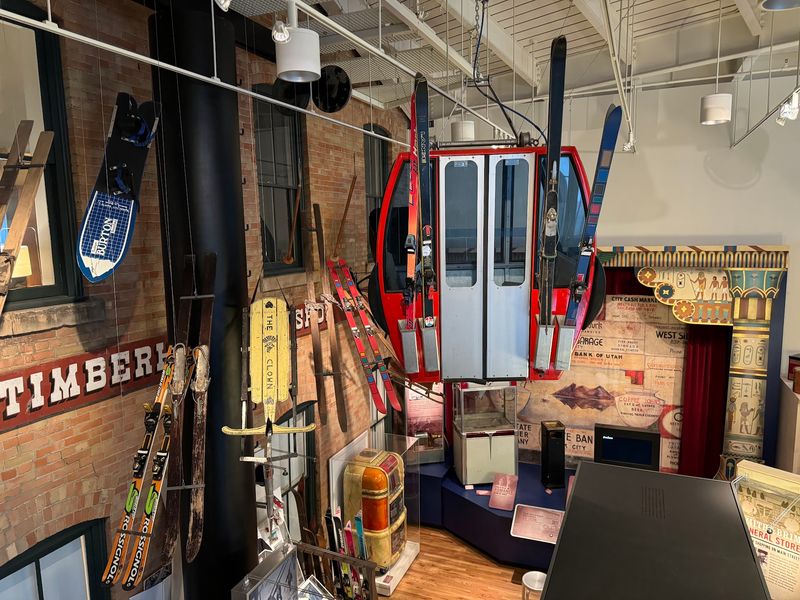
Silver built this town long before skis showed up. The upstairs exhibits tell that whole wild story from start to finish.
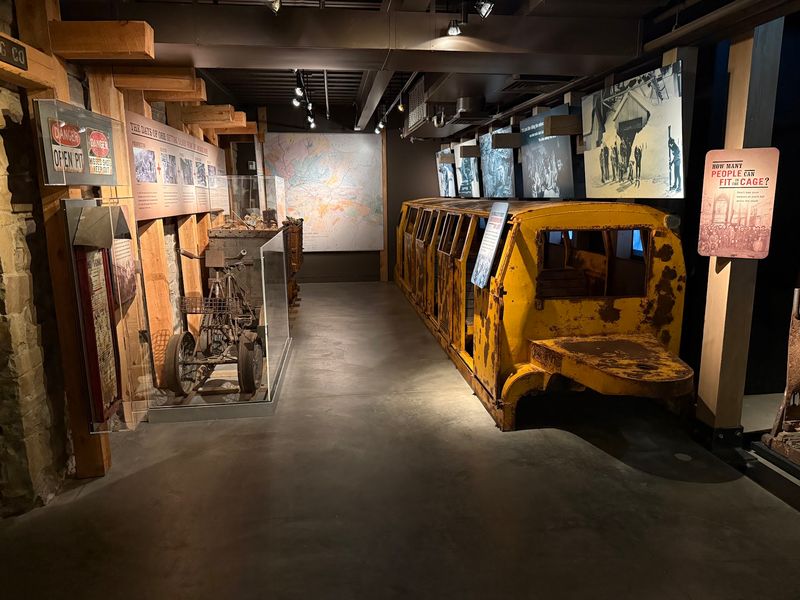
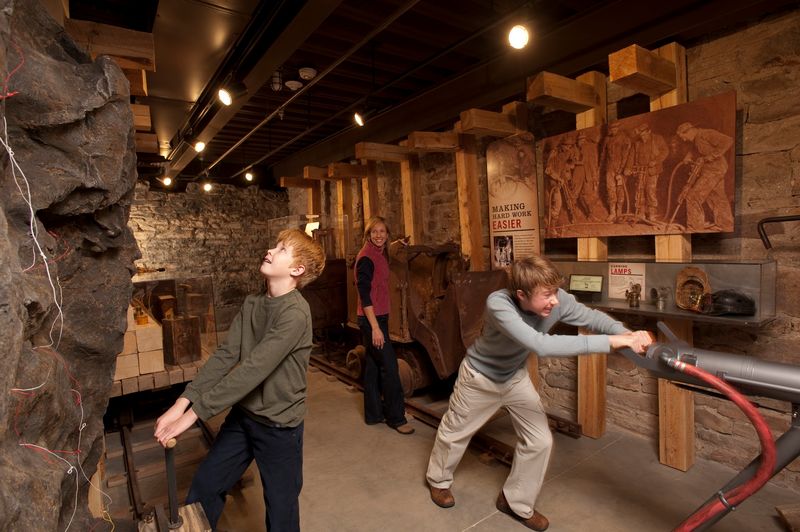
The museum offers interactive exhibits about Park City’s mining and ski history. That means more hands-on fun and fewer long walls of text.
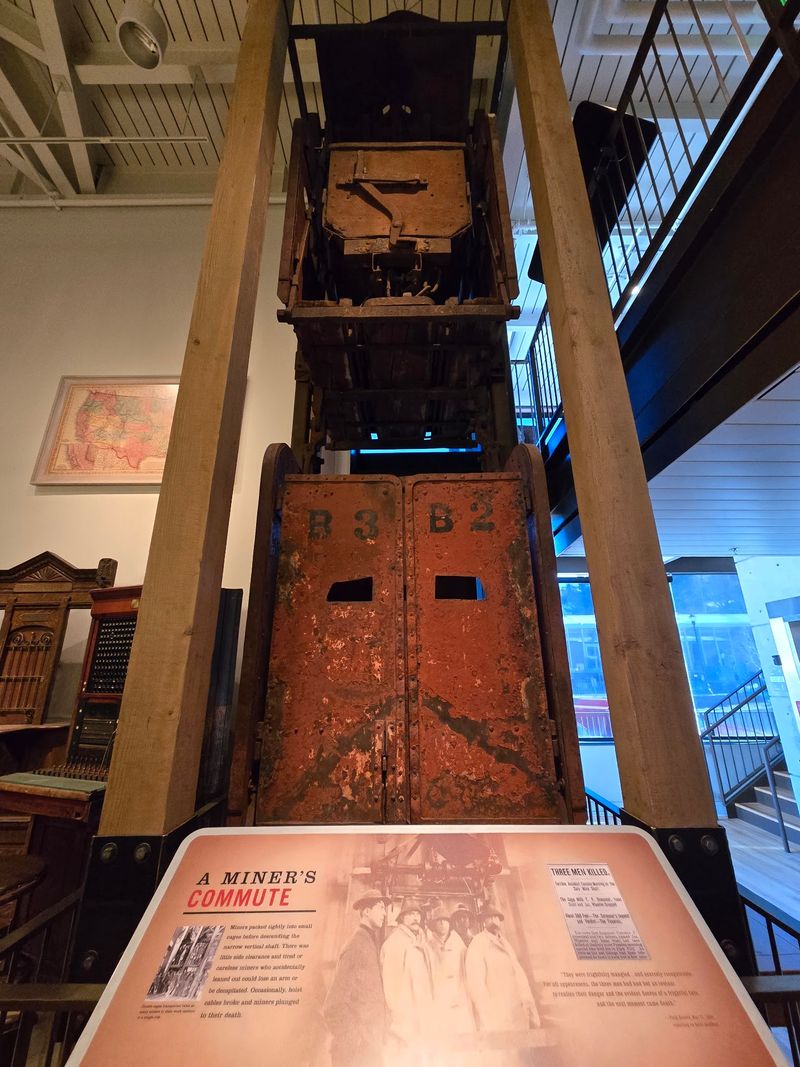
Mining took up a big part of local life for decades. Miners worked hard underground, and their story shapes everything you see in town.
Then came the switch to skiing. Watching a mining camp turn into a famous ski destination makes for a pretty great plot twist.
The jail fits right into this bigger picture. Many of those prisoners were miners, so the exhibits help explain their world.
A major restoration project in 2009 expanded the building. That upgrade gave the museum room to share these stories in a modern way.
Families with mixed ages tend to do well here. Interactive displays keep curious hands busy while adults read up on details.
Plan to visit the jail and the main exhibits together. One without the other feels like reading only half a book.
A Smithsonian Nod Makes This Stop Even Sweeter
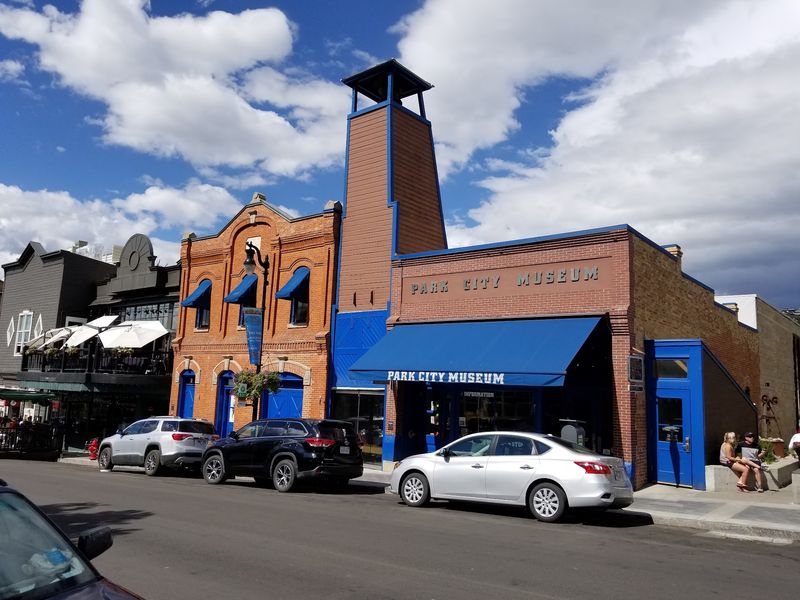
February 2026 brought big news to Main Street. The Park City Museum earned a Smithsonian Affiliate designation.
That’s a serious honor for a local history museum. Even better, it’s the only Smithsonian Affiliate in Utah.
Let that sink in for a moment. A museum with a jail in its basement now shares ties with one of the biggest names in American history.
Smithsonian Affiliates partner with the Smithsonian Institution. These partnerships can open doors to shared programs and resources over time.
For visitors, the title signals real quality. You can trust that the stories here get told with care.
It also says a lot about how much this town values its past. Mining roots, labor fights, and cold jail nights all matter here.
I believe that kind of pride shows up in the whole experience. It feels like a museum that takes history seriously without feeling stiff.
So when friends ask why you spent vacation time in a jail, you’ve got a great answer. You visited the only Smithsonian Affiliate in the state.
That beats a souvenir T-shirt any day.
Smart Moves For Planning Your Jailbreak, Er, Visit
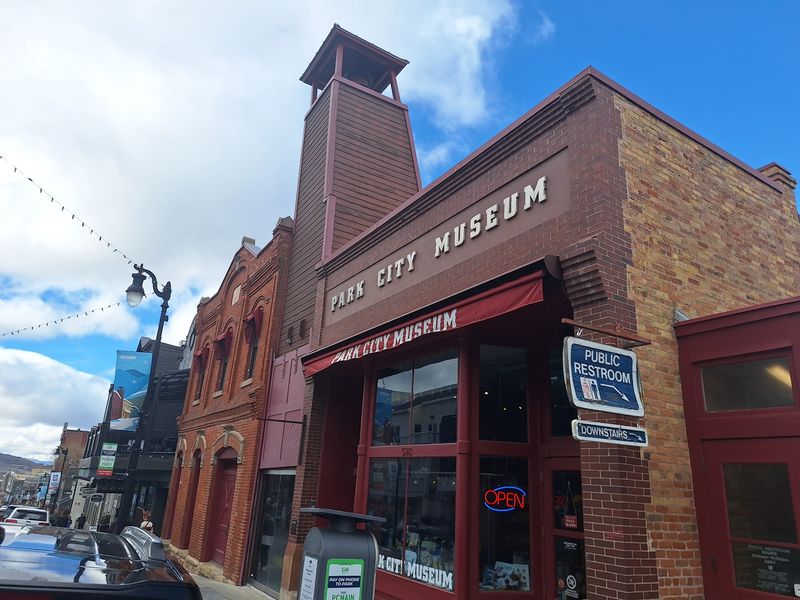
Good news for flexible travelers. The museum stays open year-round, so snowy winter days and sunny summer afternoons both work.
It closes on Thanksgiving and Christmas. Hours can shift, so check the schedule before you head over.
Self-guided tours usually take about an hour. That makes it an easy fit between a morning on the slopes and dinner downtown.
Give the jail some extra time, though. Reading the stories and studying the graffiti can easily stretch your visit.
Start upstairs if you want context first. Learning about mining life makes the basement cells hit a lot harder.
Prefer the spooky stuff first? Head down to the Dungeon early, then warm up with the exhibits afterward.
The museum sits right on Main Street, so you can walk there from much of downtown. That’s handy when parking gets tricky.
A day off from skiing is a perfect excuse to stop by. So is a rainy afternoon in this corner of Utah.
Just remember one thing on your way out. You’re free to leave, which is more than the old prisoners could say.