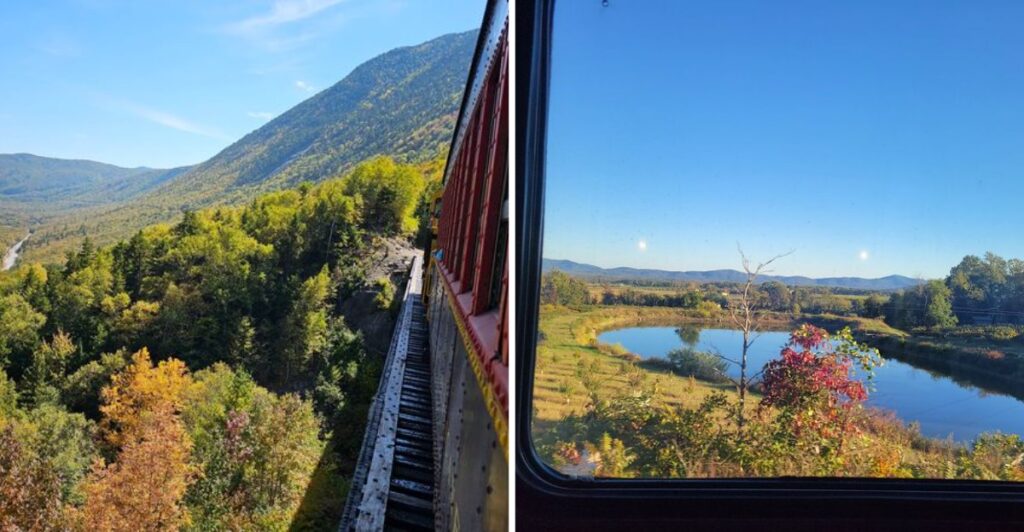
Three hours without touching the steering wheel? Fall might finally have a transportation plan.
This Virginia train ride trades traffic for wide windows and a slow roll through the western Shenandoah Valley.
Farms, wooded hills, and mountain color keep changing outside while the train follows a historic rail route between Goshen and Staunton.
The October run is limited to four weekends, which gives the trip a little now-or-wait-until-next-year pressure.
You stay aboard for the full round trip, so there is no scrambling to fit another stop into the middle.
Pick a regular seat or go bigger with table, lounge, or dome options.
Honestly, the hardest part may be deciding which side of the train is winning.
Four October Weekends Put The Alleghany Limited On The Calendar
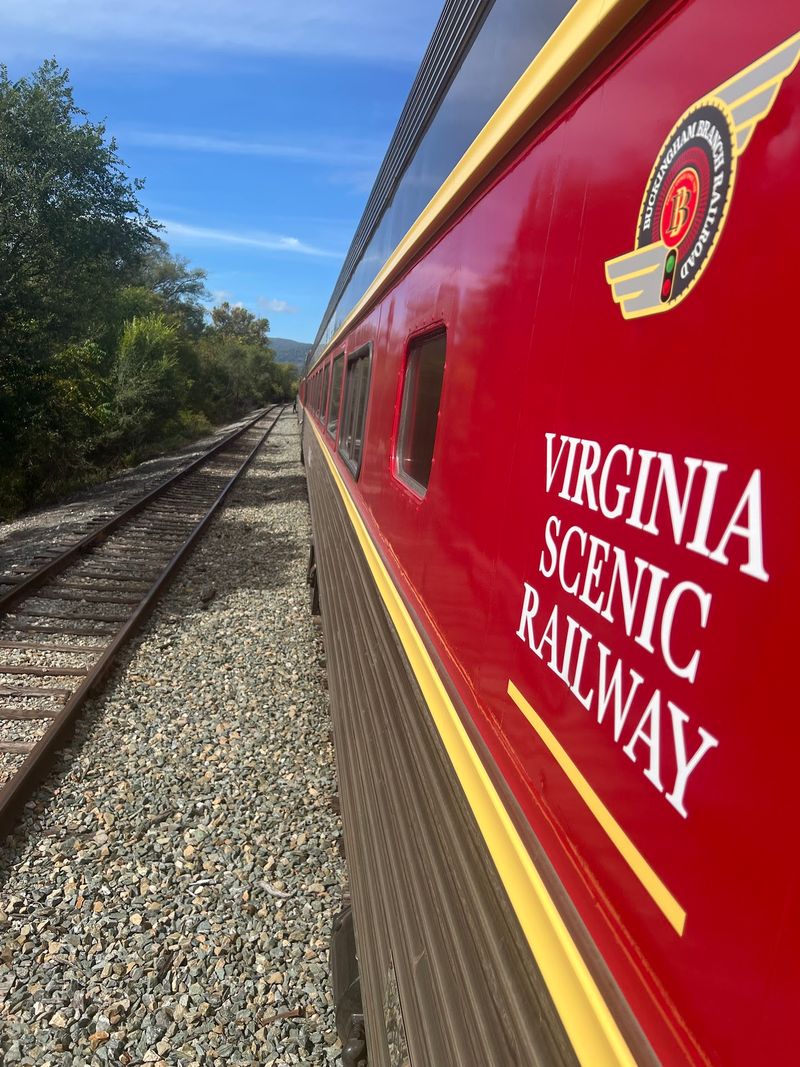
The Alleghany Limited is not a year-round Goshen departure. In 2026, it appears as one of four Autumn Special excursions offered for four weekends in October, giving the ride a short seasonal window built around Shenandoah Valley color.
The journey takes about three hours from Goshen to Staunton and back. Reservations are required, and the railway sells seats by class rather than treating the train as open boarding.
That matters because your seat choice shapes the ride more than a typical drive, where everyone can pull over or switch sides when a view appears.
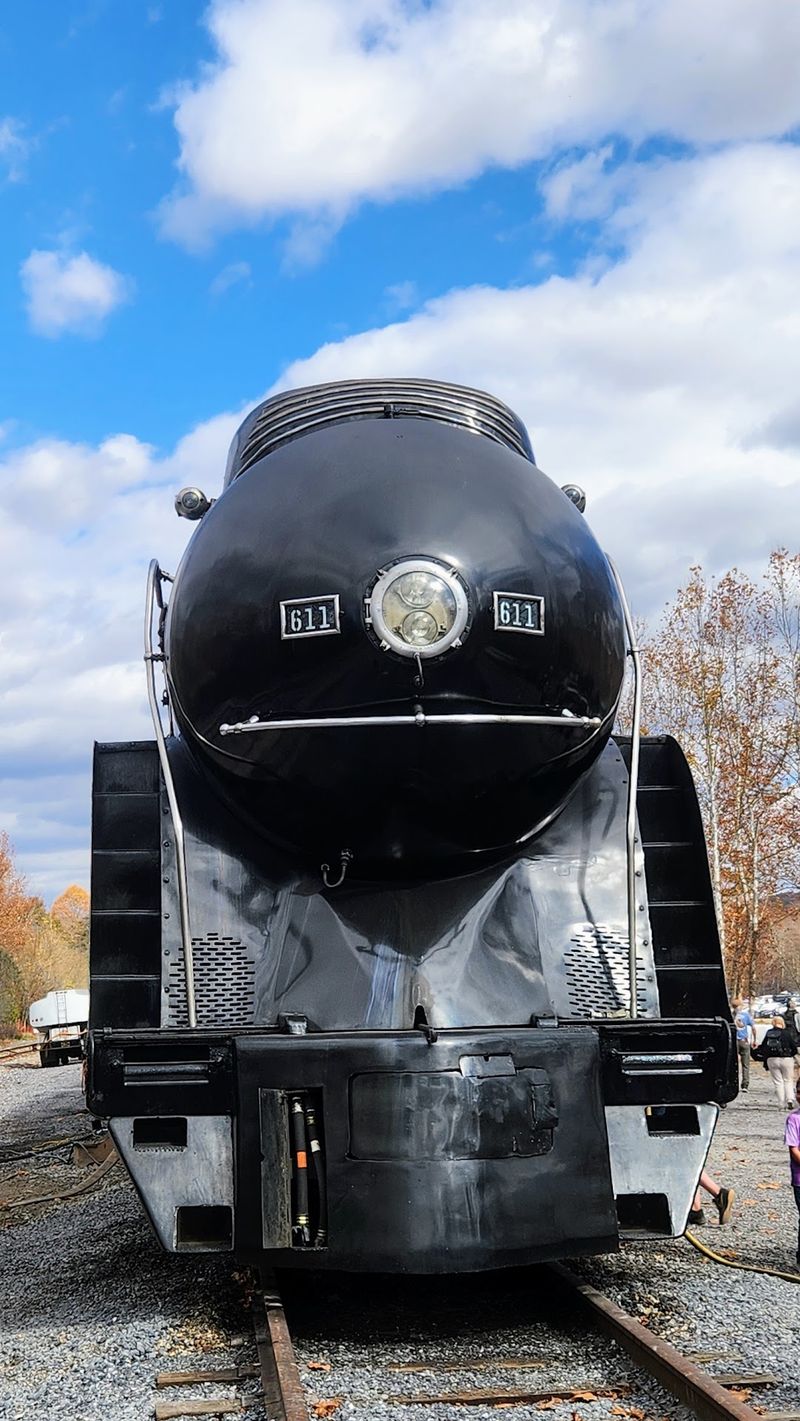
One useful detail clears up a common fall-train assumption: the 2026 Autumn Special rides use vintage diesel locomotives owned by Buckingham Branch Railroad.
Steam has appeared on earlier seasonal excursions from Goshen, but this year’s Alleghany Limited is a diesel-powered experience.
Three hours also hits an easy middle ground. It is long enough to settle into the rhythm of rail travel without turning the outing into a full-day commitment.
By the time you stop checking how long is left, the train is usually doing exactly what you came for: making a familiar Virginia landscape look different through glass.
Victoria Station Is Where The Fall Ride Begins
The trip starts at Victoria Station in Goshen, where free parking is available at the boarding location. The parking surface is gravel rather than pavement, and the railway advises arriving about half an hour before the scheduled excursion.
That early window is not filler time. Individual seat assignments are provided during check-in, so this is where the reservation turns into an actual place on the train.
Once the boarding process starts, there is no reason to play platform roulette and wonder which car you belong in.
Mobility is worth considering before the ride. The passenger cars have stairs, narrow hallways, and other limitations that prevent access for people using wheelchairs, walkers, or motorized scooters.
Car hosts can provide limited boarding assistance, but travelers with mobility restrictions are encouraged to bring a companion who can help if needed.
The station is at 340 Victoria Lane, Goshen, VA 24439. Free onsite parking keeps the arrival simple, though the lot closes when it reaches capacity.
If you are the person who normally arrives five minutes before everything, this may be the rare morning when future-you appreciates a little extra margin.
Historic Rails Carry You Through Farms And Rural Communities
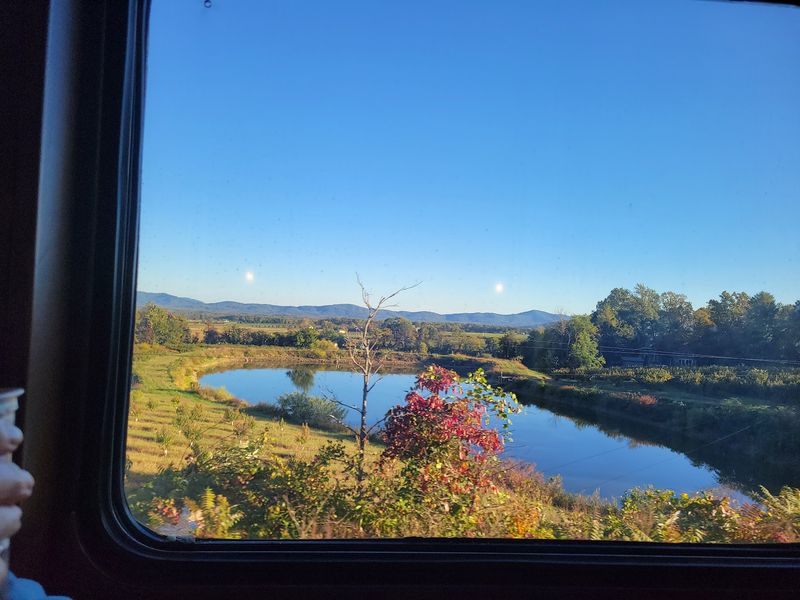
Once the train leaves Goshen, the route follows a historic rail corridor east toward Staunton. The scenery is not one continuous wall of forest.
Working farms, open fields, hayfields, cattle pastures, wooded stretches, and mountain-framed views trade places as the train moves through the western Shenandoah Valley.
The line passes rural communities including Hebron and Swoope, where agriculture remains a visible part of the landscape.
A barn or cattle field may hold the window for a minute, then a wooded hillside takes over. That variety keeps the route from turning into three hours of the same postcard.
This is also where a train earns its advantage over a scenic drive. Nobody in your group has to keep one eye on curves, traffic, or the next turn. The driver has officially been outsourced.
Watch the foreground as much as the distant ridges. Fences, fields, farm buildings, and changing tree lines give the valley scale, while the mountains sit farther back as the steady backdrop.
The Alleghany Limited moves through scenery people usually cross with somewhere else to be. A train seat changes the assignment. For once, looking out the window is the activity rather than something you squeeze in between directions.
Seat Choice Changes How The Valley Looks
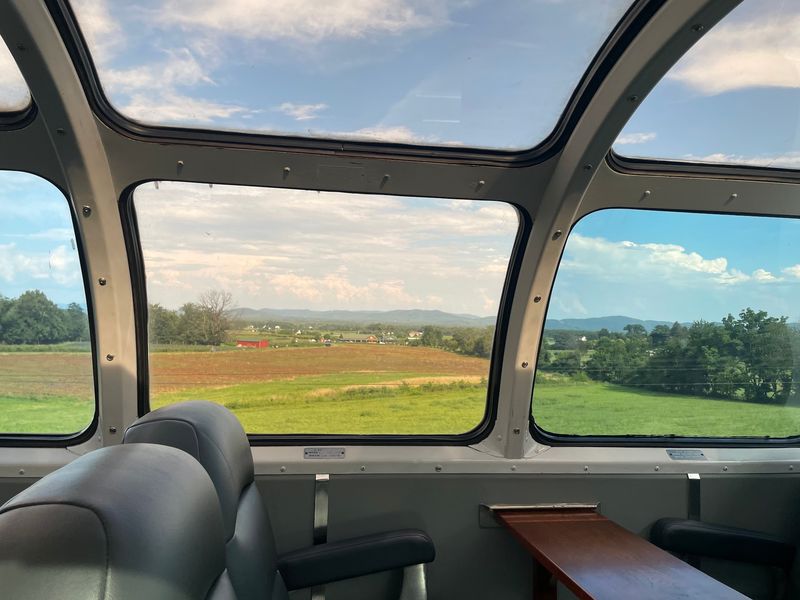
Not every passenger sees the route from the same setup. The Autumn Special offers standard coach, Coach Plus, table seating, a lower lounge, and upper-dome seats, each with a different balance of space, viewing angle, and social setup.
Standard coach uses traditional four-person pod seating, while Coach Plus adds upgraded comfort and window views.
Table Class gives you a spacious table arrangement, which is handy if conversation, a card game, or simply having room to spread out matters as much as the scenery.
The lower lounge is a small six-passenger space beneath the dome. It provides oversized-window viewing without the elevated angle above. Upper-dome seating raises the sightline and opens the view over more of the surrounding landscape, though legroom is limited.
So what kind of leaf-peeper are you? The person glued to the glass, the one who wants a table for conversation, or the friend who says any seat is fine and then spends three hours leaning toward everybody else’s window?
Seat assignments are given at check-in within the class you reserve. The useful choice happens earlier, when you decide whether a higher view, more table space, or straightforward coach seating matters most.
Fall Color Comes With A Moving Frame
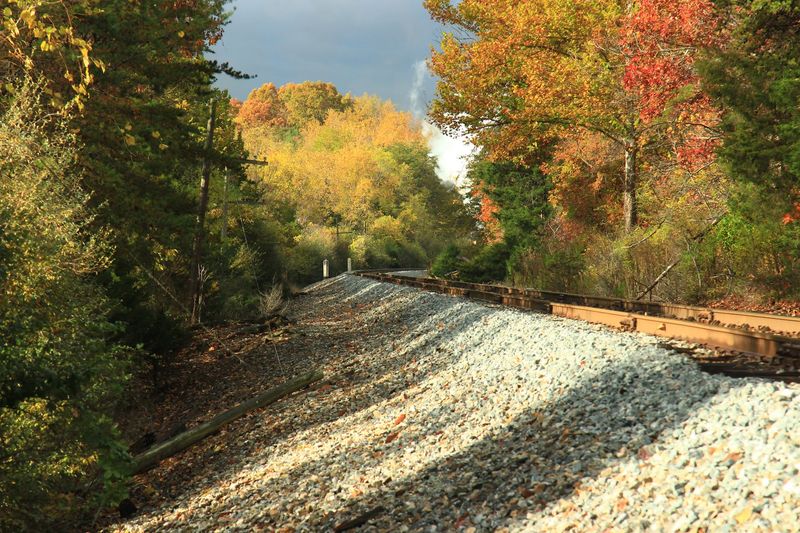
October is the reason this excursion exists. The Autumn Special is designed around Shenandoah Valley foliage, and the Alleghany Limited passes wooded hillsides, farms, and mountain landscapes that can show several stages of the season within one ride.
Fall color never follows a perfect appointment book. Weather, elevation, and seasonal conditions influence when individual trees turn, so no departure can promise one exact shade or a single peak-color moment.
That unpredictability is part of the show rather than a flaw in it.
The train generally moves at an average of about 25 to 30 miles per hour, slow enough for the landscape to register without making the route feel static. At that pace, a bright hillside stays with you for a while, but not long enough to become wallpaper.
There is no open-air car on the Autumn Special, so the scenery is viewed from climate-controlled passenger cars. Limited vestibule access may be available at select times, but the main experience happens through the windows.
Your camera may insist on documenting every orange tree. Your eyes may eventually vote for a break. The valley will keep rolling either way.
Staunton Is A Turnaround, Not A Layover
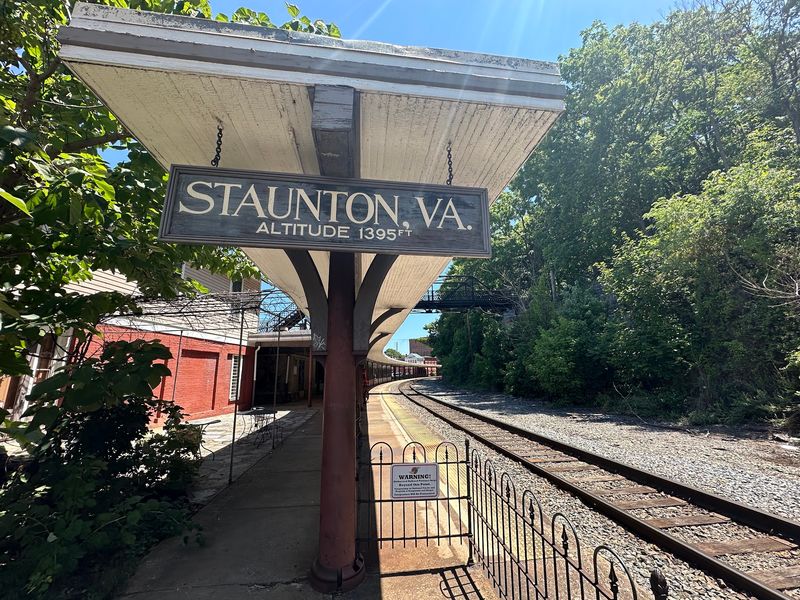
Staunton marks the far end of the Alleghany Limited, but this excursion does not turn into a downtown visit. The train reaches the city’s historic railroad station, pauses briefly, and then begins the return journey to Goshen.
Passengers remain aboard during that stop. There is no scheduled period for stepping into downtown, browsing shops, or grabbing a meal before reboarding. That keeps the Alleghany Limited close to its three-hour format and makes the rail journey itself the focus.
The distinction is useful because arriving in central Staunton can make it tempting to assume the doors will open for a stroll. On this train, the city is the punctuation mark in the middle of the sentence, not a separate chapter.
Use the pause to reset instead. Stretch within the space available, look around the car, and notice how the same route is about to become a different view. Returning on the same track does not mean seeing exactly the same thing twice.
There is a certain satisfaction in reaching a destination without needing to do anything there. Staunton signals that you have crossed the valley. Then the windows take over again.
The Return Trip Gives The Same Valley A Second Angle
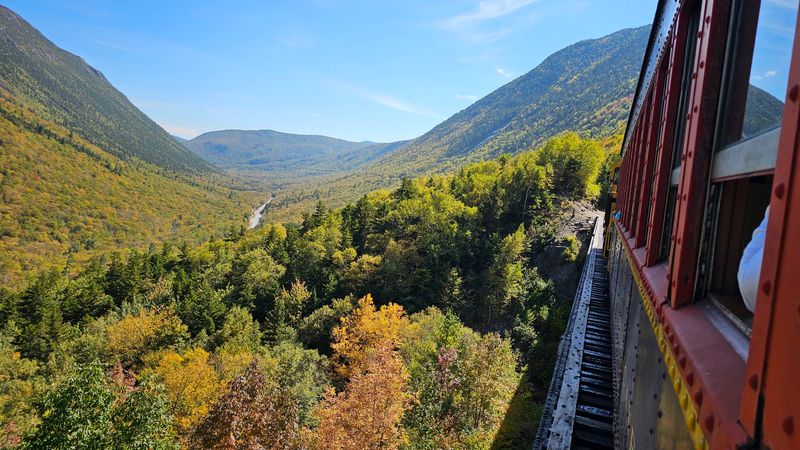
A round trip can sound repetitive on paper. From a train window, the direction changes more than you might expect. Fields that sat beyond another passenger on the outbound leg may move into your sightline, and hillsides catch light differently as the day shifts.
The train’s slower pace makes those second looks useful. Maybe you missed the cattle near Swoope because conversation took over. Maybe one wooded stretch disappeared behind a camera screen.
The return leg offers a quiet rematch.
All passenger cars are climate-controlled, and restrooms are available aboard. Complimentary beverages and small snacks are provided during the ride, useful details when three hours of scenery turns into an appetite you did not plan for.
There is no need to invent entertainment between views. A little conversation, a snack, and another round of window watching are enough. Rail travel is one of the few outings where doing less can actually mean noticing more.
That slower rhythm also gives conversations room to fade naturally when a particularly colorful hillside suddenly becomes more interesting than whatever anyone was saying.
Eventually Victoria Station comes back into view, and the loop closes where it started. By then, farms, forest, mountains, and fall color have done the heavy lifting. You simply got to sit there and watch Virginia move past.