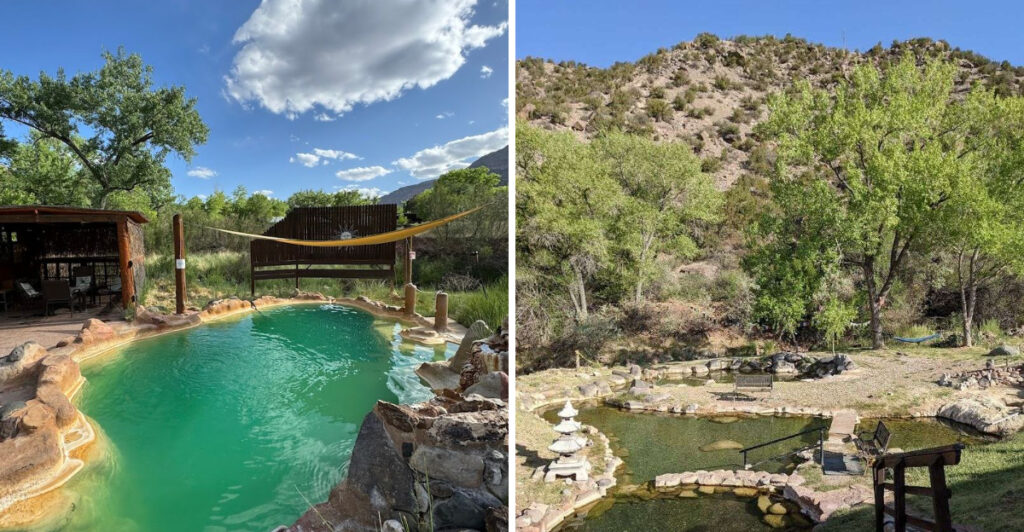
Picture this. You are easing into warm mineral water while red canyon walls glow around you.
The mountain air carries that clean pine smell that makes you breathe a little deeper. That is the scene waiting in a small New Mexico village along the Jemez Mountain Trail National Scenic Byway.
I only meant to stop for a bit. Classic famous last words.
Within minutes, I was watching steam drift off the water and wondering why I ever thought I needed to rush anywhere. This place has a way of stealing your attention in the nicest possible way.
It feels calm without trying too hard, which is rare enough to notice. Ahead are eight things I noticed and loved about this hot springs getaway, including the moments that made me understand why a quick visit can turn into a full afternoon before you know it, easily, without trying at all, honestly.
Steam Rising Beneath Red Rock Cliffs
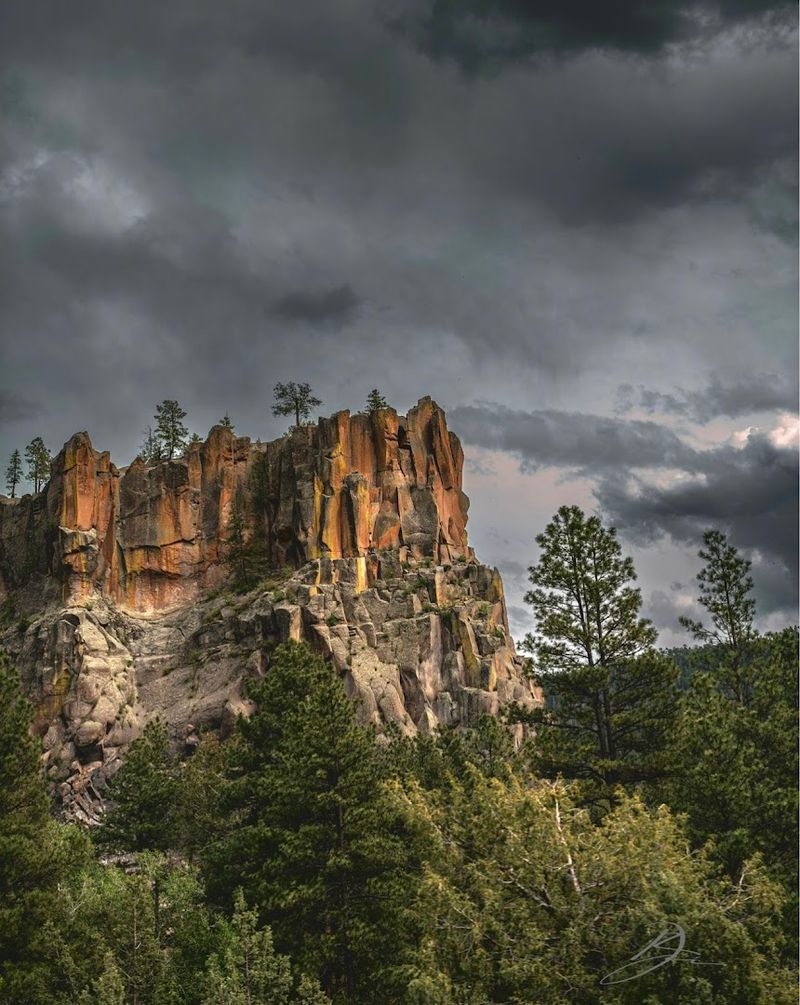
A quiet settled over the canyon as steam curled from warm water into the cool air. I felt it the moment I stepped out of my car here.
The thermal waters at this destination bubble up from deep underground, fed by geothermal activity connected to the Valles Caldera, a major volcanic caldera that formed over 1.25 million years ago in New Mexico.
That ancient volcanic energy is what keeps the water warm year-round, giving visitors a natural soak that feels almost surreal against the backdrop of towering red sandstone cliffs.
I kept looking up at those cliffs while I soaked, half expecting a hawk to circle overhead, and sure enough, one did.
The steam itself becomes part of the scenery, drifting lazily across the canyon in the early morning when the air temperature drops and the contrast is most dramatic.
At the edge of a pool, with steam rising around me, I understood why people have been drawn to these waters for generations and still return for that same sense of wonder.
This is Jemez Springs, New Mexico 87025, where the earth literally breathes warmth up through the ground to greet you right here again today.
Quiet Pools With Mountain Views
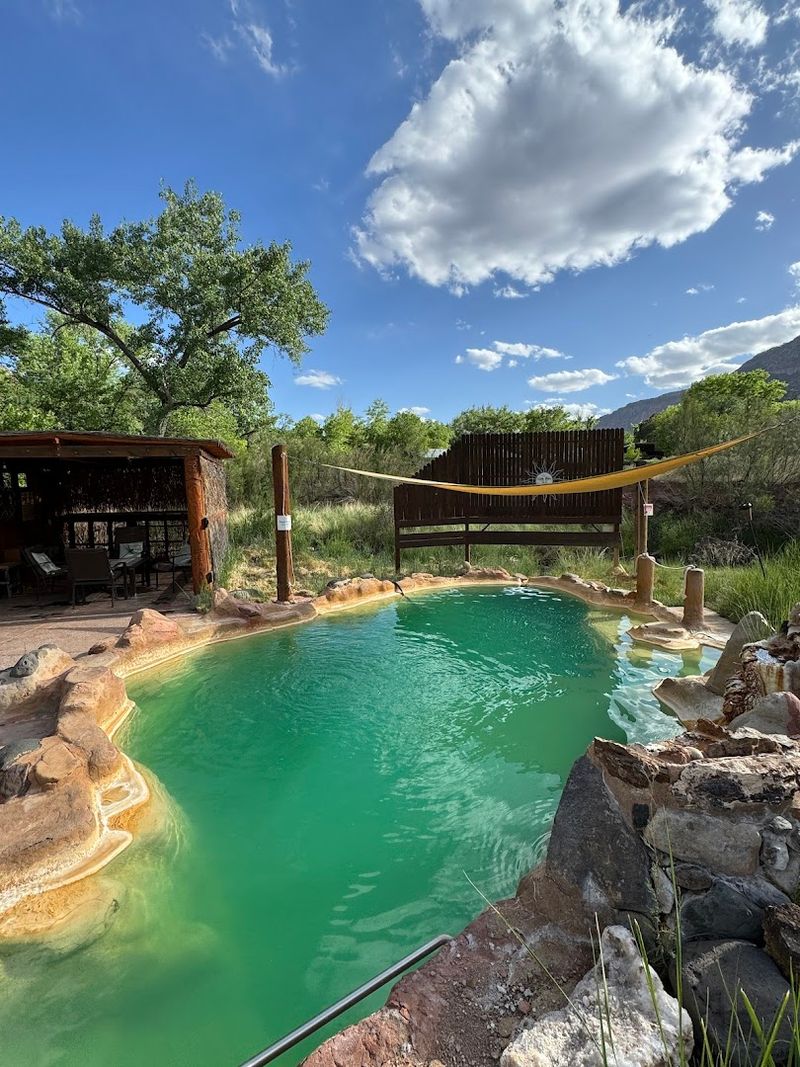
Not every great travel experience needs a crowd, a playlist, or a social media strategy. The pools here reminded me of that truth in the most refreshing way possible.
Jemez Hot Springs, formerly known as Giggling Springs, offers four outdoor soaking pools filled with mineral water containing over seventeen minerals, with temperatures held between 98 and 105 degrees Fahrenheit.
From the water, the mountain ridgeline frames the sky in a way that makes the whole scene feel almost too picturesque to be real.
The pools sit right along the Jemez River, so while you soak, you hear moving water on one side and feel canyon breezes on the other.
I spent nearly two hours in one of the smaller pools on a weekday afternoon and counted fewer than ten other visitors the entire time.
The mineral content includes calcium, lithium, magnesium, iron, and potassium, which many visitors seek out for relaxation, soothing warmth, and a calmer, looser feeling after a long day outside.
By the time I climbed out, my shoulders had dropped about three inches from where they normally sit, which felt like a small personal victory.
A Historic Bathhouse Full Of Character
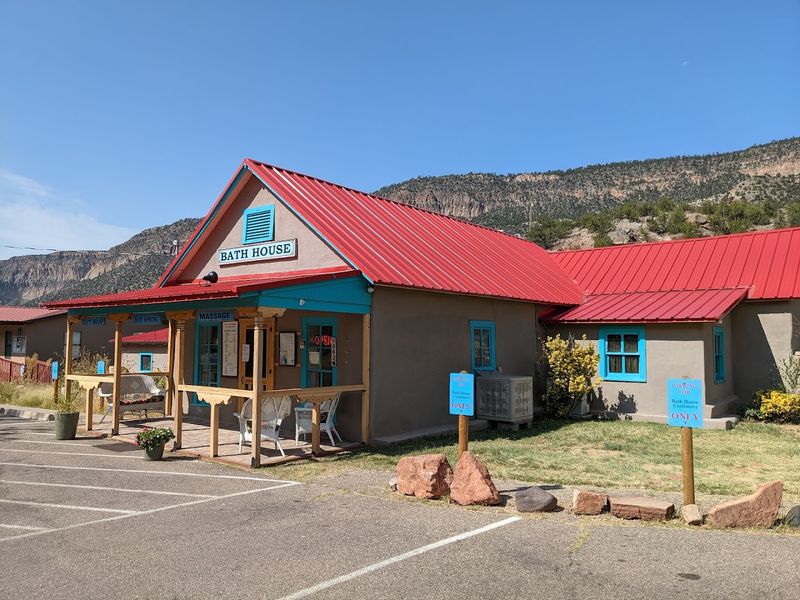
Some buildings carry history in their walls so visibly that you feel like you are walking through a timeline. The Jemez Springs Bath House is exactly that kind of place.
This village-owned bathhouse is a State Historical Site that has been operating for over one hundred years, offering private mineral soaks, therapeutic wraps, and massages in a setting that blends old-world charm with genuine relaxation.
One of its most fascinating features is the rock enclosure built around a geyser that erupted in 1860, which still stands inside the property as a living piece of local history.
I ran my hand along the rough stone edge of that enclosure and tried to imagine what the eruption must have looked like to the settlers who witnessed it.
The calm, unhurried pace inside matched the building perfectly, never making the experience feel rushed, overly polished, or impersonal, which made the old rooms feel even more welcoming inside.
Private soaking rooms are small but thoughtfully set up, with the mineral water filling deep tubs that let you stretch out completely.
After that bathhouse visit, I felt less like a tourist and more like someone who had just been let in on a very well-kept local secret.
Warm Waters In A Canyon Setting
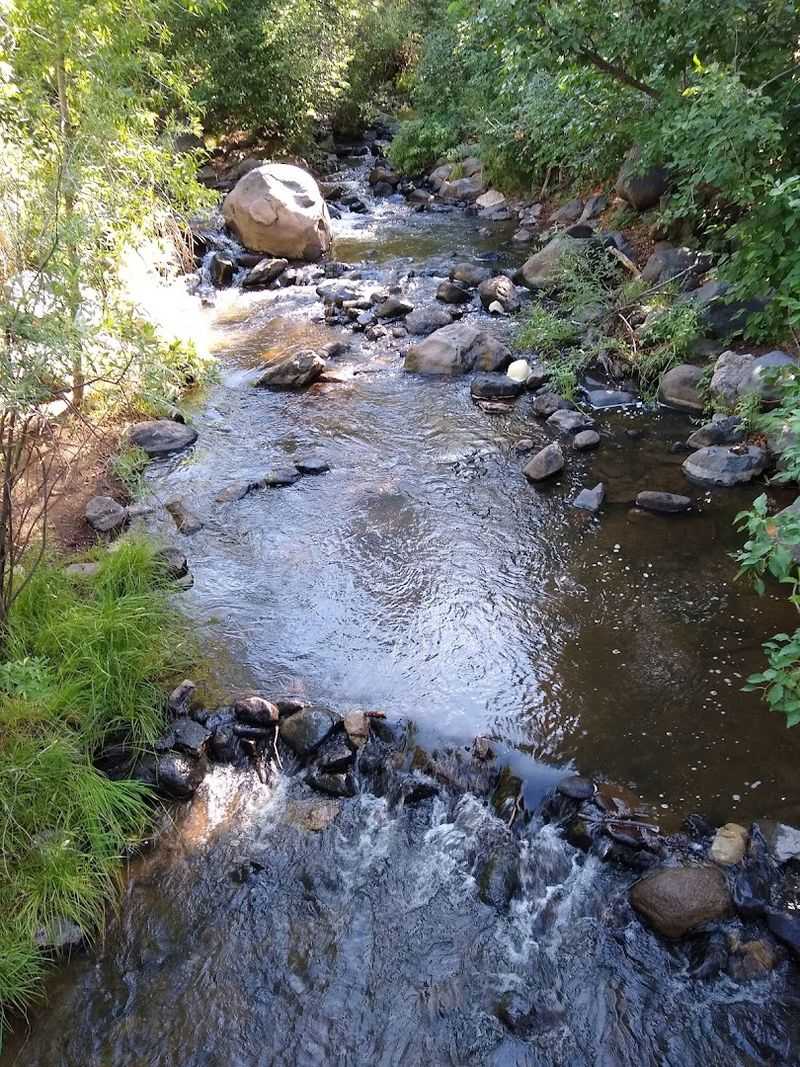
Warm water moving slowly through stone can make the whole canyon feel calmer. Every soak here seems tied closely to the surrounding landscape in a way that feels simple, quiet, and deeply rooted here.
The Jemez River winds through the canyon floor, while nearby thermal springs and bathhouse waters add to the area’s long reputation for warmth, steam, and mineral-rich soaking.
Ancestors of today’s Jemez people built Giusewa among the hot springs around AD 1350, and local New Mexico history connects these waters with healing, rest, and spiritual practice.
Spanish settlers later arrived and added their own cultural layer to a place that had already been meaningful for many generations before New Mexico ever appeared on modern travel maps.
I found myself thinking about all those layers of human history as I sat at the canyon edge watching the water pass below, and it added a weight to the experience that felt meaningful rather than heavy.
The canyon walls amplify sound in interesting ways, so the river seems louder than it actually is, wrapping you in a constant, low hum of moving water.
That sound alone could carry you into a nap before the warm water even gets a chance to try.
Adobe Details And Desert Calm
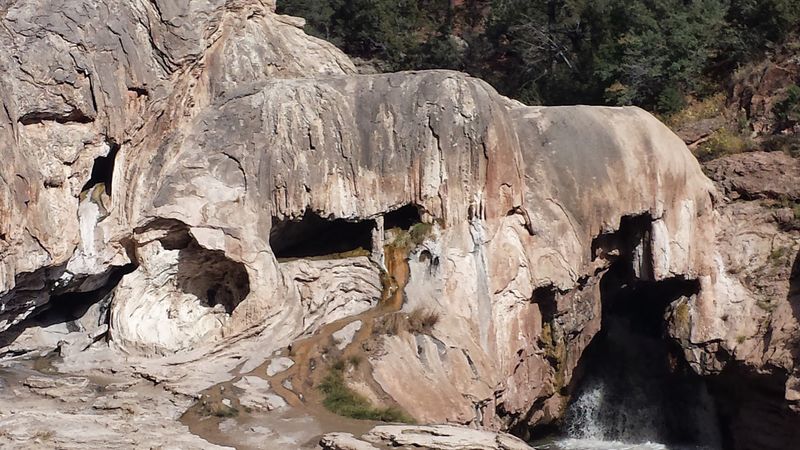
The village itself felt like pressing pause on the modern world. Adobe walls glowed amber in the afternoon sun, and not a single chain store was in sight along the quiet main road.
Jemez Springs is a genuinely small place, with a population of just 198 people recorded in the 2020 census, which means this New Mexico village has a stillness that larger towns simply cannot manufacture.
The architecture reflects the long cultural history of the region, with adobe construction, wooden vigas, and earthen tones that blend so naturally into the canyon landscape that the buildings seem to have grown from the ground themselves.
I wandered past Jemez Historic Site, which preserves the ruins of a 17th-century Spanish mission alongside the remains of ancient Giusewa Pueblo, and the combination of those two histories in one compact space genuinely stopped me in my tracks.
Desert plants fill the spaces between structures, with low shrubs and native grasses softening the edges of every pathway.
A rare calm settles in places where the built environment and the natural environment have reached a long, comfortable agreement with each other.
Jemez Springs has clearly been in that negotiation for centuries, and the result is quietly stunning from the first look around.
Peaceful Trails Past River And Stone
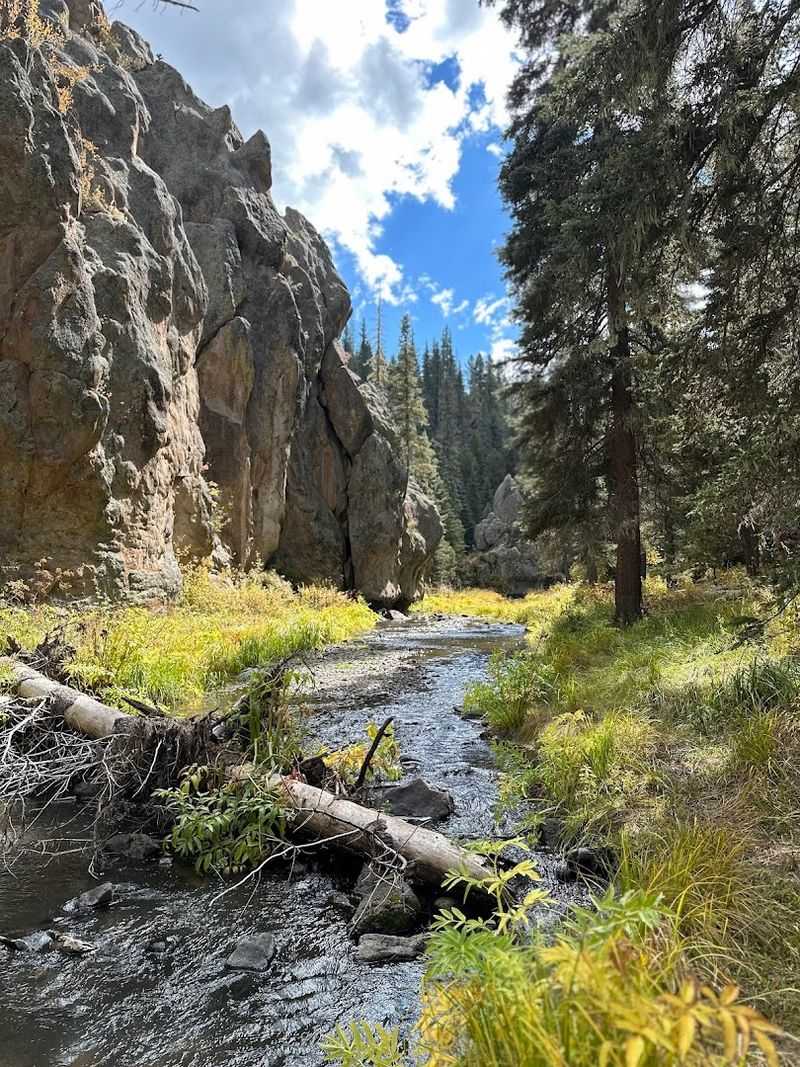
My trail shoes felt less like exercise gear here. They felt more like an invitation from the landscape to come look at something worth seeing.
The Santa Fe National Forest surrounds the area and offers access to primitive hot springs via hiking trails, including the popular Spence Hot Springs and the more mellow McCauley Warm Springs, both reachable on foot through forested canyon terrain.
Spence Hot Springs sits above the Jemez River on a hillside and requires a short but rewarding hike, delivering you to a series of tiered pools with views that make the effort feel like a bargain.
McCauley Warm Springs involves a longer trail through ponderosa pine forest, and the walk itself becomes part of the experience rather than just a means to an end.
I noticed how the trail surface changed from packed dirt to loose stone to soft pine needle carpet within the span of a single mile, which kept each step feeling different from the last.
The river runs close to parts of the trail, and the sound of water moving over rocks becomes a reliable companion in several peaceful stretches along the way.
By the time I reached the springs, my mind had already done most of its decompressing before the water even touched my feet.
Hidden Corners Around The Village
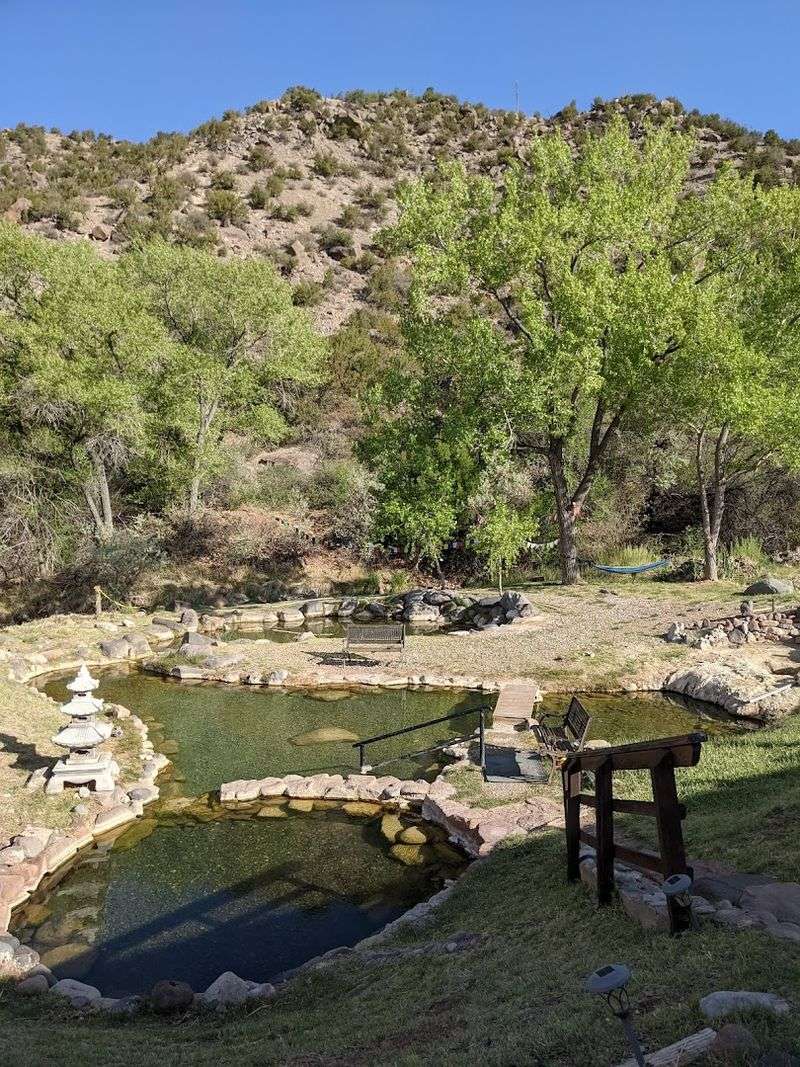
Small villages reward slow walkers, and Jemez Springs is no exception. The best details hide in corners that anyone moving too fast would miss entirely on a rushed afternoon visit.
Jemez Historic Site sits near the center of the village and contains the preserved ruins of Giusewa Pueblo alongside the San Jose de los Jemez Mission, a 17th-century Spanish colonial church whose massive stone walls still stand several feet high.
I spent a long time inside those ruins just listening, because the silence inside old walls has a different quality from the silence outside them, deeper somehow and more intentional.
The site also offers interpretive exhibits that connect the dots between the Towa people, the Spanish colonial period, and the landscape that shaped both cultures over centuries.
Beyond the historic site, small side paths lead down toward the river, past gardens, and alongside old stone walls that mark property lines established long before anyone alive today was born.
A small local shop near the bathhouse sells handmade items and regional goods, adding another quiet stop for anyone wandering through the village slowly without any plan at all.
Every hidden corner here seems to hold either a story or a view, and usually both at the same time.
Golden Light Over The Springs
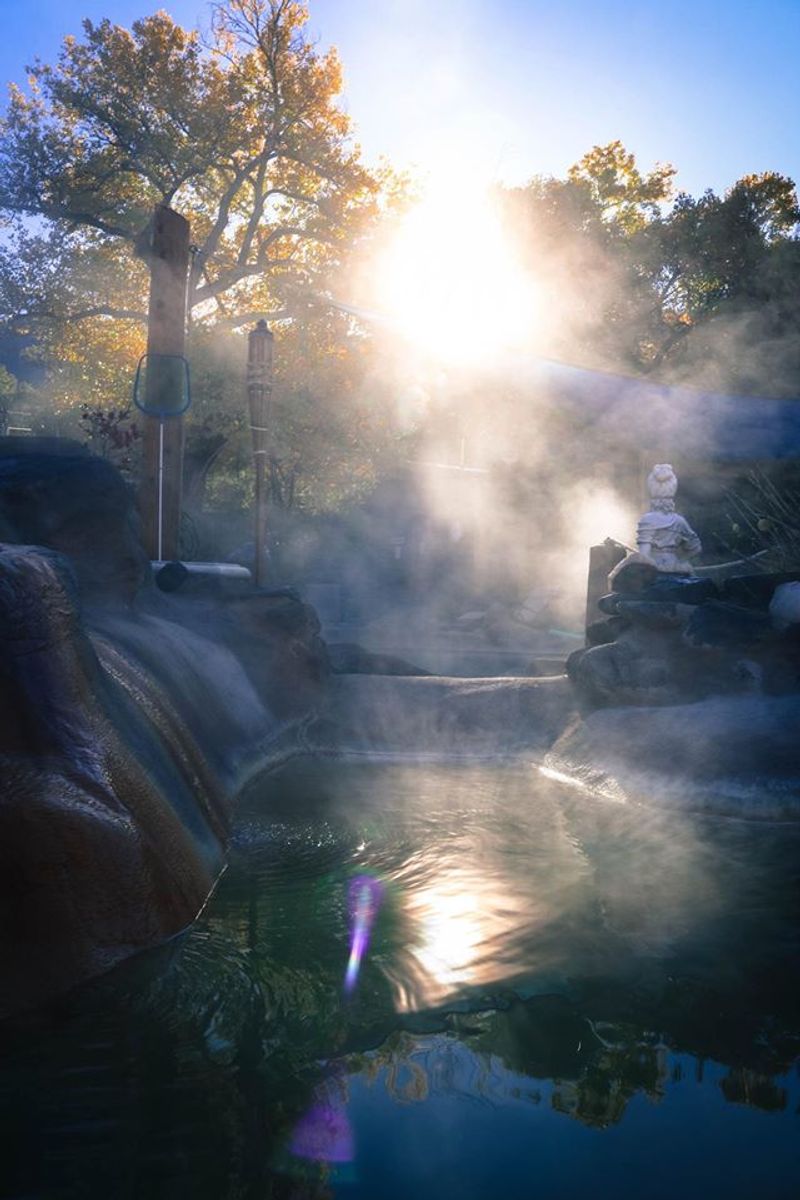
Late afternoon in a canyon is its own kind of theater. The light over Jemez Springs between four and six in the evening deserves its own dedicated fan club of its own.
As the sun drops toward the canyon rim, it catches the red and orange tones in the rock walls and amplifies them into something that looks almost too saturated to be natural, like someone turned up the color settings on the whole valley.
The steam rising from the thermal pools catches that golden light and glows softly, turning what is already a beautiful scene into something that feels genuinely otherworldly.
I sat at the edge of one of the soaking pools during this hour and watched the shadows creep across the canyon floor while the warm water held its temperature steady around me.
The Jemez Mountain Trail National Scenic Byway runs right through this area, and the view can easily make a golden-hour drive feel slower, quieter, and more cinematic, especially when the canyon walls begin to glow.
Photographers, painters, and people who just like to stare at beautiful things all find their purpose here at the same time of day.
That golden hour confirmed something I had been suspecting since I arrived: leaving this place was going to require a level of willpower I was not entirely sure I possessed.