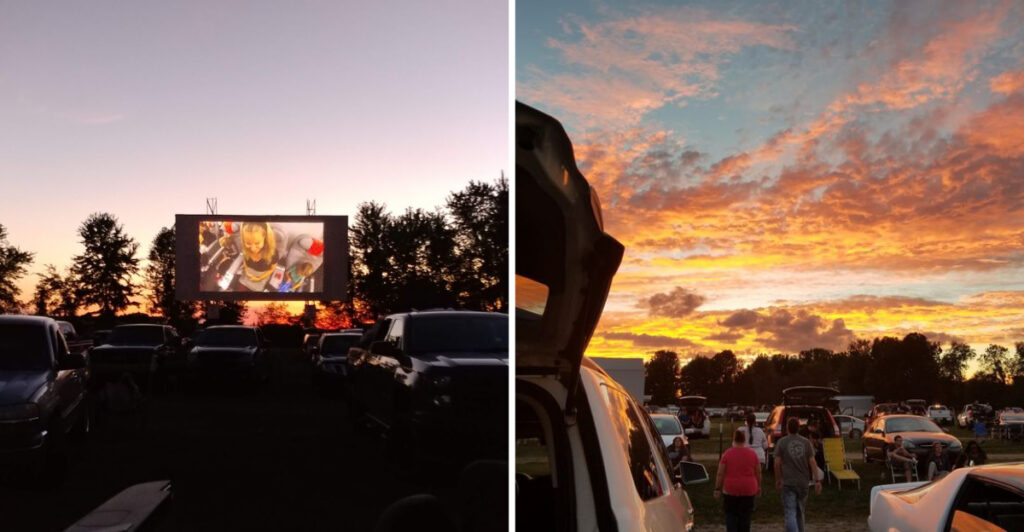
This is what movie night looked like before streaming took over.
This Indiana drive-in has been part of summer since 1955, growing from a single screen into a six-screen operation that still lights up after dark.
The setup keeps things refreshingly simple. You pull in, tune the radio, and settle in for a movie without the usual multiplex routine.
There is plenty of history behind the place, but the real appeal is how familiar the experience still feels after all these years.
A night here also gives you something a living-room screen cannot quite copy. The sky changes, the lot slowly fills, and the whole evening starts to feel like an event instead of just another movie.
That is a big part of why drive-ins still have such staying power. They turn a simple film into a summer ritual.
I’d say a warm night, a glowing screen, and nowhere else to be still make a pretty good combination.
Movie Nights Have Been Lighting Up This Field Since 1955
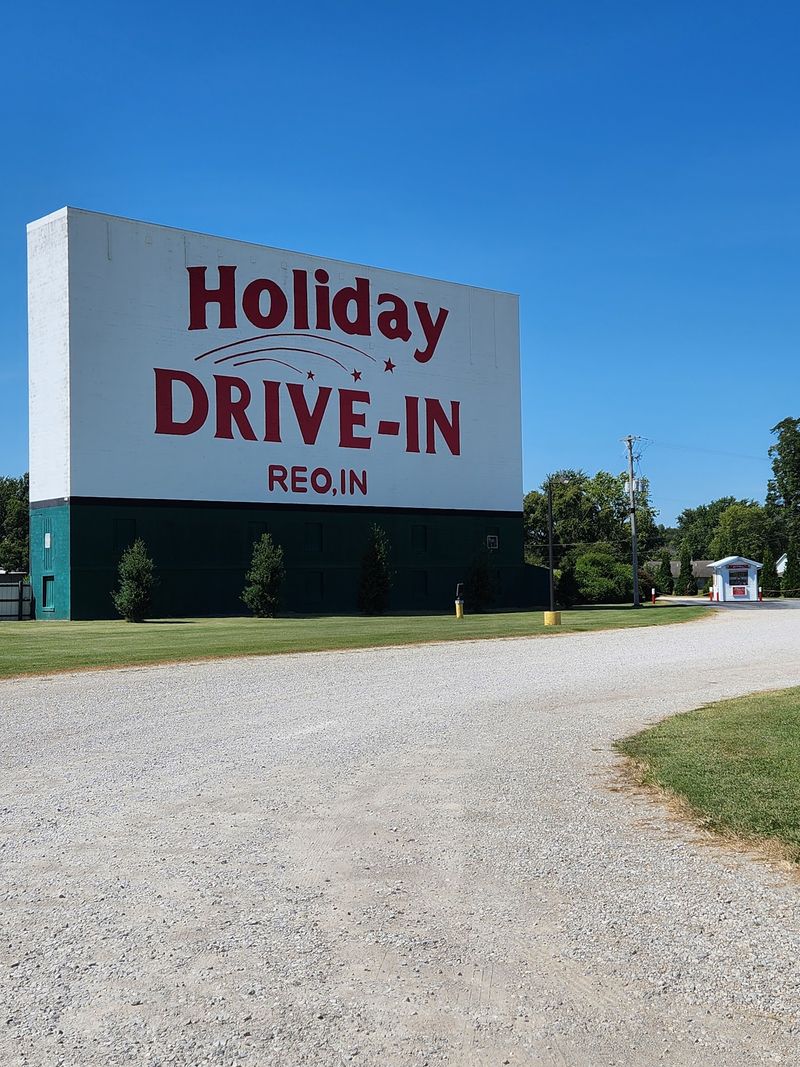
Picture a warm August evening in 1955, when this corner of southern Indiana first flickered to life. Holiday Drive-In Theatre opened on August 9 of that year with a single screen.
M. E. Renfrow and C. W. Miller of Owensboro, Kentucky were behind the original operation. Drive-ins were spreading rapidly across America at the time, and Holiday became part of that wave.
Its story was not completely uninterrupted. The theater closed for roughly four years during the 1970s before Darrell Moseley purchased the property and reopened it in 1978.
That revival became the start of another long chapter. The Moseley family expanded the theater over the following decades, eventually turning the original one-screen property into the six-screen drive-in operating today.
More than seventy years have passed since the first opening night, yet the basic ritual is still recognizable. Cars line up, visitors choose a screen, and movies begin once darkness settles over the property.
The technology and scale have changed, but you still get the experience that made drive-ins such a memorable part of summer in the first place.
One Screen Eventually Grew Into Six
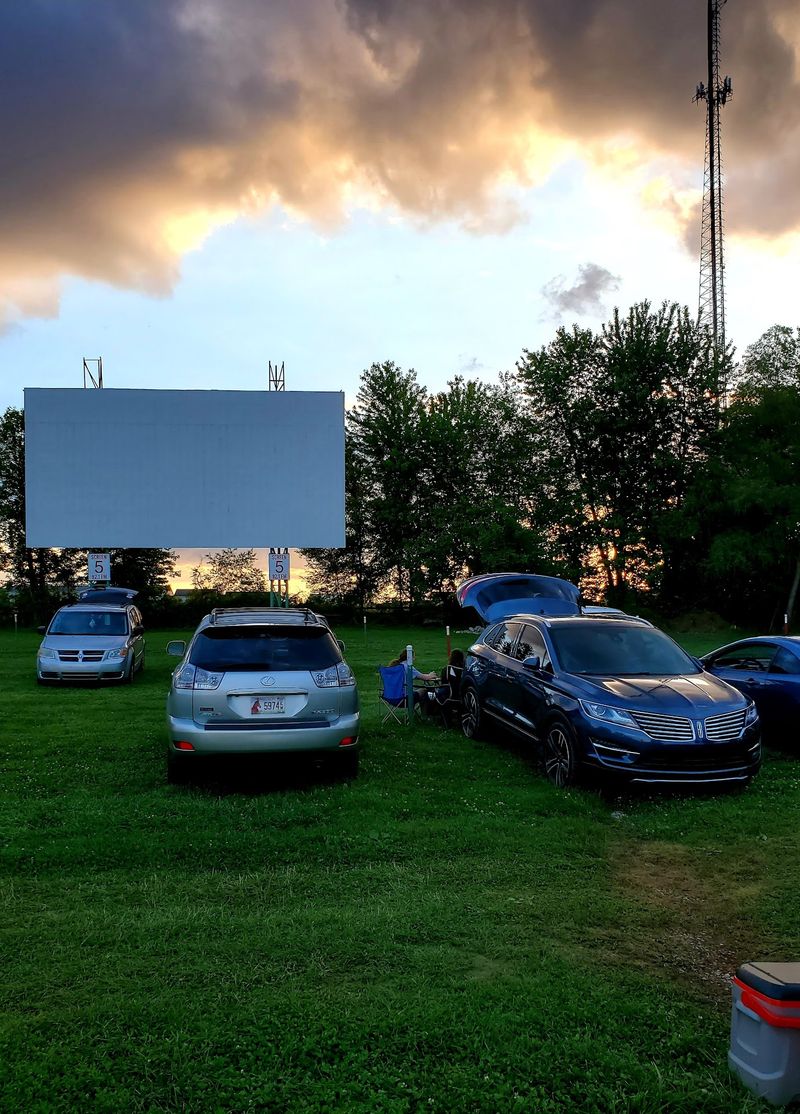
Growth came one screen at a time. Holiday started with only one, but the Moseley family gradually expanded the property after taking over in 1978.
A second screen followed around the beginning of the 1980s. Screens three and four arrived in 1992, and a fifth screen was added later in the 1990s.
The biggest recent step came in 2019, when Holiday opened its sixth screen. That addition pushed the theater far beyond the single-screen setup that greeted moviegoers in 1955.
Six screens give the drive-in room to offer several movies on the same night. The current lineup can include family films, action releases, comedies, horror movies, and other first-run titles depending on the week’s schedule.
Each screen has its own parking area and its own movie pairing when double features are scheduled. You choose the screen based on the program you want, pull into the corresponding area, and stay with that lineup for the evening.
For a drive-in that began with one screen, reaching six is a substantial transformation. The scale has changed dramatically, but the experience still starts with the same decision: pick a movie, find your spot, and wait for the screen to light up.
Every Screen Gets Its Own Spot On The FM Dial
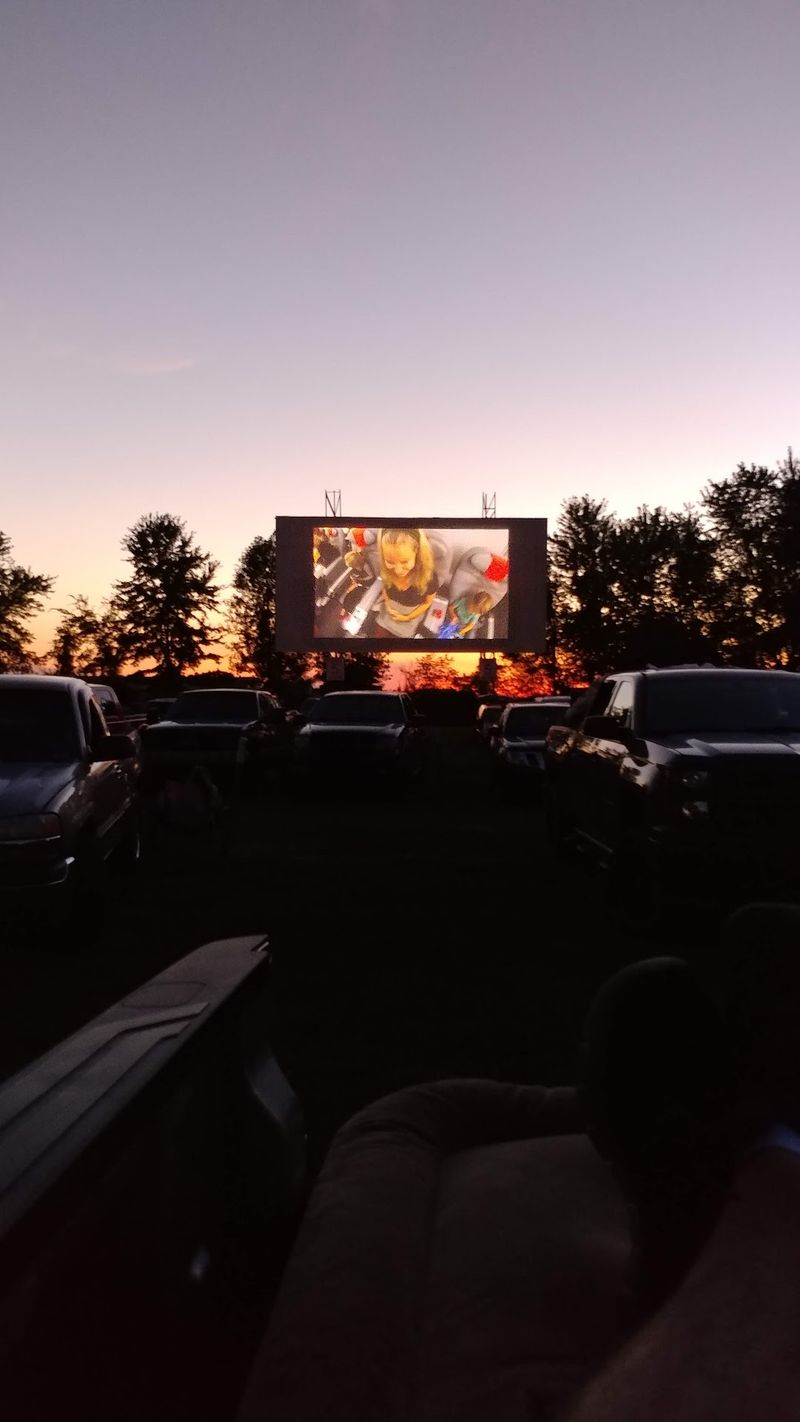
Gone are the days of relying on a metal speaker clipped to the car window. At Holiday, movie sound comes through FM radio.
Each of the six screens has its own frequency. The current channels are 88.1, 88.7, 89.1, 90.1, 92.1, and 95.5 FM, giving every screen a separate audio feed.
Once you reach your parking area, you tune a car radio or portable FM radio to the frequency assigned to that screen. That puts dialogue, music, and effects right inside the vehicle.
A portable battery-powered radio can be useful if you prefer to sit outside the car or want to avoid relying on the vehicle’s electrical system for an entire feature.
The FM setup also lets you control the volume from your own radio.
Because every screen broadcasts separately, checking the correct frequency is part of getting settled before the previews begin.
It is a modern solution inside a very old-school form of entertainment. You still watch a giant outdoor screen through the windshield, but the soundtrack comes through equipment you already brought with you.
Friday And Saturday Nights Come With A Second Movie
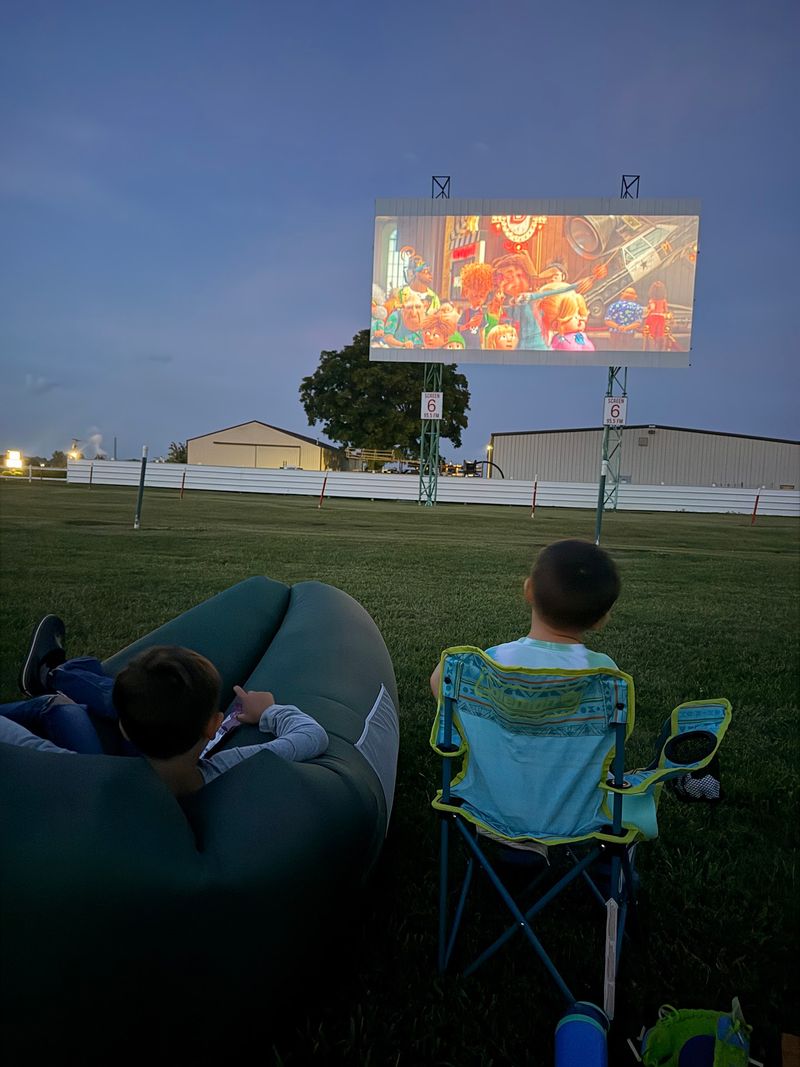
Two movies in one night are still part of the weekend routine here. For the 2026 season, Friday and Saturday programs are scheduled as double features.
That means your screen keeps going after the first movie ends. Once the credits roll, there is time for a break before the second scheduled feature begins.
Sunday works differently. The current Sunday schedule uses a single feature, making it the shorter option if you do not want to stay for a full double-header.
The distinction makes choosing your night part of the planning. Friday or Saturday gives you the classic long drive-in evening, while Sunday keeps the outing more compact.
If you are bringing younger children, the timing matters even more because the second movie naturally runs later into the night. Blankets, pillows, and comfortable clothes can make the car easier to settle into once the first feature is over.
Holiday began its 2026 season on May 1, then continued with weekend movie schedules as warmer weather returned to southern Indiana.
Movie combinations change, so the screen you choose will depend on what is playing that particular weekend. Checking the current program before you leave keeps you headed toward the right screen once you arrive.
Friday and Saturday are the nights to choose when one movie simply does not seem like enough.
Two Concession Stands Keep The Popcorn Within Reach
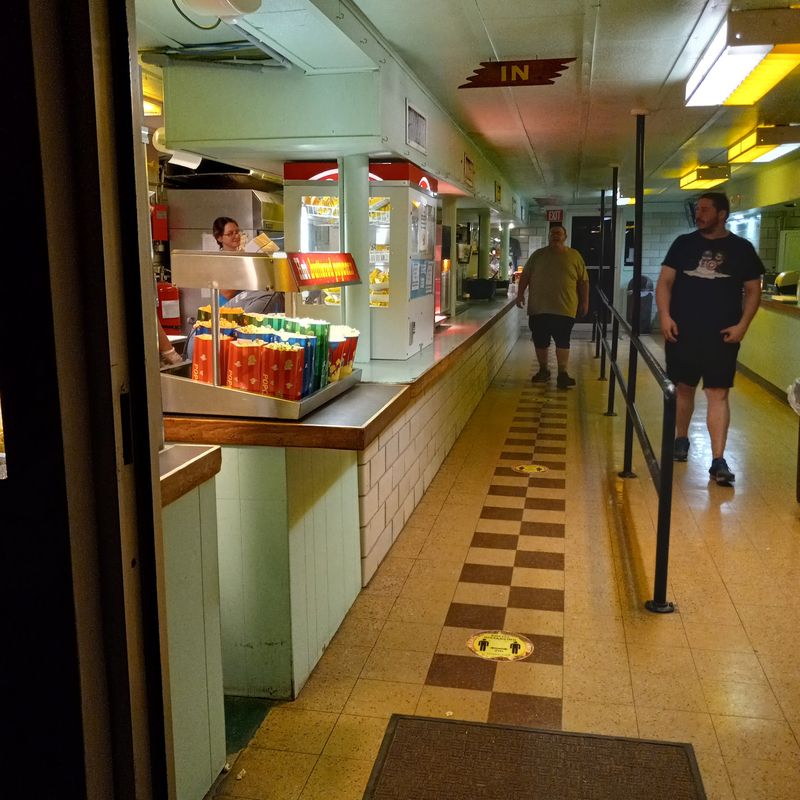
The smell of popcorn belongs at a drive-in, and Holiday spreads the food service across two concession stands.
The main stand sits between Screens 1 and 2. A second concession area serves the back portion of the property near Screens 3 and 4, so moviegoers do not always have to cross the entire drive-in for food.
The menu sticks close to familiar movie-night favorites. Hamburgers, hot dogs, corn dogs, fries, onion rings, nachos, pretzels, pickles, popcorn, candy, ice cream bars, and sno-cones are among the current choices.
Coffee and hot cocoa are available too, which can come in handy once a warm afternoon turns into a cooler late-night showing.
With double features on Friday and Saturday, the concession stands give you somewhere to stretch your legs between movies.
You do not have to rely entirely on the concession counter, since the theater permits outside snacks and certain drinks. Still, having cooked food, candy, frozen treats, and popcorn on the property makes it easy to add the classic movie-theater part of the experience.
Both the ticket booth and concession stand now accept debit and credit cards, so you do not need to arrive carrying cash for the entire evening.
Coolers And Pets Can Come Along For Movie Night
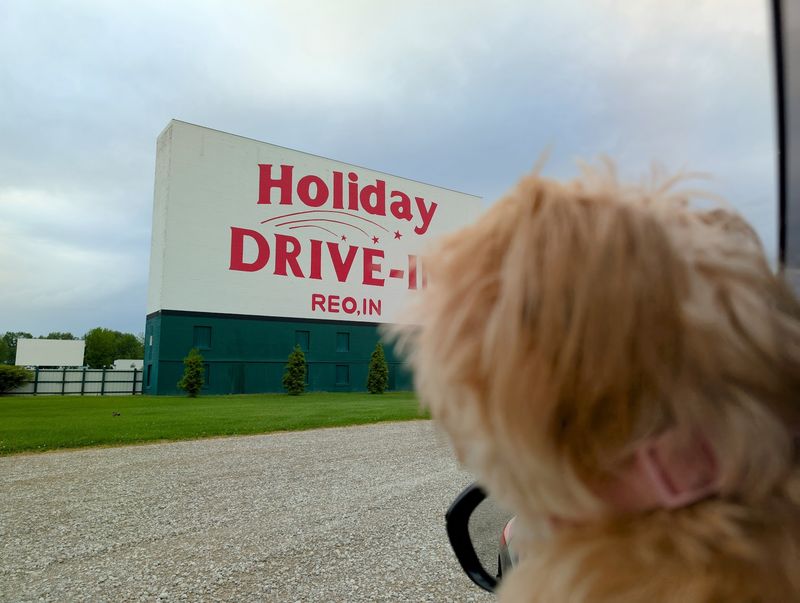
Bringing your own snacks is allowed here, which gives you plenty of room to personalize the evening. Coolers with snacks and soda can come into the drive-in with you.
There are limits. Grills and other cookout equipment are not permitted, so this is not the place to set up a barbecue beside the car.
Pets can join movie night as well. Owners need to remain with them, clean up after them, and keep them at least eight feet away from the concession stands.
That makes a little preparation worthwhile if your dog is coming along. Water, a leash, and a comfortable place to settle can make a long double feature easier for everyone.
You can also bring chairs if you would rather sit outside the vehicle. Blankets and an extra layer are useful additions once the temperature drops after sunset.
The freedom to shape your own setup is part of what separates a drive-in from an indoor theater. You can stay in the front seats, open the back of the vehicle, or arrange chairs beside it while keeping within the theater’s parking and safety rules.
Pack what makes the evening comfortable, tune the radio when the screen is ready, and let your parking spot become your movie seat for the night.
Seven Decades Later The Screens Are Still Glowing
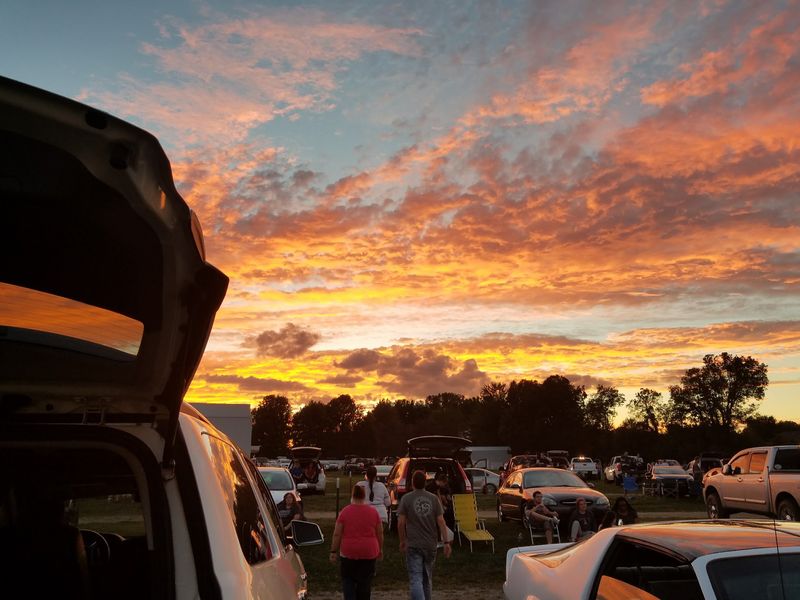
Drive-ins once dotted the American landscape, but far fewer remain today. Holiday Drive-In Theatre has survived not by staying exactly the same, but by changing enough to keep the experience going.
The original 1955 operation was interrupted by a closure in the 1970s, then Darrell Moseley’s 1978 purchase brought the theater back. The Moseley family continued expanding it, and the property eventually reached six screens.
That family connection remains part of the theater’s modern story. Tim Moseley later took over operations, and the theater remains a Moseley family operation with Brynne Moseley Henderson as a co-owner.
In 2026, Holiday is still operating as a seasonal drive-in and showing first-run movies across its six screens. Friday and Saturday bring double features, Sunday offers a single feature, and FM radio carries the sound directly to each vehicle.
You can bring a cooler, stop at one of the concession stands, or bring a pet while following the theater’s rules. Cards are accepted at both the ticket booth and concessions, making the arrival routine easier than it once was.
You’ll find the theater at 646 N State Road 161, Rockport, IN 47635. The location is also associated locally with the Reo area, just outside Rockport.
More than seventy years after that first screen came to life, summer nights here still end the same satisfying way: parked under an open sky with a movie glowing straight ahead.