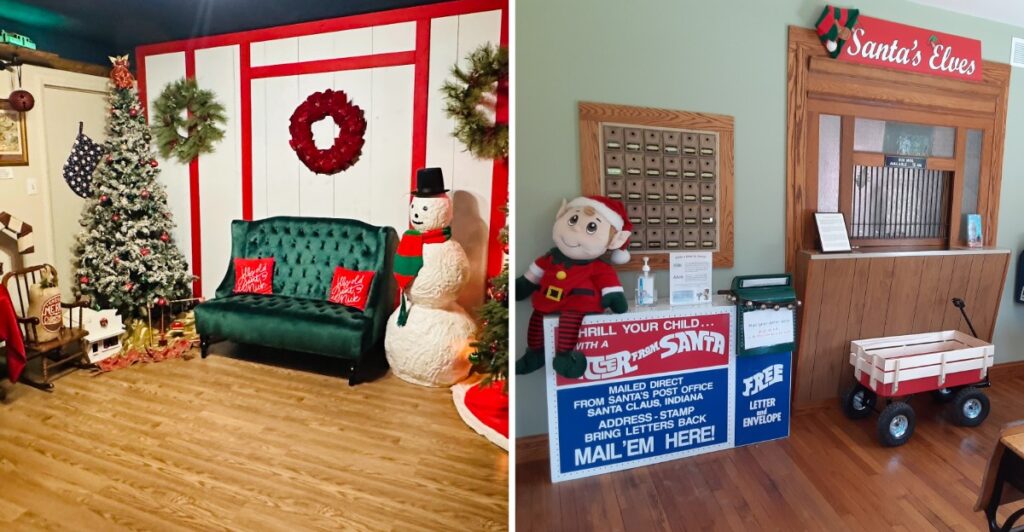
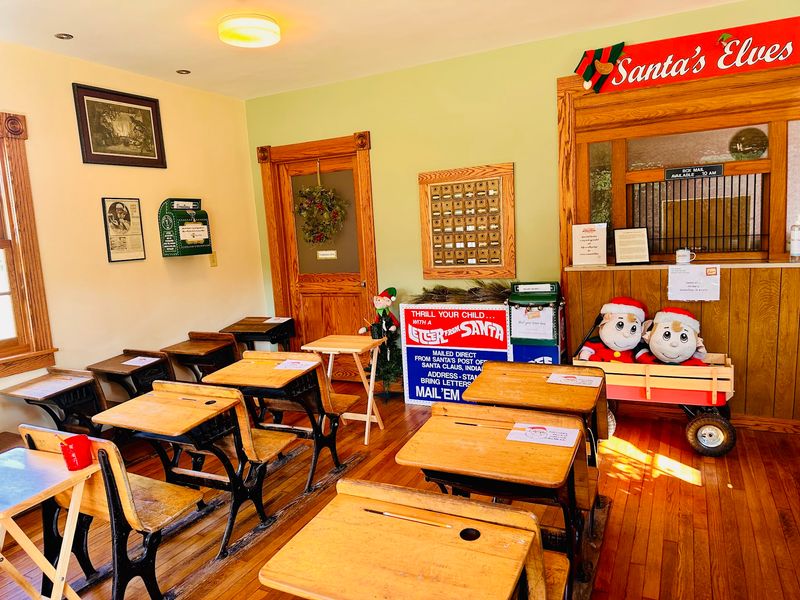
Kids sit at old wooden school desks, write their Christmas wishes, drop the letters in a mailbox, and then jingle sleigh bells so the elves know mail has arrived. Santa writes back in December.
Those desks sit inside an original 1856 post office in southern Indiana. Next door stands a little white church from 1880, and up the hill waits a giant concrete Santa from 1935.
I love that this tradition runs on volunteers and kindness, not ticket sales. Admission is free, and donations help pay the postage on all those replies.
One letter, one jingle, and a reply that shows up when the snow starts falling.
Ring The Sleigh Bells So The Elves Hear Your Letter
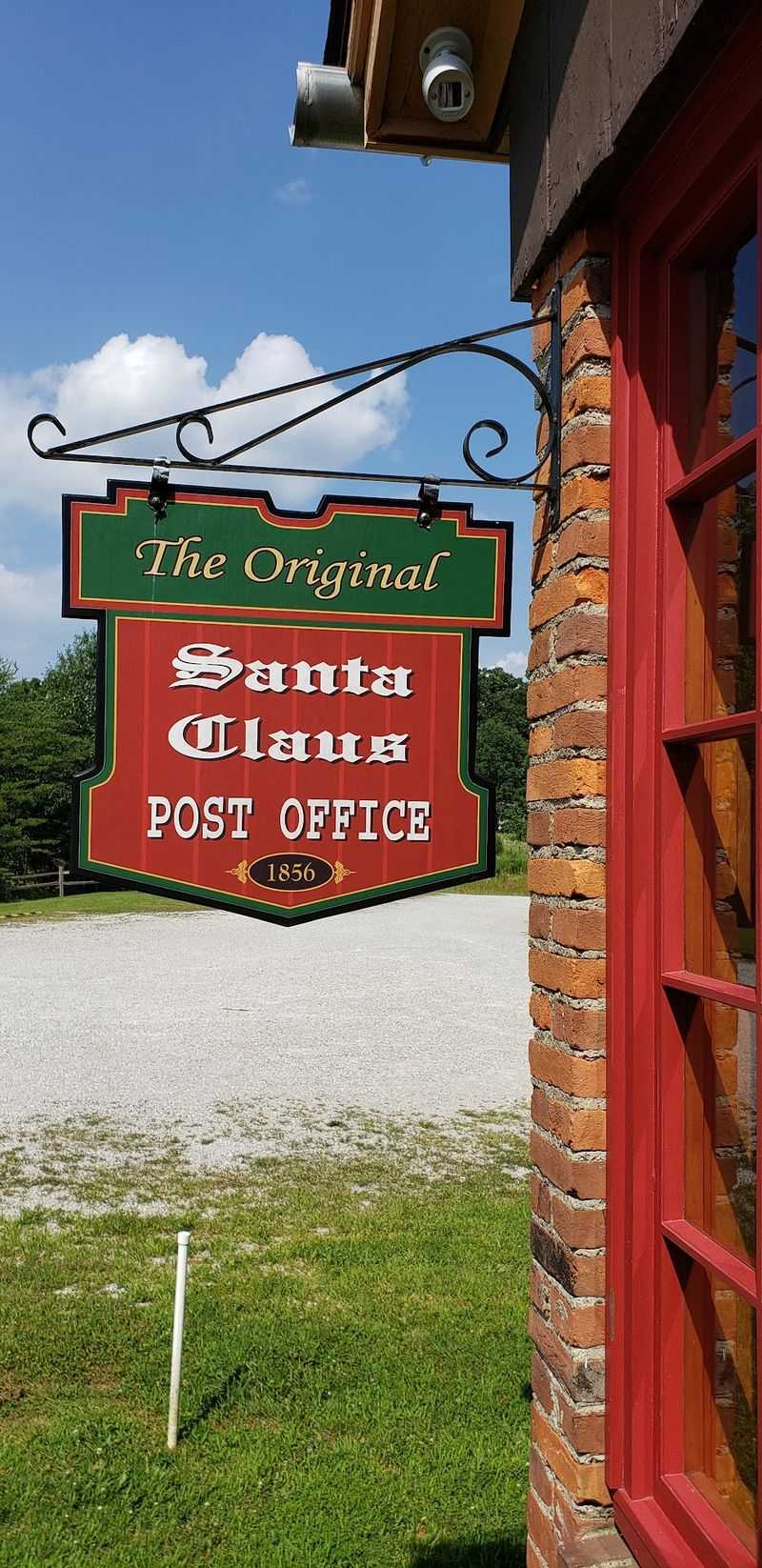
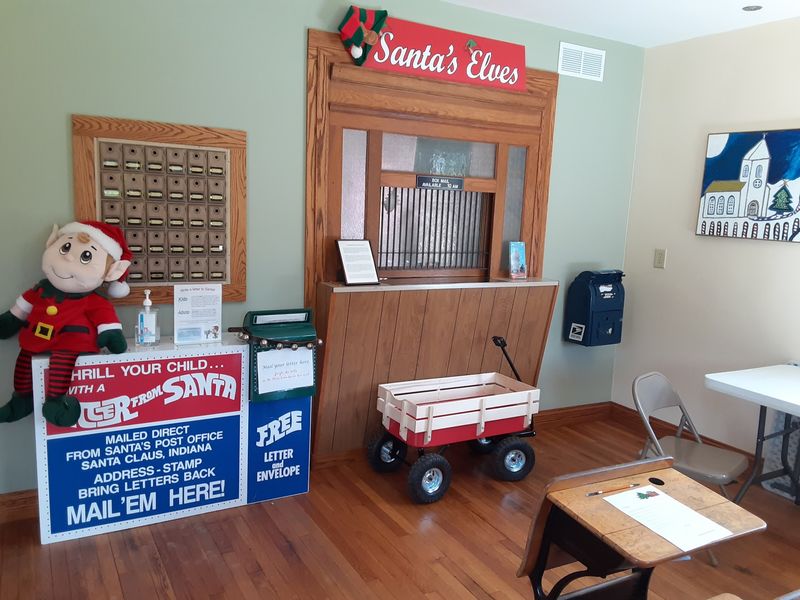
Few mailboxes come with a doorbell for elves. At the Santa Claus Museum & Village, kids finish their letters, drop them in the box, and shake the sleigh bells to signal pickup.
The whole thing happens inside the Original Santa Claus Post Office, a wooden building dating to 1856. Rows of antique school desks fill the room, so it feels a bit like a tiny old classroom. Writing a note to Santa suddenly feels official.
Staff in the museum hand out letter paper and simple instructions before you head over. The most important step is easy to forget, so write a clear return address on the letter. Without it, the elves have nowhere to send Santa’s answer.
Replies go out in December, which makes a summer visit extra fun. Your child gets a surprise months later, right when the holidays start feeling real. That slow wait is part of the charm.
The post office is also decorated with Christmas trees holding handmade ornaments sent in by children. Look closely at the mailboxes, too. Little elves and tiny packages dress them up in true North Pole style.
Meet The Volunteers Who Answer Santa’s Mail
Back in 1914, a local postmaster named James Martin started answering children’s letters to Santa. He paid for the postage himself. That small kindness grew into one of the sweetest traditions in Indiana.
Today the job belongs to Santa’s Elves, a nonprofit volunteer group. Hundreds of helpers read letters from kids across the country and around the world. Each writer gets a personal reply, not a copy-and-paste note.
The Santa Claus Museum & Village serves as headquarters for this busy crew. So when your child mails a letter here, it lands right where the elves work. That’s about as close to the source as you can get.
Postage for all those replies costs real money, and the group relies on donations to cover it. A donation box even hangs inside the historic church on the grounds. Dropping in a few dollars helps another kid get a letter.
Grown-ups sometimes write in, too. Nobody checks your age at the mailbox. If you still have a wish or two, the elves are happy to read it.
Old Letters To Santa Will Tug At Your Heart
Some of the best reading in town happens behind glass. The museum displays decades of real letters written to Santa, with some going back to the 1930s and earlier.
Kids have always asked for toys, of course. But many old letters also reveal what everyday life looked like in different eras. A wish list can turn into a surprising little history lesson.
Plan to slow down here. The handwriting, spelling, and simple requests make these letters easy to linger over. Tissues might come in handy for the softer-hearted members of your group.
The museum also covers the town’s story through historical documents, photos, and artifacts. You can follow how a tiny settlement grew into a place famous for Christmas mail. There’s also a timeline that helps connect the dots.
Inside the building, keep an eye out for Santa’s office. His desk holds letters, a phone, and a nameplate, like he just stepped away. It’s a fun spot for photos and a clever reminder of why this place exists.
Blame A Rejected Post Office For The Famous Name
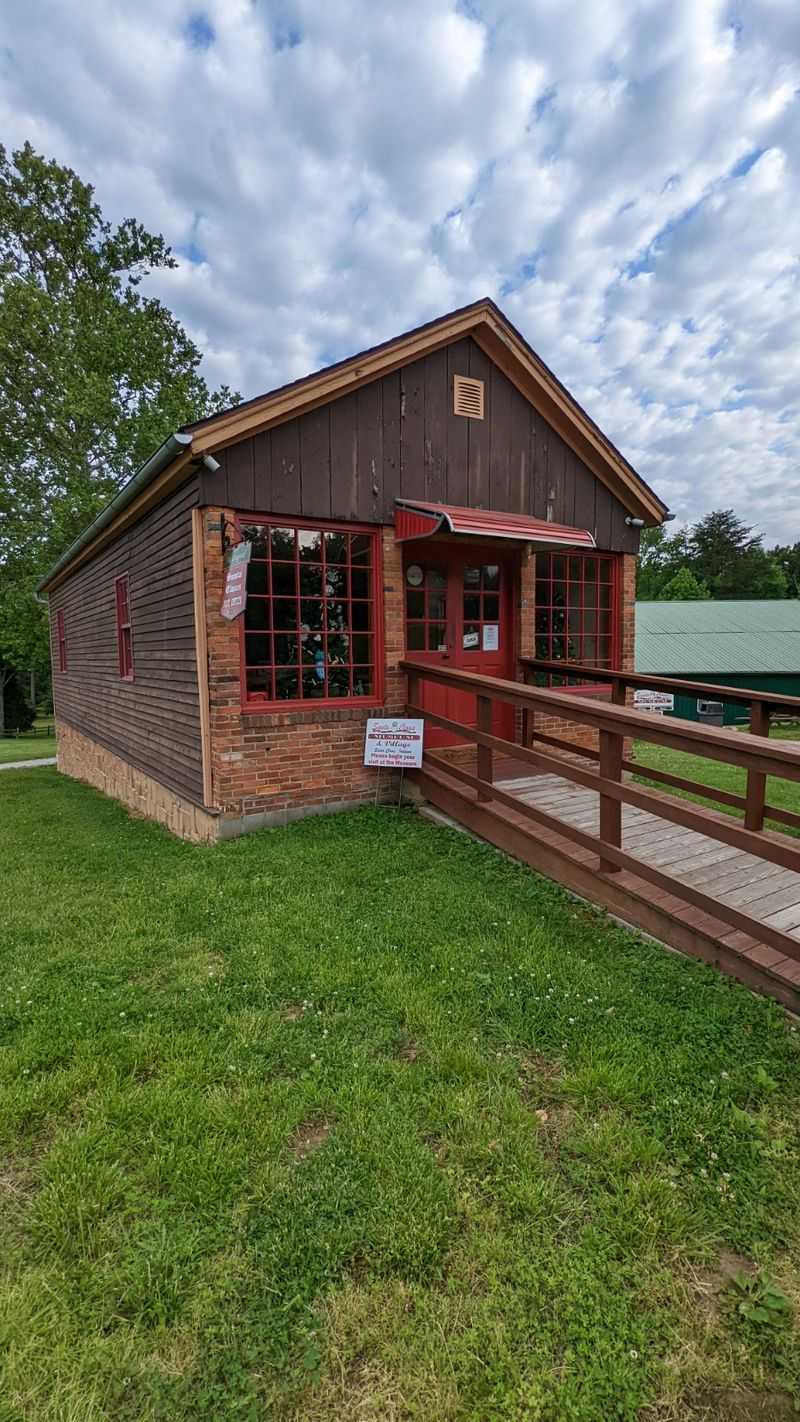
Santa Fe was the plan. Settlers founded the community in 1854 under that name, then asked for a post office. The government said no because Indiana already had a Santa Fe.
So the town needed a new name, and fast. Local legend says folks met in a log church on Christmas Eve to talk it over. Then the doors blew open and sleigh bells jingled somewhere outside.
Children reportedly shouted Santa Claus, and the idea stuck. Whether the bells were real or just a great story, the name became official. The U.S.
Post Office Department approved it on May 21, 1856.
That date matters, because the post office became the town’s ticket to fame. Once people learned a place called Santa Claus existed, letters started arriving. And they never really stopped.
The Santa Claus Museum & Village tells this tale in detail, along with the ups and downs of living in a town with such a famous name. It’s a good stop before you write your own letter. Knowing the backstory makes the whole visit click.
Climb The Hill To Say Hello To A Concrete Giant
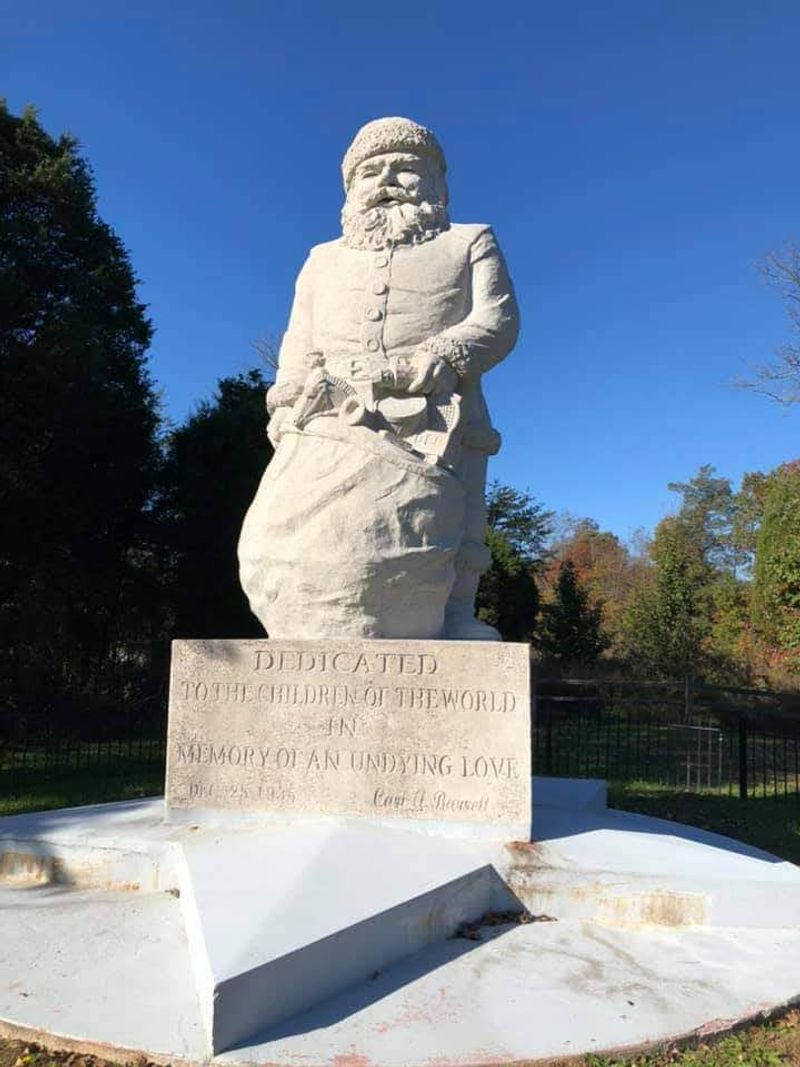
Here’s a Santa who never needs a nap. A huge concrete statue of St. Nick stands on the grounds, and it has watched over town since 1935.
The statue was dedicated that year, making it a true local landmark. It rises about 22 feet tall. That’s plenty of height for a dramatic family photo.
Look closely at the base and sides for carved words. Reading them gives you a quiet moment before the next round of pictures. It’s a nice change of pace after the busy museum rooms.
Visiting with a pup? Dogs are welcome on the outdoor grounds, so your furry friend can join the climb. Visitors bringing pets should confirm the museum’s current animal policy before entering the buildings.
Nearby, you’ll find a mistletoe photo setup and a wishing well. Couples can grab a smooch, and kids can toss in a hopeful coin. Between the statue and these extras, the outside spaces deserve as much time as the indoor exhibits.
Step Quietly Into A Church Built In 1880
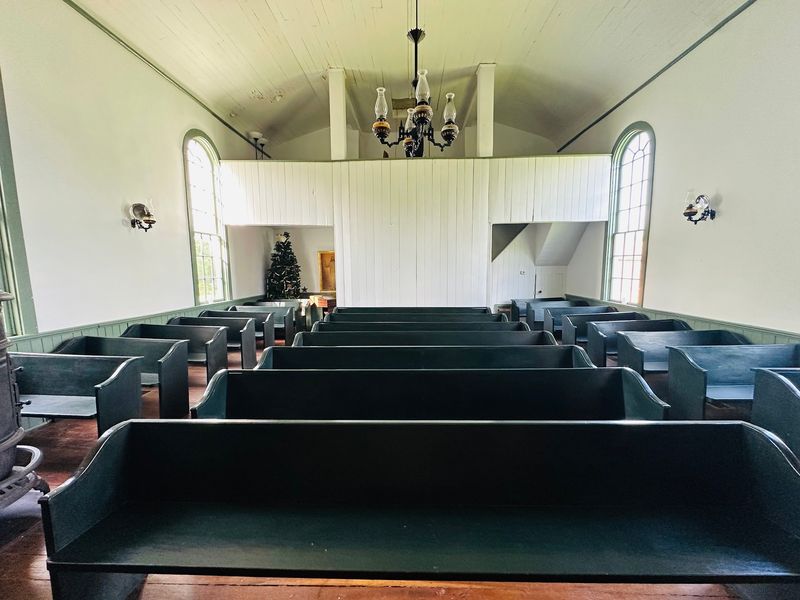
Bright white walls and pine wreaths greet you at the door of the 1880 Santa Claus Church. After all the jolly fun, this little building offers a calmer kind of holiday feeling.
The church was moved to the village from another spot. It still keeps most of its original furnishings. Old wall lanterns and a wood stove help show how worship looked long ago.
Inside, a nativity scene sits on the altar. Christmas trees and candles in the windows add a gentle glow. It’s a peaceful reminder of the deeper meaning behind the season.
History fans will enjoy the woodwork and craftsmanship. Kids may simply like how different it feels from a modern building. Either way, it’s worth a slow lap around the pews.
Remember that donation box on the wall. Gifts placed there help pay postage for December replies from Santa. So even a quiet moment here helps keep the letter tradition moving across Indiana and beyond.
Press A Button And Let The Trains Roll
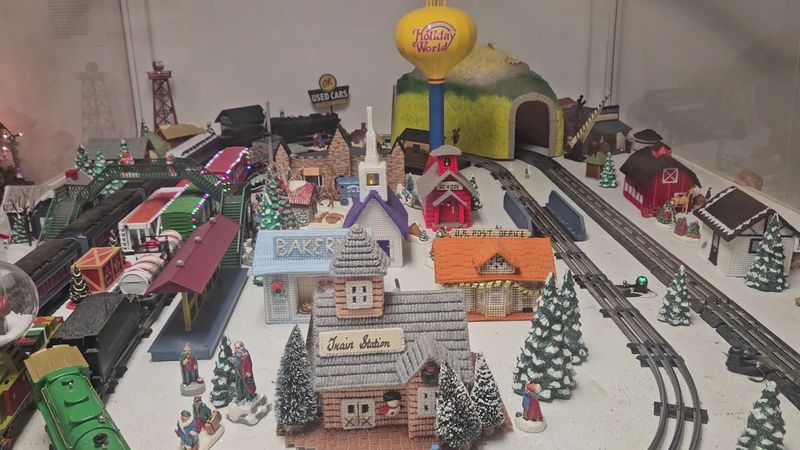
Model train lovers, this room is your happy place. The Philp Koch Memorial Train Room features vintage trains and detailed little villages.
Two big layouts take up the space. One shows a mini version of Santa Claus itself, with small copies of landmarks around town. Spotting them is like a tiny scavenger hunt.
Buttons let visitors start the trains. Kids get the thrill of being the engineer, and adults get a nostalgia boost. Nobody has to fight over who drives.
Another room is built with younger guests in mind. It has toys, hands-on activities, and even giant building bricks. Christmas movies often play there, which gives parents time to read old letters nearby.
A full-size sled and vintage toy displays round out the experience. The museum covers three rooms, so it’s easy to see without wearing out little legs. Most families can explore it all in about an hour, then head outside for more.
Check the museum’s website before visiting to confirm which exhibits and activities are available.
Free Admission Makes This Stop An Easy Yes
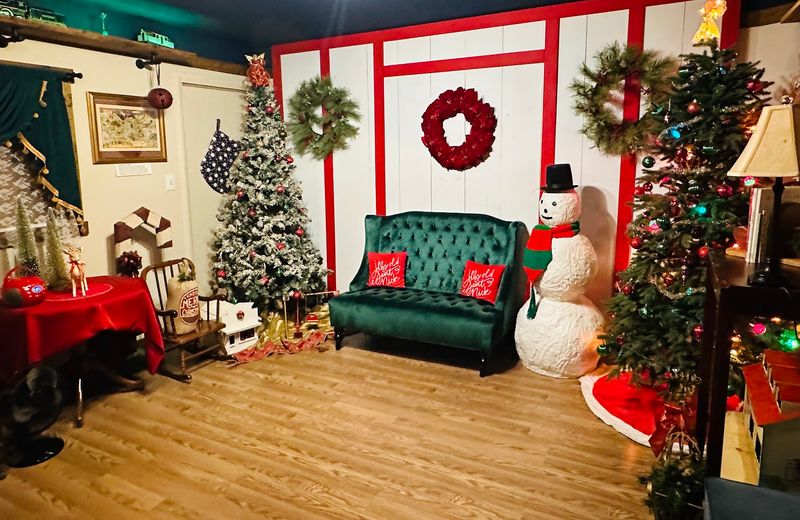
Good news for your wallet: entry costs nothing. The Santa Claus Museum & Village operates on donations, so families can explore without buying tickets.
You’ll find it at 69 IN-245, Santa Claus, IN 47579. The museum is open year-round, though hours can shift by season. Check before you go, especially around holidays.
Plan on at least an hour to see the museum, post office, church, and statue. Bigger history buffs may want more time. Small children do best with a little supervision, since the museum holds plenty of delicate items.
A gift shop sits right in the middle of the museum. Shelves hold shirts, books, postcards, and local handmade ornaments. Some families pick an ornament as a yearly reminder of their trip.
The shop also sells novelty Santa bucks, a fun stocking stuffer for kids. A small purchase helps support the museum, too.
Because admission is free, spending a little here feels like a fair trade for so much holiday cheer.