Eastern Indiana has a surprise waiting, and it is the kind that makes a perfectly ordinary weekend feel like a real adventure. Picture a stretch of highway lined with storefronts packed floor to ceiling.
Furniture, art, vintage signs, old tools, and things you did not even know you were looking for. Forty antique stores.
More than 1,000 vendors. The sheer scale of it will catch you off guard in the best possible way. Here is the thing about this place. The inventory never sits still.
Every single visit feels different, which is exactly why collectors and road-trippers keep finding reasons to come back. Indiana officially crowned this town the Antique Capital of the state.
One afternoon walking these storefronts will make it very clear why that title was never up for debate. Something on one of those shelves already has your name on it.
Story Behind Indiana’s Antique Capital
Not every small town gets to wear an official crown, but Centerville, Indiana earned its title the old-fashioned way: through decades of dedicated collecting, selling, and celebrating everything vintage.
Located in Wayne County in east central Indiana, Centerville sits along the historic National Road, one of America’s earliest major highways. That road brought pioneers, traders, and travelers through town for generations.
As those early travelers passed through, they sometimes left behind items they could not carry. Locals started collecting those pieces, and a tradition was quietly born.
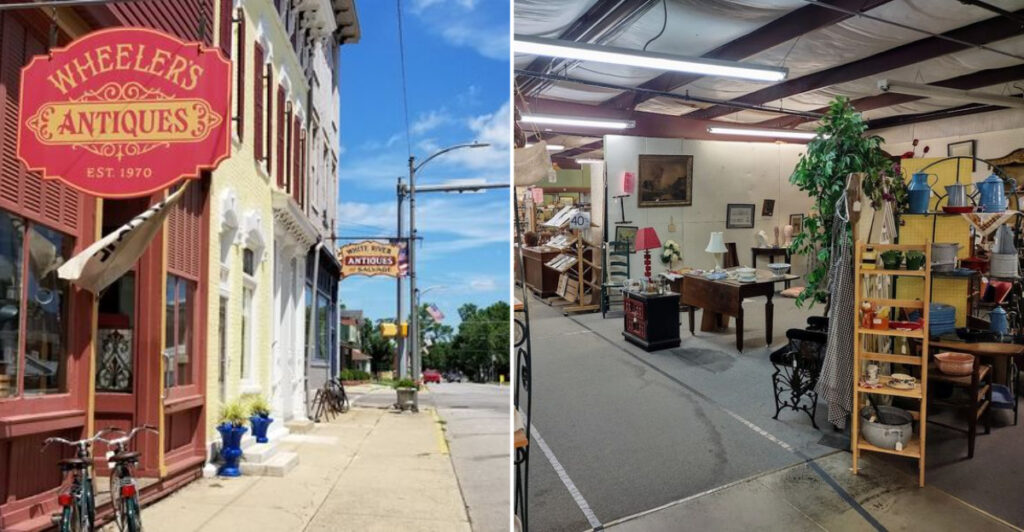
By the time the 20th century rolled around, that tradition had grown into something much bigger. Wheeler’s Antiques, established in Centerville in 1970, became one of the oldest antique businesses in the region and helped put the town on the collector’s map.
The Richmond tourism department eventually started promoting the surrounding cluster of stores as “Antique Alley,” a marketing move that brought even more visitors from across the country and Canada.
Today, Centerville is recognized as Indiana’s Antique Capital, a title that reflects real history, real commerce, and a real community built around the love of old things.
The Story Behind Antique Alley
Antique Alley did not appear overnight. It grew organically over many years, shaped by passionate dealers, curious shoppers, and a community that genuinely valued its history.
Stretching across Wayne County in east central Indiana, Antique Alley brings together approximately 40 antique stores and more than 1,000 individual vendors. That is not a typo. One thousand vendors, all within driving distance of each other.
The collection of shops runs through several small towns, with Centerville sitting right at the heart of it. Cambridge City, located just nine miles west, also plays a key role in the corridor.
What makes Antique Alley special is the variety. You will find everything from high-end Victorian furniture to vintage farm tools, old postcards, handmade quilts, and mid-century kitchen gadgets. No two stores carry the same inventory.
Visitors travel from across the United States and even from Canada to spend a day, or several days, working their way through the shops. Some people plan their entire vacation around it.
The Richmond tourism department began promoting Antique Alley more than two decades ago, and the name stuck. What started as a local secret turned into a regional attraction that keeps growing year after year.
Inside The Massive Centerville Antique Mall
Some antique stores are cozy little rooms with creaky floors and dim lighting. The Centerville Antique Mall is not that. This place is enormous, and that is putting it mildly.
Spanning between 83,000 and 85,000 square feet, the Centerville Antique Mall houses more than 500 vendor booths under one roof. To put that in perspective, that is roughly the size of a large grocery store multiplied several times over.
The building itself has a fascinating backstory. It previously served as an old casket factory, which gives the space a kind of industrial character that feels surprisingly fitting for a place dedicated to preserving the past.
Formerly known as Webb’s Antiques, the mall has been a cornerstone of Centerville’s antique scene for years. Dealers come from all over the region to set up their booths here, which means the selection is constantly rotating and refreshing.
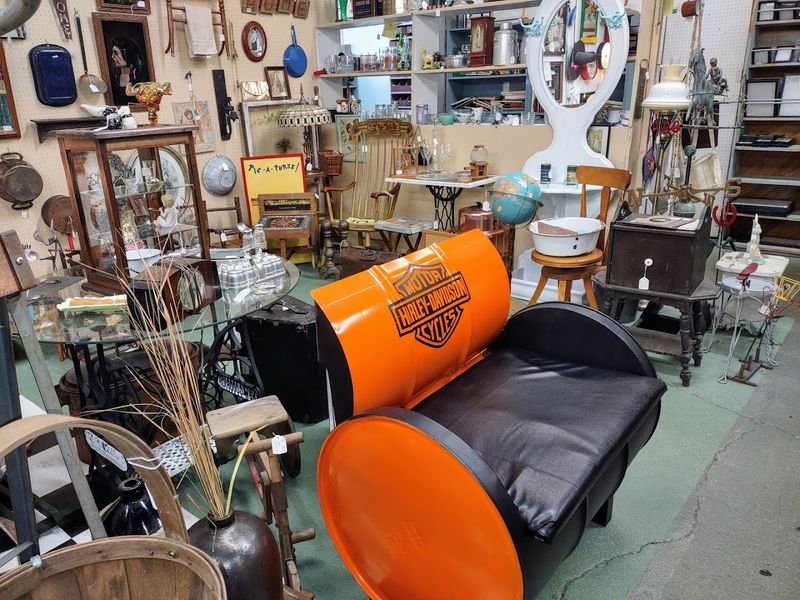
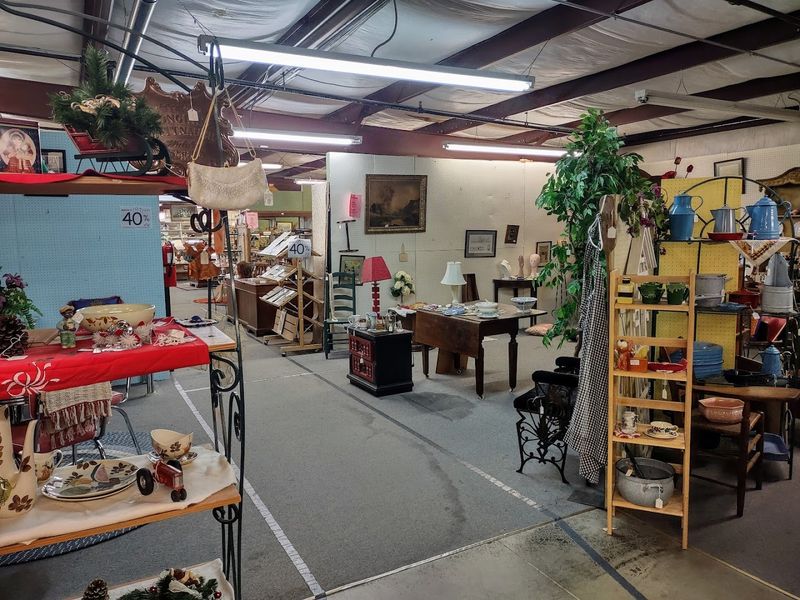
You could spend an entire day inside this one building and still not see everything. Furniture, artwork, jewelry, vintage clothing, rare books, sports memorabilia, and tools of every kind fill the space from end to end.
Walking Through Centerville’s Historic Architecture
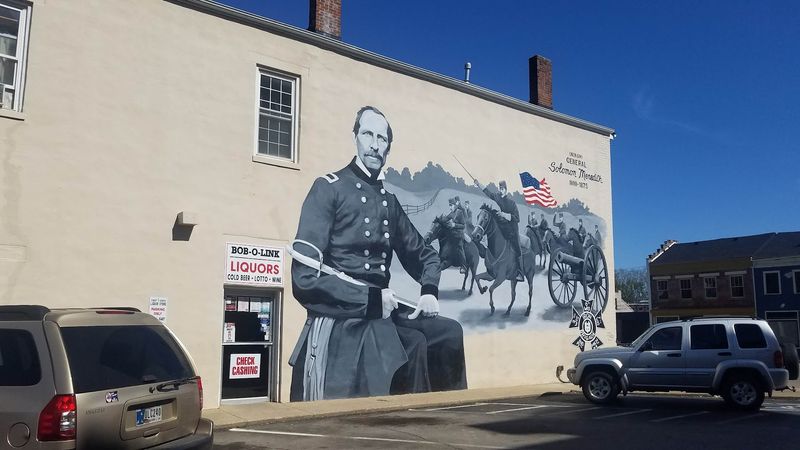
Centerville is not just a shopping destination. The town itself is a living piece of American architectural history, and it rewards visitors who slow down and look up.
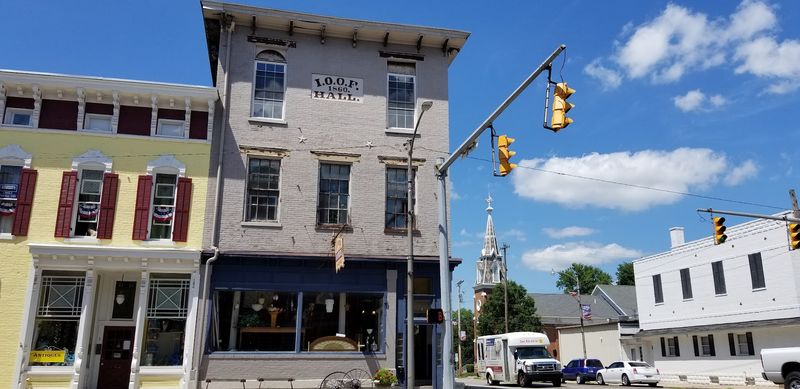
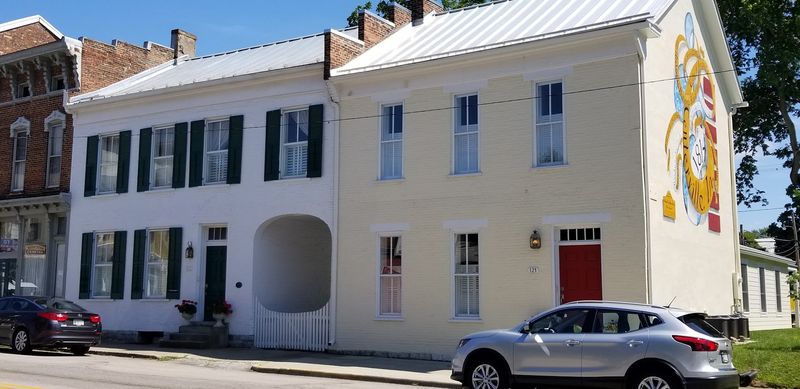
The historic district features buildings constructed in the 19th century, showcasing Federal, Greek Revival, and Italianate styles that were popular during the town’s early years of growth. These are not reconstructions. They are the real thing.
One of the most distinctive features of Centerville’s streetscape is its arched passages. These unique architectural details connect buildings and create a layered, textured look that you rarely find in small Indiana towns.
Architecture enthusiasts often say that Centerville is one of the most underrated historic districts in the entire state. That is a bold claim, but the buildings genuinely back it up.
Even if you are not someone who typically notices architecture, the scale and craftsmanship of these structures will catch your eye. The brickwork alone is worth stopping to admire.
Pair a morning of architectural exploration with an afternoon of antique shopping, and you have the kind of day that stays with you long after you drive home. Have you ever visited a small town that felt this carefully preserved?
Wheeler’s Antiques And The Pioneers Who Started It All
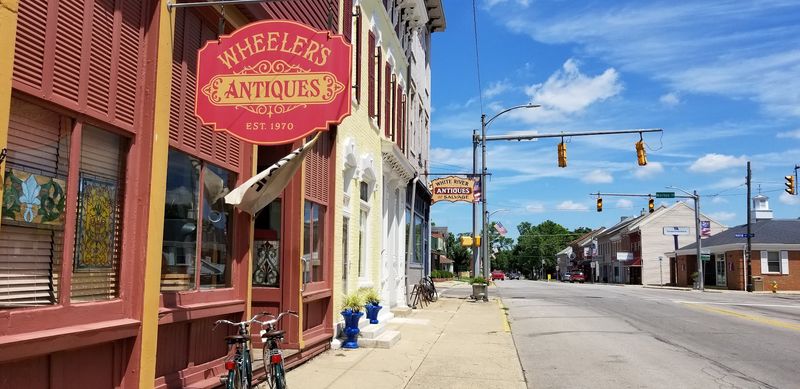
Every movement has a starting point. For Centerville’s antique scene, Wheeler’s Antiques is one of those foundational chapters that collectors still talk about today.
Established in 1970, Wheeler’s is one of the oldest and most respected antique businesses in the entire region. More than five decades of operation is no small achievement in any industry, but in the world of antiques, that kind of longevity carries real weight.
The store helped spark the local antique trend at a time when Centerville was still finding its identity as a collector’s destination. Early dealers like those at Wheeler’s proved that there was a real market for vintage goods in this part of Indiana.
Their success encouraged other dealers to set up shop nearby, which gradually created the dense concentration of stores that defines Centerville today. It is a classic example of one passionate business inspiring an entire community to follow.
Longtime collectors who have been visiting Wheeler’s for decades describe the experience with a kind of quiet loyalty that is hard to fake. They know the inventory, they know the staff, and they keep coming back because the quality stays consistent.
For first-time visitors, Wheeler’s is a great place to start your Centerville experience. It sets the tone for what antique shopping in this town is really about: knowledge, quality, and genuine appreciation for the past. What would you want to find there?
The National Road Connection That Shaped Everything
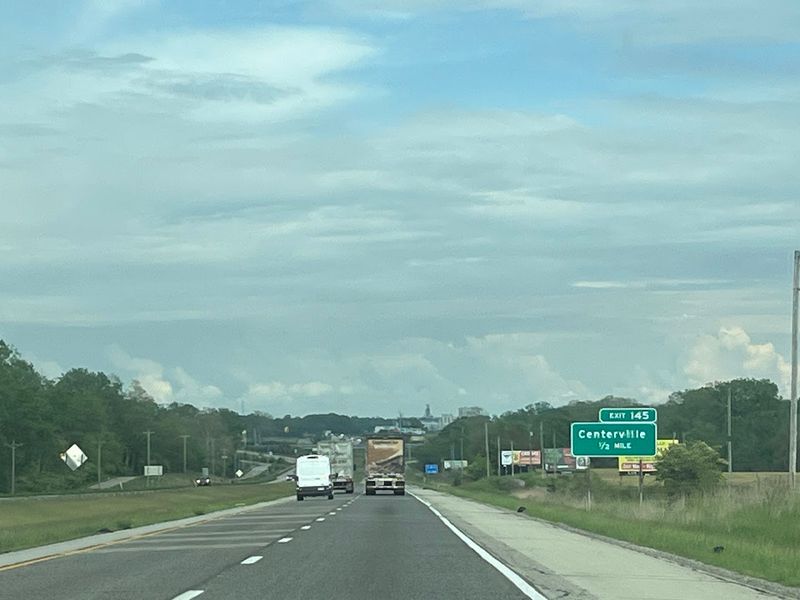
Before interstate highways, before GPS, and before rest stops with fast food chains, there was the National Road. And Centerville sat right on it.
Built in the early 19th century, the National Road was one of the first major federally funded highways in the United States. It stretched from Cumberland, Maryland all the way to Vandalia, Illinois, cutting straight through Indiana along the way.
Centerville became an important stop on that route. Travelers, merchants, and pioneers passed through regularly, bringing goods, stories, and occasionally, things they could not carry any further.
Those left-behind items became the seeds of Centerville’s antique tradition. Locals collected them, traded them, and eventually built an entire economy around the appreciation of old things.
The National Road also shaped the town’s physical layout and its architecture. The commercial buildings that line the historic district were built to serve road travelers, which is why many of them still feel so welcoming and accessible today.
Understanding this history makes a visit to Centerville feel richer. You are not just browsing antiques. You are walking the same path that thousands of Americans walked two centuries ago.
The road is still there, running through town as U.S. Route 40, and you can drive it today. How many other small towns can claim that kind of direct connection to the very foundation of American westward expansion?
Planning Your Visit To Centerville
Getting to Centerville is straightforward. The town is located in Wayne County in east central Indiana, just a short drive from Richmond, which is the nearest larger city.
From Indianapolis, Centerville is roughly an hour east on Interstate 70. From Dayton, Ohio, it is about 45 minutes west. The location makes it an easy day trip from several major Midwest cities.
Most of the antique shops along Antique Alley are open Thursday through Sunday, though hours can vary by store. It is always a good idea to check individual shop hours before planning your route, especially if you have a specific store in mind.
Weekends tend to draw the biggest crowds, which means more energy and more competition for the best finds. If you prefer a quieter experience, a weekday visit gives you more breathing room and more time to chat with dealers.
Comfortable shoes are a must. You will be on your feet for hours, and the floors in some of the larger malls cover a lot of ground.
Bring a tote bag or two for smaller purchases, and consider measuring your furniture at home before you go, just in case you spot something large that you cannot resist.
Why Collectors Keep Coming Back Year After Year
There is a certain kind of traveler who visits Centerville once and marks it permanently on their annual calendar. Ask any regular, and they will tell you the same thing: the inventory never gets old because it never stays the same.
With more than 1,000 vendors spread across Wayne County, the turnover of merchandise is constant. New dealers arrive, estate sales feed fresh stock into the market, and seasonal shifts bring different categories of items to the front.
Serious collectors often build relationships with specific dealers over time. They call ahead, describe what they are looking for, and trust that their favorite vendors will set something aside. That kind of personal connection is rare in modern retail.
Centerville also attracts a wide range of collector types. Furniture hunters, vintage toy enthusiasts, art collectors, book lovers, and people who just appreciate beautiful old objects all find something to get excited about here.
The community around antiquing in Centerville is warm and knowledgeable. Dealers are generally happy to share the history of a piece, explain its provenance, or help you figure out whether something is a genuine antique or a later reproduction.
That combination of variety, expertise, and personal service is what keeps people coming back. It is not just about buying things.
It is about the experience of discovery, the thrill of finding something you were not even looking for. Is there anything better than that feeling?