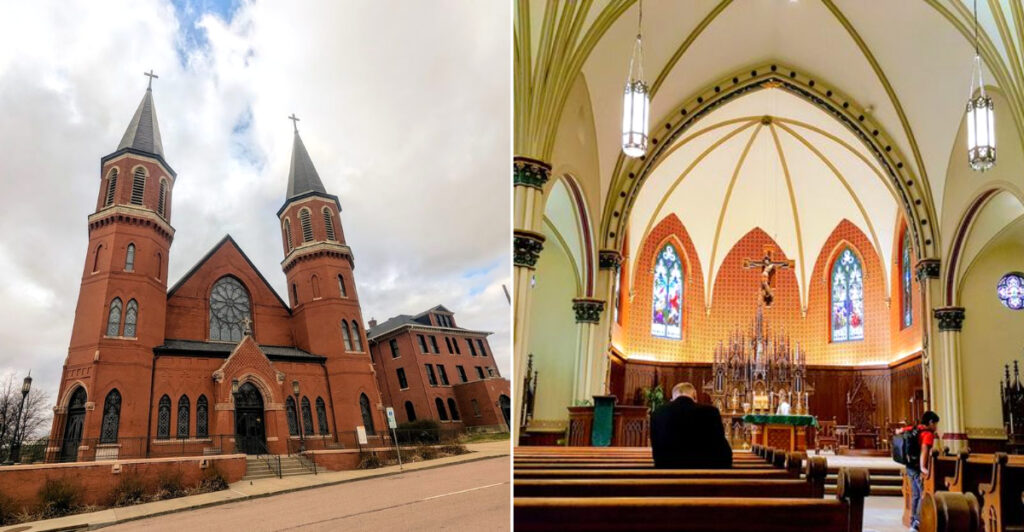
Some buildings ask for attention. This Sioux City cathedral earns it without raising its voice, drawing you in with soaring architecture, colored light, and the kind of quiet that makes your phone feel suddenly very unnecessary.
Step inside, and the pace changes. Stained glass spills color across the interior, the vaulted ceilings carry sound beautifully, and every carved detail seems to hold a little piece of the community’s story.
It is a place of worship, yes, but also a landmark for architecture lovers, history seekers, photographers, and anyone who appreciates a room that knows how to make silence feel powerful.
Nicknamed the Jewel of the Prairies, this Iowa cathedral feels less like a quick stop and more like a pause button in the middle of Sioux City.
Visit for the beauty, stay for the stillness, and leave with the rare feeling that you actually slowed down long enough to notice something special.
A First Look at the Cathedral and Its Address
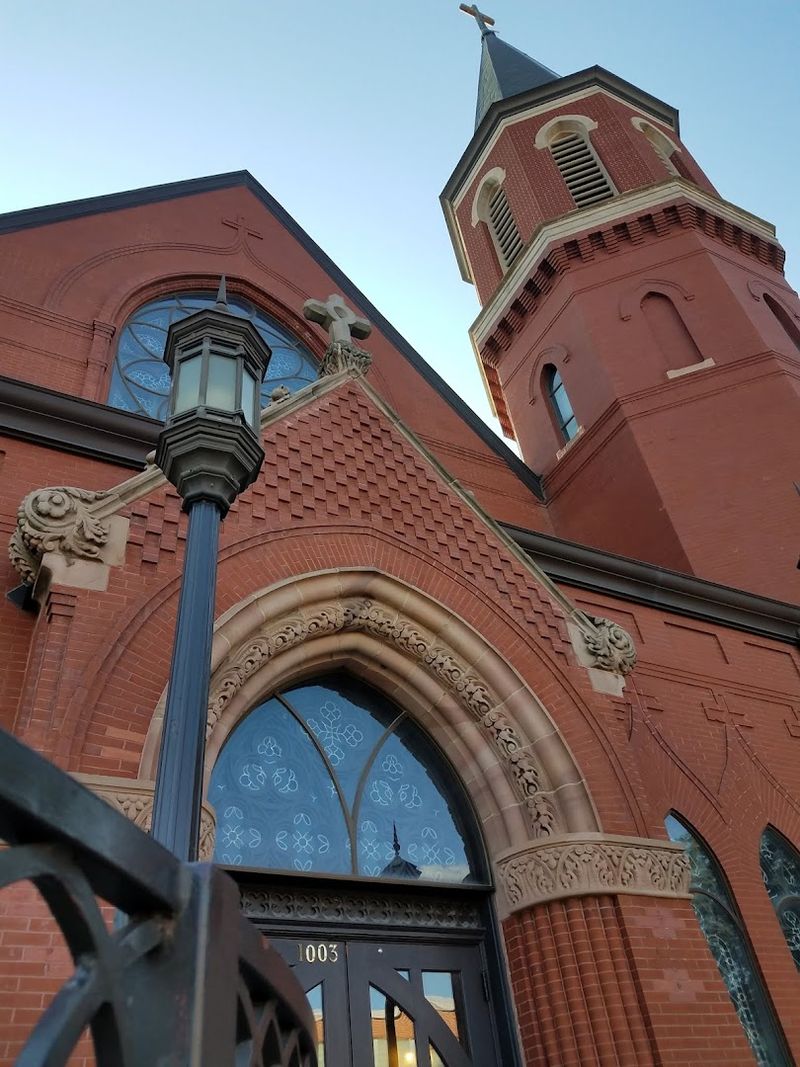
The first time I stood on Douglas Street and looked up at the Cathedral of the Epiphany, I briefly forgot whatever ordinary thought had been taking up space in my brain.
This Sioux City landmark has that effect.
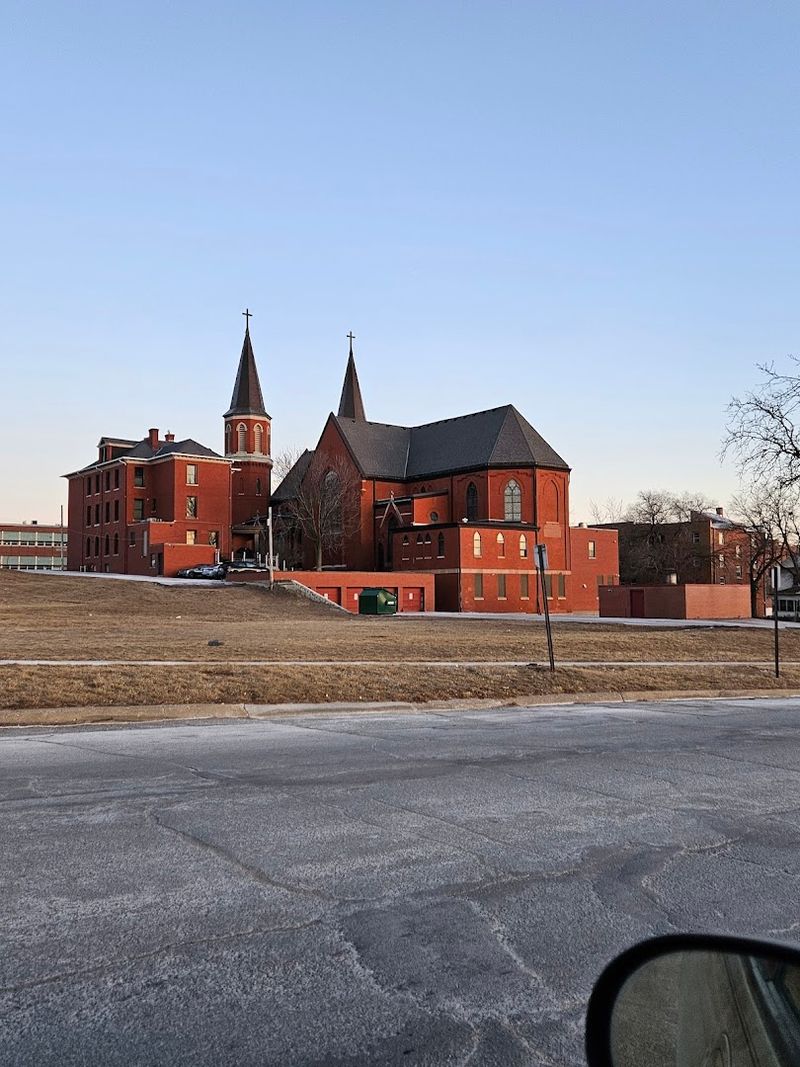
The building rises with a quiet confidence, pulling your eyes upward with its tower, arched windows, and detailed stonework that feels far too careful for the hurry of modern construction.
Nothing about it feels flashy, yet everything about it feels important.
I found myself circling slowly before going inside, partly to take in the scale and partly because the exterior deserves more than a quick glance and a phone photo taken at an awkward angle.
The front steps feel wide and welcoming, while the entrance carries a sense of grandeur that never turns cold or intimidating.
It is the kind of building that makes you lower your voice before anyone asks you to, which is usually a good sign that the architecture is doing its job.
Whether you are visiting for worship, history, photography, or simple curiosity, the cathedral makes a powerful first impression before you even reach the door.
You can find the Cathedral of the Epiphany at 1003 Douglas Street, Sioux City, IA 51105.
The History Behind the Jewel of the Prairies
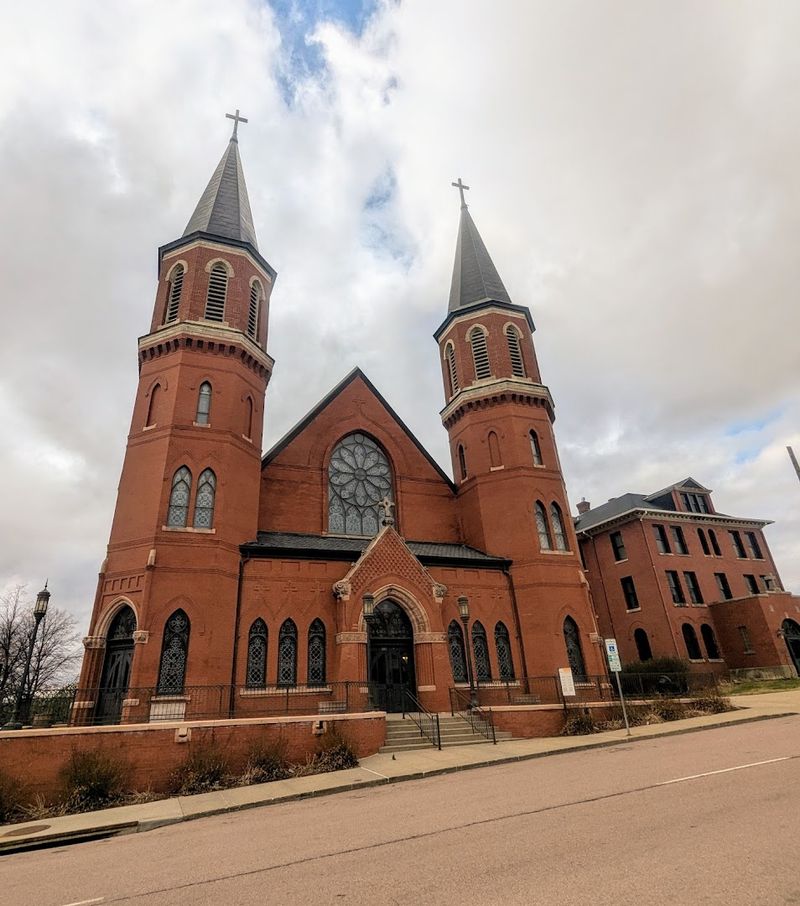
Not every building earns a nickname, but this one absolutely did.
The Cathedral of the Epiphany has long been called the Jewel of the Prairies, a title that reflects both its architectural beauty and its deep roots in the Sioux City community.
The cathedral has historically served as a home for immigrant communities as they arrived in the city, from the 19th century all the way through the 21st.
That kind of continuity is rare, and it gives the building a layered history that you can almost feel when you walk through its doors.
Families have worshipped here across multiple generations, and the cathedral has witnessed the full range of human experience, from joyful celebrations to deeply personal moments of grief and healing.
It serves as the cathedral church of the Diocese of Sioux City, which makes it the spiritual center of Catholic life in this part of Iowa.
That role comes with a weight and a responsibility that the cathedral has clearly embraced with grace over many decades of continuous service to its community.
The Interior Architecture That Stops You in Your Tracks
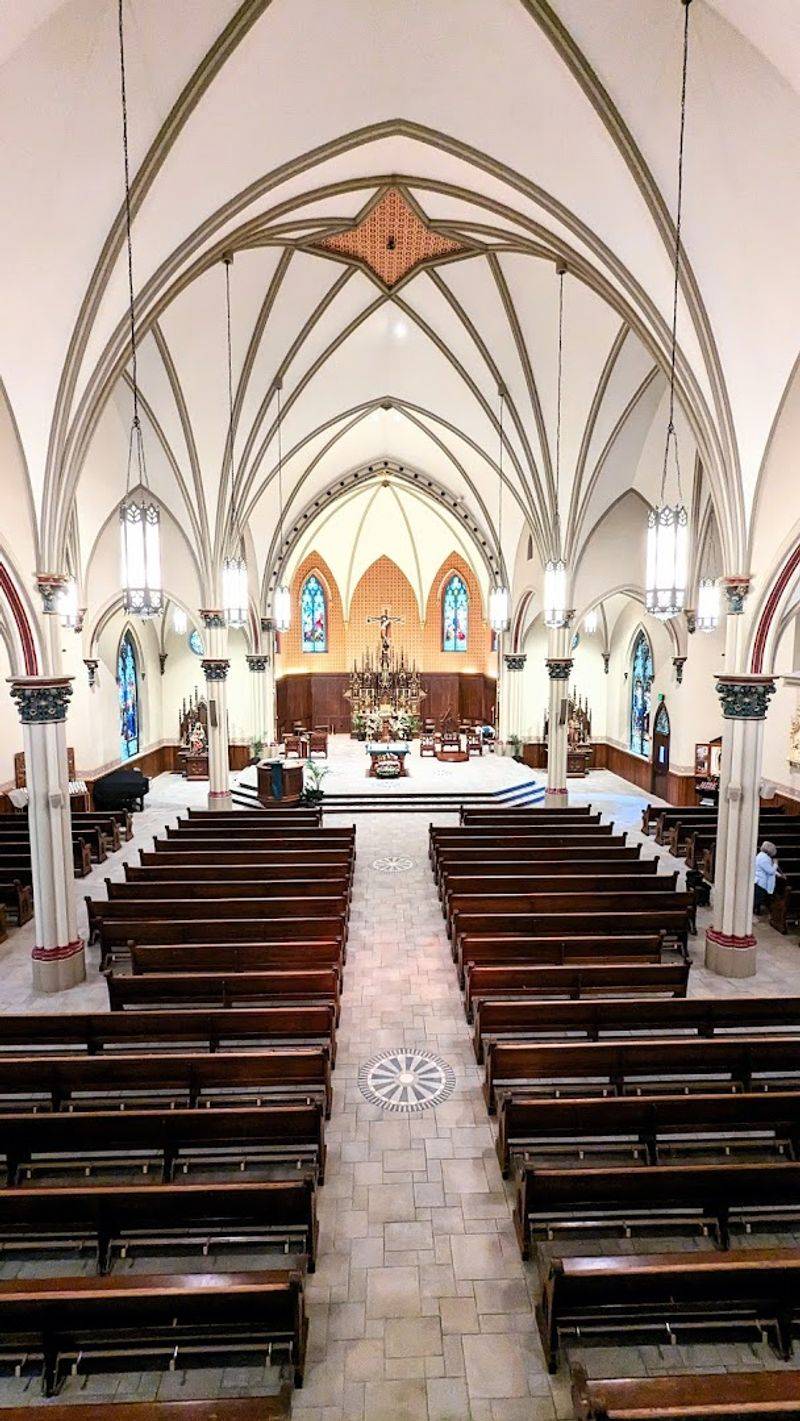
Nothing fully prepares you for what is inside.
The moment the heavy door swings open, you are met with a soaring interior that makes you instinctively lower your voice.
The vaulted ceilings rise to an impressive height, and the proportions of the nave create a sense of space that feels both enormous and deeply personal at the same time.
The woodwork in the pews is rich and warm, polished by decades of use, and the altar area is framed by architectural details that reward a slow, careful look.
Every surface seems to have been considered, from the floor beneath your feet to the arches overhead.
I spent a good twenty minutes just sitting in one of the pews and looking around, which is not something I typically do in buildings.
There is a quality to the light inside that changes depending on where you are sitting and what time of day you visit.
The whole space has a way of slowing you down and making the outside world feel very far away, which is exactly what a cathedral is supposed to do.
Stained Glass Windows That Paint the Light
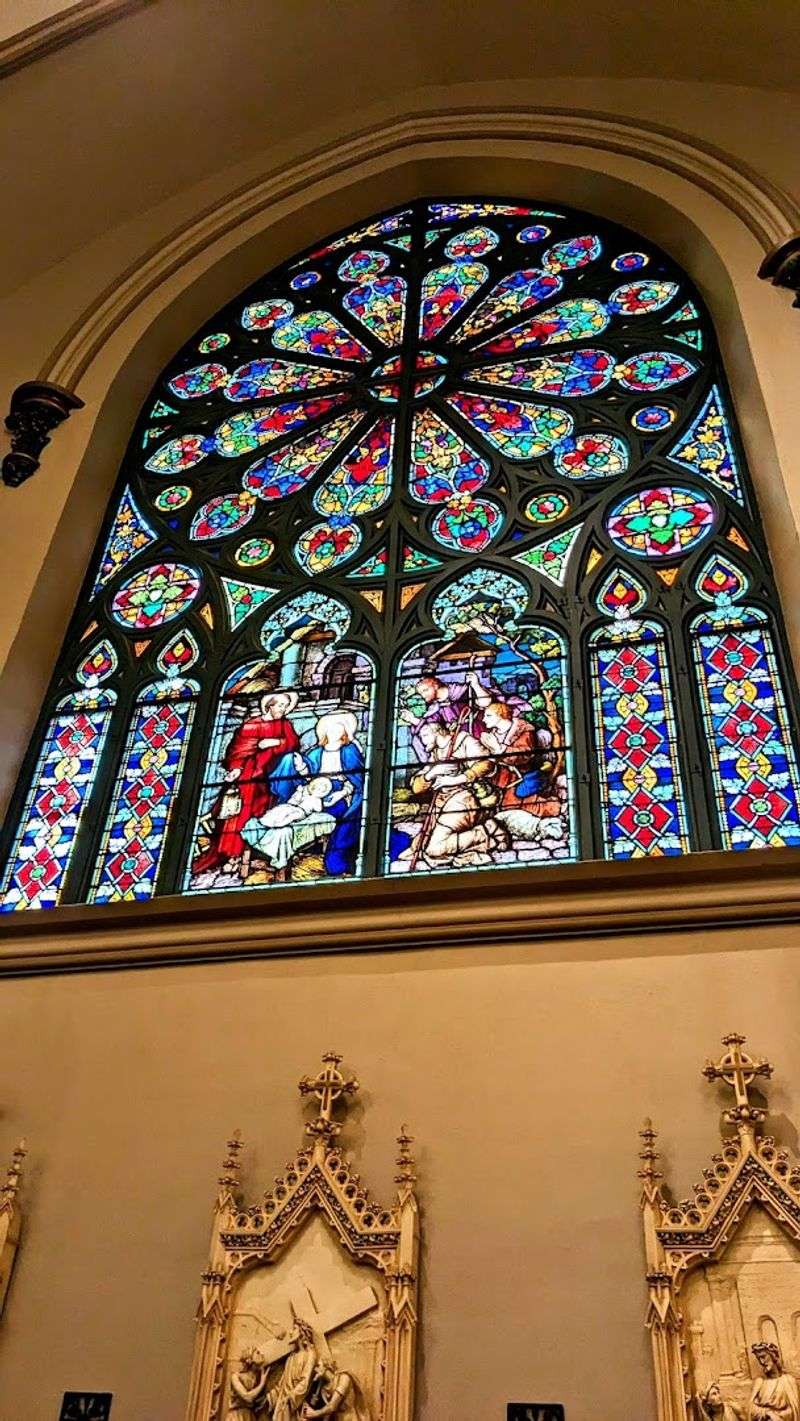
Stained glass in a cathedral is never just decoration, and the windows here prove that point beautifully.
The glass panels throughout the Cathedral of the Epiphany are rich with color, depicting biblical scenes and figures with a level of detail that takes your breath away when the sunlight hits them at the right angle.
Blues, reds, golds, and greens wash across the stone interior in shifting patterns as the day moves along, and the effect is genuinely stunning.
I visited on a morning when the sun was coming in from the east, and the light through the windows turned the whole nave into something that felt more like a painting than a room.
Each window tells a story, and even if you are not familiar with the religious narratives depicted, the artistry is impossible to ignore.
These are not mass-produced panels.
The craftsmanship is evident in every lead line and every carefully chosen shade of glass.
Photographers and art lovers would find plenty here to admire, and visiting at different times of day will give you a completely different visual experience each time.
The Acoustics That Make Music Feel Otherworldly
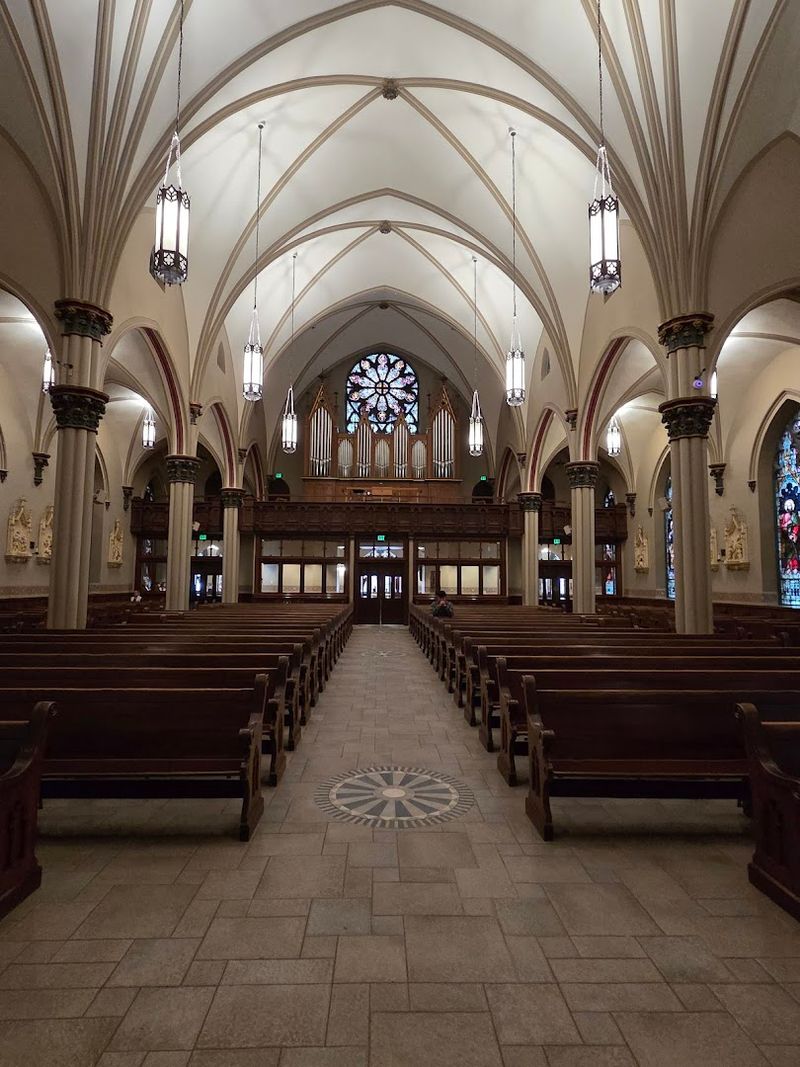
Few things reveal the true character of a space like music, and this cathedral has acoustics that are genuinely extraordinary.
The high vaulted ceilings and stone surfaces create a natural reverb that gives every note a warmth and depth that you simply cannot replicate in a modern building.
Choir performances here have reportedly left audiences stunned, and I can completely understand why after spending time inside.
Even the simple act of a single voice speaking during mass carries a resonance that feels amplified and clarified by the architecture itself.
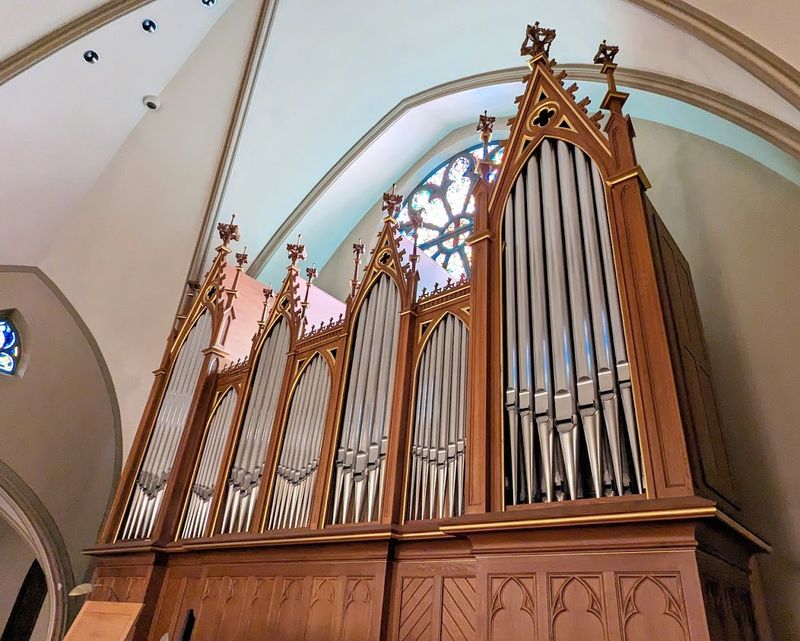
The cathedral has hosted choir performances and musical events over the years, and the building essentially functions as its own instrument in those moments.
If you ever have the chance to attend a mass or a musical event here, do not pass it up.
The combination of the visual beauty and the sonic environment creates an experience that is genuinely hard to find anywhere else in the region.
Sound and space come together here in a way that feels less like coincidence and more like the original architects knew exactly what they were doing.
Daily Mass and the Rhythm of Worship Here
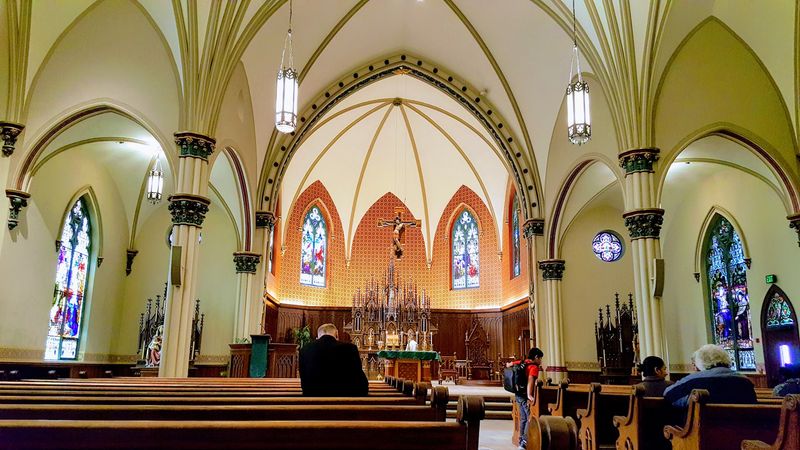
One of the things that surprised me most about this cathedral is how active it is throughout the week.
Mass is offered regularly, with weekday noon Mass in English and a 5:30 PM Mass in Spanish from Monday through Friday.
There is something quietly moving about watching a midday mass draw people who have stepped away from their regular schedules to be present in this space.
The cathedral’s current posted church hours are Monday through Friday from 10:30 AM to 12:30 PM and 4 PM to 6 PM, Saturday from 10:30 AM to 12:30 PM and 4:45 PM to 7 PM, and Sunday from 7:30 AM to 1 PM and 3:30 PM to 4:30 PM.
That schedule gives visitors several windows to stop in, whether for a full mass or just a few quiet minutes alone with their thoughts.
The staff and volunteers keep the space clean and welcoming at all times, which you notice the moment you walk in.
Regular visitors describe the community here as warm and genuine, the kind of congregation where you start recognizing faces and feeling a sense of belonging after just a few visits.
The Feeling of Peace You Cannot Fully Explain
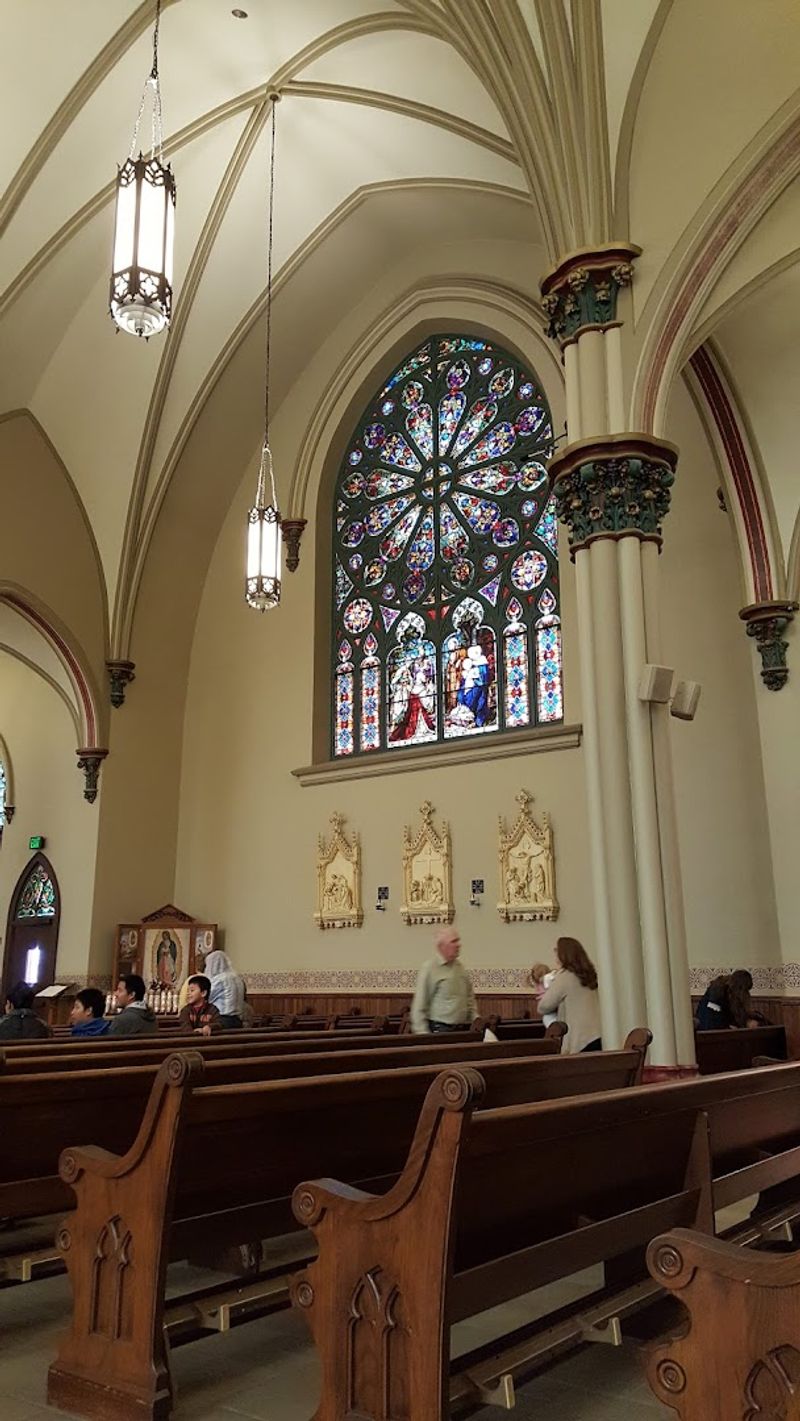
Some places carry a feeling that is hard to put into words, and this cathedral is one of them.
Multiple people who have spent time here describe a profound sense of peace that settles over them almost immediately upon entering, and I felt exactly the same thing during my visit.
It is not just the quiet, though the quiet certainly helps.
There is something in the combination of the light, the scale, the smell of the old wood and stone, and the sense of accumulated prayer over many decades that creates an atmosphere unlike any other.
Even if you are not religious, the space invites a kind of stillness that most of us rarely experience in daily life.
I sat near the back for a while with no particular agenda, and found myself breathing more slowly and thinking more clearly than I had in days.
The cathedral has a way of reminding you that there are things larger than your to-do list.
That kind of perspective shift, available for free on a Tuesday afternoon, might be the most underrated thing about this entire building.
Special Ceremonies and Meaningful Milestones
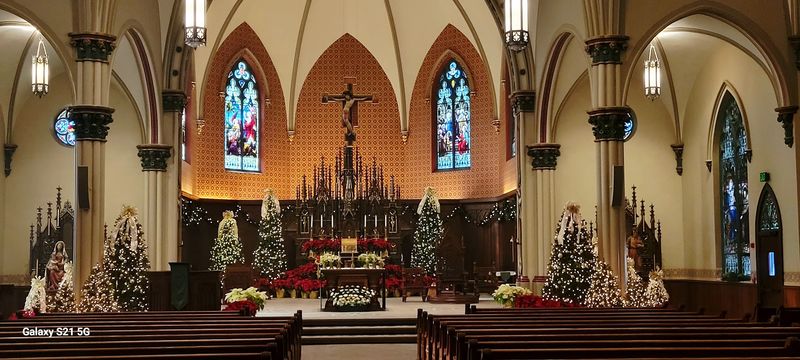
Beyond regular masses, this cathedral has been the setting for some of the most significant moments in people’s lives.
Ordinations, Christmas Eve masses, All Saints Day celebrations, and deeply personal services have all taken place within these walls, and the building seems to rise to every occasion.
There is something about the scale and beauty of the space that makes ceremonies feel more weighty and more meaningful than they might in a smaller setting.
I spoke with someone who attended a deacon ordination here, and the way they described it made clear that the cathedral itself played a role in the experience, not just as a backdrop but as an active participant in the solemnity of the day.
Christmas Eve mass here has been described as truly special, the kind of service that brings back memories of childhood and creates new ones at the same time.
The cathedral handles these high-attendance events with ease, its generous size allowing large gatherings to feel comfortable without losing any of the intimacy that makes worship meaningful.
Every ceremony here seems to leave a lasting mark on those who attend.
The Cathedral as a Community Anchor
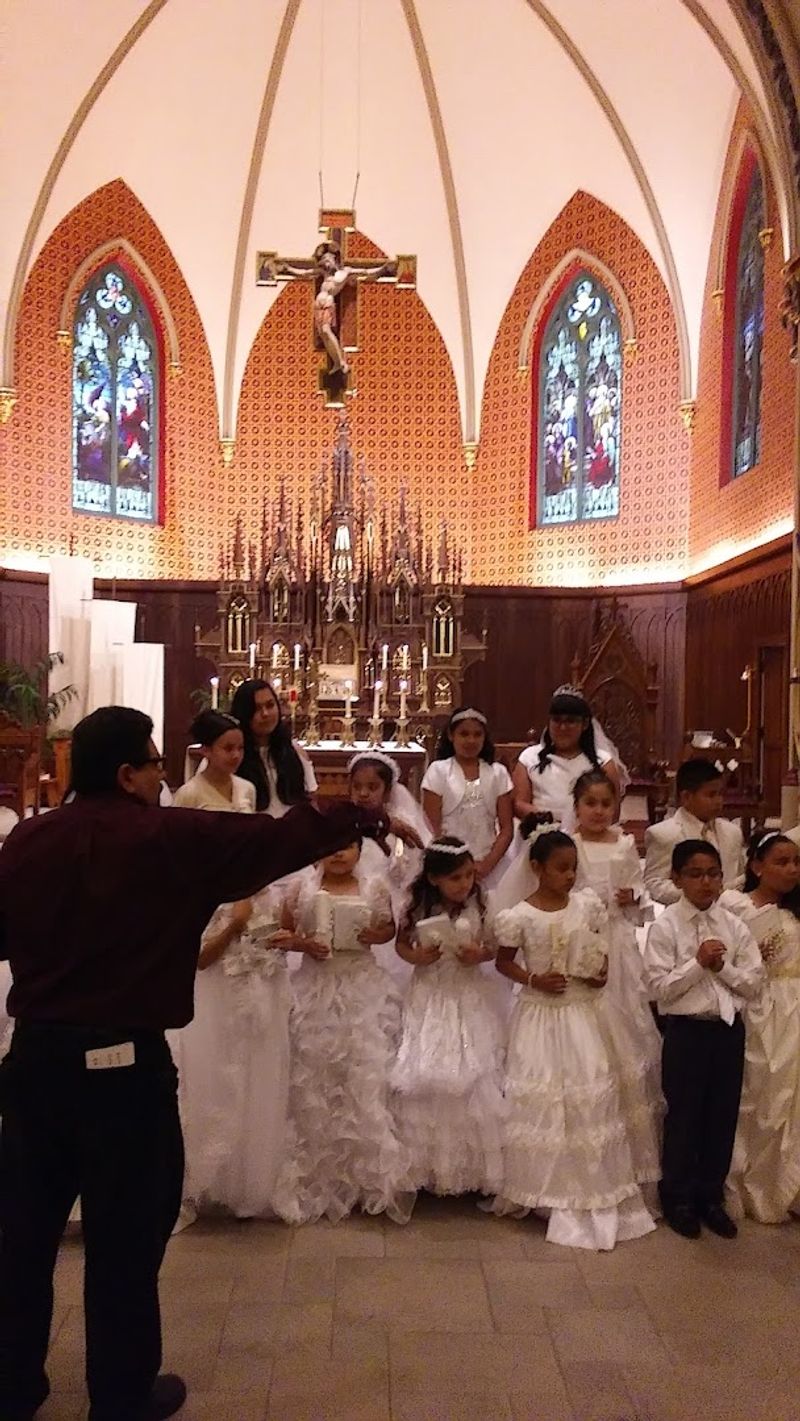
A cathedral is never just a building, and this one has always functioned as far more than a place of worship.
Throughout its history, the Cathedral of the Epiphany has served as a gathering point for the broader Sioux City community, hosting events that bring people together across generations and backgrounds.
The Knights of Columbus have held gatherings here, and the parish has a long tradition of community engagement that extends well beyond Sunday morning services.
People who grow up attending mass here tend to carry the place with them for the rest of their lives.
I heard from someone who had not been inside since childhood and returned for a Christmas Eve service, and the familiarity of the space hit them immediately, as if no time had passed at all.
That kind of emotional continuity is something that very few places can offer, and it speaks to how deeply embedded this cathedral is in the fabric of the city.
For out-of-towners, the congregation is genuinely welcoming, making it easy to feel at home even if it is your very first visit.
Tips for Planning Your Visit
A little planning goes a long way when visiting a working cathedral, and there are a few things worth knowing before you head to Douglas Street.
The cathedral’s current posted church hours are Monday through Friday from 10:30 AM to 12:30 PM and 4 PM to 6 PM, Saturday from 10:30 AM to 12:30 PM and 4:45 PM to 7 PM, and Sunday from 7:30 AM to 1 PM and 3:30 PM to 4:30 PM.
If you want to attend a mass, checking the schedule on the official website at sccathedral.org is a smart move, as times can vary for special feast days and seasonal services.
Dress respectfully out of consideration for the space and the community, which really just means keeping the setting in mind before you walk in.
Photography inside the cathedral is something to approach with sensitivity, especially if a service is in progress or if others are in quiet prayer.
Parking in the area is generally manageable, and the location on Douglas Street puts you within easy reach of other Sioux City landmarks.
You can also reach the cathedral by phone at 712-255-1637 if you have questions about upcoming events or visitor access before your trip.
Why Photographers and Architecture Lovers Should Come Here
Even people who have no connection to the Catholic faith find themselves drawn to this building for purely visual reasons.
The exterior stonework, the tower, the arched windows, and the overall proportions of the structure make it a genuinely compelling subject for photography.
Golden hour light on the facade creates a warm, almost amber glow that highlights the texture of the stone in ways that feel cinematic.
Inside, the interplay between natural light and the stained glass produces color combinations that shift and change throughout the day, giving photographers something new to work with at every visit.
Architecture enthusiasts will appreciate the craftsmanship on display throughout the building, from the vaulted ceiling ribs to the carved details around the altar.
This is the kind of place where you keep noticing new things even after multiple visits, because there is simply that much to look at.
Bringing a wide-angle lens is a good idea if you want to capture the full scale of the interior in a single frame.
The cathedral rewards patience and a slow pace, and the results are worth every minute you invest in exploring it.
A Closing Thought on What Makes This Place Unforgettable
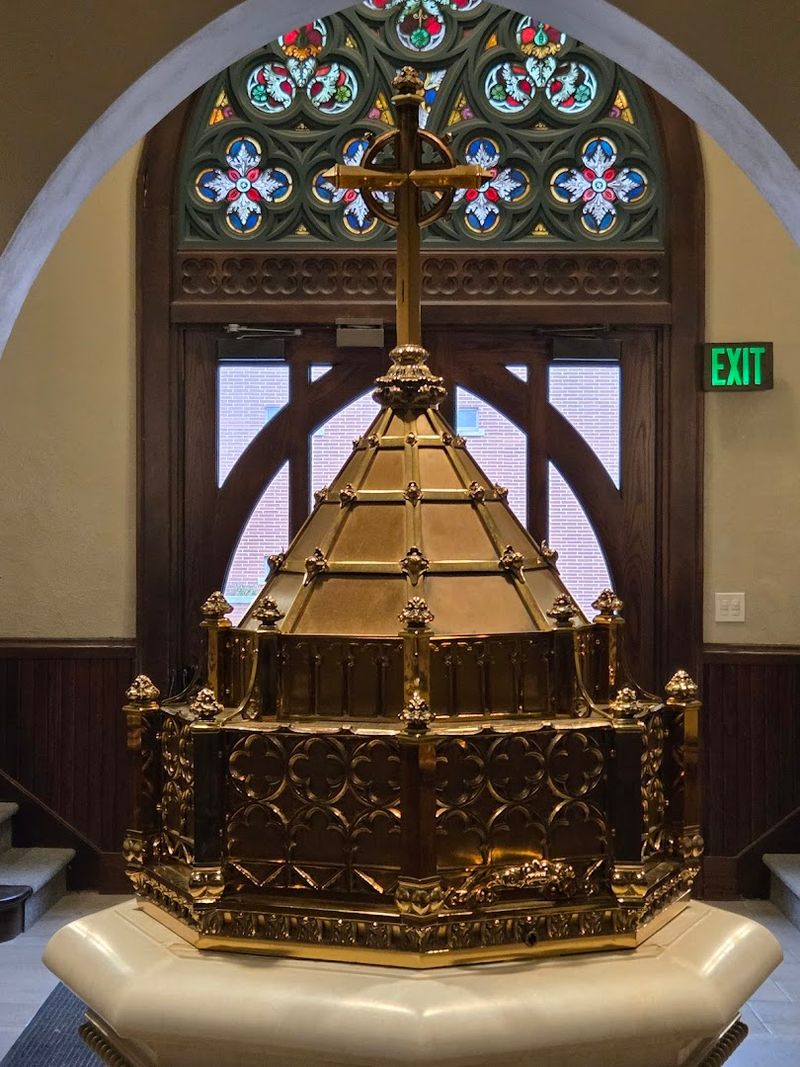
Some places stay with you long after you have left them, and this cathedral is firmly in that category.
The combination of architectural beauty, historical depth, warm community, and genuine spiritual atmosphere creates something that is genuinely hard to replicate anywhere else in the Midwest.
Whether you arrive looking for a moment of quiet reflection, a meaningful worship experience, or simply the pleasure of being inside a beautiful and carefully crafted space, the Cathedral of the Epiphany delivers on all of it.
The 4.8-star rating it holds across hundreds of reviews is not an accident.
It reflects the consistent experience of people who came here for all kinds of reasons and left feeling that something important had happened to them inside those walls.
The Jewel of the Prairies is not just a catchy nickname.
It is an accurate description of a place that has been quietly extraordinary for well over a century, asking nothing of its visitors except that they come with an open mind and leave their hurry at the door.
That is a trade anyone should be willing to make.