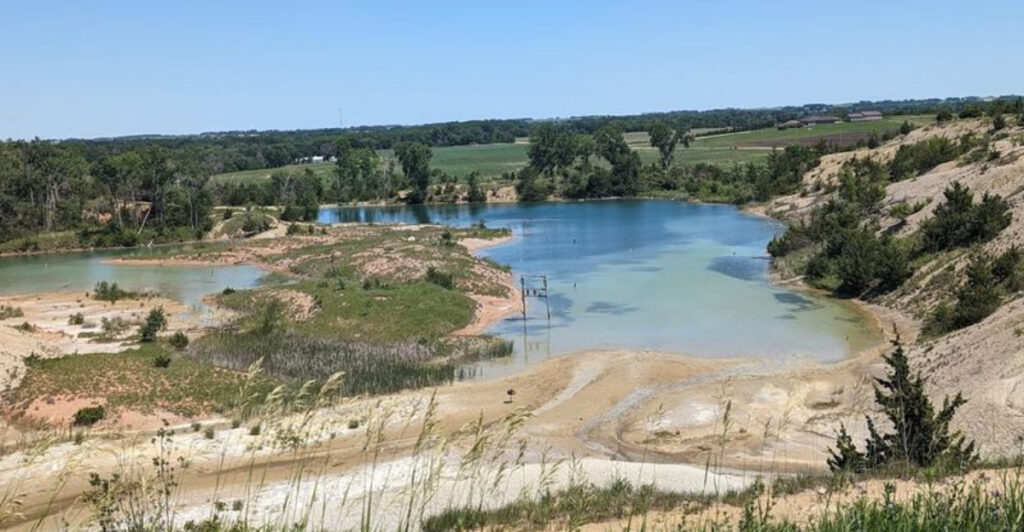
Most parks ask you to stay on the trail and admire the scenery. This northern Iowa spot invites you to look down, start searching, and maybe walk away with a piece of ancient ocean history in your bag.
The ground here is scattered with fossils from marine creatures that lived hundreds of millions of years ago, back when this part of Iowa sat beneath a shallow sea. No science degree is required, and you do not need fancy tools either.
Sturdy shoes, curious eyes, and a little patience will do the job.
The best part is almost hard to believe: the fossils you find are yours to keep. For anyone who likes hands-on history, outdoor exploring, or the quiet thrill of spotting something ancient in plain sight, this park turns a simple day trip into a full-on treasure hunt.
What This Place Actually Is and Where to Find It
Not every park lets you take home a piece of ancient history, but this one practically invites you to start scanning the ground like a tiny treasure detective.
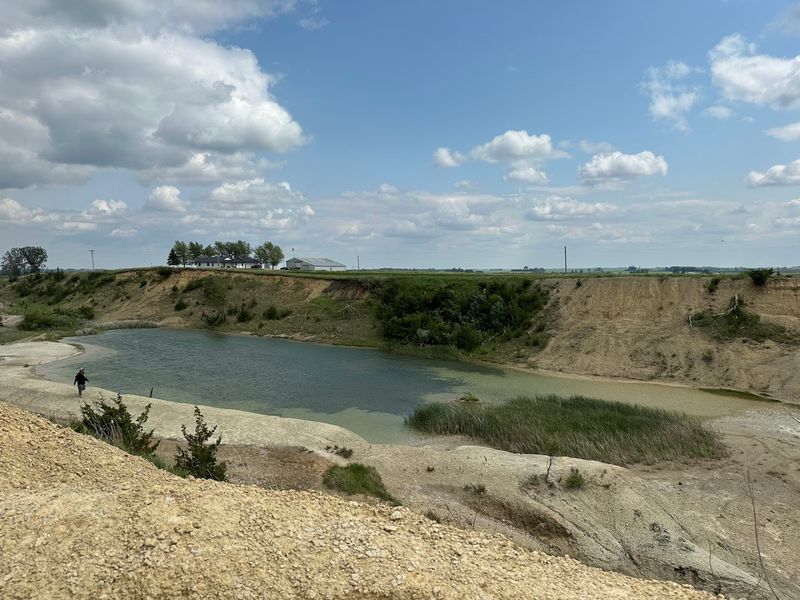
The Fossil and Prairie Park Preserve and Center is built around a former quarry in Floyd County, where exposed rock and clay-rich slopes still hold fossils from the Devonian period.
The site was once tied to the Rockford Brick & Tile Company, which operated from 1910 into the 1970s and mined clay for bricks and drainage tiles. After the quarry was abandoned, nature gradually moved back in, leaving behind a landscape where prairie, history, and fossil hunting all share the same space.
The visitor center makes a smart first stop before you head into the quarry. Inside, exhibits help explain what you are likely to find, how the site formed, and why this corner of northern Iowa is such a surprisingly rich place for hands-on discovery.
The park itself is open from sunrise to sunset year-round, while the visitor center follows seasonal hours, so checking ahead is a good idea before making the drive. You can find the Fossil and Prairie Park Preserve and Center at 1227 215th St, Rockford, IA 50468.
The Ancient Story Hidden in the Rock
Hundreds of millions of years ago, during the Devonian Period, the land that is now Iowa sat beneath a shallow sea. Brachiopods, horn coral, crinoids, bryozoans, and other marine invertebrates lived and thrived in those ancient waters.
Over time, their shells and remains became part of the seafloor sediment, preserving a record of marine life that now appears throughout the quarry area. The quarry operations of the Rockford Brick & Tile Company exposed all of that ancient history, revealing layers that had been hidden since long before dinosaurs ever walked the earth.
What makes this site so remarkable is the sheer density of fossils packed into the rock and loose material. You are not searching for one needle in a haystack.
The entire haystack is made of needles. Brachiopod shells, horn coral, crinoid stems, and bryozoans are common enough here that even beginners have a real chance of finding something interesting.
Almost. The park allows fossil collecting for personal collections, which is a rare and wonderful policy that sets this place apart from many other fossil sites.
Reselling what you collect is not allowed, so this is a take-home treasure situation, not a side hustle in hiking boots.
The Fossil Hunting Experience You Will Not Forget
There is something almost childlike and wonderful about crouching down on a gravel slope and realizing the bumpy rock in your hand is actually a hundreds-of-millions-of-years-old coral. That moment happens over and over again at this park, and it never gets old.
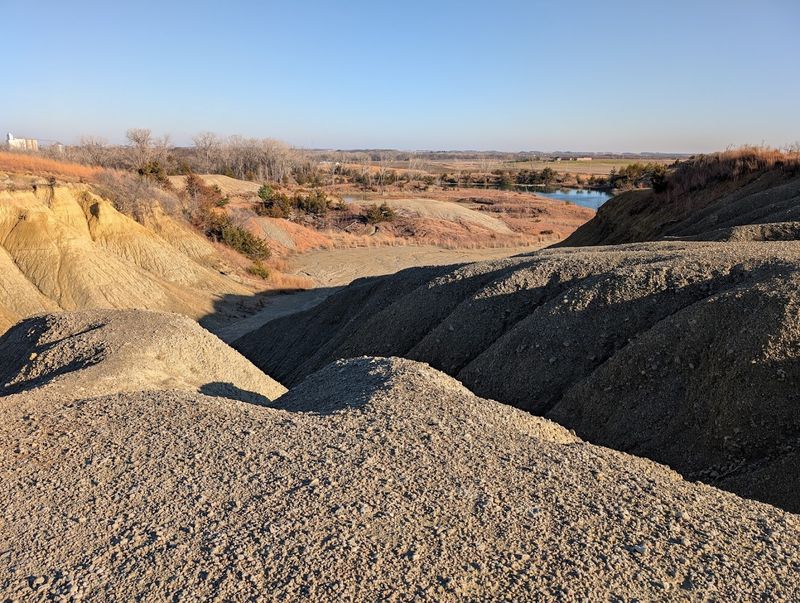
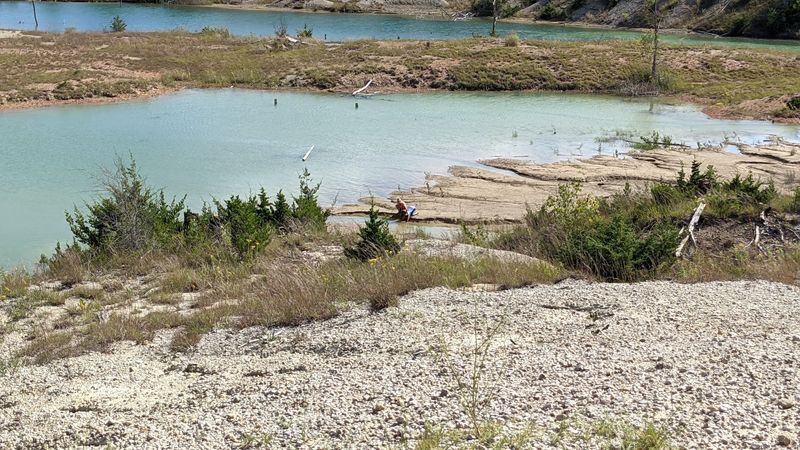
The quarry floor and slopes are covered in loose rock and gravel, and fossils can often be found by simply looking carefully at what is already lying on the ground. I found my first brachiopod shell within about three minutes of arriving, which set the tone for the entire visit.
The digging is more like sorting and selecting than actual excavation. You pick up rocks, flip them over, and look for the telltale ridged or circular patterns that signal something ancient.
Tools are not needed here, which is part of what makes the experience so approachable. The official tips suggest bringing something sturdy to carry your fossils in, such as an egg carton, plastic milk jug, or ice cream bucket, since flimsy bags can rip or blow away.
Kneepads are also a smart addition, since you will spend a fair amount of time on your knees getting up close with the rocks.
Navigating the Terrain Safely
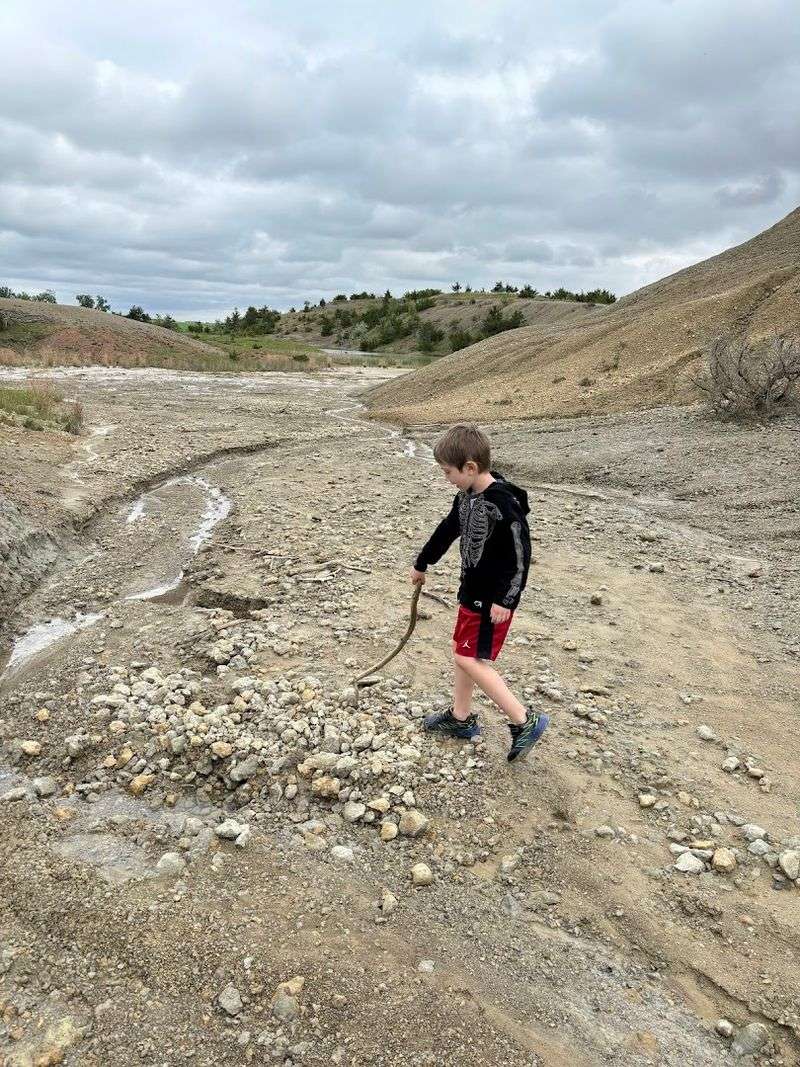
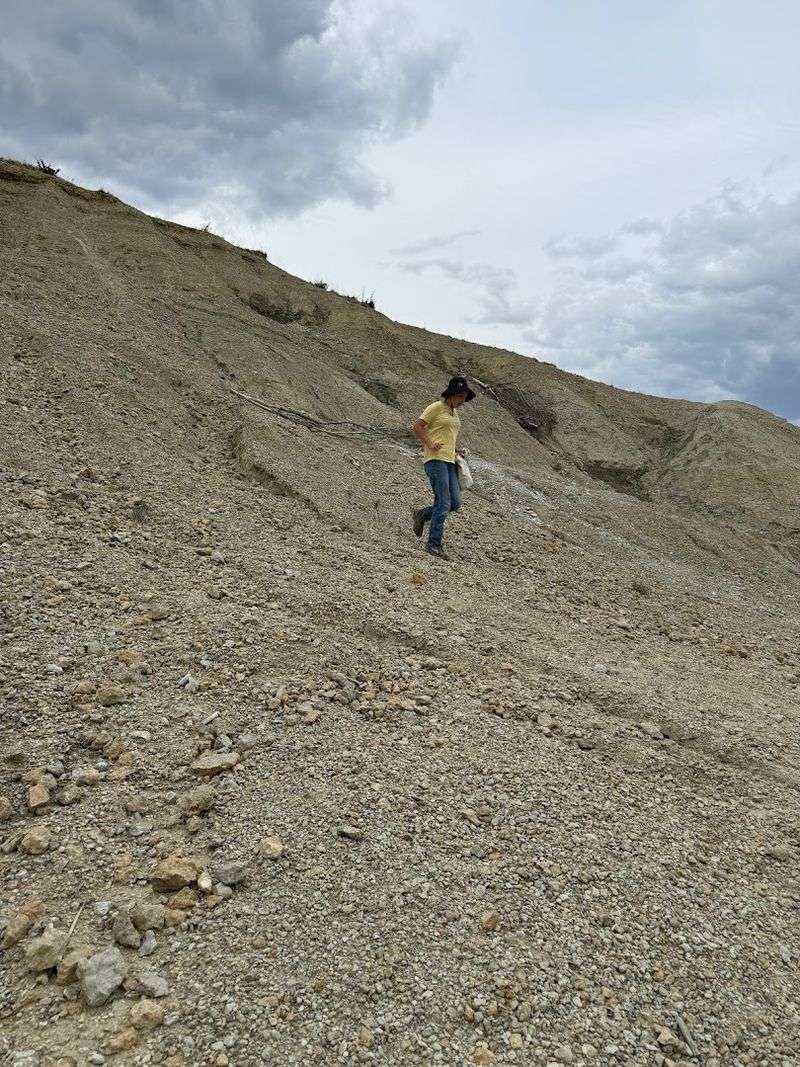
The landscape here is dramatic and beautiful, but it does ask a little something of your legs. The quarry was carved deep into the earth, so getting down to the best fossil areas involves descending some fairly steep slopes and uneven terrain.
Good footwear is not optional here. Hiking boots or trail shoes with solid ankle support and thick, grippy soles are the way to go.
Smooth-soled sneakers or sandals will have you slipping on the rocky gravel or sinking into patches of wet clay, which can be genuinely sticky enough to pull a shoe right off your foot. I watched two people lose their footing in a clay patch during my visit, and it was both funny and a good reminder to pay attention.
The clay soil becomes especially treacherous after rain, so checking the weather before your trip is a wise move. If you are bringing children, keep a close eye on them near the quarry edges, since the drop-offs can be significant.
That said, plenty of visitors manage the terrain just fine, including people who describe themselves as out of shape. The reward at the bottom is absolutely worth the careful climb down.
What You Will Actually Find in the Quarry
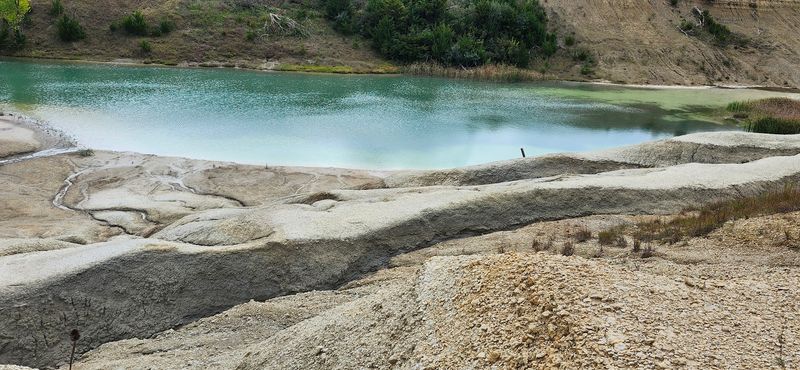
Before you get too excited thinking you might unearth a T. rex, it is worth knowing what kinds of fossils actually live in this rock. The park sits in Devonian-age limestone, which means marine invertebrates are your main prize.
That is still incredibly cool, though.
Brachiopods are the most common find, and they look like small ribbed clam shells. Horn coral shows up frequently too, shaped like a cone with a wrinkled surface that is surprisingly detailed.
Crinoid stems, which look like stacked discs or beads, are another common discovery. Bryozoans, which were tiny colonial sea creatures, sometimes appear as branching or lacy patterns in the rock.
What you will not find are dinosaur bones or vertebrate fossils of any kind. The Devonian sea predates the age of dinosaurs by a considerable stretch of time.
But honestly, holding a horn coral that formed when the first land plants were just beginning to appear on Earth puts things in perspective in a way that is hard to describe. These are not consolation prizes.
They are genuine windows into a world that barely resembles our own.
The Visitor Center and Its Surprises
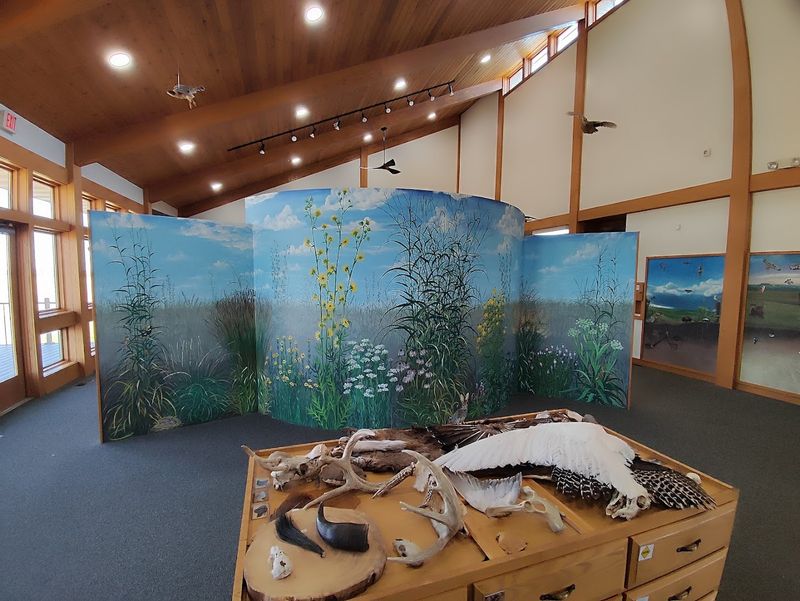
Before heading out to the quarry, I spent about twenty minutes inside the visitor center, and it was time very well spent. The building is modest from the outside but packed with useful context once you step in.
The displays cover the geological history of the area, explain what kinds of fossils you are likely to find, and give context about the ancient sea that once covered this part of Iowa.
Exhibits also cover the Rockford Brick & Tile Company, Iowa’s native prairie, and local wildlife, which helps connect the fossil site to the larger preserve around it.
The staff and volunteers are known for being enthusiastic and knowledgeable, happy to answer questions and point out what to look for in the quarry. The center also has restrooms available, which is worth noting since the park is fairly remote.
The visitor center operates on seasonal hours, so timing your arrival to catch it open is a good strategy for getting the most out of your visit.
The Historic Kilns That Tell Another Story
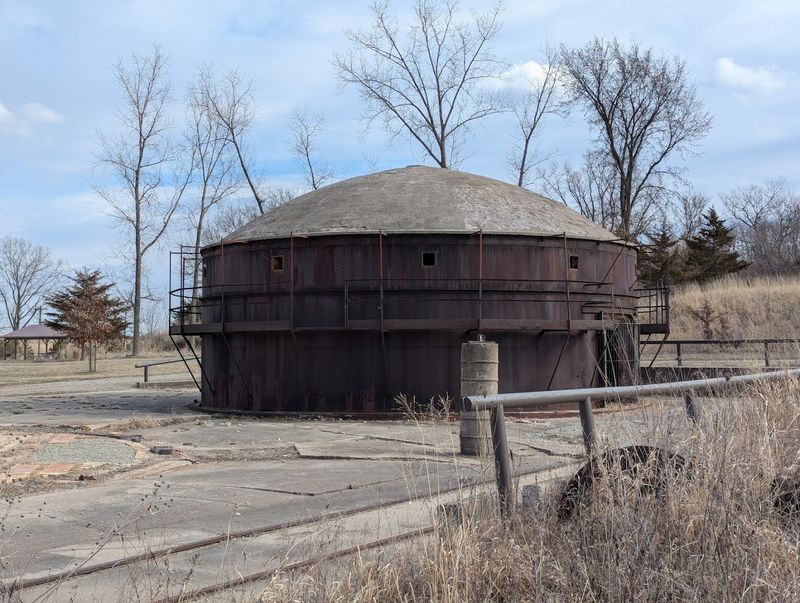
Not everything remarkable at this park is millions of years old. Scattered across the property are the remains of old beehive kilns connected to the Rockford Brick & Tile Company, which once used material from the quarry to produce bricks and drainage tiles.
The company operated from 1910 into the 1970s, and the kilns remain as a visible reminder of the site’s industrial past. Workers mined clay from the quarry, shaped it into bricks and tiles, and fired the products in these large kiln structures.
The whole operation ran for decades before eventually shutting down and leaving the landscape to slowly heal around the structures.
Each kiln is slightly different from the others, which makes walking among them feel like a small architectural treasure hunt. The brick and stone have weathered beautifully over the decades, and the structures blend into the landscape in a way that feels almost intentional.
They are part of what makes the preserve more than just a fossil stop. After spending time hunting for Devonian fossils, pausing to appreciate the kilns adds another layer to the story of how this unusual Iowa landscape came to be.
Trails, Scenery, and the Bigger Landscape
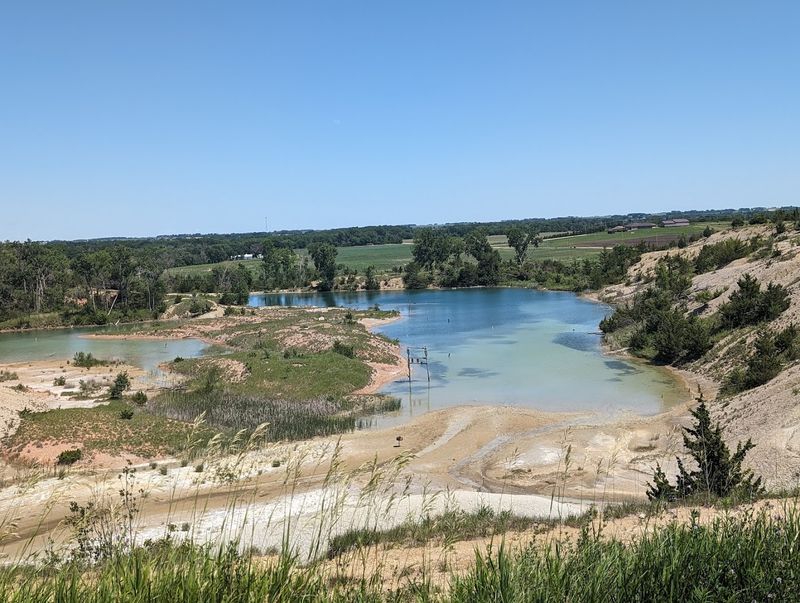
The fossil hunting is the headline act, but the supporting cast at this park is genuinely impressive too. The preserve includes hiking trails, native prairie, wetland areas, the fossil quarry, the Rockford Brick & Tile Company beehive kilns, and even an 1880s log cabin.
One of the most visually striking features of the park is the old quarry landscape itself, where exposed rock, open sky, prairie growth, and weathered industrial remnants all share the same space.
Seeing it for the first time genuinely stopped me in my tracks.
The trails also lead past historic features and through the larger preserve, giving visitors more to do than simply search for fossils. The Winnebago River borders the preserve’s north edge, adding another scenic element to the landscape.
Picnic areas and shelters are available, making it easy to settle in for a full afternoon. The whole preserve has a relaxed, unhurried atmosphere that encourages you to slow down and actually look at things.
Best Times to Visit and What to Pack
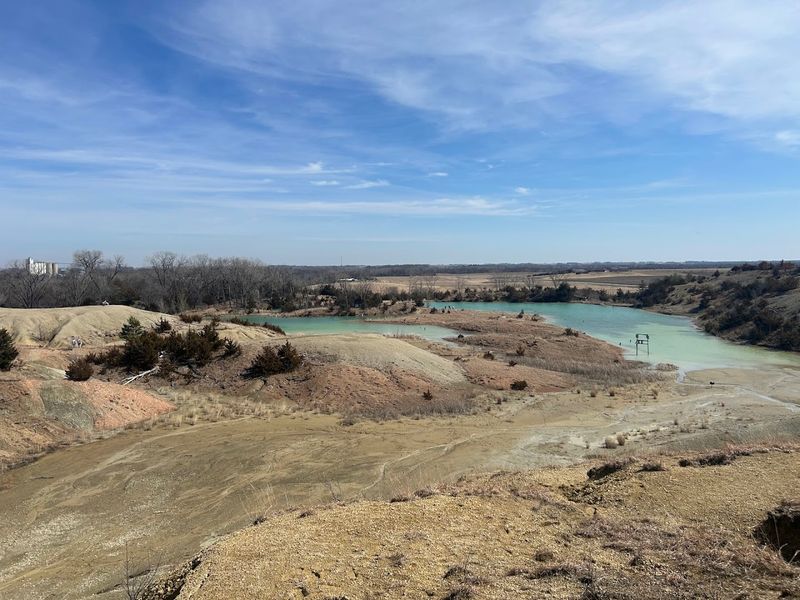
Timing your visit to this park can make a real difference in how much you enjoy it. The park is open year-round from sunrise to sunset, but the visitor center operates seasonally, so checking current hours before you go is the smart move.
Spring and fall are arguably the most comfortable seasons for exploring the quarry, since summer heat in Iowa can be intense, especially in open areas where shade can be limited. If you go in summer, bring more water than you think you need.
Seriously. A few hours of fossil hunting can leave you surprisingly parched.
Here is a quick packing list based on official tips and practical common sense: sturdy lace-up hiking boots, something solid to hold fossils such as an egg carton or small bucket, plenty of water, sunscreen, a hat, and kneepads or a gardening knee pad for comfort while sorting rocks.
Old clothes are a good idea too, since the clay soil is enthusiastic about attaching itself to whatever you wear.
An extra pair of shoes in the car is a practical backup if things get muddy.
Why This Park Deserves a Spot on Your Iowa Bucket List
Few places in the United States let you walk away with legally collected fossils that are hundreds of millions of years old. That policy alone makes this park extraordinary, but it is the whole package that keeps people coming back.
The combination of geological history, hands-on discovery, scenic trails, historic structures, native prairie, and a welcoming visitor center creates an experience that works for almost every kind of visitor. Solo explorers, families with older kids, geology enthusiasts, history buffs, hikers, and photographers all find something worth their time here.
The park has earned strong visitor praise for its unusual fossil-hunting experience, scenic setting, and approachable layout.
There is also something quietly meaningful about the experience that is hard to put into words until you have felt it yourself. Holding a fossil from an ancient sea has a way of reshuffling your sense of time and perspective.
Iowa has a lot of wonderful natural places, but this one occupies a category almost entirely its own. Plan the trip, pack the bag, and go find something ancient to take home.