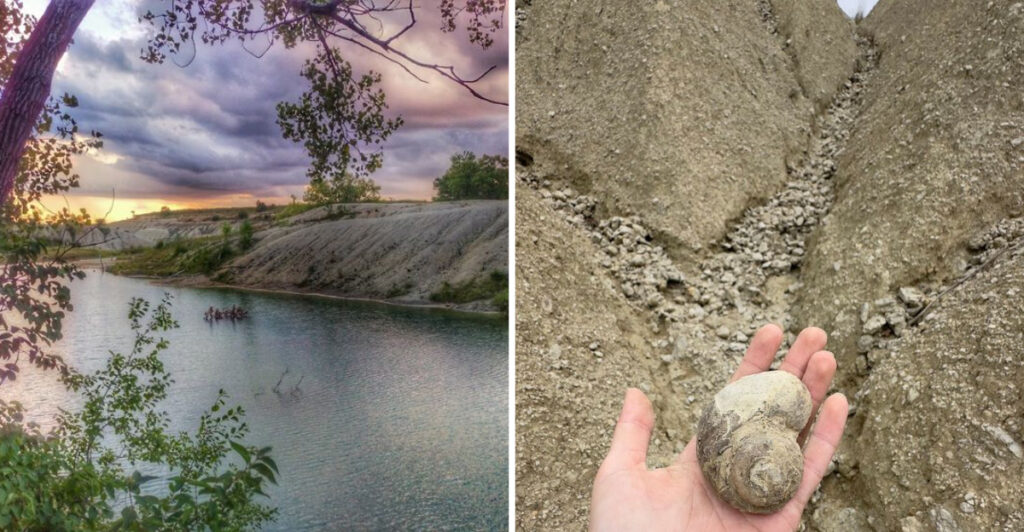
I have always thought a walk becomes much more exciting when the ground starts offering clues. You set out expecting a quiet afternoon, then Iowa turns the trail into a full-scale fossil hunt.
Every few steps bring another reason to crouch down and inspect the dirt like an amateur detective with very dusty knees.
A strange little shape appears in the rock. Suddenly, your casual stroll has become a mission involving an ancient sea, sharp eyes, and pockets that are filling faster than expected.
The wild part is knowing these fossils have been waiting around for roughly 365 million years. That makes your weekend plans seem slightly less impressive. You keep searching because the next discovery could be sitting beneath your shoe right now.
Iowa makes the whole experience feel like time travel without the confusing buttons or unreliable machinery.
You leave with fossils in hand and the triumphant energy of someone who just outsmarted a prehistoric ocean.
Start With A 365-Million-Year-Old Mystery
The park dates the quarry specimens to the Devonian Period, approximately 365 million years ago. At that time, a shallow marine environment covered this part of northern Iowa.
The fossils represent saltwater animals without backbones rather than dinosaurs or large land animals. Brachiopods, corals, crinoids, bryozoans, gastropods, and pelecypods appear among the identified specimens. No bones about it!
Floyd County Conservation manages the broader 402-acre park property. Within it, 292 acres were dedicated in 2005 as a geological, historical, and natural state preserve.
The state-preserve portion includes the former quarry, native prairie remnants, and historic industrial features. The Winnebago River borders the preserve along its northern edge.
Rock outcrops belong to the Devonian-age Lime Creek Formation. Fossils occur throughout exposed sedimentary material in the former quarry.
Many specimens can be collected from the surface without breaking rock. The park’s guidance says tools are not necessary for fossil hunting.
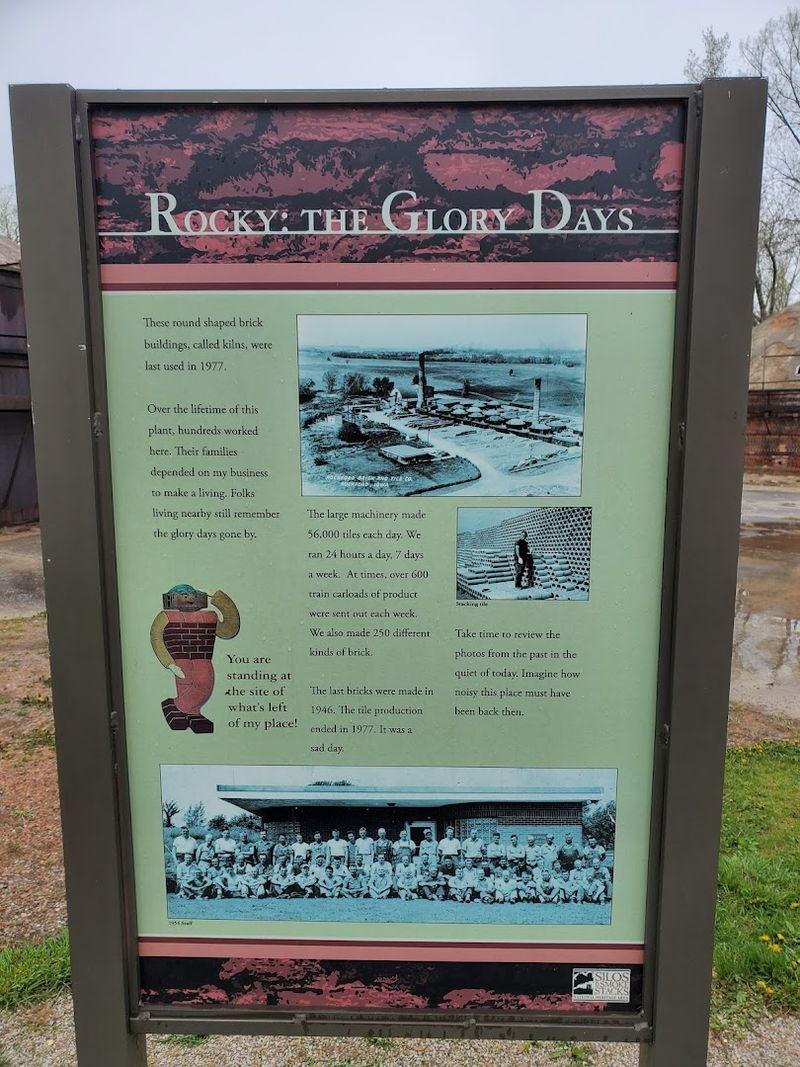
The quarry was previously used by the Rockford Brick & Tile Company for clay. That activity exposed fossil-bearing material that visitors can still examine.
The company operated at the site from 1910 until 1977. Remnants of its plant and kilns remain within the park’s trail system.
The quarry floor can be uneven, and clay soil may become slippery or sticky after heavy rain. Current weather conditions can help visitors choose suitable footwear before entering the collecting area.
Search The Quarry For Devonian Fossils
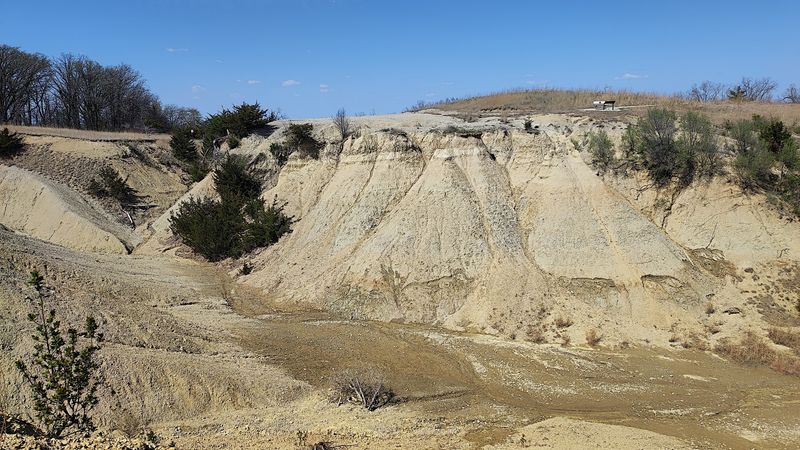
Fossils can be collected directly from loose material across the quarry surface. Tools are unnecessary because many specimens are already exposed on the ground. Talk about a find day!
Brachiopods are among the examples shown in the park’s fossil displays. Their two-part shells may resemble bivalves, although brachiopods belong to a separate animal group.
Horn corals and colony corals also occur in the quarry material. A horn coral is a solitary coral named for the hornlike shape of its skeleton.
Crinoid pieces, bryozoans, gastropods, and pelecypods appear among the additional finds. These remains came from marine organisms that lived in the shallow sea covering Iowa during the Devonian Period.
The collecting guidance recommends bringing a container for the fossils. Egg cartons, plastic milk jugs, and ice cream buckets appear among the suggested options.
Thin plastic bags are discouraged because they may tear or blow away. Containers with separate sections can also keep smaller specimens from rubbing together.
Heavy rain can leave the quarry floor slippery and sticky because of its clay-rich soil. Boots or closed shoes with dependable traction are more practical than smooth-soled footwear.
The preserve is open from sunrise to sunset, and fossil hunting does not require a scheduled session. School programs and organized tours follow separate arrangements through Floyd County Conservation.
Keep The Prehistoric Treasures You Discover
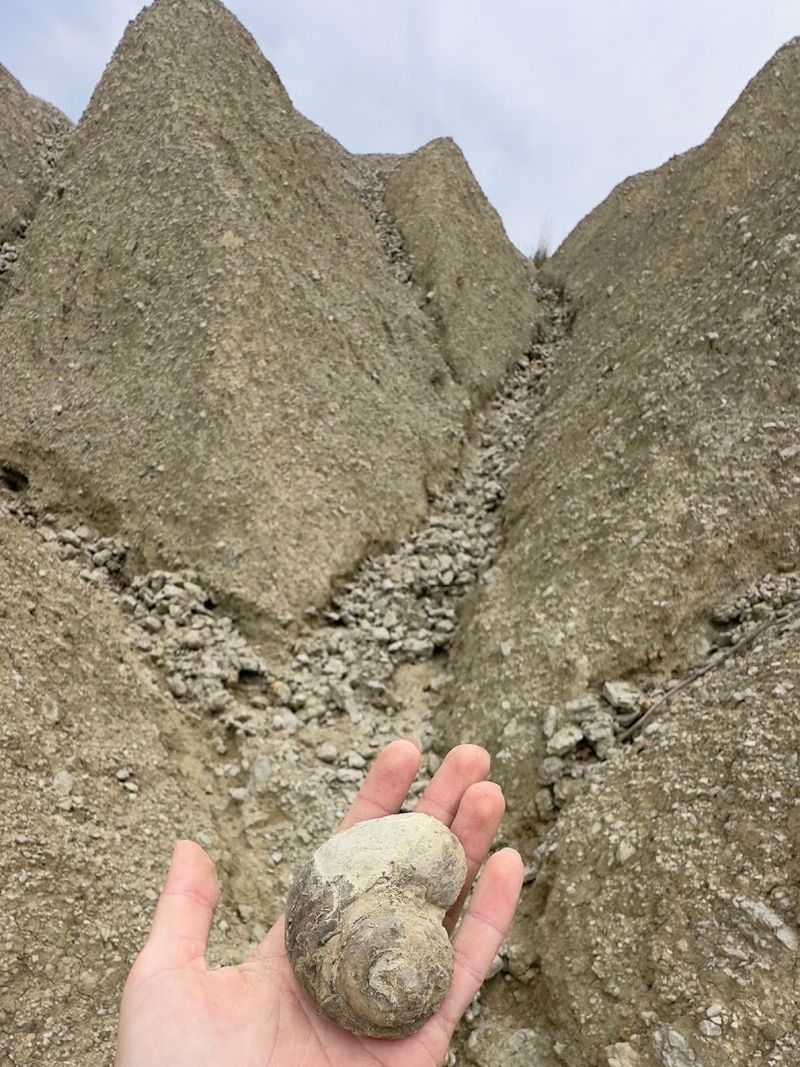
You can keep what you find, but you can’t sell what you pocket. Visitors are permitted to take fossils from the quarry for personal collections. However, the park prohibits reselling fossils collected from the property.
Collected fossils may remain in a personal collection, but they cannot be gathered for resale. Posted instructions in the quarry apply during every visit.
The fossils vary in size, shape, and condition. Some pieces show a recognizable organism, while others contain partial impressions or several smaller fragments.
A rigid container can protect delicate edges during the trip home. Paper, egg-carton compartments, or other soft dividers can reduce contact between individual finds.
Labels can include the park name, date, fossil type, and Devonian age. The visitor center’s displays provide basic information about the organisms represented in the quarry.
No admission fee is listed for the park or center. Fossil collecting, trail access, prairie viewing, and outdoor historic features are available during regular public access.
The park does not require visitors to break rock or dig into quarry walls. Its guidance directs collectors toward fossils already lying in the exposed material.
Conditions can change after rain, seasonal freezing, or routine maintenance. Posted signs and temporary access notices should be followed during each visit.
Meet The Creatures Of Iowa’s Ancient Sea
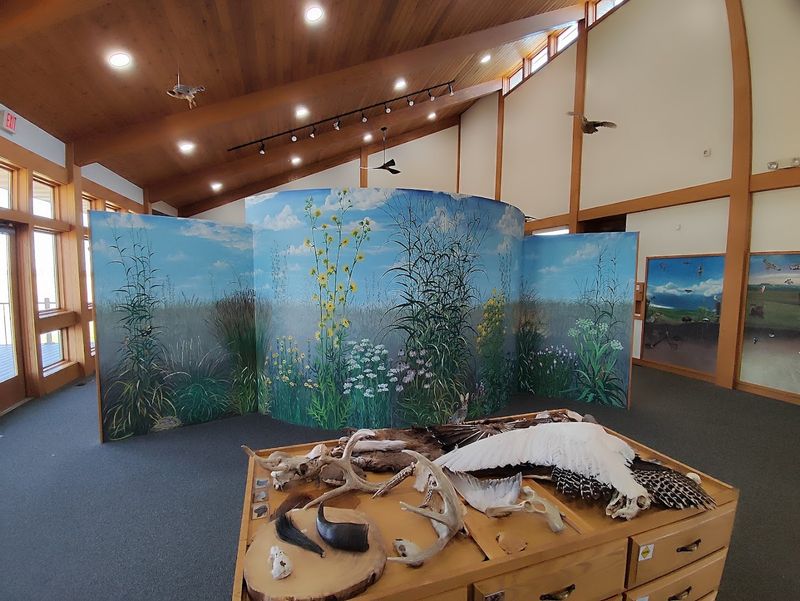
Brachiopods lived inside shells formed from two valves and were common in Paleozoic seas. So yes, they had serious shell credibility. They belong to a different group from modern clams and other bivalves.
Horn corals were solitary corals with skeletons shaped somewhat like animal horns. Colony corals formed larger structures containing multiple coral individuals.
Crinoids were marine animals sometimes called sea lilies because many stalked forms resembled flowers. They are related to sea stars and sea urchins rather than plants.
Many crinoid fossils consist of small stem segments instead of complete animals. Their stalks were formed from stacked, rounded pieces that can separate after burial.
Bryozoans lived in colonies and produced several recognizable forms. Fossil colonies may appear branching, netlike, lacy, rounded, or spread across another surface.
Gastropods belong to the mollusk group that includes modern snails. Pelecypods, now usually called bivalves, include animals with paired shells.
The Fossil & Prairie Center contains exhibits about Devonian fossils and the shallow marine environment. Additional displays cover local prairie, wildlife, the Winnebago River, and the former brick-and-tile operation.
The center stands at 1227 215th Street, Rockford, IA 50468. It is open daily between Memorial Day and Labor Day.
Weekend hours apply during May, September, and October. The center closes from November through April, while the outdoor preserve remains open.
Explore The Old Brick Kilns
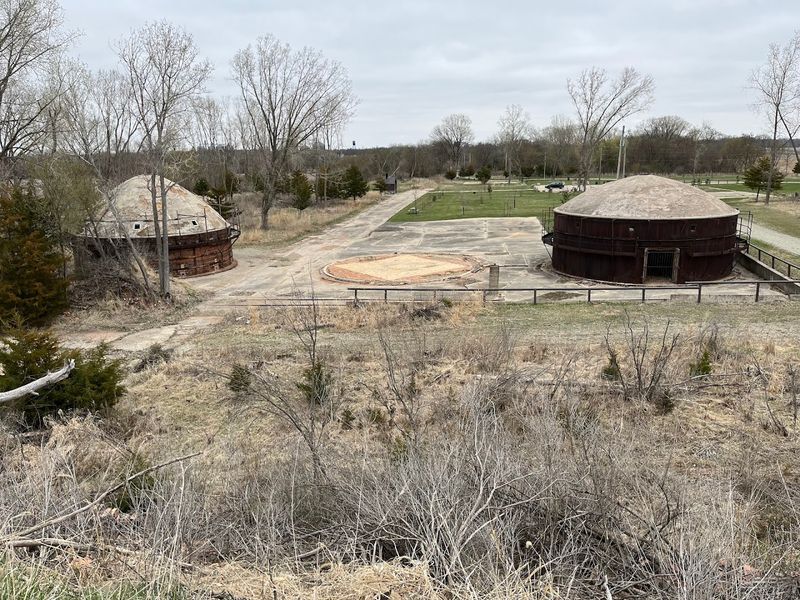
The Rockford Brick & Tile Company operated on the property from 1910 until 1977. Workers removed clay from the quarry and used the material in the company’s manufacturing operation.
Historic beehive kilns remain near the former plant site. Their rounded brick forms represent part of the equipment once used during production.
The kilns are preserved as historic features rather than active industrial structures. Visitors can observe them from the surrounding park area and nearby trails.
Mowed trails pass the former Rockford Brick & Tile Company plant site. Other routes continue through the quarry, prairie, and wetland or pond areas.
A picnic shelter stands near the kilns on the eastern side of the preserve. The open-air structure contains six picnic tables, and a waterless restroom is located nearby.
The kiln shelter is listed as accessible and can be reserved through Floyd County Conservation. Reservation fees and deposit requirements apply to private use of the shelter.
The visitor center includes an exhibit devoted to the company’s history. That display covers the former plant, clay operation, kilns, and quarry.
The former company grounds remain part of the same public property as the fossil quarry. Park trails provide access to several portions of the former industrial site. That’s a pretty solid walk through history.
Follow The Trails Through Native Prairie
Rocky hillsides within the preserve were never plowed and continue to support native prairie vegetation. The preserve identifies little bluestem, big bluestem, sideoats grama, and Indiangrass.
Prairie wildflowers include blazing stars, stiff goldenrod, pale purple coneflower, and prairie coreopsis. A large mat of creeping juniper occupies the crest of one rocky slope.
Forty-four butterfly species have been documented within the preserve. The recorded list includes the regal fritillary.
Mowed trails cross the native prairie and continue into wetland and pond areas. Additional routes pass through the fossil quarry and former plant grounds.
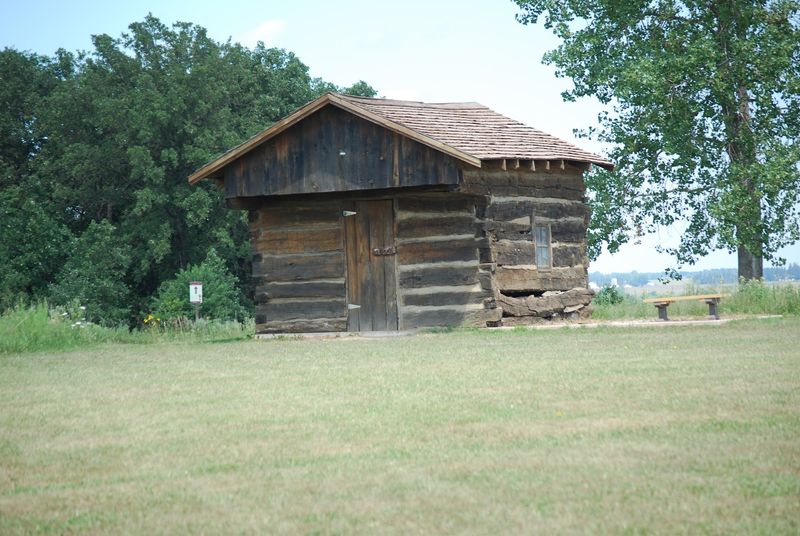
An 1880s log cabin is also listed among the park’s features. Trail conditions and mowing schedules may vary through the growing season.
Prairie plants change in height, color, and texture as the season progresses. Visitors should remain on established routes where signs or management guidance direct foot traffic.
Picnic areas, shelters, restrooms, and accessible facilities are listed at the park. Individual trails and outdoor surfaces may not provide the same access as the visitor center or designated shelter.
This documented Iowa prairie grows beside fossil-bearing rock and former industrial land. Each outdoor area follows the same sunrise-to-sunset park schedule.
Plan A Fossil Hunting Trip To Rockford
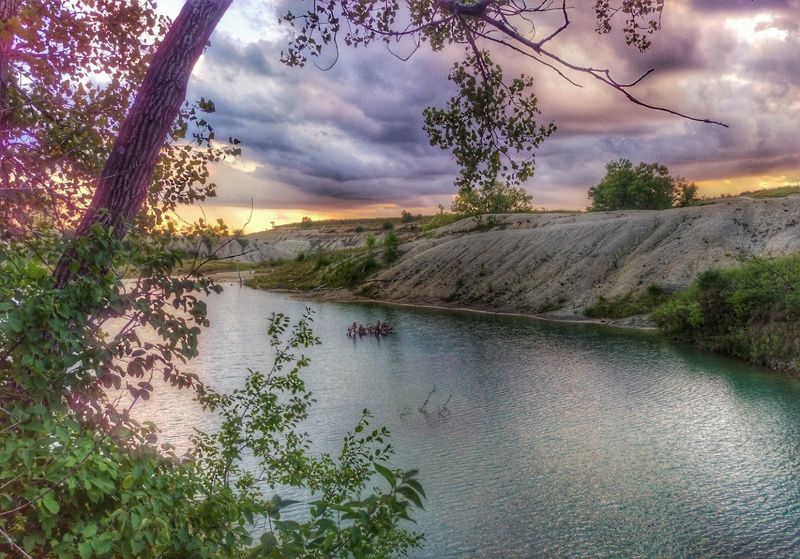
The park entrance is west of Rockford along County Road B47, also called 215th Street. Parking for the nature center is to the left after entering, while quarry parking is to the right.
The outdoor preserve remains open from sunrise to sunset throughout the year. The visitor center uses a shorter seasonal schedule and does not remain open during winter.
There is no listed admission charge for the preserve or visitor center. Reserved facilities, organized programs, or private rentals may carry separate fees.
Collectors can bring a sturdy container, closed footwear, drinking water, and sun protection. The quarry’s clay-rich surface can remain muddy after recent rainfall.
Tools are not required for fossil hunting because loose specimens occur on the quarry surface. Personal collecting is allowed, while resale of collected material is prohibited.
Mowed trails connect the prairie, quarry, wetland, and former brick-and-tile plant areas. The center, historic kilns, picnic facilities, and Winnebago River access add other possible stops.
Current seasonal hours, weather-related conditions, and group-program details appear through Floyd County Conservation. Holiday schedules and temporary closures should be checked before traveling.