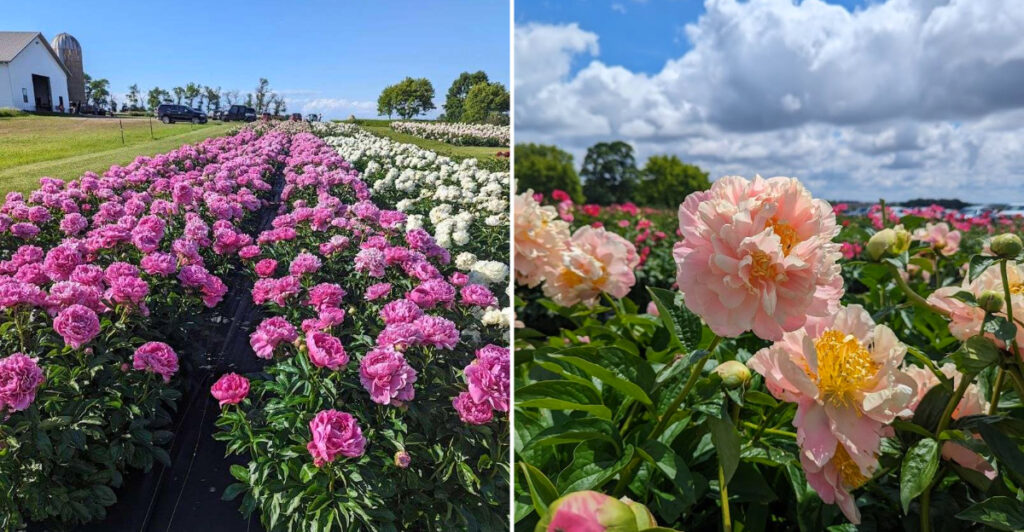
Iowa knows how to make flower season feel like an event, especially when hundreds of peonies decide to show off at the same time. A simple weekend drive suddenly becomes a full-color excuse to slow down, wander the rows, and let your camera behave like it just discovered its purpose.
This is flower-season joy with a full camera roll attached. The blooms are big, bright, fragrant, and wonderfully dramatic, with enough variety to keep gardeners, photographers, and casual strollers equally entertained.
The best visits come with a little planning, since peony season likes to keep a short and slightly mysterious schedule. Check the bloom updates, wear comfortable shoes, and give yourself enough time to enjoy one of Iowa’s prettiest spring sights without rushing the moment.
Why Silo Ridge Feels Alive
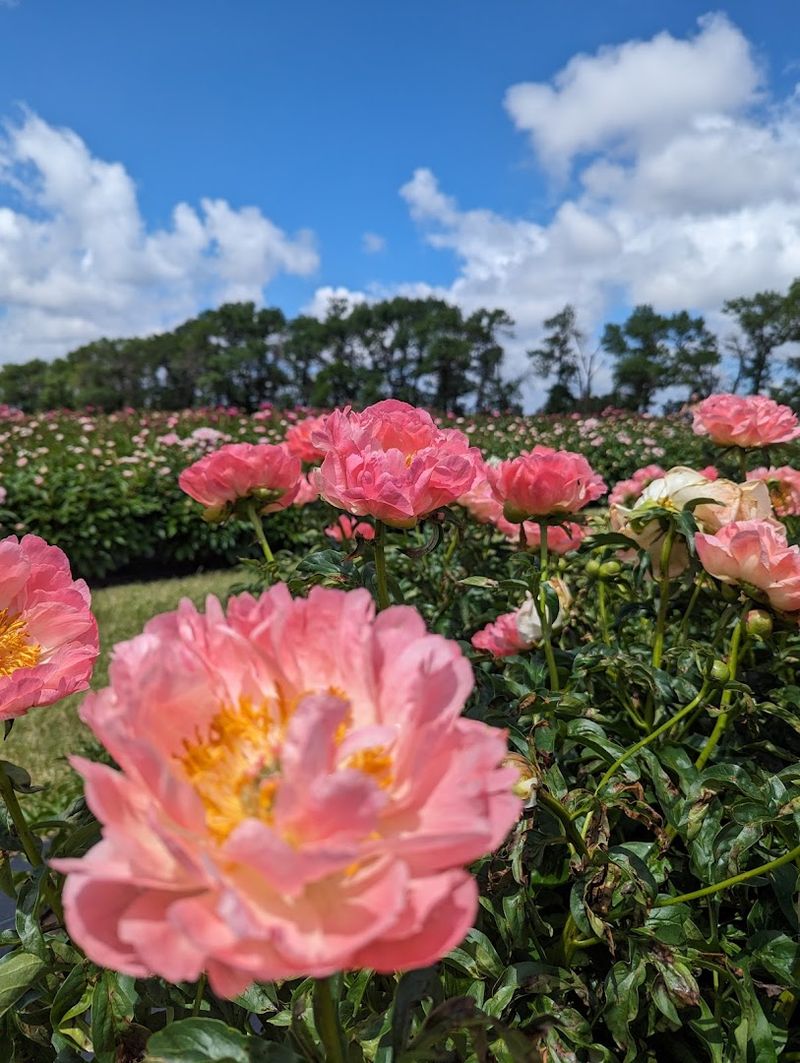
I remember pulling onto a gravel lane and feeling the tension of the week soften as color took over the view.
The farm hums in a straightforward way – no curated stillness, just rows of peonies doing what they do best: bloom.
As I moved slowly through the paths a pattern emerged – wide-headed herbaceous peonies, delicate bomb-like varieties, and a few semi-double types that seemed to spill petals like confetti.
Walking gave me a sequence of micro-rewards: a cluster of coral petals opening like a secret, a tag with a cultivar name that sounded like poetry, a breeze that released the gentlest floral perfume.
The scents were not overpowering, more like pages of a well-loved book turning; they changed as sunlight deepened and shadows softened across the fields.
Before I left the first day I made a mental note to come back at different hours. The farm felt alive without being frenetic, a readable kind of beauty that invites you to slow down and take useful photographs rather than chase staged moments.
I learned to let the flowers set the pace for my visit rather than racing through them.
Where to Start Your Walk
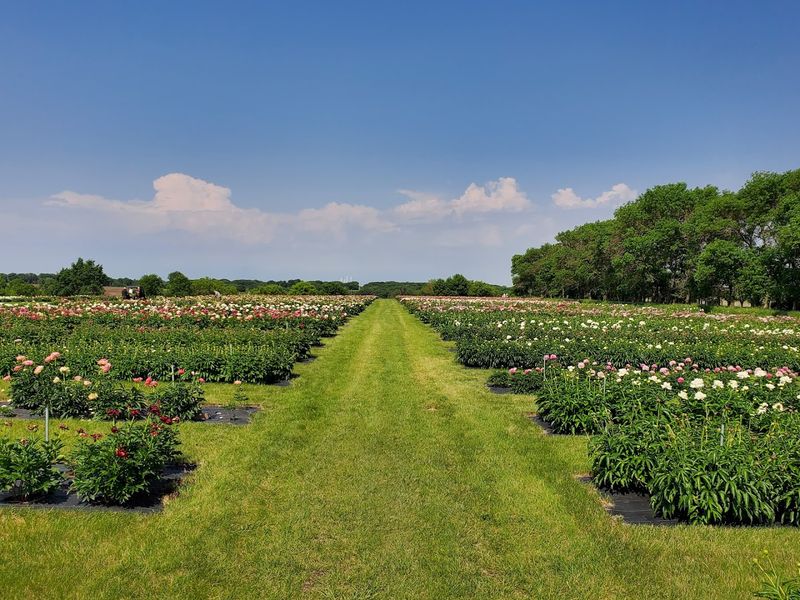
My first step inside the property was deliberately slow because the layout rewards a measured approach.
There is a natural entrance point where a wide path opens between beds and it quickly becomes obvious that starting at the edge gives you both a sweeping panorama and a chance to warm your camera settings.
I found myself angling shots to include the gentle slope of the land and occasional farm structures to give scale and context.
As someone who photographs plants badly if rushed, I liked beginning on the perimeter where the rows are widest and the flowers lean toward the path. That spacing makes it easy to crouch for a close-up without disrupting another guest.
The walkways appear to be farm paths, so comfortable shoes are a small but smart investment if you plan to circle the fields.
I recommend checking in at the farm stand first and then choosing a relaxed route through the beds; it felt natural to follow the light and discover a new favorite bloom every ten minutes.
Starting this way helped the visit feel structured but still relaxed, which suited Iowa weather and the slow choreography of opening blooms.
Meeting the People who Care for the Plants
There is a clear human thread through the place because people make these fields work long before they look effortless.
I spoke with a few of the young women at the farm stand and they knew cultivar names, planting tips, and local transplant times without hesitation.
Their practical advice about digging depth and mulch made the idea of taking home a root seem manageable rather than intimidating.
Conversations here are short and useful. One staffer handed me a small labeled cutting and explained how to keep a bouquet fresh through a weekend, while another recommended planting roots in the fall for stronger blooms next year.
I appreciated how the guidance focused on local conditions and simple care rather than broad, abstract gardening platitudes.
At moments the crew also joked about the unpredictability of Iowa springs, which made the farm feel honest and rooted in real-time weather.
Talking with them was one of the most practical parts of my visit because I left with both knowledge and confidence to try growing peonies at home.
The Varieties that Make it Interesting
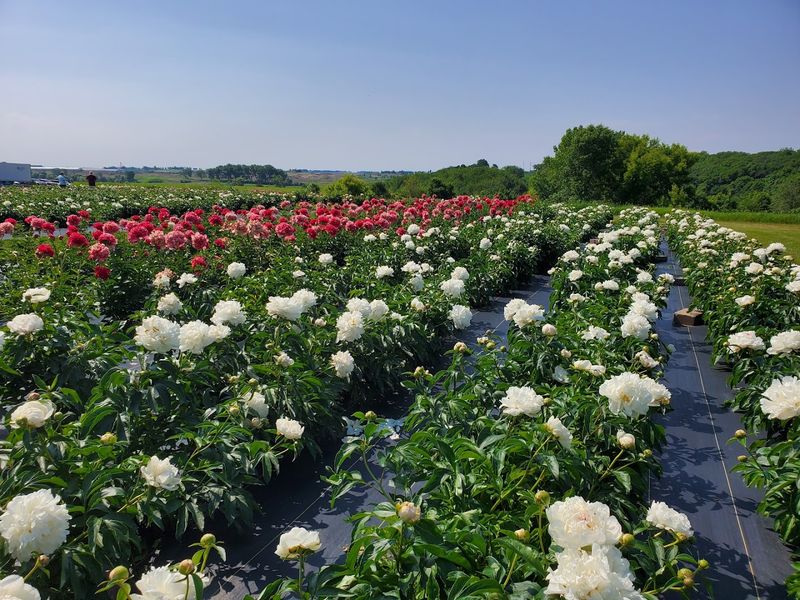
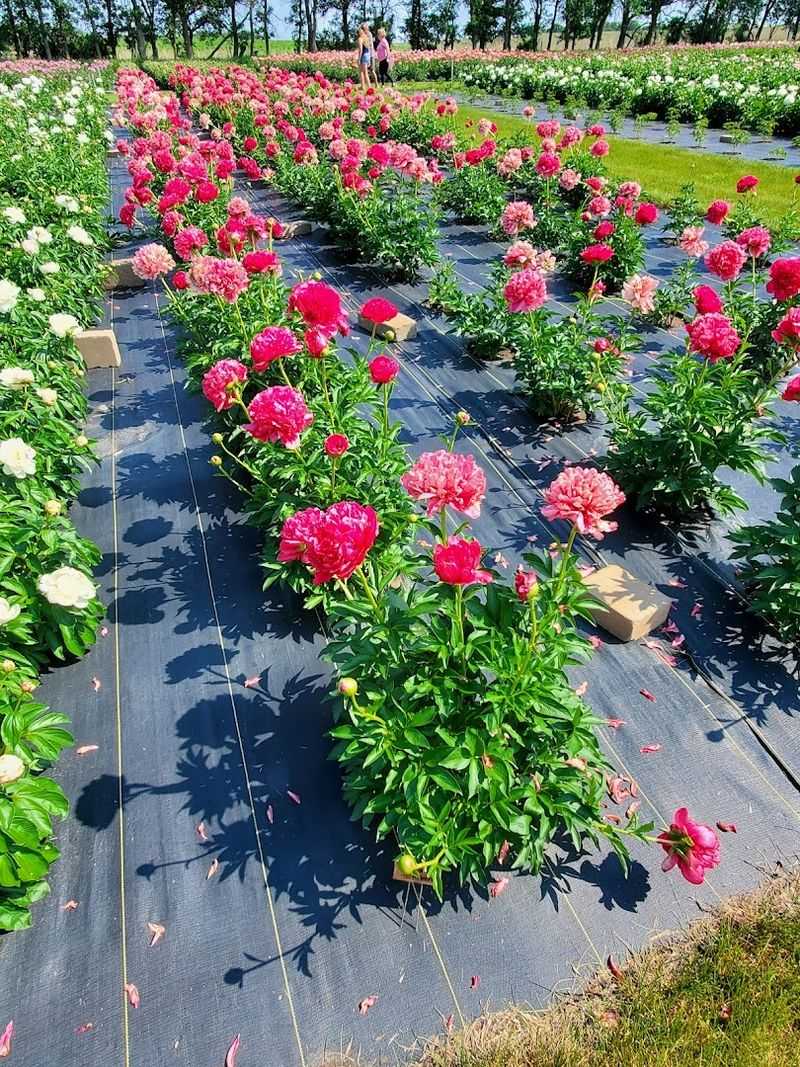
Counting colors became a tiny game for me because the farm displays so many cultivar types that each bed felt like a different mood.
I noticed soft blushes, saturated reds, creamy whites, and unexpected corals arranged in both single-flower realism and extravagant double forms.
Garden tags were generally present and helpful, so fans of specific types can make notes for purchase later.
Some beds showcased heirloom varieties with subtle fragrance and calm tones while others seemed bred for drama with oversized heads and layered petals.
I paid attention to which bushes held their shape in a breeze and which ones spilled petals like confetti; that observation helped me pick stems for a bouquet that would last in a vase.
The range of forms also means photographers and casual strollers both find satisfying subjects.
By midmorning I had a shortlist of favorites to photograph again in different light. The variety is not just about color; it is about texture, scent intensity, and how each plant reacts to wind and sun, which keeps the visit engaging across multiple passes through the fields.
Photographing the Blooms
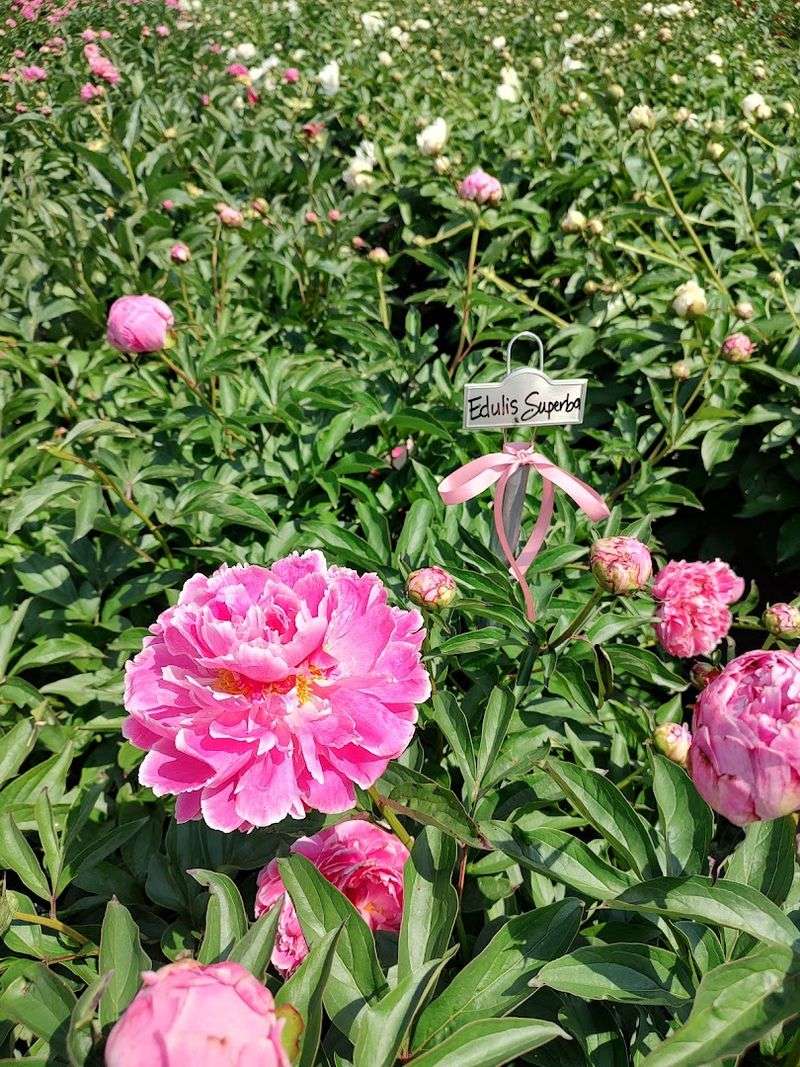
After a couple of laps I settled into a rhythm for photos that saved time and improved results. I prefer side light for texture so I aimed to shoot with the sun at my shoulder which highlighted petal layers without flattening them.
Low angles worked when I wanted the sky or distant Iowa fields behind the petals, and a short telephoto gave me compressed backgrounds that looked painterly.
One practical tip I used was to photograph a labeled tag alongside the bloom to avoid catalog confusion later. I also kept a small spray bottle to mist petals for a fresher look in close-ups; it is a subtle trick that helps with morning dust without harming the plants.
If you carry a reflector or a phone with a soft white screen you can fill shadows on shaded sides of flowers for cleaner portraits.
Composition-wise I favored clusters rather than isolated heads because peonies read as more dramatic in groups.
Shooting both wide and tight paid off, leaving me with images that captured the scale of the beds and the intimate detail of individual blossoms.
Practical Visit Tips
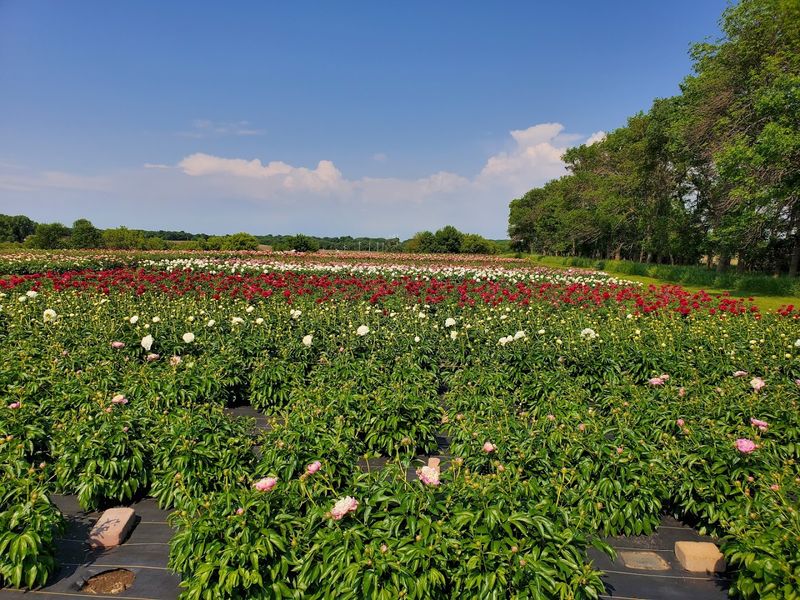
I planned for weather and walking, which made the day much easier. Comfortable closed-toe shoes, sunscreen, and a hat kept me moving through multiple beds without fuss.
The paths are part of a working farm setting, so bringing a small crossbody bag or backpack keeps hands free for holding stems or a camera without snagging plants.
Cut stems and root divisions are part of the farm’s seasonal offerings, but it is smart to check current purchase options before you arrive because availability depends on bloom timing and the season.
I packed a small bucket in the car in case I bought a few stems and wanted to keep them fresh for the drive home.
A final tip is to check bloom reports before traveling because weather can shift timing by days. Calling ahead or checking the farm’s social updates saved me a wasted trip on one borderline spring weekend, and that small step made all the difference to my schedule.
Family Friendly Details
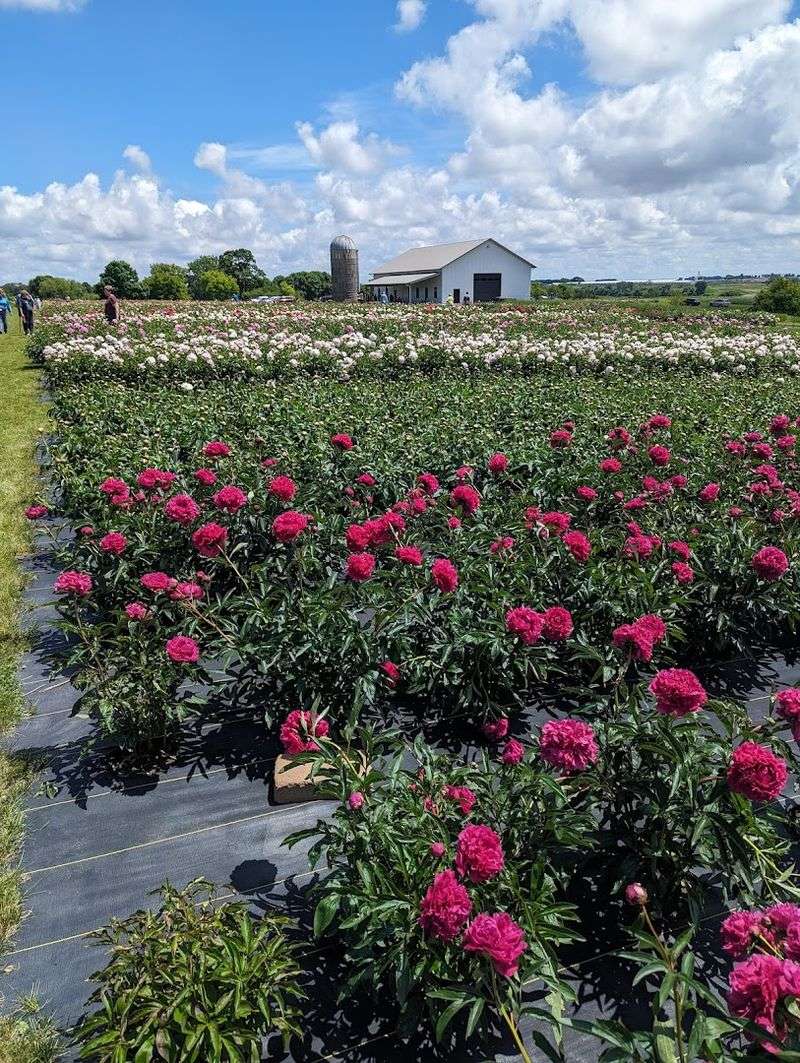
My visit with a friend and their small child showed me that the farm can be a relaxed family outing with a few sensible precautions.
Since this is a working farm setting, families with strollers should expect uneven ground in places and check current field conditions before assuming every path will be easy to navigate.
Kids naturally gravitate to the blooms, so a small rule about not picking without asking helps preserve the beds and keeps everyone smiling.
We brought simple snacks and took breaks when little legs needed a pause. There are no big amusement-style extras here, but the open flower fields provide plenty of room for supervised wandering and nature observation.
The staff were friendly and helpful when asked about the best way to enjoy the fields with a child.
Bringing wet wipes and a spare shirt made the visit less stressful, and setting simple expectations about staying on paths prevented accidental damage.
All told the farm felt welcoming to families who come prepared to move at the pace of the flowers and little legs.
Accessibility and Terrain
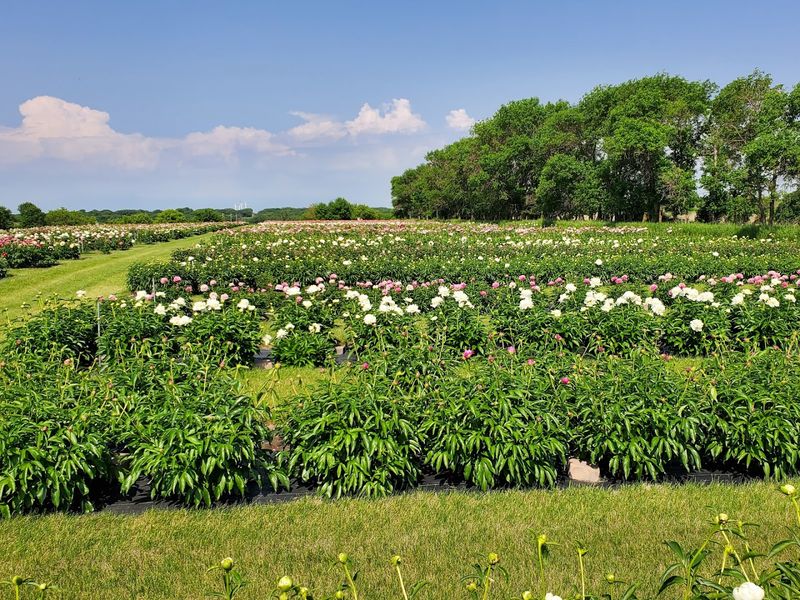
Accessibility at a small farm like this requires a bit of realistic planning, and the terrain should be treated as a seasonal field setting rather than a paved garden path.
Ground conditions can change quickly after rain, so anyone using mobility aids should call ahead before visiting.
If accessibility is a priority, ask about current field conditions, parking, and the easiest route to the most accessible viewing areas.
Seating and shade may be limited in open flower fields, so bringing what you need for comfort is a smart move for anyone who needs regular breaks. I noticed that asking questions early made it easier to decide which areas to explore first.
Shade is sparse in the fields, so plan accordingly if heat or sun sensitivity is a concern.
Overall the farm can still be a rewarding stop for visitors with mobility needs, but preparation matters. A short phone call before the drive is the safest way to make sure the parts you care about are workable on the day you go.
Best Time to Visit and Timing Tips
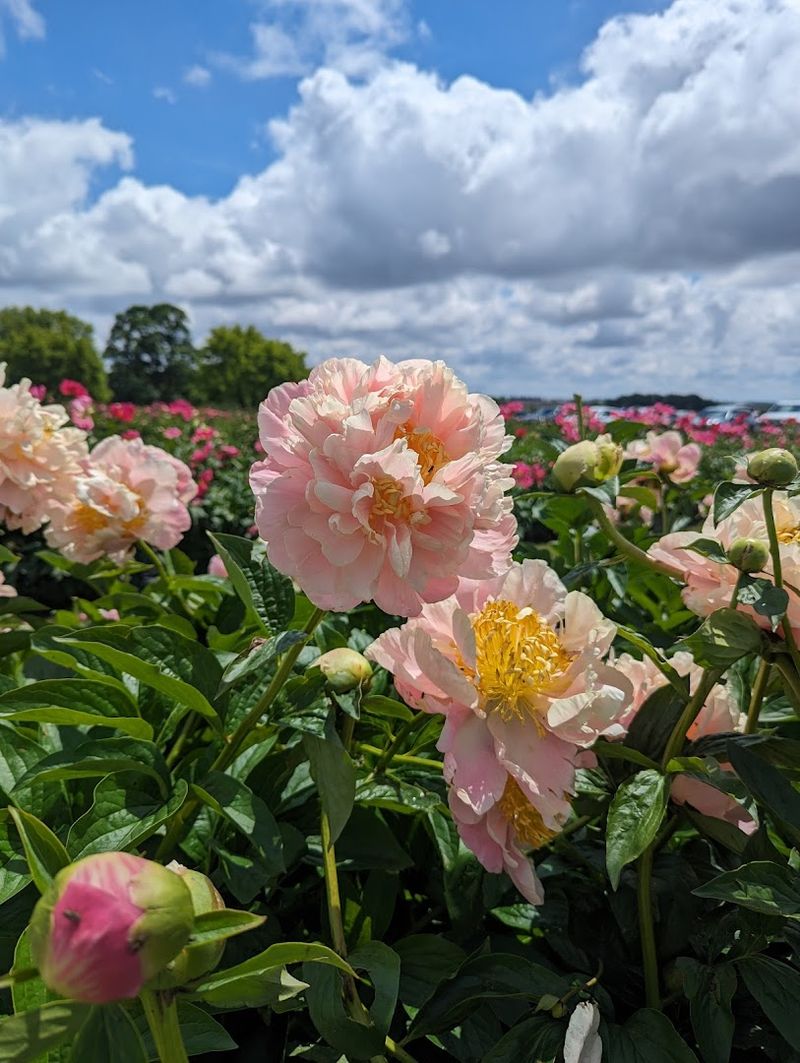
Timing matters more than you might expect because peonies have a short peak window, and I planned my trip around late May into early June which matched bloom reports.
Morning light is lovely and typically cooler so flowers stay fresher and crowds are lighter; I aimed to arrive within an hour of opening for the best combination of soft light and quieter paths.
Checking bloom updates from the farm or calling ahead reduces guesswork since a cold spell or a warm stretch can shift peak days by several days.
Weather matters for comfort and photographing; windy afternoons make delicate petals appear ruffled and heavy rain can flatten blooms. If you crave the fullest displays consider two visits spaced a few days apart because different cultivars peak at slightly different times.
Weekdays were noticeably calmer than weekends during my visits, and that made it easier to chat with staff and take photographs without jostling.
For planning purposes think in ranges rather than fixed dates and bring flexible clothes for changing conditions. A little schedule elasticity rewarded me with better light and fuller blossoms during my stay in Iowa.
Where Silo Ridge Sits on a Map
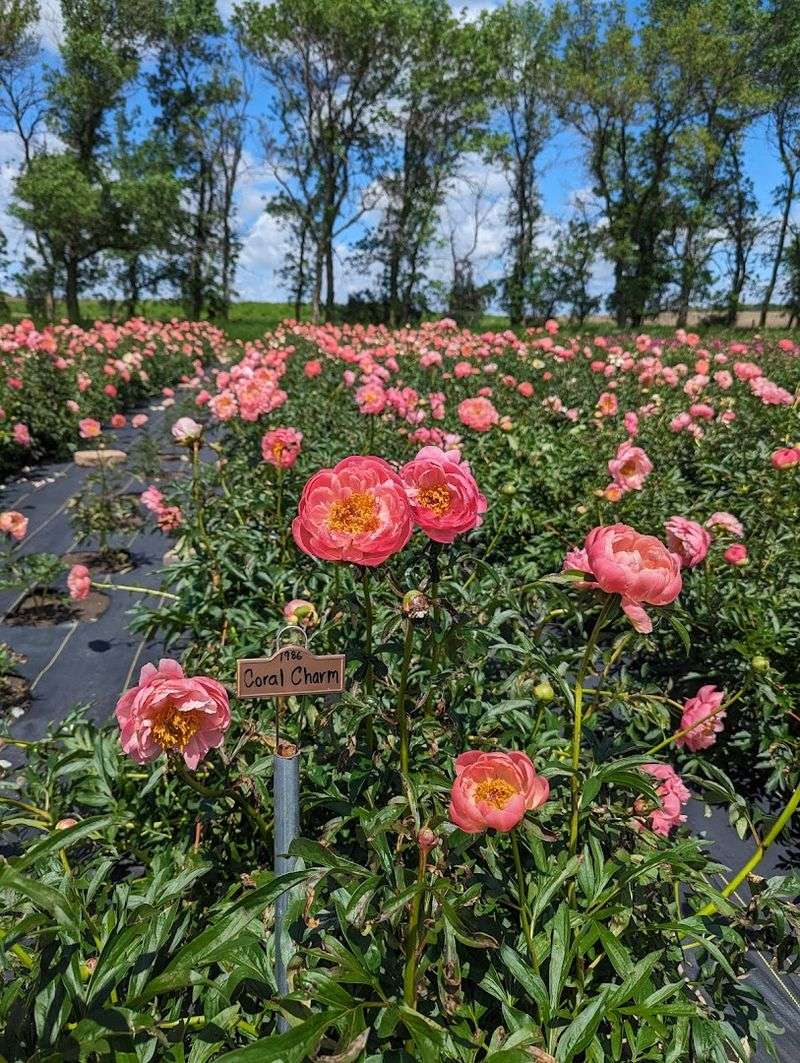
I like to know exactly where I am before I travel, and Silo Ridge Peony Farm is easy to place once you have the address and a sense of the approach roads.
The property sits amid broad fields and you can spot the beds from a short rise; the rural setting gives you long sightlines that make the colors read well from a distance.
If you follow a GPS to the coordinates and watch for the gravel drive you should arrive without worry.
On my first visit I noted that cell signals were generally reliable but intermittent in pockets, so having offline directions saved a little stress. Parking is informal but orderly with room for several cars and trucks; staff signage helped direct vehicles so the flow stayed calm even on busy mornings.
I made my way to the stand first to confirm any special notes and then wandered the beds.
The full address is 2064 225th St, Milford, IA 51351 and I mention it here so you have the exact spot for navigation. Knowing the address made planning the rest of the day straightforward and removed uncertainty from the trip.
Closing Thoughts and What to Bring
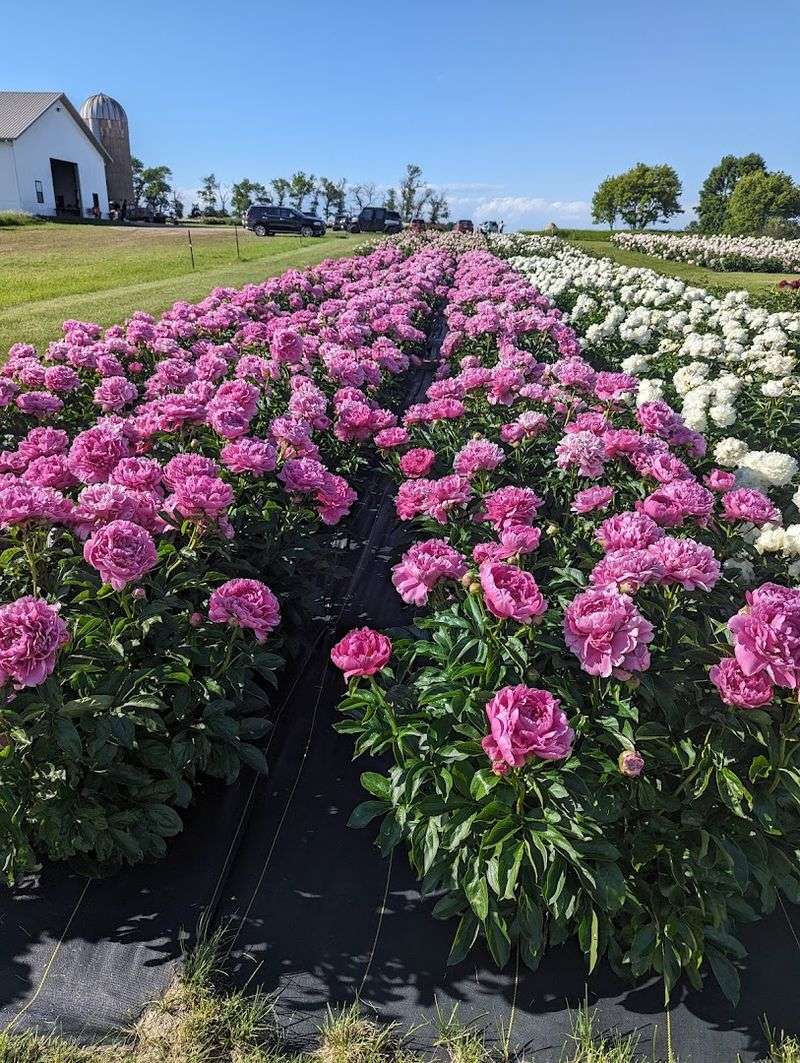
I left the farm with a bouquet, a root, and a clearer sense of how simple decisions improve a visit.
Bring layered clothing for variable Iowa weather, comfortable shoes for walking the beds, a hat, and a small cooler or bucket if you plan to take stems home.
A camera or phone with a charged battery will capture the show, but simple notes like cultivar names help you remember which plants you loved and want to plant later.
One last practical note is to confirm open days during peak season because hours can shift. I saved a follow-up call for a second trip which allowed me to catch colors I missed the first time.
The staff’s local knowledge and the clarity of the planting layout make the farm welcoming to hobby gardeners and casual strollers alike.
Pack patience along with your snacks and you’ll come away with good photos, a few rooted plans for the future, and the kind of small domestic satisfaction that a lively peony field can offer in Iowa.