Every once in a while, Iowa casually drops a historic oddity so strange that it sounds like someone lost a bet with architecture.
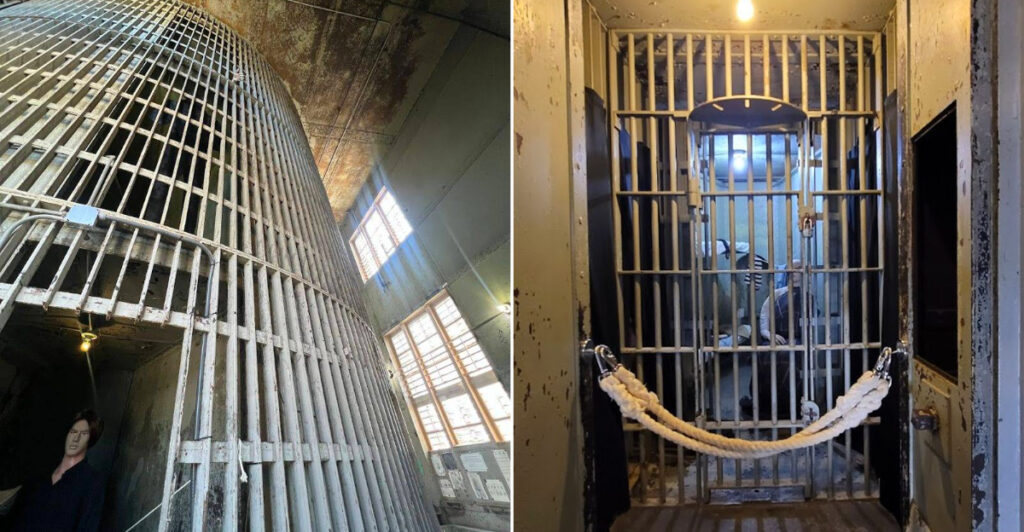
This one starts with a jail that could rotate. Not metaphorically, not as a cute nickname, but with cells arranged inside a giant turning mechanism that once let guards access one section at a time.
I first read about it and immediately had the same reaction any normal person would have: wait, they built what?
That curiosity is exactly what makes this place such a memorable stop. It is part engineering experiment, part local history lesson, and part “how did nobody tell me about this sooner?” Iowa road trip surprise.
The Building That Stopped Me Cold
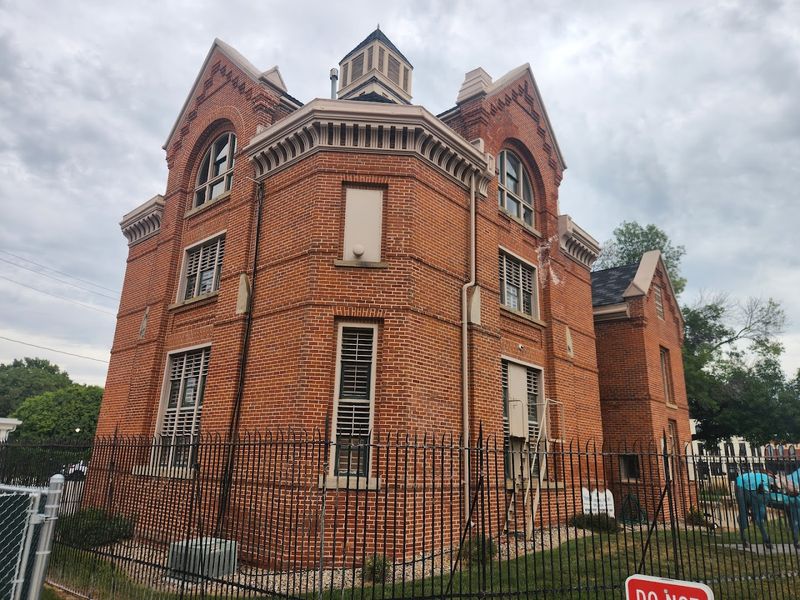
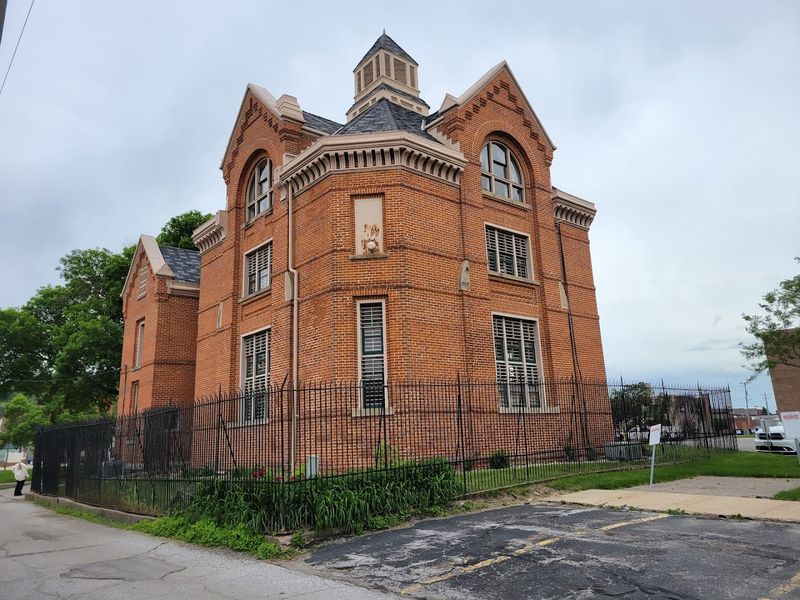
The outside of the place is deceptively ordinary. A compact red-brick building sits quietly on Pearl Street in Council Bluffs, Iowa, and if you are driving past without knowing what is inside, you might glance at it and keep going.
I almost did exactly that. The sign for the Squirrel Cage Jail sits up near the building itself rather than close to the road, so first-time visitors frequently drive right past the entrance before realizing their mistake.
Once I parked and walked up to the door, though, the building started telling its story. The architecture has a kind of restrained confidence about it, the kind that says it was built to last and built with purpose.
The address is 226 Pearl St, Council Bluffs, IA 51503, and it sits conveniently close to Interstate 80 and Interstate 29, which makes it an easy detour for road-trippers passing through the area. Finding parking took a moment, but there is space available nearby.
That slightly tricky approach only made the eventual arrival feel more rewarding, like the building was testing whether I really wanted to be there.
What Exactly Is A Rotary Jail
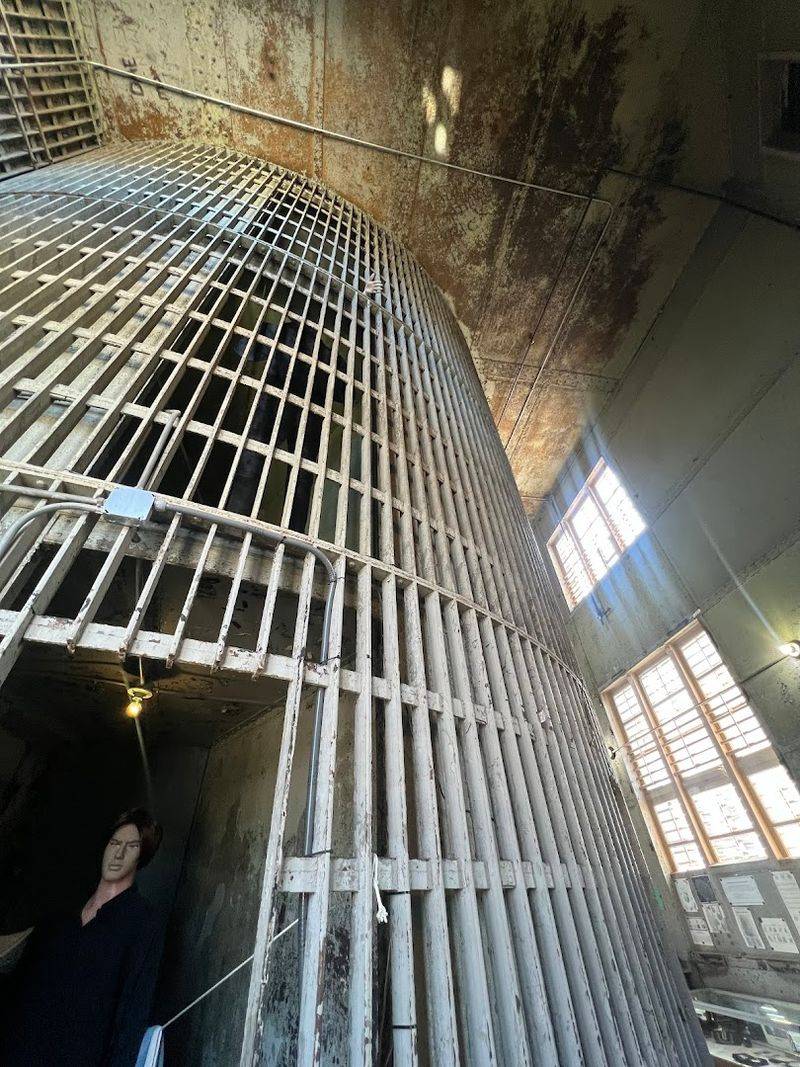
The concept behind a rotary jail is genuinely hard to picture until you are standing inside one.
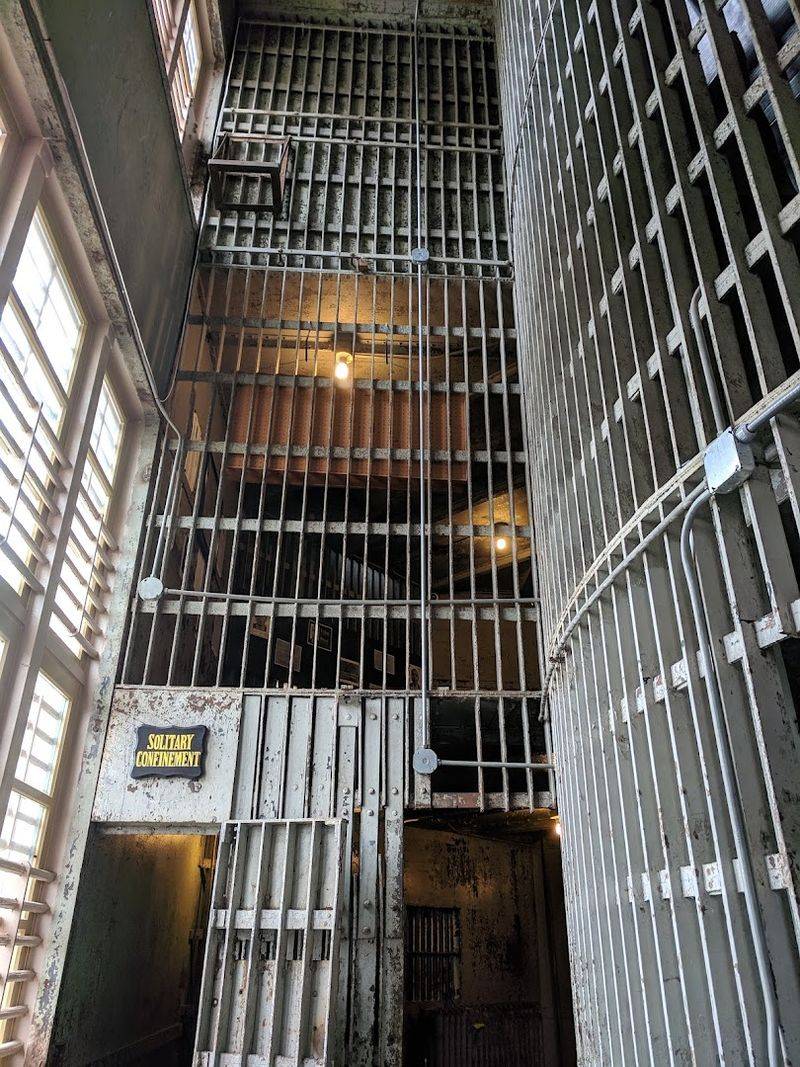
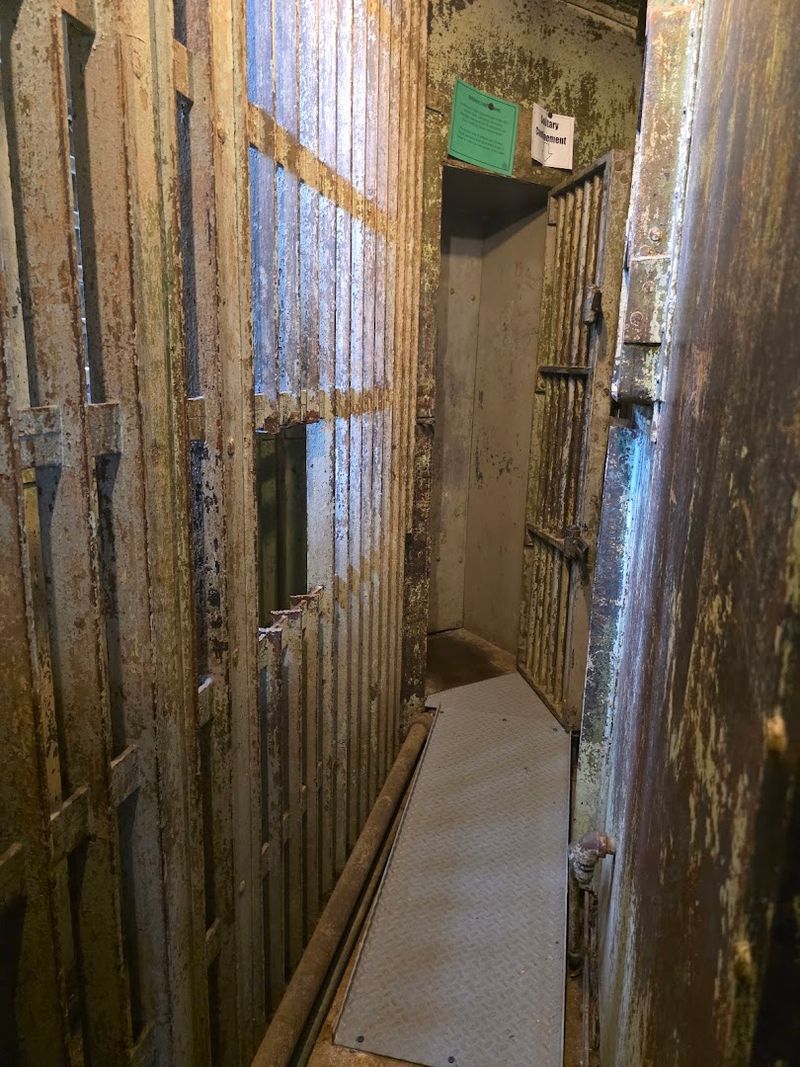
Imagine a large iron cylinder, several stories tall, divided into pie-slice-shaped cells arranged around a central axis.
The whole cylinder could be rotated by turning a hand crank, so a single opening in the outer shell would align with whichever cell the jailer needed to access.
Only one cell could open at a time, which meant inmates had almost no opportunity to move around freely or cause trouble in the corridors.
The design was patented in 1881 by engineers William Brown and Benjamin Haugh, who genuinely believed they had invented the future of corrections. They called it the Human Rotary Jail, and for a brief period, counties across the country were ordering them.
About eighteen were built in total, and today only three survive. The Council Bluffs version is one of those three, which already makes it extraordinary.
The mechanical logic of the thing is fascinating, even if the humanitarian implications of locking people in rotating iron drums are a lot more complicated to sit with.
Built In 1885, Frozen In Time
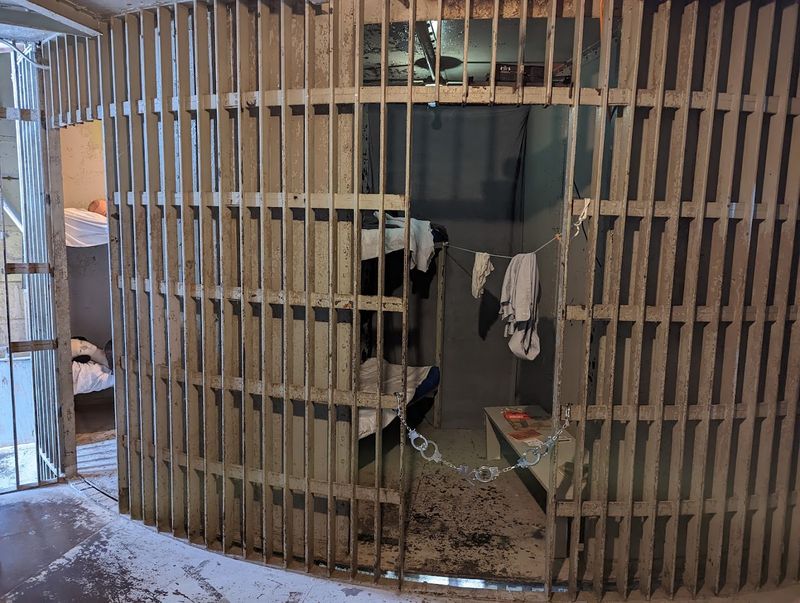
The Squirrel Cage Jail was completed in 1885, and the level of preservation inside is remarkable.
Many of the original fixtures, furnishings, and even inmate graffiti scratched into the walls are still right where they were left when the facility was decommissioned in 1969.
That is over eighty years of continuous use, followed by decades of careful preservation. The result is a building that feels like time genuinely stopped somewhere around the late 1960s, with layers of earlier decades visible underneath.
I noticed small details that most people might walk past: the texture of the iron bars, the narrow dimensions of the cells, the way light moves through the structure at different levels.
Each floor has its own atmosphere, and the deeper you go into the tour, the more the history starts pressing in on you.
The staff at the museum take the preservation mission seriously, and it shows in every corner of the building. Nothing felt staged or artificially dramatic.
The artifacts are simply there, doing the quiet work of keeping a complicated chapter of local history visible and honest for anyone willing to look closely.
The Self-Guided Tour Experience
Adult admission runs ten dollars, which is genuinely one of the better deals in historic tourism I have come across.
Reduced admission is available for some visitors, so checking the current pricing before you go is still smart.
The self-guided format works well here.
Plaques and information panels are posted throughout the jail, covering everything from the mechanical workings of the rotating drum to the stories of specific inmates who were held here over the decades.
I spent about an hour and a half on my visit, though some people move through in thirty minutes if they are not stopping to read everything. My strong advice is to read everything.
The written history posted around the building fills in details that you simply cannot get from just looking at the physical space.
Printed materials and museum staff help point visitors toward key areas on each floor and provide context for what they are seeing.
The whole experience feels casual and unhurried, which is exactly the right pace for absorbing something this layered and unusual.
Four Floors Of Fascinating History
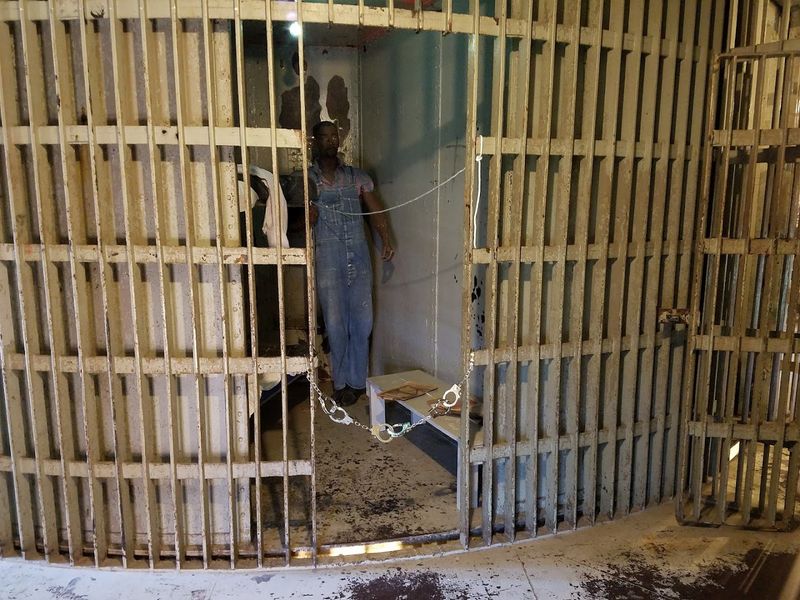
The jail has four levels, and each one reveals something different about how the facility operated across its eight decades of use.
The rotating drum occupies the central space, and the cells are stacked vertically around it, connected by staircases that wind upward through the structure.
A few things worth knowing before you visit: there are several staircases and no elevator, so the tour requires a reasonable amount of mobility.
The steps are original and narrow in some sections, which adds to the atmosphere but also demands a bit of careful footing.
On each level, you get a different perspective on the cells themselves. The dimensions are tight by any standard, and seeing how many people were held in a space this compact gives you an immediate physical understanding of what confinement meant in the late 1800s.
The upper floors also held different populations at different times, including women and juveniles, which the exhibits address directly.
The building does not shy away from the harder parts of its history, and that honesty makes the tour more meaningful than a simple curiosity stop.
Every level adds a new layer to the story.
The Jailer’s Quarters At The Top
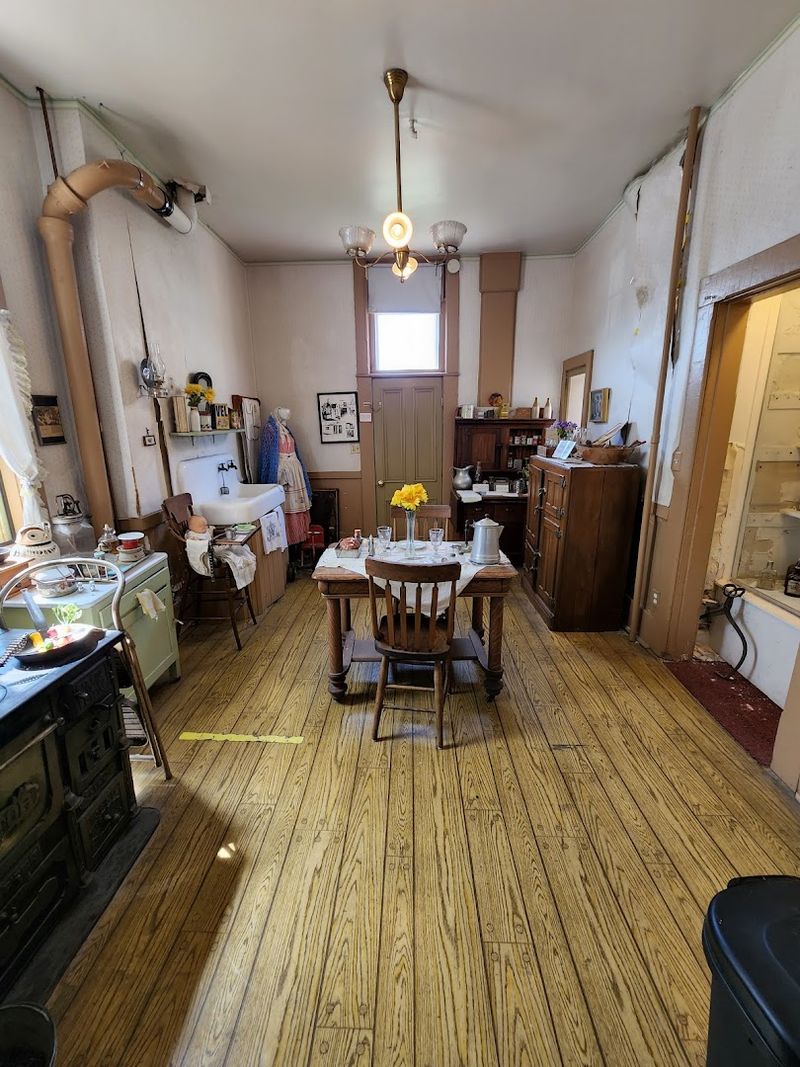
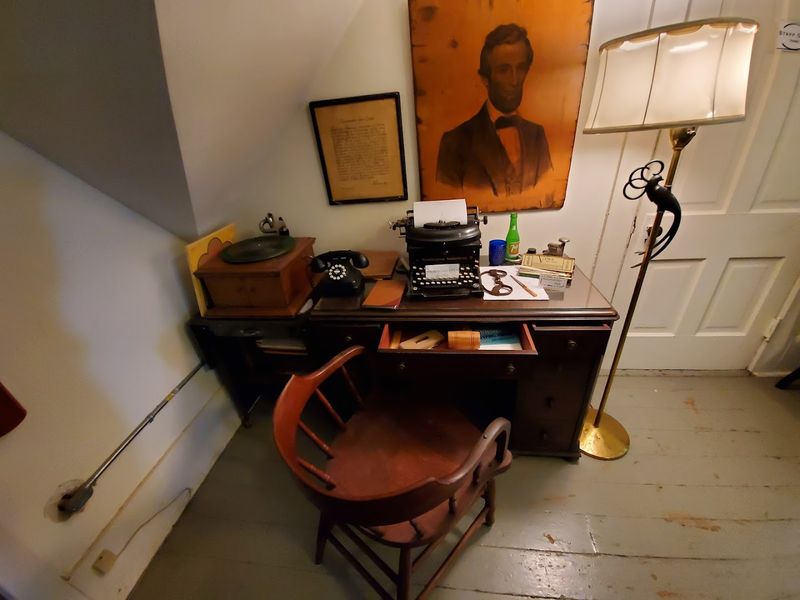
One of the most surprising discoveries on the tour is that the jailer and his family actually lived inside the jail building, with family quarters on the upper level.
The preserved domestic spaces offer a genuinely strange contrast to the cells below.
The jailer’s wife, or matron, cooked meals for the family and for the inmates, which meant the smell of food moved through the building as part of daily life.
That detail lands differently once you are actually standing in the space where the cooking happened, looking at the preserved domestic items around you.
The living quarters give you a sense of how intertwined the personal and professional lives of jail staff were in that era. There was no simple clocking out and going home.
The family was embedded in the institution, sharing its rhythms and its constraints in ways that feel almost unimaginable today.
Seeing the domestic furnishings alongside the institutional iron and brick of the rest of the building creates a kind of visual tension that stays with you after you leave.
It is one of those details that makes the Squirrel Cage Jail feel less like a museum exhibit and more like a real place where real people spent their lives.
One Of Only Three Surviving Rotary Jails
The rarity of this place is something that hit me harder once I was inside and looking at the actual structure. Of the roughly eighteen rotary jails ever built, only three remain standing today.
The other two are in Crawfordsville, Indiana, and Gallatin, Missouri. The Indiana version is the one known for having an operational rotating mechanism.
The Council Bluffs drum no longer rotates, but the structure is intact enough that you can fully understand how the mechanism worked.
Knowing that I was standing inside one of three surviving examples of a design that was briefly considered revolutionary changed how I looked at every detail.
The iron, the geometry of the cells, the central axis around which everything turned: all of it felt more significant because so little of it remains.
Preservation efforts by the Historical Society of Pottawattamie County have kept the building in genuinely impressive condition.
The fact that it still stands, still open to the public, still telling its story at an accessible admission price, is something worth appreciating out loud.
Places this rare and this honest about history deserve every visitor they can get.
The Inmate Stories That Linger
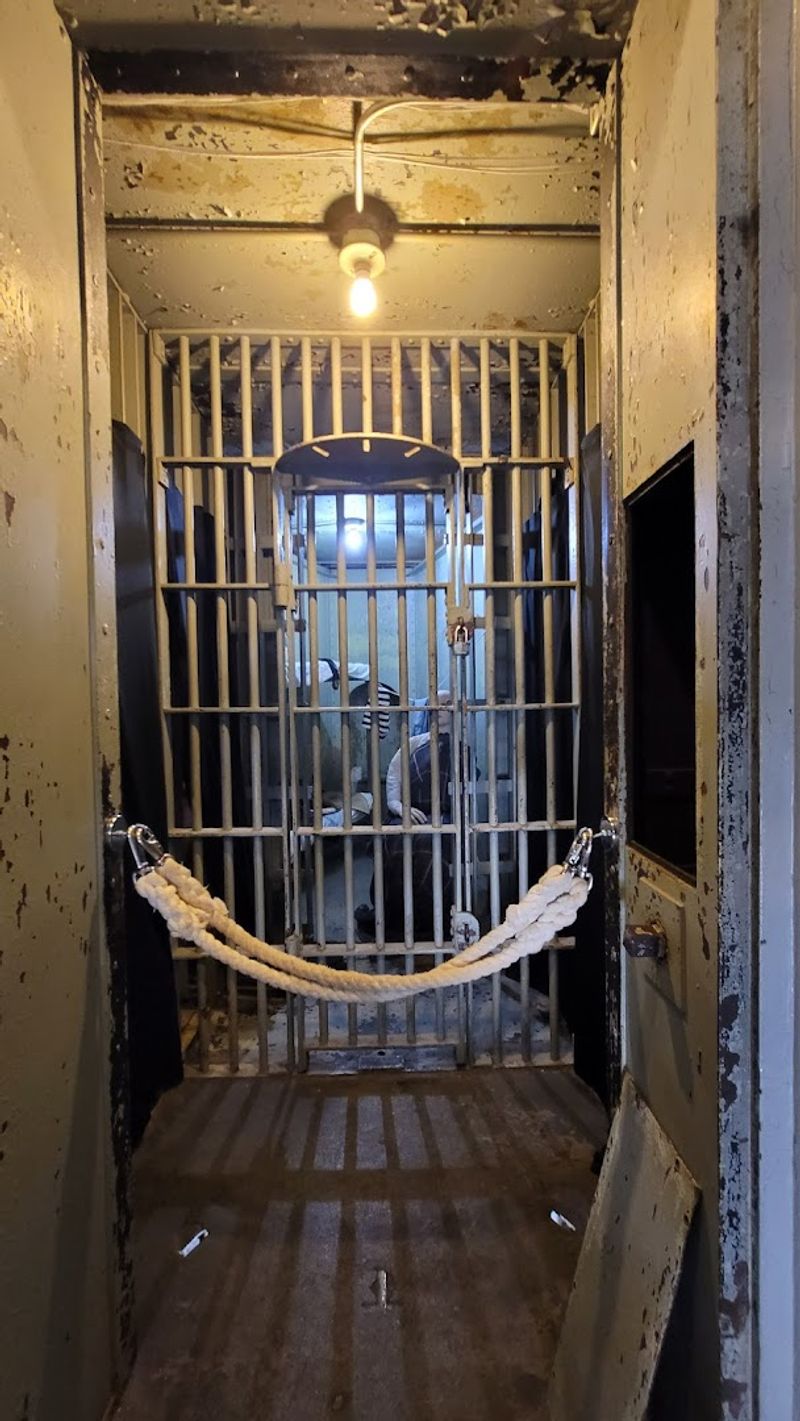
The exhibits scattered through the building include information about specific people who were held here. Those individual stories are what give the tour its emotional weight.
Reading about a real person who occupied one of these cells, in this specific building, on this specific street, makes the history feel immediate rather than distant.
The inmate graffiti preserved on the walls is particularly affecting. Names, dates, and small drawings scratched into metal and brick by people who had nothing but time represent a kind of raw human record that no official document can replicate.
The jail held a wide range of individuals over its history, from minor offenders to more serious cases, and the exhibits treat that variety honestly.
The stories do not flatten everyone into a single narrative but instead reflect the complicated reality of who ended up in a county jail over eight decades.
I found myself reading plaques I had not planned to stop at, drawn in by a name or a date that caught my eye. That kind of unplanned engagement is a sign that the curation is working.
The Squirrel Cage Jail does not just show you a building; it introduces you to the people who passed through it.
Special Events And Paranormal Tours
Beyond the standard daytime tours, the Squirrel Cage Jail hosts special events throughout the year that draw a completely different kind of crowd.
Halloween flashlight tours are among the most popular, and the building’s atmosphere at night transforms the experience entirely.
The iron structure, the narrow staircases, and the preserved cells take on a different character in the dark, and the flashlight format encourages visitors to slow down and notice details they might rush past in full daylight.
I have not personally done the nighttime version, but the accounts from people who have suggest it is genuinely memorable.
Paranormal investigation events have also been held at the jail, drawing groups interested in the building’s long history and the stories attached to it.
Whether or not you believe in that sort of thing, the events create a framework for engaging with the building in an unusually focused way.
Checking the museum’s calendar before you visit is worth doing, since special events often sell out or require advance registration. The website at thehistoricalsociety.org has current event listings.
Regular hours run Thursday through Saturday from 10 AM to 5 PM, and Sunday from 1 PM to 5 PM, with the museum closed Monday through Wednesday.
Tips For Making The Most Of Your Visit
A few practical things made my visit smoother, and they are worth passing along.
Have payment ready for admission, and plan to spend at least an hour if you want to read the exhibits properly rather than just glance at the structure.
The gift shop near the entrance carries books and souvenirs related to the jail’s history, and the staff working the desk are knowledgeable and genuinely enthusiastic about the building.
Asking them questions is well worth your time because they carry information that goes well beyond what the printed materials cover.
Wear comfortable shoes with decent grip, since the staircases are original and require some care. The building is not accessible by elevator, so visitors with mobility considerations should factor that in before making the trip.
Parking can be a bit of a puzzle on your first visit, so give yourself a few extra minutes to get oriented.
The sign for the museum is visible once you are close to the building rather than from the main road, so trust your navigation app and watch for the turn.
The phone number is 712-323-2509 if you need to call ahead with any questions before arriving.