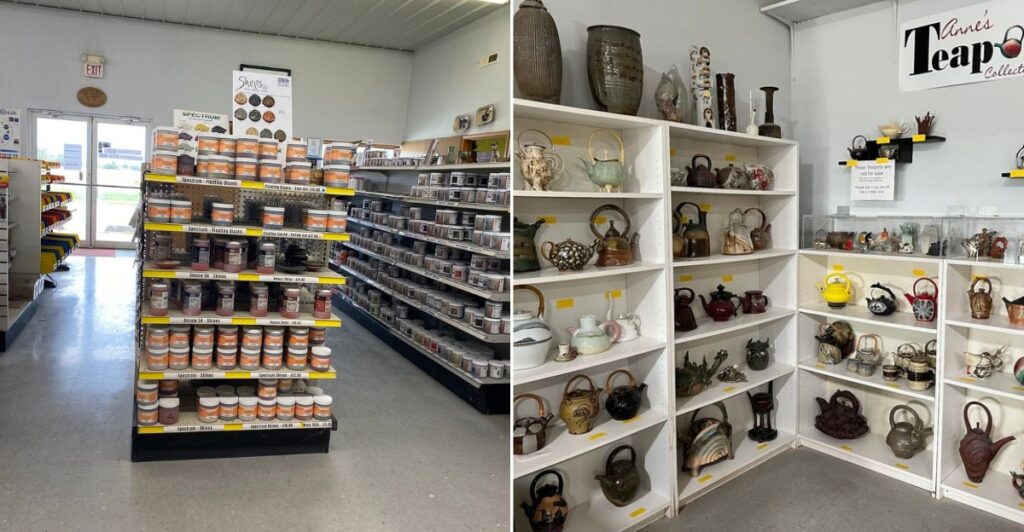
Clay on your hands, glaze samples in front of you, and suddenly a quick supply run has turned into a full creative detour. This Kansas art store gives makers room to think bigger.
Instead of grabbing one tool and heading out, you can browse materials that spark new ideas before the project even has a name. That is what makes a well-stocked shop so dangerous in the best way: one shelf can completely change what you thought you were making. I know the feeling.
I once went into an art store for a single basic supply and came out carrying materials for a project I had invented somewhere between two aisles. The funny part was how reasonable it felt at the time. Creative spaces do that to me.
They make experimentation seem urgent, practical, and somehow impossible to postpone.
If a Kansas shop can turn a routine errand into the beginning of something new, I am probably leaving with more than I planned and zero complaints about it.
A Countryside Address That Surprises First-Timers
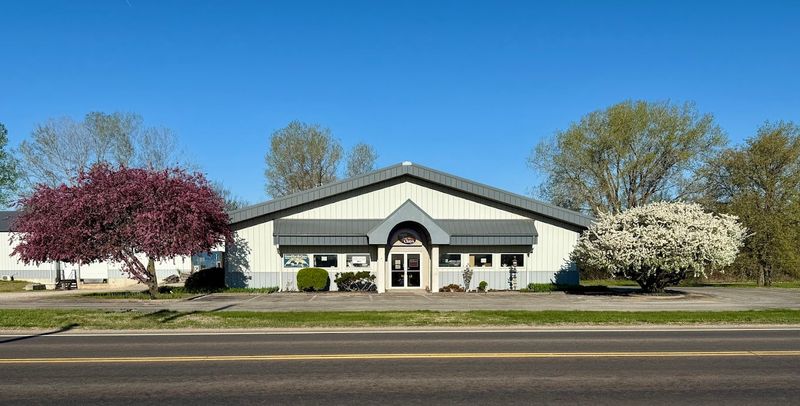
Most art supply stores hide inside strip malls, so rolling up to a countryside spot east of town caught me off guard in the best way.
The address, 1831 E 1450 Rd in Lawrence, Kansas, reads more like a farm route than a retail listing, and honestly that fits.
Open fields sit nearby, parking is easy, and there is plenty of room to back a truck up close to the door.
That last part matters more than you might think. Clay comes in heavy boxes, and nobody wants to haul fifty pound bags across a crowded lot.
I punched the coordinates into my phone and followed the road out until the buildings thinned. A few minutes later the shop appeared, plain on the outside and packed on the inside.
My tip for a first trip: trust your map app even when the scenery starts looking rural, because the turnoff comes up quickly and the reward is a full trunk.
Clay Bodies Made Right Here In Kansas
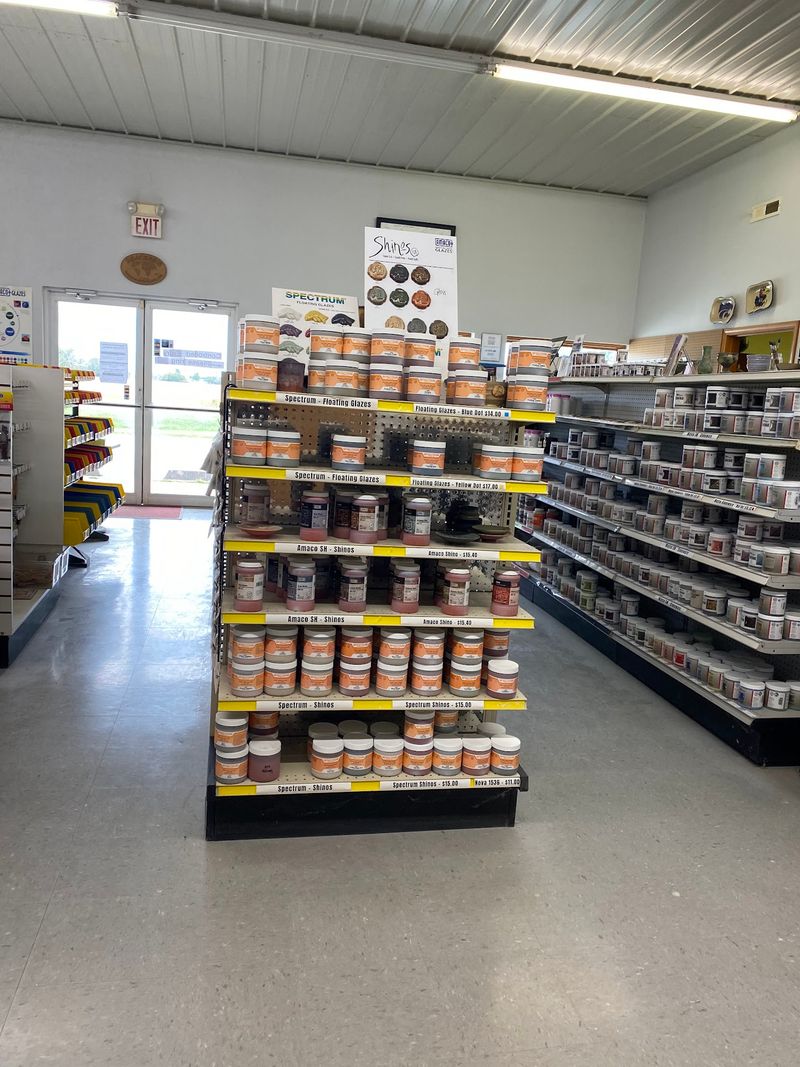
Bison clay gets talked about like a local celebrity, and after seeing thrown pots made from it, I understand the fuss.
Bracker’s shares its warehouse with Kansas Clays, which manufactures clay bodies there, so the material you buy did not travel across the country in a shipping container.
Pyrate Freckle is another favorite, giving finished pieces little dark flecks that pop through lighter glazes.
Making clay locally also keeps prices reasonable and lets the staff tweak recipes when raw materials change, something that happens more often than shoppers realize.
I asked about the difference between low fire, mid range, and high fire bodies, and got a clear answer without any eye rolling.
If you throw on a wheel, start with a box before committing to a pallet. Different clays behave differently under your hands, and finding the right one is worth a few trial runs.
Kansas-made clay in Kansas hands feels like a fair trade.
Glaze Shelves That Go On Forever
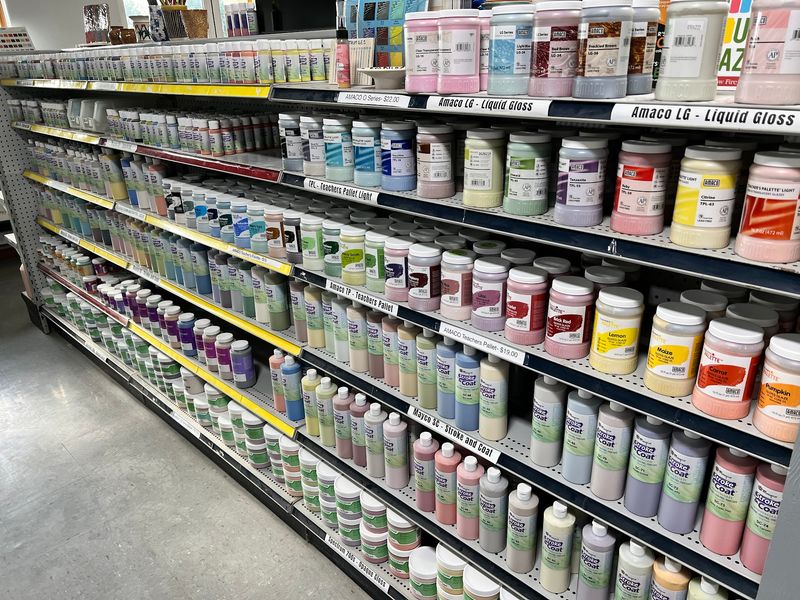
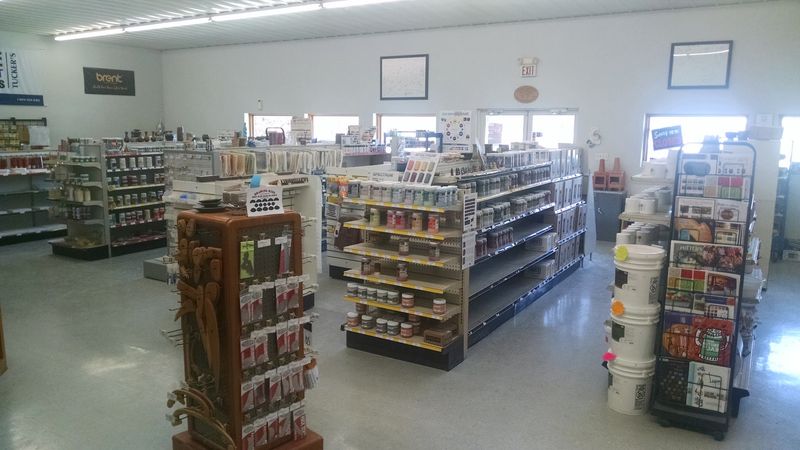
I counted rows of glaze jars until I lost track somewhere in the blues, and that was only one wall.
Commercial brands sit alongside dry chemicals for people who mix their own recipes, so beginners and chemistry-minded potters both find what they need.
Coyote glazes have a big presence, and underglazes come in enough shades to satisfy anyone who likes painting details on greenware.
Small fired test tiles hang near many products, which beats guessing from a jar label. Glaze rarely looks like its wet color, and seeing an actual sample saves disappointment later.
My advice is simple: bring a photo of the clay body you use. Glaze reacts differently over white porcelain than over dark stoneware, and the staff can steer you toward combinations that behave.
I walked in wanting one bottle of celadon and walked out with three, plus a note about firing temperature scribbled on my receipt.
Staff Who Actually Answer Your Questions
Ask a nervous question about crawling glaze here and you get a real answer, not a shrug toward aisle four.
The people working the floor know ceramics because many of them make pots themselves.
They ask what effect you are chasing, then suggest materials that get you there, sometimes talking you into a cheaper option than the one you grabbed.
I watched someone explain kiln wiring to a customer with the patience of a favorite teacher. Nobody rushed, nobody upsold.
That kind of help turns a supply run into a lesson. Beginners especially benefit, since ceramics has a vocabulary that can feel like a secret code at first.
Bring your questions written down if you tend to forget them under pressure.
I did, and I left with answers about bisque temperatures, brush care, and why my handles kept cracking. Good advice weighs nothing and travels home free.
Kilns, Wheels, And Big Equipment Under One Roof
Buying a kiln feels like buying a car, right down to the questions about power supply and how much space you have at home.
Here you can look at electric kilns in person, compare sizes, and talk through what your studio or garage can handle.
Pottery wheels sit nearby, ready for a test spin, and slab rollers and extruders round out the heavy gear.
Repair services matter just as much.
Elements burn out, controllers act up, and having somewhere in Kansas that services equipment saves enormous headaches.
I learned that a kiln pulling thirty amps needs a dedicated circuit, which is exactly the sort of thing you want to hear before purchase rather than after.
If a big machine is in your future, measure your doorway and check your breaker box first. Show up with those numbers and the conversation moves quickly toward something that actually fits your setup.
Firing Services For Potters Without A Kiln
Not everyone can install a kiln in an apartment, and that reality keeps plenty of talented makers from finishing their work.
Firing services solve the problem. Drop off greenware or bisque, pick it up fired, and skip the electrical upgrades entirely.
Some potters use the service permanently. Others lean on it while saving for equipment of their own, which strikes me as a smart middle step.
Wrap pieces carefully for the drive out, because the roads have their bumps and unfired clay is fragile. Label everything clearly too, since firing loads hold work from several customers at once.
Ask about turnaround before dropping off, especially around holidays when everyone suddenly wants mugs and ornaments finished.
I liked that the option exists at all. A supply store willing to run kilns for the community is doing more than selling boxes, and it lowers the barrier for anyone in Kansas curious about starting clay work.
Local Artwork Displayed Around The Store
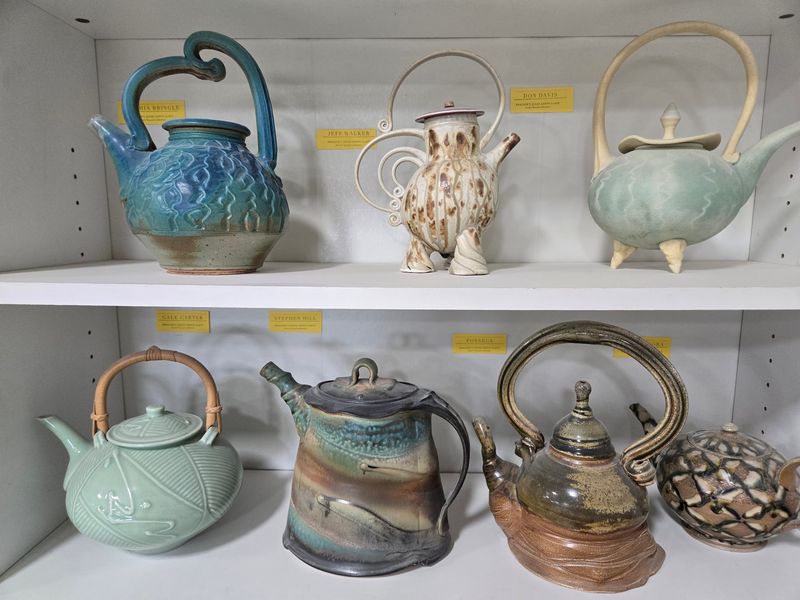
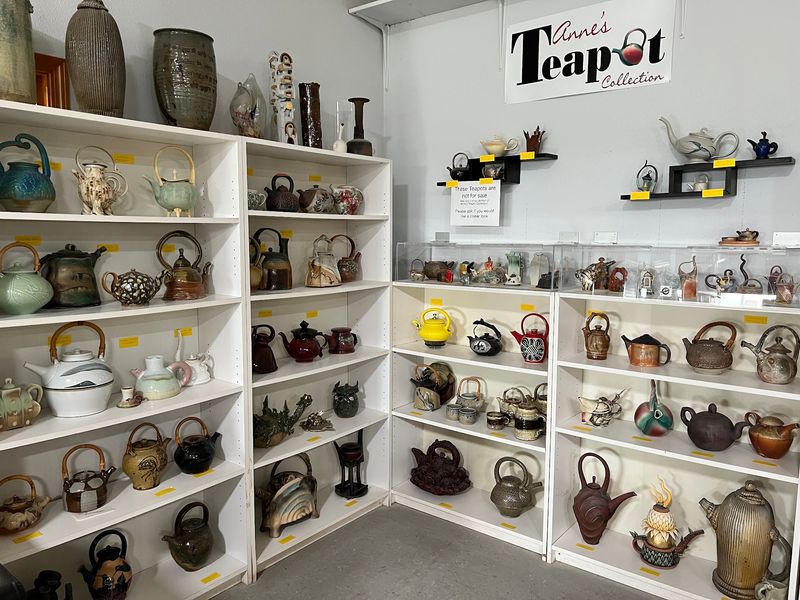
Shelves near the counter hold finished pots made by area artists, and I spent longer studying them than I planned.
Seeing what people actually create with the materials on sale changes how you shop. A glaze looks abstract in a jar, then suddenly makes sense across a curved bowl.
The displays rotate, so repeat visitors keep finding new work. Textures, carving techniques, and surface treatments all sit within arm’s reach for close inspection.
I found myself photographing a speckled mug for reference, then hunting down the exact clay that produced the effect. That is the whole point of the display, I think.
Bring a notebook or use your phone to save ideas. Inspiration fades fast on the drive home.
For anyone teaching a class or leading a group, the wall doubles as a free gallery lesson in what Kansas potters are making right now, which beats scrolling through pictures online.
Tools, Brushes, And Gadgets Galore
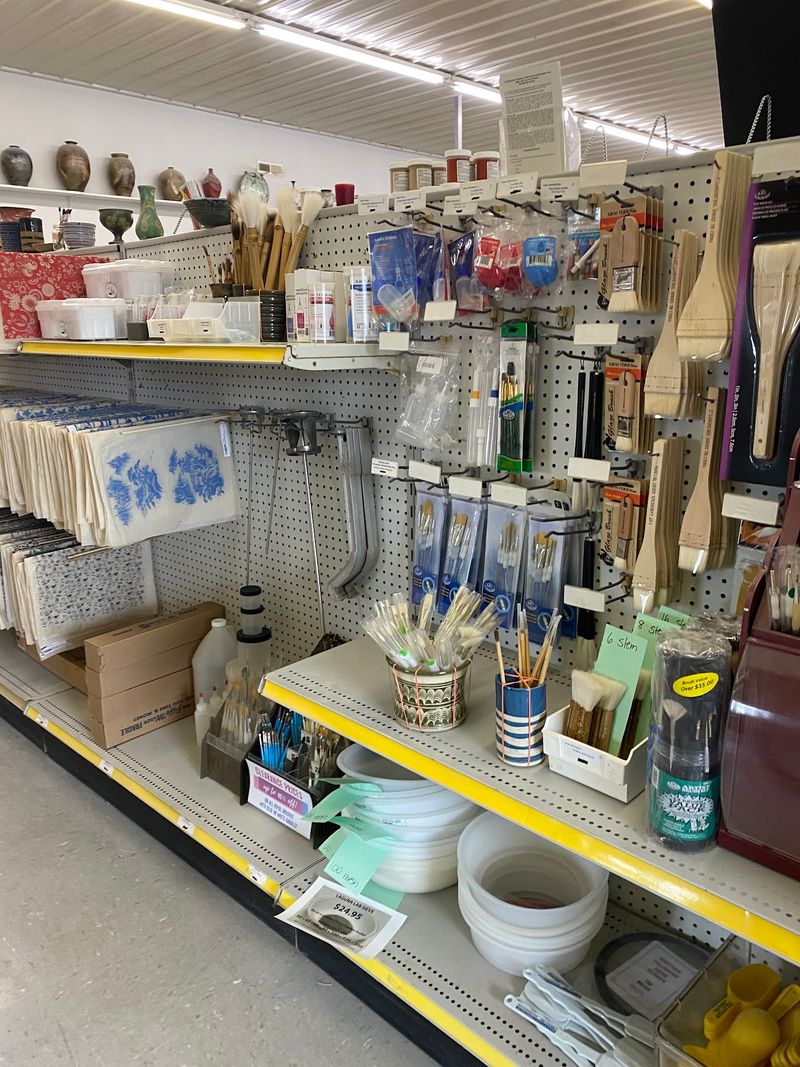
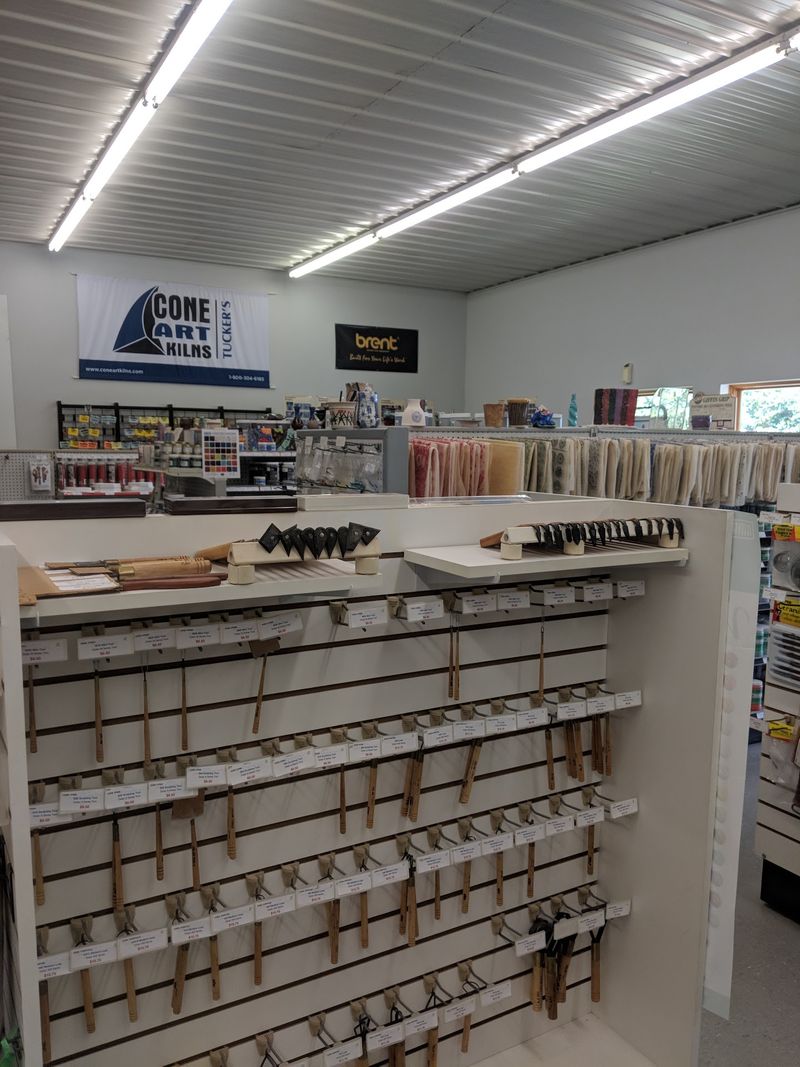
Wire cutters, wooden ribs, trimming loops, sponges, needle tools, and brushes fine enough to paint an eyelash all live here.
The tool wall rewards browsing. I picked up a rubber rib I did not know existed and now use it constantly for smoothing curves.
Books line another section, covering everything from beginner hand building to serious glaze chemistry. Decals, stamps, and texture rollers sit nearby for anyone who likes decorating surfaces.
Prices span the range, so students on tight budgets and professionals restocking a studio both find options.
My honest suggestion: start small. New potters often buy a giant tool kit, then use four pieces from it for years.
Handle things before deciding. A trimming tool that feels balanced in your grip beats a fancier one that fights you, and being able to test the weight in person is exactly why driving out to a real store still beats clicking buttons.
Hours To Plan Around Before You Drive

Sunday shoppers, take note: the doors stay closed that day, and finding out at the parking lot would sting.
Monday through Saturday the shop opens at 9:30 AM and closes at 4:30 PM, which is a shorter window than most retail spots.
Plan your drive accordingly, especially if you are coming from Wichita, Topeka, or across the Kansas City metro.
Give yourself more time than you expect to need. Browsing takes longer here than at a typical store because you will stop to read glaze labels and compare clay samples.
Loading heavy materials adds another chunk of time at the end. I aim for a mid-morning arrival, which leaves room to shop slowly, ask questions, and still make it home before dinner.
Calling ahead about stock on a specific item is also smart, since popular clay bodies move quickly and a wasted round trip helps nobody.
Online Ordering And Shipping For Distant Potters
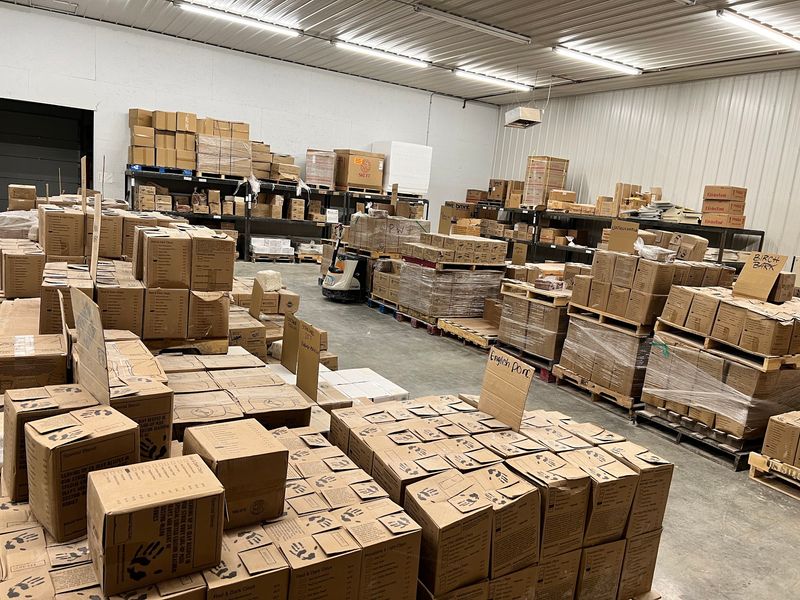
Living three hours away does not mean missing out, and that surprised me given how heavy ceramic supplies are.
Orders ship out with reasonable rates, and customers get updates as the box moves through packing and delivery. For dry materials and glazes, shipping makes plenty of sense.
Clay is the tricky one. Freight costs climb fast with weight, so many people combine an online order with an occasional pickup trip to keep the math friendly.
Studios sometimes place group orders together, splitting shipping across several potters. Worth suggesting to your class or clay club.
Substitutions get communicated rather than silently swapped, which protects you from opening a box and finding the wrong cone rating.
The reach means artists far outside Kansas can access locally mixed clay bodies and mixed glazes.
I still prefer wandering the aisles in person, but knowing a restock is only a few clicks away takes the pressure off forgetting something.