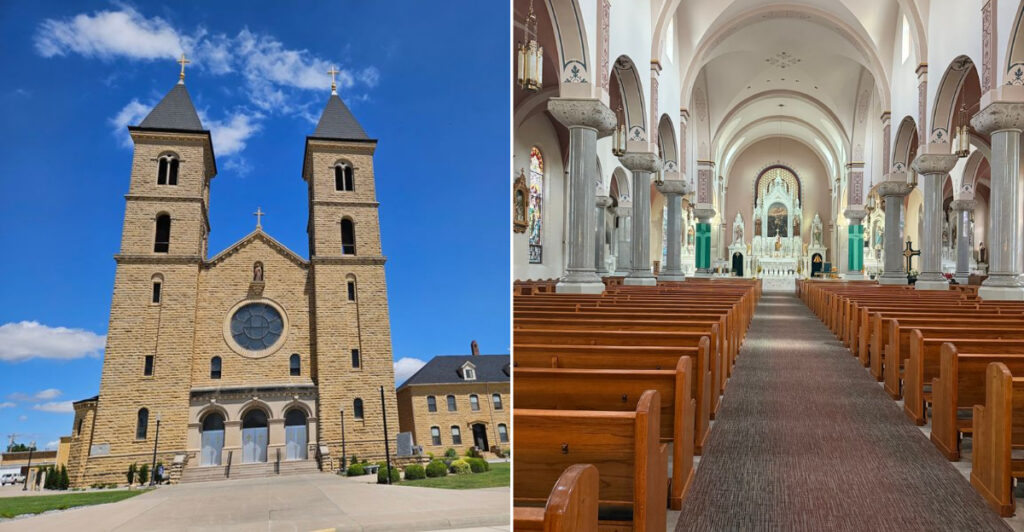
A prairie road trip does not usually prepare you for a building that looks like it belongs somewhere in Europe. That surprise is exactly what makes this Kansas basilica so memorable.
Its scale and architecture seem almost impossible against the wide-open landscape, creating the kind of contrast that makes you slow down before you even step inside. It is not flashy in a modern way.
It is impressive because it feels completely unexpected. Places like this can change the mood of a drive in seconds.
One minute, the scenery feels familiar. Then a massive stone church appears and suddenly the prairie has a completely different personality.
I am always fascinated by landmarks that make me question where I am for a second.
If I can pull off a Kansas highway, look up, and briefly feel like I took a wrong turn into Europe, I am staying for a closer look. That kind of surprise is exactly what makes a road trip like this worth remembering.
Twin Towers That Greet You From Miles Away
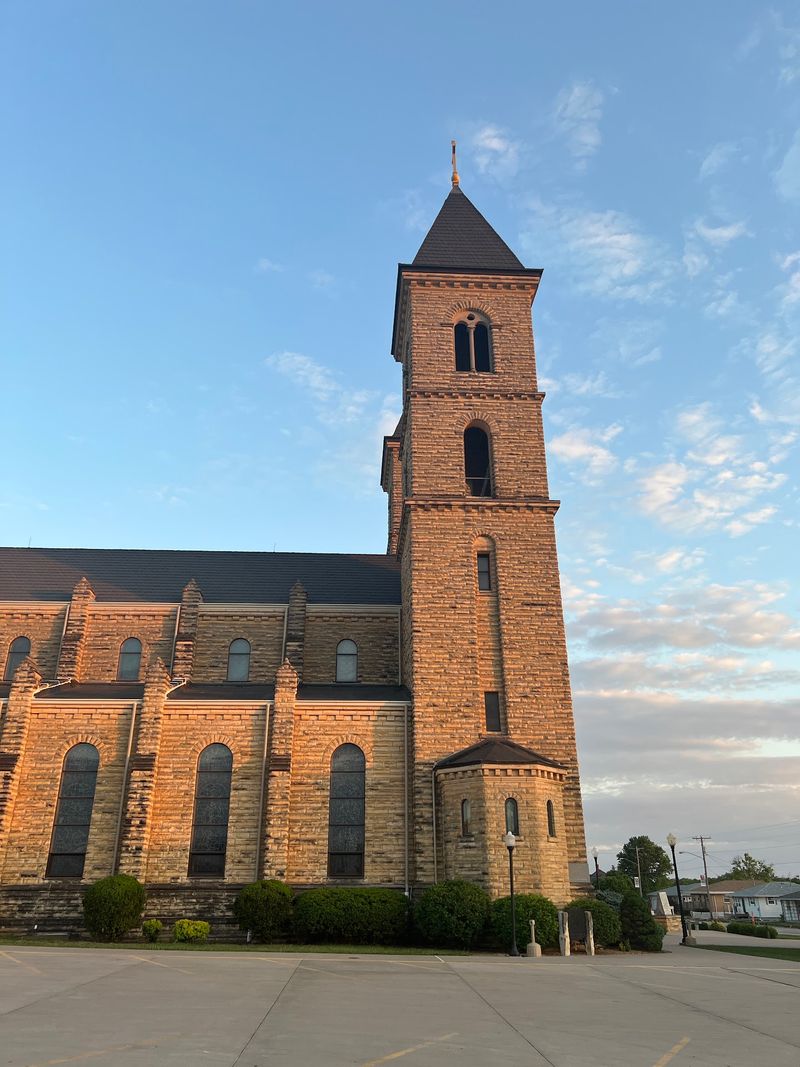
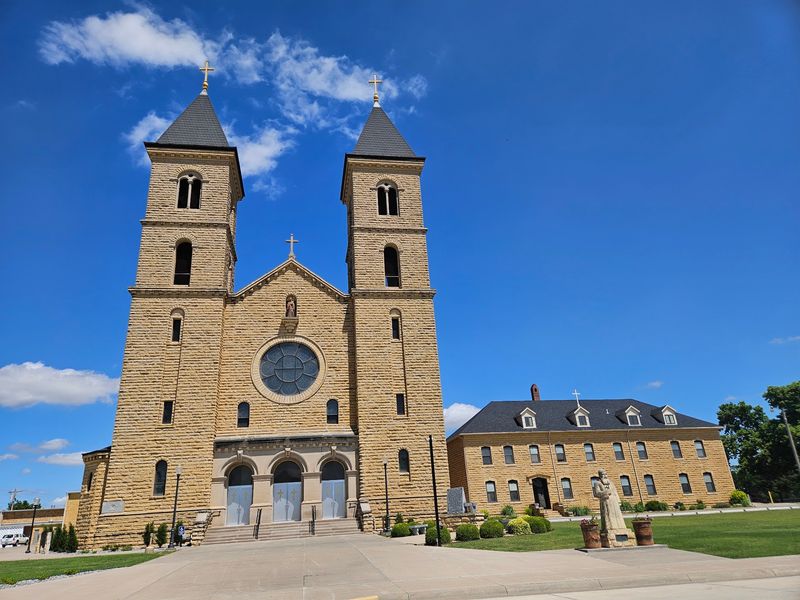
Long before I reached the parking lot, I spotted them: two square limestone towers standing 141 feet tall above absolutely flat farmland.
There is nothing else on that horizon competing for attention, so the effect is almost theatrical. Drivers on Interstate 70 often notice the steeples first and only later realize a full-scale church sits beneath them.
Each tower is topped with a cross, and together they hold a set of bells that once called the whole farming community to worship. Locals told me the towers work like a landmark for anyone lost on the county roads.
My advice is simple. Pull over on the approach road, roll down the window, and take a photo before you get too close, because the wide-open framing is the shot you will actually want later.
Seeing those towers rise over wheat stubble still ranks as one of my favorite Kansas surprises.
Nicknamed The Cathedral Of The Plains
Here is a nickname with a famous backstory.
William Jennings Bryan, the well-known orator and politician, reportedly called this church the Cathedral of the Plains after seeing it, and the name stuck for over a century.
Technically it is not a cathedral at all, since a cathedral houses a bishop’s seat. But the title fits the scale so well that nobody in Kansas seems bothered by the technicality.
You will hear the nickname everywhere: on signs, on brochures, in conversation with the friendly volunteers who greet visitors near the entrance.
I found it charming that a building in a town of a few hundred people carries a name that sounds like it belongs to a major city.
If you enjoy collecting odd bits of trivia on road trips, this one earns its keep, and it makes a fine story to tell later.
Built By Volga German Immigrant Families
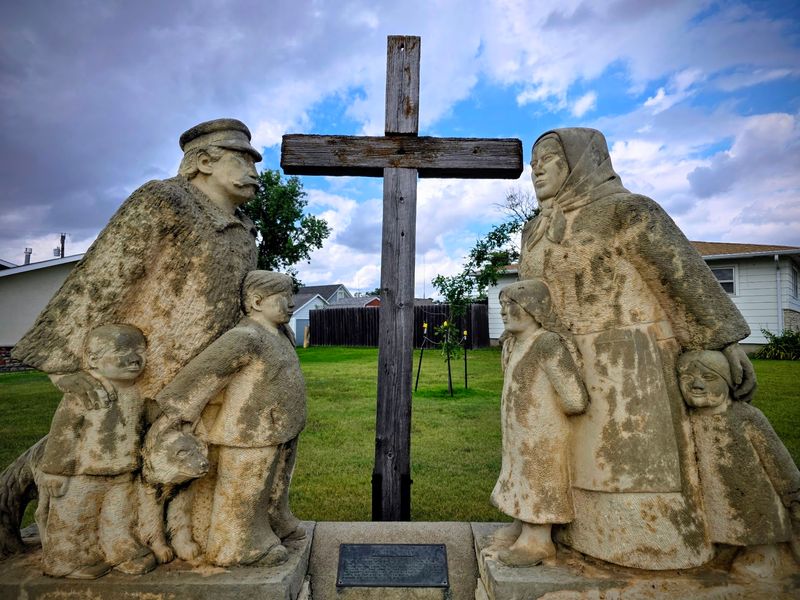
Every stone in this place traces back to hardworking settlers known as Volga Germans, families who had lived in Russia before moving to western Kansas in the 1870s.
They arrived with farming skills, a deep faith, and very little money. Yet within a few decades they decided their growing parish needed a church worthy of the churches they remembered back in Europe.
That decision meant sacrifice. Families gave what they could, worked long hours, and trusted that the building would outlast them.
Standing under the arches, I kept thinking about how few people it took to accomplish something this large. The parish numbered only a few hundred families at the time.
Reading their story turned my quick photo stop into a much longer visit, and it gave the whole building a warmth that pure architecture alone cannot deliver.
Six Wagon Loads Of Limestone Per Family
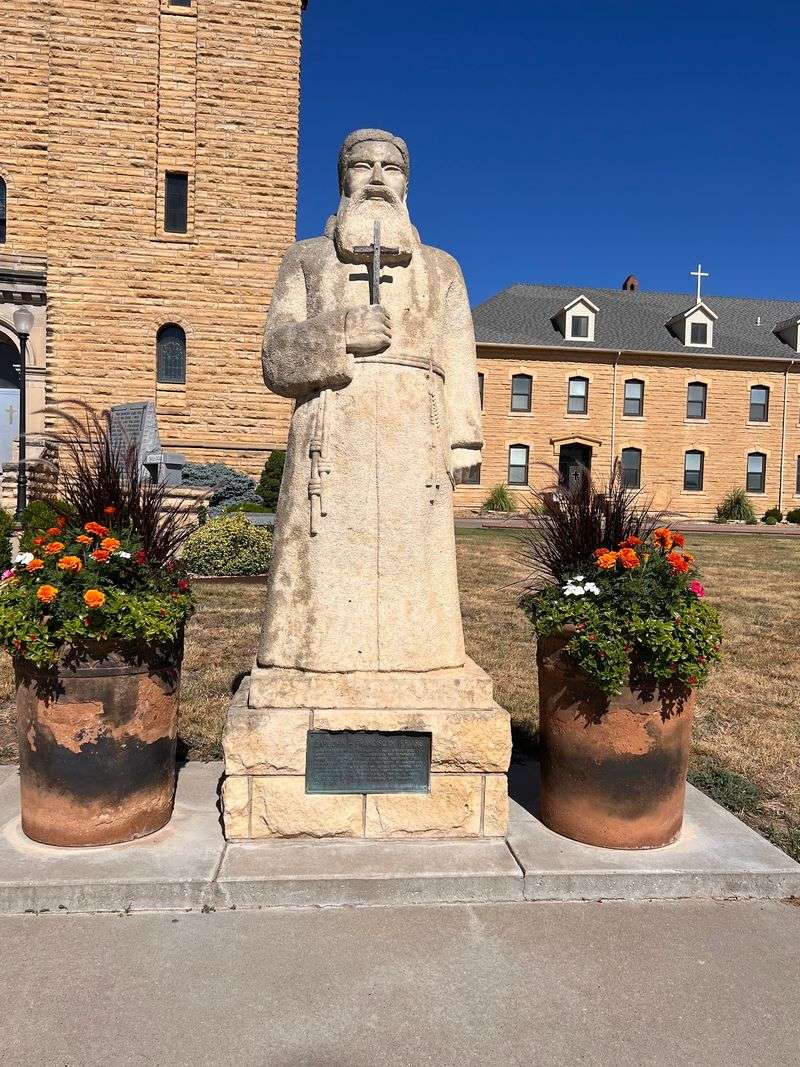
My favorite fact of the whole trip involves a very specific homework assignment.
Each family was asked to haul six wagon loads of limestone from a nearby quarry to the building site.
The stone was cut by hand, loaded by hand, and moved by horse-drawn wagon over rough prairie ground. There were no cranes and no trucks.
Communicants age twelve and older were assessed forty-five dollars annually, which was serious money for farming families back then.
Run your fingers along the outside wall and you can still feel the tool marks left behind by those workers. The blocks are thick, honey-colored, and pulled straight from Kansas ground.
Knowing the labor behind each stone changed how I looked at the walls. It stopped being decoration and started feeling like a record of shared effort.
Completed In 1911 After Two Years Of Work
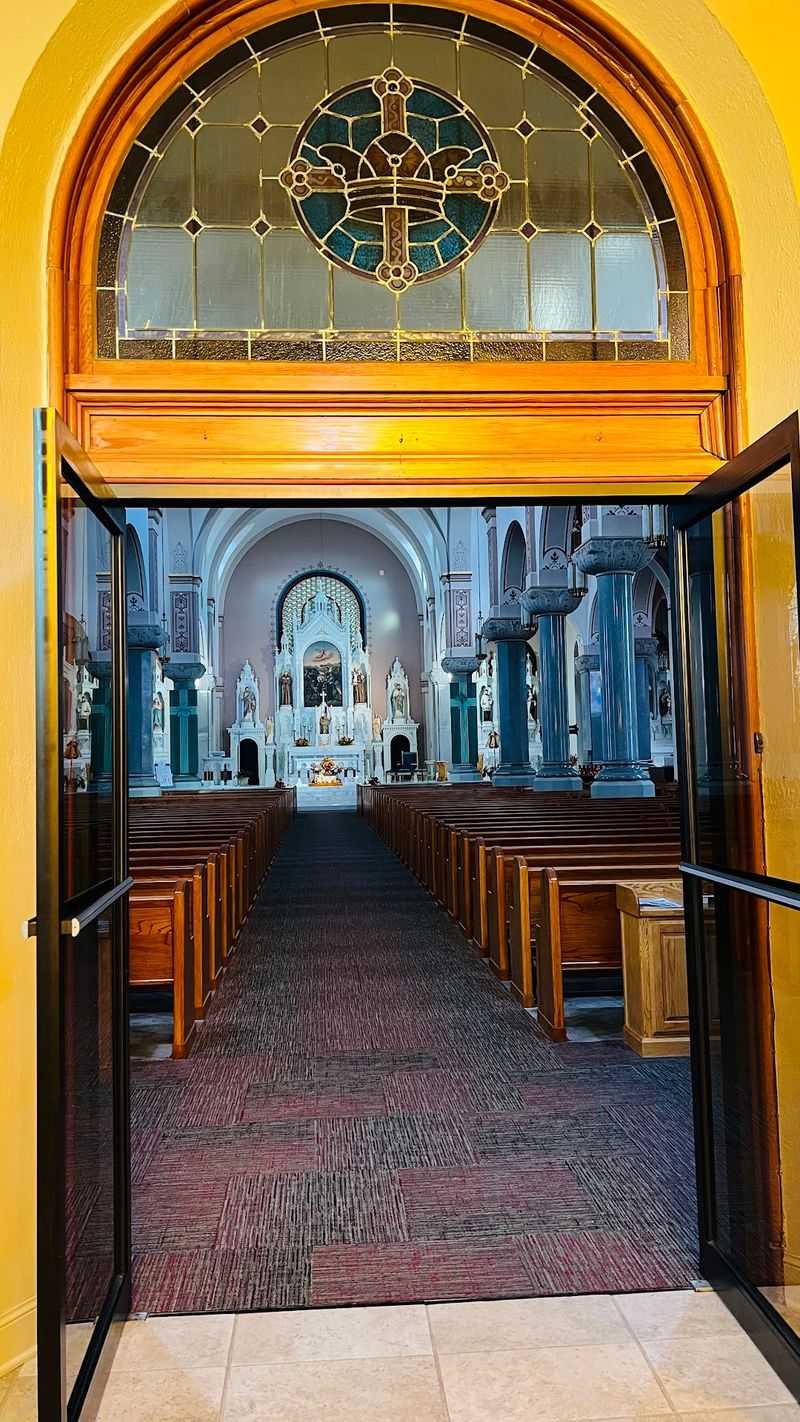
Construction wrapped up in 1911, and the finished church could seat well over a thousand people.
In a town this size, that number still raises eyebrows. The parish had outgrown three earlier, smaller churches, which explains the ambition.
Rather than building another modest structure, the community aimed high and built something meant to last generations.
Careful upkeep has kept the interior looking remarkably crisp. Fresh paint, polished woodwork, and clean stone make it hard to believe the building passed its hundredth birthday years ago.
I noticed how quiet the whole space stayed while I wandered, even with a handful of other visitors moving around.
If old buildings usually feel tired to you, this one may reset your expectations. It has aged with dignity, and the ongoing care from the parish community shows in nearly every corner.
Romanesque Architecture With A European Accent
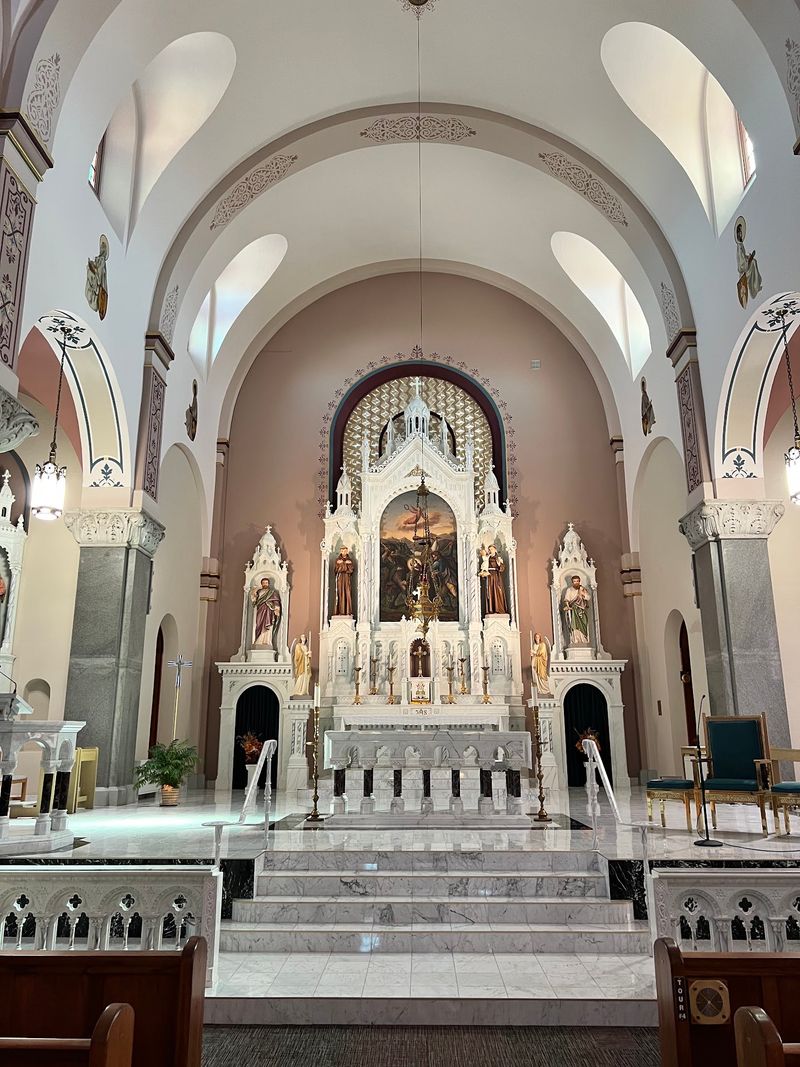
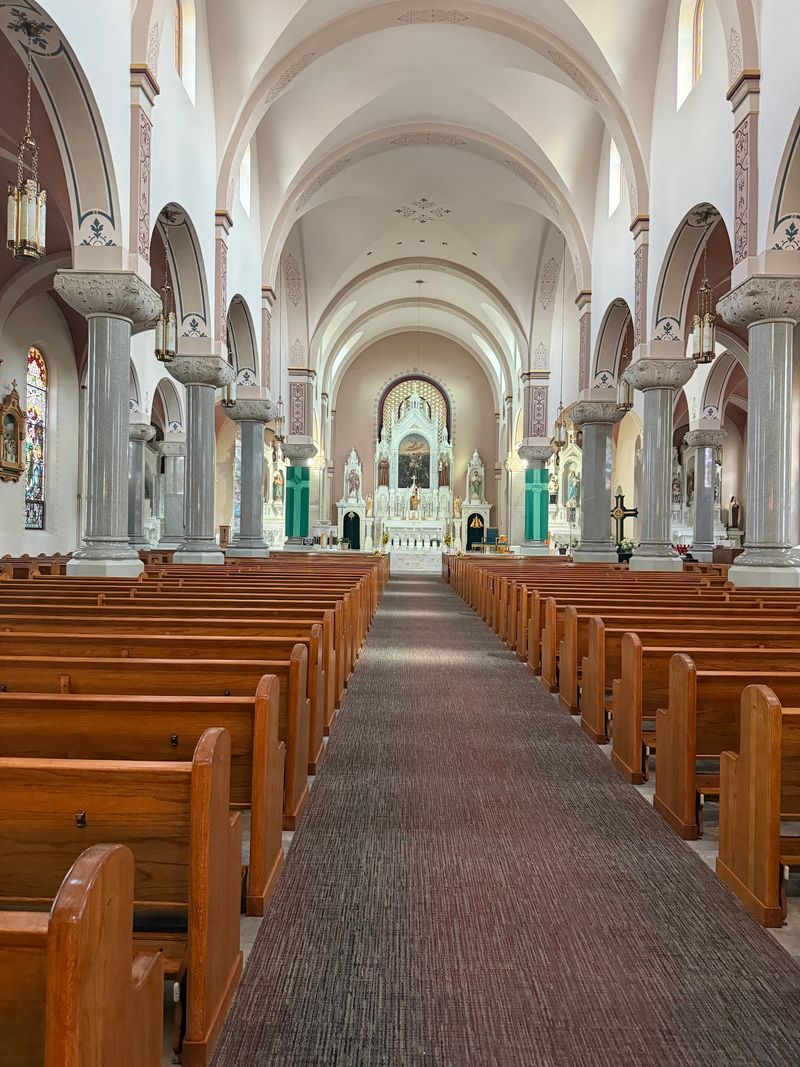
Rounded arches, thick stone walls, and a long central nave give the building its Romanesque revival style, the same look you find in older churches across Germany and Italy.
Inside, columns march down both sides toward a richly detailed high altar. The ceiling curves overhead in gentle vaults that make voices carry beautifully.
Statues of saints line the walls, and side altars sit at the front corners where visitors often stop to pray quietly.
What struck me most was the height. Standing near the entrance and looking toward the sanctuary, the space feels genuinely grand rather than merely large.
Choir music must sound tremendous in here, and I found myself wishing I had timed my stop around a service.
For anyone who studies architecture as a hobby, this Kansas interior delivers far more detail than the humble exterior first suggests.
Stained Glass Windows Telling The Story Of Jesus
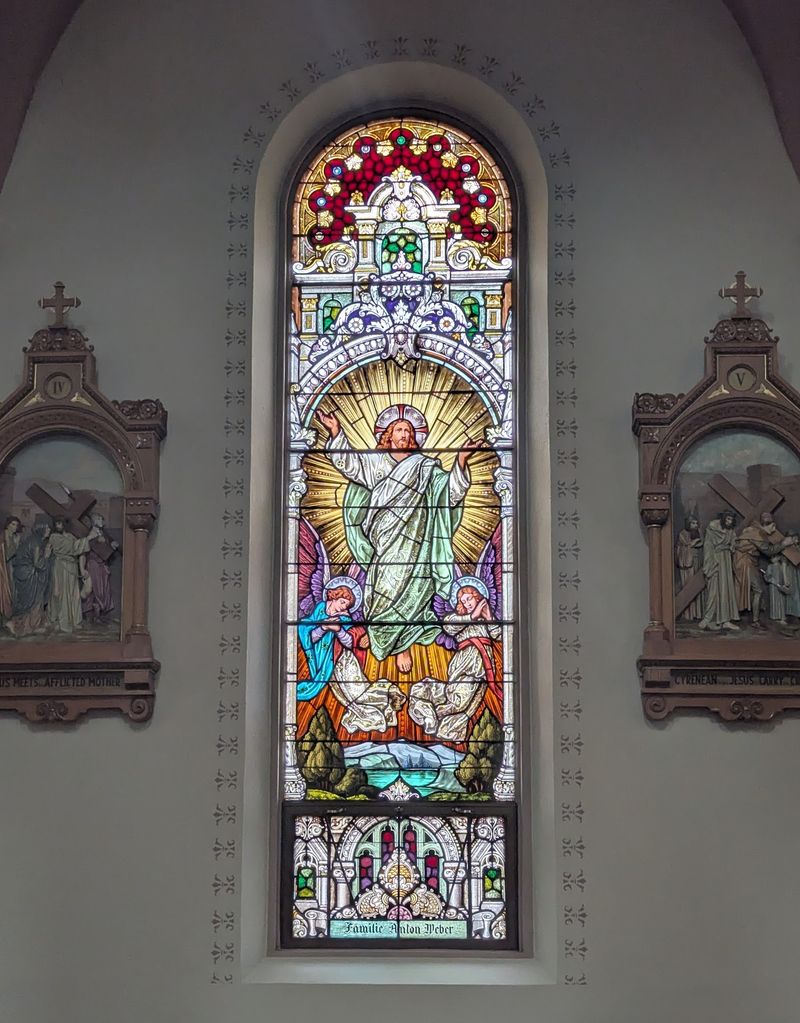
Sunlight through the windows turned the aisle floor into a patchwork of blue, red, and gold while I stood there taking my time.
The stained glass panels were imported from Germany and arranged to walk viewers through scenes from the life of Jesus. Reading them in order is a small activity all by itself.
Rose windows above the entrance add another layer of color, and smaller panels tuck into the side chapels.
Morning and late afternoon light hit different sides of the building, so the mood shifts depending on when you visit. I preferred the softer glow later in the day.
Bring a zoom lens if you have one, because the highest panels hold details you simply cannot see from the pews.
Of everything inside, the glass held my attention longest, and I kept circling back for another look.
Self-Guided Audio Stations In The Pews
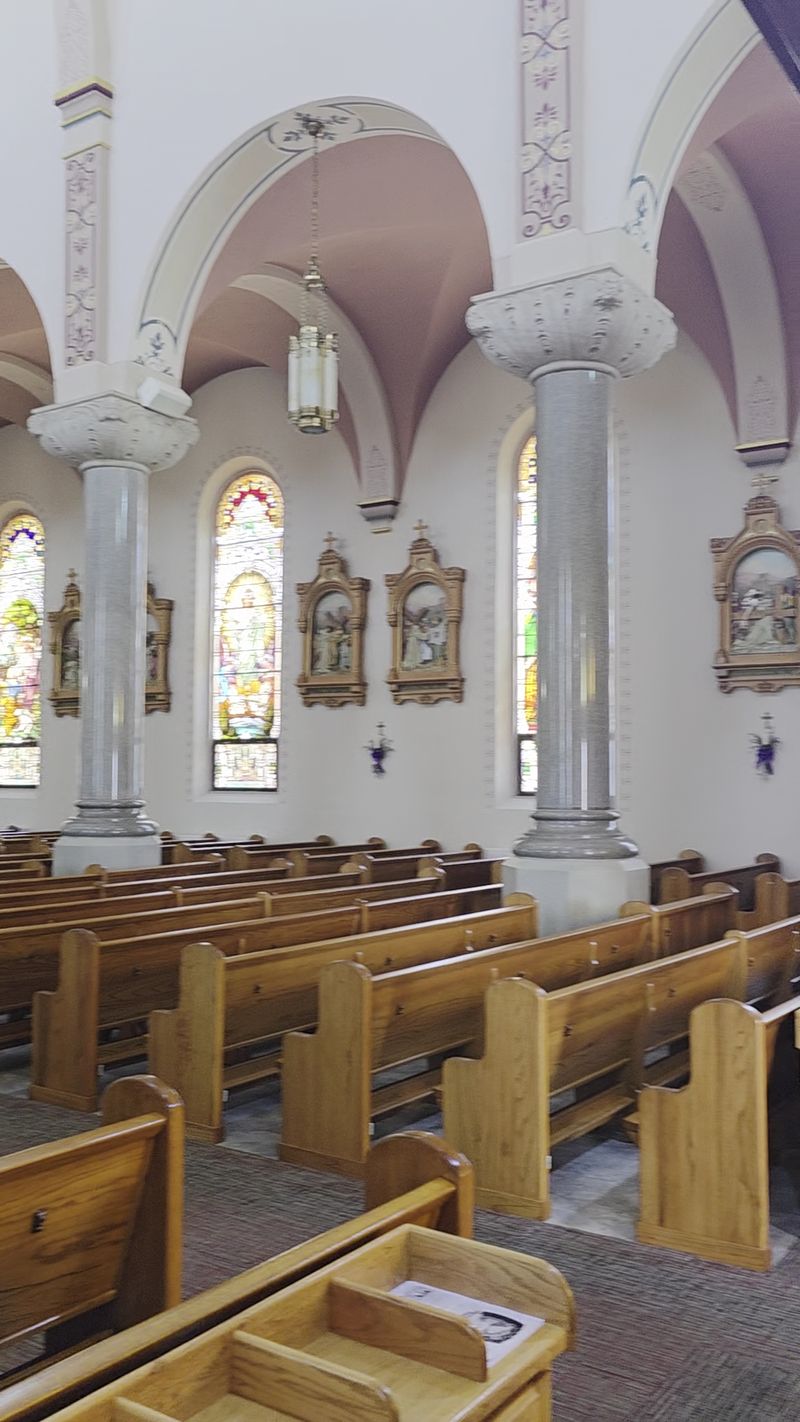
No tour guide, no schedule, no pressure.
Small audio boxes sit at four stations around the interior, and pressing a button starts a recorded explanation of that part of the church.
One covers the construction story, another the artwork, and others explain the altar and the windows. Each recording runs just a few minutes.
There are also printed information sheets near the main doors for anyone who prefers reading at their own pace.
I appreciated being able to linger at one station and skip ahead at another. Families with restless kids will find this setup far easier than a formal walkthrough.
The altar reportedly contains relics connected to St. Francis of Assisi and to St. Fidelis himself, a detail the recordings help put in context.
Give yourself at least forty-five minutes if you want to hear everything.
Planning Your Stop Off Interstate 70
Getting here is refreshingly easy. The Basilica of St. Fidelis sits at 900 Cathedral Ave in Victoria, Kansas, only a short drive off Interstate 70 between Salina and Hays.
Doors are generally open daily from early morning until evening, which makes it a flexible stop for road trippers heading toward Denver or back east.
Parking is free and plentiful, and the walk from the lot to the entrance takes less than a minute.
The gift shop operates from the parish office on weekdays, so check before you count on it. I missed the shop entirely and still felt the stop was worth it.
Weddings and Masses do happen here, so keep your voice low and be respectful if a service is underway. Honestly, this remains one of the best twenty-minute detours anywhere in Kansas.