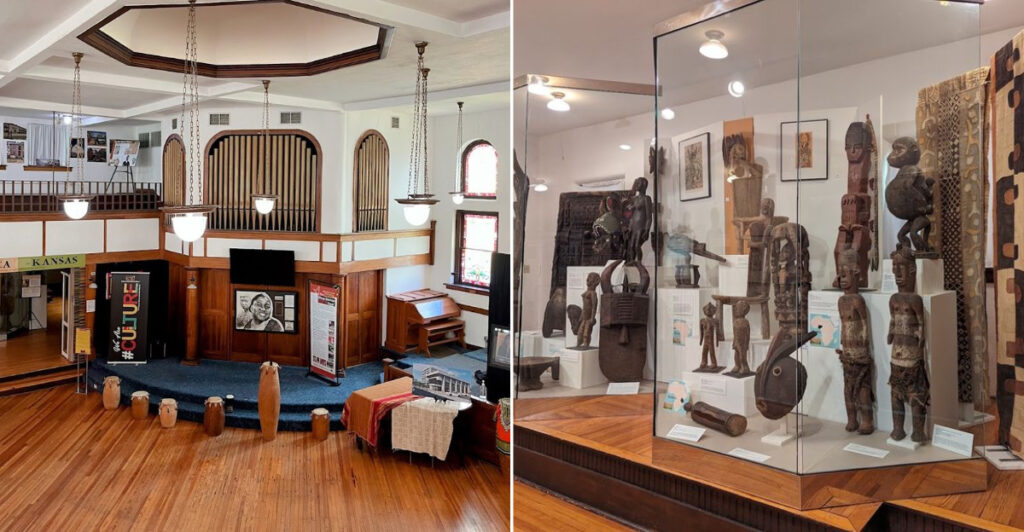
Some buildings hold history before a single exhibit is even added.
This Kansas museum has that kind of presence, turning a church built by its own congregation into a place where stories continue to gather, grow, and matter.
The setting gives the visit a deeper heartbeat. You are not just walking through a museum.
You are stepping into a space shaped by faith, community, resilience, and memory. That makes every room feel more personal than polished.
It is the kind of destination that reminds visitors how powerful local history can be when it is cared for instead of forgotten.
A stop like this does more than fill an afternoon. It changes how the city feels when you walk back outside.
I would leave thinking less about what I saw on the walls and more about the people who made the place possible.
The 1917 Church Built By Its Own Congregation
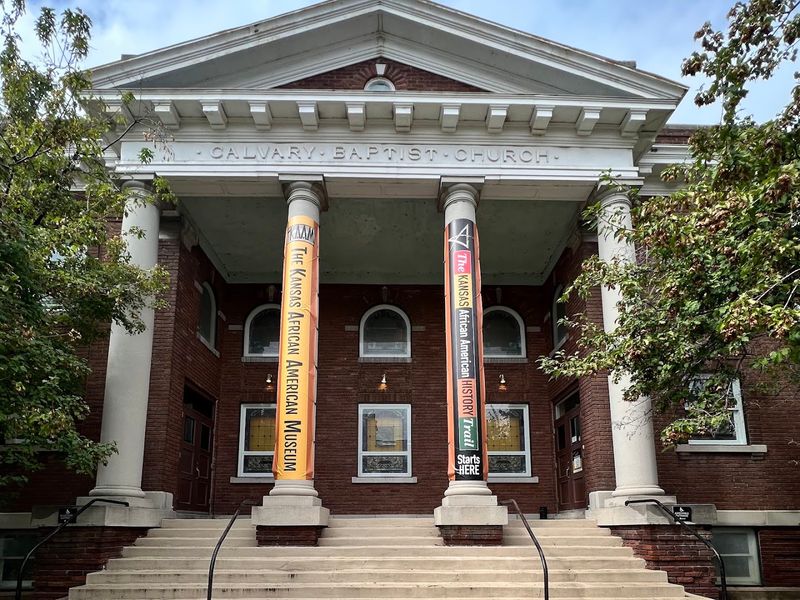
Few museum buildings tell a story before you even step inside, but this one does.
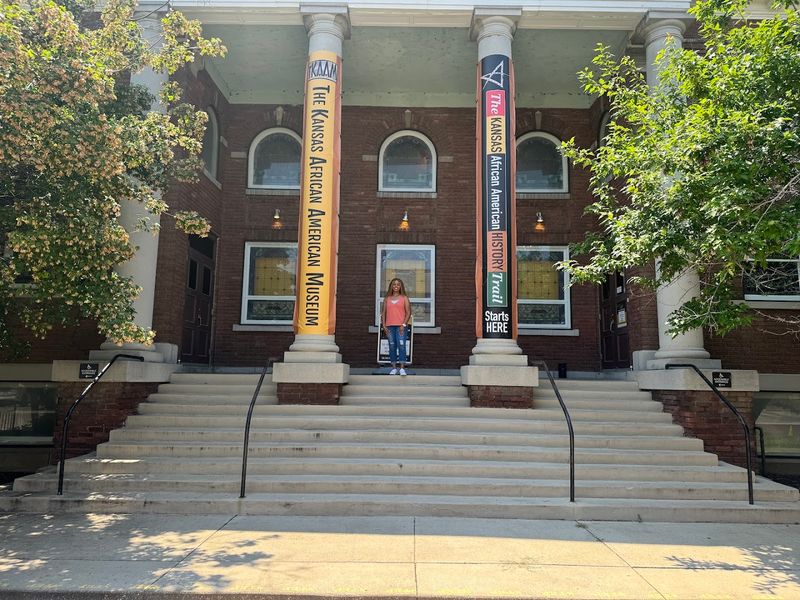
The Historic Calvary Baptist Church was constructed in 1917 by members of its own African American congregation, making every brick a symbol of community determination and pride.
That kind of origin story is rare and deeply powerful.
The congregation did not simply commission the building; they built it themselves, pouring their own labor and resources into creating a permanent home for their faith in Wichita, Kansas.
Today, The Kansas African American Museum honors that legacy by operating within these same walls.
The building is not just a backdrop for the exhibits; it is an exhibit in itself. Walking through the front doors, you immediately sense that this space was created with intention, love, and an unshakable belief in the future of a community.
A Museum Rooted In African Diaspora History
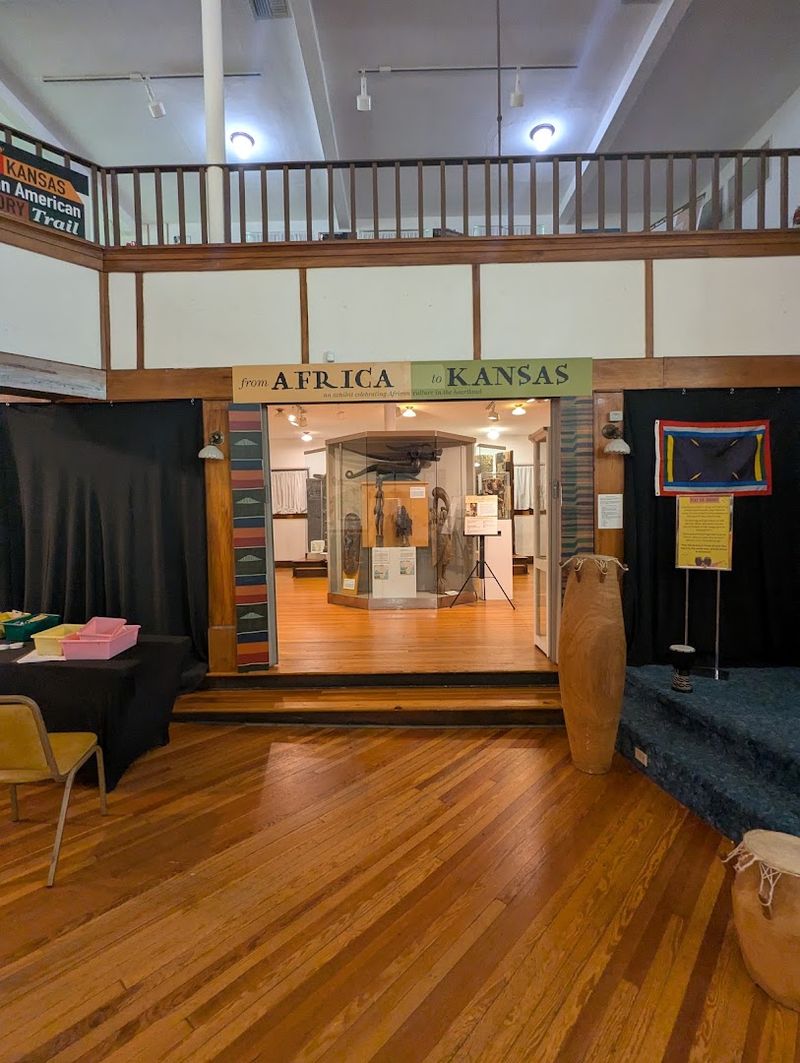
History museums can sometimes feel distant, but The Kansas African American Museum makes the past feel personal.
Its ongoing From Africa to Kansas exhibit traces African American history from the continent to Kansas through artifacts, artwork, photographs, and stories connected to the broader African diaspora.
That journey spans continents and generations. Visitors encounter African art objects, materials addressing enslavement and the American experience, and stories of Black Kansans who shaped their communities through leadership, persistence, and resilience.
The museum holds a significant collection for its size. You move from African artifacts and national history to stories rooted in Wichita and Kansas, with displays connecting those subjects rather than presenting them as separate narratives.
It is the kind of place where a single afternoon visit can shift your understanding of American history in ways that a textbook simply cannot replicate.
Stunning Stained Glass Windows Inside The Historic Space
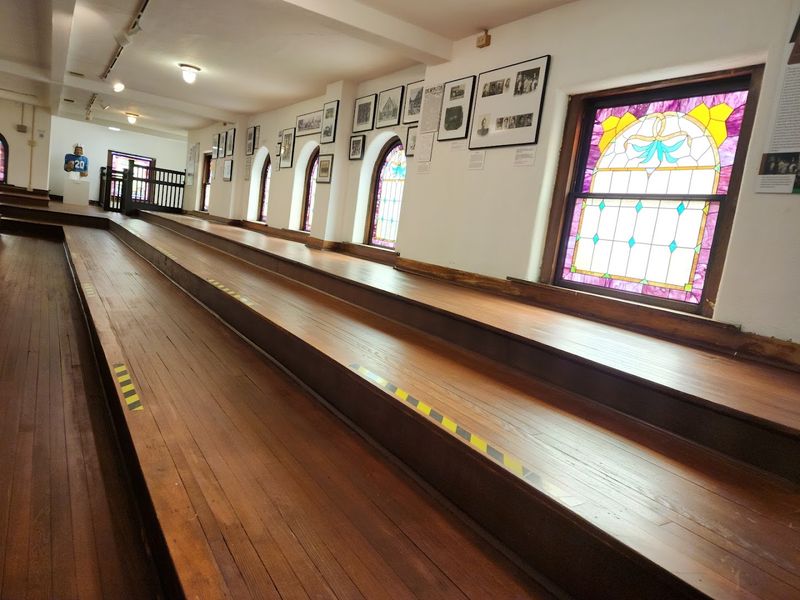
Standing inside the main gallery and looking up at the original stained glass windows is one of those quiet, unexpectedly moving experiences.
Sunlight filters through the colored glass and casts warm patterns across the floor, creating an atmosphere that feels both sacred and celebratory.
These windows were part of the original 1917 church structure, and they remain intact today.
Their presence adds a layer of authenticity to the museum experience that no modern renovation could manufacture.
One visitor described standing upstairs and looking down into the sacred space as experiencing a particular kind of peacefulness, and that description rings true.
The Kansas African American Museum has wisely preserved these architectural details rather than stripping them away.
The result is a space where art, history, and architecture work together seamlessly, reminding every visitor that beauty and resilience have always gone hand in hand in this community.
Rotating Art Exhibits That Spotlight Black Artists
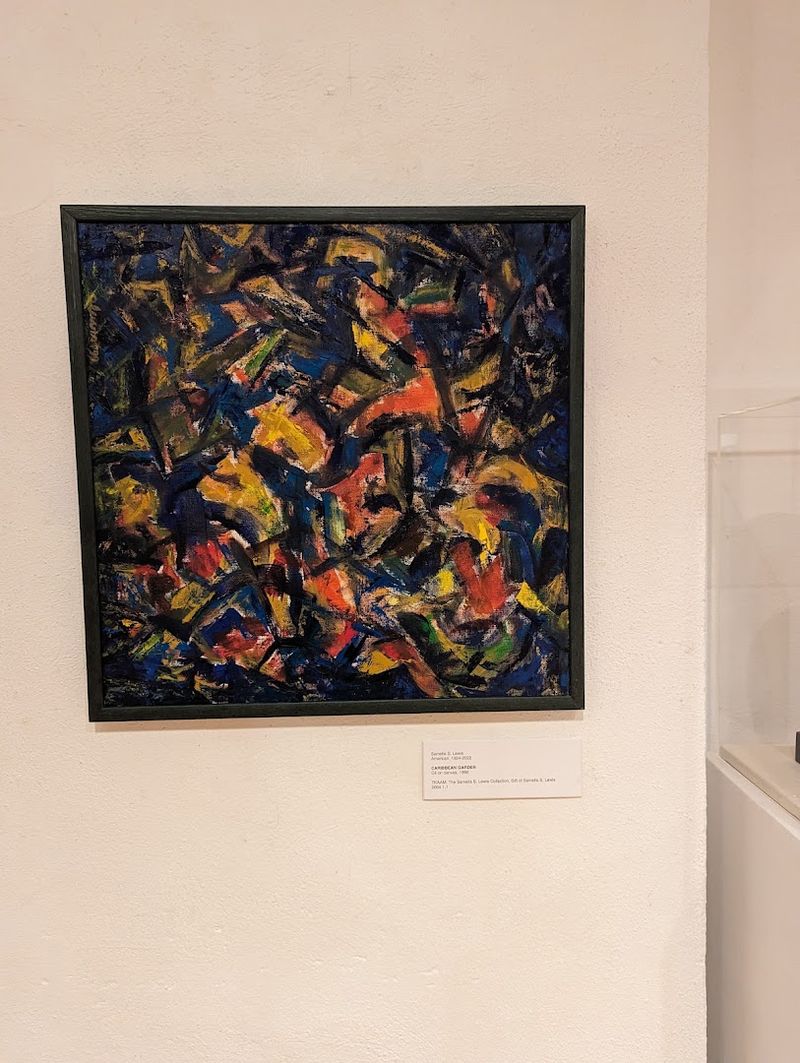
Art lovers will find plenty to appreciate at The Kansas African American Museum, which regularly rotates gallery exhibits to spotlight Black artists and themes.
Past exhibitions have included Holler If You See Me: Black Appalachia, a traveling group show organized by gallery coordinator Shai Perry that brought a regional perspective into the space.
Another celebrated exhibit, Shades of Strength and Beauty, drew strong praise for its visual impact and emotional depth.
Each new exhibit brings a different energy to the building, giving repeat visitors a reason to come back and discover something new.
The curatorial team clearly puts serious thought into which stories deserve to be told and how.
Exhibits are not simply hung on walls; they are framed within the broader context of African American culture and history in Kansas and beyond.
That curatorial intention makes each visit feel genuinely enriching rather than routine.
Interactive Activities For Kids And Families
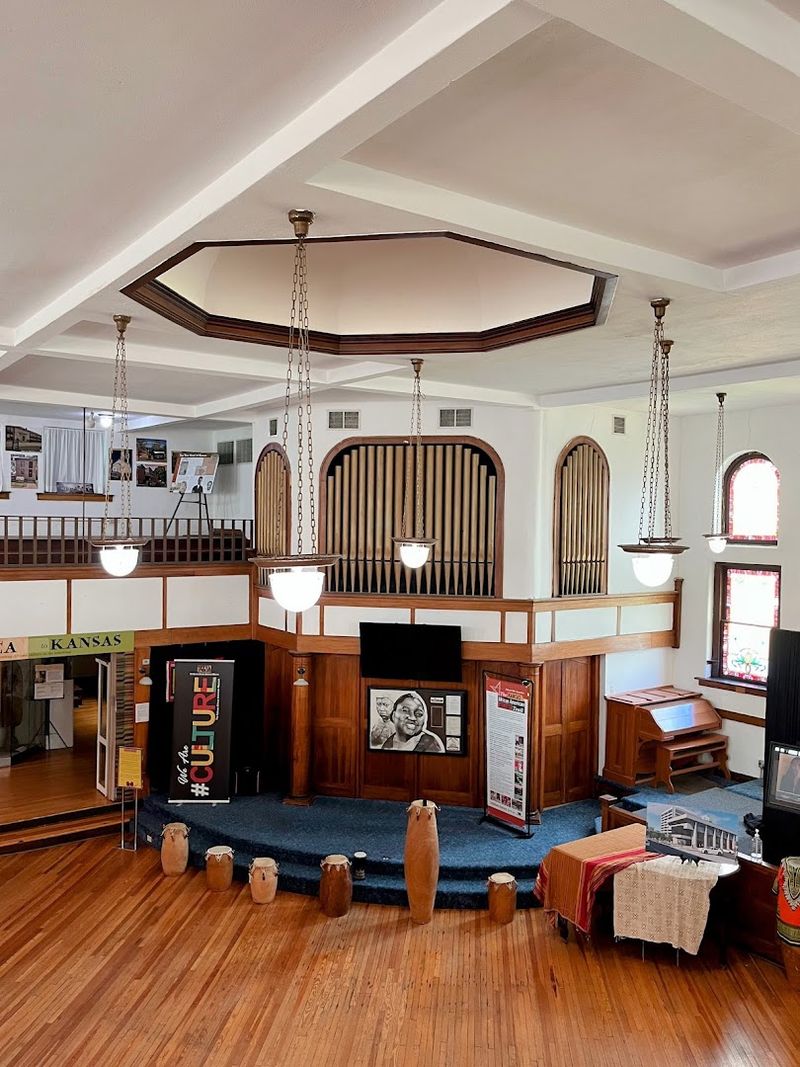
Bringing kids to a history museum can sometimes feel like a gamble, but The Kansas African American Museum offers ways to engage younger visitors.
Its education department provides structured group experiences for K-12 students, including drumming, an interactive scavenger hunt, storytelling videos, and guided discussions connecting local history with culture.
During special events like the annual Juneteenth celebration, the programming expands further.
Families can join hands-on activities such as community mural painting, bracelets, keychains, books, and art projects that make cultural learning genuinely fun.
Because the museum occupies a historic, multilevel church, families using strollers or needing accessibility accommodations should contact staff before visiting.
That preparation can clarify the best entrance and route while helping parents and grandparents plan a comfortable experience for their group.
For a Kansas family looking for a meaningful and entertaining outing, this museum delivers on both fronts without asking you to choose between the two.
The Juneteenth Celebration Tradition At TKAAM
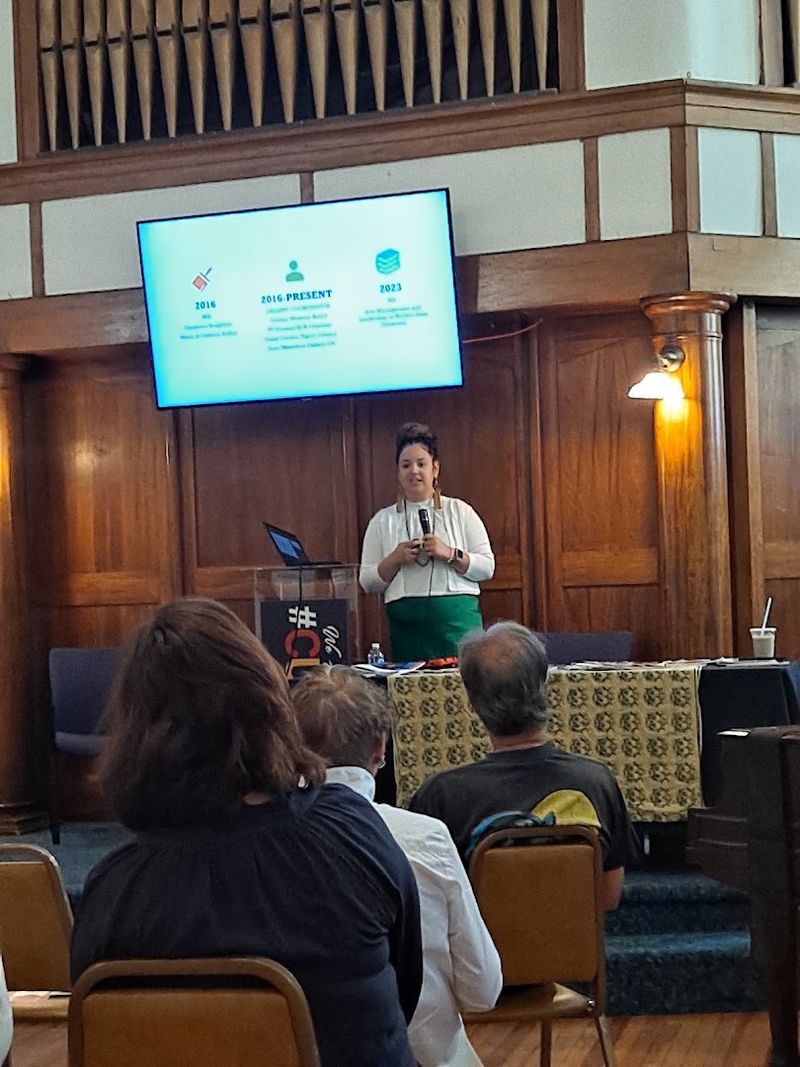
Juneteenth has become one of the most anticipated events on the Wichita cultural calendar, and The Kansas African American Museum plays a central role in making it special.
Every year, TKAAM hosts a free community celebration that brings together people of all ages for music, art, education, and connection.
The event typically features live drum playing, mural painting, and activities designed specifically for children, making it a full-day experience rather than just a brief program.
The atmosphere is joyful and welcoming, with the historic church building providing a backdrop that adds genuine historical weight to the festivities.
What makes the Juneteenth celebration at this museum stand out is how it balances education with celebration.
You learn something meaningful while also having a genuinely good time with your community.
For many Wichita families, attending this event has become a cherished annual tradition that deepens their connection to Kansas history and to each other.
African Art Collection From Across the Continent
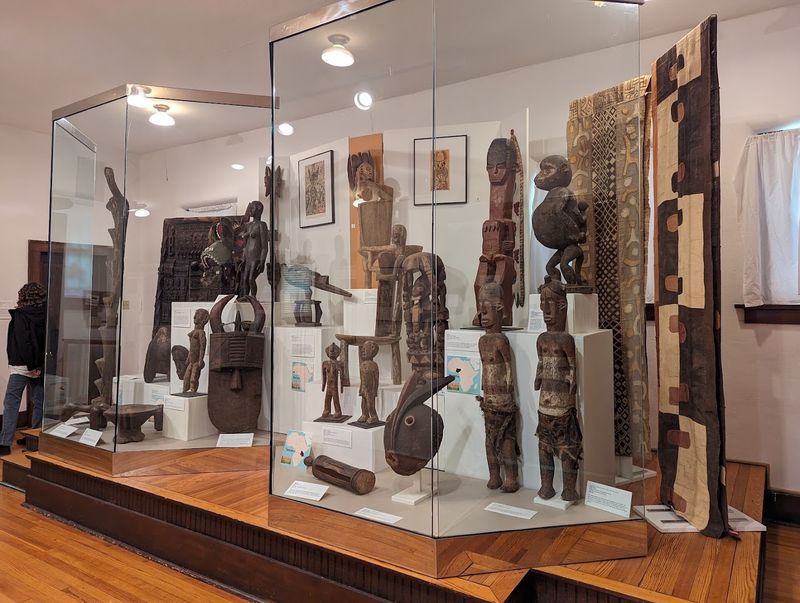
One of the most visually striking aspects of the museum is its collection of African art objects sourced from various regions across the continent.
These pieces range from wooden carvings and woven textiles to ceremonial objects that carry deep cultural significance within their communities of origin.
Seeing this collection inside a 1917 Kansas church creates a fascinating dialogue between two very different worlds.
The juxtaposition feels intentional and meaningful, reminding visitors that African American identity in Kansas has always been connected to a much larger global story.
The collection is accessible enough for casual visitors to appreciate visually while also offering enough context for those who want to go deeper.
Knowledgeable staff members are available to help fill in the background on specific pieces, making the experience richer for anyone who takes a moment to ask.
Great art always invites more questions than it answers, and this collection is no exception.
The Black History Of Wichita And Surrounding Kansas Communities
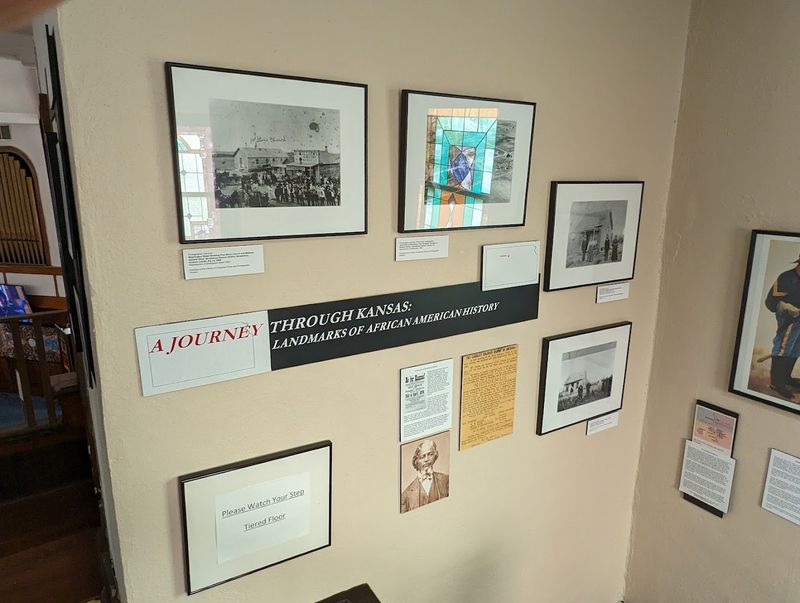
Beyond the broader African diaspora narrative, The Kansas African American Museum dedicates significant space to the specific history of Black Wichitans and their contributions to the surrounding Kansas region. This local focus is one of the museum’s most distinctive and valuable features.
Exhibits document real locations in Wichita where important events in Black history took place, giving visitors a new lens through which to see the city around them.
Learning that a familiar street corner or neighborhood has a deep and layered history changes how you experience everyday life in Wichita.
The museum also tells stories of resilience, entrepreneurship, and community-building that rarely make it into mainstream history books.
Curators and staff have clearly worked hard to ensure that the voices and achievements of Black Kansans are preserved with the seriousness and care they deserve.
This local storytelling is what gives the museum its heart.
Knowledgeable And Welcoming Staff Who Elevate Every Visit
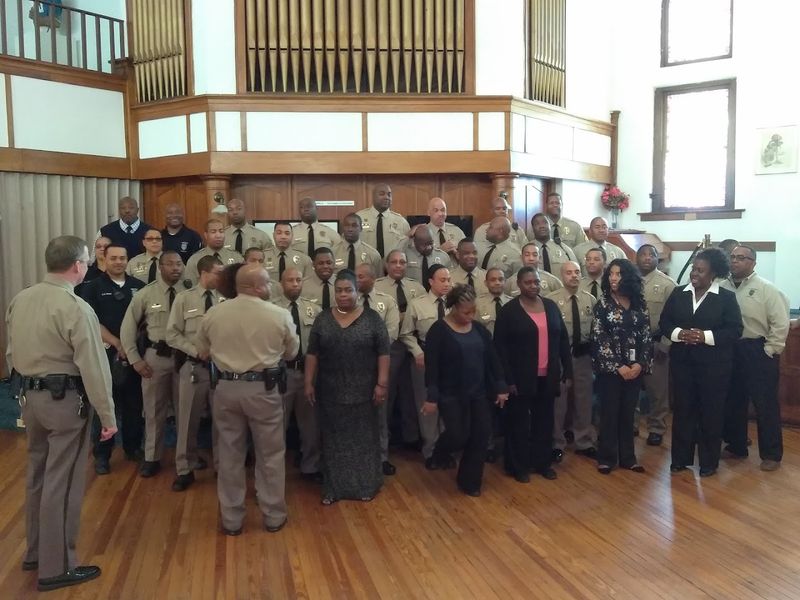
A museum is only as good as the people who bring it to life, and on that front, The Kansas African American Museum consistently earns high marks.
Staff members are described by visitors time and again as knowledgeable, warm, and genuinely invested in making every guest feel welcome from the moment they walk in.
The museum director has been known to personally engage with visitors, spending significant time discussing exhibits and sharing context that deepens the experience.
That kind of accessibility from leadership is genuinely rare and speaks to the museum’s community-first philosophy.
Docents and gallery guides are equally prepared to spark thoughtful conversations, helping visitors connect the dots between what they are seeing and the broader historical picture.
For a museum of its size, the quality of human interaction here punches well above its weight class. Good storytelling is always a team effort, and this team clearly takes that responsibility seriously.
Affordable Admission And Plans For A Larger Future Home
General adult admission is six dollars at The Kansas African American Museum, while seniors pay five dollars, students in grades six through twelve pay four dollars, and children in kindergarten through fifth grade pay three dollars, making the museum affordable.
The museum also validates parking for visitors who use the garage across the street, which is a small but genuinely thoughtful touch that makes the logistics of a visit much easier.
Free community events like the Juneteenth celebration bring the admission cost down to zero for those occasions.
Looking ahead, the museum has announced plans to relocate to a larger three-story bank building in downtown Wichita.
That move will dramatically expand the space available for exhibits, programs, and community events.
It is an exciting chapter for an institution that has already accomplished so much within the walls of its beloved 1917 church.
The next era of The Kansas African American Museum is shaping up to be something truly remarkable.