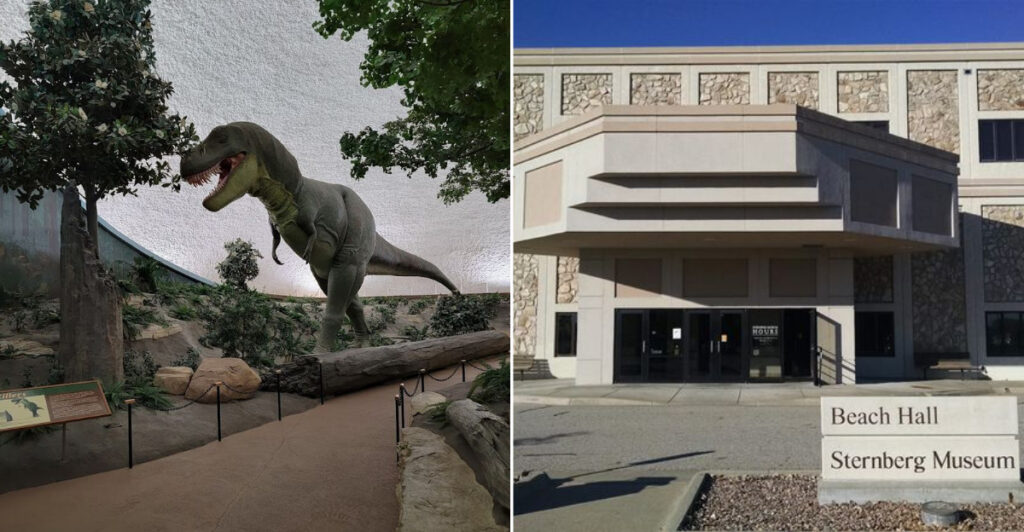
Natural history has a sneaky way of making you feel small in the best possible way.
One minute you are planning a casual stop, and the next you are staring at fossils, ancient creatures, and big questions that make the world feel much older and stranger than your schedule allowed.
This overlooked Kansas museum is the kind of place that rewards curiosity without demanding a whole expedition.
It is smart, surprising, and just unusual enough to pull in anyone who likes a little wonder with their road trip. The best visits are the ones that make you forget you were only supposed to “stop by for a bit.”
I have found that when a place can make me pause, read the plaques, and suddenly care about creatures from millions of years ago, it has done something pretty special.
A Legacy Built On Fossil Discoveries
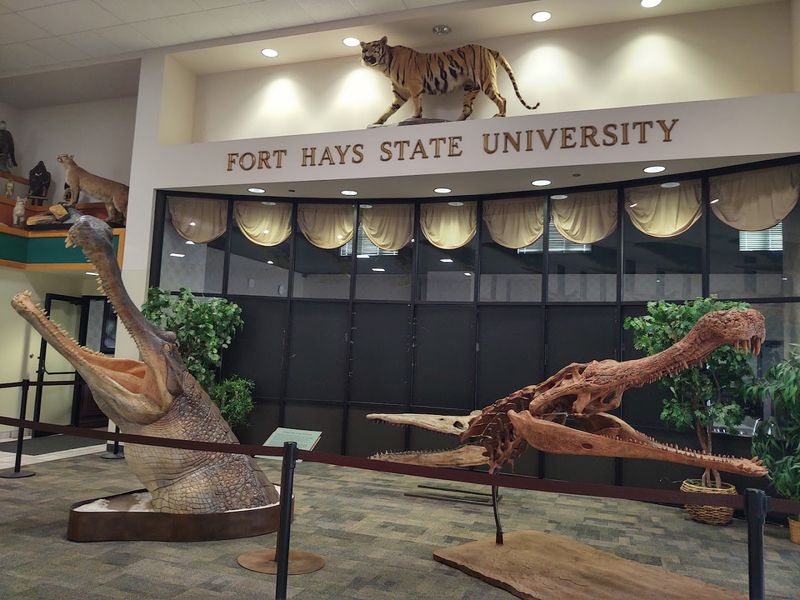
Long before most people had ever heard of Hays, Kansas, the Sternberg family was already making history beneath the ground. George F.
Sternberg, one member of the museum’s namesake fossil-hunting family, spent decades pulling remarkable specimens from the Kansas earth.
His discoveries helped shape what scientists know about prehistoric life in North America.
The museum at Fort Hays State University grew from that legacy, campus collections, and public education goals into an institution that takes its scientific mission seriously, with research, exhibits, and outreach all working together.
The Sternberg Museum of Natural History at 3000 Sternberg Drive, Hays, KS 67601 holds more than three million catalogued specimens, making it one of the largest natural history collections in the Great Plains region.
That number alone should stop anyone in their tracks.
The Fish-Within-A-Fish Fossil That Stunned The World
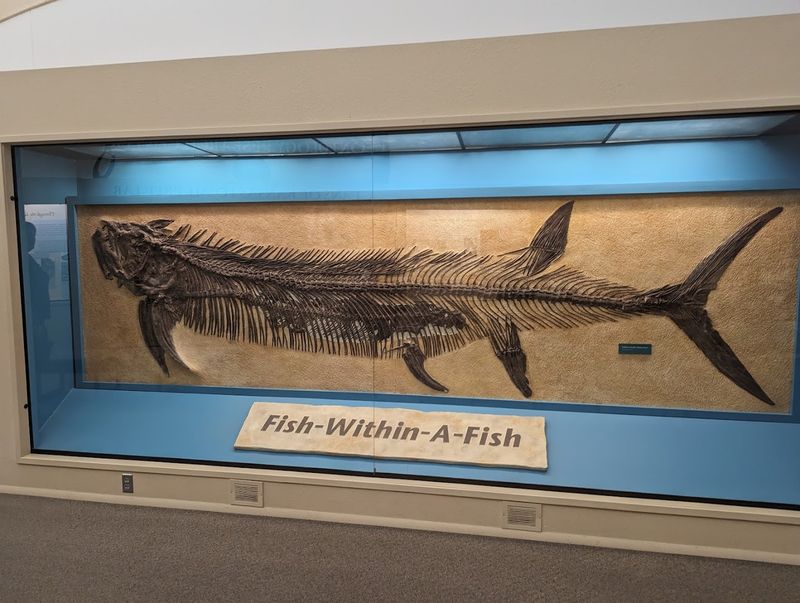
Few fossil finds anywhere in the world can match the sheer drama of what sits inside this Kansas museum.
The “Fish-Within-a-Fish” is exactly what it sounds like: a massive Xiphactinus fossil with another complete fish preserved inside its stomach, captured at the very moment of its last meal.
George Sternberg himself discovered this extraordinary specimen near Hays in 1952, and it remains one of the most photographed fossils in the entire country.
Scientists and curious visitors alike stand in front of it with their jaws practically on the floor.
What makes it even more fascinating is that the inner fish appears to have been swallowed whole and was so large that it may have caused the predator to perish shortly after eating.
Nature, it turns out, has always had a flair for the dramatic.
Kansas Was Once An Ancient Inland Sea
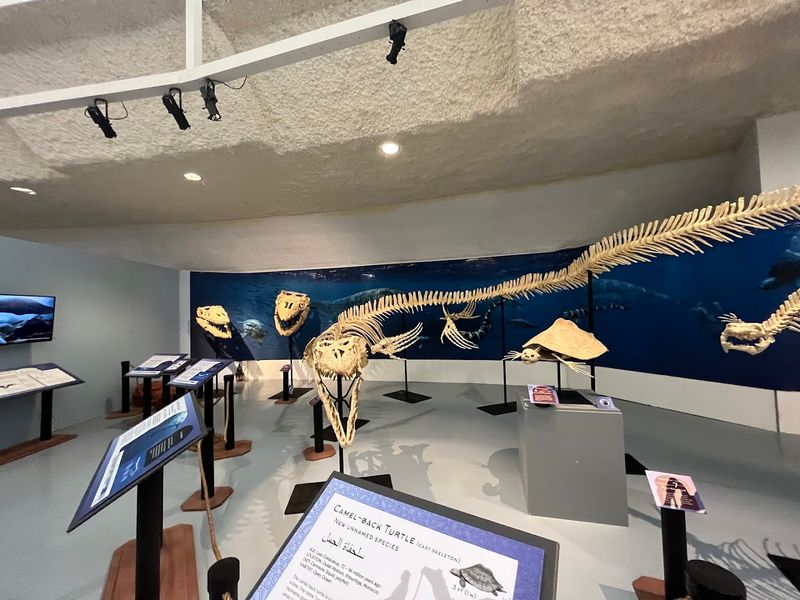
Here is something that completely rewires how you think about the flat Kansas landscape: roughly 85 million years ago, the entire state was submerged under a warm, shallow body of water called the Western Interior Seaway.
This ancient ocean stretched from the Gulf of Mexico all the way to the Arctic.
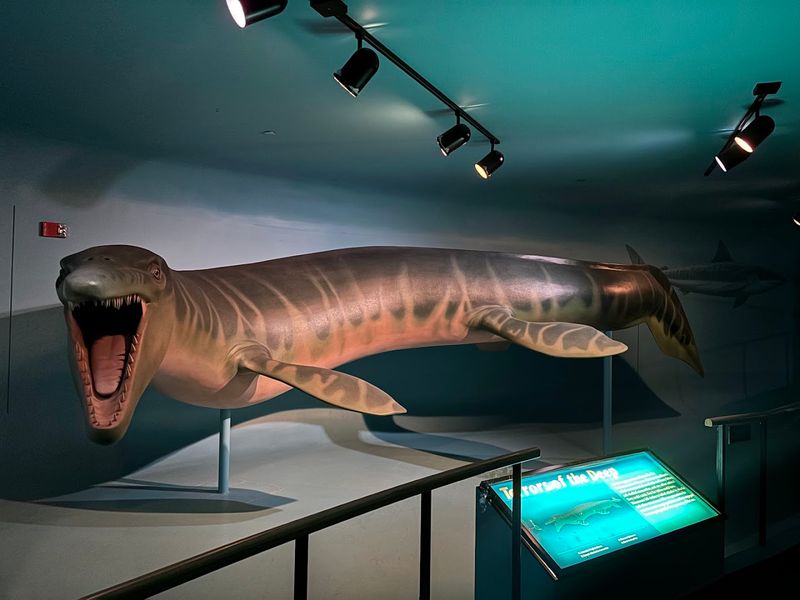
The Sternberg Museum of Natural History does an outstanding job of bringing this prehistoric world to life through detailed exhibits, fossil specimens pulled directly from the Kansas ground, and vivid reconstructions of the creatures that once swam overhead.
Mosasaurs, giant sea turtles, and predatory fish the size of school buses once ruled these waters.
Standing in the exhibit hall and looking up at their reconstructed forms gives you a genuinely eerie sense of how dramatically the world has changed. Kansas has a wilder past than most people ever imagine.
Life-Sized Dinosaur Displays That Command Attention
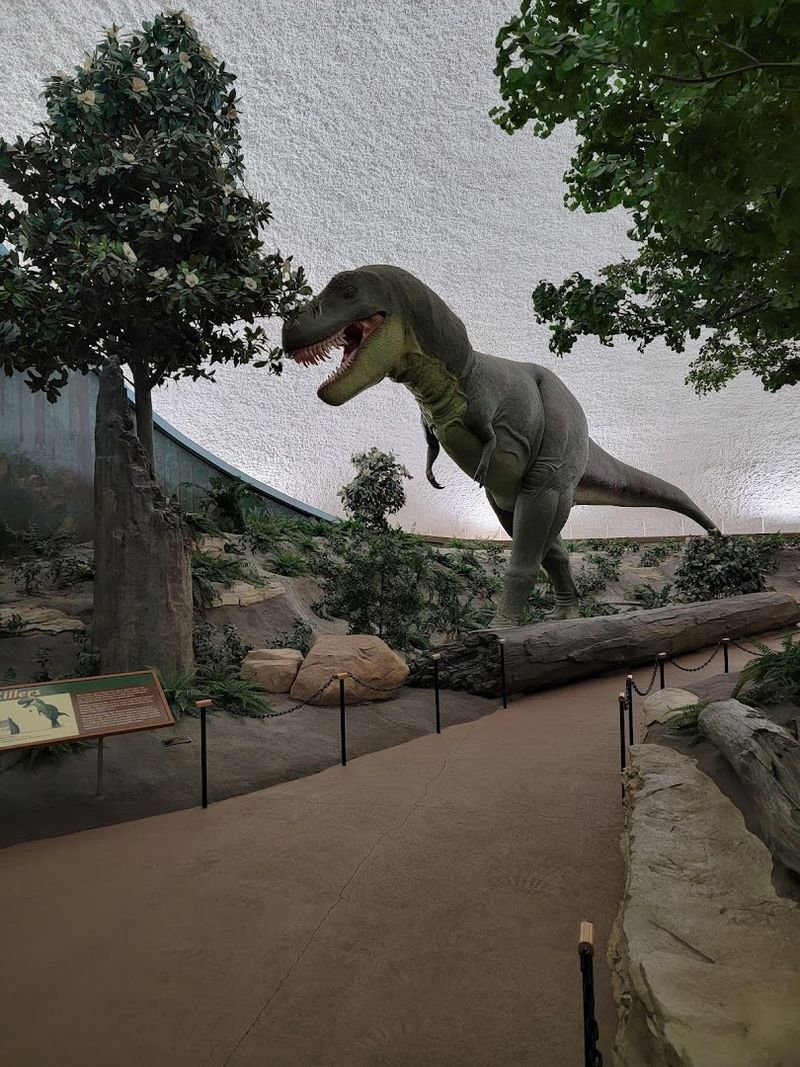
Walking into the main exhibit hall at Sternberg Museum of Natural History is the kind of moment that makes adults feel like kids again.
The space is anchored by dramatic prehistoric displays that fill the room with an almost theatrical sense of scale.
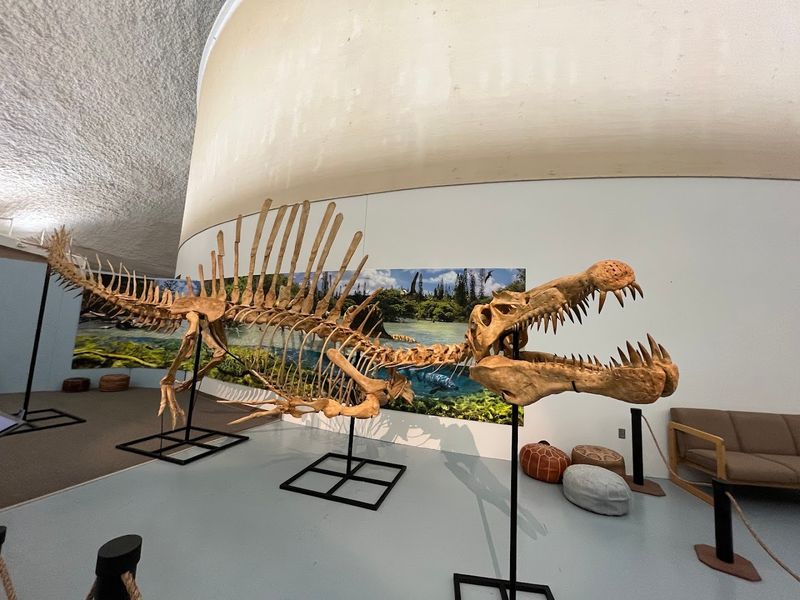
Cretaceous marine reptiles, giant fish, pterosaurs, and reconstructed ancient creatures create a visual landscape that is hard to forget.
The dome architecture of the building adds to the atmosphere, making the entire space feel appropriately grand for its prehistoric residents. These are not cheap replicas slapped together for effect.
Many of the fossil exhibits connect to Kansas and the Western Interior Seaway, giving them a local significance that adds real scientific weight to the spectacle.
You are not just looking at old bones. You are looking at a prehistoric Kansas story, and that distinction matters more than you might expect.
A Rattlesnake Collection Unlike Anything Else
Not everyone walks into a natural history museum expecting to come face-to-face with living, breathing rattlesnakes, but that is exactly what awaits at Sternberg Museum.
The museum houses a remarkable collection of live rattlesnakes focused on species found across the United States.
Each enclosure is clearly labeled with species information, range maps, and behavioral notes that turn what could be a terrifying experience into a genuinely educational one.
For anyone fascinated by herpetology, this section alone is worth the drive to Hays.
Beyond the rattlesnakes, the museum also displays other live reptiles and amphibians throughout the building, including a bearded dragon that has become something of a mascot among regular visitors.
Seeing living animals alongside fossil specimens creates a fascinating sense of continuity, connecting the ancient past directly to the creatures that still share our world today.
The Discovery Room Keeps Kids Engaged For Hours
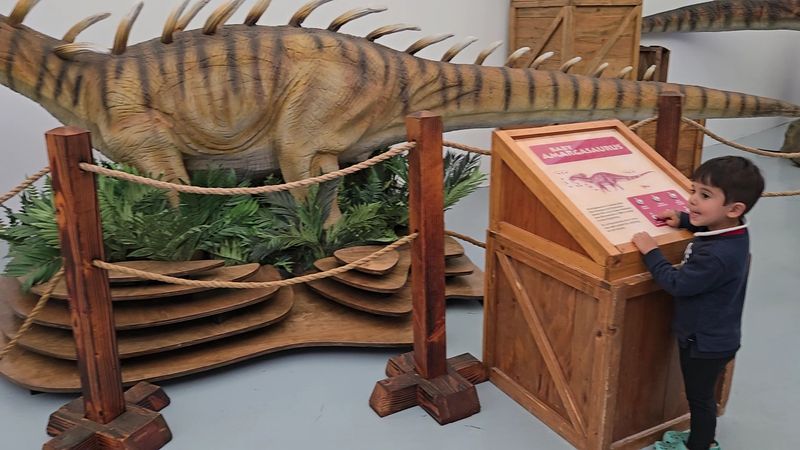
For families traveling through Kansas with restless kids in tow, the Discovery Room at Sternberg Museum of Natural History is nothing short of a lifesaver.
This dedicated space is designed specifically for younger visitors and packed with hands-on activities that encourage curiosity over passive observation.
Kids can handle real fossil casts, explore tactile displays, and engage with activities that teach them to think like paleontologists.
The room is thoughtfully designed so that children are not just entertained but actually absorbing scientific concepts in the process.
Parents who have spent time here report that the Discovery Room alone can easily fill two hours of enthusiastic exploration. That is a remarkable achievement for any museum space.
The goal is clearly to spark a lifelong interest in natural history, and based on the energy that fills the room on any given afternoon, it seems to be working beautifully.
The Replicated Fossil Dig Site Experience
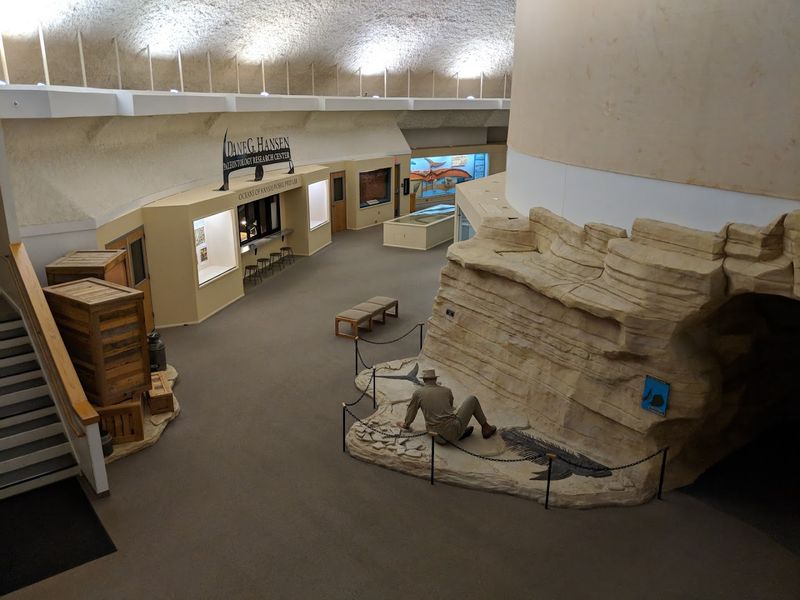
One of the most creative features connected to Sternberg Museum of Natural History is a replicated fossil dig pit offered through birthday parties and special programming for curious young guests.
This is not simply a passive display you walk past. It is an immersive activity that puts discovery in your hands.
The dig site gives participants a genuine sense of the patience and precision that real paleontologists bring to their work.
Brushing away material to reveal the shape of a fossil beneath is a surprisingly satisfying experience, even when you know the specimen was placed there intentionally.
For younger visitors especially, this kind of tactile engagement transforms abstract scientific concepts into something deeply personal.
The moment a child uncovers a fossil shape with their own hands, the idea that prehistoric creatures actually existed in Kansas becomes completely real in a way that no textbook can replicate.
Minerals And Geology That Deserve More Attention
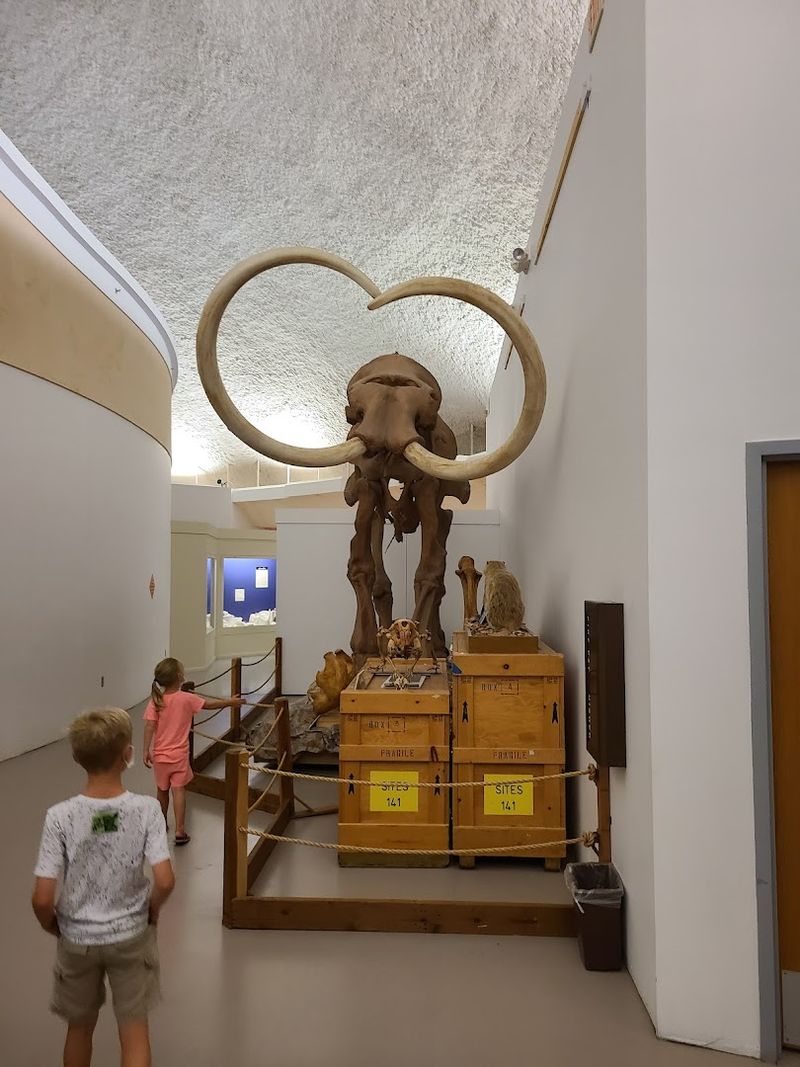
Fossils and dinosaurs tend to steal the spotlight, but the mineral and geology section at Sternberg Museum quietly holds its own as one of the most visually striking parts of the building.
Vibrant crystals, geodes, and rock formations from across the region are displayed in a way that highlights their natural beauty alongside their scientific importance.
Kansas sits on a geologically rich foundation, and the exhibits here do a solid job of explaining how the land formed, shifted, and changed over millions of years.
Context like that makes the mineral specimens feel like chapters in a much larger story rather than pretty rocks behind glass.
For visitors who arrive primarily for the dinosaurs, stumbling into this section often becomes a pleasant surprise.
There is something unexpectedly meditative about standing in front of a perfectly formed crystal cluster and realizing it took longer to grow than humans have existed on Earth.
Practical Visiting Tips Worth Knowing Before You Go
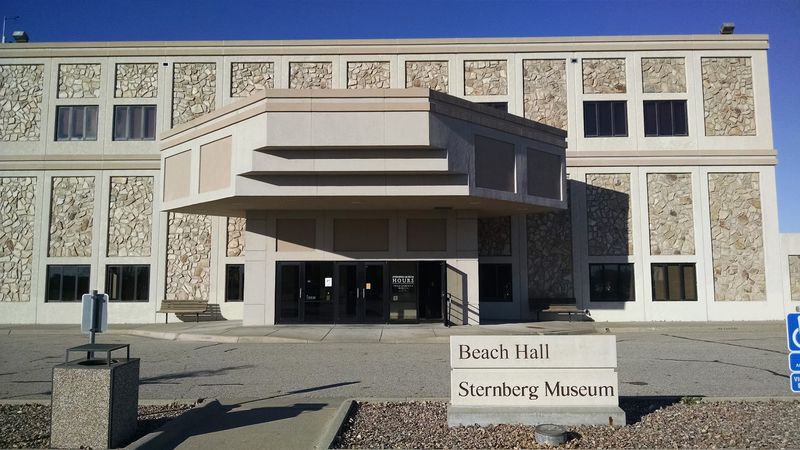
Planning a visit to Sternberg Museum of Natural History is straightforward, but a few practical details can make the experience smoother.
The museum is located at 3000 Sternberg Drive, Hays, KS 67601, near Interstate 70 and part of Fort Hays State University, with summer hours Monday through Saturday from 9 AM to 6 PM, and Sunday hours running from 1 to 6 PM.
Arriving earlier in the day on weekends tends to mean smaller crowds and more breathing room in the exhibit halls.
Plan to spend at least two to three hours inside, especially if you have children with you.
The museum covers a lot of ground across multiple levels, and rushing through it means missing details that make the experience genuinely worthwhile.
Why This Kansas Museum Belongs On Your Road Trip List
Traveling across Kansas on Interstate 70 offers plenty of flat scenery and sky, but Hays breaks that pattern in the best possible way.
Sternberg Museum of Natural History sits just off the highway and represents exactly the kind of unexpected stop that transforms a long drive into a memorable journey.
The combination of world-class fossils, live animals, interactive exhibits, and compelling scientific storytelling makes this museum stand out well beyond what most people expect from a mid-Kansas institution.
It earns its strong visitor reputation honestly, through quality and depth rather than flashy marketing.
Kansas has a prehistoric story that rivals anything found in more famous fossil destinations, and Sternberg Museum is where that story is told with the most care and expertise.
If natural history matters to you even a little, this is one stop you will not regret making on your next cross-country adventure.