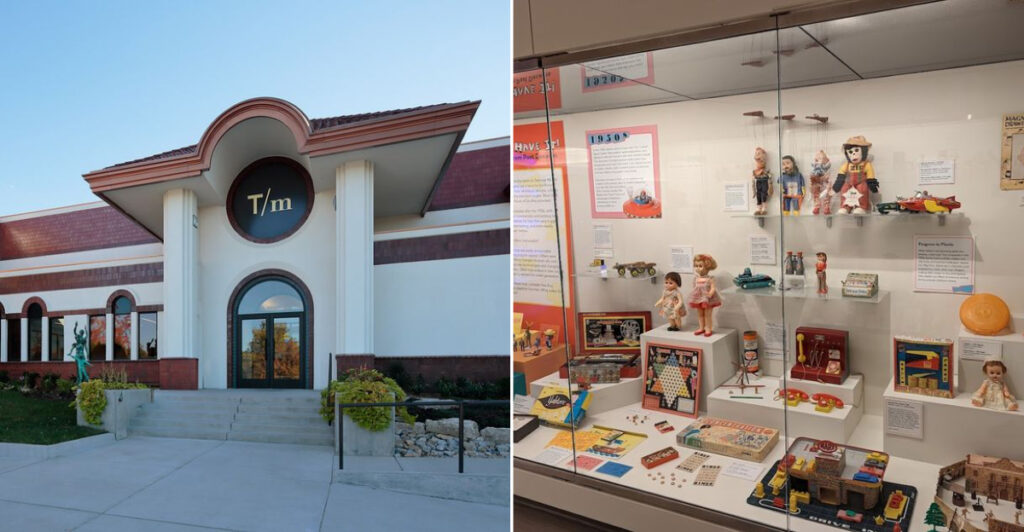
Tiny things can carry enormous wonder. Kansas is home to this museum that turns toys, miniatures, craftsmanship, nostalgia, and imagination into an experience that makes visitors slow down and look closer.
One display might spark a childhood memory, another might leave you amazed at the patience required to shape something so impossibly small.
The magic is in the details: little rooms with big personality, playful treasures, delicate scenes, familiar favorites, and objects that seem to shrink the world while expanding your sense of curiosity.
It is charming without feeling childish, impressive without feeling stuffy, and full of moments that invite a second look.
I have always been fascinated by places that reward careful attention, and this Kansas collection feels like the sort of museum that makes you lean in, smile, and remember how fun it is to be amazed.
A Collection Born From Pure Passion
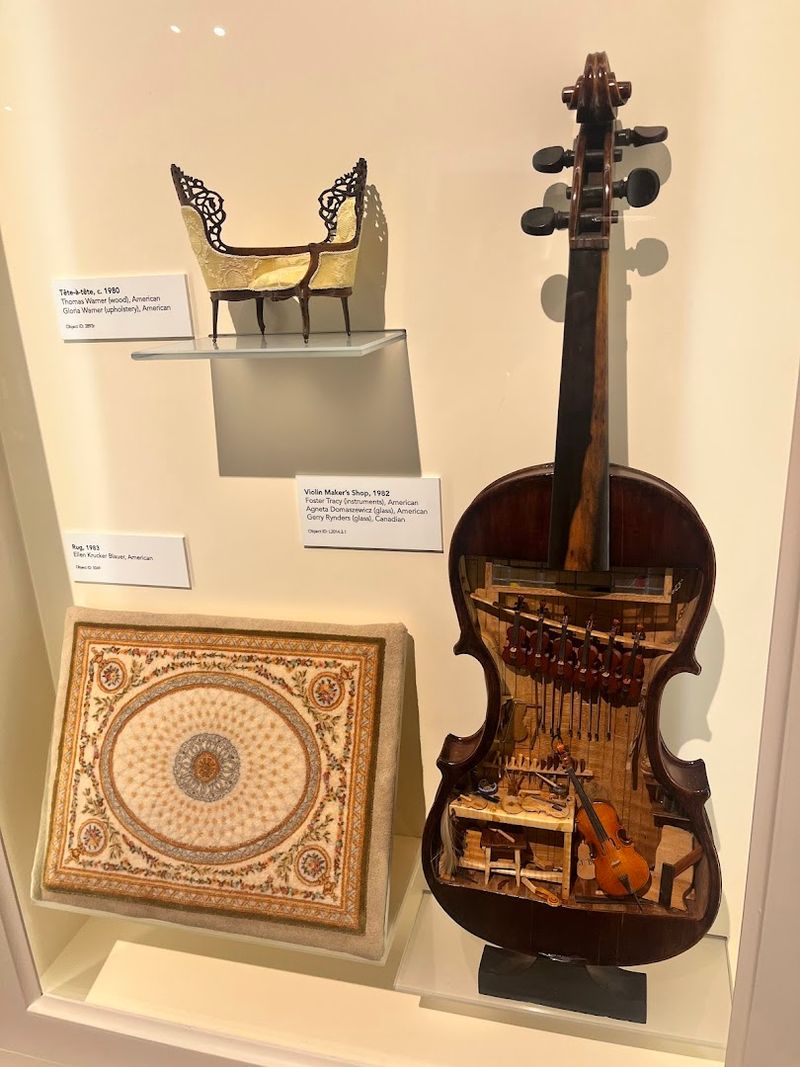
Behind every great museum is a great story, and the one behind The National Museum of Toys and Miniatures in Kansas City, Missouri is especially heartwarming.
Barbara Hall Marshall and Mary Harris Francis started collecting miniatures and toys long before they ever imagined building a museum around them.
Their shared passion grew so large that a private home simply could not contain it anymore.
What began as a personal hobby transformed into a public treasure that now draws visitors from across the country to the UMKC campus.
The museum’s origin story gives visitors real context before they explore the galleries.
Knowing the love that built this place makes every tiny teacup, vintage doll, and historic toy feel even more meaningful when you see it up close.
The Miniatures Floor Will Rewire Your Brain
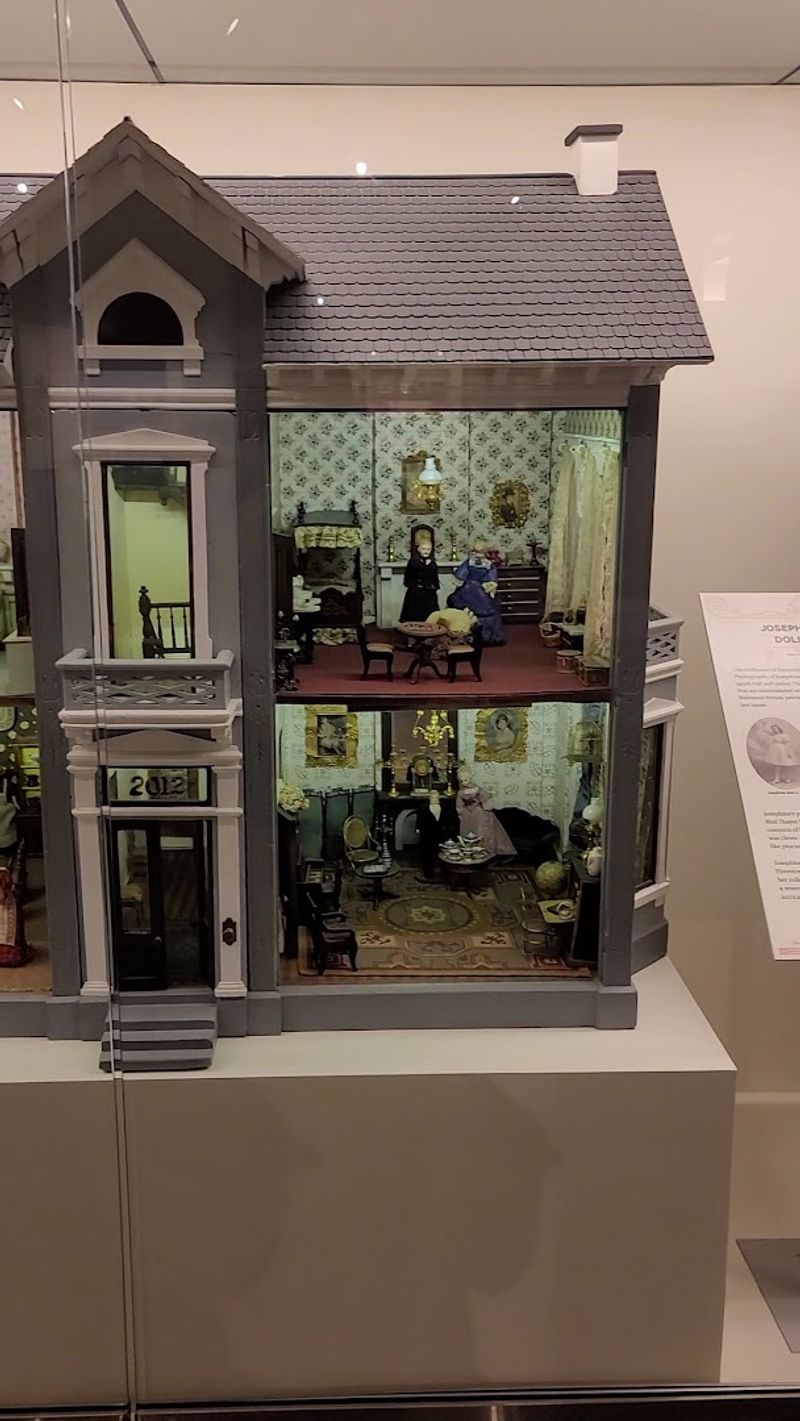
Walking into the miniature galleries at The National Museum of Toys and Miniatures in Kansas City, Missouri feels like stepping into a world where normal rules no longer apply.
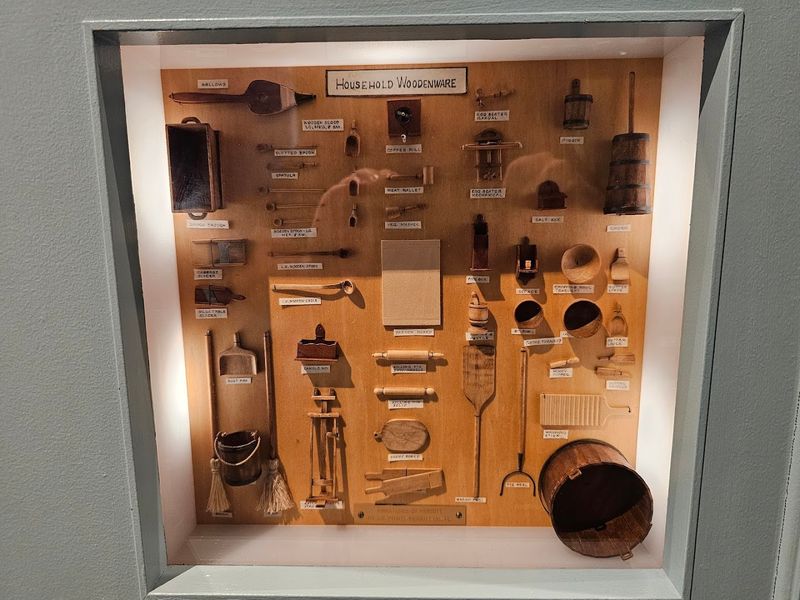
Every display case holds miniature rooms, houses, and scenes crafted with a level of detail that genuinely stops people in their tracks.
Tiny wallpaper patterns, carpet fibers, and working hinges on cabinet doors are just some of the features that make visitors lean in and whisper, “How did they even make that?”
The museum thoughtfully provides magnifying glasses so you can get a closer look, and step stools are available for younger visitors.
Many of the pieces in this collection were created by professional miniaturists whose work rivals full-scale fine art in skill and intention.
Even visitors who arrived with zero interest in miniatures have left completely converted, their expectations shattered in the best possible way.
A Nine-Foot Dollhouse That Commands The Room
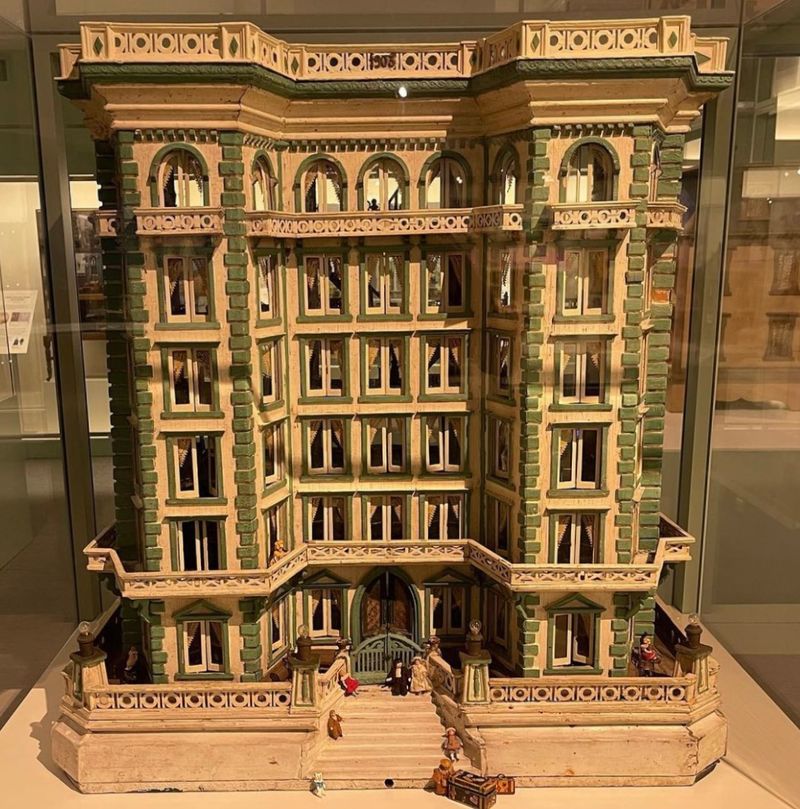
Not everything in this museum is small. One of the most showstopping pieces in the entire collection is a nine-foot tall, four-story dollhouse that visitors can view from all four sides, giving a full architectural tour of every room inside.
The craftsmanship packed into this single piece is extraordinary.
Each floor features period-accurate furniture, decorative details, and room layouts that reflect real design sensibilities rather than toy-store shortcuts.
It is the kind of object that makes adults stand quietly for several minutes just taking it all in. For families traveling from near or far, this dollhouse alone tends to justify the trip.
Children are captivated by the sheer size of it, while adults find themselves studying the interior details with the same focus they might give a painting in a fine art gallery.
It is architecture, storytelling, and craft all in one standing structure.
Art So Small It Lives On A Pinhead
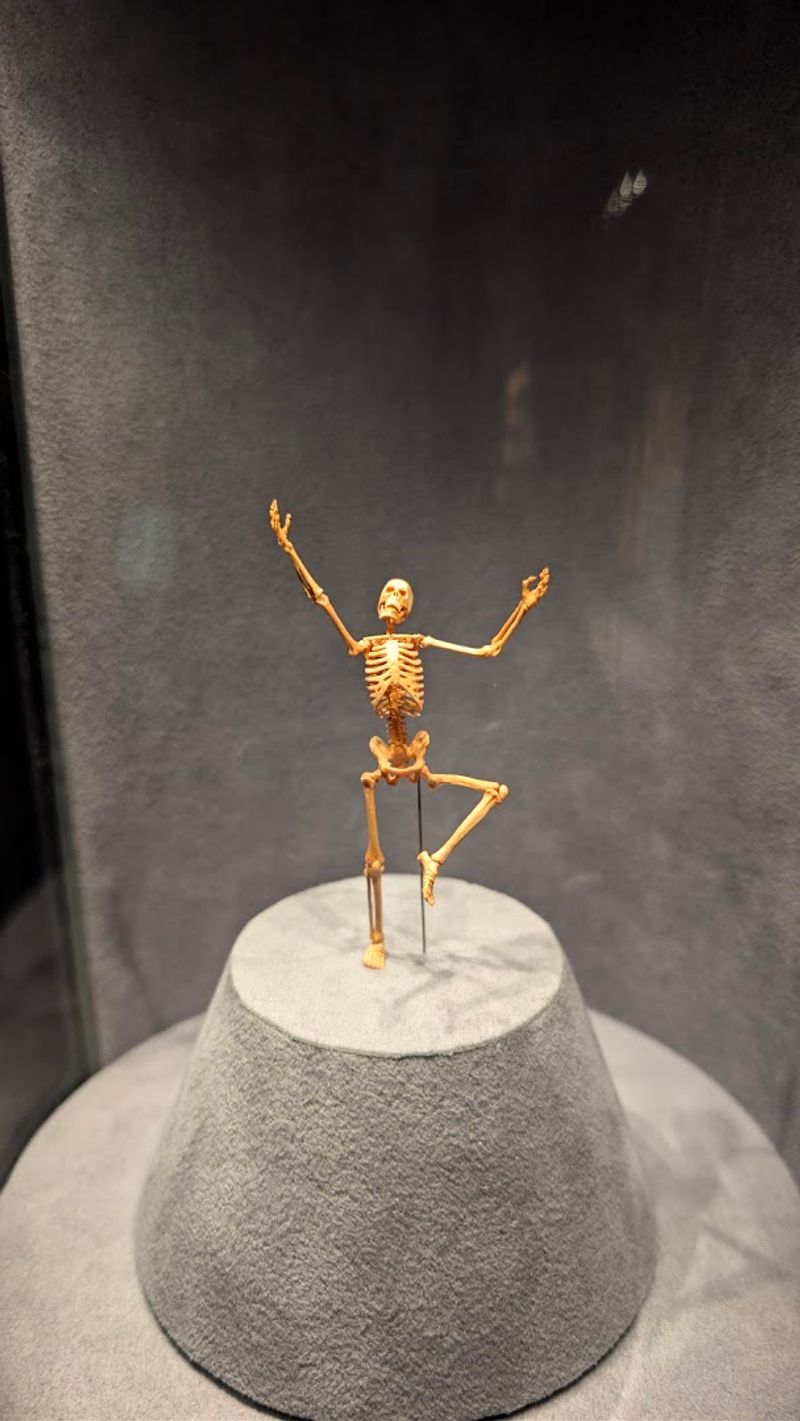
If the nine-foot dollhouse represents one extreme of this collection, then the museum’s smallest fine-scale works represent the other.
The National Museum of Toys and Miniatures in Kansas City, Missouri houses pieces so impossibly small that the naked eye simply cannot appreciate them without help.
Some works require careful magnification to fully understand the level of precision involved, which turns the viewing experience into something closer to a science experiment than a typical gallery stroll.
Reactions from visitors are almost universally the same: stunned silence followed by laughter, because the human brain struggles to process that level of detail.
Artists who work at this scale spend years developing techniques that most people never even knew existed.
The result is a collection that makes you rethink what craftsmanship can mean when patience, eyesight, and imagination all meet in one impossibly tiny object.
The Toy Floor Is A Time Machine
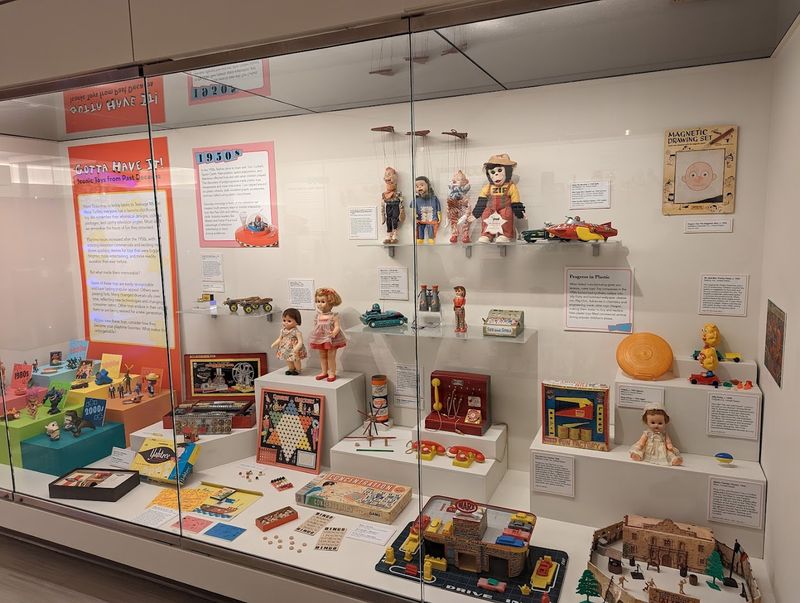
Head into the toy galleries and the entire mood of the museum shifts.
The National Museum of Toys and Miniatures in Kansas City, Missouri includes historic toys organized in a way that makes browsing feel like flipping through a personal photo album.
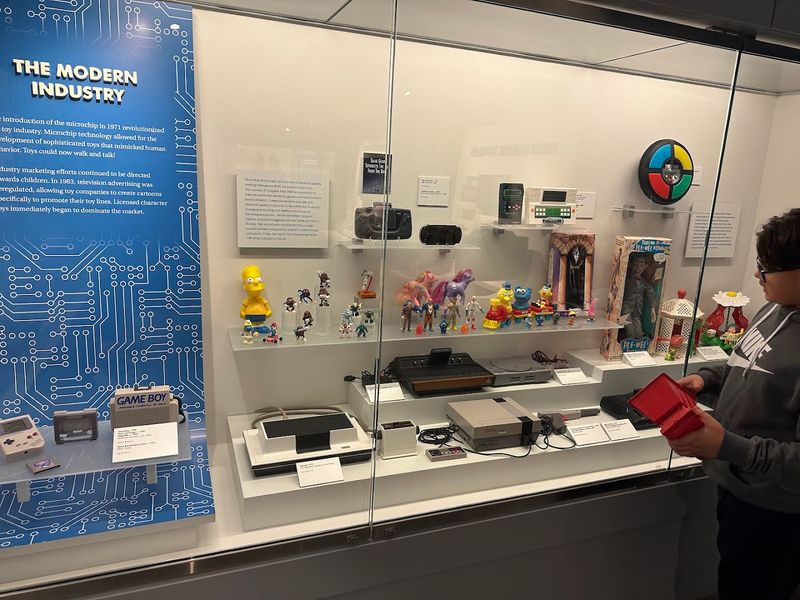
Vintage board games, early action figures, classic dolls, antique marbles, optical toys, and childhood favorites from multiple eras fill the cases.
Yes, some visitors have experienced mild shock upon seeing toys from their own childhood displayed as museum artifacts behind glass.
The arrangement helps visitors understand how toy design evolved across decades, reflecting changes in culture, technology, manufacturing, and what children found exciting at any given time.
Families consistently describe this section as one of the most emotionally resonant parts of the visit, because nearly every case holds something personally familiar to at least one member of the group.
The Star Wars Exhibit That Thrilled A Generation
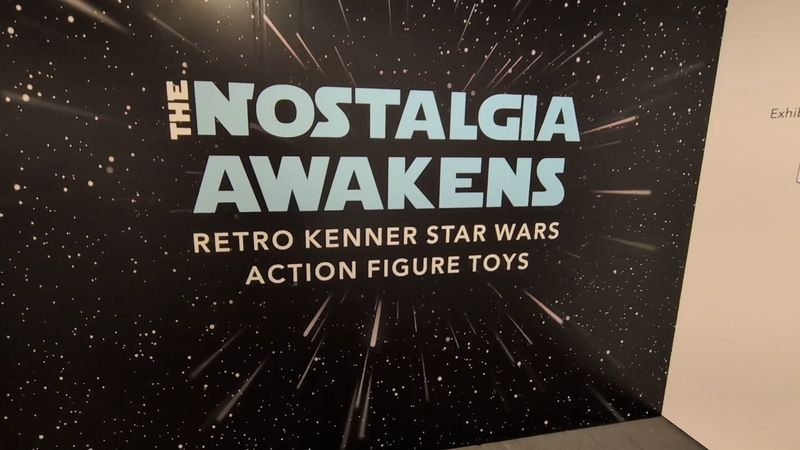
Few temporary exhibits generated as much excitement at this museum as The Nostalgia Awakens: Retro Kenner Star Wars Action Figure Toys, which featured original Kenner Star Wars toys from the classic era.
The display ran as a limited-time exhibition and brought serious nostalgia to the museum’s toy galleries.
Visitors who grew up with these toys described the experience as an emotional gut-punch in the best possible way.
Characters, vehicles, and playsets that many people remembered from childhood were displayed with the kind of care that made them feel newly important.
The exhibit drew fans who planned Kansas City trips specifically around seeing it before it closed.
Even younger visitors who had no personal connection to the original toy line found themselves fascinated by the design quality and the obvious care put into preserving every piece.
Now that the temporary exhibit has ended, visitors should check the museum’s current exhibition schedule before planning around any specific display.
Magnifying Glasses and Step Stools Included
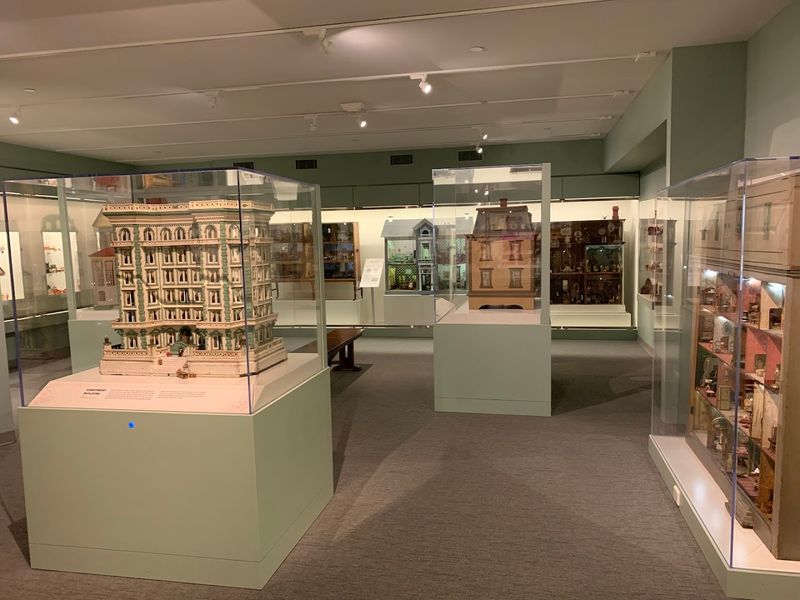
One of the most thoughtful things about The National Museum of Toys and Miniatures in Kansas City, Missouri is how deliberately it has been designed for all ages and heights.
The museum provides magnifying glasses throughout the miniature galleries so that no detail goes unnoticed by any visitor.
Step stools are placed near display cases that younger children might otherwise struggle to see into, turning what could be a frustrating experience into an accessible and engaging one.
These small practical touches reflect a genuine commitment to making the collection available to everyone who walks through the door.
Families, school groups, and curious adults all benefit from that approach. The museum’s education mission comes through clearly in the way exhibits encourage close looking rather than passive wandering.
It is a small detail, but in a museum built around small details, that kind of care matters.
Free Admission Options Make It Even Better
Great museums do not always have to be expensive, and this one proves that point with style.
Admission to The National Museum of Toys and Miniatures in Kansas City, Missouri is reasonably priced, with adult tickets currently listed at twelve dollars.
On the second Sunday of each month, admission is completely free, which makes the museum accessible to families on tighter budgets who still want a full and enriching cultural experience.
Children five and under, museum members, UMKC faculty, staff, and students, and Museums for All participants with an EBT card can also receive free admission.
Discounted rates are available for seniors, military visitors, college students, and ages six through seventeen.
For travelers building a Kansas City itinerary, the museum offers strong value because the collection is large enough to fill several hours without feeling padded or repetitive.
A Skill-Testing Room You Did Not Expect
Somewhere inside the museum, past the dollhouses and display cases, there are interactive moments that surprise many visitors.
The National Museum of Toys and Miniatures in Kansas City, Missouri includes hands-on features that help guests understand just how much precision miniature work requires.
The general idea involves trying to handle or position tiny objects with the kind of care that miniature artists develop over years of practice.
Most visitors discover very quickly that their fingers are far less cooperative than they assumed.
It is a humbling and hilarious few minutes that adds a playful, participatory energy to what might otherwise feel like a purely observational museum experience.
For families and curious visitors, these interactive details often become some of the most talked-about moments of the visit, generating laughs and friendly competition long after everyone has gone home.
Plan For At Least Two To Three Hours

First-time visitors consistently underestimate how long a trip to The National Museum of Toys and Miniatures in Kansas City, Missouri actually takes.
Most people arrive expecting to spend an hour and end up staying two or three, sometimes longer if they are reading every label and examining every case with proper attention.
The museum’s collection includes more than 100,000 objects, with fine-scale miniatures and historic toys sharing space across detailed galleries.
The museum is open Monday from 10 AM to 4 PM, closed Tuesday, and open Wednesday through Sunday from 10 AM to 4 PM.
For anyone planning a longer Kansas City itinerary, Tuesday should simply be crossed off the list for this stop.
Arriving close to opening time on a weekday gives the best chance of moving through the galleries without crowds, letting every tiny detail get the attention it truly deserves.