Art feels different when it carries both memory and motion.
This Kansas museum gives Native American work that kind of space, showing it not as something frozen in the past, but as a living tradition with deep roots and a continuing voice.
That is what makes a visit here feel meaningful without becoming heavy. The pieces invite you to look closer, think longer, and recognize how creativity can hold history while still moving forward.
A museum like this does more than display beautiful objects. It helps visitors understand culture through expression, craftsmanship, and stories that deserve attention.
I am drawn to places that make art feel connected to real people and real legacy, because those are the exhibits that stay with me long after I have left the building.
The Gallery Of Nations And Its 549 Tribal Flags
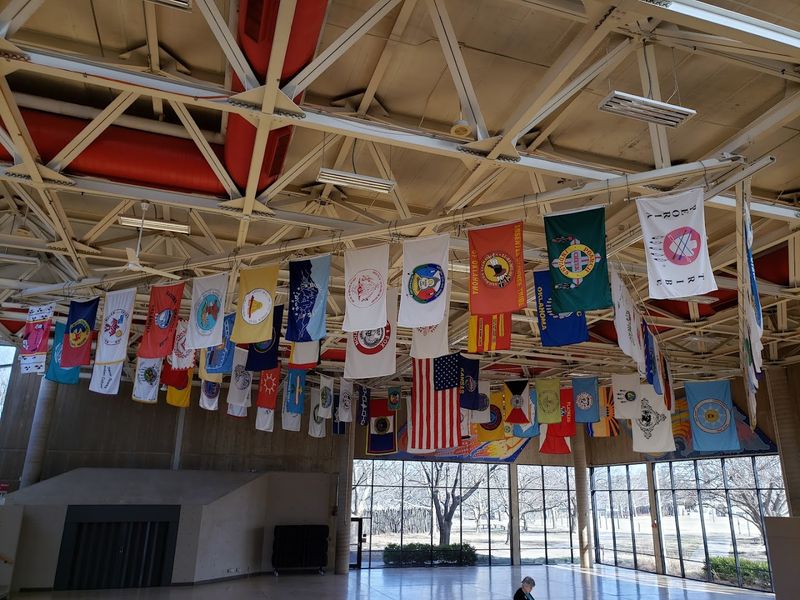
Walking into the Mid-America All-Indian Museum, the first thing that stops you in your tracks is the Gallery of Nations.
Lining the entrance are flags representing more than 70 American Indian nations, not every federally recognized tribe.
That number is striking. Many people grow up learning about only a handful of tribes in school, so standing beneath dozens of national symbols is a quiet but powerful education in itself.
Each flag carries its own colors, symbols, and story. The gallery sets the tone for everything else inside the museum, signaling that this is not a single-culture exhibit but a celebration of enormous diversity.
Kansas has a rich Indigenous history, and this opening display honors that complexity with dignity.
It is the kind of visual statement that stays with you long after you have left the building, because the museum acknowledges more than 570 tribes exist today.
Blackbear Bosin And The Art That Defines The Museum
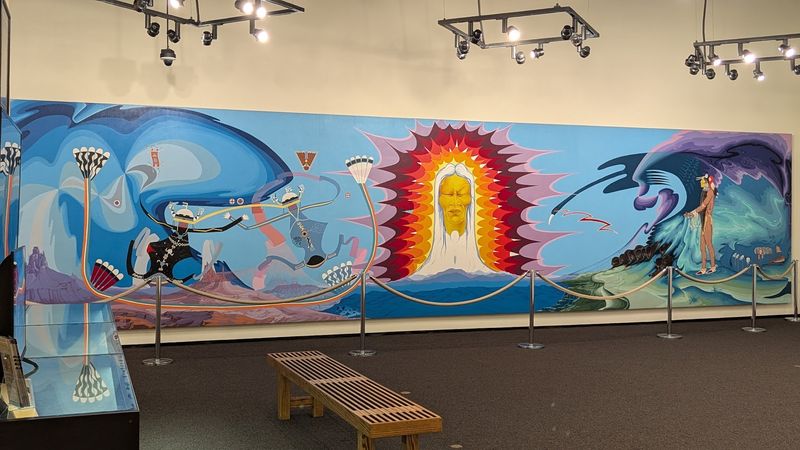
If one name defines the Mid-America All-Indian Museum more than any other, it is Blackbear Bosin.
A Kiowa-Comanche artist born in 1921, Bosin spent decades creating works that fused traditional Native American imagery with a bold, modern visual style.
The museum’s permanent exhibit explores his life through paintings, photographs, vintage film footage, audio recordings, and interviews.
That broader storytelling makes the gallery feel personal and deeply, not just visual.
Bosin had a gift for capturing movement, spirit, and the relationship between people and the natural world. His figures feel alive, as if they might step right off the canvas.
He is also the creative mind behind the iconic Keeper of the Plains statue standing just outside.
Kansas is lucky to have such a concentrated showcase of his work in one place for visitors today, and the museum does his legacy real justice.
The Keeper Of The Plains Connection
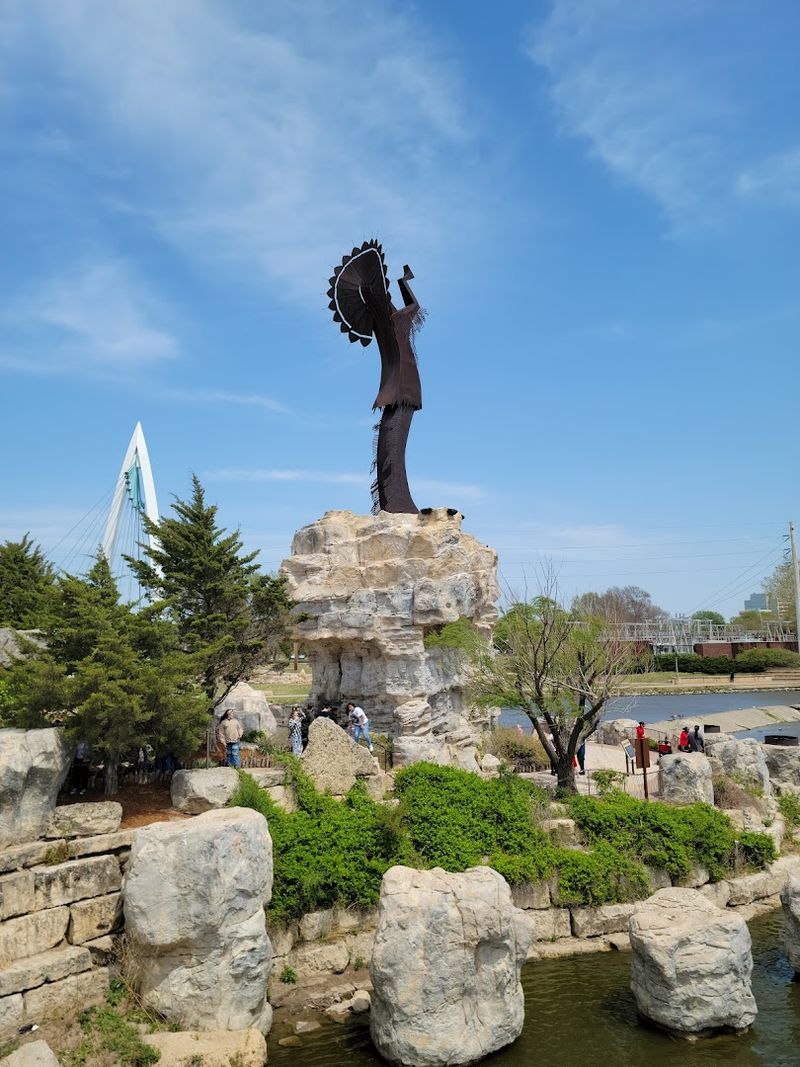
Standing just outside the museum walls, the Keeper of the Plains is one of the most recognizable landmarks in all of Kansas.
This 44-foot steel sculpture was designed by Blackbear Bosin and installed in 1974 at the confluence of the Arkansas and Little Arkansas rivers.
The museum gives visitors the full story behind the statue, including Bosin’s inspiration, his artistic process, and the cultural significance embedded in the design.
Knowing the backstory makes standing in front of the sculpture feel entirely different.
At night, fire pots surrounding the base are lit, creating a dramatic and deeply moving scene that draws both locals and tourists year after year.
It is the kind of sight that feels genuinely earned once you have spent time inside the museum learning who made it and why.
The Keeper is not just public art. It is a statement about the enduring presence of Native peoples on this land.
Hands-On Exhibits That Bring Culture To Life
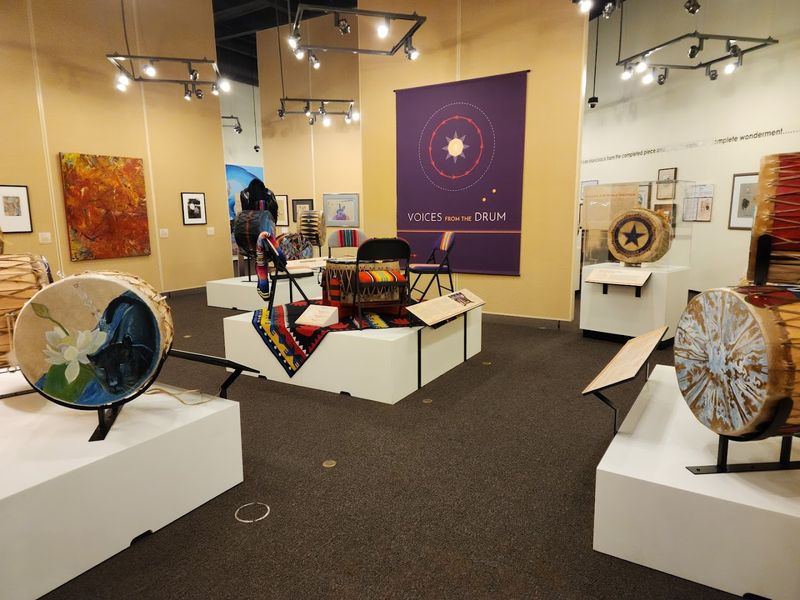
Not every museum builds learning around interaction, but the Mid-America All-Indian Museum takes a refreshingly approachable route.
Field trips include hands-on learning in an interactive area, with Native games, books, toys, and optional activities that help culture feel more immediate.
There is something about physically engaging with learning materials that makes the information stick.
Trying a game, hearing a story, or working through a hands-on activity connects students to traditions in a way that reading a label simply cannot.
School groups visiting Kansas make this museum a field trip destination for this reason.
Students get to explore history, modern Native identity, artwork, and the Keeper of the Plains with educators who bring passion to every session.
The hands-on design reflects a core belief held by the museum: culture is not a relic to be observed from a distance. It is a living practice meant to be experienced, shared, and carried forward by each generation.
The Full-Sized Tipi Inside And Outside The Building
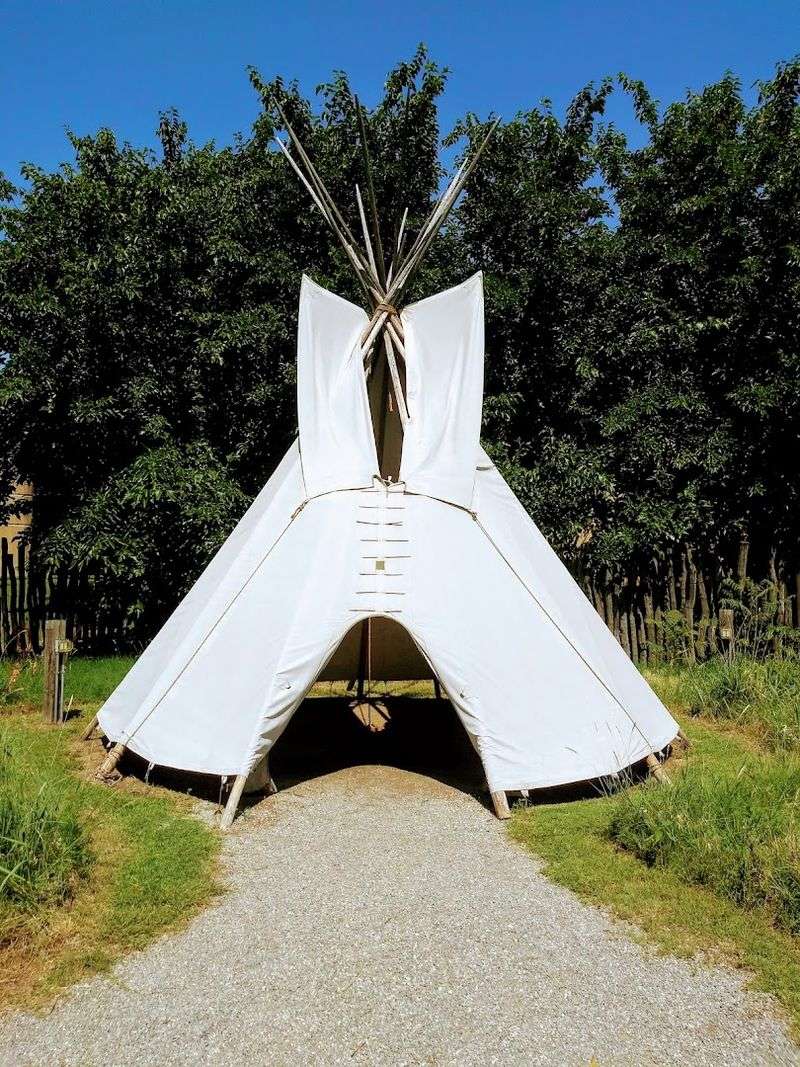
One of the most talked-about features of the Mid-America All-Indian Museum has been its tipi displays and large-scale cultural elements, though access to specific outdoor features can change with maintenance, weather, or preservation needs.
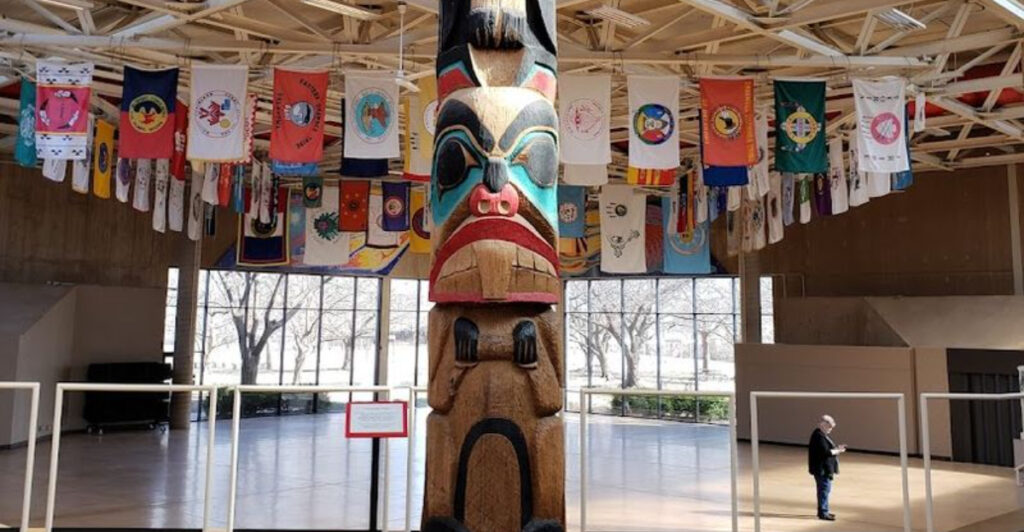
Inside, visitors have noted a large conference-style room with a tall friendship totem pole and oversized cultural artifacts.
It gives visitors a genuine sense of scale and craftsmanship that smaller display cases simply cannot offer.
Outside, the museum’s Outdoor Learning Center includes a medicinal garden, prairie, bee hives, and learning spaces that connect the building to the surrounding riverfront grounds.
A tipi has also been noted by visitors, but checking current access before promising a walk-through during regular public visits too is smart.
For younger visitors especially, these large-scale features often become the highlight of the trip.
They transform abstract history into something tangible, real, and genuinely fascinating in a way that sticks with kids for years.
Annual Powwow And Cultural Events
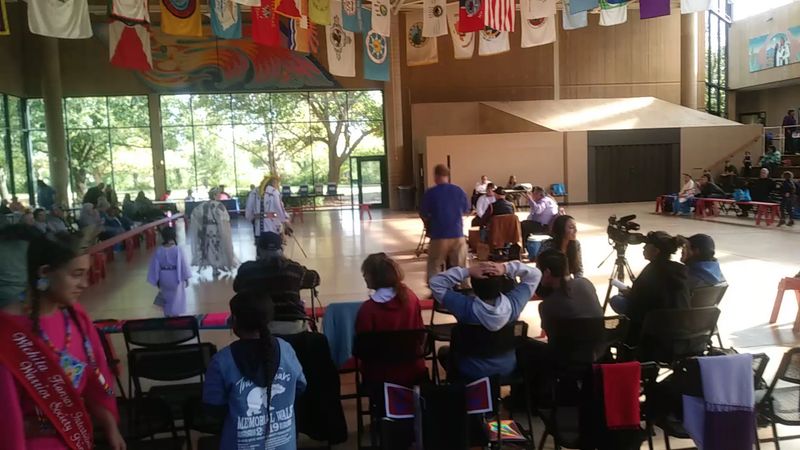
The Mid-America All-Indian Museum is not a place that only comes alive when you walk through its doors.
Throughout the year, it hosts a calendar of events that bring the surrounding community into direct contact with living Native American traditions.
The annual powwow is the crown jewel of the event lineup.
Traditional dancers in full regalia fill the space with color, rhythm, and ceremony, offering an experience that goes far beyond anything a static exhibit can provide.
Back-to-school powwows have become a beloved local tradition in Wichita, drawing families, students, and cultural enthusiasts from across Kansas and beyond.
The drumming, the dancing, and the shared food create an atmosphere that feels both celebratory and deeply meaningful.
Film festivals, cultural workshops, and community gatherings round out the programming throughout the year.
The museum functions as a genuine cultural hub, proving that Native American traditions are not stories from the past but active, vibrant expressions of identity today.
Artifacts Spanning Paintings, Ceramics, And Beaded Moccasins
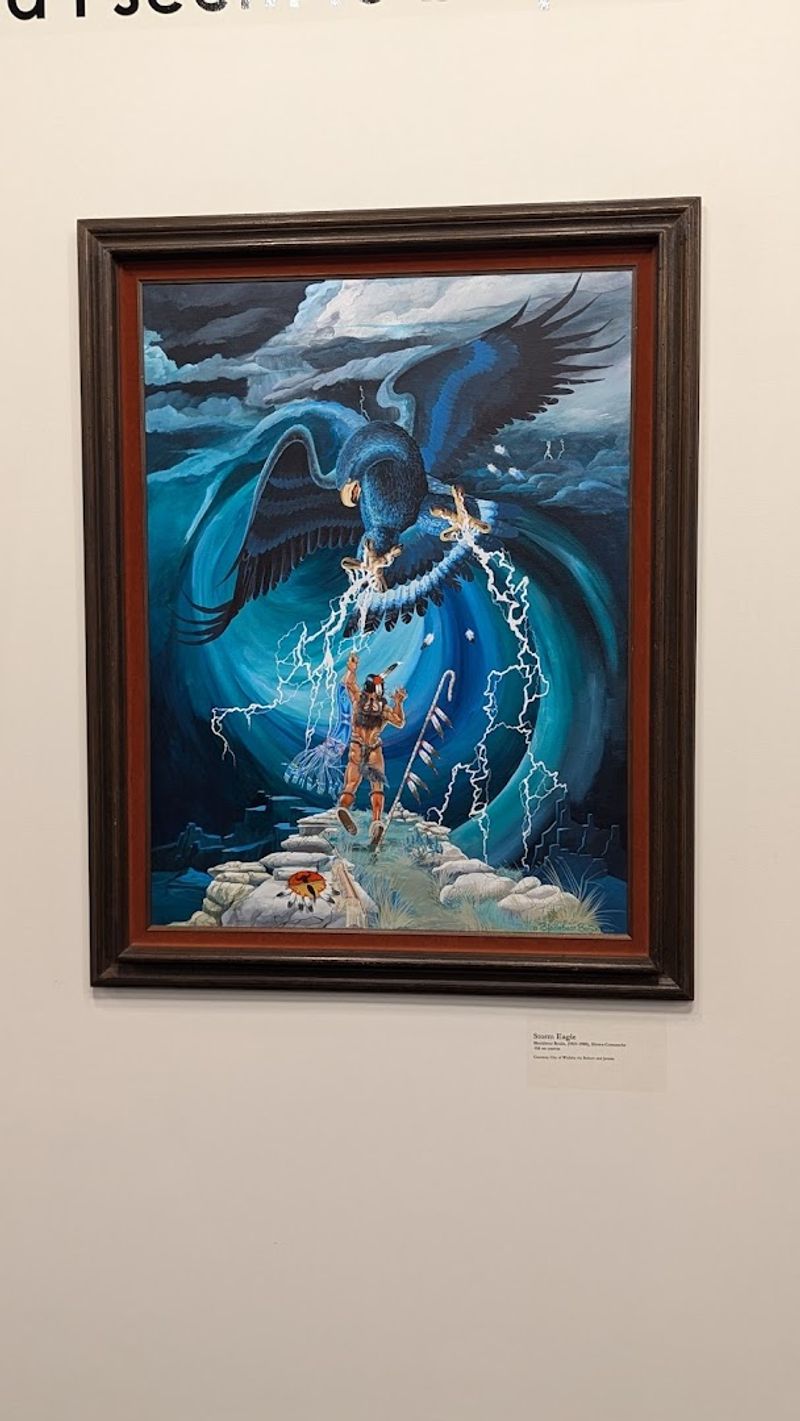
The range of art and artifacts inside the Mid-America All-Indian Museum is genuinely impressive for a space its size.
Beaded moccasins sit near forged silver jewelry. Ceramic pottery shares wall space with historical photographs and bold oil paintings.
Each piece represents a different tribal tradition, a different artistic lineage, and a different way of understanding the world.
The curation makes clear that Native American art is not one thing but many things, shaped by geography, history, and individual creative vision.
Artists like Woody Crumbo and Jerome Tiger are represented alongside Blackbear Bosin, giving visitors a broader picture of the Native American fine art movement that flourished through the twentieth century.
Their works carry emotional weight and technical skill in equal measure.
Kansas may not be the first place people think of when they imagine world-class art collections, but the museum makes a compelling case that extraordinary artistic heritage can be found right in the heart of Wichita.
The Friendship Totem Pole And Its Place In The Collection
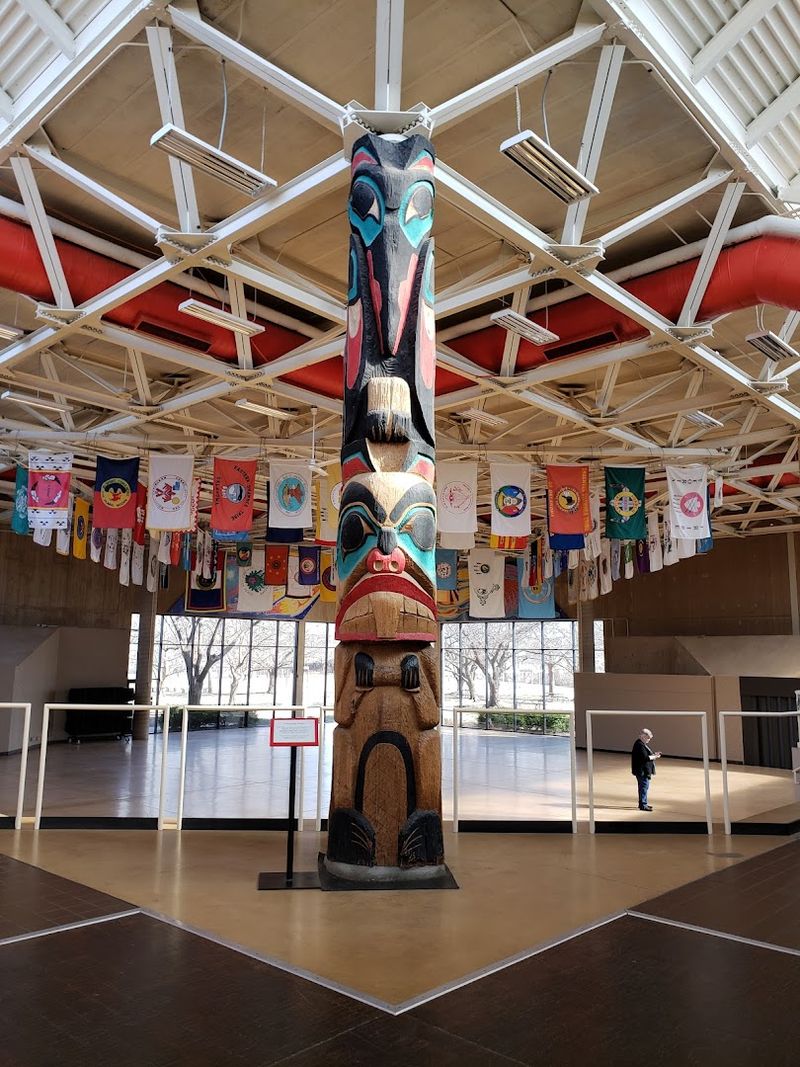
Tucked inside a large room at the Mid-America All-Indian Museum stands a friendship totem pole that commands the space with quiet authority.
Towering above visitors, it is one of the most visually striking pieces in the entire collection. Totem poles carry layered meanings depending on the tribe and tradition they come from.
They can mark family lineages, tell origin stories, honor important figures, or celebrate alliances between communities. The friendship pole in this museum reflects exactly that spirit of connection.
Standing beneath it, you get a real appreciation for the skill involved in carving such a structure. Every figure, every painted detail, and every symbol is intentional and meaningful within its cultural context.
For many visitors, the totem pole becomes a moment of genuine reflection. It is one thing to read about Indigenous traditions in a Kansas classroom.
It is another thing entirely to stand in the presence of a work this carefully crafted and deeply rooted in living culture.
The Gift Shop And Its Handcrafted Native American Treasures
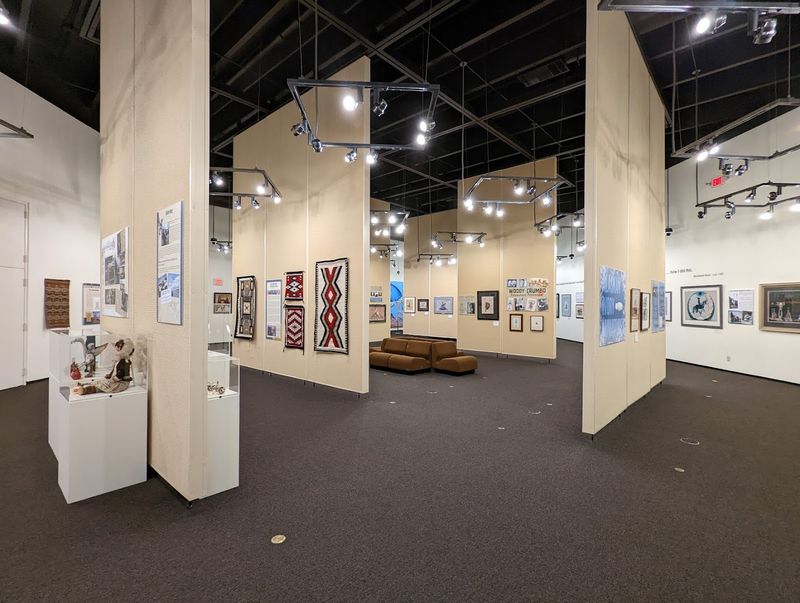
Not all museum gift shops are created equal, and the one at the Mid-America All-Indian Museum deserves its own mention.
Rather than leaning only on mass-produced souvenirs, the shop features locally created goods and work connected to regional American Indian artists.
You will find handmade jewelry, American Indian made crafts, books, foods, botanicals, honey, Keeper of the Plains memorabilia, and items tied to Blackbear Bosin.
Buying something here gives the shopping experience a purpose that goes beyond picking up a keepsake.
The book selection is particularly useful for anyone wanting to dig deeper into Native American history, art, and culture after their visit.
Kansas bookstores rarely carry this kind of focused, culturally specific collection in one place.
The shop also carries collectible items that make thoughtful gifts for curious friends or family members back home.
A portion of some sales supports the local community and artists, making it a meaningful final stop before heading out the door for many visitors too.
Practical Tips For Planning Your Visit
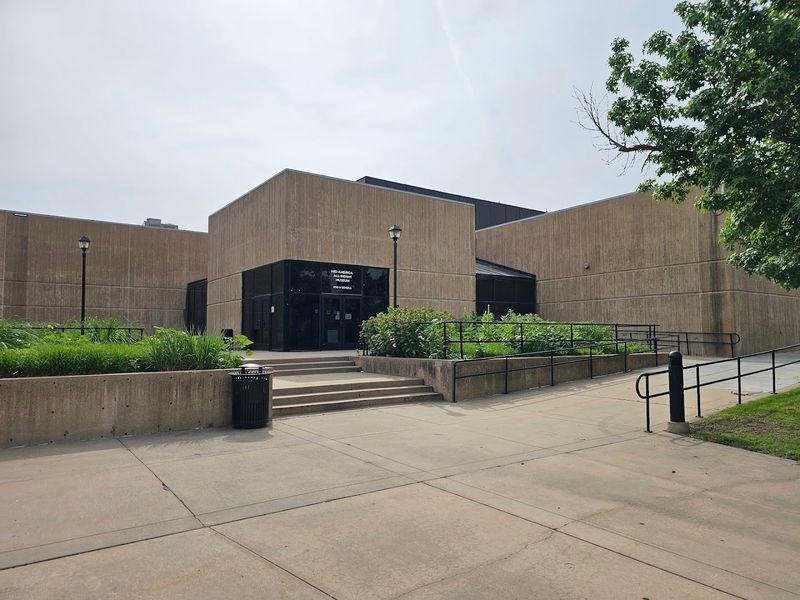
Planning a trip to the Mid-America All-Indian Museum is straightforward, but a few details are worth knowing before you go.
The museum is located at 650 N Seneca St, Wichita, KS 67203, right along the Arkansas River and close to the Keeper of the Plains statue.
Regular operating hours run Tuesday through Saturday from 10 AM to 4 PM. The museum is closed on Sundays and Mondays, and occasional holiday or facility closures can occur, so checking ahead is wise.
Admission is modest, with current adult pricing listed around seven to nine dollars depending on the source, for the visit.
Free parking is available at the entrance, which is a small but appreciated convenience in a busy part of Wichita.
The museum is compact enough to explore thoroughly in a couple of hours, but rich enough that you might linger far longer than expected.