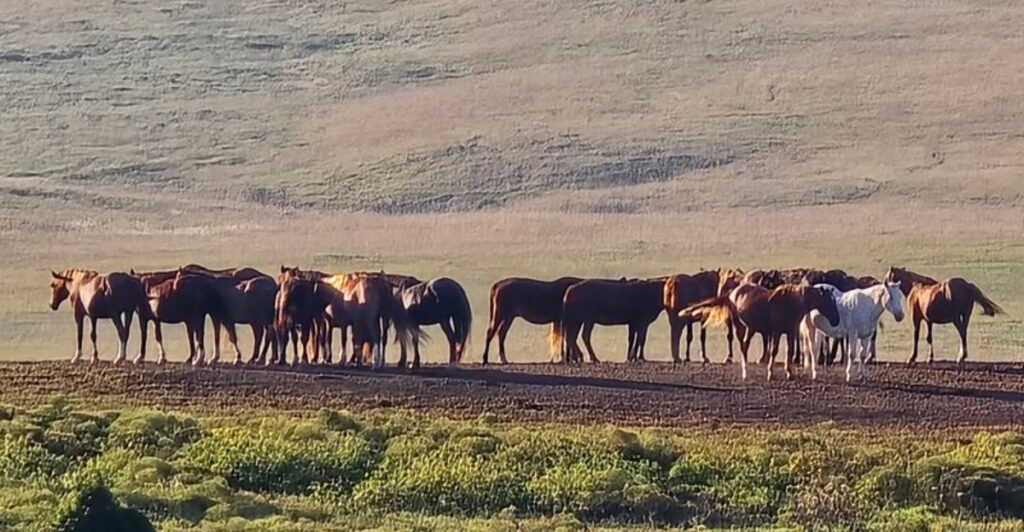
Some Kansas views feel calm until they suddenly feel cinematic. A prairie with wild horses roaming free has that effect, turning open grassland into something that feels almost too perfect to interrupt.
The beauty is not complicated, and that is what makes it powerful. Big sky, quiet roads, and the chance to spot horses moving across the landscape can make an ordinary drive feel like a scene you were lucky enough to catch.
This is the kind of outing that rewards patience more than planning, because the best moments often happen when you stop rushing and simply watch.
My favorite prairie trips are the ones that make conversation fade out for a minute, and seeing wild horses in Kansas sounds like exactly the kind of sight that would do it.
The Flint Hills Are One Of North America’s Last Tallgrass Prairie Strongholds
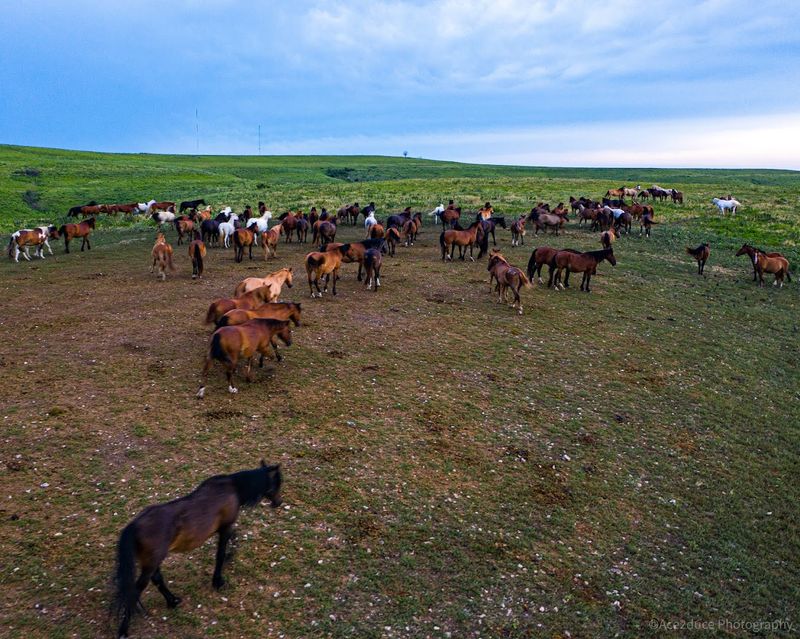
Stretching across nearly four million acres in eastern Kansas, the Flint Hills represent one of the most intact tallgrass prairie ecosystems left on the entire continent.
Most of North America’s original tallgrass prairie was converted to farmland long ago, but the rocky, flint-rich soil here made plowing nearly impossible, which accidentally saved it.
That geological stubbornness turned out to be a gift. The grasses here, including big bluestem, indiangrass, and switchgrass, grow tall enough to hide a person on horseback.
The landscape near Cassoday and the Teter Rock area pulses with life across every season, from wildflower blooms in spring to amber-toned grasses in autumn.
Standing on a hilltop here, you feel genuinely small in the best possible way. The horizon seems to go on forever, and the wind moving through the grass creates a sound that feels ancient and alive all at once.
Teter Rock Served As A Vital Landmark For Travelers On The Prairie
Long before GPS existed, travelers crossing the vast Kansas prairie relied on landmarks to figure out where they were.
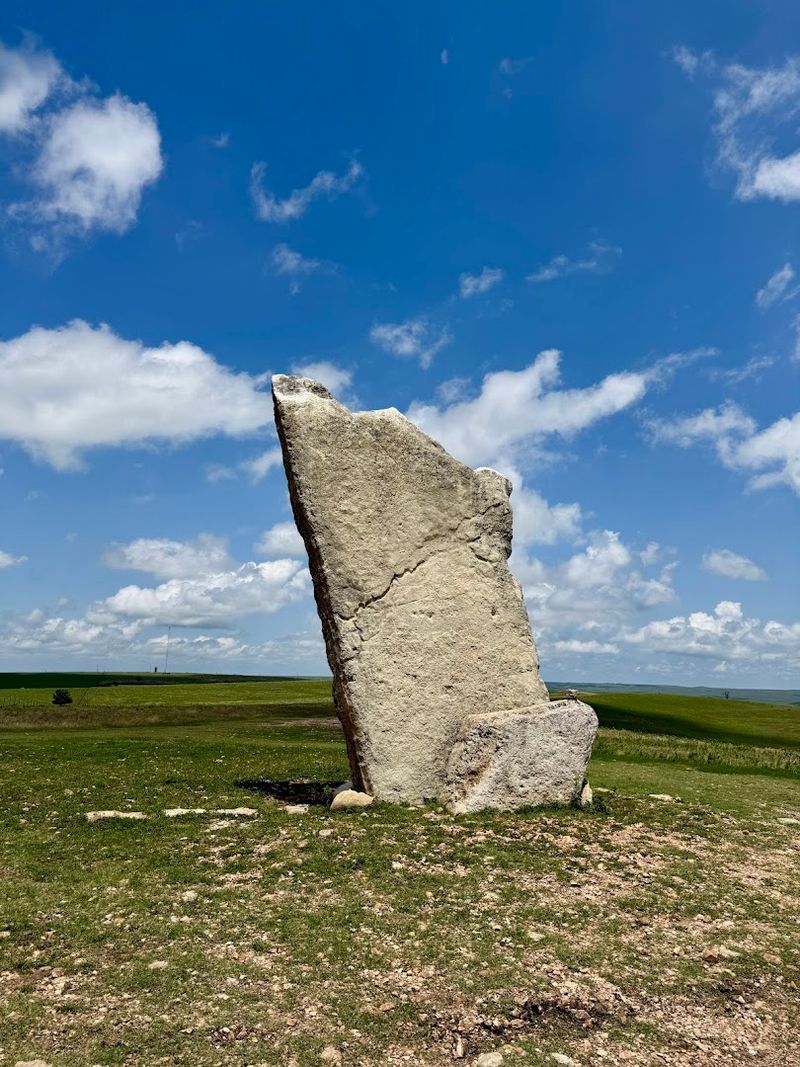
Teter Rock, a limestone monument on a high hill near Eureka, Kansas, now marks that same old historic guidepost for wagon trains and early settlers moving through the region.
The original landmark was reportedly a pile of rocks that local settlers and travelers used as a navigation point.
When oil was discovered nearby, the boomtown of Teterville sprang up, and those original rocks were used as building material, which is why the current stone slab is not the marker pioneers actually saw.
Even so, standing at the site today at 2555 300th, Eureka, KS 67045, you feel the weight of that history immediately.
The elevated position gives you commanding views in every direction, and it is easy to understand why generations of travelers looked for this spot on the horizon.
Wild Mustangs Actually Roam This Prairie And You Can Spot Them For Free
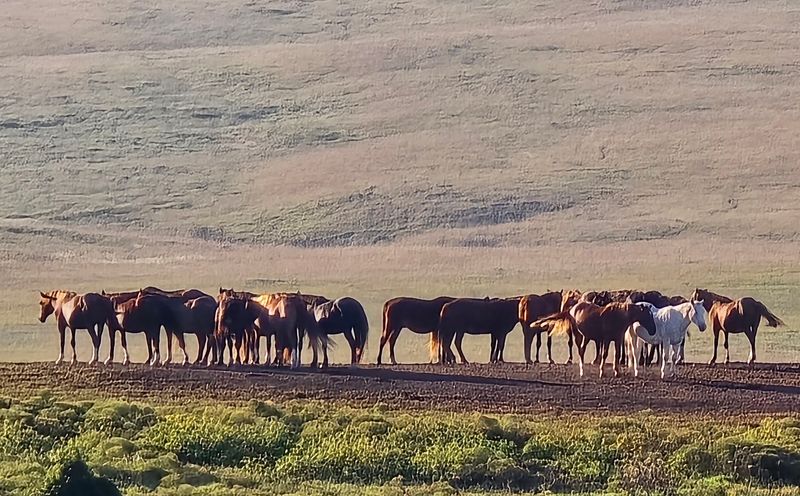
Not many places in the continental United States give you a realistic shot at watching wild horses move freely across an open landscape, but the Flint Hills near Cassoday and Teter Rock area is one of them.
These BLM-managed wild horses may be spotted near the rock or along surrounding private pastureland, especially during early morning hours.
Binoculars are strongly recommended because the horses can be at a considerable distance, but seeing them at all feels like a genuine privilege.
There is no admission fee or guided tour required at Teter Rock, but the horses are on private rangeland, so visitors should watch from the road.
Sunrise visits tend to yield the best chances of spotting the mustangs before the heat of the day pushes them toward shade and water.
Patience, quiet movement, and respectful distance are your best tools out here, and the reward is worth the stillness.
The Road To Teter Rock Is An Adventure Itself
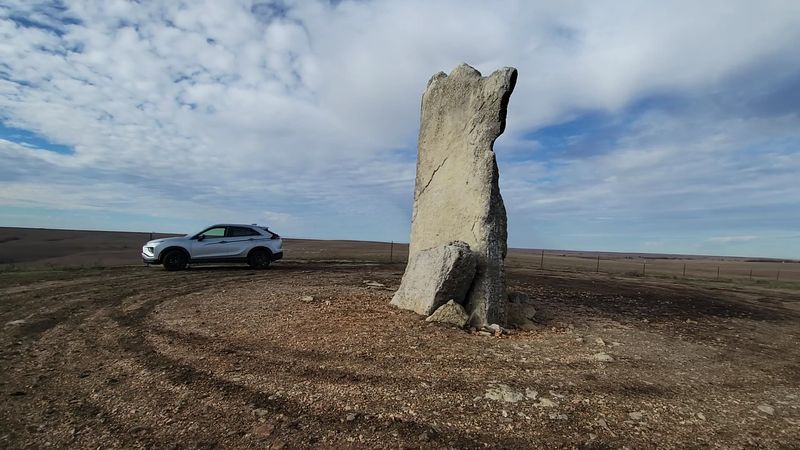
Getting to Teter Rock is not a passive experience.
About twelve miles of gravel road lead to the entrance, and the final mile or so is an unmaintained dirt track full of loose rocks, ruts, and occasional mud patches that can catch unprepared drivers completely off guard.
An SUV or pickup truck is the practical choice for this journey.
Low-clearance vehicles can technically make it with extreme caution and slow driving, but a four-wheel-drive vehicle removes most of the stress and lets you focus on the scenery instead of the road surface beneath your tires.
The approach itself is genuinely scenic, with sweeping views of the Flint Hills opening up long before you reach the rock.
The rough road also keeps casual traffic low, which means once you arrive, you often have the entire hilltop to yourself. That solitude is part of what makes this place feel so special and unhurried.
Cassoday Calls Itself The Prairie Chicken Capital Of The World
The small town of Cassoday, sitting right in the heart of the Flint Hills, carries a title that is both quirky and proudly earned.
It calls itself the Prairie Chicken Capital of the World, honoring the greater prairie chicken, a native bird species that depends almost entirely on intact tallgrass prairie for survival.
Greater prairie chickens perform one of nature’s most theatrical courtship displays each spring, with males puffing up orange neck sacs and booming across the open grass to attract mates.
The Flint Hills near Cassoday and Teter Rock area is one of the few places in the country where these birds still gather in meaningful numbers.
Cassoday itself is a tiny community, but it anchors the surrounding grassland with genuine local character.
Stopping there before heading out to Teter Rock gives you a sense of the rural Kansas identity that has shaped this landscape for well over a century.
The Night Sky Above The Flint Hills Is Remarkably Dark And Clear
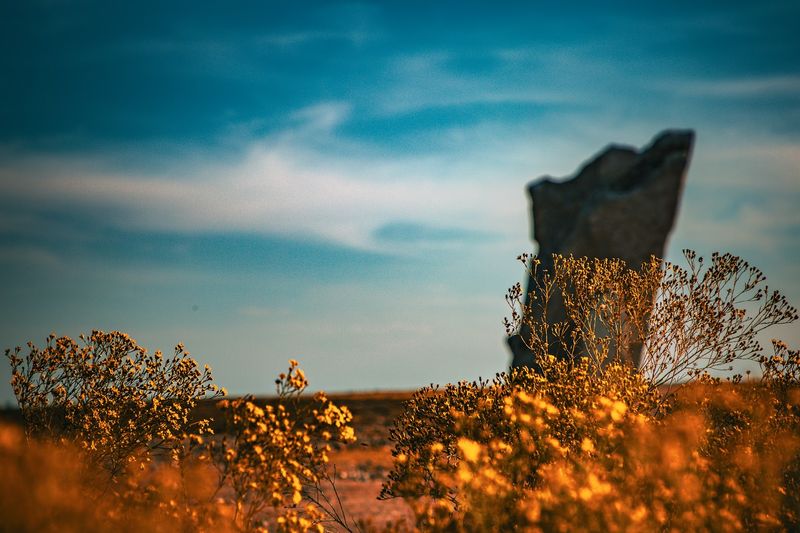
Light pollution is fairly low in the Flint Hills near Cassoday and Teter Rock area, which turns the night sky into something that genuinely takes your breath away.
The Milky Way can appear as a luminous band overhead on clear, moonless nights, though distant glow from Emporia, El Dorado, and wind-farm lights remains visible.
Photographers have made the trip specifically to capture the Milky Way and, in the past, rare celestial events like the Neowise comet from the hilltop near Teter Rock.
The open horizon in many directions means there are few trees or buildings blocking the view, just broad, uninterrupted sky.
Teter Rock is commonly visited after dark, but current tourism pages do not publish formal hours, so plan cautiously for remote late-night stargazing sessions.
Bringing a blanket, a thermos of something warm, and a sky map will turn an already memorable visit into one of the most peaceful nights you have ever spent outdoors.
Tallgrass Prairie Burning Is A Centuries-Old Practice Still Used Here Today
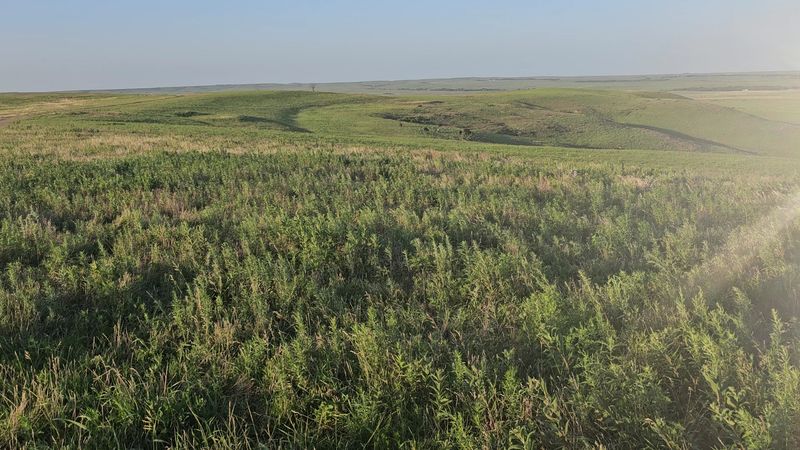
Every spring, the Flint Hills near Cassoday light up in a way that shocks first-time visitors.
Ranchers and land managers conduct large-scale controlled burns across the prairie, a practice rooted in both Indigenous land management traditions and modern ecological science.
The burns clear wasted plant material and stimulate fresh, nutrient-rich grass growth that benefits both cattle and native wildlife.
From a distance, the fires look dramatic and almost unsettling, but they are a deeply intentional and carefully managed tool.
The resulting landscape a few weeks after a burn is a vivid, almost electric green that contrasts sharply with the surrounding untouched areas.
Visiting in late April or May means you might catch both the tail end of burning season and the burst of new growth that follows.
The Flint Hills near Cassoday and Teter Rock area takes on a patchwork appearance from elevated viewpoints, which makes the landscape look even more dramatic and alive than usual.
The Cottonwood River Valley Adds Stunning Depth To The Views From Teter Rock
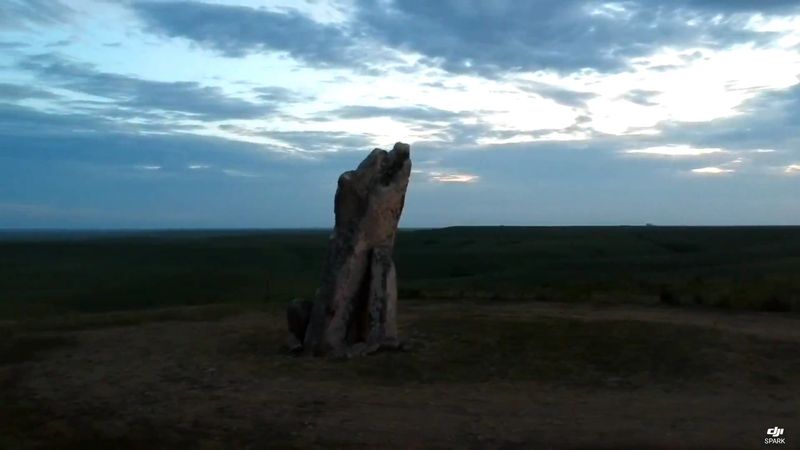
One of the unexpected rewards of climbing to the top of the Teter Rock hilltop is the view directly over the Cottonwood River valley.
The river winds through the landscape below, flanked by trees that look like thin green ribbons from the elevated vantage point, while the surrounding prairie rolls away in every direction without interruption.
On clear days, the visibility from this spot extends for many miles, and the depth of the landscape becomes almost disorienting in the best sense.
You can see the subtle shifts in terrain, the darker patches where water collects, and the lighter ridgelines where limestone sits close to the surface.
This kind of layered view is rare in the flatland stereotype that most people associate with Kansas.
The Flint Hills near Cassoday and Teter Rock area consistently surprises people who expect boring flatness and instead find a genuinely dramatic, three-dimensional landscape full of texture and movement.
The Site Sits On Private Pasture Land, So Respectful Visiting Matters
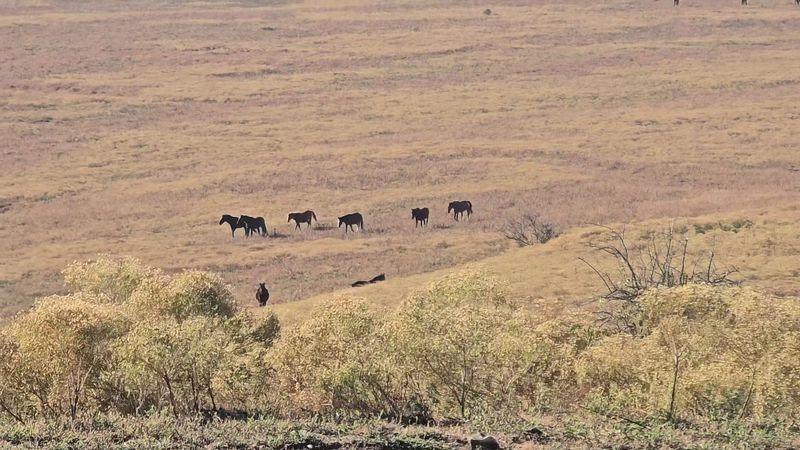
Teter Rock may be open around the clock, but it is worth knowing that the site sits on private pasture land.
That means visitors are guests in a working agricultural space, and behaving accordingly is not just polite, it is essential to keeping access open for everyone who comes after you.
Cattle graze in the surrounding pastures, and the path to the rock passes through active ranch land.
Moving slowly, avoiding loud noises near livestock, and never leaving gates open are basic courtesies that protect both the animals and the goodwill that keeps this place publicly accessible.
Taking your trash with you when you leave is equally important. The remoteness of the Flint Hills near Cassoday and Teter Rock area means that any litter left behind stays there for a long time.
Treating the land with care ensures that future visitors, and the wild horses and cattle that call this place home, continue to thrive here.
Every Season Brings Something Different And Worth Seeing To This Prairie
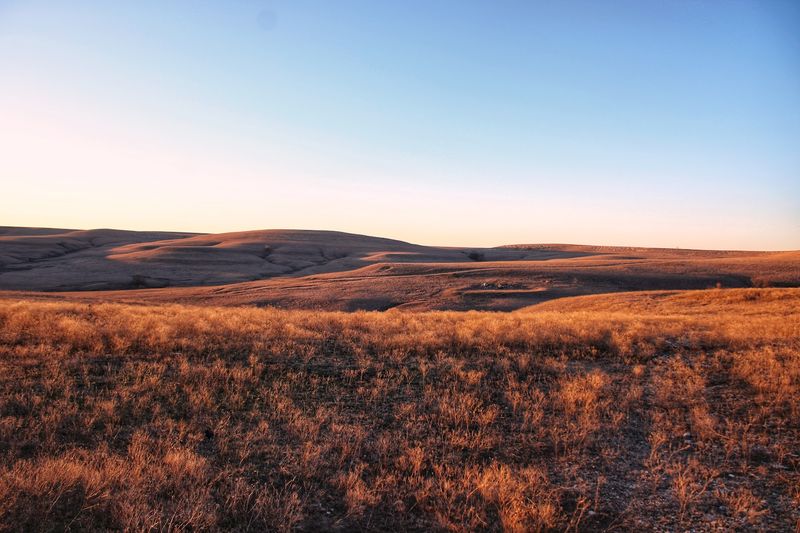
Spring in the Flint Hills near Cassoday and Teter Rock area arrives with wildflowers pushing through the recovering post-burn landscape, and the prairie chicken mating calls carry across the open grass in the early morning hours.
Summer turns everything a deep, lush green as the tallgrasses reach their peak height and the wild mustangs graze in long golden light.
Autumn is arguably the most visually striking season, when the grasses shift through amber, copper, and burgundy tones that make the entire landscape look like it is slowly glowing from within.
Winter brings a stripped-down stillness to the prairie that feels meditative rather than empty, and the rock formations stand out more sharply against the pale sky.
There is genuinely no bad time to make the drive out here.
Each season reframes the same landscape in a completely different light, which is why so many people who visit the Flint Hills once end up returning again and again across the years.