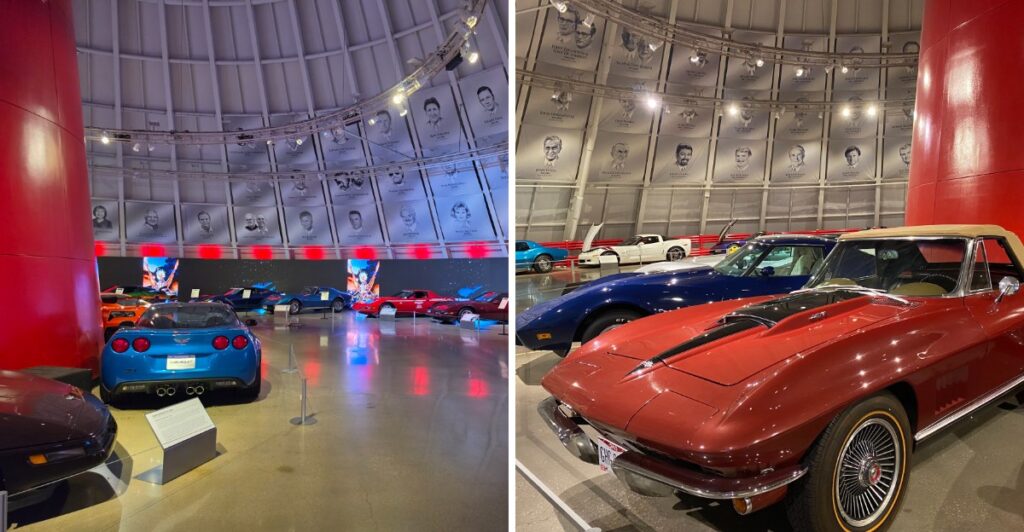
Eight Corvettes vanished into a hole before breakfast. No, this isn’t the plot of an action movie. It’s what happened at a Kentucky car museum at 5:38 a.m., while the building sat empty.
And these weren’t just any cars. They were prized pieces of Corvette history, displayed beneath a massive showroom dome. Let’s just say gravity had other plans that morning.
The museum could’ve swept the whole thing under the rug. Instead, it turned the unexpected into something visitors now come to see for themselves. Now that’s one way to handle a bad day at work.
There’s another reason gearheads love this place. It’s the world’s only museum dedicated to the Corvette, with the factory that builds them just down the road.
The ultimate plot twist? The biggest attraction isn’t even a car. It’s the hole that swallowed eight of them.
You Can Literally Stare Down Into The Hole That Ate Eight Cars
February 12, 2014 started like any quiet winter morning at the National Corvette Museum. Then the floor of the Skydome collapsed into a cave nobody knew existed.
Eight rare Corvettes tumbled into the void. The cause was Kentucky’s karst landscape, where limestone slowly dissolves and leaves hidden caves behind.
Crews pulled out five of the cars between March 3 and March 6, 2014. It took a careful recovery effort to lift them from the rubble.
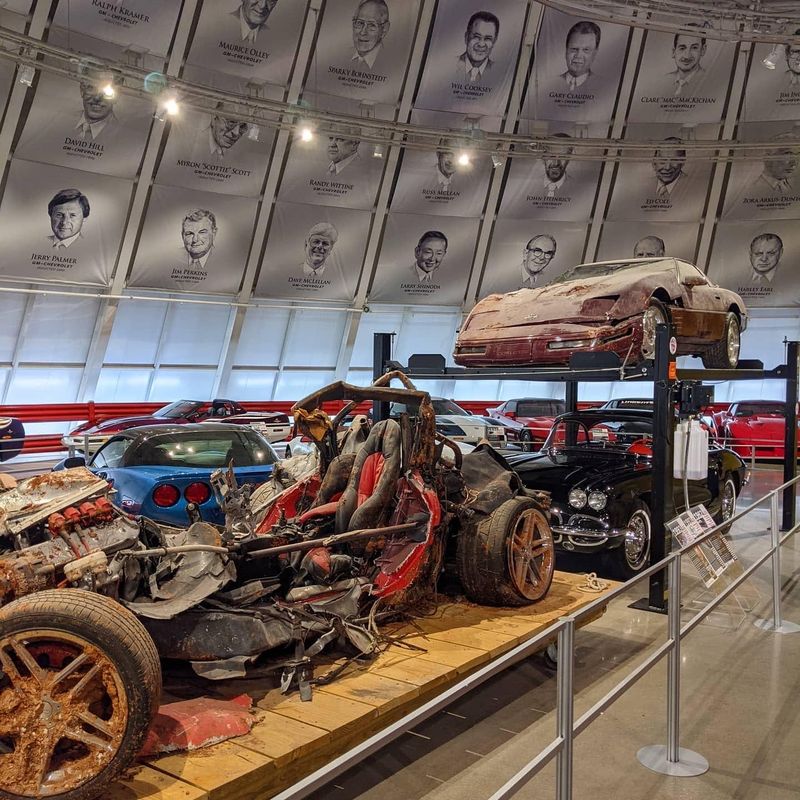
Today, the Corvette Cave-In exhibit tells the whole story. It opened in February 2016 and mixes interactive displays with real wreckage.
The star feature is a 48-inch viewing window cut into the floor. Through it, you can see part of the actual sinkhole, left unfilled on purpose.
Standing over it feels a little like peeking into a monster’s mouth. Don’t worry, the glass is there for a reason.
Some cars still sit in their as-damaged state, including the 2001 Mallett Hammer Z06. Crumpled metal tells the story better than any plaque could.
Give yourself extra time in this area. Kids and adults both tend to have plenty of questions about how a building floor just vanishes.
Some Of The Fallen Cars Got A Second Life
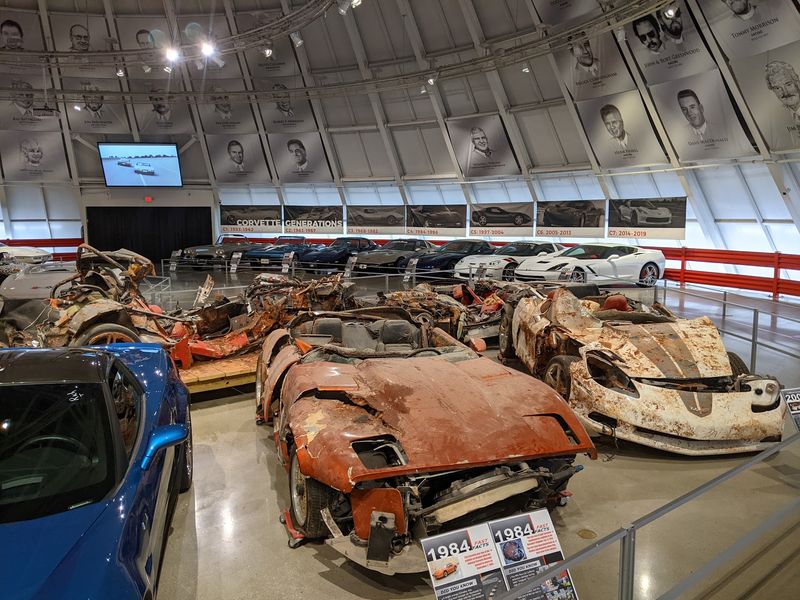
Comeback stories hit differently when the hero is made of fiberglass. A few of the sinkhole cars were restored and now shine again.
One of them is the 1992 One Millionth Corvette. That’s the car that marked a huge production milestone, and it got pulled from a cave.
Another restored survivor is the 2009 ZR1 Blue Devil prototype. It was an important test car, so bringing it back mattered to car history.
Seeing restored cars near damaged ones is the real treat. You get a clear picture of how much work went into saving them.
The contrast teaches more than you’d expect. One car looks showroom fresh, while another still wears dents and scrapes from the fall.
Take a moment to compare them side by side. Look for small details, like body lines and paint, that restorers had to rebuild by hand.
If you have young car fans along, this is a good spot for a quick lesson. It shows that broken things can sometimes be fixed with patience and skill.
And honestly, who doesn’t love a car that bounced back?
Seventy Years Of Corvette History Wrap Around One Giant Dome
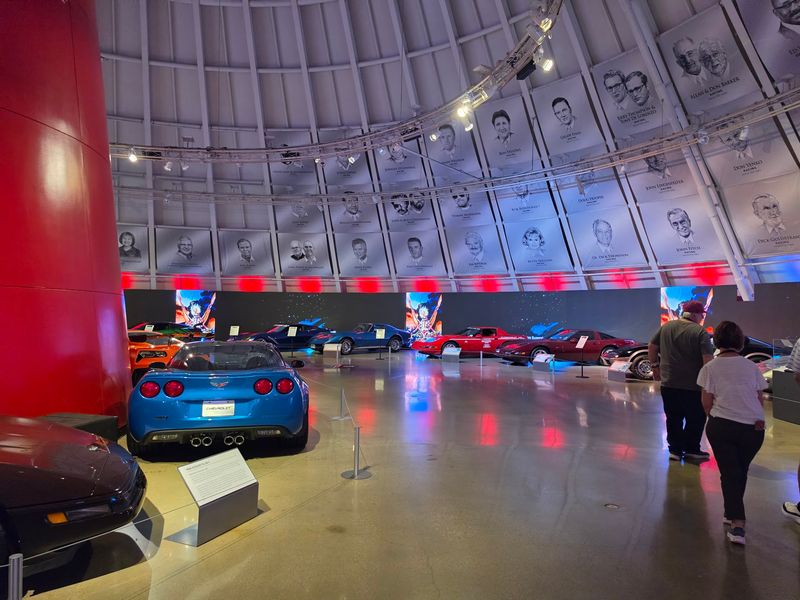
Shaped like a Corvette speedometer, the Skydome is hard to miss. The round, futuristic building is the most famous part of the National Corvette Museum.
Inside, the American Love Affair exhibit takes over. A nearly 300-foot LED display curves around the room and shows 70 years of Corvette history.
That’s a lot of screen. It turns the whole space into a moving timeline you can follow as you walk.
The museum itself holds more than 70 historically significant Corvettes. You’ll find mint classics, prototypes, rare finds, and racing champions.
All of that fills about 115,000 square feet of exhibit space. Comfortable shoes are a smart move here.
The Nostalgia Gallery adds even more old-school charm. Classic models and memorabilia walk you through famous eras of the car’s story.
Don’t rush the early models. Seeing the first generations next to modern ones makes the design changes jump out.
An audio tour is available through the museum’s app if you like to wander at your own pace. Guided tours are also offered for people who want extra stories along the way.
Your Inner Race Car Driver Gets Its Moment Here
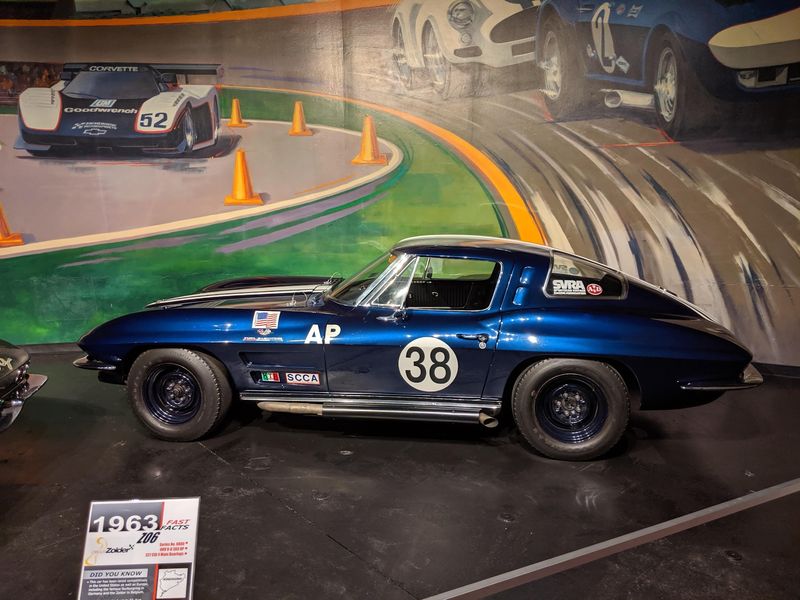
Speed lives in its own room at this museum. The E. Pierce Marshall Memorial Performance Gallery focuses on Corvette performance and racing.
Dynamic displays and multimedia presentations cover the car’s racing past. They also show off newer engineering ideas that keep it fast.
Then comes the fun part. The museum offers Corvette racing simulators with realistic controls and motion effects.
That means you can feel the turns without the speeding ticket. It’s one of the easiest ways for non-car people to get hooked.
Simulators make a great break between quieter exhibits. Kids often light up here, and plenty of grown-ups do too.
Plan for this as a separate add-on experience. Check details at the admissions counter when you arrive so you know what’s included.
A tip for families is to let everyone take a turn and compare results. A little friendly competition never hurt anybody.
After that, the race cars in the gallery may look a lot more impressive. You’ll have a small taste of what drivers deal with on a real track.
A Real 3.2-Mile Track Waits Right Next Door
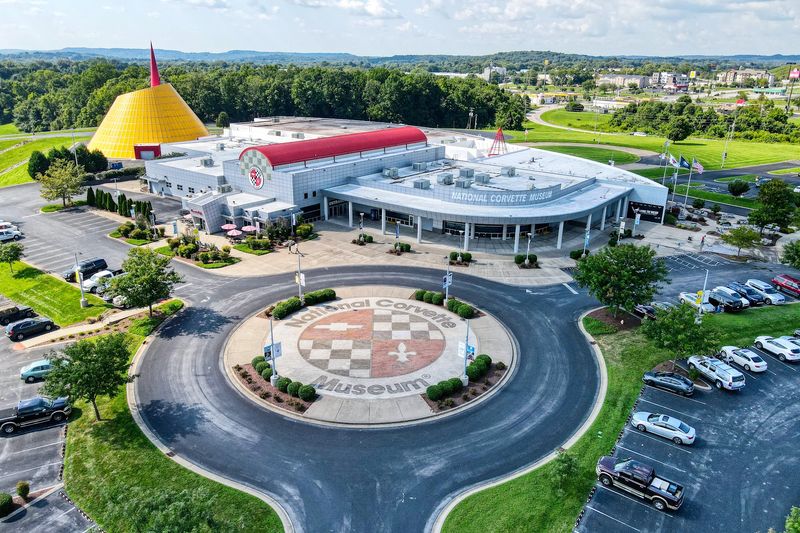
Looking at race cars is great. Driving on a real road course is better, and the NCM Motorsports Park makes that possible.
It sits beside the National Corvette Museum and features a 3.2-mile road course. Yes, that’s a full-size track, not a parking lot with cones.
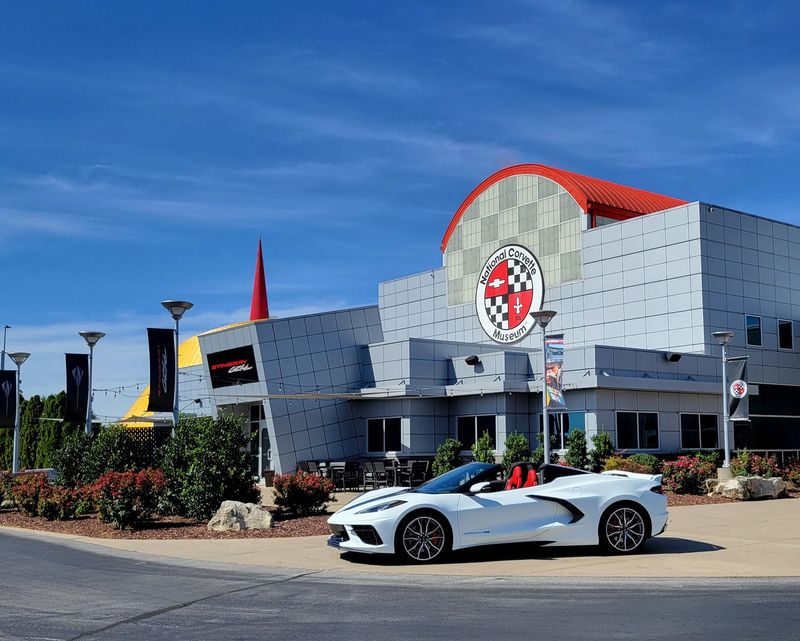
Driving experiences let you take touring laps in C8 Stingray Corvettes. You can also get in-car instruction if you want to learn proper track skills.
Have your own car? Some programs let you drive your own vehicle on the track.
Younger thrill-seekers and kart fans have options too. High-speed karting happens at the NCM Kartplex.
These experiences usually need planning ahead. Book early, especially if you’re visiting on a weekend or during a car event.
Even if you don’t drive, the park adds to the whole trip. It ties the museum’s racing stories to something you can actually feel in Kentucky.
Just a fair warning for the drive home. Regular highway speeds may feel painfully slow afterward.
New Owners Drive Brand-New Corvettes Right Out Of The Lobby
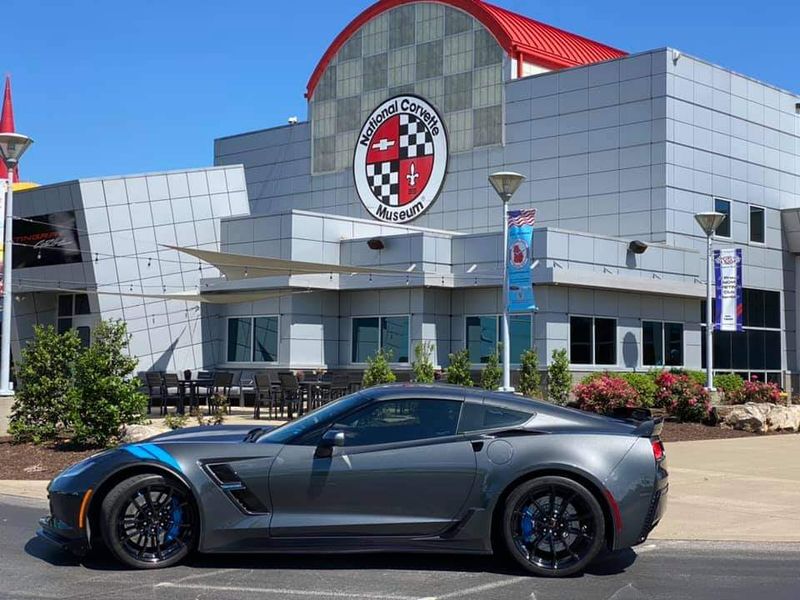
Here’s a fun bonus most museums can’t offer. You might see someone pick up their brand-new car.
The R8C Museum Delivery Program lets new Corvette buyers take delivery right at the museum. Other visitors can often watch it happen in the lobby.
It’s a big moment for the owners. Think fresh paint, shiny wheels, and a lot of happy grins.
The lobby also usually has a Corvette set aside for visitors. You can pose with it and try it on for size.
Grab a photo, even if you’re not a car person. It makes a great souvenir that costs nothing extra.
The museum is fully ADA compliant with ramps, elevators, accessible restrooms, and designated parking. Standard wheelchairs and strollers are available to borrow at no cost.
It’s also a Certified Sensory Inclusive venue. Sensory bags are available at the admissions counter for guests who need them.
Those thoughtful touches make the whole place easier for families. Everyone gets to enjoy the shiny stuff.
The Stingray Burger Comes Loaded With Bacon Jam And Apple Slices
The Stingray Grill’s signature burger is made with Kentucky beef and topped with cheddar, bacon, bacon jam, apple slices, and spring mix.
It’s served with cheddar cheese, crispy bacon, bacon jam, apple slices, and spring mix.
Sweet, smoky, and peppery, all in one bite sounds like a good plan.
The grill sits inside the National Corvette Museum. It replaced the old Corvette Cafe after a renovation around August 2021.
The menu focuses on burgers, sandwiches, salads, and other American favorites. The Blackberry Grilled Cheese and Jalapeño Crunch Burger are also listed options.
The Stingray Grill offers other Kentucky-inspired flavors to enjoy without leaving the museum.
The grill has even appeared on Food Network’s Guy’s All-American Road Trip. Not bad for a museum restaurant.
Reservations aren’t required. That makes it easy to stop for a meal between exhibits.
Eating midway through your visit is a smart move. You’ll have fuel for the second half of all those cars.
Every Corvette On Earth Is Built Just Down The Road
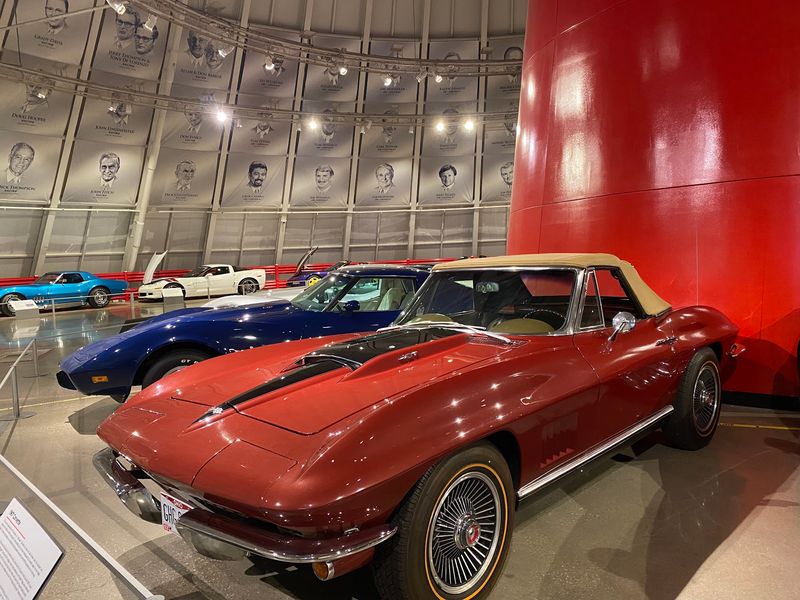
Location is the secret weapon here. The National Corvette Museum sits at 350 Corvette Dr, Bowling Green, KY 42101, right off the I-65 corridor area.
Just a short distance away is the General Motors Bowling Green Assembly Plant. It’s the only place in the world where Corvettes are made.
The plant has built every Corvette since 1981. That makes Bowling Green, Kentucky, the true home of America’s sports car.
Plant tours run on limited dates. They must be booked through the museum, so plan ahead.
The museum itself opened on September 2, 1994. Its roots go back to the mid-1980s, when fans wanted to save the car’s history.
Hours run 9 a.m. to 5 p.m. Central Time, with last tickets sold by 4:30 p.m. In January and February, it closes on Tuesdays.
It also closes on New Year’s Day, Thanksgiving, Christmas Eve, and Christmas Day. Check before you go during holidays.
A new 66,000-square-foot collections facility adds even more historic cars. Public tours are set to begin in early 2027, so there’s already a reason to come back.