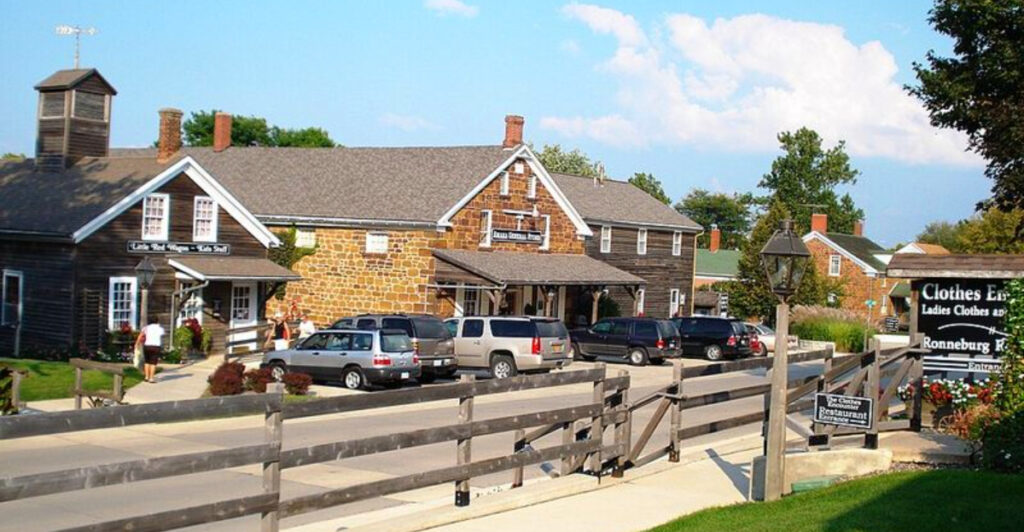
Iowa is not usually the place people expect to find a European-style village between cornfields and quiet country roads.
That is what makes this little Iowa County community so surprising. The brick buildings, old-world food, and slower pace make it feel like the Midwest took a short trip to Germany and came back with excellent recipes.
The story here goes back to German Pietists who built seven villages in the 1800s, creating a community shaped by faith, craftsmanship, shared work, and a very serious respect for hearty meals.
Today, that history still shows up in the architecture, shops, museums, and family-style plates that make visitors linger longer than planned.
No passport is required, no jet lag is involved, and nobody has to pretend airport snacks count as dinner.
This little village delivers a slower, richer kind of Iowa escape, with enough history, flavor, and old-world character to make the detour feel completely justified.
A Village That History Did Not Forget
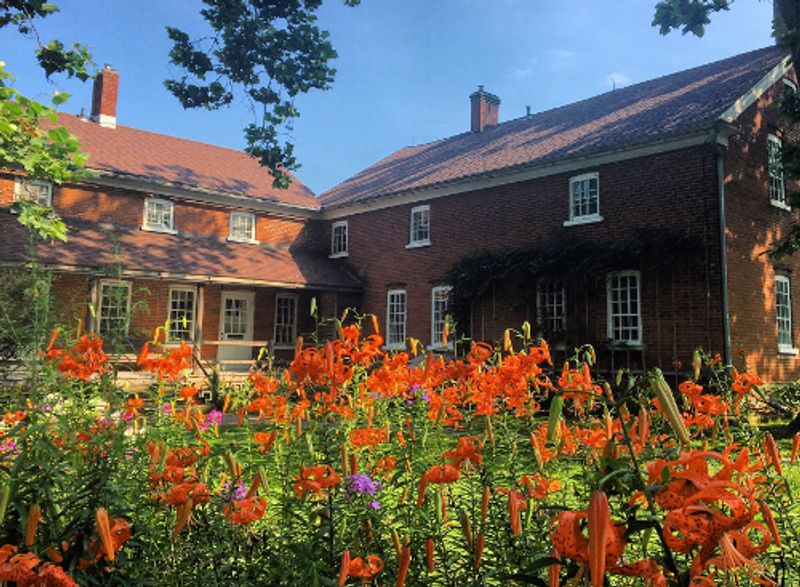
Most communities this small have long since been swallowed by surrounding towns or forgotten by time. Amana, Iowa took a different path.
The village sits in Iowa County, and it is one of seven communities collectively known as the Amana Colonies, a National Historic Landmark that draws people from across the country.
German Pietists known as the Community of True Inspiration founded these colonies in the 1850s after emigrating from Germany. They were seeking religious freedom and a way to live communally, apart from outside society.
For nearly a century, the residents of Amana shared everything: land, food, labor, and purpose.
That communal structure ended in 1932 during what locals call the Great Change, when the community reorganized into a more conventional economic model. But the buildings, the traditions, and a deep sense of place survived that transition.
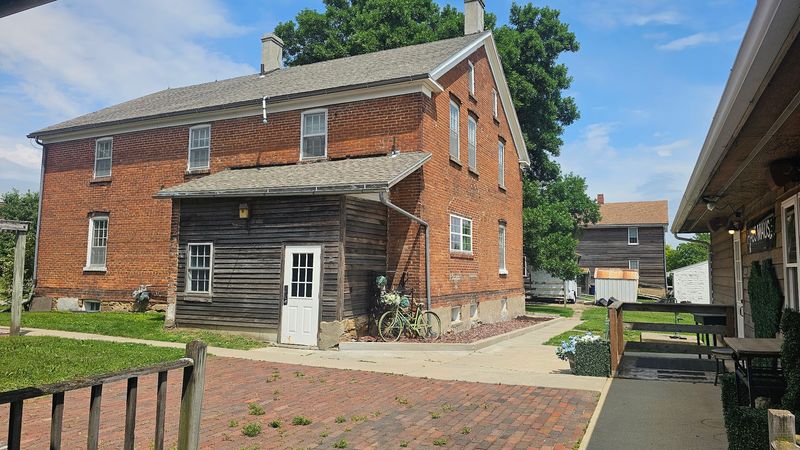
Walking through Amana today, you notice old brick homes, sandstone walls, and wooden fences that have stood for well over a hundred years.
The village remains small, but its cultural footprint is far larger than that number suggests.
What the Architecture Tells You Before Anyone Says a Word
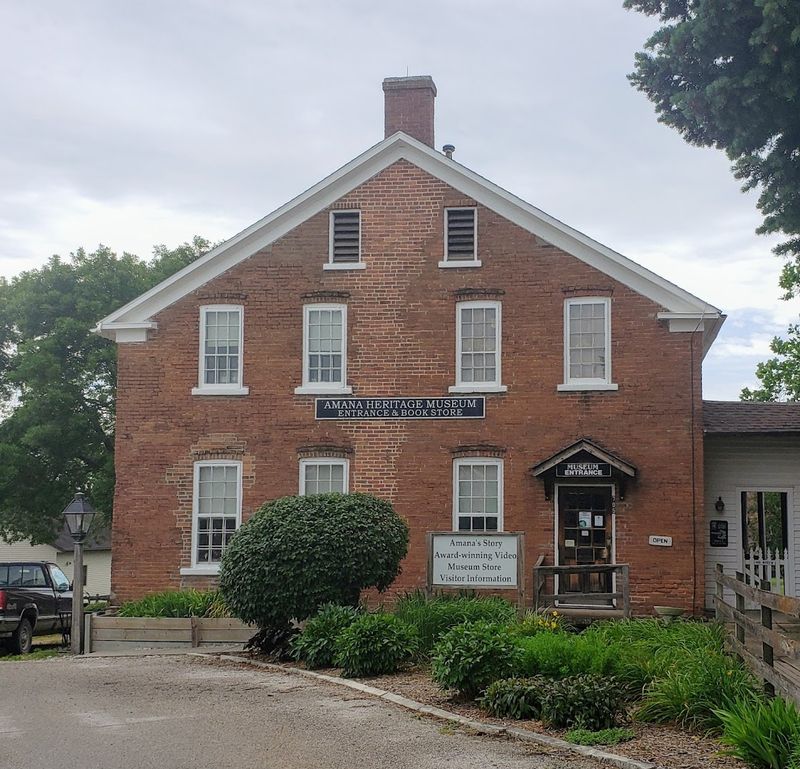
The buildings in Amana do not look like anything else in Iowa.
The German Pietists who settled here brought their construction knowledge from Europe, and the results are still standing in full view along every street in the village.
Thick sandstone walls, low-pitched rooflines, and simple brick facades define the visual identity of the community. The settlers built with permanence in mind.
There are no flashy storefronts or modern facades trying to mimic an older era. The old era is simply still here, unmodified and unapologetic about it.
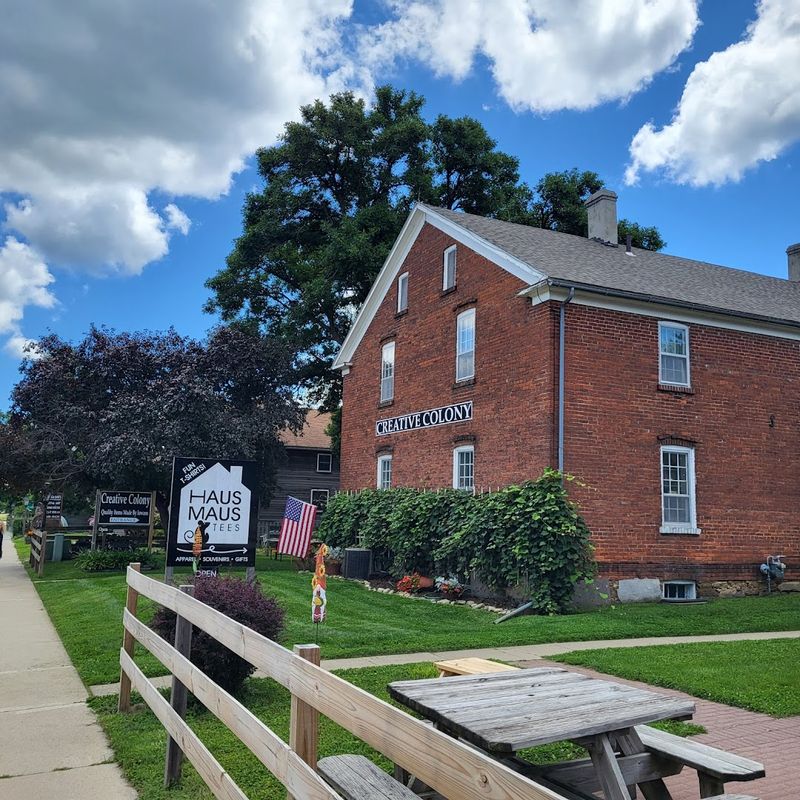
Many of the original communal buildings have been converted into shops, restaurants, and small museums, but they kept their bones. You can walk into a furniture store and realize the ceiling beams above you are original 19th-century timber.
A woolen mill still operates in the colonies using equipment that dates back generations. The architecture is not preserved behind glass or roped off for display.
It is actively used, which makes the whole village feel more like a living place than a theme park or a museum recreation.
The Communal Kitchen Tradition and What It Means for Lunch
Before 1932, every resident of Amana ate their meals in a communal kitchen house rather than cooking at home.
Each kitchen house served a specific group of families, and the women rotated cooking duties on a schedule.
It was an efficient, deeply social system that shaped the entire food culture of the village.
That tradition is gone in its original form, but the food it produced is still very much alive.
Restaurants in Amana serve German-style meals that would feel at home in Bavaria: bratwurst, sauerkraut, sauerbraten, potato dumplings, and thick soups that seem designed to fuel an entire afternoon of outdoor work.
The portions are not subtle. I ordered a family-style lunch at one of the colony restaurants and left with a to-go container that fed me again that evening.
The bread arrives warm and the service is unhurried, which fits the pace of the village perfectly. Amana is not the place to grab a quick meal between activities.
It is the place where the meal is the activity, and nobody seems to be in a rush to change that.
The Woolen Mill That Still Runs on Old Machines
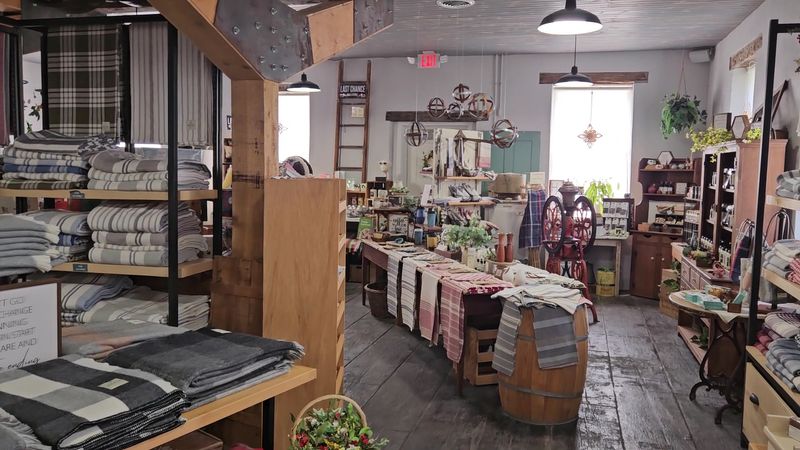
The Amana Woolen Mill is one of those places that makes you stop and recalibrate your sense of what modern production actually means.
Operating since 1857, it is one of the oldest woolen mills still running in the United States, and it sits right in the village where you can walk in off the street and watch it work.
The looms are loud. That was the first thing I noticed.
The machinery fills a large room with a steady mechanical rhythm, and the fabric coming off those looms is dense, durable, and clearly made for the long haul.
Wool blankets, throws, and yard goods are sold directly from the mill, and the quality is the kind you notice immediately when you pick something up.
The mill survived because the Amana community needed it to. During the communal era, every resident depended on locally produced textiles.
That self-sufficiency created a production standard that stuck around even after the economic structure changed. Buying a blanket here is not a souvenir purchase.
It is a functional object with a traceable history, and that distinction makes the shopping feel genuinely different from anything in a typical retail store.
Seven Villages and the Logic of Exploring All of Them
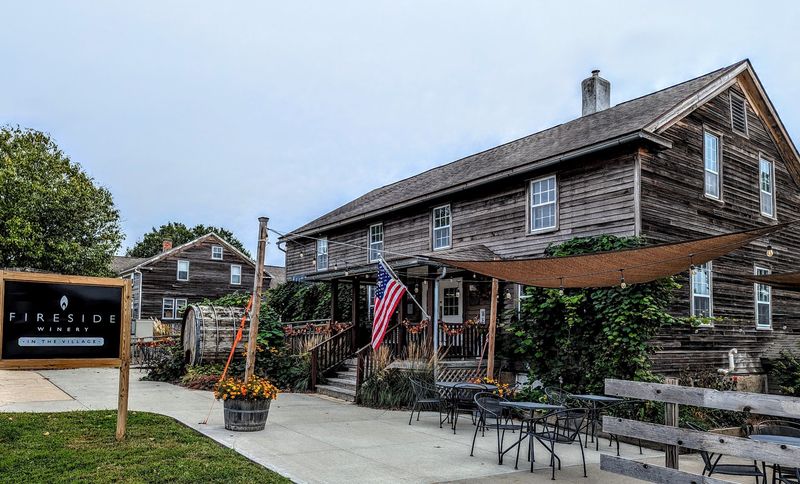
Amana is one village, but the full Amana Colonies experience involves seven communities spread across about 26,000 acres of Iowa County farmland.
The other six are Middle Amana, High Amana, West Amana, South Amana, East Amana, and Homestead, each with its own character and its own handful of things worth stopping for.
The villages are close enough to each other that you can drive between them in minutes, but each one feels distinct. Some are quieter and more residential.
Others have specific shops or historic structures that the others do not. Homestead, for instance, was an existing town that the Inspirationists purchased to gain railroad access, which gives it a slightly different architectural feel from the colonies they built from scratch.
I spent a full day moving between the villages and still felt like I had only skimmed the surface. The best approach is to start in Amana itself, get your bearings at the Amana Heritage Museum, and then let the afternoon take you wherever the road signs point.
You will not need a rigid itinerary. The colonies reward wandering more than scheduling.
The Amana Heritage Museum and What It Actually Explains
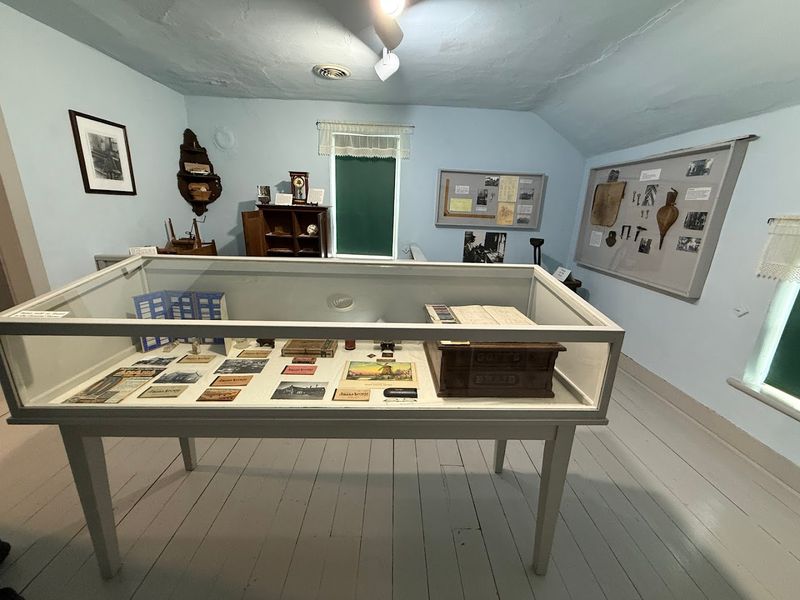
A lot of historic sites assume you already know the backstory.
The Amana Heritage Museum does not make that assumption, and the difference shows in how clearly it lays out the full arc of the Inspirationist story from Germany to New York to Iowa.
The museum operates out of a cluster of original colony buildings and covers everything from the religious origins of the Community of True Inspiration to the practical details of communal daily life.
There are exhibits on the kitchen houses, the school system, the craft trades, and the 1932 reorganization that changed how the entire community operated.
Old photographs throughout the collection show residents going about their daily routines in ways that feel both foreign and oddly familiar.
The clothing is plain, the expressions are serious, and the work is constant.
But the community these images document was clearly functioning on its own terms, by design, for generations. Plan at least an hour here before you start exploring the village itself.
The context the museum provides makes everything you see afterward land with more weight and more meaning.
Shopping in Amana Without Feeling Like a Tourist Trap
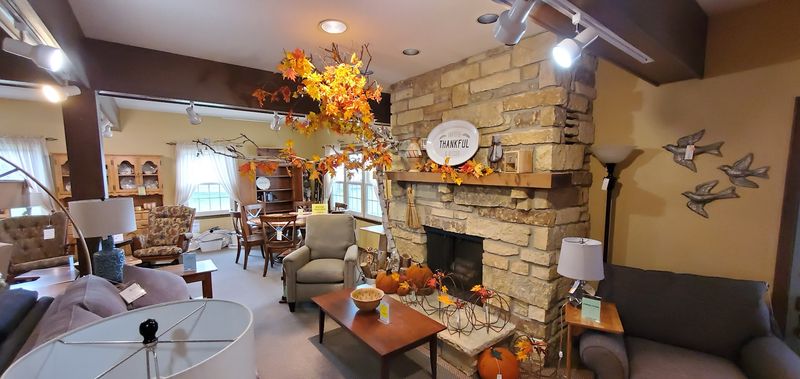
Shopping in a historic village can go two ways: either the shops feel curated and authentic, or they feel like someone stamped a logo on generic merchandise and called it local. Amana leans hard toward the first option.
The village has furniture shops selling handcrafted pieces built in the same tradition the original colonists brought from Germany.
There are shops carrying locally made jams, meats, cheeses, and baked goods.
One store specializes in clocks, another in drink from the colonies, and several carry handmade crafts that reflect the practical aesthetic the Inspirationists valued over decoration.
I spent more time in the furniture shop than I expected. The joinery on the pieces is clean and the wood selection is serious.
These are not decorative items built to look rustic. They are functional pieces built to last, which is exactly the philosophy the original craftsmen brought to this community over 150 years ago.
If you are the kind of person who prefers to bring home something useful rather than a keychain, Amana is a very easy place to spend an afternoon and a reasonable amount of money without regret.
When to Visit and How to Make the Most of the Trip
Amana holds up well across multiple seasons, but fall is the version of this village that tends to stick in your memory.
The tree cover throughout the colonies turns in mid-October, and the combination of orange and red leaves against old brick buildings is the kind of scene that makes you reach for your camera before you have even parked the car.
Warmer months and festival weekends bring more visitors and events, while Quilt Amana has been held in spring rather than summer.
Spring is quieter and a good option if you prefer to move through the village at your own pace without navigating around tour groups.
Plan to spend at least a full day, ideally with an overnight stay, since several of the colony bed-and-breakfasts are housed in original communal buildings and add another layer to the whole experience.
The villages are about 20 miles southwest of Iowa City, which makes Amana a straightforward day trip from eastern Iowa or a natural midpoint stop on a longer drive across the state.
Bring comfortable shoes and an empty stomach.