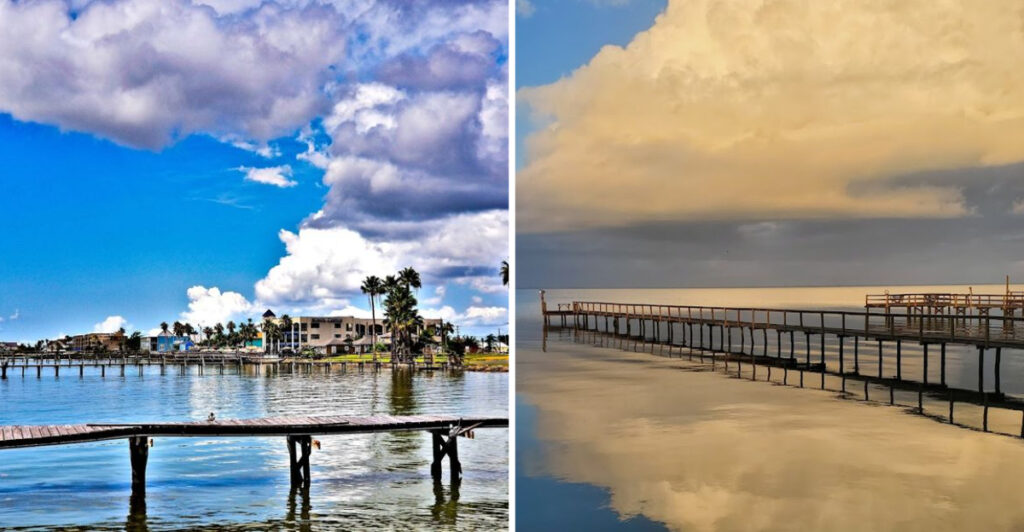
You think you know Texas? Forget the highways, the plains, and the neon lights, there’s a hidden Gulf Coast gem locals practically keep to themselves.
No massive resorts. No crowded boardwalks.
Just calm waters, soft sand, and a pace of life that makes you exhale the second you arrive.
Fishing boats glide past at sunrise, art galleries hum with creativity along quiet streets, and seafood spots serve fresh Gulf catches that will make you rethink every coastal meal you’ve had before. Families, birdwatchers, and weekend escape-seekers all know about the secret.
This little-known beach town delivers an authentic coastal experience without trying too hard. It’s relaxing, it’s surprising, and it’s exactly the kind of destination that makes you want to plan a return trip before you’ve even unpacked your bags.
In five minutes, you might be planning a visit too.
Why This Town Belongs On Your Texas Travel List
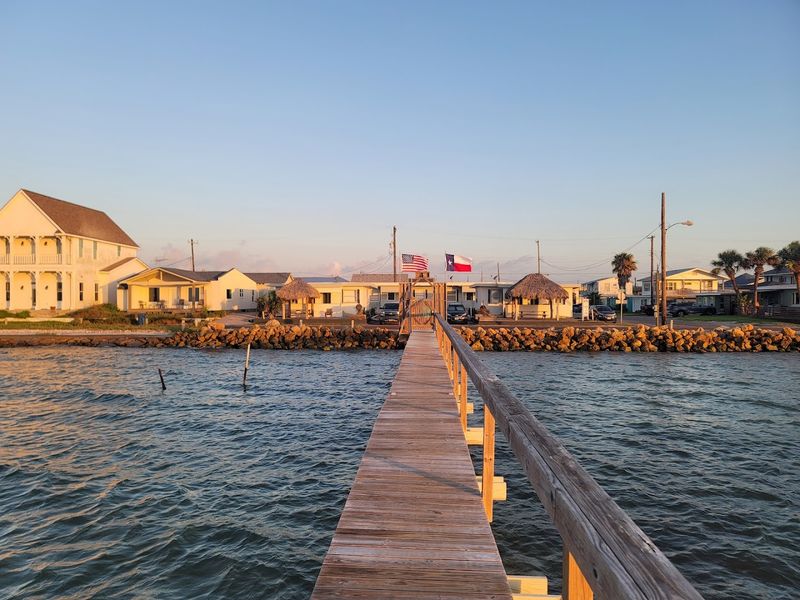
This hidden place does not announce itself loudly. There are no giant resort billboards or chain hotel towers cluttering the skyline as you drive in on Highway 35.
And that is part of the appeal. The whole place feels more open, more relaxed, and far less manufactured than a lot of coastal towns.
What you find instead is a town that has kept its proportions honest, with a waterfront that still feels like it belongs to the people who live there.
The population hovers around 10,000, which is exactly the kind of number that helps a town hold onto its personality instead of giving in to commercial pressure. It is big enough to feel alive, but still small enough to feel personal.
Fishing boats leave the harbor before sunrise. Art galleries open by mid-morning.
Seafood restaurants start filling up by noon with people who drove two hours and still think the trip was a steal.
Located on Aransas Bay in Aransas County, Rockport sits about 35 miles north of Corpus Christi. It is an easy drive from major Texas cities, but it never feels like an extension of any of them.
Rockport earns its place on any serious Texas travel list not because of flashy promises, but because it delivers, quietly and consistently, without trying too hard.
The Beach Experience That Surprises First-Time Visitors
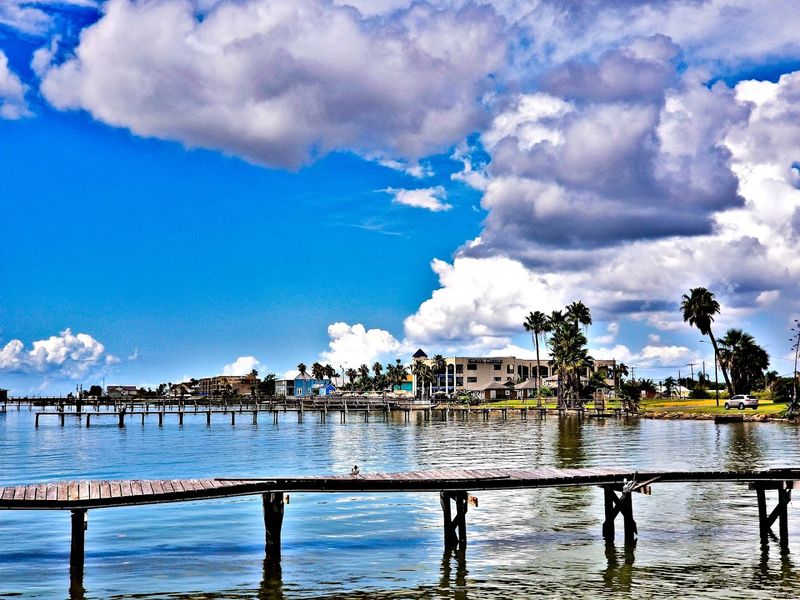
If you are planning to visit this summer, make sure to bring your sunscreen!
Rockport Beach has won the Blue Wave certification from the Clean Beaches Coalition, which is a detail worth mentioning because most people arrive expecting something rougher around the edges.
The water in Aransas Bay is calmer than the open Gulf, which makes it genuinely good for swimming without the aggressive wave action that intimidates younger kids or cautious adults.
You can relax and enjoy.
The beach itself is compact and well-maintained, with covered pavilions, clean restrooms, and a playground that families actually use.
It does not stretch for miles in either direction, and that limitation turns out to be part of its appeal. Everything feels reachable, manageable, and unhurried.
Watching the pelicans work the shoreline while children build sand structures nearby is the kind of ordinary afternoon that somehow stays with you longer.
The elaborate vacation experiences cost three times as much, and not to mention the stress they give you.
Rockport Beach, located at 210 Navigation Circle, charges a modest entry fee and delivers a full day of value without requiring you to plan anything beyond showing up.
A Birding Capital That Draws Serious Enthusiasts Worldwide
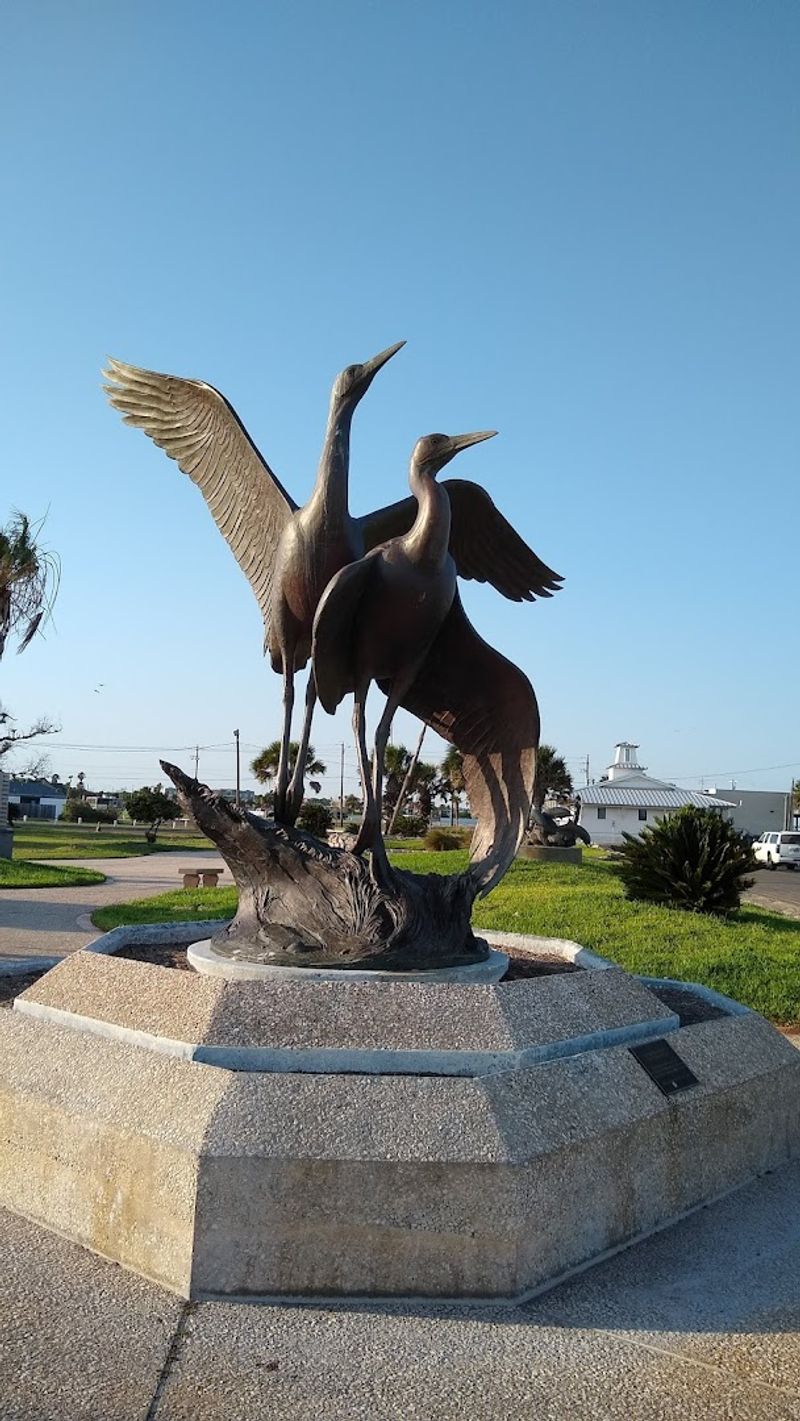
Every autumn, Rockport becomes one of the most watched places in North America among the birding community, and the reason is straightforward: the Aransas National Wildlife Refuge is the primary wintering ground for the endangered whooping crane.
If you have never been into bird watching, this might actually be your chance to try it.
These birds stand nearly five feet tall, carry a wingspan of around seven feet, and arrive in October after migrating from Wood Buffalo National Park in Canada.
The whooping crane population was once reduced to fewer than 20 individuals, making its partial recovery one of conservation’s genuine success stories.
Watching them feed in the shallow flats of the refuge carries a weight that even non-birders tend to feel in the moment.
Beyond the cranes, the Texas Coastal Bend region around Rockport records more than 500 bird species throughout the year.
The Hummer/Bird Celebration held each September draws thousands of visitors specifically to witness the ruby-throated hummingbird migration.
Aransas National Wildlife Refuge is located at 1 Wildlife Circle, Austwell, Texas, about 35 miles from downtown Rockport, and guided boat tours offer some of the best crane viewing from the water.
Fresh Gulf Seafood That Makes Other Coast Towns Look Ordinary
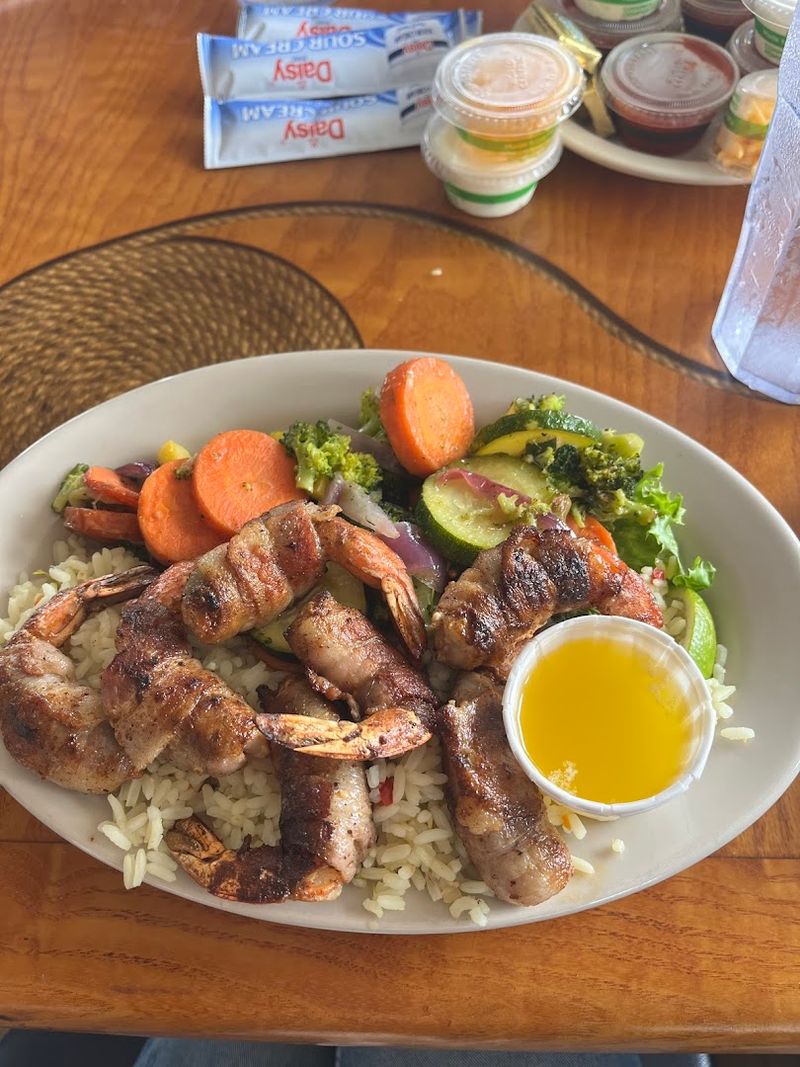
There is always something for seafood lovers.
Rockport has a working shrimp fleet, which means the seafood at local restaurants is not traveling far before it reaches your plate.
That detail changes the taste in ways that are difficult to explain but easy to notice.
The shrimp have a firmness and sweetness that vacuum-packed grocery store versions cannot replicate, and the oysters from nearby bays carry a clean brine that holds up without any sauce to improve them.
Pody’s BBQ and Latitude 28.02 are among the local spots that have built strong reputations without needing to market themselves aggressively.
Fulton Beach Road, has been serving the waterfront for decades and remains the kind of place where the menu does not change much because nothing needs fixing.
The more you read about it, the more you want to stay in it.
The casual atmosphere at most Rockport dining spots reflects the town’s general attitude toward itself. No one is performing sophistication here.
If you find yourself in this Texas beach town, make time to stop by 202 N Fulton Beach Rd, Rockport, TX 78382.
People eat well, watch the water, and linger over cold drinks without checking the time, which is exactly what a coastal meal should feel like when it is done right.
Art Scene Quietly Earns National Recognition
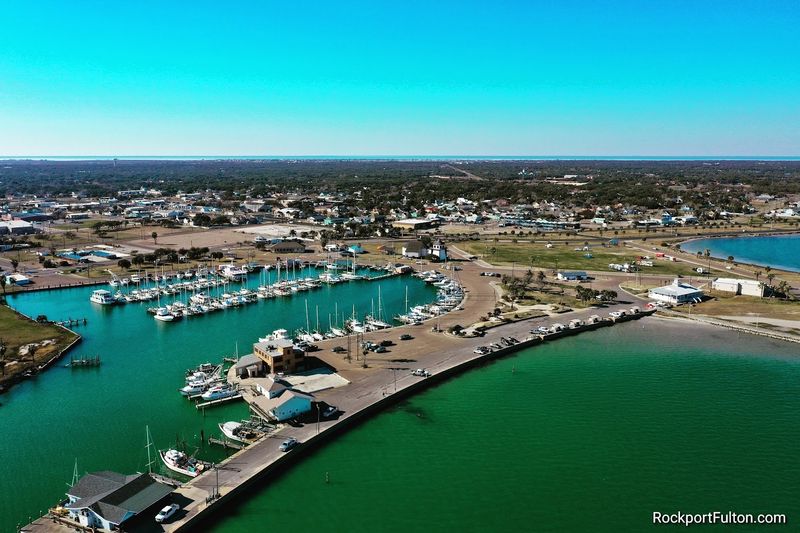
Texas has plenty of cities that love calling themselves artsy, but Rockport feels like the real thing. The creative energy here does not come off polished or packaged.
It feels lived in, built slowly by people who actually make things and care about the work.
That is what makes it stand out.
A walk down Austin Street makes that clear pretty quickly. There are galleries and studios with real movement inside, not just quiet rooms full of things for sale.
The salty Gulf air drifts through town, artists are actively working, and the whole scene feels grounded in the place itself rather than dressed up for visitors.
Right at the center of it all is the Rockport Center for the Arts at 902 Navigation Circle, a spot that gives the city’s art scene a strong heartbeat without making it feel overly formal.
Between rotating exhibitions, studio classes, and its annual festival, it brings local and regional artists together in a way that feels open, active, and genuinely community-driven.
And that is the surprising part. For a town this size, the quality is seriously impressive.
People come in from Houston, San Antonio, and Austin for a reason. The art here does not feel mass-produced or made to match a beach rental wall.
It feels patient. Observed.
Earned. Even the quieter seascapes have something solid behind them, like they came from someone who has spent a lot of time watching the water and knew exactly what was worth capturing.
Fishing Culture That Runs Deeper Than Any Tourist Brochure
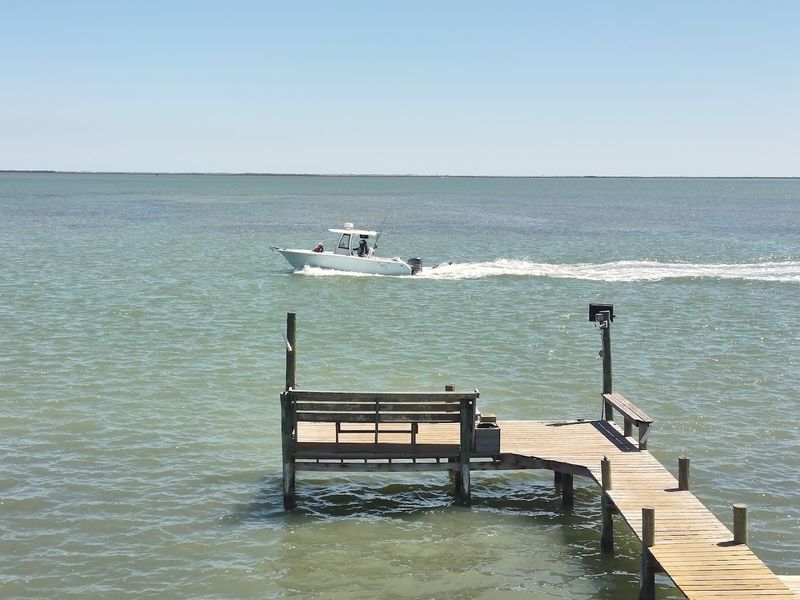
Fishing is not an activity in Rockport so much as it is the town’s original reason for existing.
That’s truly something that makes it stand out from the others.
The harbor has supported commercial and recreational fishing operations for well over a century, and the culture built around that history shows in small details that visitors notice once they slow down enough to look.
Bait shops open before dawn.
Charter captains speak about the bay the way longtime residents speak about their neighborhoods.
This city just can’t stop amaze people with its uniqueness
Redfish, speckled trout, flounder, and black drum are the primary targets in the Aransas Bay system.
The flats fishing here attracts wade anglers and kayak fishermen who prefer shallow water tactics over deep-sea excursions.
The bay’s grass flats and oyster reefs create a productive ecosystem that rewards patience and local knowledge equally.
Guided fishing charters are available throughout the year, with fall and spring offering the most consistent action.
How Hurricane Harvey Changed And Strengthened The Town
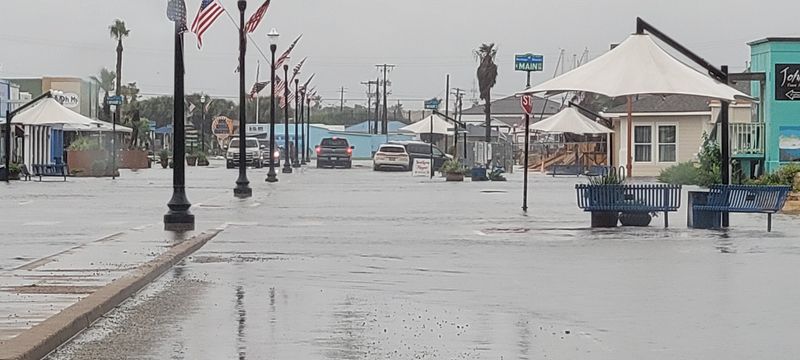
Hurricane Harvey made landfall near Rockport on August 25, 2017, as a Category 4 storm with sustained winds around 130 miles per hour.
The damage to the town was severe and immediate, with buildings destroyed, the harbor disrupted, and the community facing a recovery timeline measured in years rather than months.
That history matters when you visit today, because what you see is a town that rebuilt with intention.
Many businesses used the recovery period to renovate rather than simply replace, and the result is a waterfront that carries a mix of the original character and a quiet, hard-earned freshness. Which proves that there is beauty and magic in this place.
Residents speak about the storm with directness rather than drama, reflecting a pragmatic resilience that feels distinctly Texan in the best possible sense.
Tourism rebounded faster than many predicted, partly because the community prioritized reopening quickly and partly because visitors responded to the authenticity of a place that had been tested.
Rockport is not performing recovery for anyone.
It simply got back to work, which ultimately made it more worth visiting than it was before the storm reshaped it. So consider visiting this amazing, withstanding place.
Planning Your Visit Before Everyone Else Figures This Out
The sweetest times to visit Rockport tend to be October through November and March through May, when the weather stays comfortable, the crowds are easier to handle, and the wildlife seems to show off a little more. Summer comes in hot and humid, as the Gulf Coast loves to do, and the area around Rockport Beach gets noticeably busier.
But that is not really a dealbreaker here.
Some people love the quieter, milder feel of winter.
Others want the full summer energy, heat and all.
Rockport handles both surprisingly well, which is part of its charm.
It can feel peaceful and unhurried one season, then lively and sun-soaked the next, without losing what makes it appealing in the first place.
Where you stay matters too.
Accommodations range from waterfront vacation rentals along Fulton Beach Road to smaller boutique inns in the historic district, and that setup suits the town.
The fact that Rockport does not lean on a giant resort hotel honestly works in its favor.
A rental house with a bay view, a real kitchen, and enough room to spread out feels much more in tune with the place than a standard hotel room ever could.
There is something especially nice about waking up in a cozy house, making coffee in your own kitchen, and easing into the day without hearing doors slam in a hallway.
And that slower rhythm fits Rockport perfectly.
It sits at about 28.02 degrees north latitude, which helps explain both the local climate and the name of one of its well-known restaurants.
Getting there is pretty manageable too, about two and a half hours from San Antonio and around three from Houston.
Bring comfortable shoes, sunscreen that means business, a fishing license if that is on the agenda, and a little patience for slowing down.
Rockport tends to set the pace, and fighting it would miss the whole point.