The guide picks up the juvenile alligator, flips it over, plus shows you exactly where to place your hands before passing it to you. The skin feels like wet leather stretched over iron.
The jaws are taped, the eyes watch you with a prehistoric patience that makes your pulse jump, plus the guide is already explaining how this species has survived virtually unchanged for millions of years.
This is not a zoo where animals perform tricks behind glass. The park operates as a working sanctuary that rescues alligators from unsafe situations, rehabilitates them, plus uses the education programs to fund ongoing care for the animals.
Feeding demonstrations happen daily, giving visitors a close look at how these creatures hunt in the wild. Holding sessions run throughout the afternoon.
An alligator park in Louisiana offers the kind of hands-on reptile science that most museums only talk about.
Witnessing Feeding Frenzy
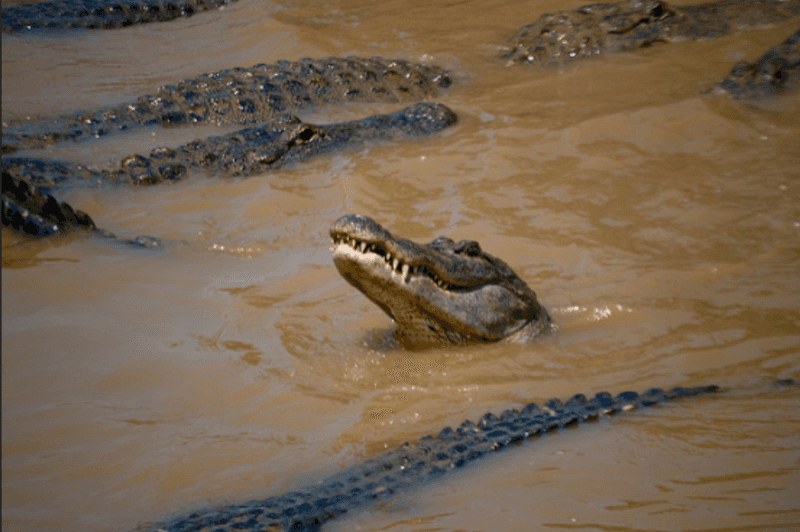
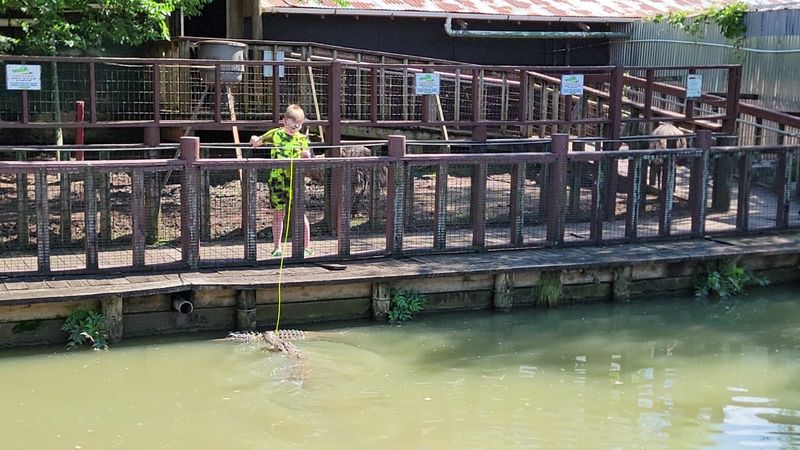
Watching the scheduled alligator feedings is a signature experience and a rare chance to see these animals display natural behavior up close in a controlled setting. Handlers demonstrate techniques for safe feeding and discuss alligator biology, so what might seem like spectacle becomes an informative lesson.
The viewing platforms and covered walkways provide secure vantage points while still feeling close enough to appreciate scale and movement.
Shows typically happen multiple times daily and are timed so families can plan around them, which helps avoid missing the most dramatic moments. Observing the rhythm of the feedings also reveals how well the animals are cared for and managed, which is reassuring for anyone concerned about ethical treatment.
The result is both thrilling and enlightening.
Stepping Into Gator Country
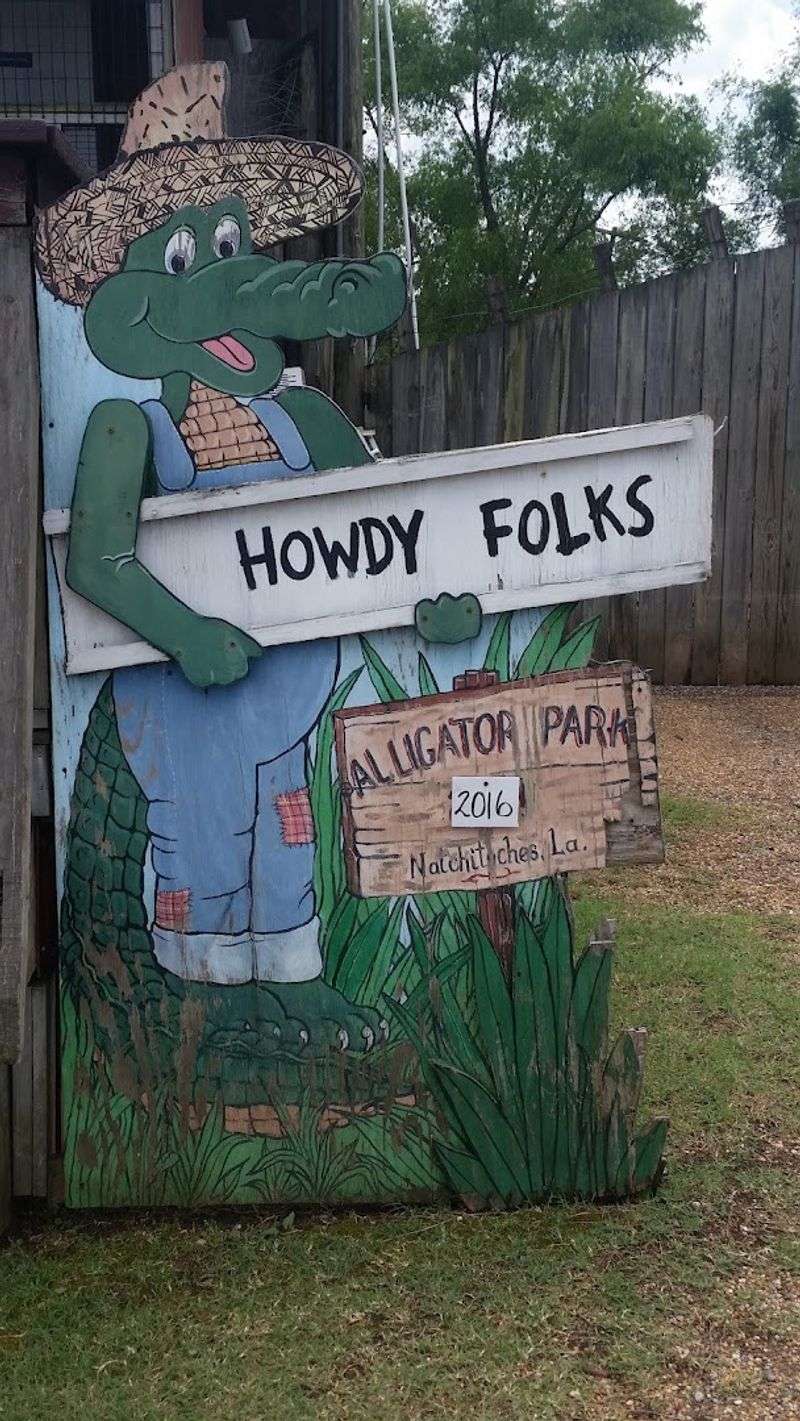
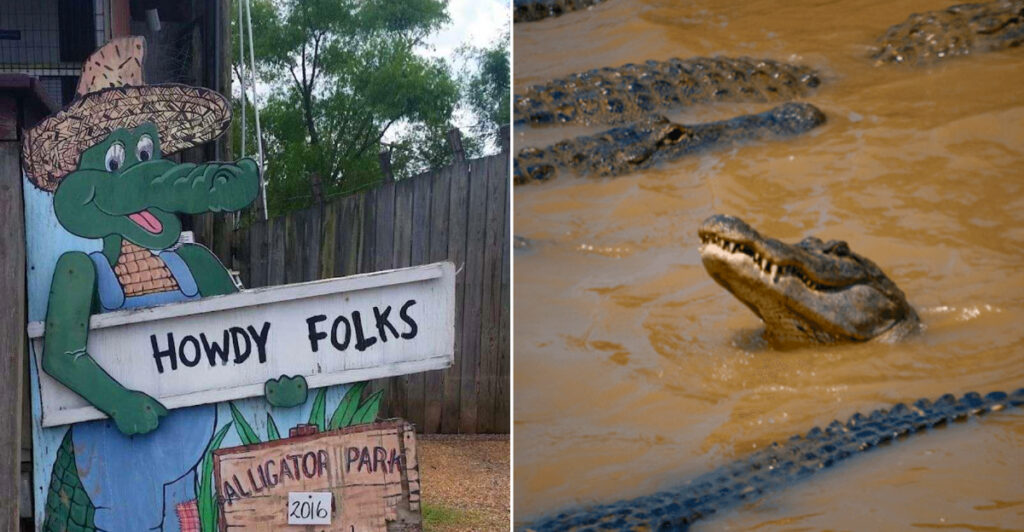
Gator Country Louisiana is at 380 Old Bayou Pierre Road outside Natchitoches, Louisiana. From the city, follow the local route toward Bayou Pierre and use the full address, since the park sits beyond the main commercial areas.
The final approach becomes rural quickly, with wooded stretches and few roadside businesses before the alligator park appears. Slow down as you near the property and look for the Gator Country entrance rather than expecting a large highway attraction sign.
Turn into the park and follow the driveway toward the visitor entrance and on-site parking area. After parking, walk to the main check-in point for general admission or any prebooked boat or side-by-side tour.
Baby Gator Wading Pool
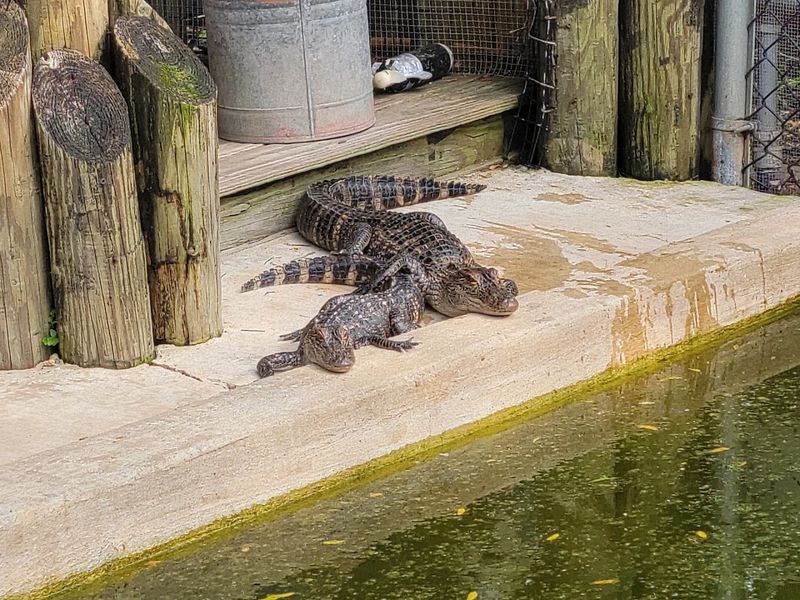
The baby gator wading pool is undeniably the hands-on highlight: small alligators are held in shallow water with safety measures in place to allow tactile encounters. Staff carefully tape mouths and guide each interaction, explaining biology and behavior so visitors learn while connecting.
This managed intimacy often shifts apprehension into wonder, especially for younger guests who respond to the tactile curiosity of scaled skin and quick, precise movements.
Because this activity is popular, wristbands or a small fee may be required to participate, which helps regulate crowding and ensures each guest receives personal attention. The experience is designed to be educational rather than sensational, so expect clear instructions and patient staff.
It’s a memorable way to learn about juvenile development and handling practices.
A Diverse Reptile House
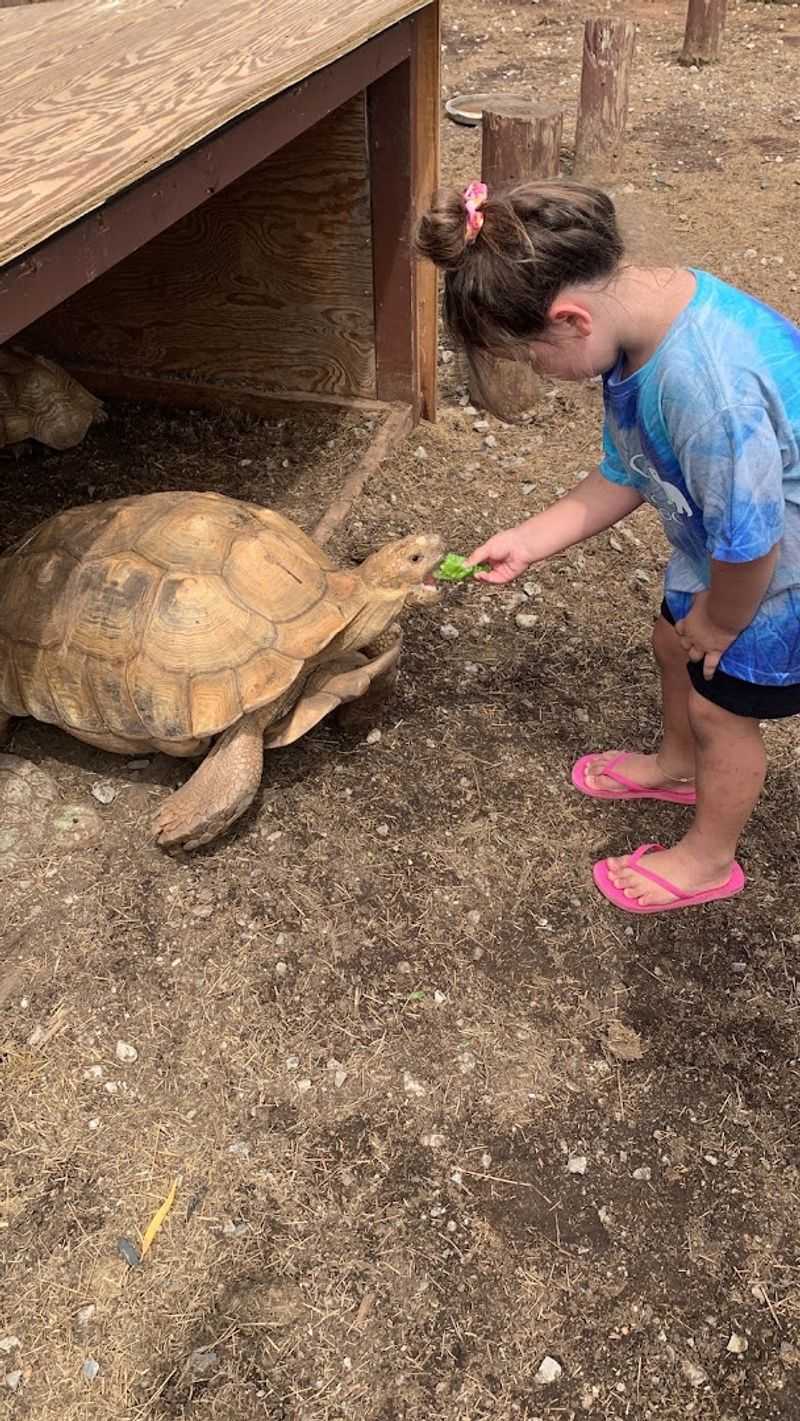
The reptile house and jungle exhibit expand the park’s narrative beyond alligators, offering encounters with snakes, lizards, and tortoises in a curated environment. Each enclosure includes clear signage describing species, habitats, and conservation notes, which reinforces the educational mission.
Guided handling of select reptiles gives a measured, informative detour from the larger, splashier alligator attractions.
Staff lead short talks and demonstrations that cover handling techniques and species-specific traits, making the reptile house a compact classroom. The variety here is valuable: it contextualizes alligators within the broader world of cold-blooded animals and highlights differences in care and temperament.
Visitors leave with a fuller appreciation of reptile diversity.
Beyond The Gators Petting Zoo
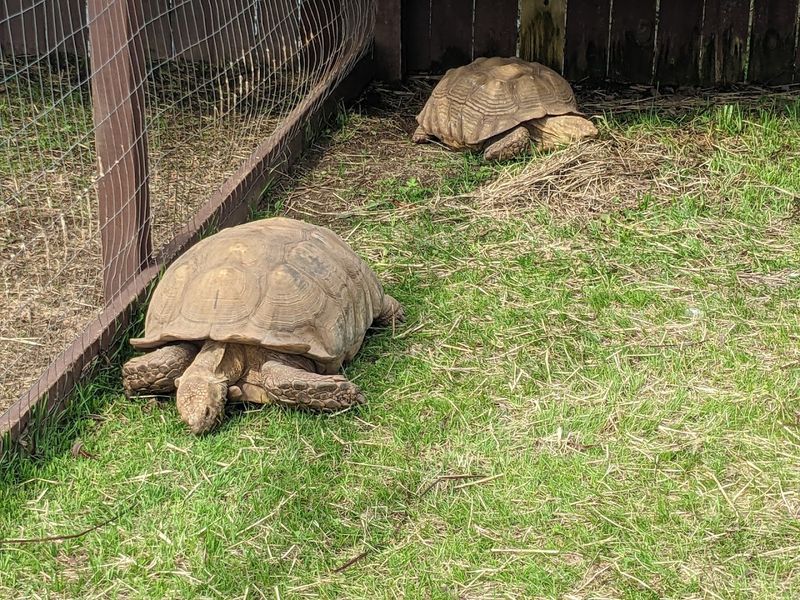
On a quieter note, the petting zoo offers softer interactions with animals like tortoises, emu, and deer, balancing the adrenalized moments with gentler encounters. Feed bags are available at modest cost, inviting hands-on participation that delights younger visitors and those who prefer calmer animals.
The contrast between watching a feeding show and slow-moving tortoises is both soothing and surprisingly informative about varied animal temperaments.
Staff encourage respectful handling and explain dietary needs so visitors understand why some animals receive different foods. It’s a small but important area that underscores the park’s broader care philosophy and adds family-friendly variety to the visit.
Expect easy access and kid-pleasing moments here.
Behind The Scenes Dedication
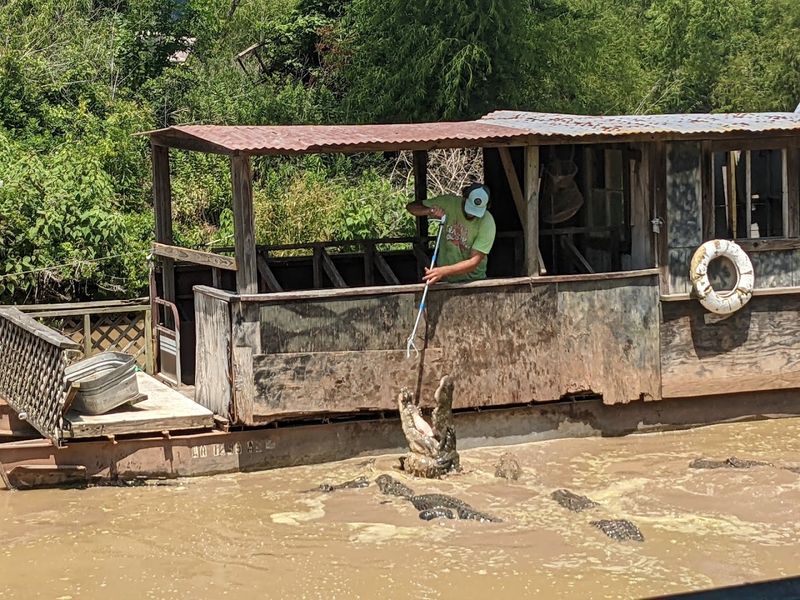
The park’s conservation and rescue roots are evident in daily routines and in the stories staff share about nuisance alligator rescues and long-term care. Ownership continuity and investment in animal welfare shape exhibits and handling protocols, and information about the Saurage family’s role is woven into tours.
That transparency makes the sanctuary feel earnest and mission-driven rather than purely tourist-oriented.
Staff explain pragmatic aspects of rescue work, from habitat modification to feeding schedules, which deepens understanding of local human-wildlife dynamics. The behind-the-scenes glimpses reveal that maintaining a collection of over 250 alligators demands both routine labor and thoughtful planning.
Visitors who appreciate conservation will find these details rewarding.
Tours And Explorations
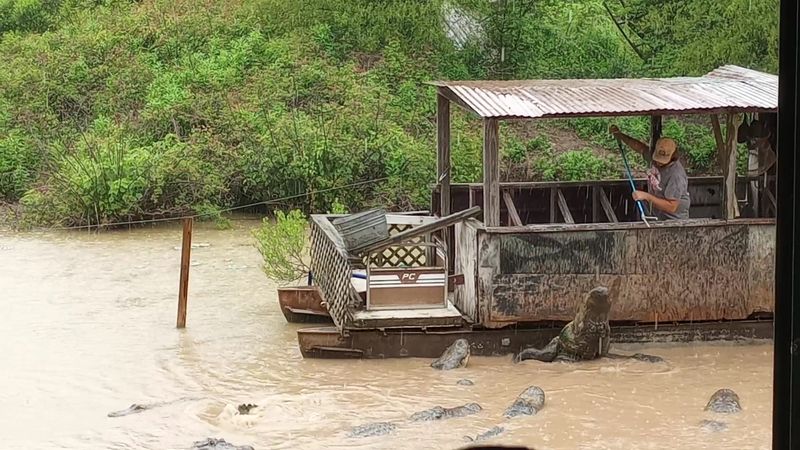
If you want a deeper lens on the sanctuary, ask about boat tours or side-by-side rides that reveal different habitats within the seven-acre property. These guided options are intimate and informative, showing how exhibits interconnect with surrounding wetlands and how animal enclosures mimic natural features.
The tours clarify how the park balances public interaction with habitat needs and seasonal rhythms.
Booking these extras is wise if you seek context beyond the main walkways; knowledgeable guides provide background on feeding cycles, breeding considerations, and animal enrichment. Spaces can be limited, so inquire early during busier weekends.
For curious visitors, the tours add narrative layers that enrich the standard visit.
Photographing The Prehistoric
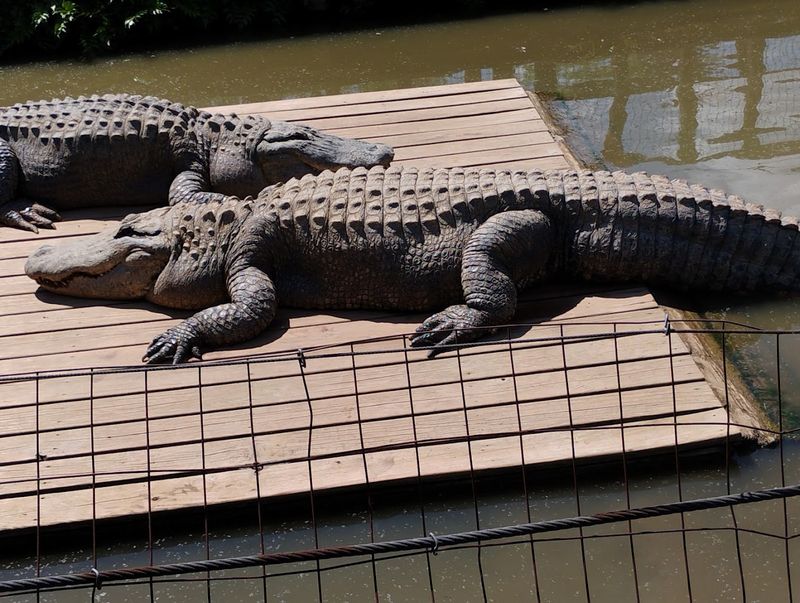
Camera lovers will find plenty of photogenic moments, from textured gator hides to placid tortoise faces and hands-on portrait shots with baby alligators. Staff-guided interactions make framing easier and safer, and the park’s varied light conditions offer different photographic moods throughout the day.
Early morning or late afternoon provides gentler light and fewer crowds for clearer compositions.
Simple tactics improve results: use a fast shutter for action during feedings, a shallow depth of field for intimate shots, and mindful framing to include handlers for scale. Respect posted rules about flash and proximity to animals, and be patient for moments when animals are still.
Well-composed images here become meaningful keepsakes.
A Learning Environment
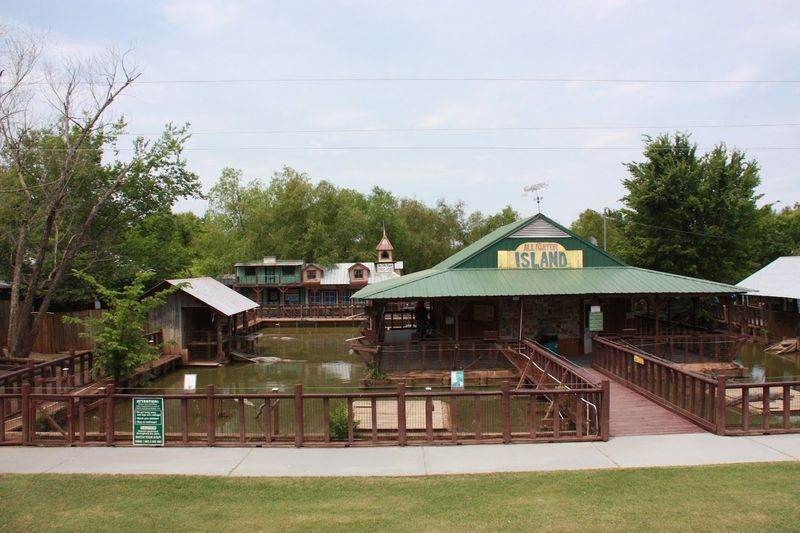
The park’s role as an educational hub is tangible through internships and hands-on learning programs that teach animal care, public education, and handling techniques. These immersive opportunities connect aspiring wildlife professionals with experienced staff, offering practical experience that can’t be learned from books alone.
The program emphasizes respectful treatment, safety protocols, and the realities of daily animal stewardship.
Students and interns often assist with feeding, enclosure maintenance, and guided tours, gaining a well-rounded view of park operations. This blend of public-facing education and behind-the-scenes work reinforces the sanctuary’s mission to cultivate knowledgeable stewards.
If you’re seriously interested, ask about internship details and prerequisites.
Convenient Access And Logistics
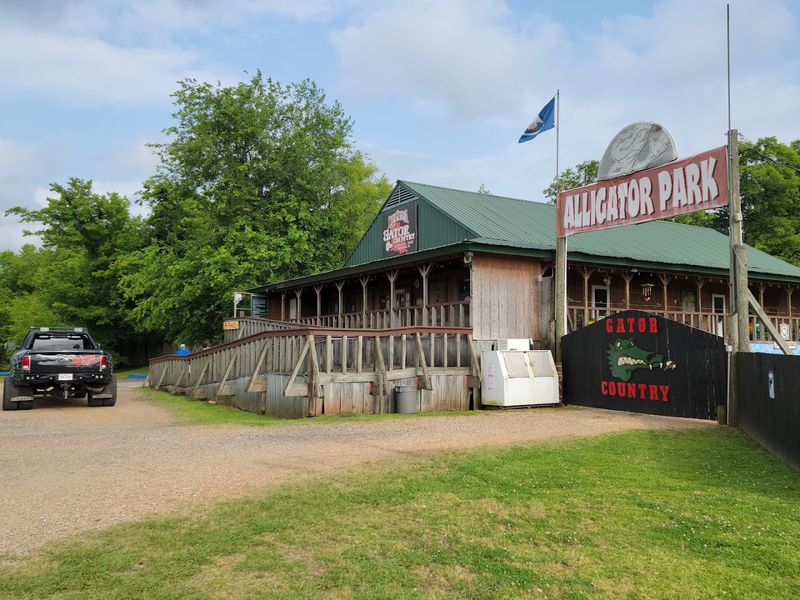
Getting there is straightforward: Gator Country Louisiana sits at 380 Old Bayou Pierre Road, roughly nine miles from downtown Natchitoches, and offers free parking including space for buses. The park’s hours are consistent every day from 10:00 AM to 5:00 PM, which simplifies planning.
Mobile reception varies in rural stretches, so downloading directions beforehand is a practical step.
Admission options include pay-for experiences like feeding and holding animals, which help regulate crowds and provide revenue for care. If you have a group or bus, call ahead to confirm parking and any special arrangements.
Clear signage on arrival and friendly staff make the logistics low-friction for most visitors.
Seasonal Considerations And Tips
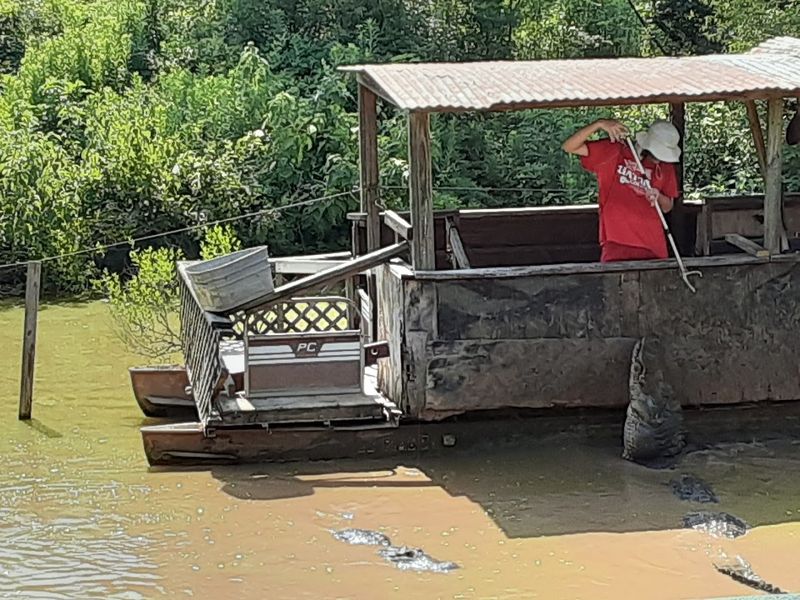
Louisiana’s seasons shape animal behavior and visitor comfort, so timing matters: warmer months heat the swamp environment and encourage more active reptiles, while cooler days slow movement and alter feeding rhythms. Spring and summer visits often coincide with peak activity and comfortable baby-gator interactions, but prepare for humidity and sun.
Bring sunscreen, hats, and water to stay comfortable during longer visits.
Visiting earlier in the day typically means fewer crowds and more active animals, while midafternoon shows remain dependable. If heat is a concern, choose shoulder seasons when temperatures are milder.
The park’s staff will also advise on seasonal differences during your visit.
Practical Visitor Habits And Etiquette
Respectful behavior enhances everyone’s experience and protects animals, so follow posted rules about feeding, handling, and where to stand. Purchasing feed from the park supports care routines and ensures animals receive appropriate food, while wristband systems for holding animals prevent crowding.
Staff are approachable and appreciate curious, well-mannered questions; they’ll gladly explain why certain protocols exist.
Keep dogs leashed if you bring them, follow directions during shows, and avoid sudden movements near enclosures. These small habits contribute to safety and help staff maintain a calm environment.
Practicing patient observation often yields better encounters than rushing from exhibit to exhibit.