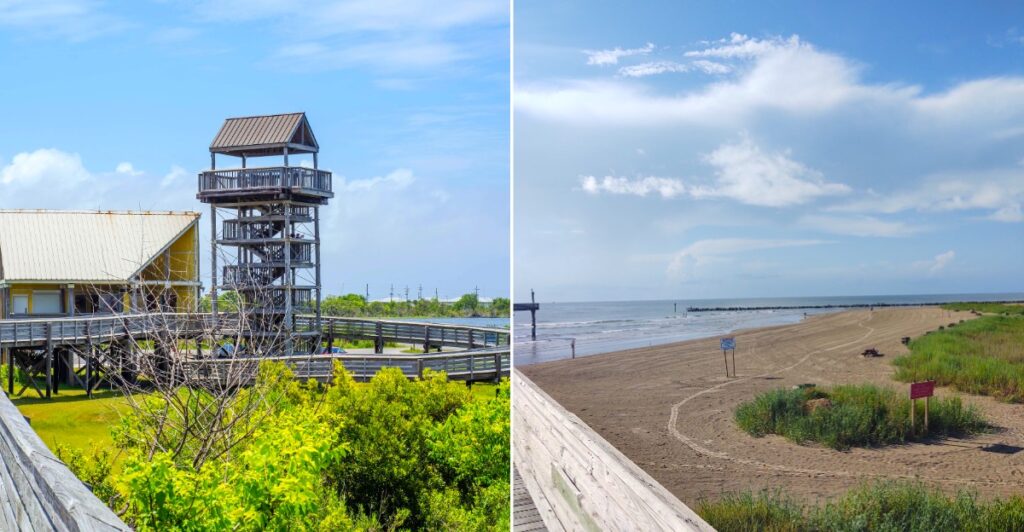
Exhausted songbirds sometimes drop out of the sky here by the thousands after crossing 600 miles of open Gulf. Birders even have a name for it. They call it a fallout, and it can turn a quiet spring morning into a feathered traffic jam.
That same stretch of sand holds a mile of beach often called the last wild beach in Louisiana. Over 280 kinds of fish swim in the waters nearby. Pelicans clearly got the memo long before we did.
I like how this spot skips the high-rise hotels and chain stores. You get dunes, marsh, warm water, and a pace that feels pleasantly unhurried. The campground sits just over the dunes from the waves.
Try to find a better place to slow down and let the tide set the schedule. Let’s find out what exactly makes this island so hard to leave?
Bring A Rod Because The Fish Here Mean Business
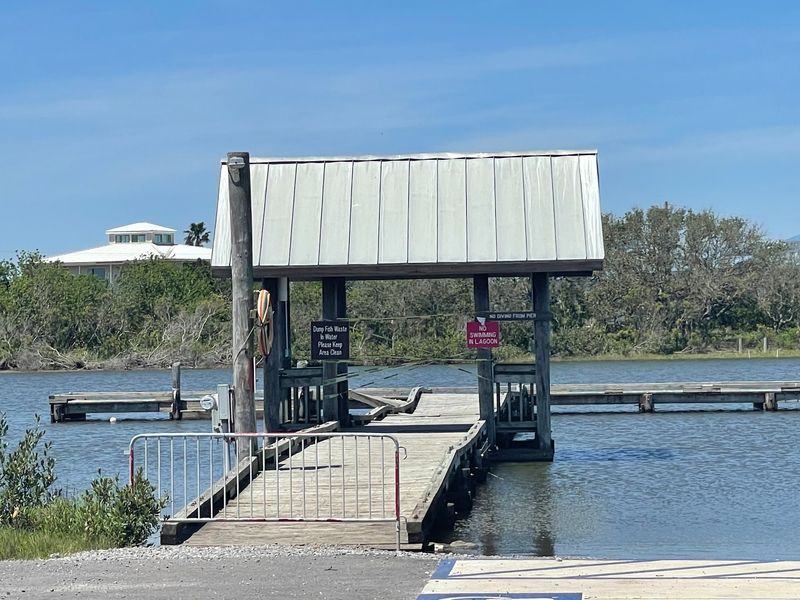
Over 280 species of fish live in the waters around this island. That makes it one of the most productive coastlines in North America.
Fishing isn’t a side activity on Grand Isle. Many folks would argue it’s the main event.
Surf fishing works all year long right from the sand. Speckled trout tend to bite in spring and summer, while redfish take over in fall and winter.
White trout, sea perch, and drum also show up on lines. So you’ve got options even when the stars refuse to cooperate.
Bigger dreams call for a boat ride. The island serves as a launch point for deep-sea trips chasing red snapper, king mackerel, amberjack, and tuna.
One rule applies to everyone, beginner or pro. You need a valid Louisiana fishing license before you cast.
The park’s 900-foot pier is the only one in the state reaching into the Gulf. It has been closed for repairs after Hurricane Ida, so check its status before planning around it.
A kayak or boat makes a fine backup plan. The fish won’t mind how you arrive.
Highway 1 Carries You To The Gulf
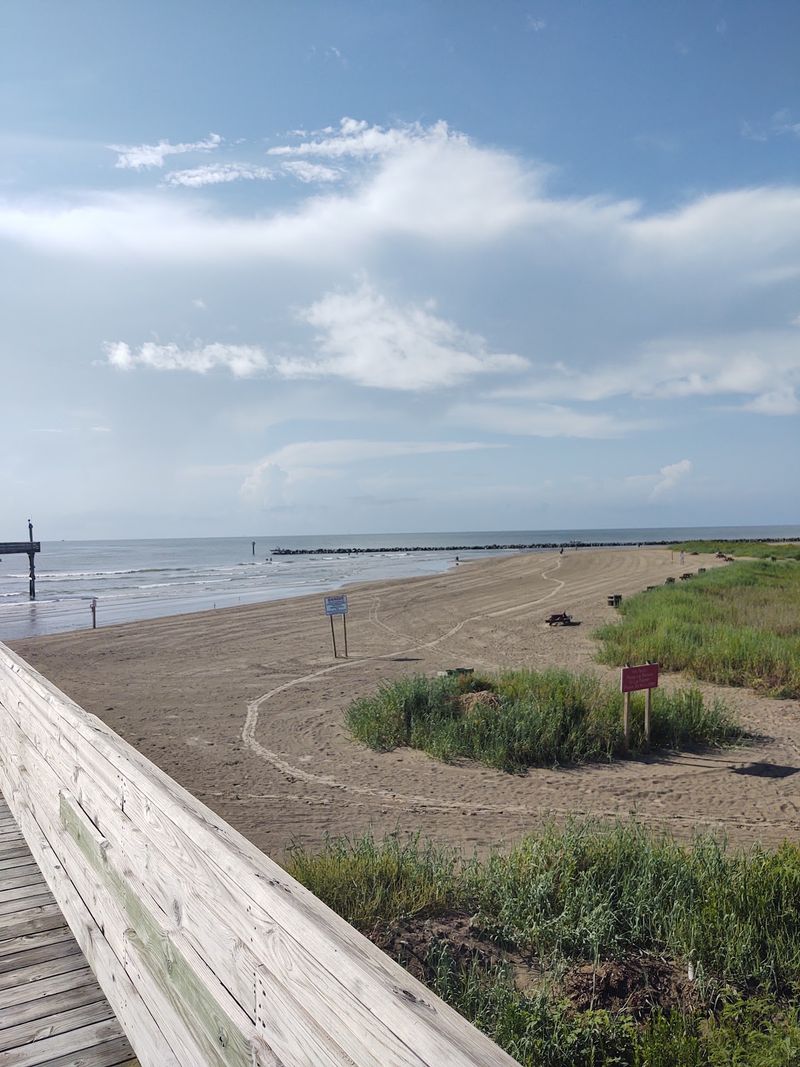
Grand Isle is reached by Louisiana Highway 1, which follows the coastal route south through Lafourche Parish and crosses Caminada Pass onto the island.
Continue east along Highway 1 through Grand Isle to Admiral Craik Drive. The state park occupies the island’s eastern end, making the turn toward the park a useful landmark for beach visitors.
Follow Admiral Craik Drive to the park entrance, pay any applicable fee and use the designated day-use access area. Check weather and coastal road conditions before departure.
Sleep Close Enough To Hear The Waves Roll In
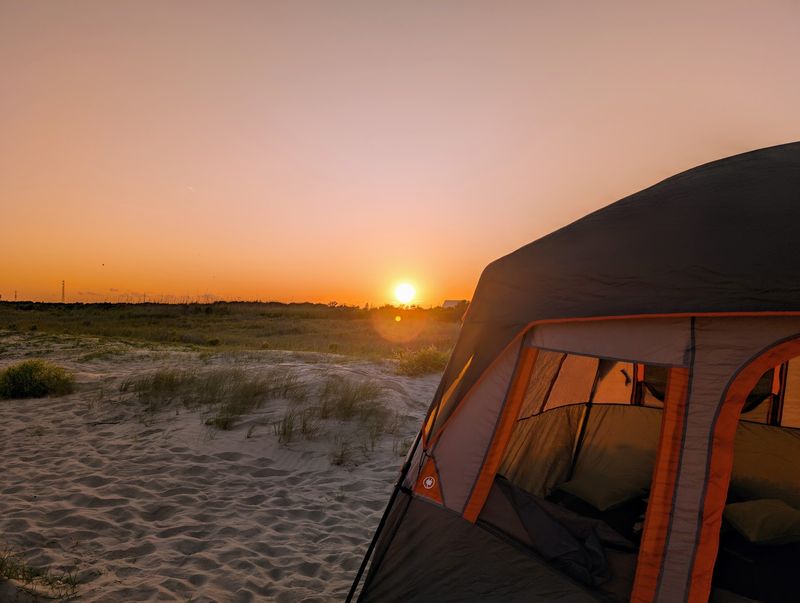
Camping here puts you a short walk from the Gulf. A low dune is about all that separates your site from the sand.
Grand Isle State Park offers 45 premium pull-through campsites for RVs or tents. Each one comes with water and 30/50 amp electrical hookups.
You also get a barbecue grill, a picnic table, and a fire ring. Dinner under the open sky sort of plans itself.
Bathhouses with running water and showers are on site. A dump station sits near the campground entrance for easy access.
The park also has 14 beach campsites for tents right on the sand. Those sites have been closed since the reopening, so confirm before you count on one.
Planning ahead pays off here. Reservations open up to 13 months in advance and close 24 hours before arrival.
Same-day reservations aren’t offered, though walk-ins may work if space allows. Weekend stays on Friday and Saturday require a two-night minimum.
Leashed pets are welcome in the park. Just keep them off the beach, which is off-limits to them.
Birders Plan Their Whole Spring Around This Island
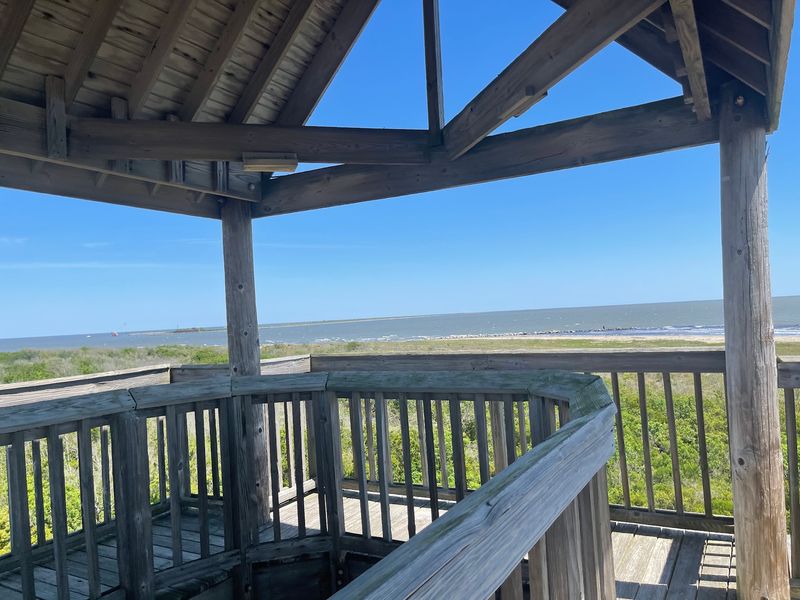
Tiny warblers fly roughly 600 miles across the Gulf without stopping. Grand Isle is often the first land they reach.
The island sits along the Mississippi Flyway. That location makes it a key rest stop for thousands of migrating birds each year.
When spring headwinds or rain hit, something remarkable can happen. Worn-out birds drop onto the island in large numbers, an event called a fallout.
Orioles, tanagers, grosbeaks, buntings, and warblers can splash color across the trees. It’s like nature hung up party decorations overnight.
The show doesn’t stop with songbirds. Roseate spoonbills and great blue herons wade through the shallows nearby.
Gulls, terns, and brown pelicans patrol the shoreline too. Shorebirds keep busy along the sand at the water’s edge.
Every April, the Grand Isle Migratory Bird Celebration draws bird lovers from around the country. It’s a great excuse to time your trip with the migration.
Binoculars are the one item worth borrowing if you don’t own a pair. A field guide or a birding app won’t hurt either.
Climb Up High And Spot A Pirate Hideout Across The Water
Stories of buried treasure still float around this part of the coast. Rumor ties them to privateers Jean and Pierre Lafitte.
Their operations were based on nearby Grand Terre Island. That island sits just across the water from the park.
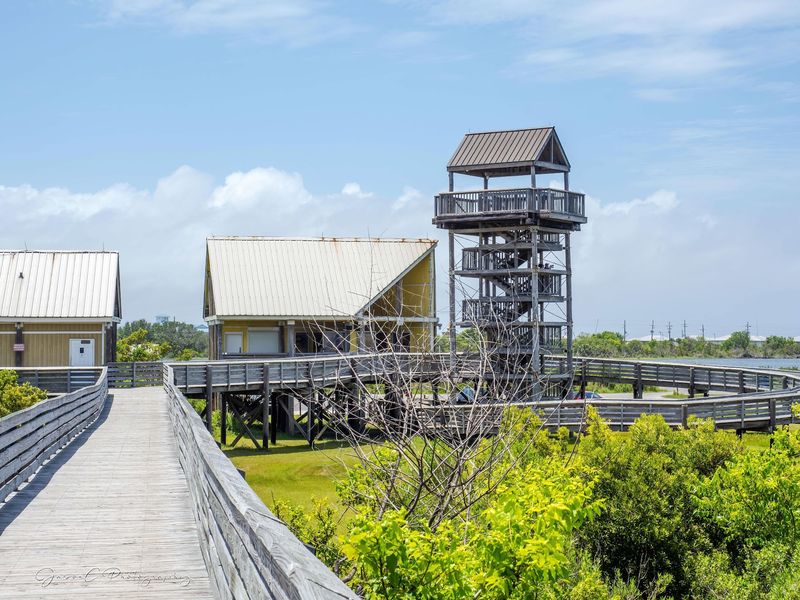
Here’s the fun part. An observation tower in Grand Isle State Park offers wide views of the coastal scenery around you.
On the horizon, you can spot the ruins of historic Fort Livingston on Grand Terre. Not bad for a few flights of steps.
The tower also gives you a fresh look at the marsh. From up high, the patchwork of water and grass makes much more sense.
Local folklore adds another layer of mystery. The legend of the rougarou, a shadowy swamp creature, still pops up in coastal tales.
No, you won’t need a shovel or a metal detector. A camera and a little imagination will do just fine.
Head up near sunset if you can manage it. The colors over the Gulf make the climb feel extra worth it.
An Easy Loop Trail Shows Off The Quiet Side Of The Island
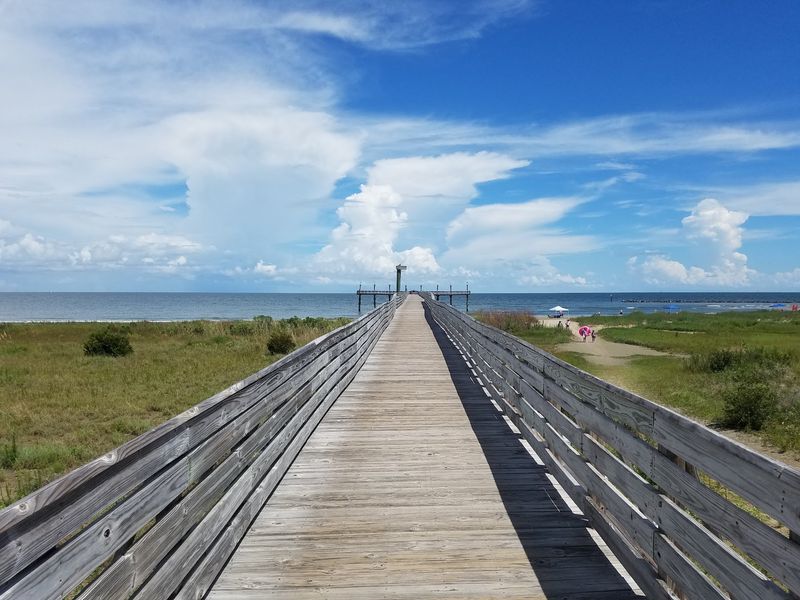
Flat ground and salty breezes make for a pretty relaxed hike. The park’s 2.5-mile nature trail loops through it all.
You don’t need special gear or serious stamina. The route stays easy and suits hikers of every skill level.
Along the way, the scenery shifts between coastline and marshland. Each turn feels a little different from the last.
Wildlife watching fits naturally into this walk. Birds flit through the brush, and the marsh hums with small creatures going about their day.
Bring kids along for this one. Short legs can handle the distance, and there’s plenty to point at.
Morning or late afternoon tends to feel more comfortable in warmer months. Pack water, a hat, and bug spray for good measure.
The trail also pairs well with other plans. Hike first, then cool off at the beach right after.
Moving slowly is the whole point out here. Pause often, listen to the wind in the grass, and let the island do the talking.
Paddle Out Or Drop A Crab Trap In The Calm Lagoon
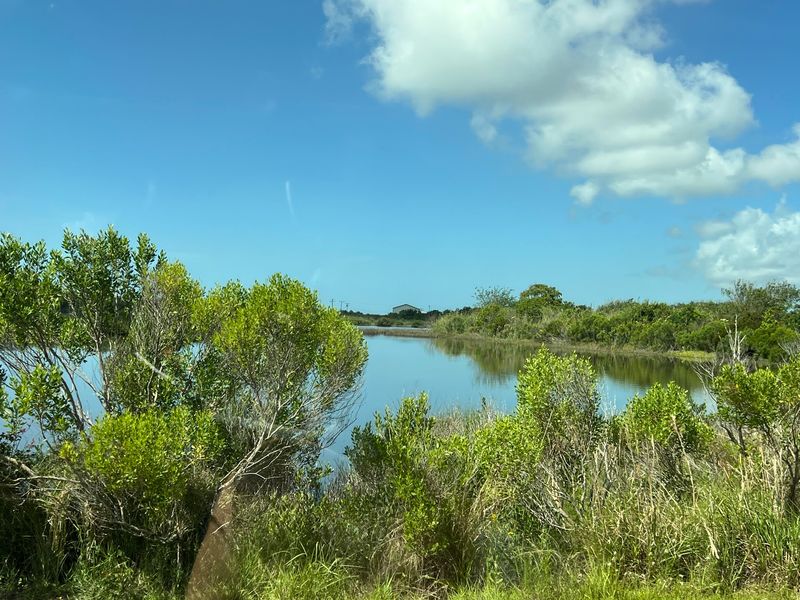
Not every water adventure here requires battling waves. The park’s northern lagoon stays calm and friendly.
Crabbing is allowed in this sheltered water. It’s a classic coastal pastime that’s easy for families to try.
Traps do need tags that follow Louisiana Department of Wildlife and Fisheries rules. A quick check before you set them saves headaches later.
Kayaking ranks among the favorite ways to explore. Quiet backwaters let you glide along at your own speed.
Braver paddlers can head toward the Gulf side too. Always watch the weather and wind before you push off.
The park has a boat launch for those hauling their own vessels. That opens up even more of the surrounding water.
Paddling also brings you closer to wildlife on the marsh edges. Wading birds and busy crabs often hang around the shallows.
Pack a dry bag for your phone and snacks. Wet sandwiches never won anyone over.
Mark Your Calendar For The Oldest Fishing Rodeo Around
Every July, thousands of anglers roll onto the island. They’re here for the International Grand Isle Tarpon Rodeo.
It’s known as the oldest fishing tournament in the nation. That’s quite a bragging right for one small barrier island.
The rodeo shows just how deeply fishing runs in local life. Grand Isle has long carried a reputation as one of America’s top fishing spots.
Spring brings a very different crowd. The Grand Isle Migratory Bird Celebration takes over every April.
Bird lovers come from across the country for that one. Think binoculars instead of tackle boxes.
Either event can make your visit more lively. Book campsites early if your dates overlap, since popular weekends fill fast.
Prefer a quieter stay? Pick dates outside those big weekends and enjoy a calmer island.
Both events highlight what makes this coast special. Fish below the water and birds above it keep the calendar busy year after year.
A Comeback Story Worth Driving To The End Of The Road For
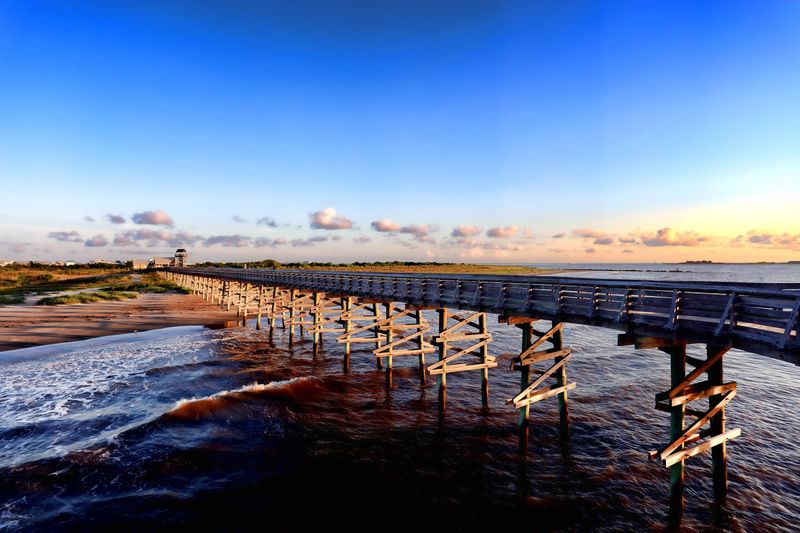
Few parks have bounced back as many times as this one. Grand Isle State Park opened in 1968 and has weathered plenty since.
Hurricanes Katrina, Gustav, Ike, and Ida all hit the island hard. Katrina wrecked the original pier in 2005, and crews rebuilt it.
In 2010, the Deepwater Horizon oil spill closed the beach. A partial reopening followed in 2011.
That same year, volunteers planted 1,600 black mangrove trees to fight erosion. Beach restoration work continues today.
After Hurricane Ida, the park reopened on June 1, 2023. That’s real staying power.
You’ll find it at 108 Admiral Craik Drive, Grand Isle, Louisiana 70358, on the eastern tip of the island. Grand Isle is the only inhabited barrier island in the state.
Day use runs 8 AM to 9 PM Sunday through Thursday. Friday and Saturday hours stretch until 10 PM.
Visitors 62 and older and kids 3 and under get in free. A visitor center, picnic areas, and pavilion rentals round things out nicely.