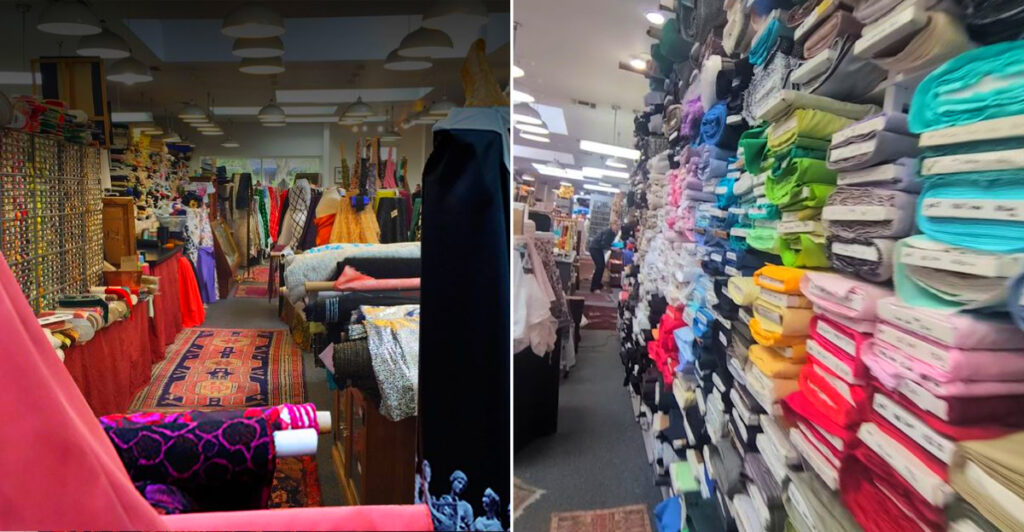
I have walked out of more craft stores than I can count, frustrated by the same basic selection of cotton prints and polyester blends. Then someone told me about a place on St. Charles Avenue that has been serving the creative community since the early nineteen eighties.
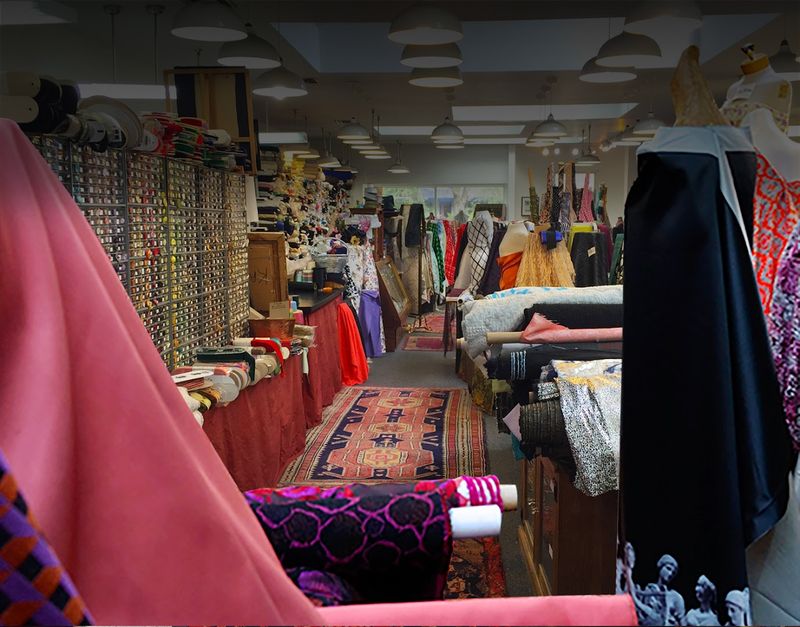
I walked in and immediately understood why people drive across town for this. Fabrics I had only seen online hung in neat rows across the walls.Silk. Seersucker. Denim so heavy it could stand on its own. Buttons in shapes I did not know buttons came in. Trims. Laces. Ribbons in every width imaginable.
The staff actually sews, which means they can answer questions without guessing. A place like this survives for forty-plus years because the people who shop here cannot find what they need anywhere else.
This Louisiana craft shop has been a destination for hard-to-find materials for over four decades, and one visit will show you exactly why.
The Button Wall Spectacle
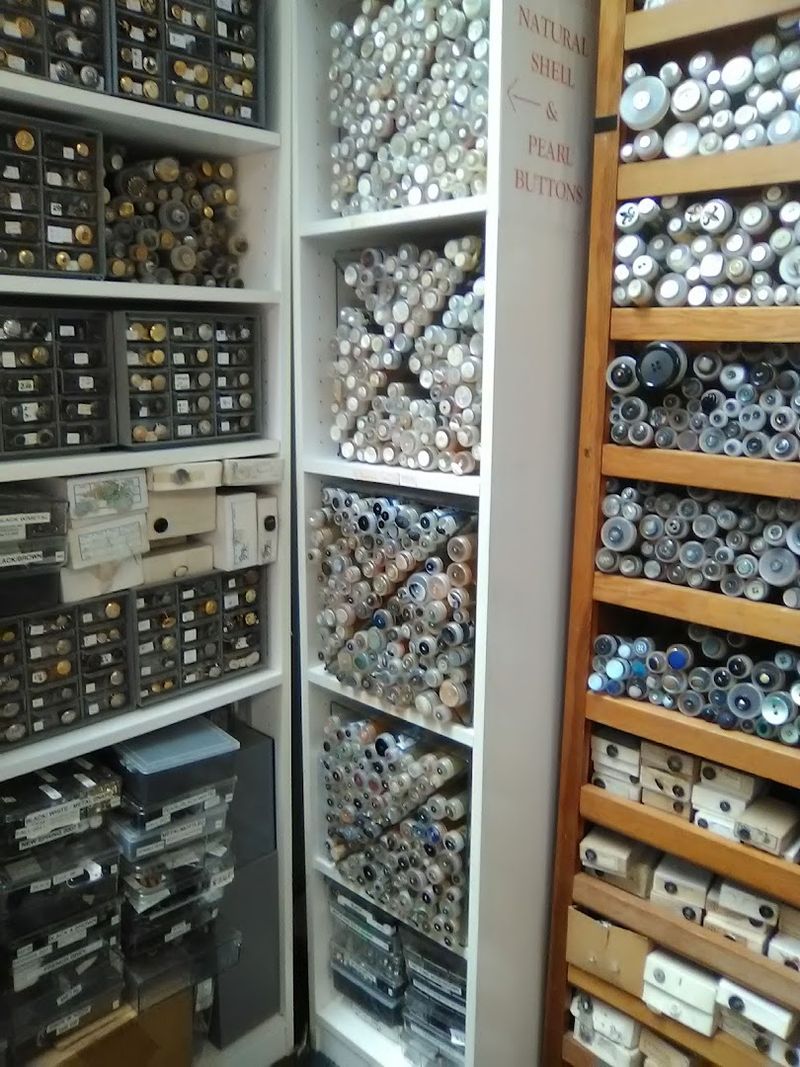
You turn a corner and the button wall arrests you: a two-sided, freestanding library of drawers that reveals tiny, brilliant worlds when opened. Buttons are sorted by material and era, from polished horn and mother of pearl to glass and aged metal, with some clearly vintage finds tucked into labeled drawers.
It’s a tactile feast that invites lingering and comparison. Customers often describe that moment as revelatory, and staff will happily help locate a perfect match for a restoration or couture gown. The scale of the display makes it easy to imagine hundreds of small touches arranged in patient order rather than chaos.
Whether you need a single shank or dozens to finish a showpiece, the button wall turns selection into an enjoyable, almost meditative process.
The Streetcar Passes A Fifty-Year Fabric Archive
Promenade Fine Fabrics is at 1520 St. Charles Avenue in New Orleans, Louisiana, along the historic streetcar line in the Lower Garden District. Approach from downtown on St. Charles Avenue or use nearby Prytania Street before turning toward the 1500 block.
The final approach passes mansions, hotels, and the streetcar tracks running through the avenue’s neutral ground. Look for the shop’s street-level entrance rather than a large retail complex, and stay alert for streetcars and pedestrians when crossing or turning nearby.
The store does not advertise dedicated customer parking, so use a legal curb space and read all posted restrictions carefully. Walk directly to the St. Charles Avenue entrance; current public hours are limited to 10 a.m.–1 p.m.
Monday through Saturday, with later visits available by prior arrangement.
Ribbon From Around The World
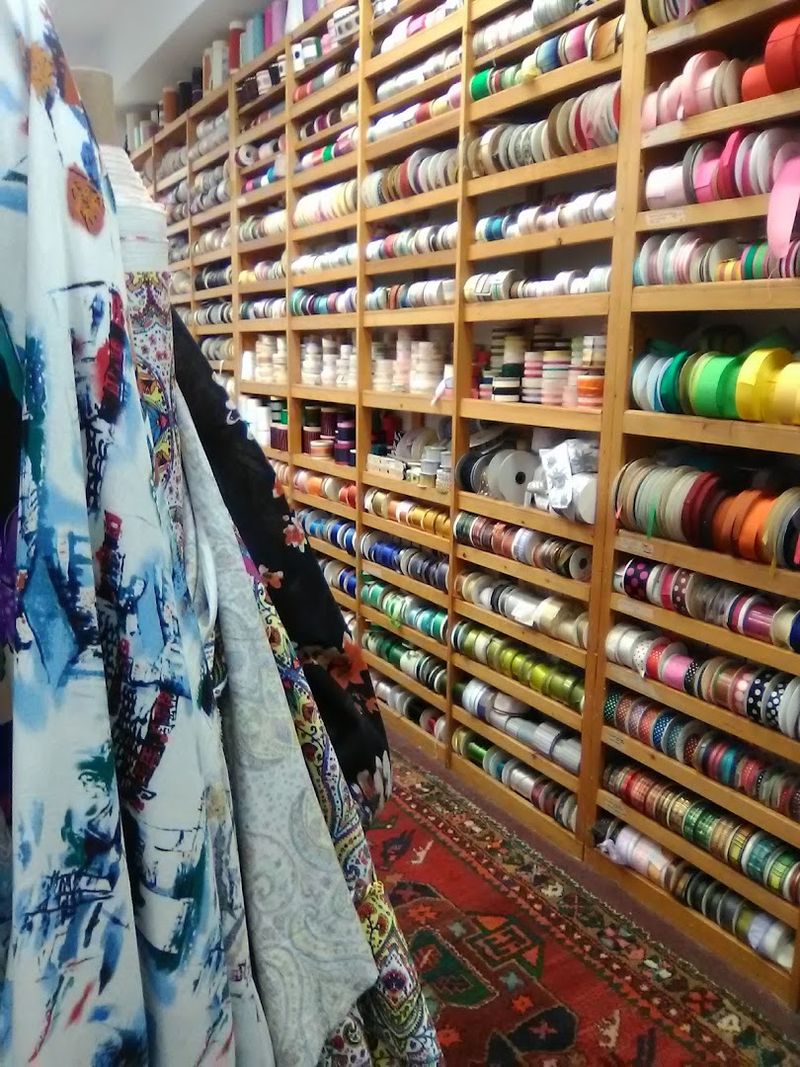
The ribbon selection reads like a small atlas: French brocades, Italian satins, German trims and Czech glasswork-inspired braids, each roll telling of ateliers and craft traditions. Cole Halpern’s curated collection includes vintage Hyman Hendler pieces salvaged when that wholesaler closed, making the racks partly a rescue archive as well as current stock.
You can find narrow trims for millinery alongside wide brocades suitable for theatrical costumes.
Ribbons are displayed with enough breathing room to compare texture and weight, which is crucial when matching hems or decorative edges. Staff members know which ribbons will drape and which will hold structure, and they’ll offer practical input based on fabric type and project need.
For anyone who revels in small details, this aisle promises unexpected pairings and rare finds that elevate a finished piece.
Fabrics With A Pedigree
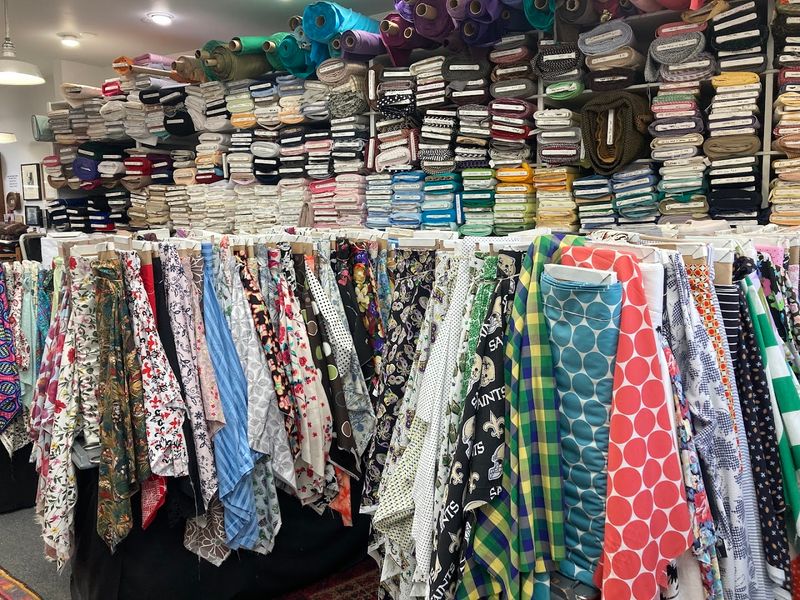
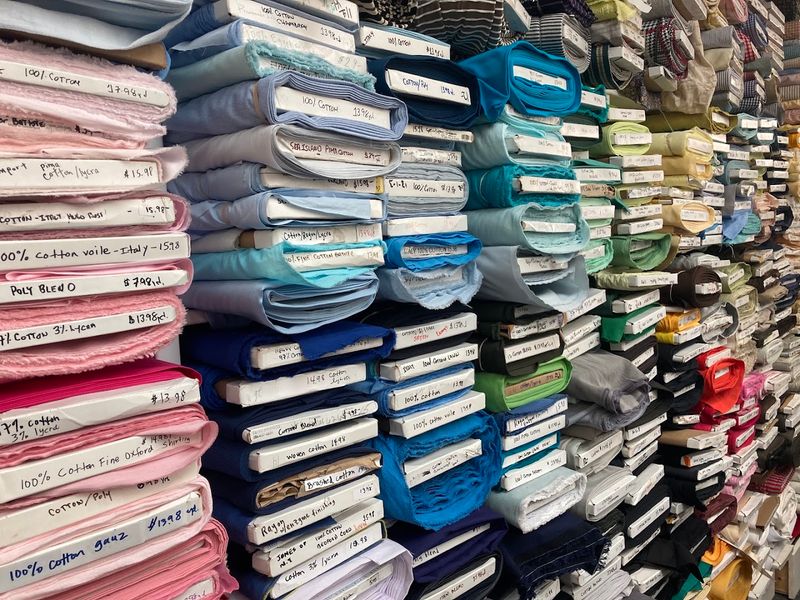
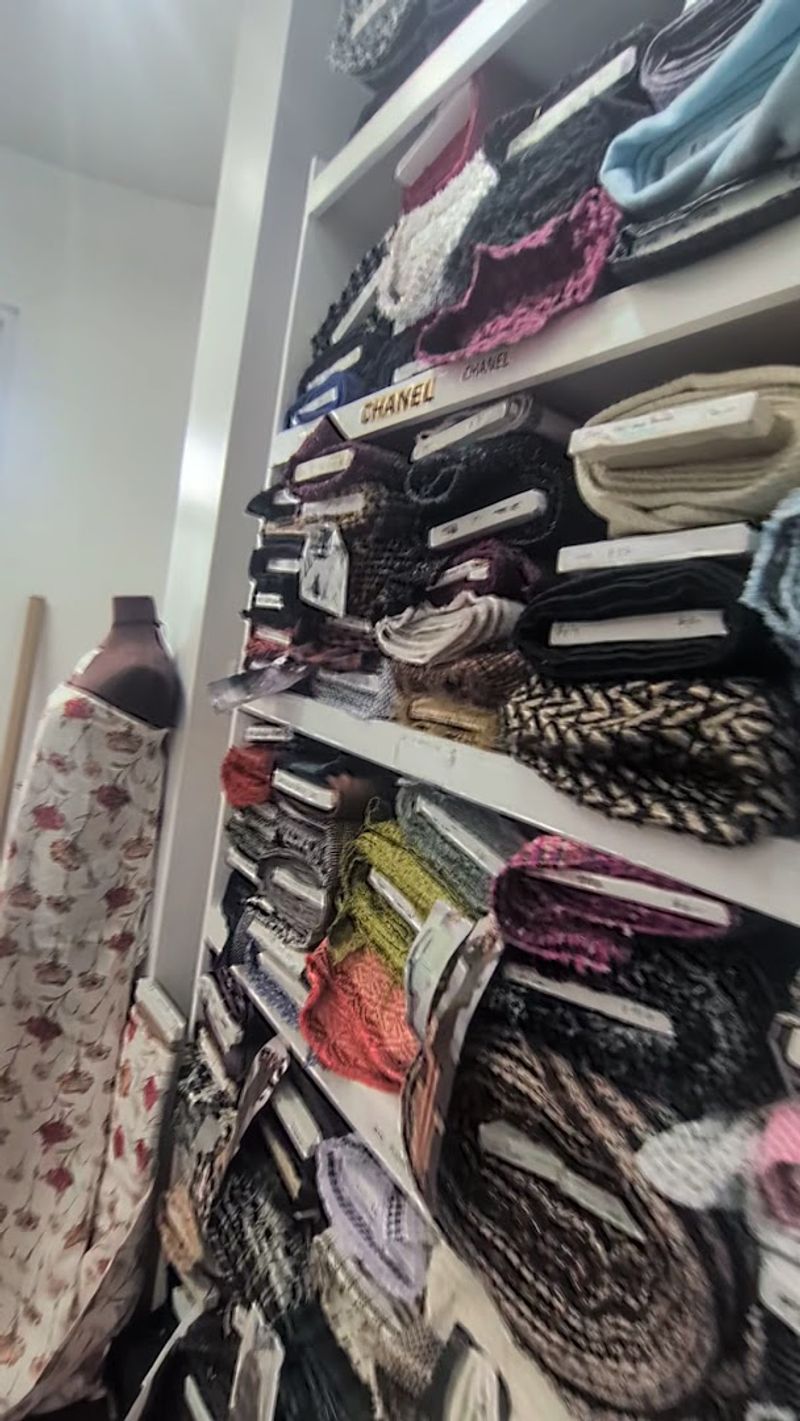
The shop’s main floor feels compact yet abundant because bolts are densely and thoughtfully arranged to maximize discovery. Here you’ll find Irish linens with that natural texture, Italian and English wools tailored for suiting, and silks from France and Switzerland that catch light in different ways.
The selection ranges from modern performance blends to authentic vintage panels like 1940s Rhodia pieces and 1950s German cotton velvets.
Each bolt is labeled with origin and suggested uses, helping makers decide if a fabric suits garment facing, drape, or upholstery. Handling is encouraged, and the staff will cut samples so you can test a piece at home or on a mannequin.
For designers and home sewers alike, the variety creates an environment where thoughtful choices are not only possible but pleasurable.
Personalized Guidance
The staff at Promenade Fine Fabrics make consultation feel natural rather than performative; Herbert Halpern and his team listen before suggesting options. Customers often leave impressed by tailored recommendations that consider pattern scale, drape, and construction techniques.
If you bring a project photo or a swatch, the team will suggest compatible trims, linings, and interfacing to complete the concept.
Service here is not pushy; it’s collaborative. Staff members know when to step back so you can make tactile comparisons and when to interject with a technical tip about grain or seam allowance.
That balance honors both novice curiosity and experienced makers’ needs.
Expect practical, informed help that saves time and steers purchases toward long-term satisfaction.
The Adjacency To Home Decor
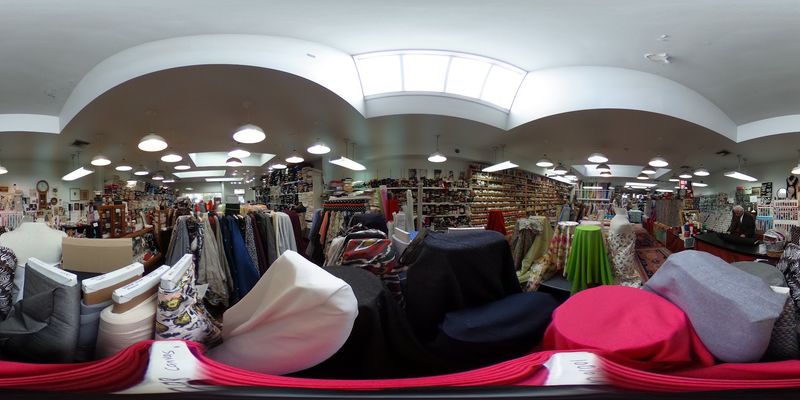
A short step away sits BackRoom Fabrics, the sibling space focusing on upholstery and home textiles, which expands what a single visit can accomplish. If you start with a dress or costume here, you can stroll next door for heavier weaves and indoor-outdoor performance fabrics suitable for cushions and drapes.
The proximity makes material sourcing efficient for designers who work across clothing and interiors.
This adjacency is practical for project planning: measuring for pillows or reupholstery is easier when you can compare upholstery weight against garment linings within minutes. Staff will point you toward suitable hardware, foam densities, and cleaning suggestions when relevant.
The two-shop arrangement feels like a miniature textile district where complementary needs are met without a long search.
Sensory Details That Stick
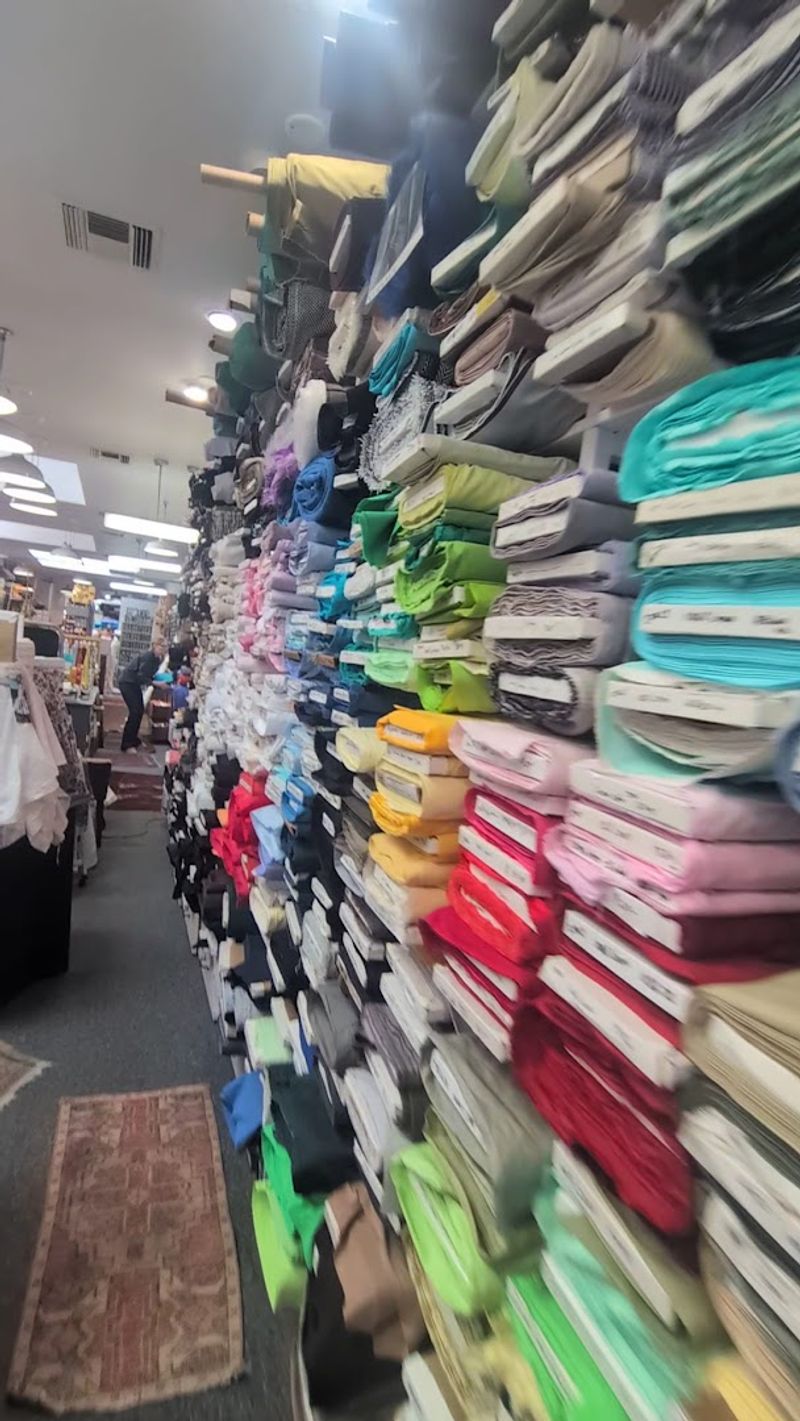
The sensory experience at Promenade Fine Fabrics is quietly intense: the soft grit of linen, the cool sheen of silk, and the subtle musk of vintage trims mingle in a way that invites slow inspection. You’ll find yourself comparing how a silk slips through fingers versus the tooth of a wool suiting, and that comparison often decides a purchase more than any online photo could.
Light filters through the front window, highlighting threads and revealing subtle weaves.
Temperature in the shop makes handling comfortable, and staff encourage touching to judge weight and opacity. Many customers say the tactile impression helps them avoid returns and disappointments.
It’s a reminder that textiles are best understood in person, where nuance is visible and decision-making becomes tactile pleasure.
Architectural Charm Of The Shop
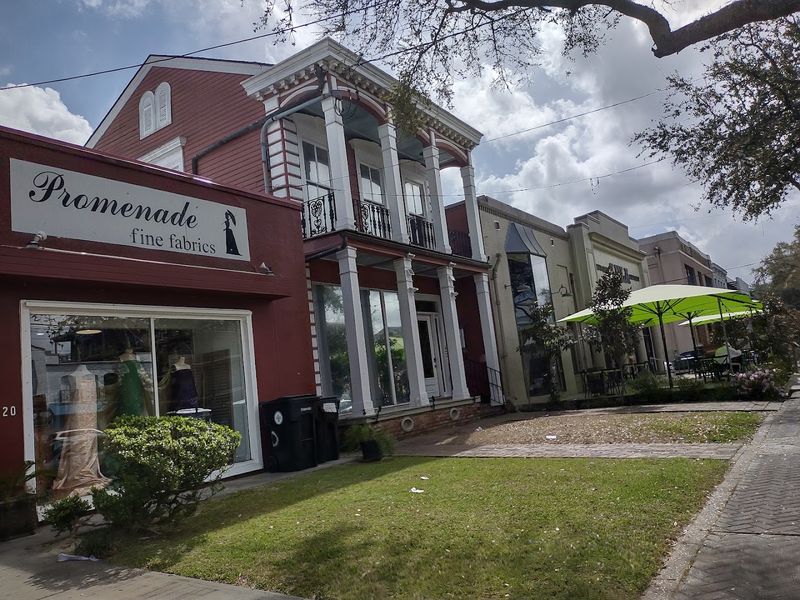
The building’s facade on St. Charles Avenue blends into the street yet hints at the treasures inside through modest windows and neat signage. Inside, high shelves and vintage drawers maximize vertical space, giving the shop an archival feel.
Lighting is practical and warm, spotlighting trims and bolts while preserving color accuracy for shoppers making precise choices.
Storage solutions reveal a long practice of caring for textiles: wooden drawers, labeled boxes, and bolts stored to avoid crushing. The layout encourages a slow route past curated displays rather than a hurried sweep, which suits makers who need time to compare samples.
Architecture and layout work together to make the shop both efficient and warmly domestic, an ideal mix for focused textile browsing.
Seasonal And Local Notes
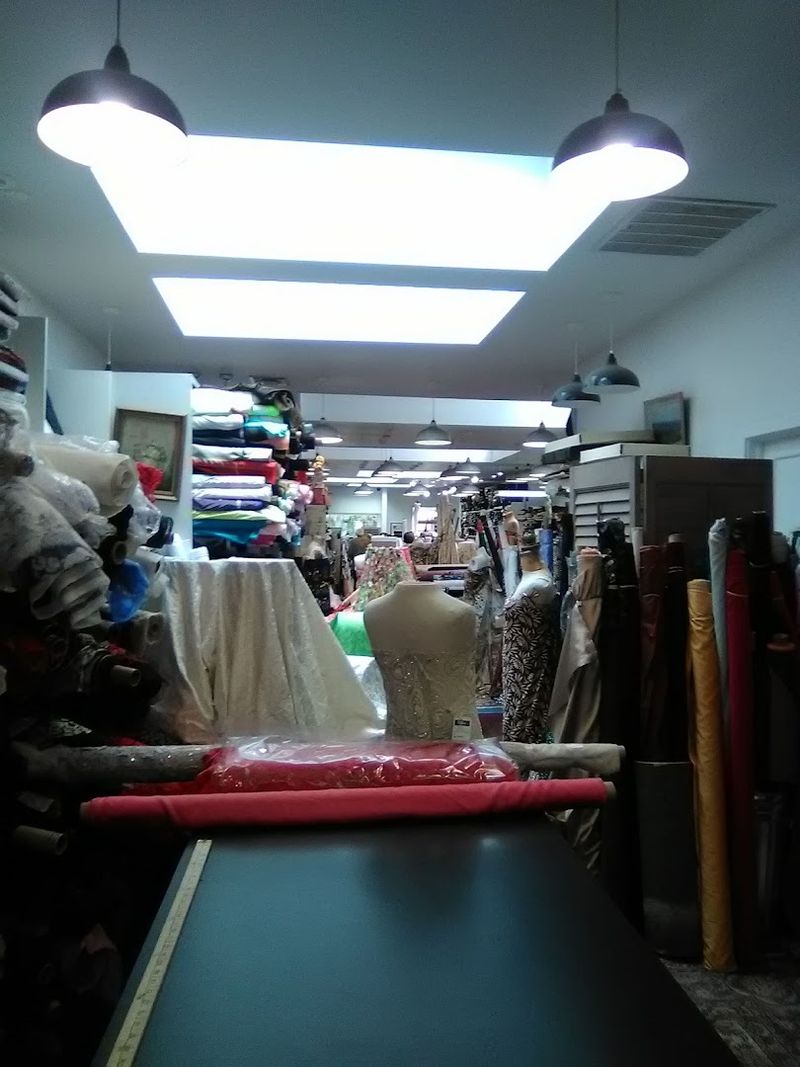
I noticed that seasonal shifts influence what’s front and center: lightweight linens and sheer silks surface in spring and summer while denser wools and velvets take prominence in cooler months. The staff respond to local event calendars too, highlighting costume-friendly trims ahead of major celebrations and festivals in New Orleans.
That responsiveness helps both tourists and locals find timely materials for projects tied to the city’s rhythm.
Store hours are consistent and concise, mostly morning to early afternoon, so planning a visit before midday guarantees quieter browsing and attentive help. Weekday mornings are particularly calm for thoughtful comparisons.
Being mindful of season and schedule makes a visit more productive and more fun.
Detail Spotlights And Preservation Tips
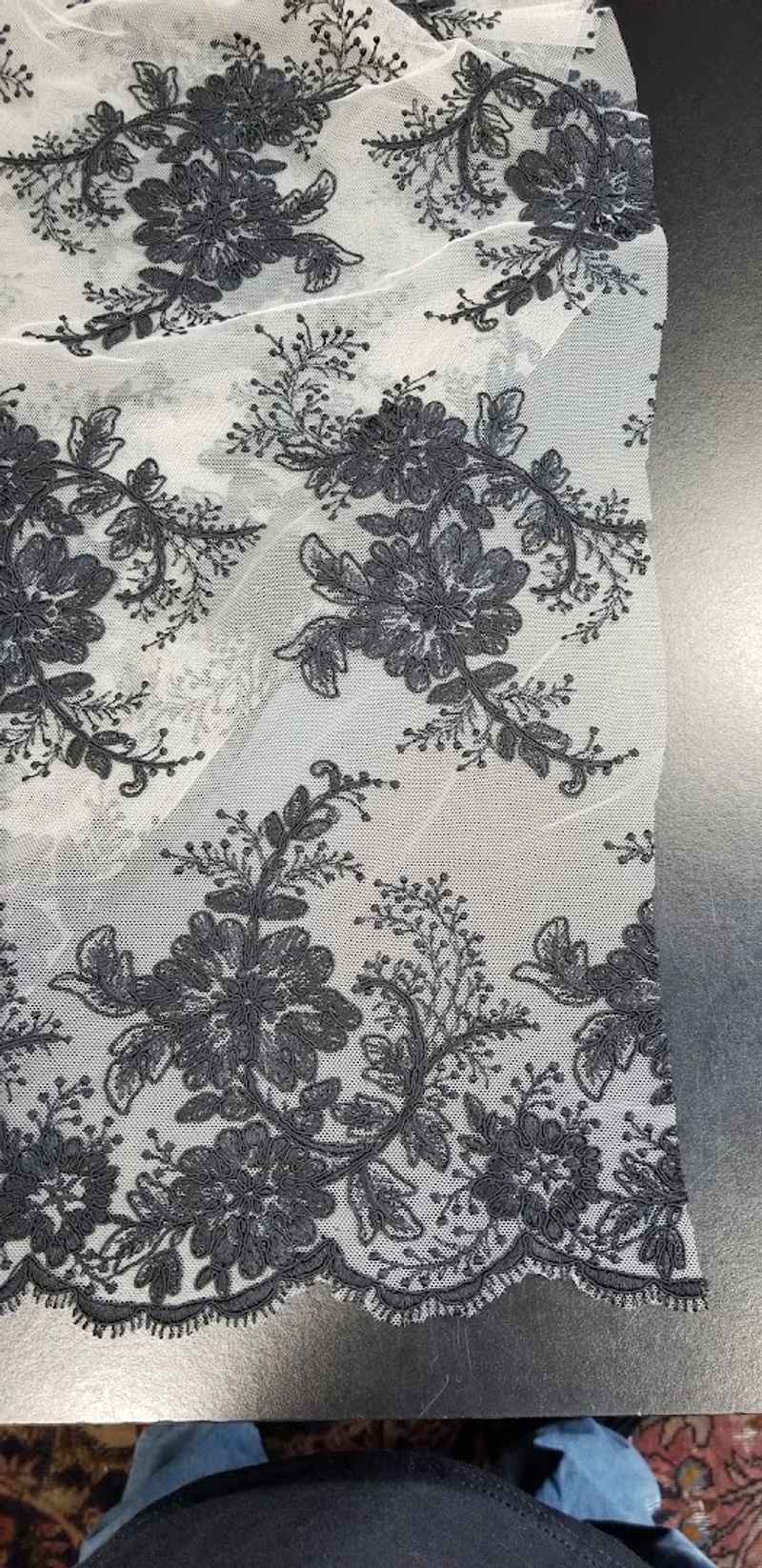
The staff will happily point out details that matter: seam finishes on delicate silks, suitable interfacing for lightweight sheers, and preservation tips for vintage trims. They sometimes explain how to store lace and ribbons to avoid yellowing and recommend acid-free tissue for archival storage.
Small conversations like these save projects from future headaches and protect precious materials from improper handling.
When considering vintage pieces, ask about provenance and previous treatments; the team can often share the item’s history or practical restoration advice. They also suggest compatible modern substitutes when a vintage piece is too fragile to use whole.
These microlessons are part of the shop’s value, turning purchases into informed, lasting choices.
Logistics For Visiting
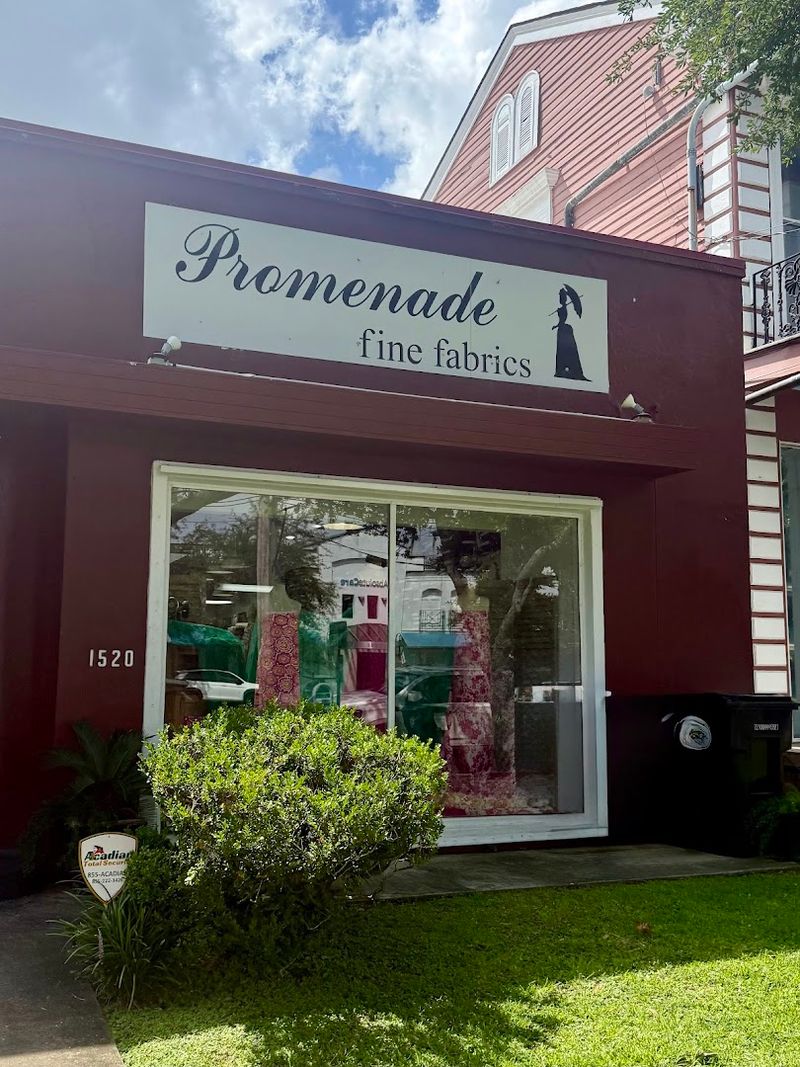
Practical details matter here: Promenade Fine Fabrics keeps concise hours, typically open mornings through early afternoon on most weekdays and Saturdays, so plan visits accordingly. The store’s phone and website support inquiries and online orders, which is useful if you’re traveling and want staff to pull likely matches beforehand.
Parking along St. Charles can be limited, so allow extra time to find a spot or choose nearby paid lots for convenience.
Staff are accustomed to working with both walk-ins and appointments, and they’ll reserve bolts or cut samples when possible, which eases coordination for out-of-town makers. Payment methods include major cards and sometimes invoicing for trade customers.
Being prepared with measurements and project goals makes the visit efficient and rewarding.
Why Makers Return
The reason people keep coming back is simple: expertise plus rare inventory equals reliable results. Regular customers mention how staff remember past projects and can anticipate needs, turning repeat visits into a partnership rather than a transaction.
The mix of vintage and contemporary materials means you can find both trend-driven options and archival pieces in one stop, which is rare outside major metropolitan studios.
Online sales complement in-person service, but the tactile certainty of shopping in person is the decisive factor for many. The shop supports creative work at every scale, from mending to couture, and that range keeps a diverse clientele engaged.
Visit once and you’ll likely find reasons to return, whether for a specific trim or for the steady confidence the shop inspires.