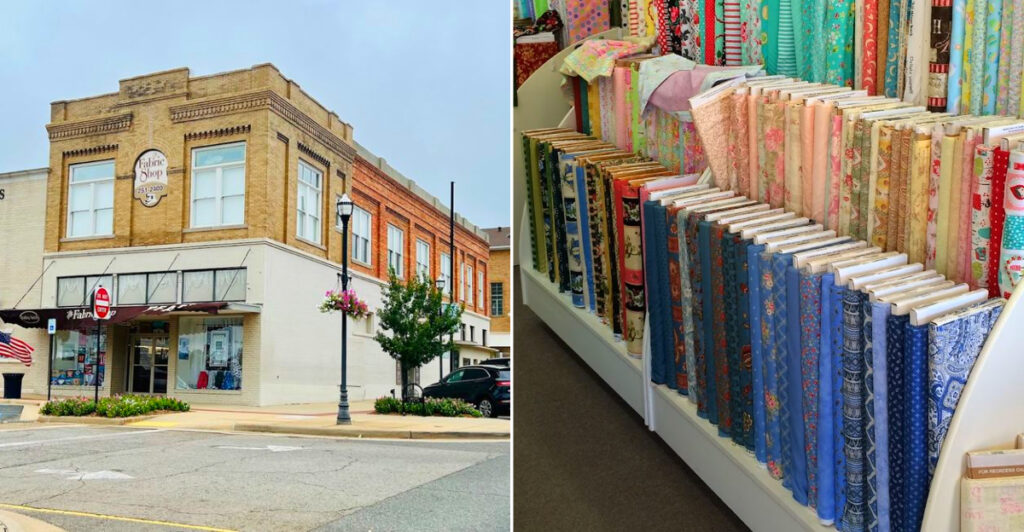
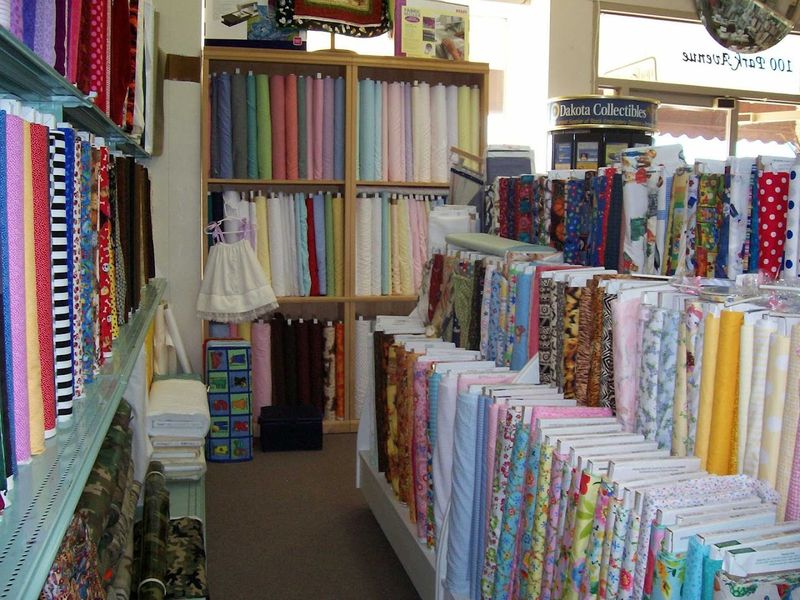
Walking through the door feels like entering a fabric library where every shelf holds a different chapter. Bolts of cotton, linen, plus silk line the walls from floor to ceiling, organized by color in a way that makes the whole shop glow like a quilt stretched across a frame.
The cutting tables sit in the center, wide enough to lay out a full skirt pattern without folding, plus the staff knows every bolt by name, by weight, by drape. Quilters drive from three hours away for the selection alone.
Garment sewers come for the silks that small-town shops never carry. The notion aisle alone could eat an afternoon: buttons sorted by color, zippers by length, elastic by the yard.
A Louisiana fabric shop where every bolt, pattern, plus notion aisle earns its place on the shelf makes the drive feel like the easiest part of the trip.
Quilting Selection Galore
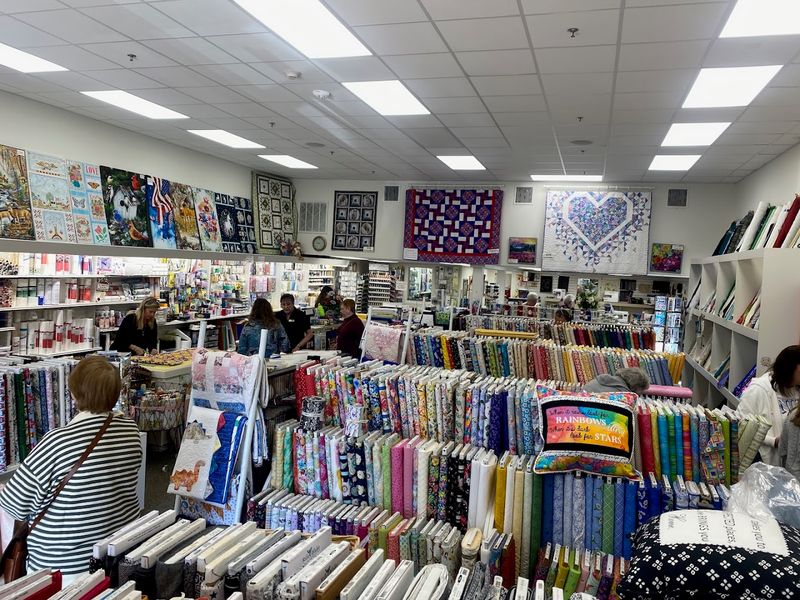
The collection of quilting fabrics here feels intentionally vast; over three thousand bolts are arranged so you can actually find what you need without getting overwhelmed. I noticed solids, blenders, tone-on-tone prints and large florals shelved side by side, which makes matching easy when inspiration strikes.
The selection includes themed panels and precut options like Charm Packs and Jelly Rolls for someone who wants a jump-start.
Panels numbering over a hundred and forty offer quick projects for visitors short on time or planning gifts. Staff are hands-on when asked, suggesting blenders or backing fabrics that will take a quilt from good to cohesive.
That kind of knowledgeable help matters when you’re choosing yardage and scale.
Bring a tape measure and a photo of your project; it saves time. I found the store layout helps you linger and compare without pressure, and the displays of finished quilts quietly teach combination ideas at a glance.
Downtown Ruston Has A Shortcut For Quilters
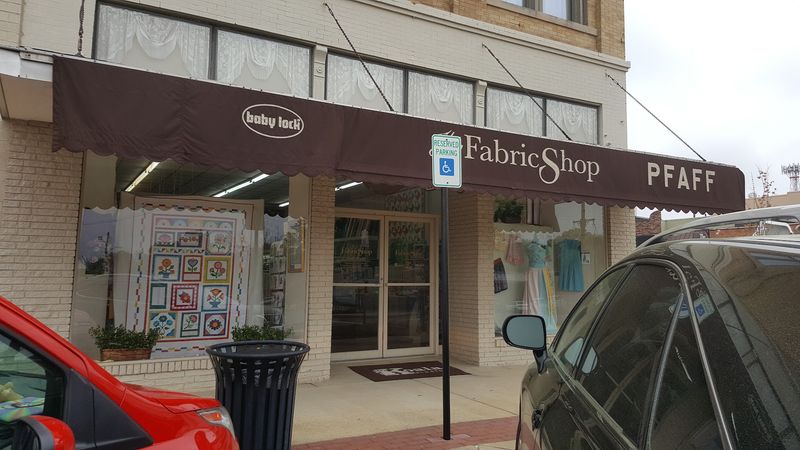
The Fabric Shop sits at 100 West Park Avenue in Ruston, Louisiana, in the city’s historic downtown district. From Interstate 20, take the downtown Ruston exit and head north toward the center of town.
Once you reach the older street grid, follow the signs toward Park Avenue and slow down as the storefronts tighten around the road. The shop sits close to the heart of downtown, so the final approach feels more like finding a local errand stop than a big-box fabric store.
Look for nearby street parking or a downtown public space, then walk the last few steps to the storefront. Once West Park Avenue starts feeling walkable, you are close enough to let the bolts of fabric finish the directions.
Machines And Repair Service
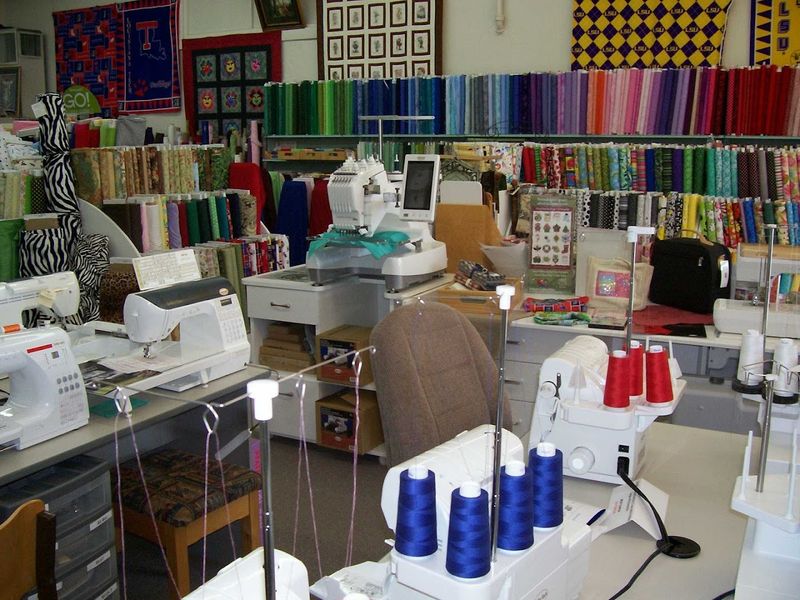
One thing that surprised me was the full-service approach to sewing machines; the shop is an authorized dealer for Pfaff, Baby Lock, and Husqvarna Viking and provides in-house repairs.
The service bench is visible and staffed by a technician who handles troubleshooting and maintenance, which is reassuring if you’re buying a machine or bringing one in for a tune-up.
Having the tech on-site shortens turnaround and preserves continuity of care. In addition to repairs, they offer in-house financing options for larger purchases and carry related furniture brands like ARROW and Kangaroo.
That means a shopper can outfit a sewing room in one visit if they want to invest in long-term comfort and productivity.
Staff will demonstrate machines and provide practical tips on features and maintenance. If you plan to bring a machine for service, call ahead to check hours and expected wait times. I found that clarity helped me schedule a repair without disrupting a weekend sewing plan.
Classes And Summer Camp
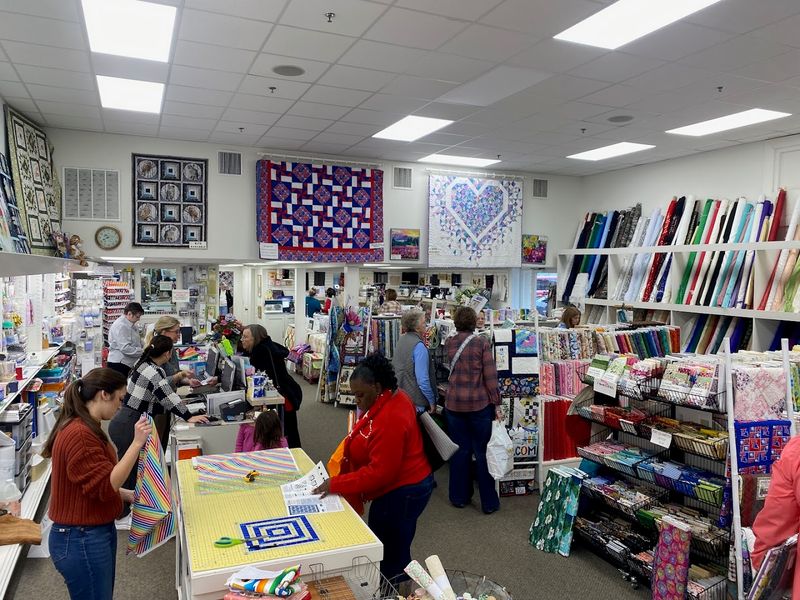
The Fabric Shop runs classes tailored to different ages and skill levels, including a Summer Sewing Camp for kids with machines and supplies included. Observing a class, I noticed a patient tempo: instructors break projects into manageable steps and encourage independence while supervising machine use.
The camp promises fifteen hours of instruction and supplies, which is especially helpful for families wanting a focused, safe introduction to sewing.
Beginners and teens can join classes that cover fundamental techniques, pattern reading, and project finishing. The shop supplies patterns and notions, and staff help assemble kits so students arrive ready to learn.
That level of organization keeps classes moving and reduces the intimidation factor for new sewers.
Enroll early, as the classes and camps fill up with local kids and visiting families. The shop posts session dates and kit lists on its website and social channels, which makes planning simple.
Specialty Fabrics And Novelties
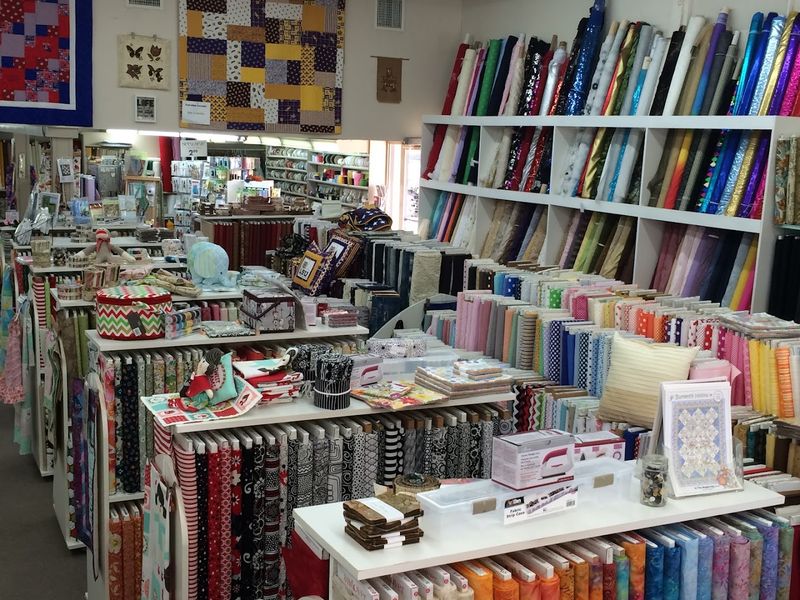
Walk through the aisles and you’ll encounter specialty fabrics like silks, linens, sequined textiles, and a large assortment of novelty prints aimed at crafters, costume makers, and quilters. The shop’s inventory includes seasonal fabrics and children’s motifs that are rotated to match local events and holidays.
That rotation keeps the selection feeling fresh even on repeat visits, and it supports spur-of-the-moment projects.
A standout is the exclusive Louisiana Tech fabric runs the shop acquired when manufacturers stopped production; that local tie-in makes the store a destination for university-themed projects. You can also find wide fabric backs and quilting-specific notions to finish large pieces without a second stop.
Staff can recommend stabilizers and thread weights depending on the fabric’s weight and intended use.
Bring photos of what you want to make so staff can suggest suitable prints and appropriate interfacing. Sampling scraps before buying yardage prevents mismatched scale and disappointing results later.
Notions Ribbons And Buttons
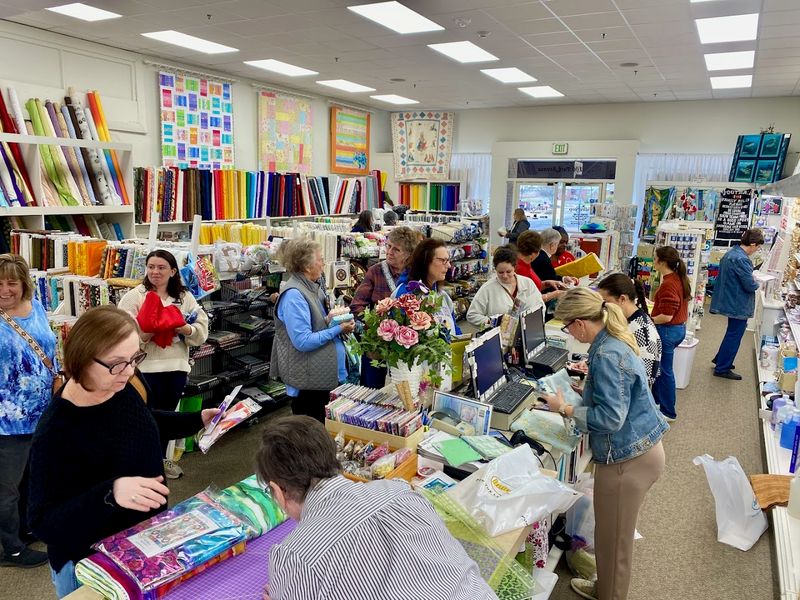
The small stuff matters and The Fabric Shop stocks a generous assortment of ribbons, buttons, threads, and sewing notions that complement their fabrics. I appreciated how notions are displayed so you can easily find coordinating trims without rifling through baskets.
Buttons are sorted by color and style and ribbons are offered in multiple widths which makes trim selection enjoyable rather than frustrating.
Practical supplies like quality scissors, measuring tools, and pattern weights are available too, and staff will help recommend the right needle or thread type for your chosen fabric. That kind of guidance saves shoppers from guesswork and wasted materials.
There are also quilt kits and pillowcase kits for quick, satisfying projects or gifts.
Before you buy yardage, pick up matching thread and a sample button to test scale. Keeping trim choices in mind at purchase time avoids last-minute mismatches at the finishing stage.
Community And Hospitality
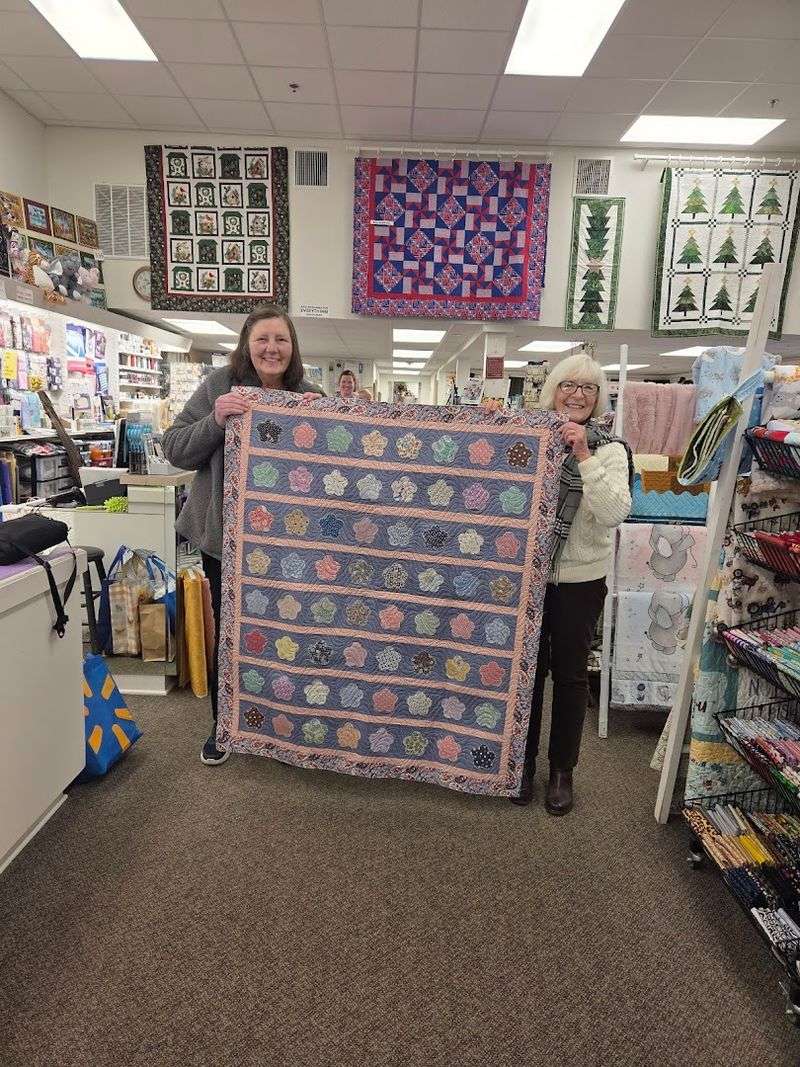
The Fabric Shop is family-owned by Ron and Louise Adams and they cultivate a sense of neighborly hospitality that regulars often mention. The shop displays quilt samples and community notices that connect shopping to local events, and window displays are changed to reflect upcoming festivals or seasonal themes.
That local orientation gives the store a civic presence beyond retail.
Community members travel significant distances to visit, suggesting the shop functions as a regional hub for sewing enthusiasts. Staff are ready to advise on projects and to assemble kits so customers can complete projects at home.
The owners’ veteran support for organizations like Quilts of Valor and Dogs for Veterans underlines that community engagement.
If you want local recommendations or sewing group information, ask at the counter; they often know who is hosting sew-ins and classes nearby. That insider knowledge makes a trip more than a shopping errand; it can turn into a social day out.
Window Displays And Visual Merchandising
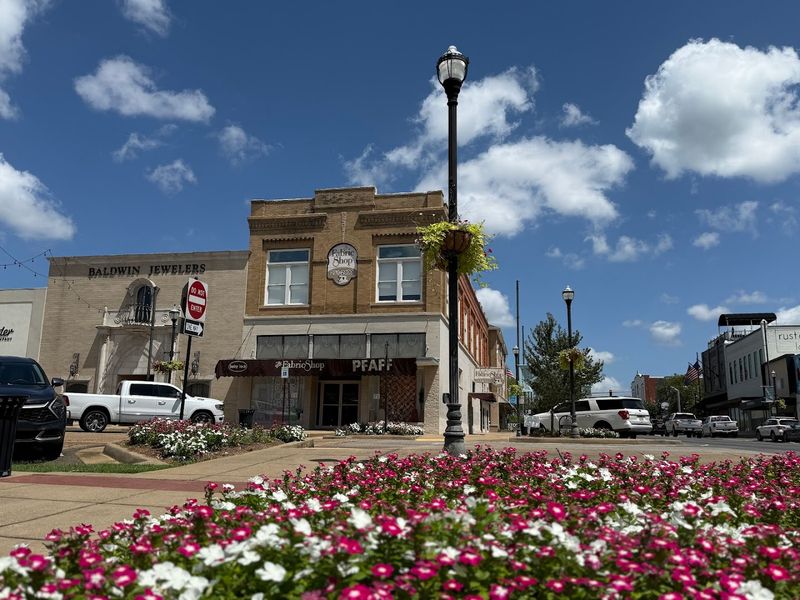
I kept returning to the windows because the visual merchandising is thoughtful and often tied to local events like Peach Fest or university schedules. The displays are not mere decoration; they communicate the shop’s current focus, whether it’s seasonal quilting patterns or Louisiana Tech themed fabrics.
That helps visitors decide if the shop has what they need before stepping inside.
Inside, quilt samples and project ideas are placed near related fabric categories which makes cross-referencing intuitive. Seeing a finished piece next to bolts shows scale and color relationships that are harder to imagine from a folded bolt alone.
Those displays silently teach fabric mixing and proportional thinking.
Photograph the windows if local events interest you, but respect the shop’s patrons by keeping shots quick. The displays are a reliable barometer of what the staff considers timely or popular.
Shopping Logistics And Hours
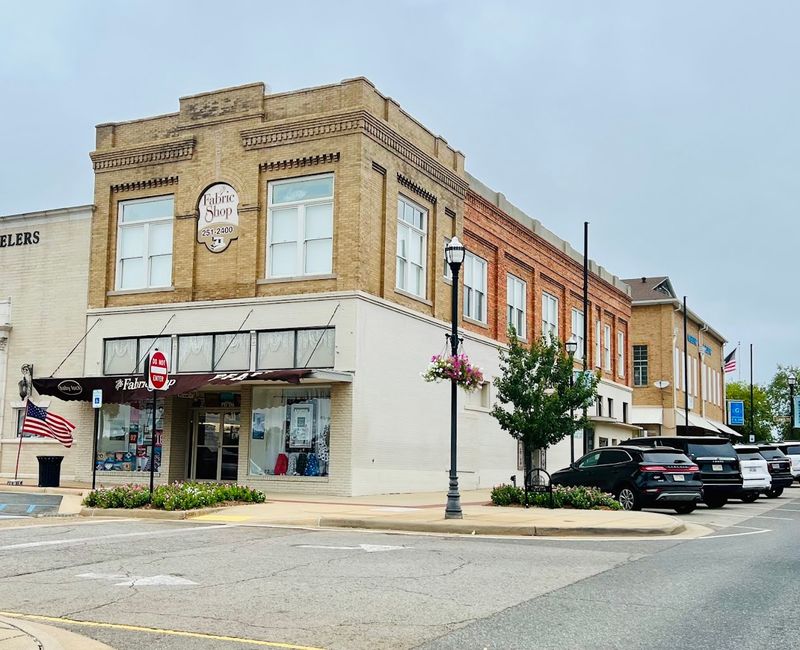
Practicalities matter and The Fabric Shop keeps regular weekday hours, opening at 10 AM and closing at 5 PM on most weekdays and closed on Sundays and Saturdays per posted schedule. If you’re planning a day trip, aim for mornings to catch freshly restocked bolts and quieter browsing time when staff can offer undivided attention.
Weekday visits also increase chances of speaking with Ron or Louise about machine demos or repairs.
The shop phone and website provide up-to-date information about classes and inventory; calling ahead is wise for specialized items or service appointments. Local customers often call to schedule machine maintenance so technician availability varies.
Online ordering is possible and some reviewers praised quick shipping and thoughtful packing.
Parking downtown is usually straightforward, but check for event closures during festivals. A quick phone call before a long drive saved me time on a busy weekend visit.
Louisiana Tech Fabric Exclusives
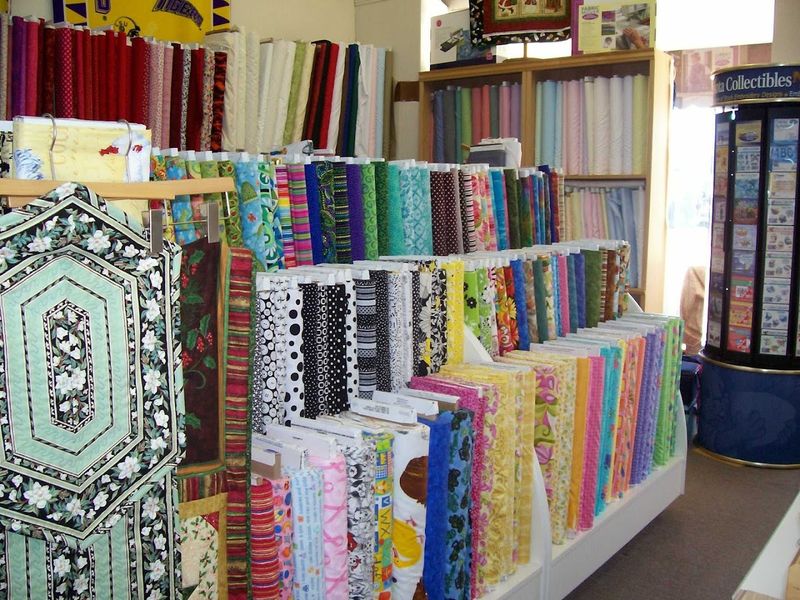
A distinctive reason folks make the drive to Ruston is the shop’s exclusive runs of Louisiana Tech fabric, pieces acquired when manufacturers discontinued production. That local connection means alumni, students, and local crafters can create university-themed projects without hunting online.
These exclusive bolts often feature team colors and motifs and are shelved so you can coordinate backing and borders within the store.
Because these runs are limited, I recommend asking staff about yardage availability and whether similar designs are scheduled to return. The team is pragmatic about special orders and will advise on substitutes when a mill run is exhausted.
That transparency prevents disappointment and helps plan meaningful projects.
If you want a matched set for a large quilt, request to see coordinating solids and blenders; combining exclusive prints with neutrals often yields the strongest results. Staff knowledge is particularly helpful for sizing panels into quilts or cushions.
Quilt Samples And Inspiration
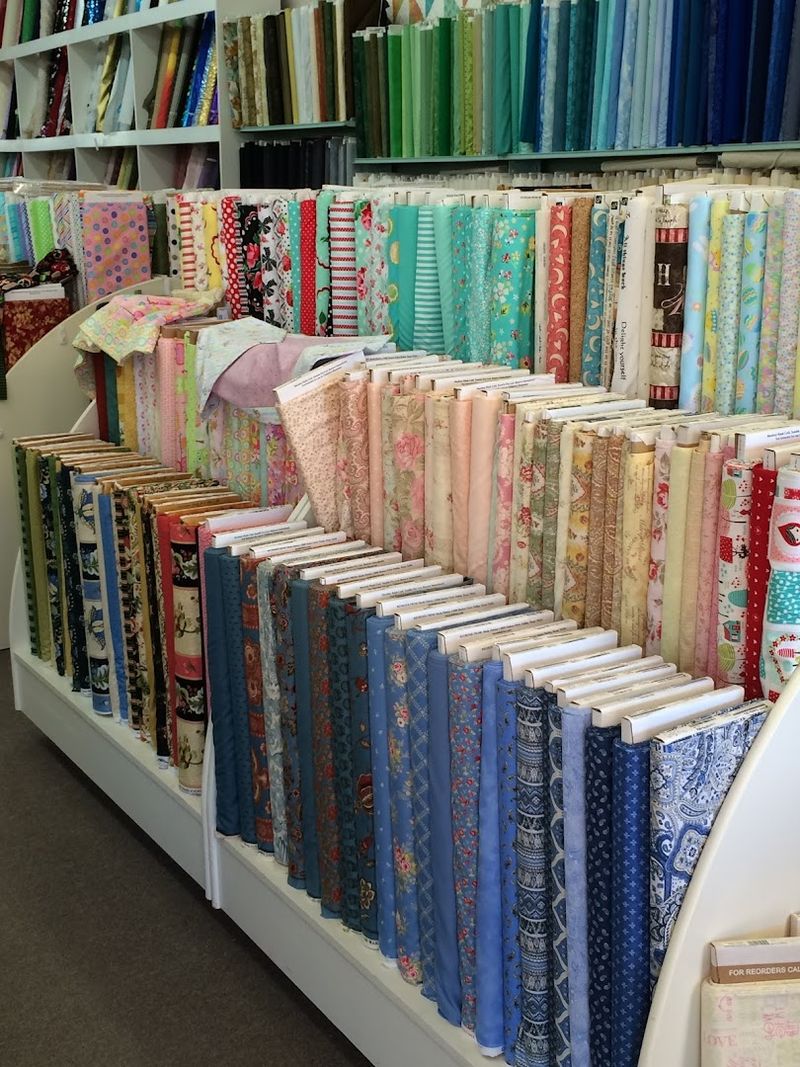
The shop displays numerous quilt samples and finished projects throughout, and that steady stream of visual inspiration is one of its best features. Seeing completed quilts in different scales and fabric combinations helps shoppers predict how prints behave at larger sizes.
I found that a single example could change my approach to border widths or block placement more than any pattern illustration could.
Staff are willing to point out construction techniques used in samples and suggest pattern adaptations to suit your skill level. Those chats can cut through uncertainty when a pattern seems overwhelming on first glance.
Samples also function as teaching aids for classes and demonstrations the shop hosts.
Take photos of any sample that resonates and jot down approximate dimensions from signage or staff notes. Those references make replicating a favored layout much simpler when you get back to your sewing room.
Customer Tips And Etiquette
My final tip covers etiquette and practical habits that improve a visit: measure twice, ask before photographing other customers or staff, and bring project notes. The shop’s staff are generous with time when customers come prepared with yardage needs or project pictures.
Bringing precise measurements and an intended use streamlines fabric selection and makes it easier for staff to suggest stabilizers and backing options.
Some reviewers mentioned tense interactions in rare cases, so a calm, clear approach helps maintain a pleasant exchange for everyone. If you need service on a machine not purchased there, call ahead to confirm policies and expected fees.
Clear communication prevents misunderstandings and keeps the focus on solving problems.
Finally, sign up for class notices and check the website before a long drive. Doing so maximizes your chance of catching a workshop or finding special fabrics that prompted your trip in the first place.