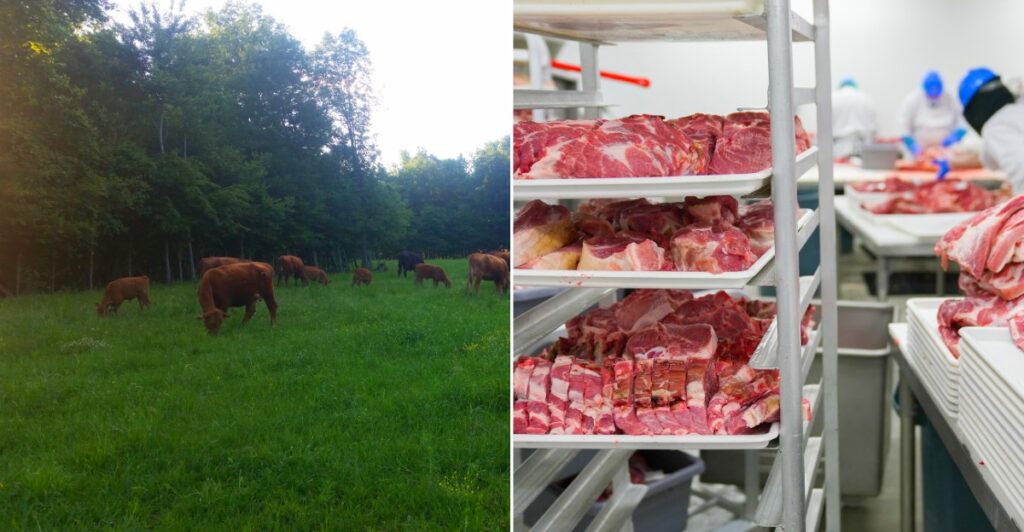
One beef share from a small family farm in central Louisiana delivers roughly 60 to 70 pounds of vacuum-sealed cuts. That is a lot of future dinners arriving all at once.
The cattle eat grass from start to finish, with no grain finishing at all. Added hormones and growth promotants never enter the picture.
I like how the whole operation grew out of a family health journey. The owners wanted to know exactly where their food came from, so they started raising it themselves.
That kind of motivation feels honest to me. I believe it shows in how openly they explain every single step.
There are pasture pigs and Jersey cows in the mix too. What does it really take to stock a freezer the old-fashioned way, straight from the field?
Grass From The First Bite To The Very Last
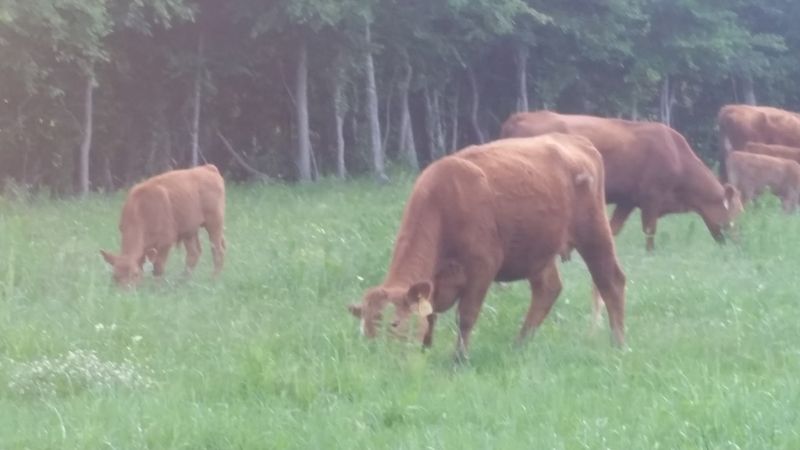
Some beef labeled grass-fed spends its final months eating grain. Not here, and that difference matters more than most folks realize.
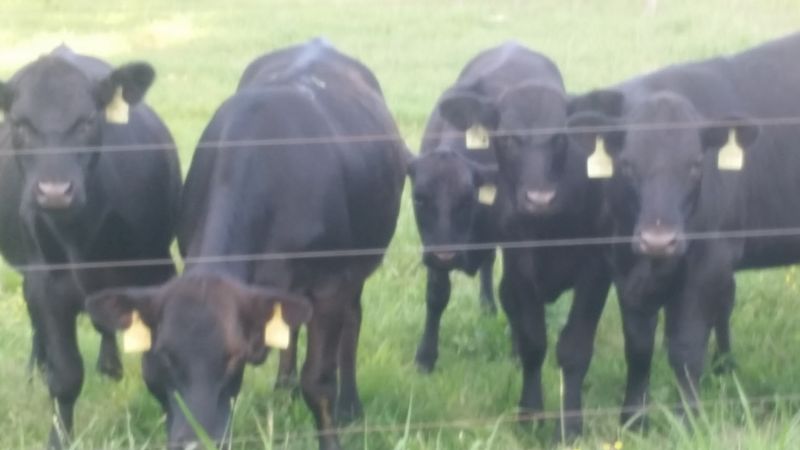
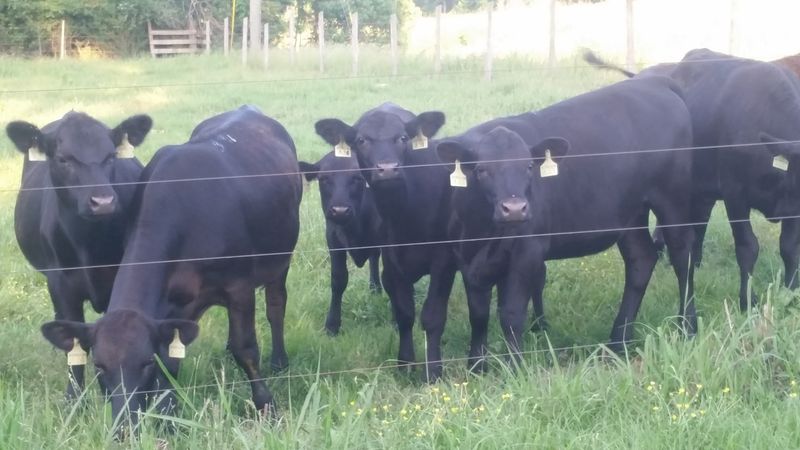
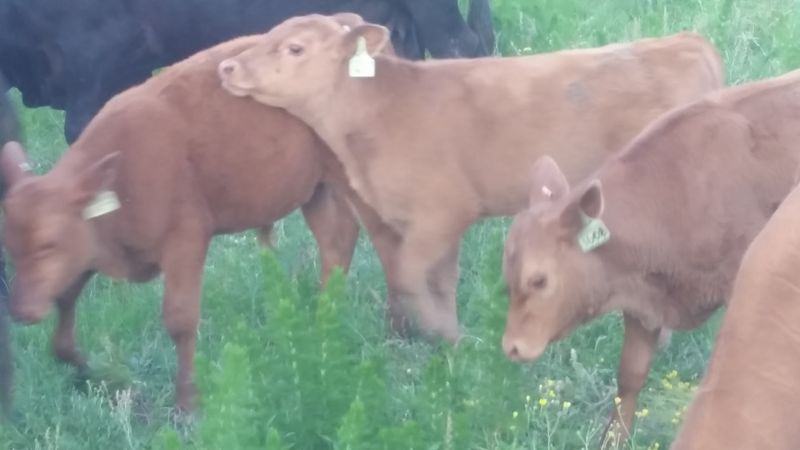
The cattle at Butterfield Farms are 100 percent grass-fed and grass-finished. They graze the farm’s own pastures and are never finished on grain.
Why should you care? Grass-finished beef comes from animals eating the diet cattle naturally prefer, which many shoppers look for specifically.
The herd is chosen with Louisiana weather in mind. Heat-tolerant cattle can keep grazing efficiently even when the summer sun gets serious.
That detail sounds small, but it really is smart planning. A cow that handles the heat well spends more time eating grass and less time hunting for shade.
Shoppers who have only bought grocery store beef might want to cook grass-finished cuts a little more gently. Leaner meat often does best with careful heat and a good rest before slicing.
Think of it as a fresh chapter in your cooking routine. Once you get the hang of it, those steaks and roasts become the stars of the week.
Grass from start to finish keeps the promise simple. You know exactly what went into the animal before it reached your plate.
Butterfield Lane Is The Last Clue
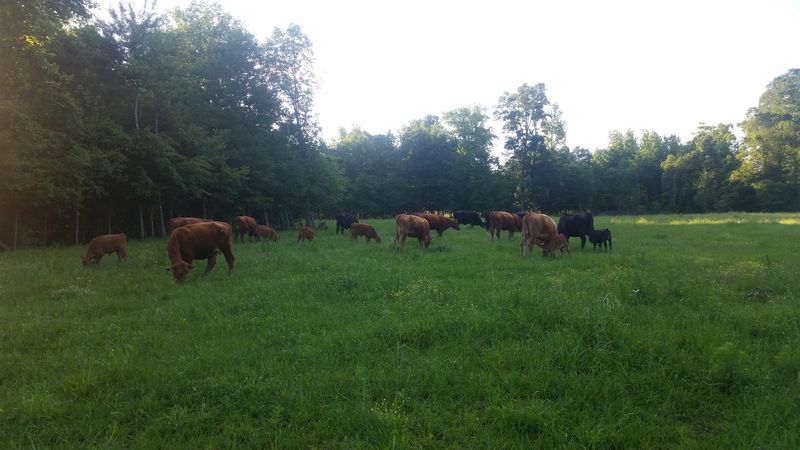
Butterfield Farms is based in Pollock, Louisiana, north of Alexandria in Grant Parish. Use the U.S. Highway 167 corridor to reach the Pollock area, then navigate toward the farm’s address at 228 Butterfield Lane.
Butterfield Lane is the important final landmark: this is a rural farm address rather than a storefront on Pollock’s main highway. Keep the exact street address handy when leaving the larger roads for the local approach.
Contact the farm before driving out to arrange a visit or beef pickup. Follow the family’s instructions for where to enter and collect an order rather than assuming the property operates as a walk-in retail shop.
The Cows Never Stay Put For Long, And That Is The Point
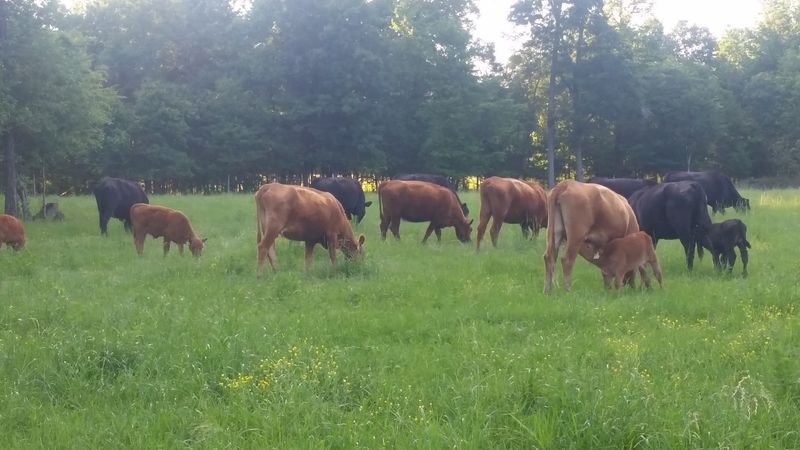
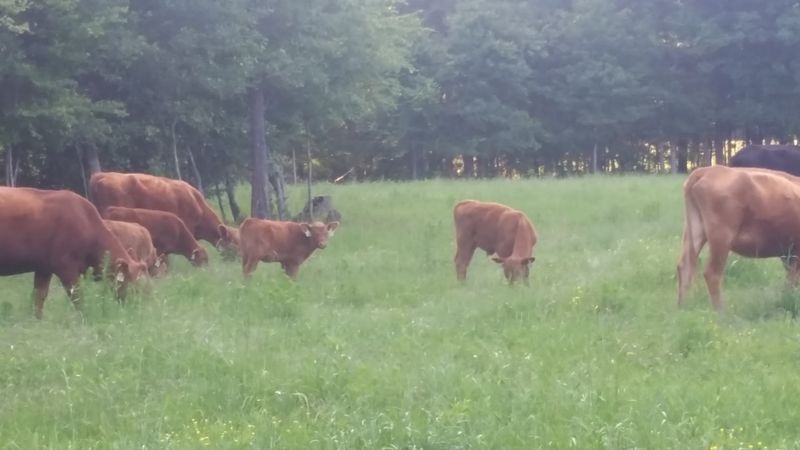
Moving day happens often around here. The cattle rotate from pasture to pasture on a regular schedule instead of camping in one field.
This approach is called regenerative or rotational grazing. Butterfield Farms uses it so grasses get time to rest and regrow after the herd moves along.
Picture a lawn that never gets mowed too short. The plants bounce back stronger, and the ground underneath stays healthier.
The farm says this method promotes plant diversity and better soil health. It also lets the cattle follow their natural grazing behaviors, which seems like a pretty good deal for everyone involved.
Healthy soil holds more life, and healthy grass feeds healthier animals. It is a loop that keeps improving the land season after season.
I find it refreshing when a farm treats its dirt like a long-term partner. Great beef really starts underground, with roots and soil doing quiet work.
For families buying a beef share, this matters beyond flavor. You are supporting a system built to take care of the pasture for years to come.
So the next time you grill a burger from this farm, give the grass a little credit. It earned it.
Clear Some Freezer Space, Because One Share Is A Big Deal
Sixty to seventy pounds of beef. That is the approximate size of a single share from Butterfield Farms, and it fills a freezer fast.
Each share includes a variety of cuts rather than one type of meat. Everything arrives frozen and vacuum-sealed, ready to stack and store.
The farm sells shares through a Community Supported Agriculture model, often called a CSA. Basically, you buy directly from the people raising the animals.
A share like this can cover many weeknight dinners and weekend cookouts. Fewer last-minute grocery runs sounds like a win to me.
Before ordering, measure your freezer space honestly. A chest freezer makes life much easier than trying to wedge everything around ice trays and frozen peas.
Labeling helps too. Group roasts, steaks, and ground beef together so you can grab dinner without a frosty treasure hunt.
Vacuum sealing protects the meat from freezer burn, which is great news for slow eaters. Still, it is smart to rotate older packages to the front.
Splitting a share with friends or family is another clever move. You get the same quality beef while sharing the freezer load, and nobody has to buy a second appliance.
Small Freezer? Individual Cuts Have Your Back
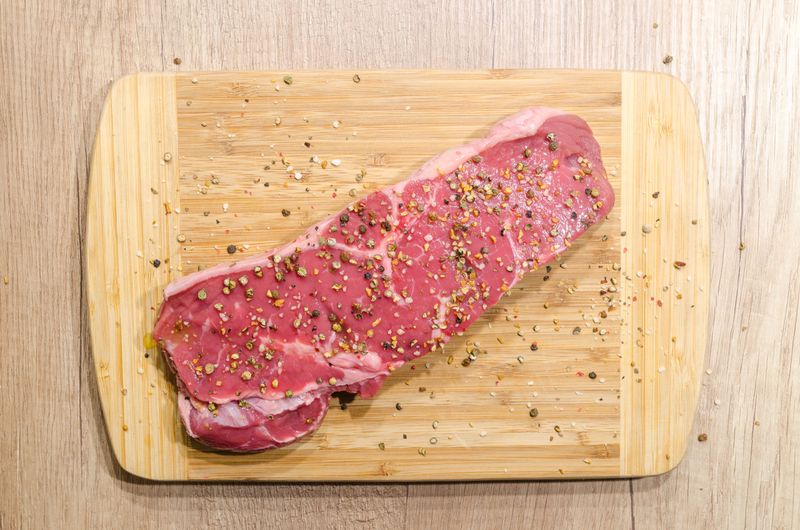
Not everyone has room for a mountain of beef. Apartment freezers, crowded kitchens, and small households all deserve good steak too.
Butterfield Farms understands that. Along with full shares, the farm offers individually packaged retail cuts for folks who don’t need a bulk order.
This option works nicely as a test run. You can try the grass-finished beef first and decide later if a whole share makes sense.
It also helps when you just want something specific. Maybe a special dinner calls for a nice steak, or taco night needs ground beef.
Retail cuts let you shop more like a regular store, only with the farm behind every package. You still get the same pasture-raised quality without committing to dozens of pounds.
I think this flexibility is one of the farm’s smartest choices. It opens the door to families who might otherwise skip local beef entirely.
Gift ideas count too. A few quality cuts make a thoughtful present for the grill lover who already owns every gadget.
Start small, learn what your family enjoys, and build from there. Your freezer, and your budget planning, will thank you for easing in.
No Mystery Ingredients Hiding In The Fine Print
Reading meat labels can feel like decoding a secret message. Butterfield Farms keeps its promises short and easy to understand.
The farm says it never uses added hormones or growth promotants. The animals grow at their own natural pace on pasture.
Antibiotics follow a clear rule as well. They are only used when an animal’s health or life depends on it.
Here is the part I really appreciate. If an animal is treated, the farm shares full details about the treatment and timing with customers.
That kind of openness is rare and refreshing. Most of us never get to ask the person who raised our dinner a direct question.
Animal care goes beyond medicine too. The farm describes low-stress handling, attentive care, and plenty of room to roam on open pasture.
Calm cattle living naturally just sounds right. It fits the larger goal of raising animals with integrity from beginning to end.
For parents shopping for their kids, these details offer real peace of mind. You know what went into the beef, and you know what stayed out.
Honest answers make dinner taste a little better.
Trusted Local Partners Handle The Butcher Work
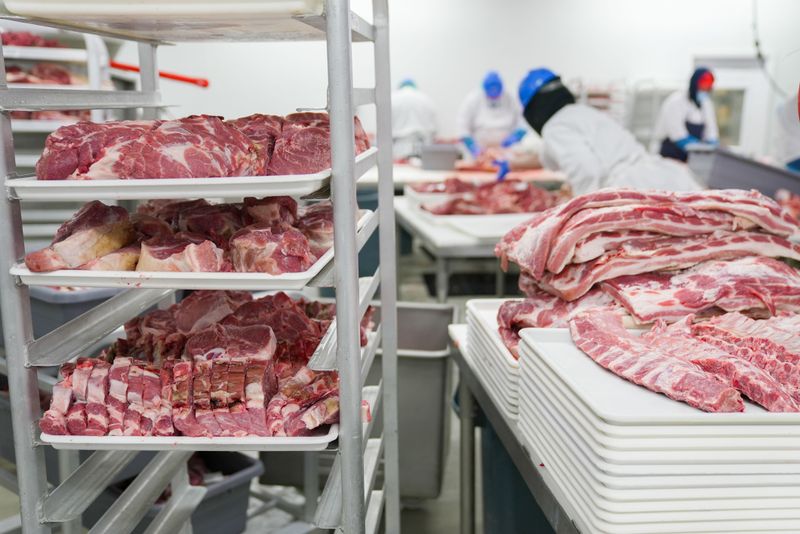
Raising cattle is one skill. Turning them into neat packages of steaks and roasts is a completely different craft.
Butterfield Farms raises its animals on the farm, then relies on trusted regional partners for processing. Splitting the work this way lets each team focus on what it does best.
The cattle travel to Stone Mountain Meats for humane harvesting. From there, PJ’s Market handles the professional cut and wrap services.
USDA-inspected processing is available as well. That adds another layer of confidence for families stocking up.
I like that the farm names its partners openly. You are not left guessing where your beef went between the pasture and your freezer.
Working with regional businesses also keeps more of the process close to home. That supports other skilled workers in this part of Louisiana.
Professional cutting matters more than you might think. Clean, consistent cuts cook more evenly and look great on the plate.
Once everything is wrapped, the beef is ready to head your way. All that careful handoff work happens behind the scenes, so you only see the tidy, vacuum-sealed result.
Your Beef Can Come To You, Free Of Charge
Complimentary delivery might be the sweetest phrase in the whole beef-buying process. After processing, Butterfield Farms brings the order to customers without charging a delivery fee.
That saves you a trip and plenty of planning. No juggling coolers in the back seat on a hot Louisiana afternoon.
Local pickup is also an option for anyone nearby. Some folks simply enjoy collecting food right from the source.
The farm sits at 228 Butterfield Lane, Pollock, Louisiana 71467. Pollock is a small community in central Louisiana, north of Alexandria.
Before heading out, reach out to the farm first. A quick check makes sure someone is ready when you arrive.
If you pick up, bring insulated bags or coolers. Frozen beef stays happiest when it moves quickly from one freezer to the next.
Delivery days are a great time to clear your freezer in advance. Nothing kills the mood like realizing the ice cream needs a new home.
Either way, getting the beef home is refreshingly simple. The hard part might be choosing which cut to cook first.
Pigs In The Pasture And Jersey Cows Helping Out
Beef gets top billing, but the supporting cast deserves applause. Butterfield Farms also raises Idaho Pasture Pigs for pasture-raised pork.
These pigs are known for doing well on grass. It fits right in with the farm’s pasture-first way of thinking.
Then come the A2A2 Jersey cows. Their milk helps supplement the pigs’ feed, which is a clever bit of teamwork.
I love how each animal plays a role here. It feels less like a factory and more like a busy little ecosystem.
Curious families can even see the farm in person. Butterfield Farms welcomes visits, though it asks guests to contact them beforehand.
That request makes perfect sense on a working farm. Chores do not pause, and someone needs to be free to show you around.
A visit could be a fun lesson for kids who think food starts at the store. Seeing pigs, cows, and pastures up close sticks with young minds.
Plan ahead, wear shoes you do not mind getting muddy, and enjoy the scenery. Your freezer and your curiosity both get something good out of this Louisiana farm.