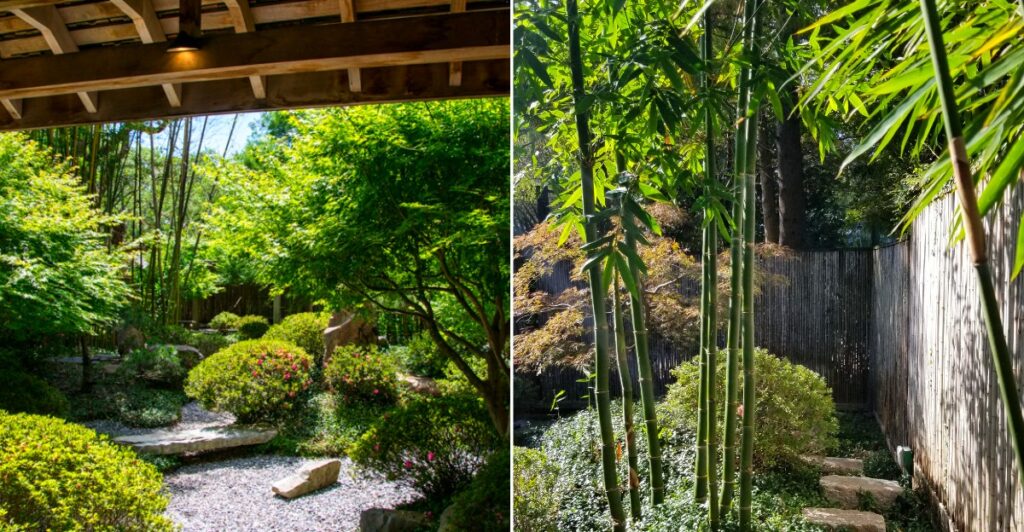
Some city escapes announce themselves with fountains and grand entrances. This one prefers bamboo, stone paths, quiet corners, and the kind of atmosphere that makes you instinctively lower your voice.
Tucked inside a larger botanical setting, the garden connects New Orleans with Japanese design traditions through carefully arranged plants, sheltered seating, and details meant to be noticed slowly rather than photographed in a hurry.
A peaceful corner of Louisiana, this New Orleans Japanese garden blends cultural symbolism, thoughtful landscaping, and genuine escape from the city’s louder attractions.
What I like most is its restraint. Nothing needs to shout for attention, because the pleasure comes from spotting small design choices and understanding the story behind them.
It is compact, contemplative, and refreshingly different from the city’s usual energy. Reported restoration work means checking current access before visiting, but when open, this is a place worth approaching without a schedule.
Find The Garden Within The Garden
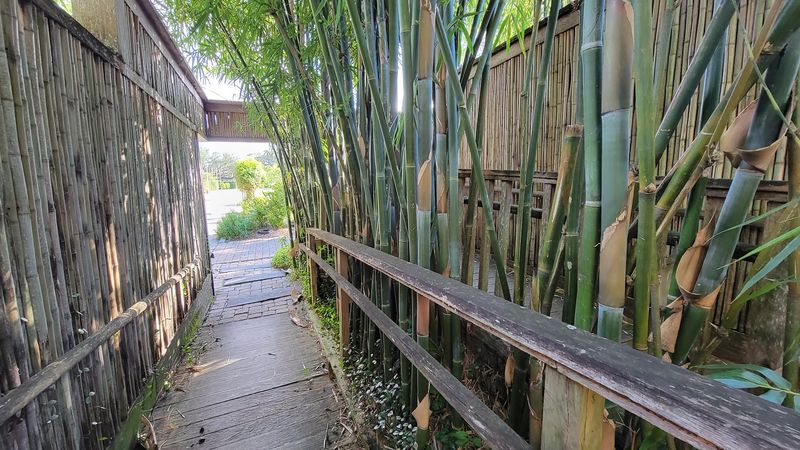
The address gets you to the Botanical Garden, not a separate Japanese garden gate. Yakumo Nihon Teien sits within that larger setting, so plan to enter through the Botanical Garden rather than searching nearby streets for an independent entrance.
Once inside, ask staff for the current route, particularly while restoration may affect movement. The garden has been described as lying just past the Historic New Orleans Train Garden, with its bamboo planting providing another useful clue.
Think of the approach as part of the experience instead of a navigation puzzle. Keep your admission information handy, follow posted directions, and avoid slipping through any closed passage simply because the destination looks close.
A little preparation saves unnecessary wandering and leaves more attention for the garden itself, where small details deserve a much slower pace than the walk over.
Victory Avenue Gets You To The Garden Gate
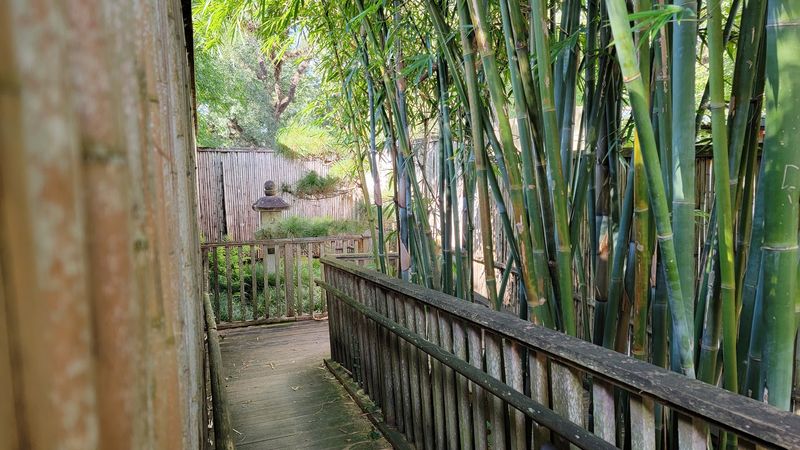
Yakumo Nihon Teien sits inside the New Orleans Botanical Garden at 5 Victory Avenue in New Orleans, Louisiana, within City Park. Victory Avenue is the practical final approach, with the Oscar J.
Tolmas Visitor Center serving as the main entrance to the Botanical Garden.
The last stretch opens into City Park’s broad lawns, old trees, and garden attractions. Once the Tolmas Visitor Center and nearby Tricentennial parking area come into view, you are at the right entrance for the Botanical Garden rather than looking for a separate Japanese garden gate.
Use the free Tricentennial parking lot near Victory Avenue or other free City Park parking, then enter through the Tolmas Visitor Center and continue on foot into the Botanical Garden. Yakumo Nihon Teien is currently closed for renovation, so check its status before making a visit specifically for the Japanese garden.
Bamboo Makes A Living Boundary
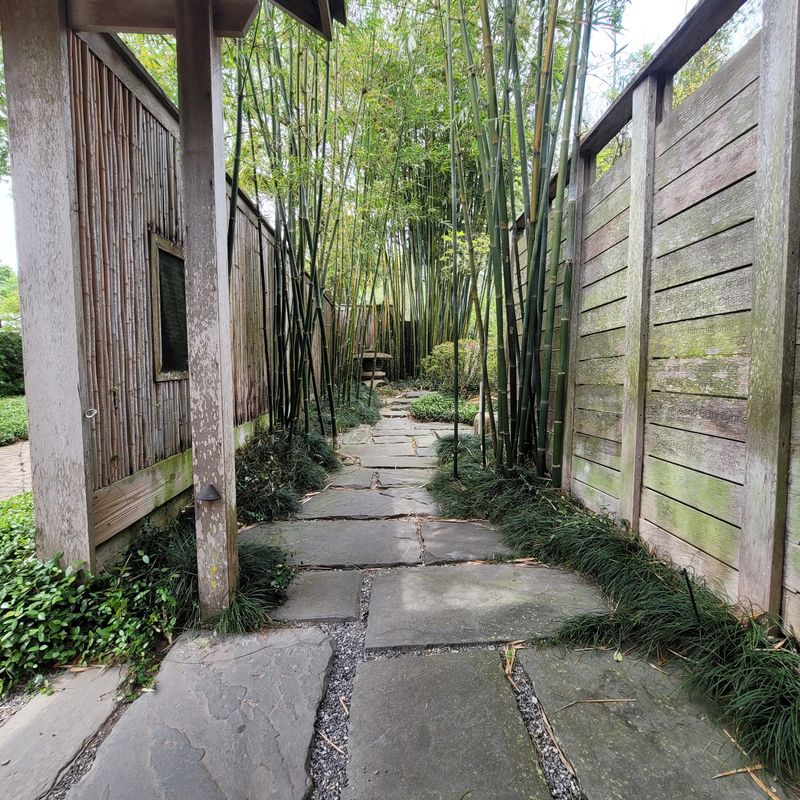
A curtain does not always need fabric. Here, the carefully pruned bamboo helps define the garden’s edge, giving this small space a sense of separation from the broader Botanical Garden around it.
When access resumes or is confirmed, pause near the approach and notice how stems and leaves shape what you can see. Rather than trying to photograph everything at once, frame a narrow view through the planting to show how the boundary works.
Leave the bamboo untouched, and stay on the designated route instead of stepping into the thicket for a better angle. Its effect depends on thoughtful care, not simply letting a patch of plants grow anywhere.
That is the useful lesson to carry into the visit: even the green edges have a job, helping turn a modest garden into a more sheltered place for quiet attention.
A Tea Garden Rewards Small Discoveries
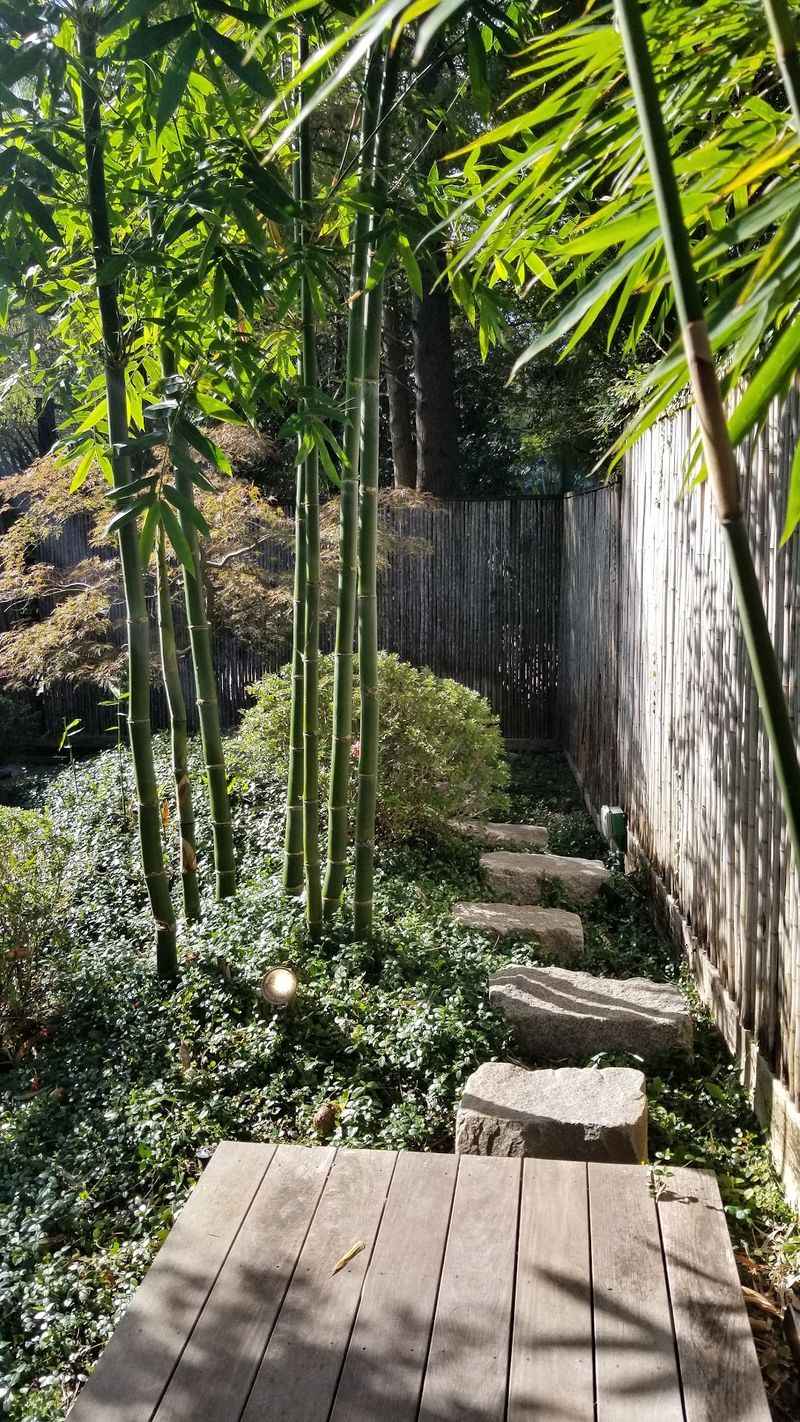
Big spectacle is not the point of this landscape. Yakumo Nihon Teien was conceived in the contemplative style of a traditional Japanese tea garden, where the arrangement of ordinary natural elements matters more than an oversized centerpiece.
Give yourself permission to look at less. A bend in the path, the space around a stone, or the meeting of wood and foliage can offer more to notice than a quick photograph of the whole garden.
Keep conversation low and let other visitors have room to pause without feeling hurried. You do not need special knowledge of Japanese design to appreciate the setting, but it helps to arrive without expecting a large attraction packed with displays.
The practical trick is simple: choose one view, study it for a moment, and then move along when you are ready to notice something else.
The Name Connects Two Cultures
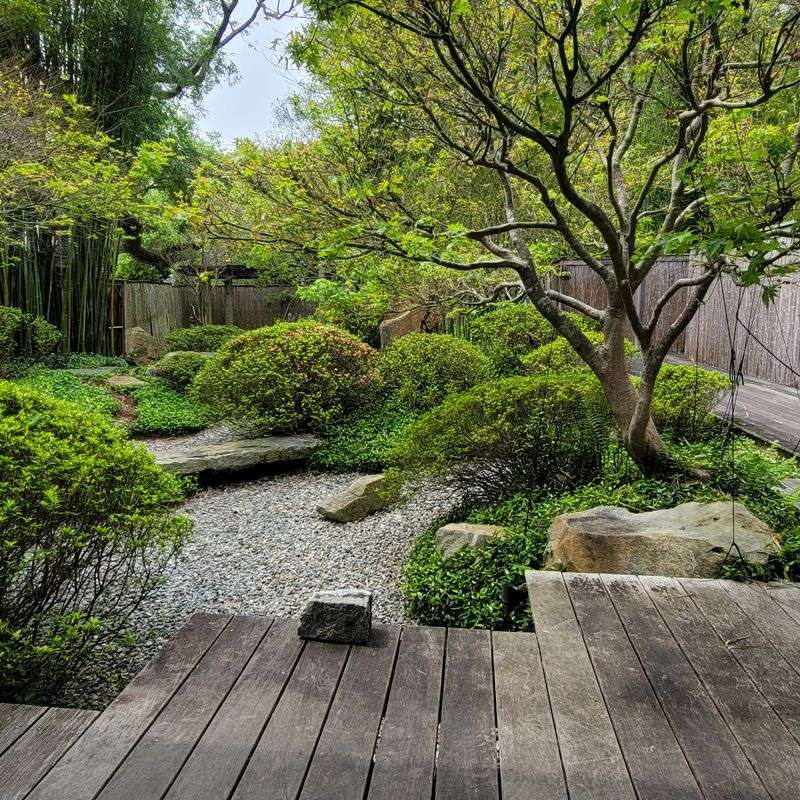
One writer’s life provides the bridge behind the garden’s name. Lafcadio Hearn lived in New Orleans from 1877 to 1887, then traveled to Japan in 1890 and eventually became a Japanese citizen named Koizumi Yakumo.
Nihon Teien means Japanese garden, while Yakumo honors Hearn and the cultural connection his work represents. His writing helped introduce Japanese life and traditions to Western readers, making the name much more than a decorative label.
Read a little about him before your visit, or save his story for a quiet moment afterward. Knowing the background gives the landscape another layer without turning your walk into a history assignment.
Instead of treating Louisiana and Japan as unrelated worlds, the garden offers a small, thoughtful reminder that people, books, and ideas can connect places separated by a very large stretch of ocean.
Stone Paths Set The Pace
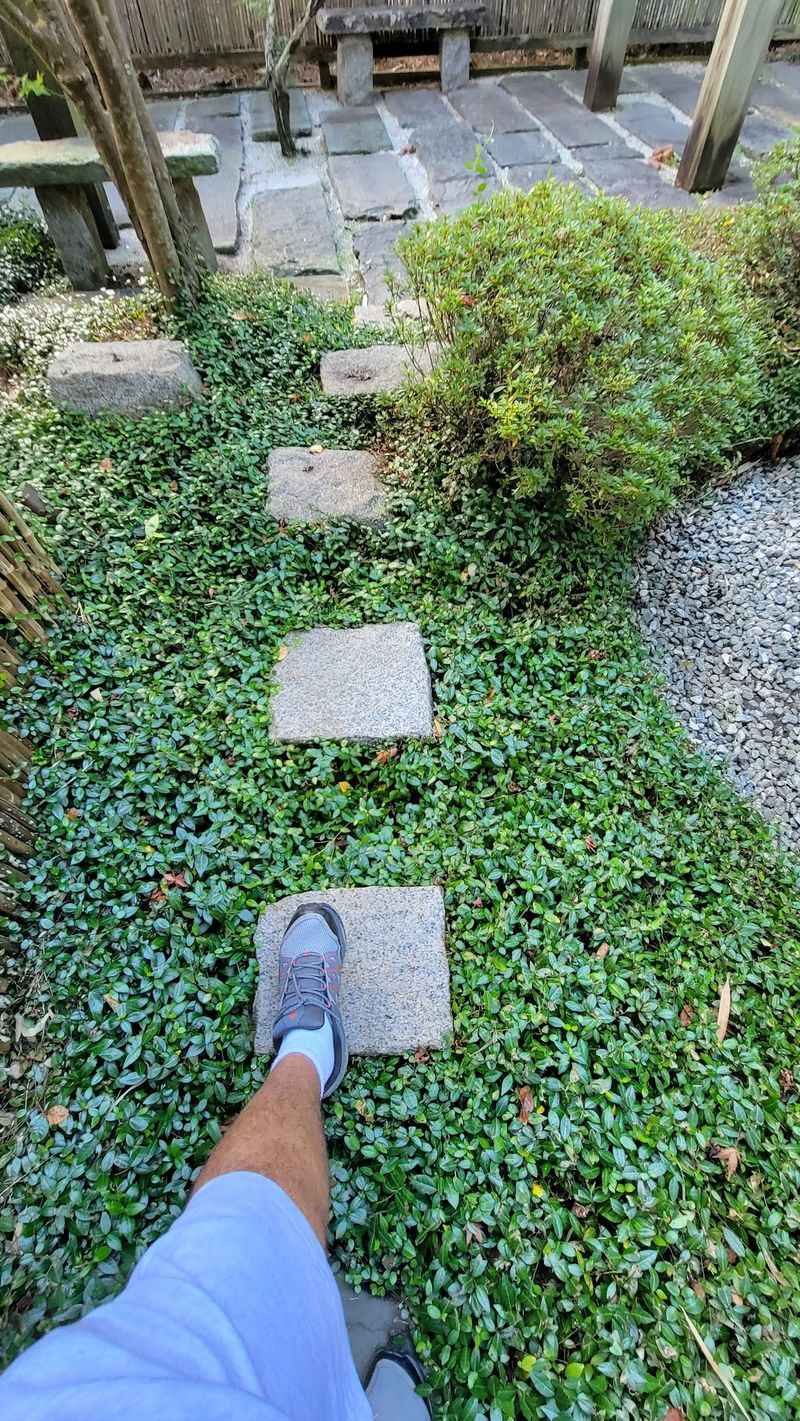
Underfoot, the design asks for a little attention too. Landscape architect Robin Tanner selected significant stones from a Tennessee quarry for the garden, making the paths part of its crafted character rather than merely a way to get across it.
Look at the changes in shape and spacing as you walk, but keep your eyes on your footing as well. Comfortable shoes with a secure grip are a sensible choice, especially if recent rain has left outdoor surfaces damp.
Ask staff about current path conditions and access needs before entering, since restoration can change the available route. Avoid assuming that a garden path will work equally well for every visitor.
Moving slowly serves two purposes here: it helps you travel carefully, and it gives the stonework time to become something you actually notice instead of simply walking over.
A Sheltered Seat Changes The View
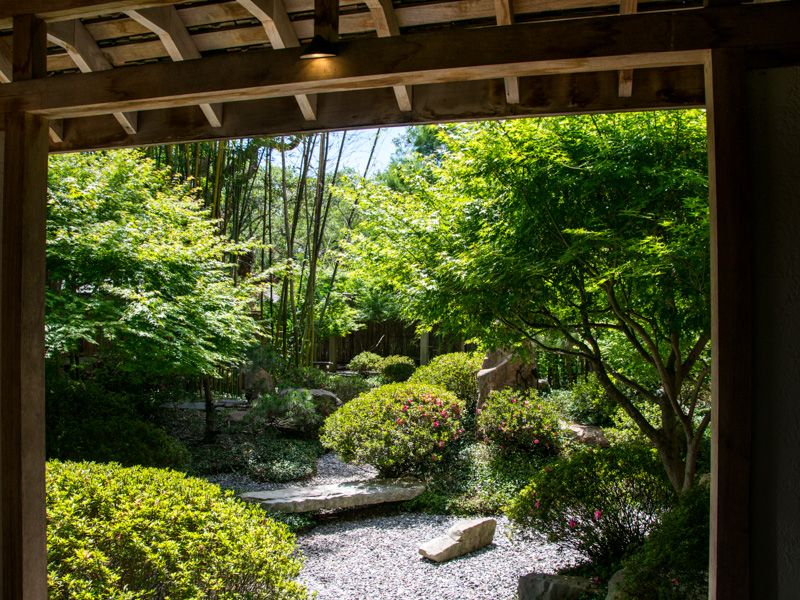
Sitting can reveal what walking misses. The garden includes a machiai, a small covered waiting structure with a bench, which offers a sheltered place to take in the landscape from a more settled viewpoint.
In the context of a tea garden, that pause belongs to the design rather than being an extra convenience. When the structure is accessible, use it to compare the view from seated height with what you noticed along the path.
Share the space politely, and do not assume that a covered bench means a tea service is available. A machiai is not proof of a scheduled ceremony or staffed activity.
Its simplest gift is a reason to stop moving for a while. Put your phone away for part of that pause, allowing the arrangement of plants, stone, and open space to hold your attention instead.
Lanterns Carry A Sister City Story
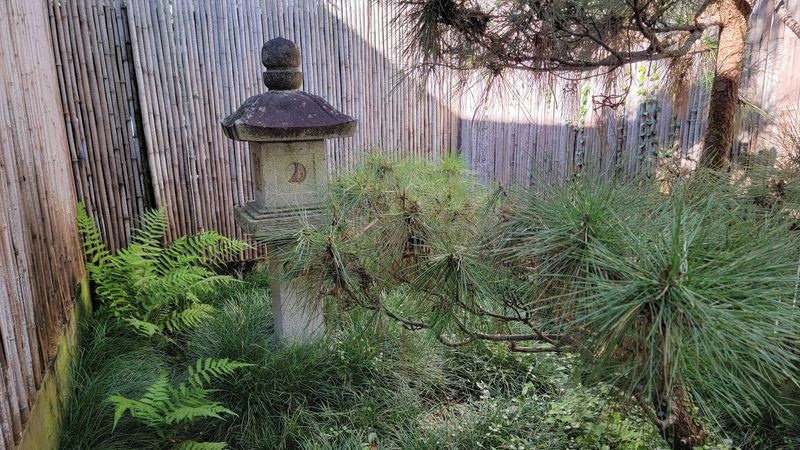
A stone lantern can be more than a pretty shape beside a path. Some lanterns in Yakumo Nihon Teien were gifts from Matsue, Japan, linking garden details to New Orleans’ sister city relationship.
Matsue also connects with Lafcadio Hearn, who once settled there. Together, the garden’s name and these donated features make the cultural exchange visible in a way that feels quieter than a large monument or formal display.
Notice each lantern’s outline and its relationship to nearby planting rather than treating it as a prop. Do not climb on stone features, move objects, or place belongings on them for a photograph.
If interpretive information is available during your visit, take time to read it. Understanding who contributed a feature can change how you see it, turning an attractive object into a sign of friendship between two distant cities.
Seasonal Color Is Not A Guarantee
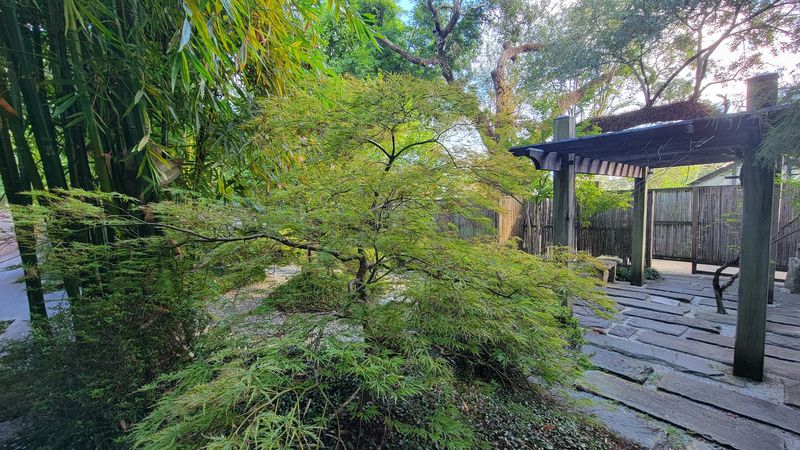
Plants do not consult your travel calendar before putting on a show. The garden’s described features include a wisteria arbor, while seasonal accounts mention irises and changing foliage, but no particular bloom should be promised for your visit.
Ask the Botanical Garden what is currently growing or flowering in this section, especially as restoration may alter the planting. That question is more useful than relying on an old photograph with no clear date.
Even without flowers, leaf shapes, shades of green, and the balance between planting and stone provide plenty to study. Bring water for your broader outdoor visit and dress for the day’s weather rather than for an imagined cool retreat.
Bamboo creates a visual boundary, not a climate bubble. Let the actual season set your expectations, and the garden becomes interesting for what is present, not absent.
Restoration Belongs To Its History
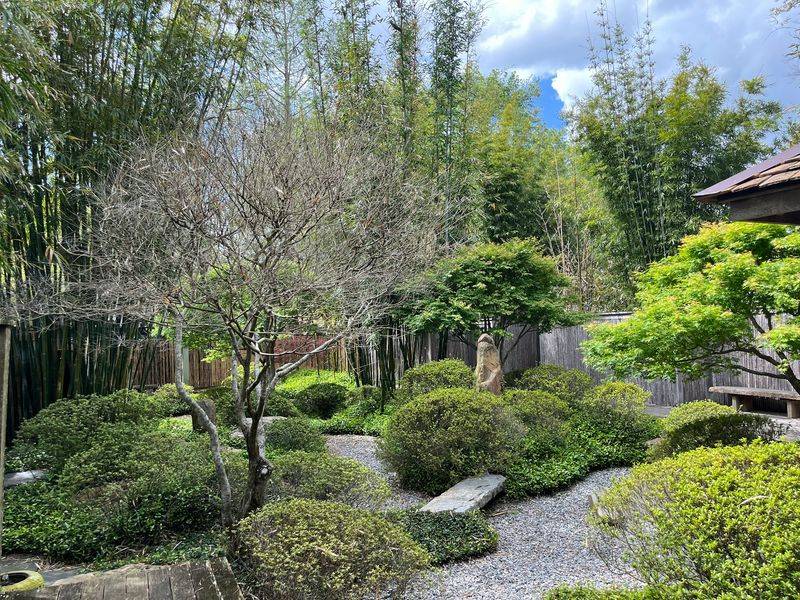
The garden’s story includes a remarkably difficult beginning. After years of effort that started with the Japanese Garden Society of New Orleans in 1985, ground was broken in 2003 and the garden opened in July 2005.
Hurricane Katrina struck the following month, flooding the site and damaging many plants. Much of the stonework and physical structure survived, helping make restoration possible before a grand reopening in 2007 and later expansion.
Remember that history when you encounter present work or a temporarily unavailable area. A living garden needs ongoing care, and protecting its future may mean changing how visitors experience it today.
Follow barriers without trying to reach a favorite photo spot, and ask staff which areas can be viewed safely. The lasting achievement here is not an untouched scene, but a place repeatedly cared for after serious setbacks.
Look For Cultural Programs Before Visiting
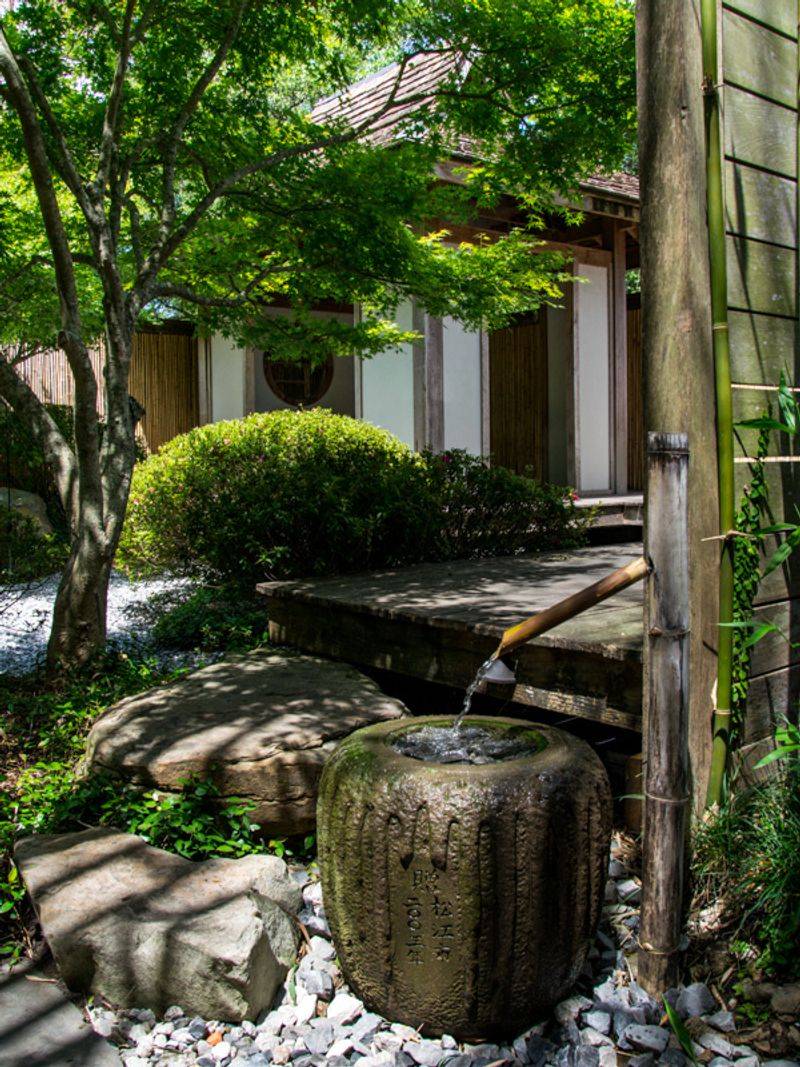
A carefully arranged branch can tell a different story from a planted tree. The garden was envisioned as a setting for Japanese cultural traditions, including ikebana flower arrangement, bonsai, and sado, the practice of the tea ceremony.
Those connections do not mean demonstrations happen every day, or that any program is currently offered during restoration. Check the Botanical Garden and the Japanese Garden Society of New Orleans for confirmed dates, access details, and any reservation requirements.
If a suitable event is announced, read its guidance before attending and give presenters room to work. Without a program, the landscape still offers a useful starting point for learning about Japanese approaches to nature and design.
Keep your expectations specific: come for an advertised activity when one exists, or enjoy the garden itself when access is available, without expecting an unscheduled performance.