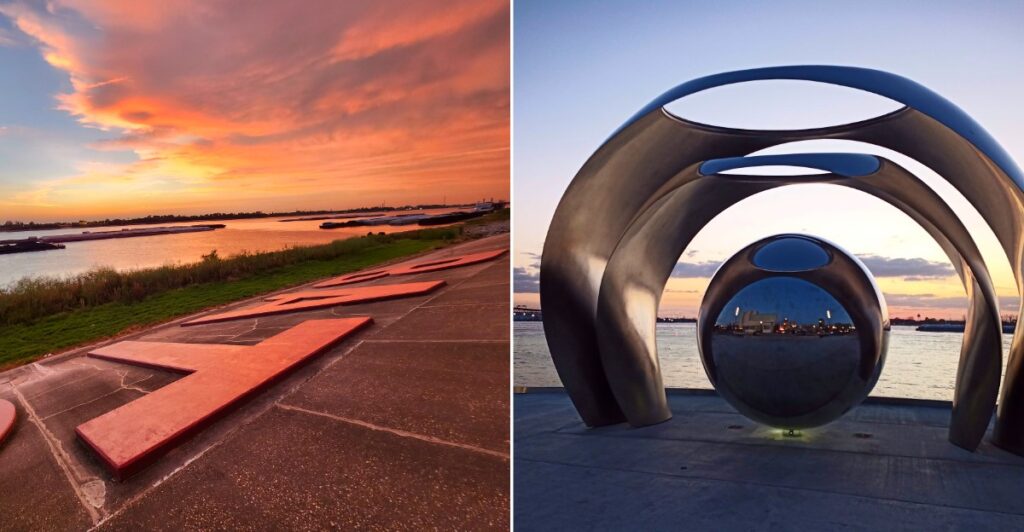
A paved bike path runs on top of a levee, high above the Mississippi River, for roughly 13 miles. Cargo ships drift past while you pedal. That alone sounds like a pretty great way to spend a morning.
The path is 15 feet wide, with separate lanes for bikes and for walkers. It stays almost totally flat, so nobody has to fear a surprise hill. I like how that makes it friendly for beginners and serious riders alike.
One end starts beside a shiny mirrored sculpture in a capital city. The other end reaches open fields and farmland far from downtown. In between, you pass museums, a famous college campus, and horses.
I believe Louisiana keeps some of its best views up high. So how far would you ride before turning around?
Start Your Ride Next To A Sculpture That Shows You Yourself
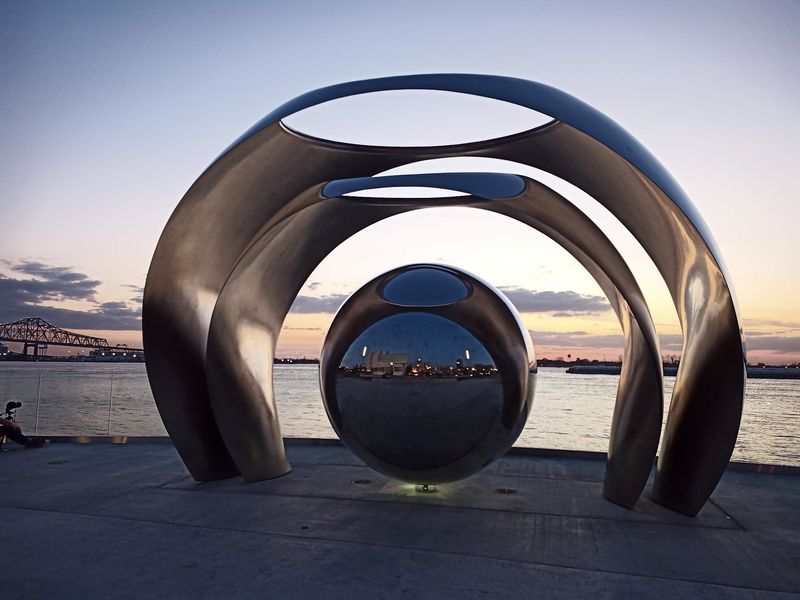
Few trailheads come with a giant mirror. The downtown start sits at Mississippi River Park, home to the reflective sculpture called Sing the River.
Its shiny surface bounces back the sky, the river, and your pre-ride face. Go ahead and snap a photo before the wind messes up your hair.
You’ll find this launch point at 299 River Road, Baton Rouge, Louisiana 70801. The park stays open 24 hours a day, every day of the week.
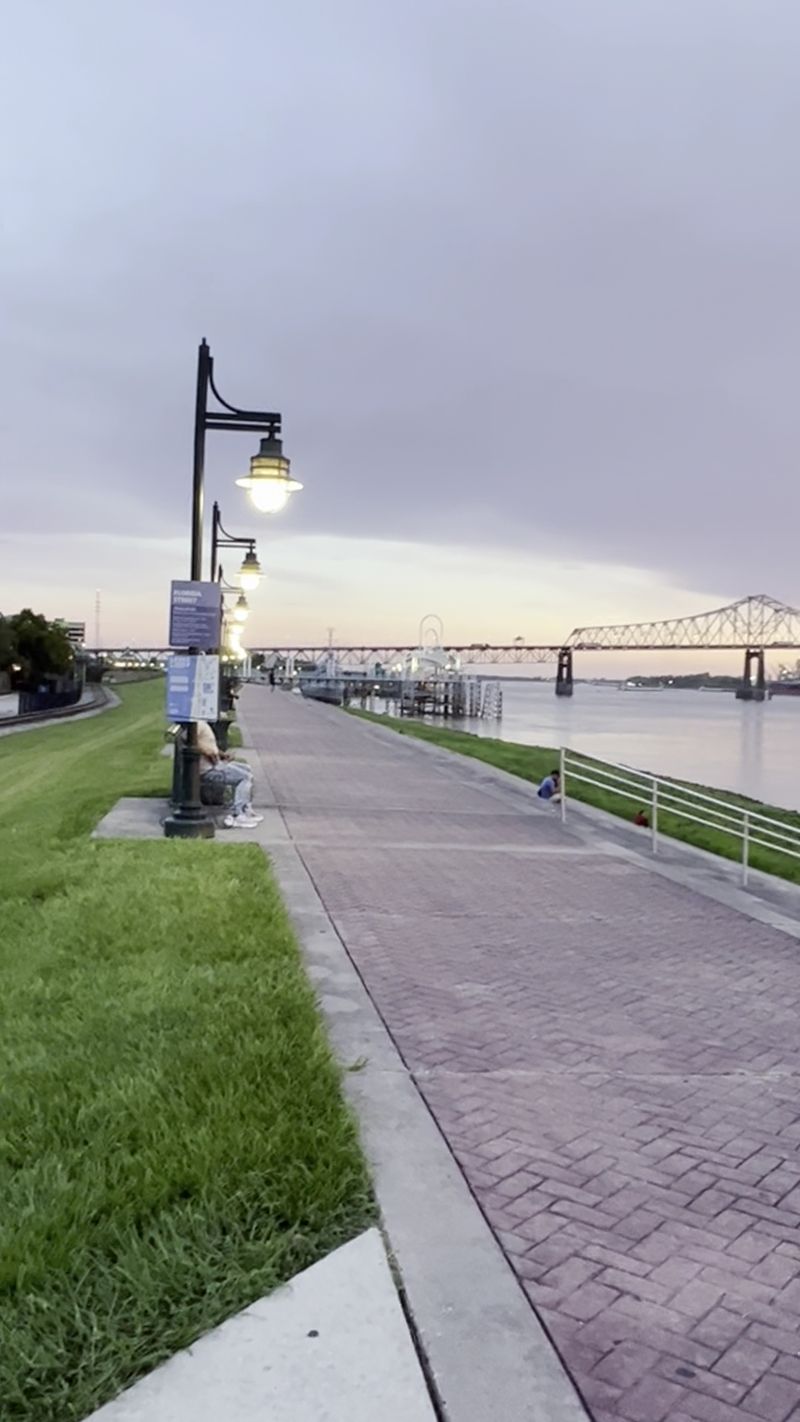
A paved walkway runs parallel to the river here. It offers views of the Horace Wilkinson Bridge, which carries I-10 across the water.
Train tracks also run alongside the park. Keep an eye and ear out for them when crossing, since safety beats speed every time.
Native plants grow in a special area within the park. They add a natural touch to an otherwise busy riverfront scene.
Parking downtown can be limited, so plan a little extra time. Arriving early gives you a calmer start and better choices.
Once you’re ready, point your wheels south. The long adventure begins right here.
The Mississippi Bridge Points To The Trailhead
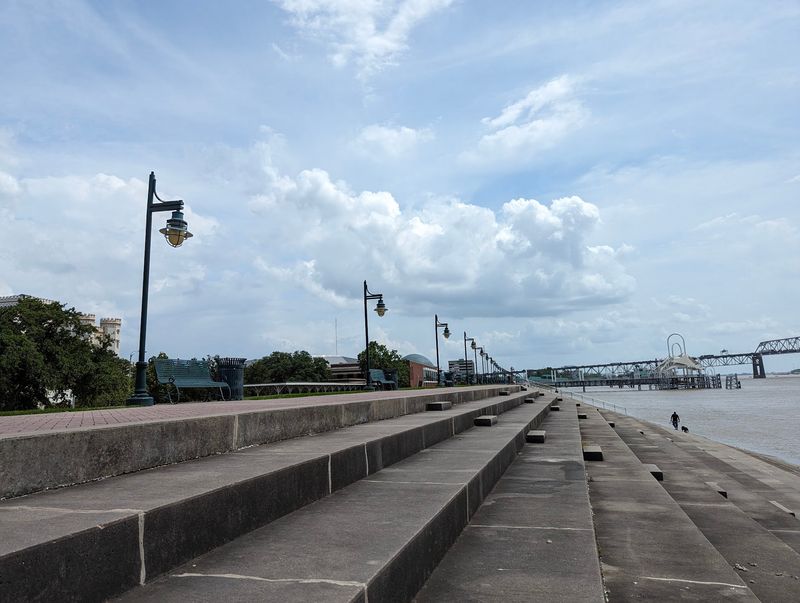
The Mississippi River Levee Bike Path begins near downtown Baton Rouge in Louisiana, along River Road by the Interstate 10 bridge. Approach the riverfront from downtown using River Road for the main trailhead area.
The tall Mississippi River bridge and the levee beside it are the most useful visual clues. The paved route follows the river south toward LSU, Farr Park and farther downstream.
Use a lawful trailhead parking space below the bridge, where available, and join the marked pedestrian-and-cyclist path. Stay in the designated cycling lane and consult local trail updates for any temporary closures.
Cargo Ships Make Excellent Riding Company
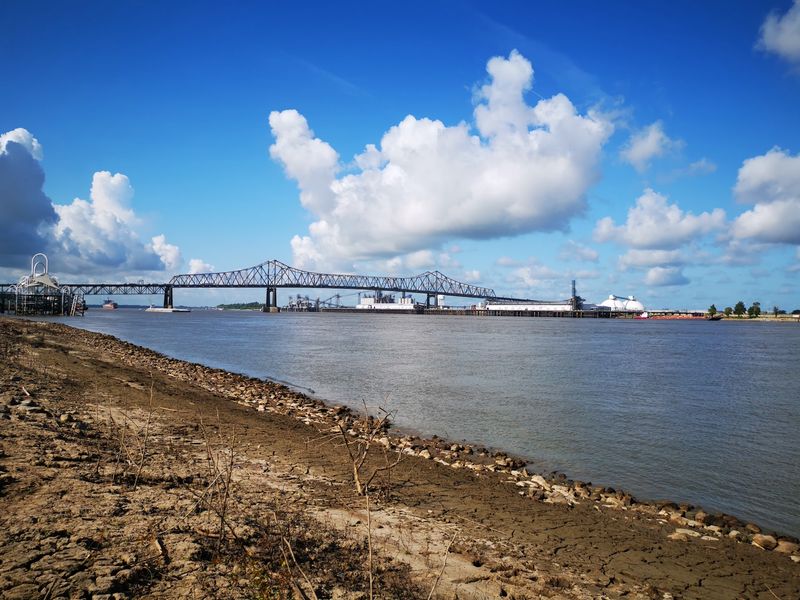
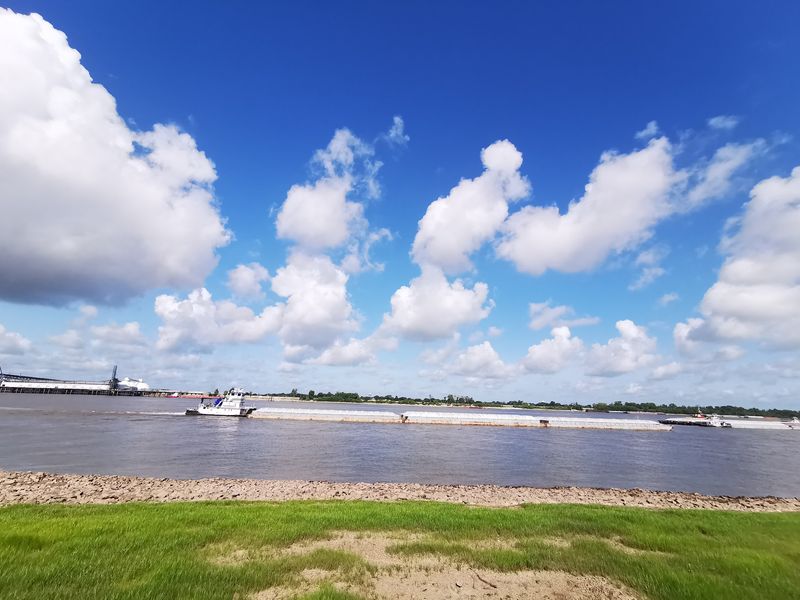
Most bike paths offer trees and maybe a squirrel. Along this Louisiana levee, your neighbors might be enormous cargo ships sliding down the Mississippi.
Because the trail sits on top of the levee, you get a raised view of the water. That height makes the river feel even bigger and busier.
Tugboats push barges up and down the current. Watching them work is oddly calming, like a slow parade that never ends.
The far bank shows its own story too. Industrial buildings and bridges remind you how important this river is to trade and work.
Kids especially love spotting boats and guessing where they’re headed. Turn it into a game and the miles fly by faster.
A pair of small binoculars fits easily in a backpack. They help you catch details on passing vessels without leaving the path.
River levels change throughout the year. Some seasons the water runs high, while other times it drops low and reveals more of the banks.
Either way, the view never repeats exactly. Each ride brings a fresh scene floating by.
Museums Line Up Right Near The Trail
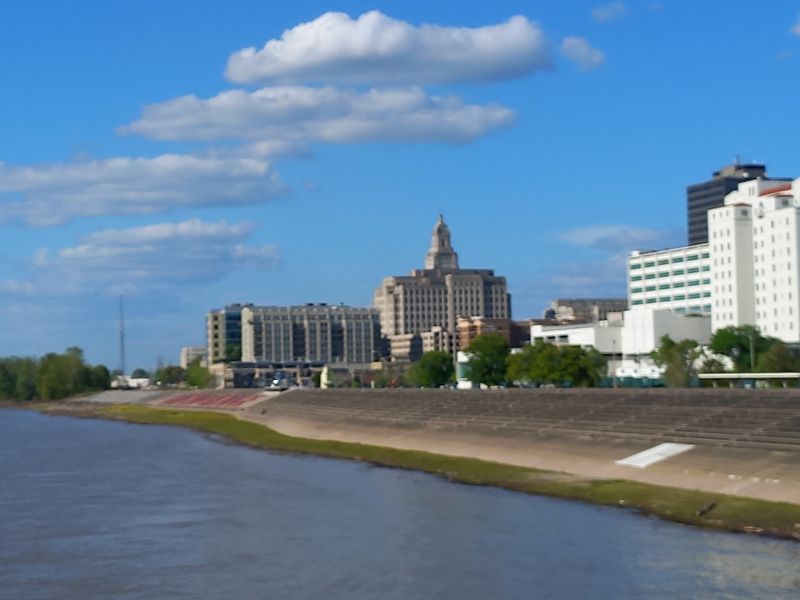
Here’s a fun twist. Some of Baton Rouge’s best attractions sit within easy reach of the downtown end of the trail.
The USS Kidd Naval Museum features a historic destroyer docked right on the river. Riding past a ship that size is hard to forget.
The Louisiana Art and Science Museum is nearby as well. It makes a great add-on if you want something indoors after a sunny ride.
History fans can check out the Old State Capitol, a famous building that looks a bit like a castle. The Capitol Park Museum sits close by too.
The Louisiana Vietnam Veterans Memorial also stands in the downtown area. It offers a quiet place for reflection and respect.
The trail connects with the Downtown Greenway, a network of bike and walking paths. That link makes hopping between spots much easier.
A smart plan is to ride in the cool morning. Then visit a museum during the hottest part of the day.
That way your legs rest while your brain gets a workout. Not a bad trade for one Saturday.
Tiger Country Rolls By On The Way South
Purple and gold fans, get ready. Heading south, the Mississippi River Levee Bike Path passes the western side of the LSU campus.
Riders go by the area near the LSU School of Veterinary Medicine. Nearby lakes add a nice splash of scenery to this stretch.
Before that, the trail passes The Water Campus. It’s home to the LSU river model, a project that studies how the Mississippi moves.
That’s a pretty cool detail to know as you pedal beside the real thing. Science and scenery, side by side.
This middle section feels different from downtown. The city buzz fades, and the views start to open up a bit more.
Students and locals often use the path for exercise. It gives this part of town an easy, active outdoor option close to home.
If you’re visiting for a game weekend, a morning ride makes a great warm-up. Fresh air beats sitting in traffic any day.
Just remember shade is scarce here too. Sunglasses and sunscreen belong in your bag no matter the season.
Horses, Restrooms, And A Tire Pump Walk Into A Park
Every long ride needs a good pit stop. BREC’s Farr Park Equestrian Center delivers one, about 4.5 miles from downtown.
For years, this park marked the end of the original paved path. Today, it sits near the middle of the full 13-mile stretch.
The amenities here are exactly what cyclists hope for. You’ll find parking, restrooms, drinking water, and even an air compressor for your tires.
That compressor alone can rescue a ride. A low tire stops being a crisis and becomes a quick fix.
Farr Park also has an RV park. Some travelers use it as a home base for exploring the trail over several days.
The equestrian center gives this stop a unique flavor. Spotting horses after miles of river views feels like a fun surprise.
Many riders also start their trips here instead of downtown. It’s a handy choice if you want to tackle just the southern half.
Plan to refill bottles before moving on. Facilities thin out on the next stretch, so this is your best chance to recharge.
Farmland Takes Over Where The City Lets Go
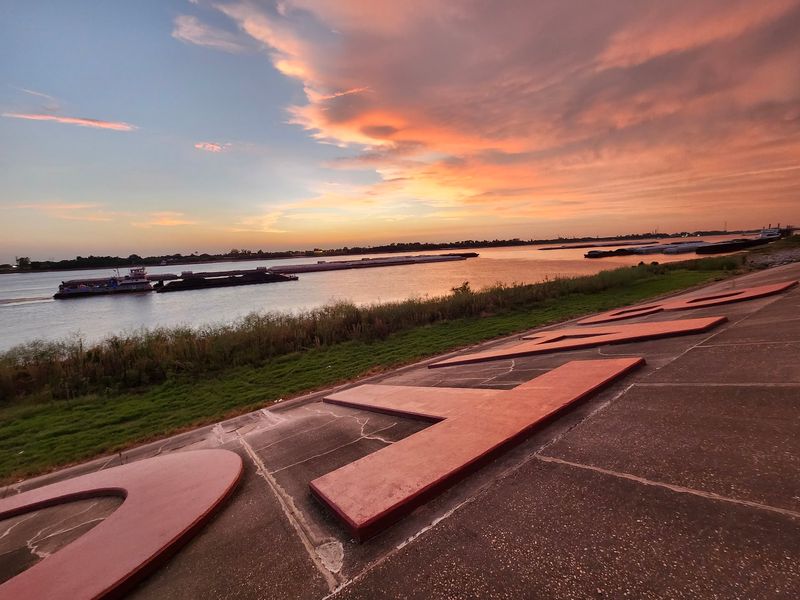
South of Farr Park, the scenery changes its whole personality. Buildings fade out, and open fields and farmland take over.
This section used to be gravel. In 2020, about 8 miles from Farr Park to L’Auberge got paved with asphalt.
That upgrade stretched the smooth ride to roughly 13 miles. Suddenly, a long, quiet road trip on two wheels became possible.
The sky feels huge out here. With little in the way, you can see a long way in every direction.
Tall trees grow along the water’s edge. They attract many kinds of birds, so watch for wings as you ride.
That openness has one catch. There’s almost no shade on the levee, and Louisiana heat can climb fast.
Carry more water than you think you need. Early mornings and cooler months make this stretch much more comfortable.
A basic repair kit is wise too. Help sits farther away out here, so a spare tube is a smart travel buddy.
Sunset From The Riverfront Is Worth Timing Your Ride Around
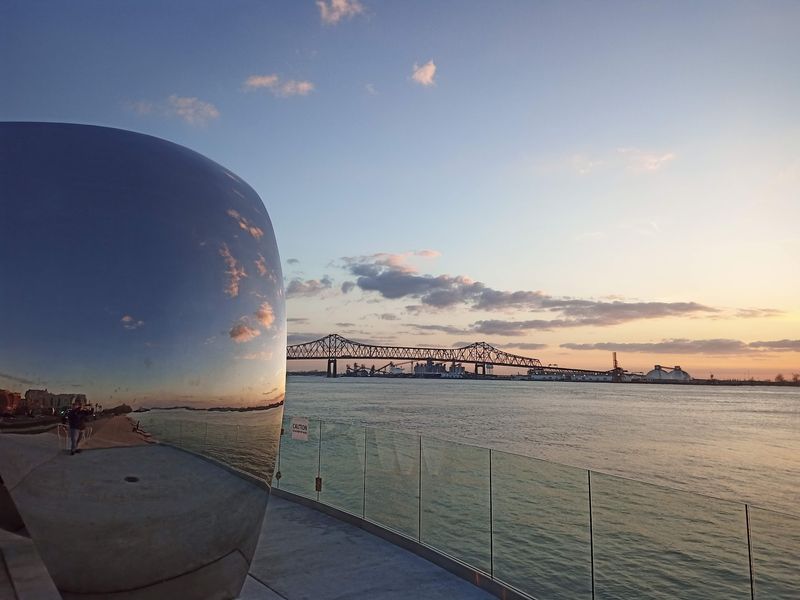
Timing matters on this trail. Evenings at the downtown riverfront bring sunset views over the Mississippi that deserve a front-row seat.
The sky stretches wide above the water. With the bridge and the far bank in view, the colors have plenty of room to show off.
A smart plan is a late-afternoon ride that ends back downtown. You’ll finish just as the light turns golden.
Cooler evening temperatures help too. In a state famous for heat, that relief feels like a gift.
The park has benches and steps where you can rest near the water. It’s a lovely spot to stretch tired legs.
Lighting along the developed downtown sections helps after dusk. Still, a bike light and reflective gear are smart for visibility.
Winter evenings can be especially pleasant out here. Crisp air and early sunsets make for a short, sweet outing.
Bring a friend or bring a camera. Either way, the river supplies the show.
Your Wheels Are On A Trail That Spans A Whole Continent
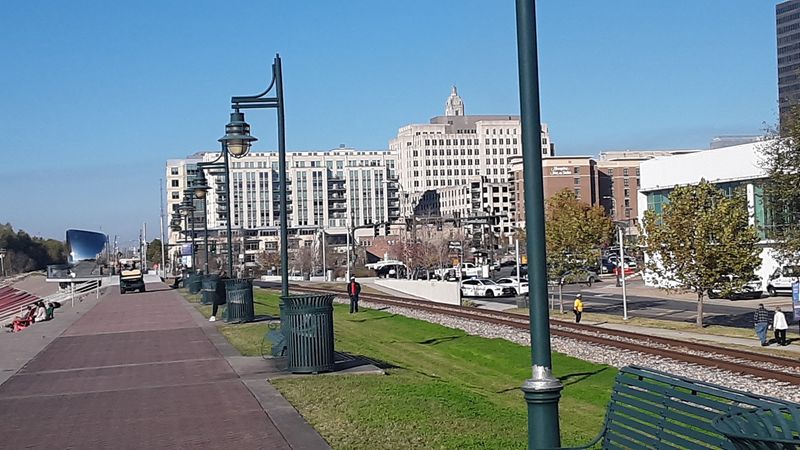
Ready for a fun fact to share at dinner? This path is part of the Mississippi River Trail, a 3,000-mile system following the entire river.
So technically, your Saturday ride connects to something huge. That’s a nice bragging point, even if you only do five miles.
The trail also has deep roots. Mountain bikers used an unpaved levee trail here as early as 1992, though flooding often caused trouble.
In 2021, a Louisiana court upheld a state law allowing bike paths and walkways on top of the levee. That decision helped protect public access.
Growth hasn’t stopped either. A phase two extension of about a quarter mile opened in September 2026, improving links to downtown businesses.
Beyond the paved stretch, the wider Baton Rouge levee path reaches about 27.8 miles. Unpaved sections continue toward St. Gabriel.
The paved route ends near L’Auberge Casino and Hotel. Many riders treat it as a turnaround point for a full day.
Thirteen miles out, thirteen back. Pack snacks and enjoy every flat, breezy foot of it.