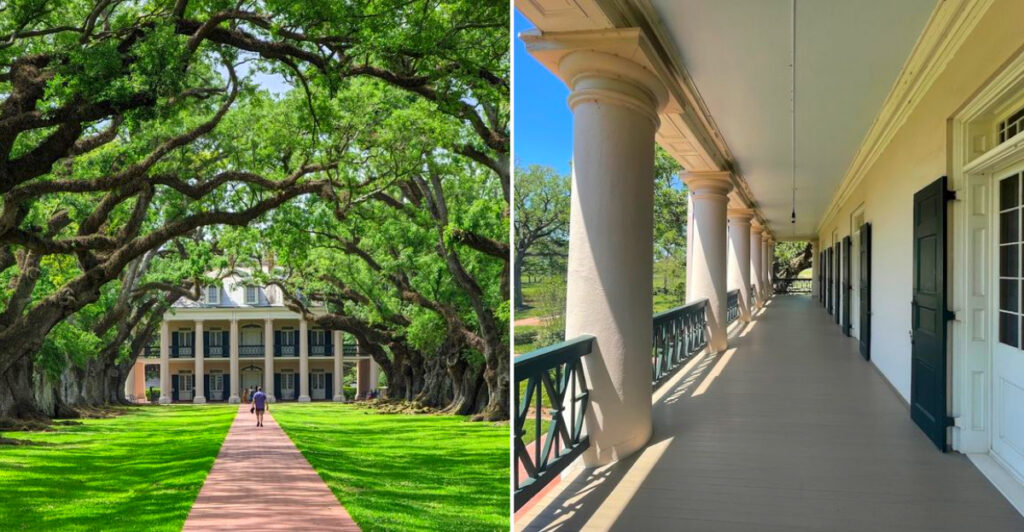
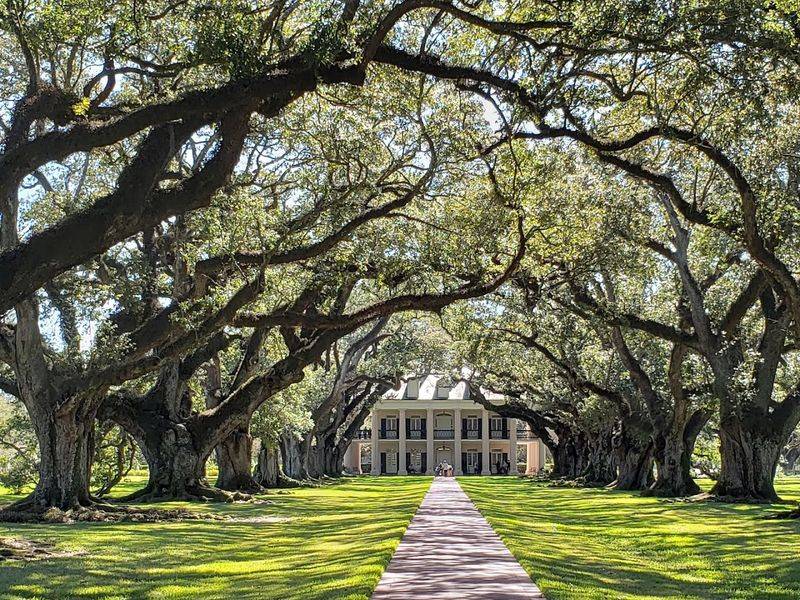
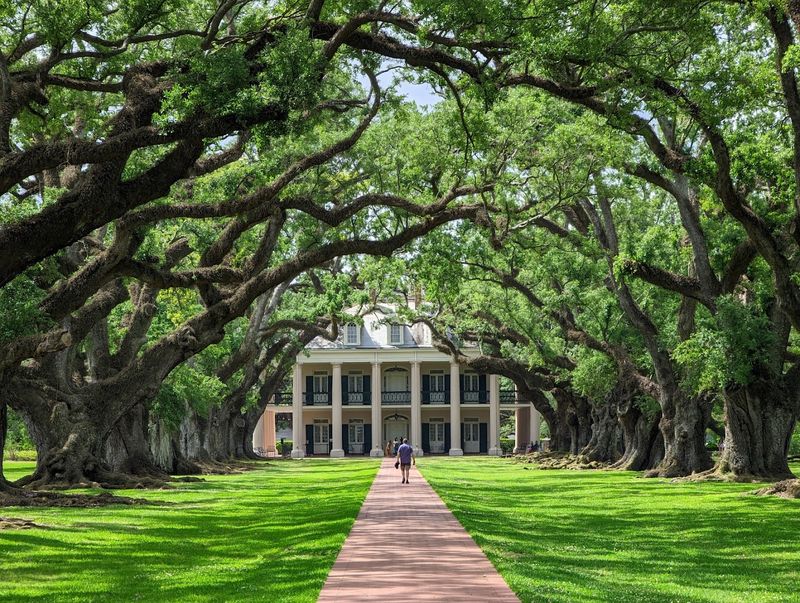
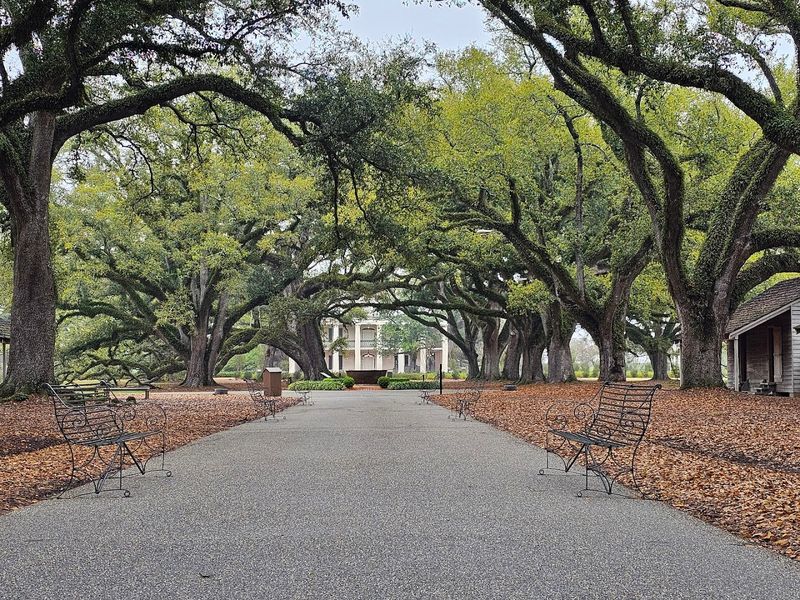
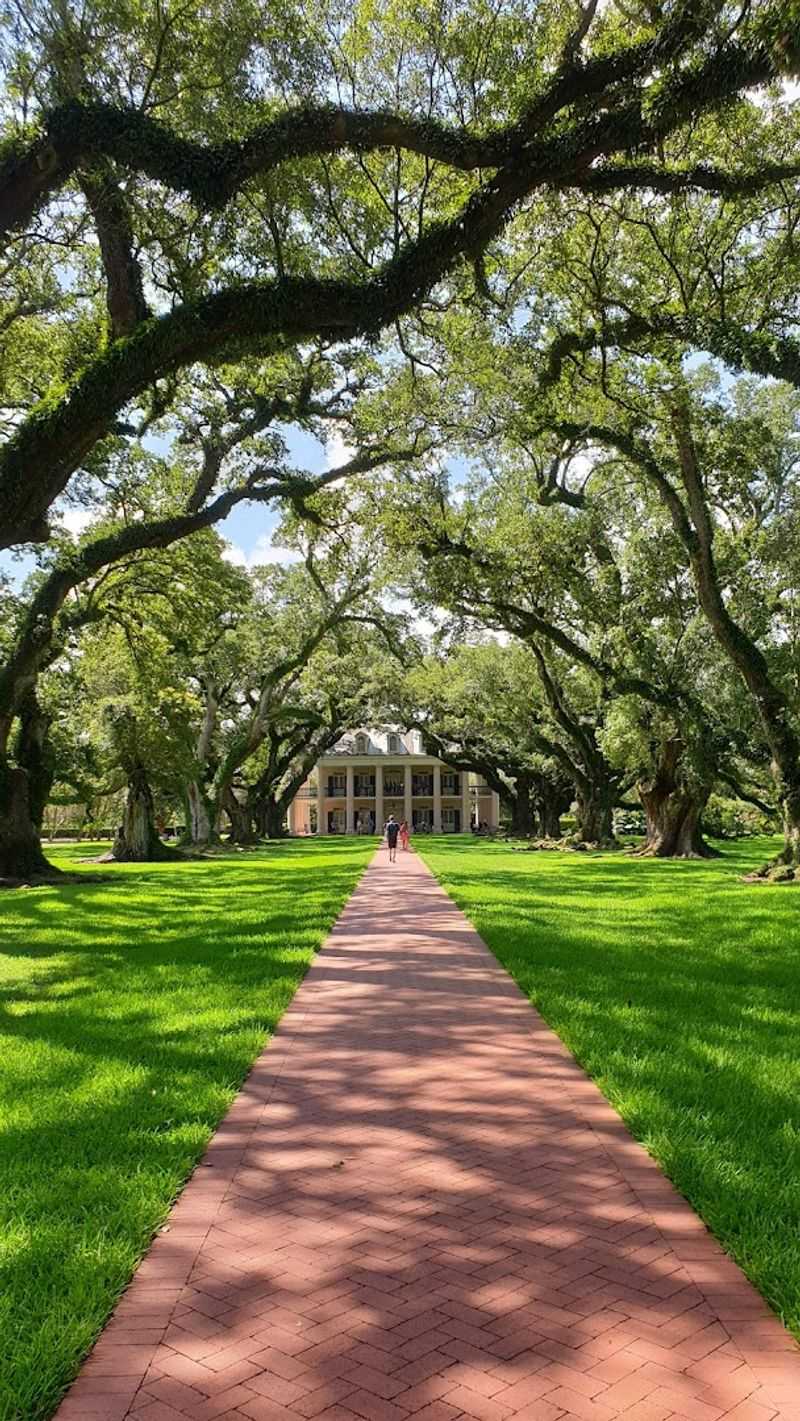
The alley of live oaks hits you before the house does. Two parallel rows of trees planted in the early 1700s stretch a quarter mile from the river levee to the front gallery, their branches interlocking overhead to form a tunnel of green and shadow.
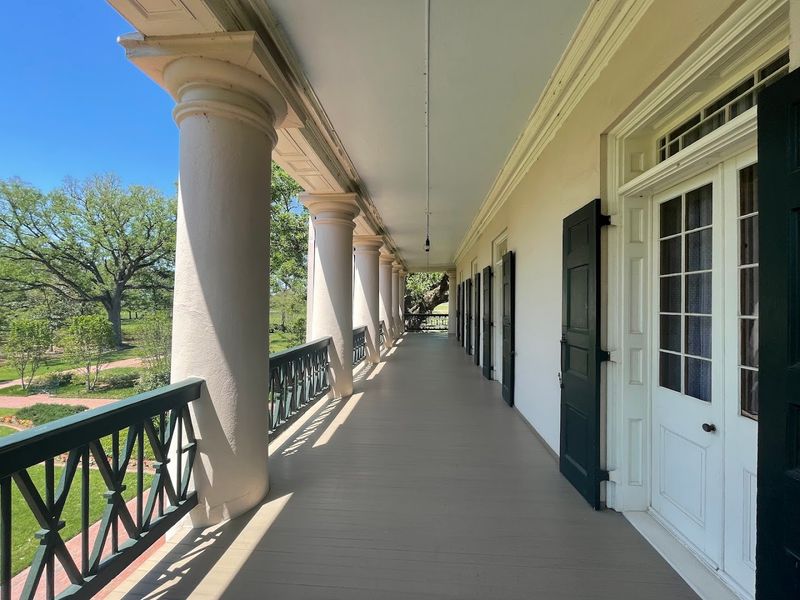
The mansion rises behind those oaks with twenty-eight Doric columns holding up a gallery that wraps the entire structure, each column hand-hewn from brick covered in plaster to look like marble.
Inside, period furnishings fill rooms where original hardwood floors still carry the marks of families who lived here across two centuries. Guided tours walk through the main house, reconstructed slave quarters, the blacksmith shop, telling the full story without flinching.
The restaurant serves catfish with bread pudding beneath ceiling fans that turn slowly in the heat. Walking through those oaks toward the house is a Louisiana experience that has been waiting for visitors since before the United States existed.
Arrive Early For Quiet Light
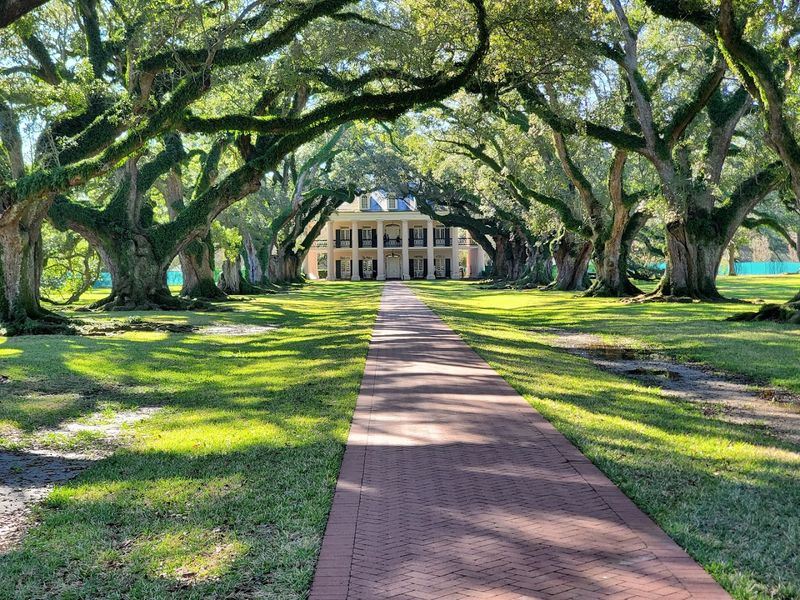
The alley at dawn is a study in patience and payoff. Arrive early and you find the place mostly to yourself, the light forgiving and the shadows long.
The trees, planted centuries before the mansion, take on a cathedral quality and the air holds a quiet that invites reflection.
Photographers love this hour because the sunlight slips between branches and leaves a patterned floor that changes by the minute. Walk slowly and let the avenue lead you; the perspective 28 trees create is dramatic yet intimate, an 800-foot corridor that consistently surprises.
Ticketing opens morning hours and arriving before the crowds gives more time to visit the Big House tour and the slavery exhibits at a measured pace.
Follow The River Road
Oak Alley Plantation sits at 3645 Highway 18 in Vacherie, Louisiana, along the winding Great River Road beside the Mississippi River. The approach feels increasingly rural as busy highways give way to levees, sugarcane fields, and long stretches of open countryside.
Drivers coming from New Orleans can take Interstate 10 west before crossing toward the west bank and connecting with Highway 18. From Baton Rouge, head southeast toward Vacherie, then follow the river road as it curves through the plantation country.
The entrance is clearly marked, but the scenery can make the miles pass quickly. Slow down as you near the address, turn through the gates, and follow the internal signs toward visitor parking.
Explore The Slavery Exhibits Respectfully
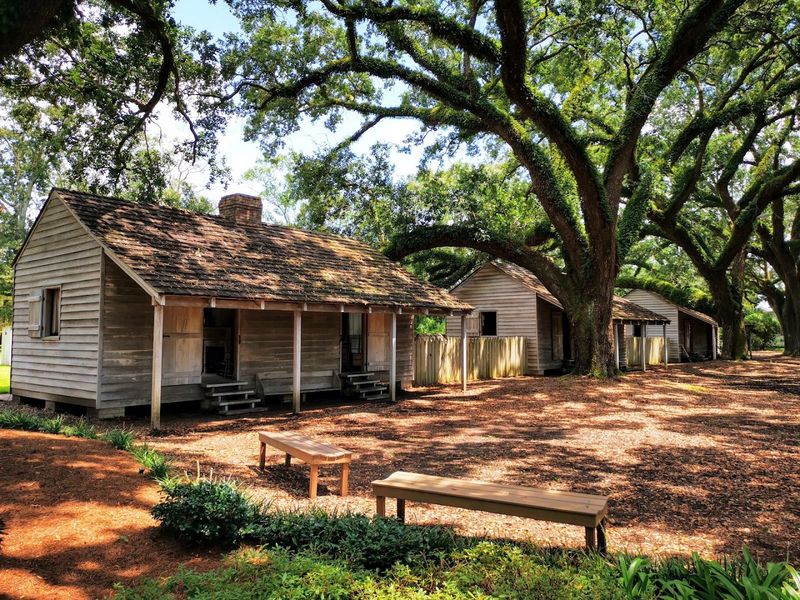
The plantation does not shy away from the difficult parts of its past. The slavery exhibits and reconstructed cabins present names, labor conditions, and personal artifacts that humanize those enslaved here.
A wall listing names counters erasure and forces a visitor to reckon with the human cost behind the landscape’s beauty.
Interpretation aims for clarity and honesty; exhibit signage and guides provide context about sugar cultivation, pecan grafting innovations performed by enslaved gardeners, and the plantation’s economic arc. Allow time and mental space to absorb these stories rather than rushing past them to the mansion or gardens.
When you move from the cabins back into sunlight, hold that information with care – it reshapes how the oaks and house are seen, not as mere scenery but as witness to a complex history.
Wander The East And West Gardens
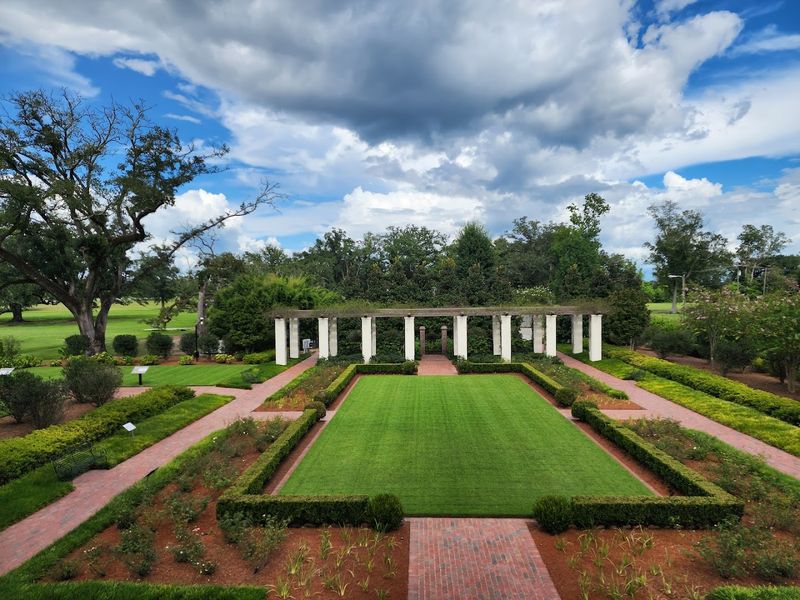
The East and West Gardens offer quieter, horticultural stories that contrast with the avenue’s drama; each garden reflects taste from different eras, notably 1840s and 1930s influences. Paths, parterres, and specimen plants create framed views back to the house and invite slow observation of cultivated choices over time.
Garden layouts are interpretive and not static; seasonal blooms and pruning reflect preservation priorities and historic aesthetics. If you enjoy botany or landscape history, these spaces reward punctuality because plantings shift with the seasons and light.
Wear comfortable shoes and pause on benches to read plaques; the gardens reveal how taste and labor shaped the plantation beyond the sugar fields and great rooms.
Allow Ample Time To Absorb
Rushing through Oak Alley reduces a layered experience to a checklist. Plan at least two hours to visit the grounds, tours, and exhibits without skimming.
The property yields its textures slowly: plaques, artifacts, and interpretive displays require moments of attention to connect dots between owners, enslaved labor, and landscape.
Eating at the on-site restaurant, browsing the museum shop, and wandering the alleys each demand time. I recommend spacing activities so the Big House tour feels central rather than a hurried add-on; that approach lets historical threads weave together and makes the visit more coherent.
Leaving enough time also means you can wait for clearer light for photos, ask guides questions, and sit quietly under an oak to think.
Wear Comfortable Shoes And Prepare For Walking
The grounds at Oak Alley demand more walking than casual photos suggest; gravel paths, garden walks, and routes between exhibits add up, so sturdy, comfortable shoes aren’t a trivial tip. Historic sites often have uneven surfaces and gentle slopes that benefit from good soles and ankle support.
Weather in Louisiana can shift quickly. Bring a hat for sun and light layers for morning chill. If you plan to visit the inn or cottages, pack a small day bag with water and sunscreen because you may extend your day into evening or dawn to enjoy quieter hours.
I once underestimated how much standing a house tour requires; comfortable footwear made the difference in staying focused and engaged for the full experience.
Respect Photography Guidelines
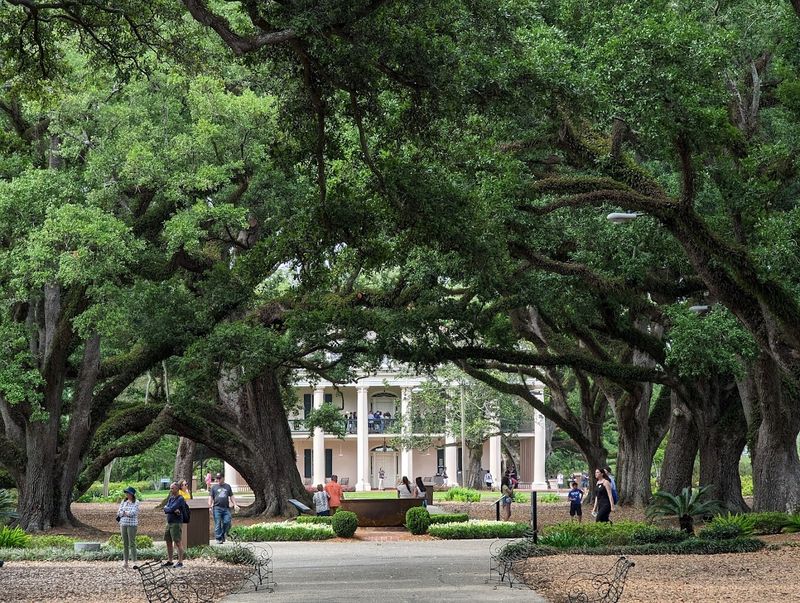
Photography is welcomed on the grounds and at most outdoor exhibits, but interior spaces like the Big House prohibit photos to protect fragile artifacts. Respecting these rules preserves materials and respects curatorial judgment; many visitors find listening during the tour yields richer memories than a camera roll.
For the best exterior images, return early or late in the day when crowds thin and light is directional. The avenue is famously photogenic, but composition benefits from patience; try framing the mansion between trees rather than centering a crowd in front of it.
Bring a tripod only if allowed for designated shoots and always follow staff instructions about restricted areas or flash use.
Visit The Blacksmith Shop And Craft Displays
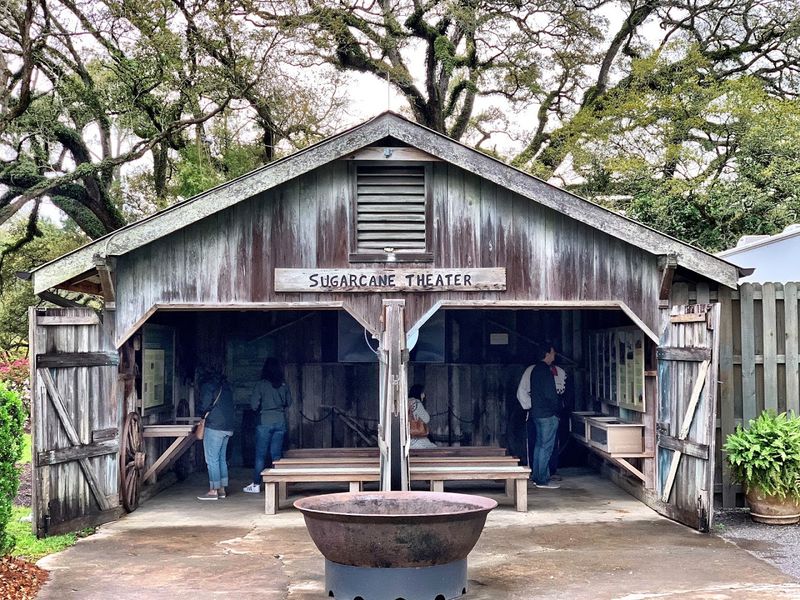
The blacksmith shop and craft exhibits reveal mechanical rhythms that supported plantation life; tools, the forge, and interpretive panels show how daily maintenance kept buildings and equipment functioning. These hands-on displays often include demonstrations or interpreters who explain tasks once essential to plantation economy.
Watching a craft demonstration connects technique to survival, it is a humble counterpoint to the mansion’s grandeur and underscores the skilled labor that shaped the site. Exhibits also honor Louisiana artisans and the continuity of traditional crafts in the region.
Allow time to speak with interpreters when available; they often provide contextual anecdotes that deepen understanding of how work, technology, and community intersected here.
Consider An Overnight Stay At The Inn
Staying overnight in one of Oak Alley Inn’s cottages offers a rare chance to experience the property outside peak visiting hours; morning and evening provide quieter vantage points and softer light for the alley.
The cottages blend historic character with modern comforts and place you within walking distance of the avenue and museum buildings.
Guests often report the hush of predawn walks and the intimacy of the grounds after dark when guided activity slows. Booking ahead matters, especially on weekends or during spring when magnolias and azaleas are at their best.
Overnight stays allow a slower pace, letting you revisit exhibits with fresh eyes and carry a stronger sense of place as the sun moves over the Mississippi lowlands.
Sample Regional Cuisine On Site
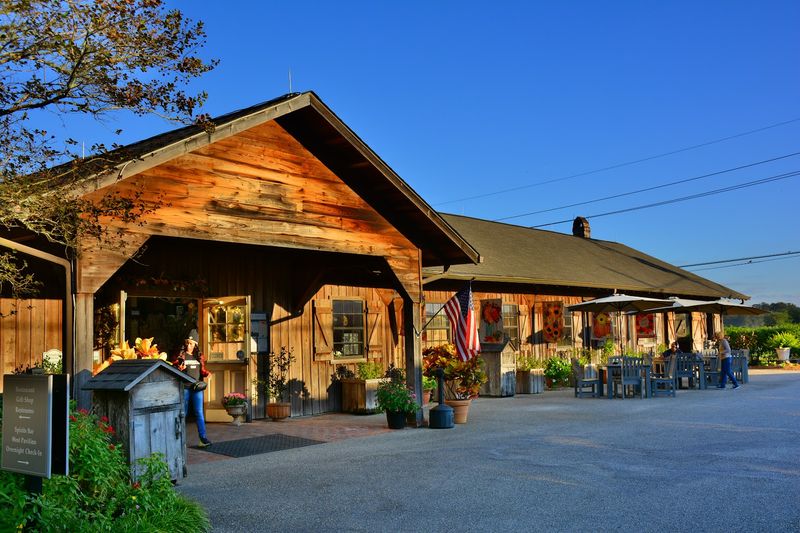
The on-site restaurant and cafe offer a convenient way to sample Cajun and Creole-influenced dishes that reflect the region’s culinary heritage without leaving the grounds. Menus change seasonally, and taking a lunch break in the courtyard or under porch shade helps punctuate a long visit with a flavorful pause.
Pralines and local sweets feature in the gift shop and are a classic take-home taste of the plantation’s hospitality. Dining on-site also maximizes visiting time and keeps your logistics simple when you are juggling tours and exhibits.
Plan meal timing to avoid tour overlaps and ask staff about local specialties; the food complements the historical themes rather than distracting from them.
Plan Around Seasonal Moments
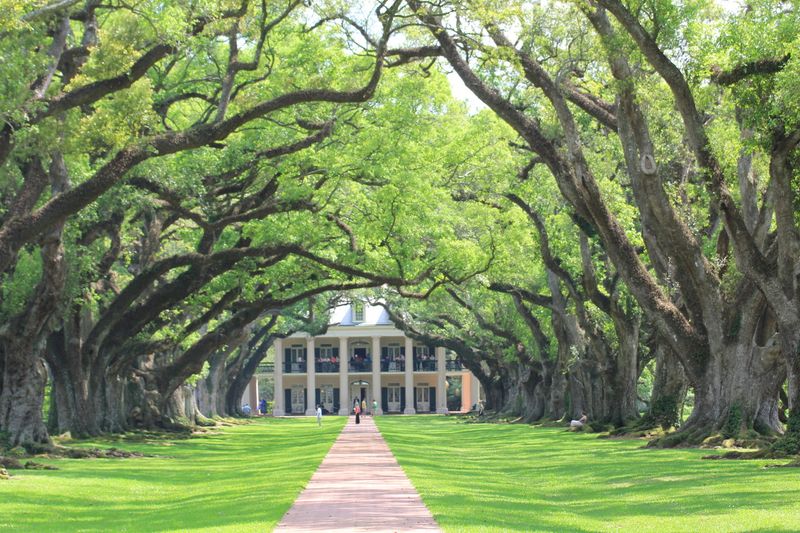
The plantation’s character shifts with the seasons: magnolias and azaleas offer fragrant stakes in spring, while summer’s dense canopy provides deep, cooling shade. Fall light can make the avenue glow, though Louisiana’s seasons are subtler than northern climates, and weather patterns influence what you experience on any given day.
Seasonal timing also affects crowds and comfort; spring and late fall often balance agreeable temperatures and strong blooms, while high summer brings heat and humidity that favor early visits. Check the plantation calendar for special events or interpretive programs tied to seasonal themes.
Planning with seasonal rhythms in mind enriches the visit and helps align photographic goals, walking comfort, and interpretive availability.
Understand The Full History Before You Go
Oak Alley presents layered histories spanning plantation economics, architectural innovation, and human stories of enslavement and resilience; preparing with background reading enhances what you’ll see on-site.
Key facts include the mansion’s 1839 completion by Jacques Roman, the plantation’s sugarcane focus under Valcour Aime, and the later stewardship that opened the property to the public in 1976.
Frank engagement with the site’s slavery history, including the pecan grafting innovation by an enslaved gardener in the 1840s, deepens respect for the interpretive work here. The exhibits and guided tours aim to present a comprehensive narrative that includes both elegance and exploitation.
Arrive with questions and leave with more context. The place rewards curiosity grounded in careful attention to documented facts.