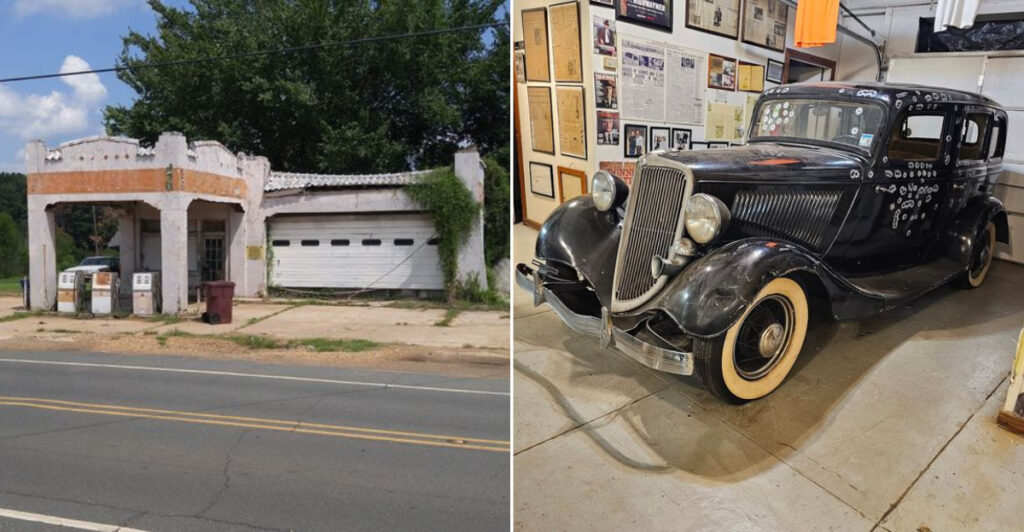
History has a sneaky way of popping up on a quiet backroad. One minute travelers are cruising through Louisiana, the next they’re standing inside a museum packed with one of the most dramatic true crime stories in American history.
The kind of tale that makes jaws drop and eyebrows raise. Every photo tells a secret. Every artifact holds a story. Every worn display case pulls curious minds a little deeper into the past.
Storytelling here is raw, real, and impossible to fake. Nothing about it feels polished for tourists, and that’s exactly the charm.
Curiosity deserves a little road trip now and then. A chance to chase a legend, snap a few photos, and learn something wild along the way.
Pack the car. Bring a buddy who loves a good story. Louisiana is ready to serve up the kind of stop that travelers brag about for years afterward.
The Story Behind The Museum
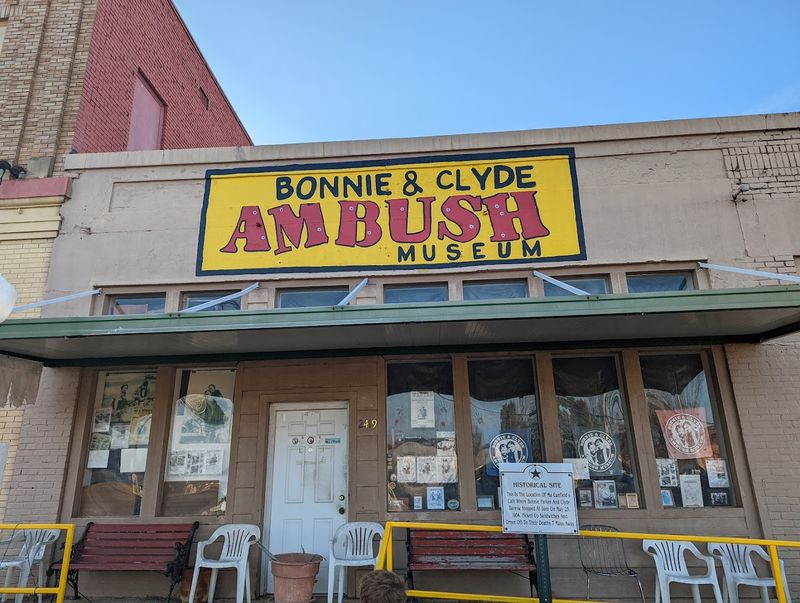
Few museums in the American South carry the kind of raw, unpolished storytelling that greets you the moment you walk through the doors of the Bonnie and Clyde Ambush Museum. This is not a slick, big-budget exhibit with touchscreens and mood lighting.
It is real, it is gritty, and that is exactly what makes it unforgettable. The museum is dedicated to the lives and final days of Bonnie Parker and Clyde Barrow, the infamous outlaw couple who shook up the American Midwest and South during the early 1930s.
Their story ended just outside Gibsland in May 1934, making this small Louisiana town a permanent part of American folklore. The museum captures all of it with an honesty that larger institutions tend to soften.
Visitors who walk in expecting a simple history lesson often walk out completely captivated. The exhibits do not just tell you what happened. They make you feel like you were almost there.
What Is Actually Inside
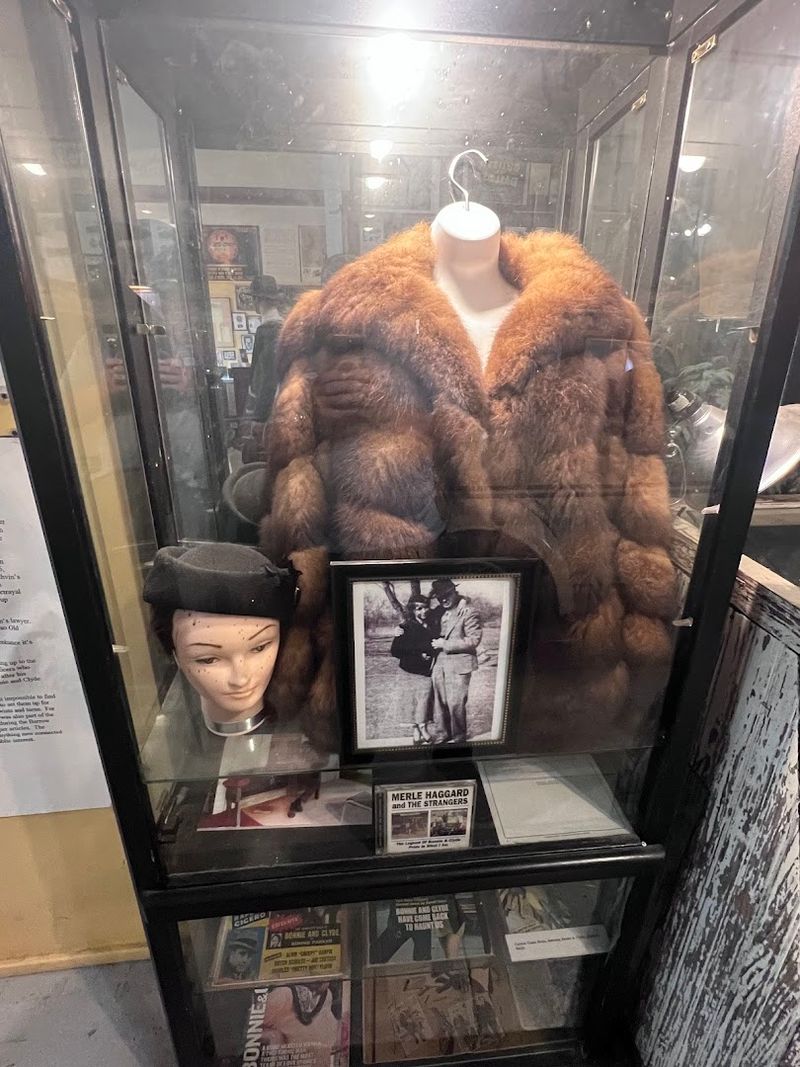
The walls are lined with original photographs, newspaper clippings, and personal items connected to Bonnie and Clyde that you would not find in any textbook. There are wanted posters that look like they were printed yesterday, and display cases holding items that once belonged to two of them.
One of the most striking features is the sheer volume of material crammed into a relatively small space. Every corner has something new to look at, and every item has a label that tells you exactly why it matters.
The museum also features replica weapons, period clothing, and maps showing the routes Bonnie and Clyde traveled across multiple states during their two-year crime spree.
What surprises most visitors is how personal the collection feels. These are not distant historical figures behind glass. The exhibits bring them surprisingly close.
You start to understand the era they lived in, the desperation of the Great Depression, and why their story captured the imagination of an entire nation.
The Building Itself Has History
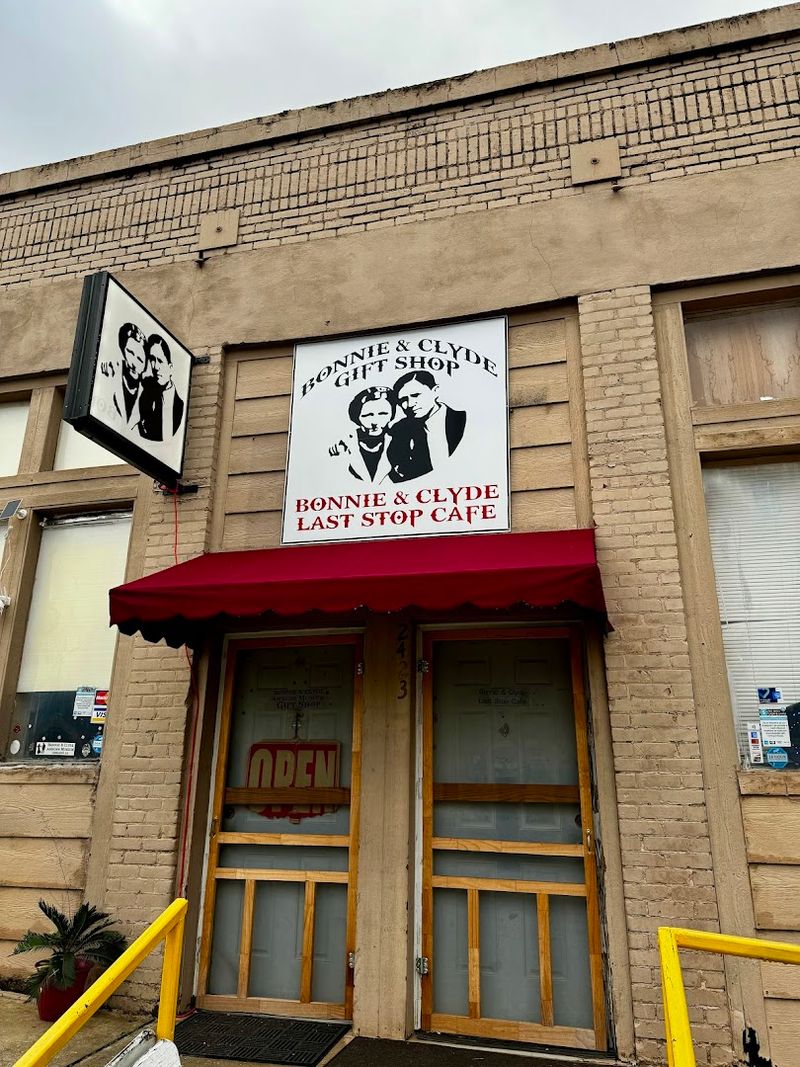
The building that houses the museum is not just a container for history. It is part of the story itself.
The structure once operated as Canfield’s Cafe, and it is widely believed to be the last place where Bonnie and Clyde shared a meal before the ambush that ended their run on May 23, 1934.
Think about that for a second. You are walking into a building where two of the most notorious figures in American criminal history once sat down, ordered food, and had no idea what the next few hours would bring.
The building has aged in a way that adds to its atmosphere rather than taking away from it. Peeling paint and worn wood floors somehow feel completely appropriate for a place carrying this much weight.
It has been preserved rather than renovated, which means you are getting something increasingly rare in modern tourism: an authentic experience that has not been scrubbed clean for mass appeal.
Local historians and enthusiasts have worked hard to keep the building true to its original character, and that effort shows in every detail.
The Ambush Site Nearby
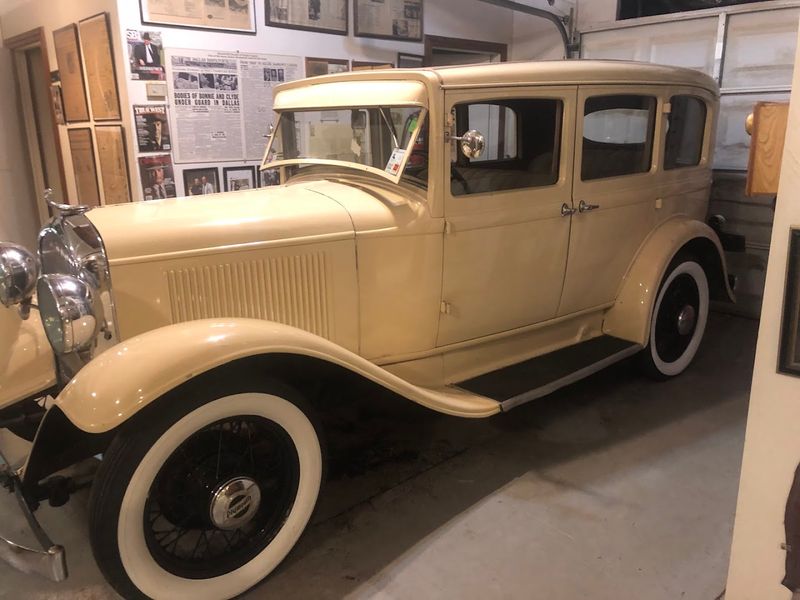
The museum is only part of the experience. Just a short drive from Gibsland, you can visit the actual site where the ambush took place on a quiet rural road surrounded by tall Louisiana pines.
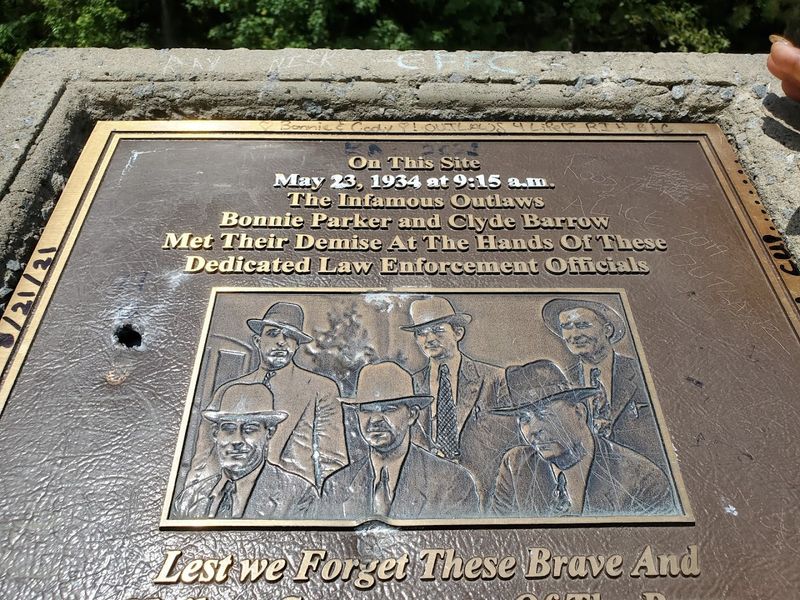
A historical marker stands at the spot, giving visitors a chance to stand exactly where one of the most dramatic moments in American outlaw history unfolded.
The road is still narrow, still flanked by trees, and still feels remarkably isolated. It is the kind of place where you look around and immediately understand why it was chosen.
Many visitors say that standing at the ambush site is a completely different experience from reading about it. The landscape has barely changed in nearly a century, which makes the whole thing feel immediate and real in a way that photographs simply cannot replicate.
People leave flowers, coins, and small mementos at the marker, a spontaneous tradition that speaks to how deeply this story continues to resonate with visitors from all walks of life. The drive out to the site is also beautiful in its own quiet way.
Northern Louisiana’s pine forests have a stillness that is easy to appreciate.
The Annual Festival That Brings It All To Life
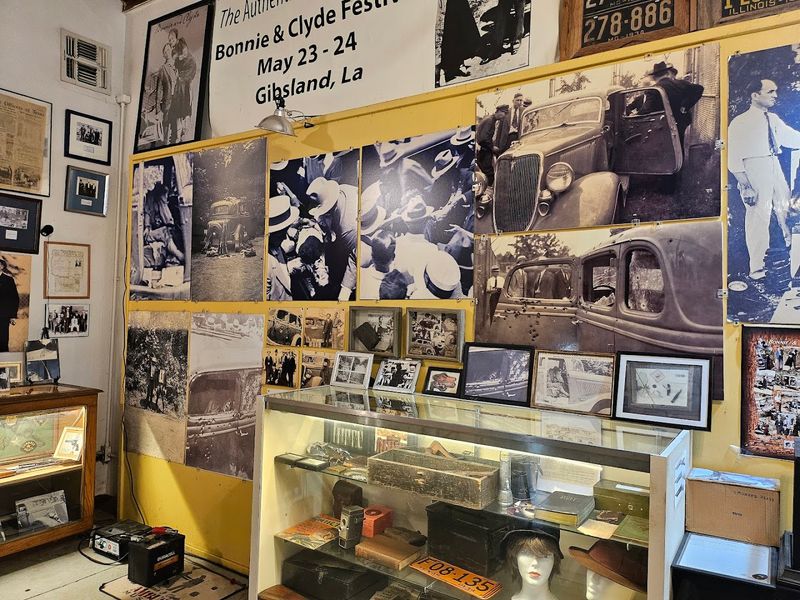
Every year, Gibsland transforms into a living piece of 1930s America during the Bonnie and Clyde Festival, held annually near the anniversary of the ambush in May. The festival draws history buffs, true crime enthusiasts, and curious travelers to Main Street for a weekend of period costumes and storytelling.
It is one of those small-town events that punches well above its weight. The energy is infectious, the people are welcoming, and the passion for preserving this slice of history is absolutely genuine.
Vendors set up along the street selling everything from handmade crafts to Bonnie and Clyde memorabilia, and the museum itself becomes a hub of activity with extended hours and special programming.
Local families have been attending for generations, and you can feel that community pride in every corner of the festival grounds. This is not a corporate event. It is a celebration organized by people who genuinely care about their town’s place in history.
First-time visitors often say the festival completely exceeded their expectations, turning what they thought would be a quick stop into a full weekend adventure.
If you are planning a trip to the museum, timing it with the festival is one of the smartest moves you can make as a traveler.
Who Runs This Place And Why It Matters
Behind every great small museum is a person who cares more about the story than the profit, and this one is no exception to that rule.
The museum has been maintained by dedicated local preservationists who understand that Gibsland’s connection to this story is irreplaceable. Their commitment shows in the way the collection is curated and the way visitors are welcomed.
Staff members are known for their willingness to chat, share personal knowledge, and point out details in the exhibits that you might otherwise walk right past. That kind of personal touch is increasingly hard to find in modern attractions.
There is something deeply moving about a community choosing to preserve an uncomfortable chapter of history rather than ignore it. Gibsland could have moved on and let the story fade, but instead, the town leaned into it with honesty and pride.
The people who run this museum treat every visitor as someone worth talking to, not just a ticket to sell. That attitude creates an experience that feels personal and memorable long after you have driven away.
Practical Tips For Planning Your Visit
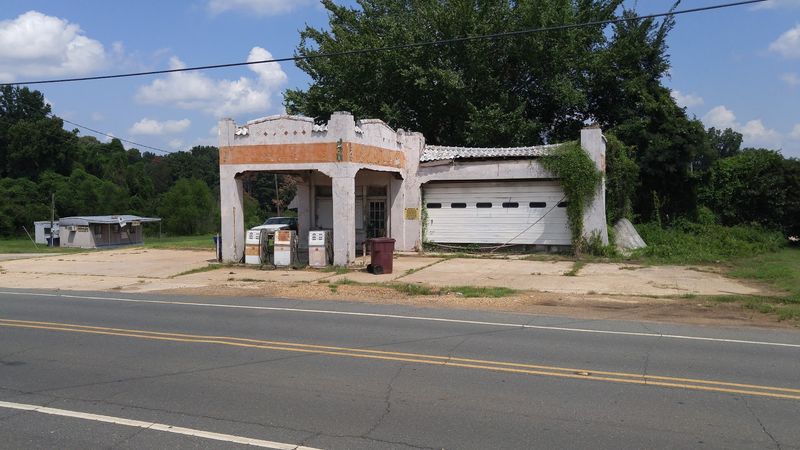
Getting to Gibsland is part of the adventure. The town sits in Bienville Parish in northwestern Louisiana, roughly 45 minutes southeast of Shreveport, making it an easy and rewarding day trip from the city.
The museum is located right on the main road through town, so finding it is straightforward. Parking is available nearby, and the small-town setting means you are never fighting crowds for a spot.
Admission is very affordable, which makes this one of the most budget-friendly history experiences in the entire state. You are getting genuine historical value without paying big-city museum prices.
Plan to spend at least an hour inside the museum, and budget extra time if you want to drive out to the ambush site afterward. The two experiences complement each other perfectly and together tell a much fuller story.
The museum is open most days, but calling ahead or checking current hours before you visit is always a smart move for smaller independent museums like this one.
Comfortable walking shoes are recommended since the floors are original and uneven in places, adding to the character of the building but requiring a bit of attention underfoot.
Bringing a camera is highly encouraged, because every display case and every faded photograph is the kind of thing you will want to look at again long after you have returned home.
Why This Museum Stays With You
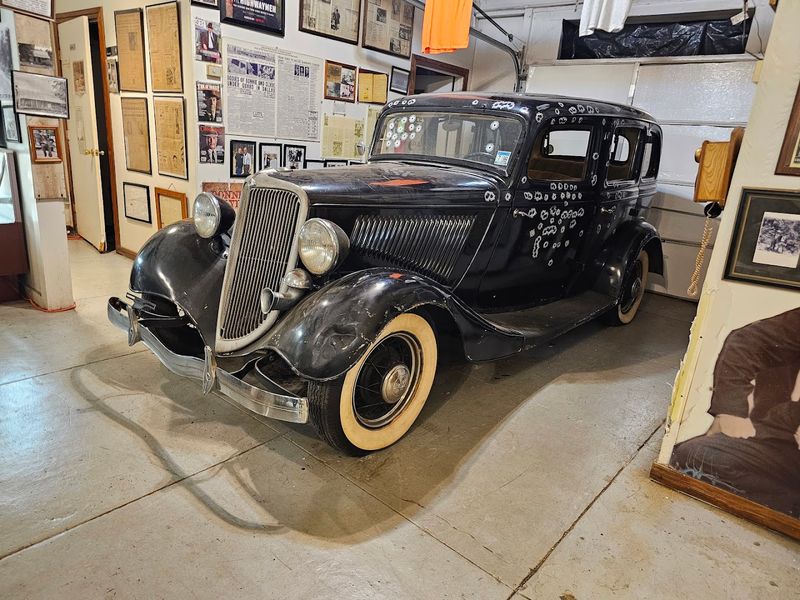
There are places you visit and forget within a week, and then there are places that settle into your memory and stay there for years. The Bonnie and Clyde Ambush Museum firmly belongs in the second category.
It is the specificity of the experience that does it. You are not getting a sanitized, generalized overview of 1930s outlaw culture.
You are standing in the exact town, in the exact building, connected to the exact events that changed American history.
That level of specificity creates a kind of emotional resonance that bigger, more polished museums often struggle to achieve. Small details, like a handwritten note or a grainy photograph, hit harder here than they would anywhere else.
Visitors frequently describe leaving the museum with a completely different understanding of the era, the people involved, and the complicated feelings Americans have always had about outlaws who became legends.
The museum also sparks conversations. Road trippers report spending hours in the car afterward discussing what they saw, debating what they think about the story, and looking up more details on their phones.
That kind of lasting engagement is the true measure of a great attraction, and by that measure, this little museum on a quiet Louisiana street is doing something genuinely extraordinary.
Once you visit, you will completely understand why people keep coming back, and why the story of Gibsland refuses to be forgotten.