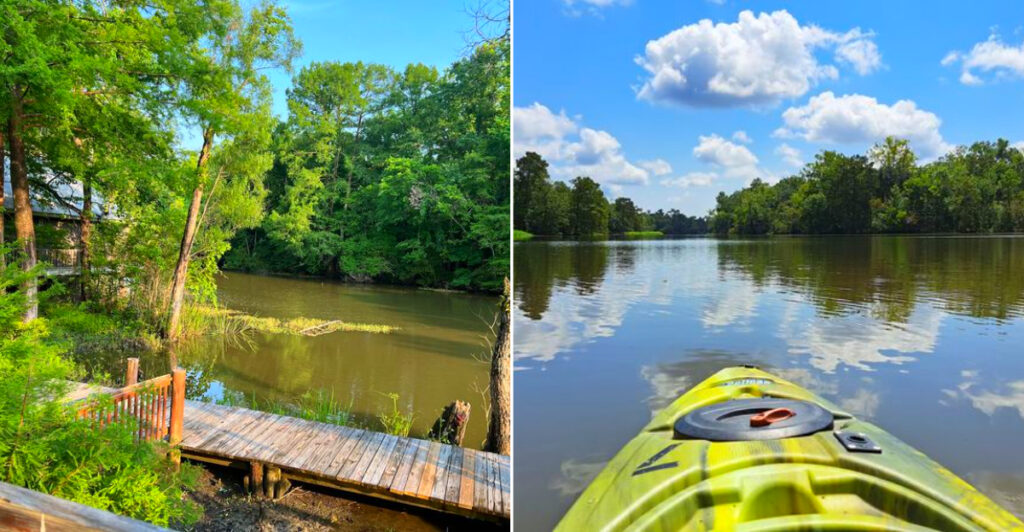
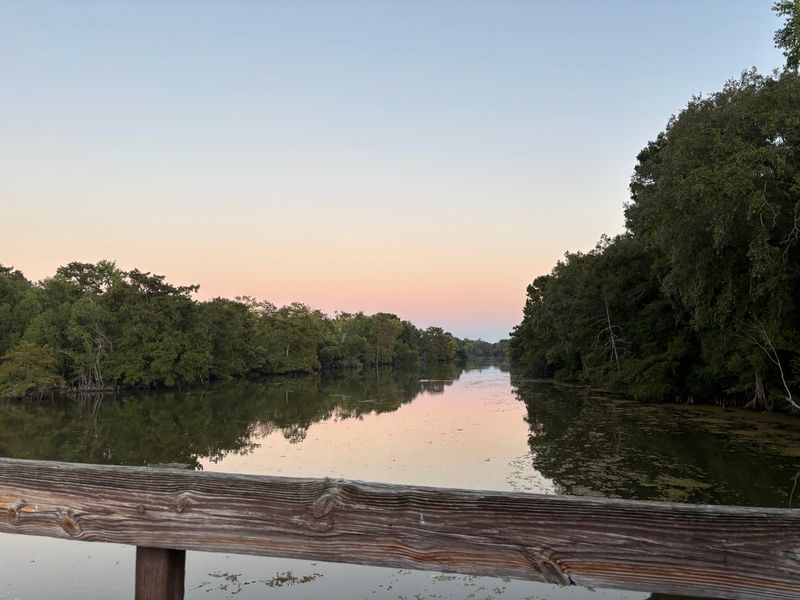
Water so still it reflects the trees like a mirror. That was the first thing I noticed when I pushed my kayak into the channel. Spanish moss hung from branches so low they almost brushed my shoulders.
The cypress trunks rose out of the dark water like columns holding up a green cathedral. Lake Fausse Pointe sits inside the Atchafalaya Basin and the park channels feel untouched by anything resembling modern life.
No motors allowed on most of the waterways. Just the sound of your paddle dipping and the occasional splash of a turtle sliding off a log.
I spent three hours on the water and saw exactly four other people. The park also has cabins, trails, and fishing spots that make you want to cancel your drive home. But the paddling is what stays with me. Quiet water. Older trees. A pace that makes you forget your phone exists.
Paddle The Marked Canoe Trail
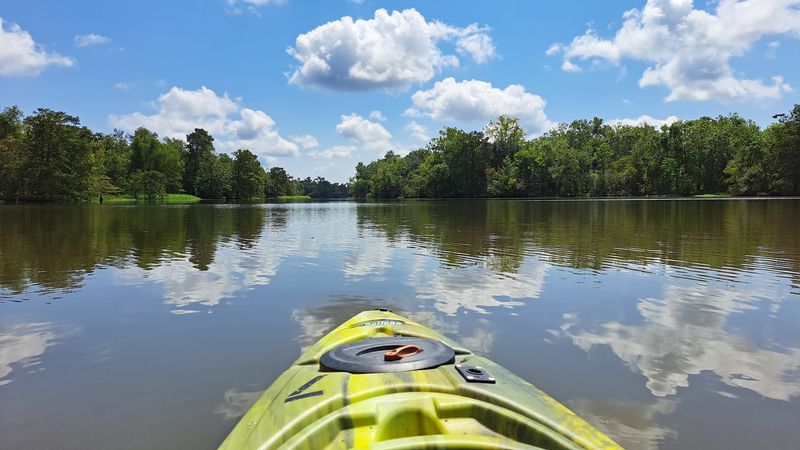
Nothing sells the magic of Lake Fausse Pointe faster than the marked canoe trail. The route runs about seven miles through cypress-tupelo swamp, and the color-coded system helps you keep your bearings in water that can look delightfully confusing.
Some cypress in the basin are said to be more than 2,000 years old, which gives every bend a hushed, ancient feeling.
Go early if you want calmer light, cooler air, and better chances to hear birds before the day gets noisy. A slow pace works best here.
The point is not speed, but the odd, wonderful experience of slipping past knobby knees, mirrored reflections, and hanging moss while the bayou seems to hold its breath around you. It feels less like exercise and more like entering a secret room outdoors for people who enjoy quiet places and small natural surprises.
Levee Road Becomes The Last Road Before The Basin
Lake Fausse Pointe State Park is located at 5400 Levee Road, about 18 miles southeast of St. Martinville in Louisiana’s Atchafalaya Basin. From St. Martinville, take LA-96 toward Catahoula, then connect with LA-679 and LA-3083.
Turn onto Levee Road and follow it for roughly 8 miles as the route runs deeper along the West Atchafalaya Protection Levee. The long final stretch leaves town traffic behind, so stay with the paved road until the marked state park entrance appears.
Pass through the entrance station and follow the park’s internal signs toward the office, visitor center, campground, cabins, or boat launch. Parking areas are marked near the main visitor facilities and trail access points.
Aim For Cooler Months
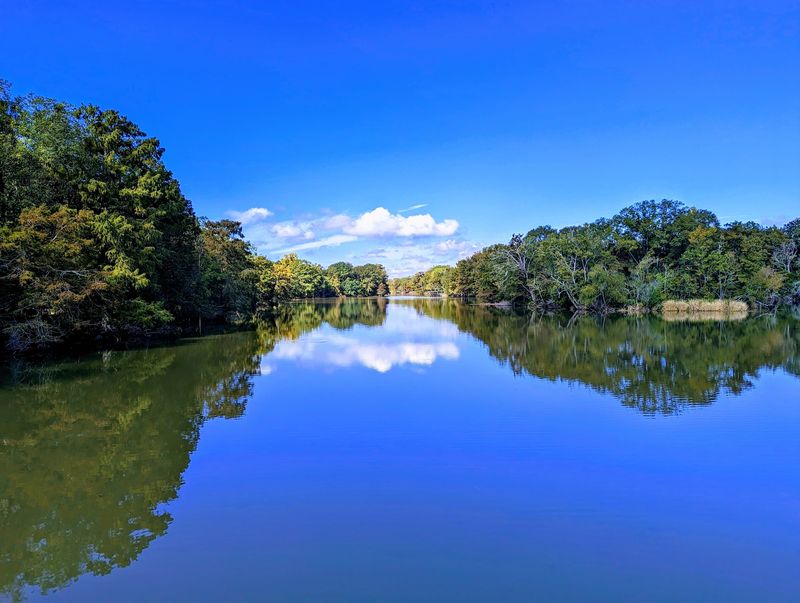
Winter and early spring make the park much easier to enjoy. South Louisiana can feel heavy in warmer months, but cooler weather brings relief on the water and on the trails, and it often improves birdwatching too.
If you are hoping for long paddles, dry walks, and fewer battles with heat, timing may matter almost as much as destination.
Late fall works well too, especially when the air loses that sticky edge and the swamp starts feeling open instead of sleepy. I would not call summer impossible, because families still visit for cabins and the splash area, but it asks more from you.
Choose mild months if you want the fairy-tale part of the cypress scenery to stand out instead of getting overshadowed by sweat, sun, and the buzzing soundtrack of insects that can follow you from parking lot onward.
Pack For Bugs And Mud
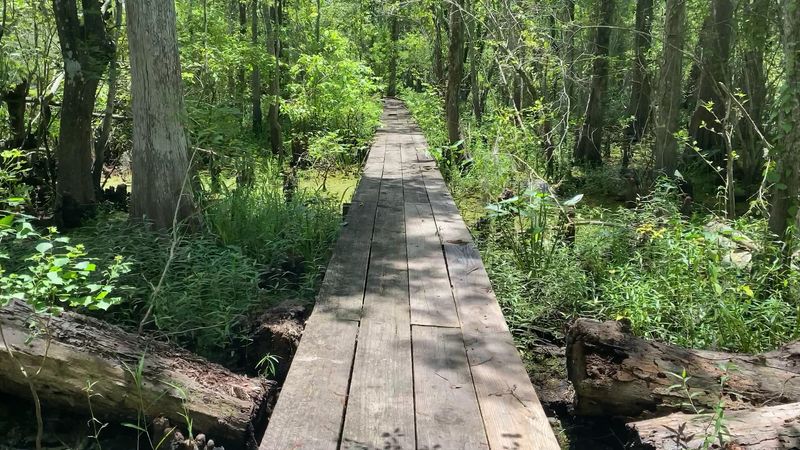
Mosquitoes are not a rumor here, and the mud is not decorative. Bring insect repellent, sunscreen, a hat, and waterproof shoes or old sneakers you do not mind dirtying.
The park’s trails and launch areas can change fast with rain and water levels, so a little preparation keeps small annoyances from becoming the whole memory of your trip.
A dry bag is smart if you are paddling, because swamp water and phones are poor companions. Pack more drinking water than you think you need, especially if your group includes kids.
I also recommend a light towel in the car for muddy ankles and damp hands after a paddle. Simple gear does not make the place less wild.
It just lets you enjoy the cypress, birds, and quiet without constantly swatting, slipping, or scrambling when the boardwalk ends and puddles begin.
Respect Wildlife From A Distance
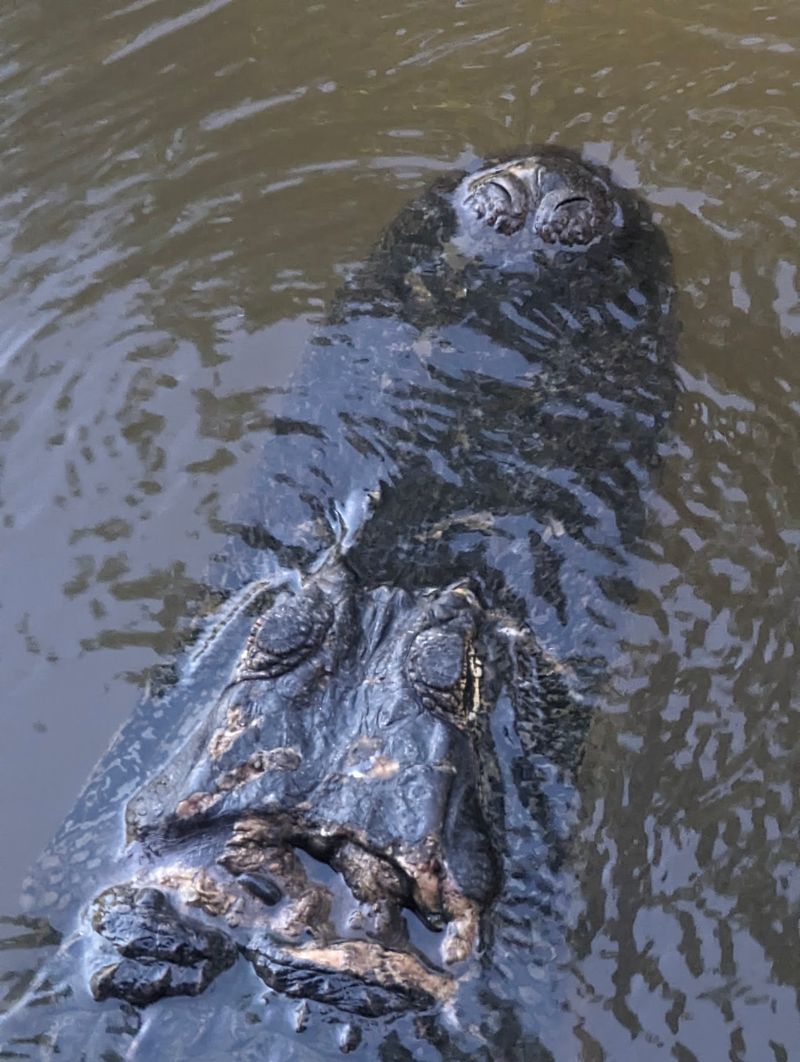
Alligators give the park a thrilling edge, but they also require calm, respectful behavior. Keep your distance, never feed them, and watch children and pets closely near docks, shorelines, and quiet coves.
Cottonmouth snakes and other wildlife live here too, which is exactly why the place feels so alive and unscripted.
The best attitude is simple: observe, do not interfere. An alligator drifting past a campsite or cabin dock can look almost unreal, yet it is behaving like a wild animal in its home, not a show performer.
That same rule applies on the canoe trail, where curiosity should never turn into crowding. If you give animals room, the experience stays memorable for the right reasons.
You get the excitement of the swamp without creating danger for yourself, your family, or the creatures that belong there in daily quiet rhythms.
Walk The Raised Nature Trails
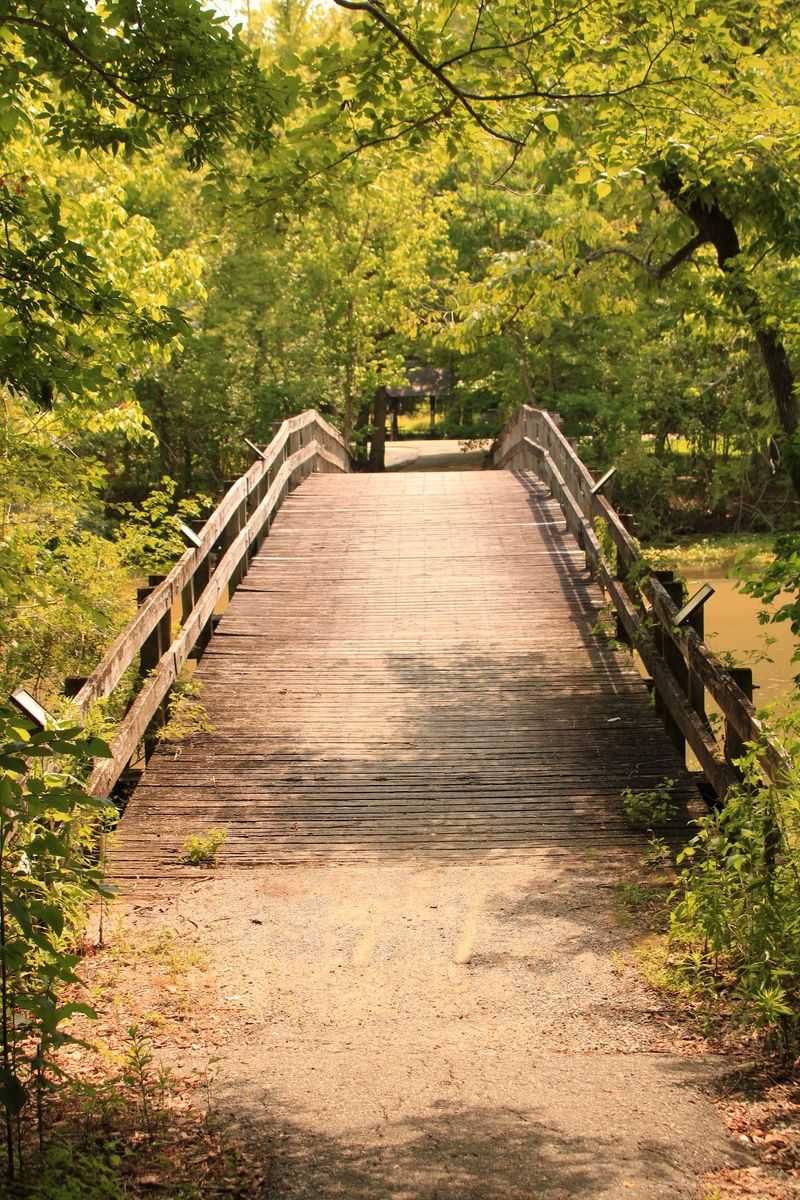
After time on the water, the trails reveal a different side of the park. Lake Fausse Pointe has three nature trails, and some sections use raised wooden walkways and footbridges to cross wet ground that would otherwise stop your walk cold.
That design is practical, but it also gives the swamp a stage-like quality, with roots, shadows, and still pools arranged below your feet.
Take the trails slowly and look beyond the path itself. Lizards dart, birds chatter from hidden branches, and the smell of damp earth changes with every patch of shade.
Good shoes matter here, especially after rain, when mud can gather at trail edges and low spots. I found that hiking after paddling helped me understand the basin better.
From above the waterline, you notice how much of the park depends on elevation, drainage, and patience daily.
Keep An Eye On The Birds
The birdlife can turn an ordinary walk into a scavenger hunt with feathers. Year-round residents and seasonal migrants both use the park, so even casual visitors may spot herons, egrets, wood ducks, pelicans, woodpeckers, warblers, vireos, or cormorants depending on the season.
You do not need expert skills to enjoy it. You mostly need stillness, a little time, and the habit of looking up.
Morning is especially rewarding, when calls carry farther and movement stands out against the trees. Bring binoculars if you have them, but do not let missing gear stop you.
Some of the best moments happen when a bird lands close enough to make you freeze and grin like a kid. Near the water, reflections can make every sighting seem doubled.
The swamp already looks dreamlike, and birds somehow make it feel stranger, lighter, and more animated.
Prepare For Limited Cell Service
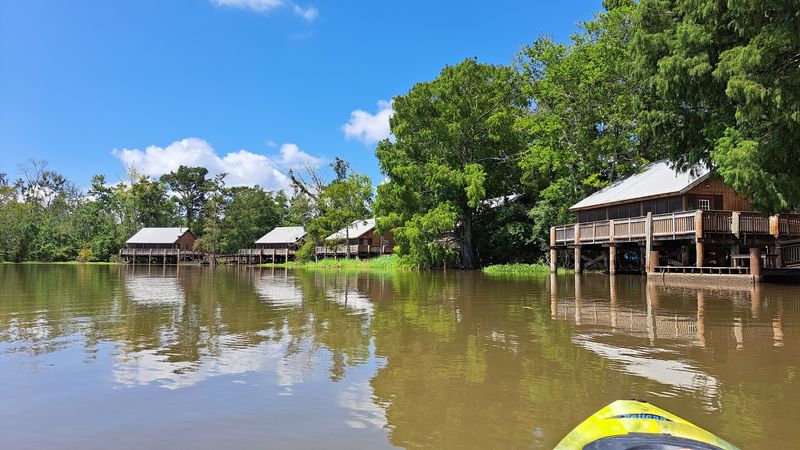
One of the oddest luxuries here is the lack of steady cell service. In most places, losing signal feels annoying.
At Lake Fausse Pointe, it can feel like the park is gently taking your phone away so your eyes will finally notice the water, the wind, and the slow choreography of the trees.
Still, treat the remoteness seriously and plan ahead. Download maps before arriving, confirm directions, and tell someone your basic schedule if you are paddling or staying overnight.
I would also bring any reservation details or park information in a form that does not depend on internet access. The nearest grocery stop is not right next door either, so impulse planning has limits.
Once you accept that, the quiet becomes part of the appeal, not a problem to fix with constant checking every few minutes like everywhere else.
Stay Long Enough To Sleep By The Water
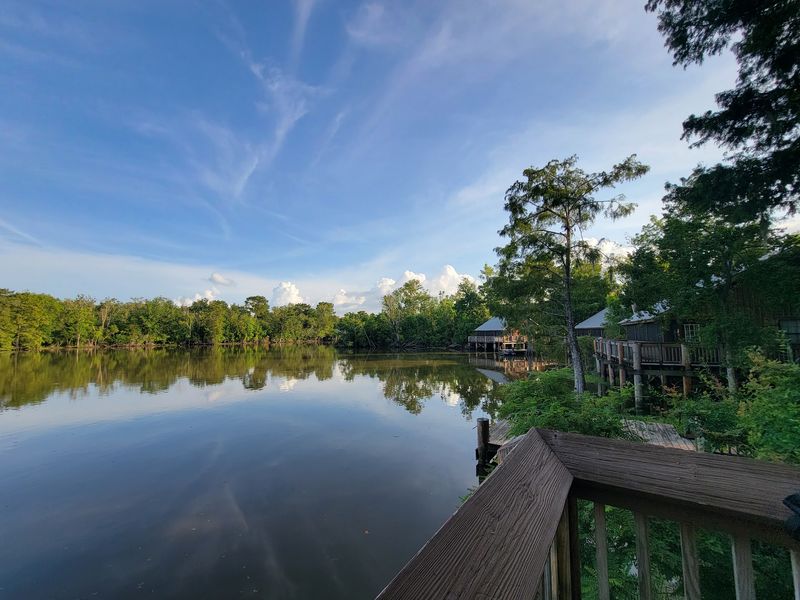
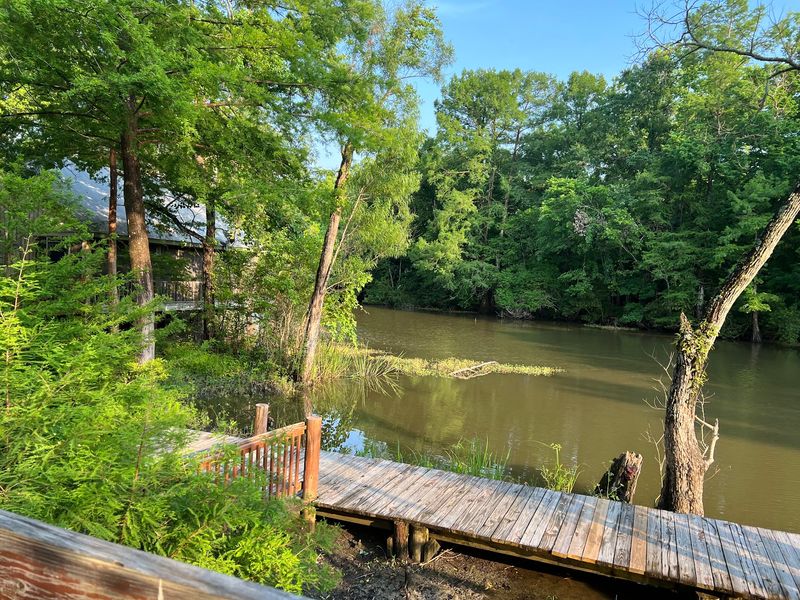
The cabins and waterfront campsites make the park feel less like a day trip and more like a temporary bayou neighborhood. Deluxe cabins sit by the water with docks, screened porches, air conditioning, kitchens, linens, and room for a family or small group.
Campsites offer another strong option, especially if you like stepping outside and seeing the water first thing in the morning.
Staying overnight changes the rhythm of the place in a useful way. You can paddle when light is best, fish without rushing, and take evening walks after day visitors thin out.
Some cabins are built right over the water, while others sit lower with more yard space, so checking the layout before booking is wise. Bring your own food and personal supplies.
Once settled, the soft sounds outside do a remarkably good job of replacing ordinary noise.
Bring Food, Water, And The Basics
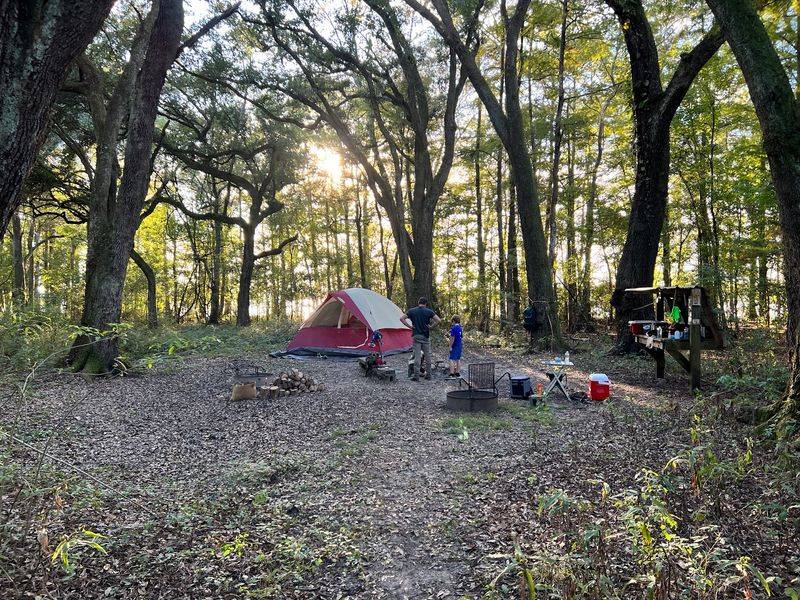
The park feels peaceful, but it is not the place for careless errands. Grocery options are not close, and once you are settled into a cabin, campsite, or launch plan, leaving for forgotten basics can chew up a surprising part of the day.
Pack meals, snacks, drinking water, and any personal items before you arrive, especially if children are coming along.
A gumbo pot in a cabin kitchen sounds charming, but it is only helpful if you remembered ingredients. Picnic supplies matter too, because the park is full of spots where you will want to linger instead of rushing back to town.
I like having one extra bottle of water per person and a few simple snacks reserved for after paddling, when everyone suddenly gets hungry at once. Planning food well quietly supports the whole day from start to finish.
Learn The Human Story Of The Basin
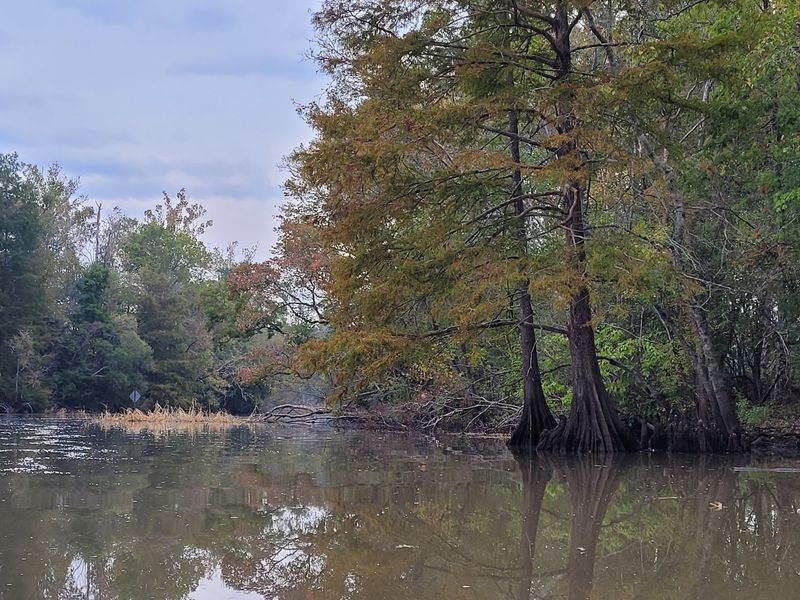
Beneath the scenery, the park holds centuries of South Louisiana story. The land was once home to the Chitimacha, and later drew French, Acadian, and Spanish influences that helped shape the wider region around St. Martinville and the Atchafalaya Basin.
Knowing even a little of that history changes the visit. The swamp stops feeling empty and starts feeling inhabited across time.
The interpretive center is a good place to begin connecting those layers. Plants, animals, waterways, and people all meet here, and the park makes more sense when you see it as culture as well as nature.
I appreciated that shift because it turned a pretty paddle into something deeper. You are not simply floating through trees.
You are moving through an old working landscape, where travel, fishing, trapping, and settlement once depended on the same water for daily life.