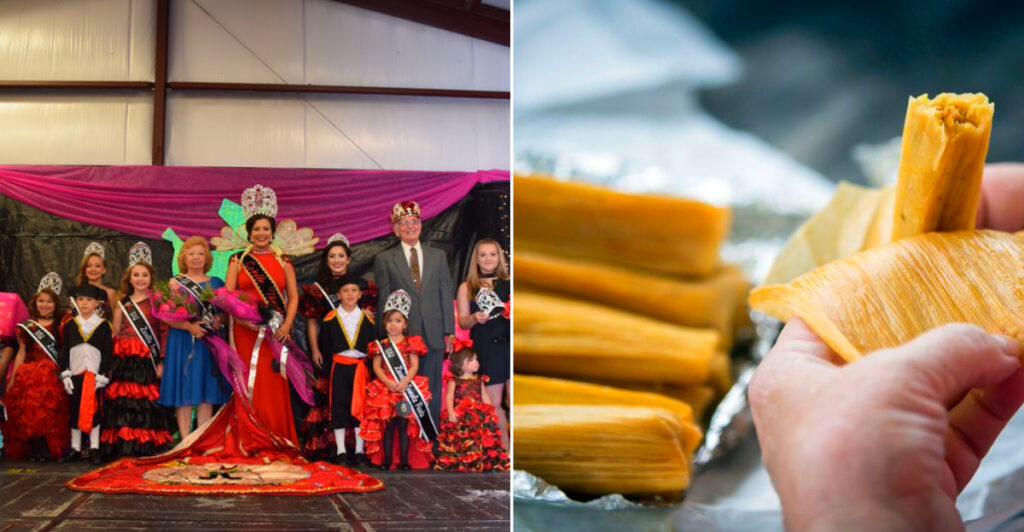
Most festivals in Louisiana center on gumbo, crawfish, or jambalaya. This one centers on masa.
Hand-pressed, seasoned, wrapped in corn husks, then stacked in pots that steam for hours until the filling peeks out the sides and the kitchen fills with a smell that makes waiting nearly impossible.
The tamale festival in this small northwest Louisiana town traces its roots back to Spanish settlers who arrived in the early 1900s to work the nearby timber camps.
Plus the three-day celebration honors that history with tamale-eating contests, a parade through downtown, live music on the main stage, plus vendors selling variations that range from traditional pork to jalapeno-cheddar.
The whole thing happens in October when the humidity drops just enough that standing outdoors for three hours feels reasonable rather than heroic. Tamales in Louisiana carry a story that starts long before the first bite in Louisiana.
The Tamale’s Enduring Legacy
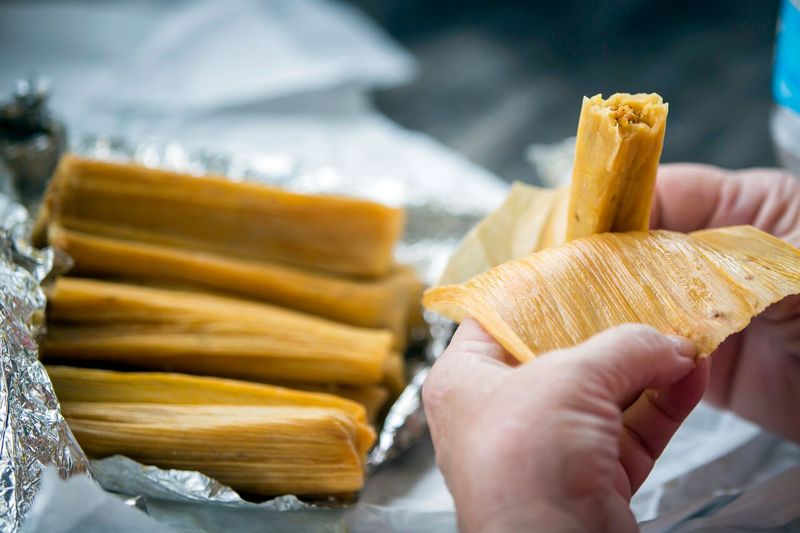
Before the music, parade, and carnival lights take over, the real reason people come is wrapped in a corn shuck.
Zwolle tamales carry a history that feels distinct from the better-known Delta hot tamale tradition, because this Sabine Parish version is tied closely to the Choctaw-Apache, Spanish, and local family roots of the Zwolle and Ebarb area.
That background gives the food more weight than a festival snack usually gets. A tamale here is not just masa, seasoned pork, and steam.
It is a recipe passed through kitchens, church gatherings, family tables, and community celebrations long before it became the centerpiece of a public fiesta.
The best way to approach the first bite is without expecting one single “correct” version. Different makers may season, wrap, and cook with their own family logic.
That variation is part of the legacy. The festival does not freeze the tamale into a museum object.
It lets people keep making, serving, arguing over, and celebrating it.
Main Street Becomes Tamale Territory
The Zwolle Tamale Fiesta takes over the Zwolle Festival Grounds at 1100 South Main Street in Zwolle, Louisiana. From US-171, follow the business route into town and continue south along Main Street toward the fairgrounds.
The 50th annual fiesta runs Thursday, October 8, through Saturday, October 10, 2026.
Expect slower traffic as music, food stalls, carnival activity, and thousands of visitors fill the grounds, then follow temporary festival signs through the final blocks.
Enter through the marked festival-ground access and follow attendants toward the designated visitor parking area. Once parked, continue on foot toward the admission gates and central festival grounds rather than searching for a separate tamale-market entrance.
A Festive Atmosphere Unfolds
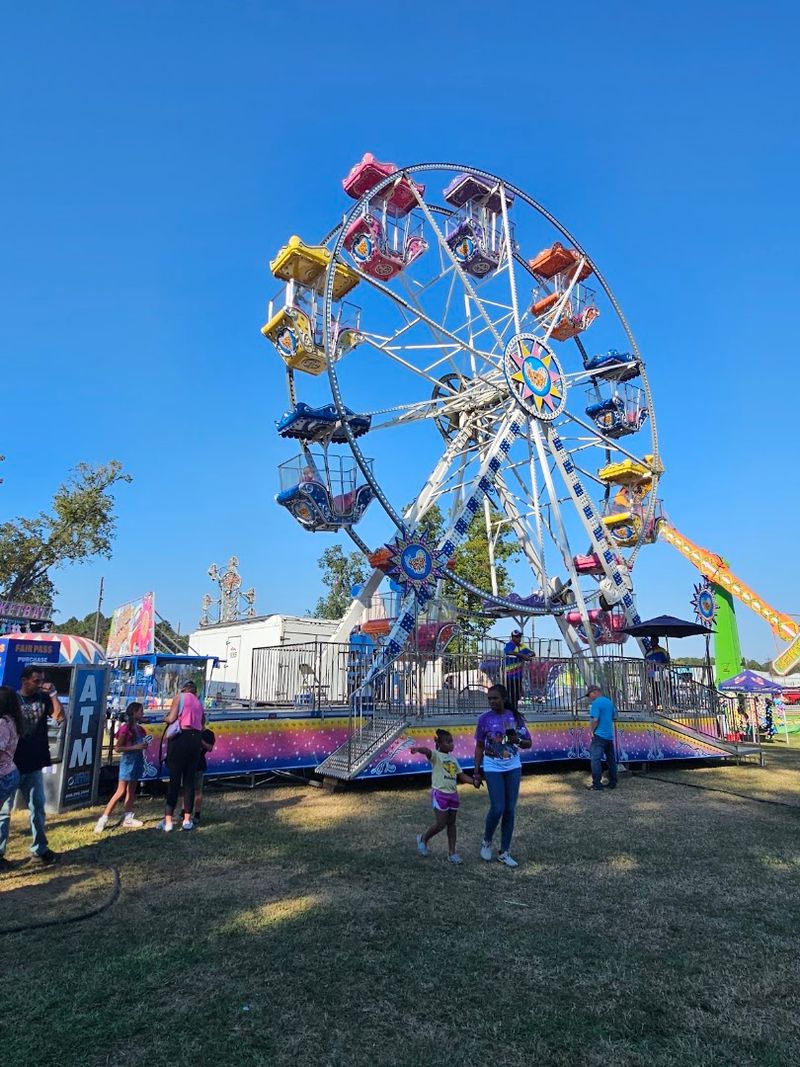
Arrive mid-morning and the Zwolle Festival Grounds already hum with activity: live bands, street dancing, and parade floats in Spanish costume. The second full weekend of October brings over fifteen thousand visitors who weave through food stalls, crafts, and rides.
For families the vibe is accessible and celebratory rather than polished, and that’s part of the charm.
Fun, Food & Fellowship is more than a slogan here; it’s practical. Expect a mix of organized events like pageants and spontaneous moments of music-led dancing.
When the sun lowers, the festival shifts toward a convivial glow as lights and laughter spread across the fairground field.
Feasting And Friendly Competition
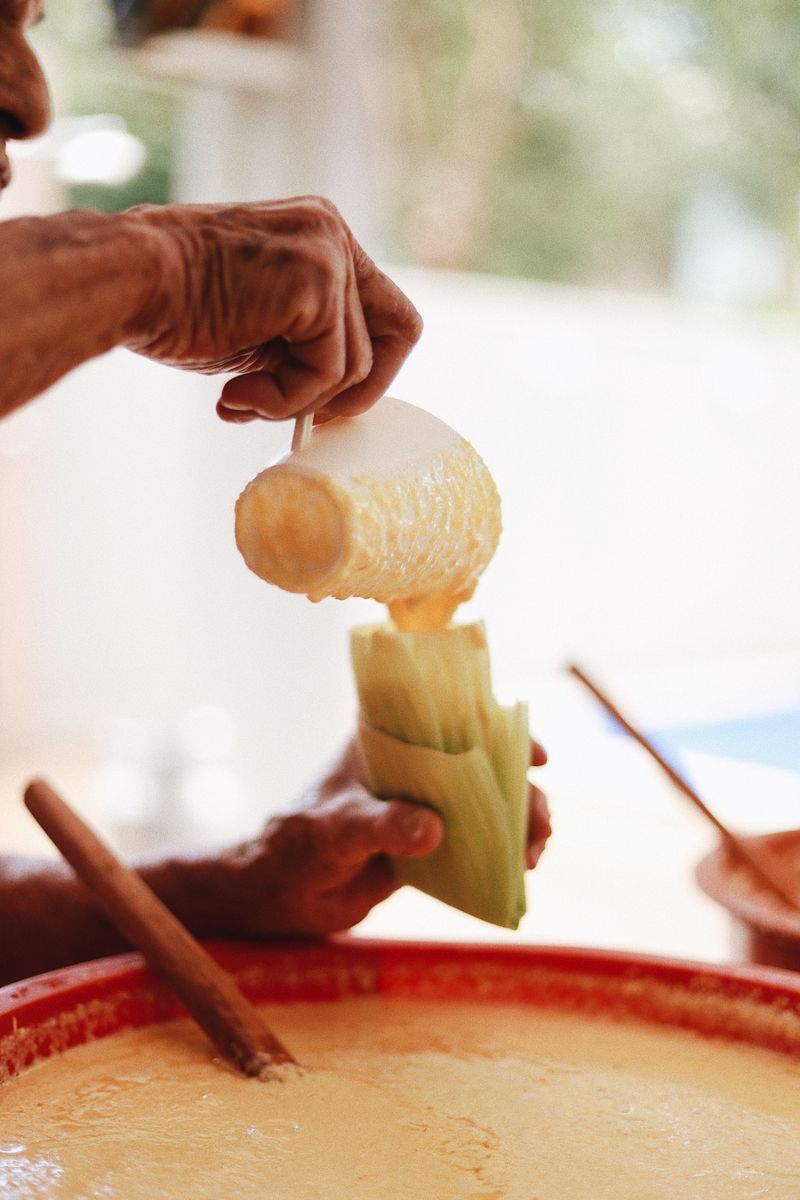
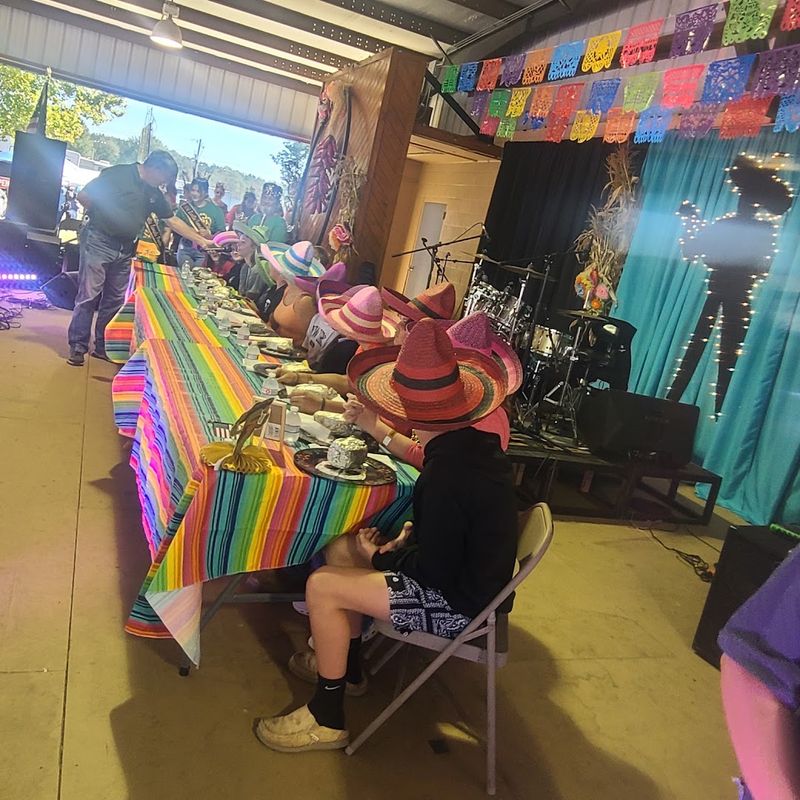
Food becomes performance at the fiesta, especially when contests and demonstrations pull tamales out of private kitchens and into public view. Eating contests, tamale-making displays, and vendor competition all give the weekend a playful edge, but the craft underneath is serious.
Watching someone make tamales well is a reminder that the process is physical and learned by repetition. The filling has to be seasoned correctly.
The masa needs the right texture. The shuck has to be handled with care.
The wrapping must hold during steaming without becoming clumsy. None of those steps look dramatic from a distance, but together they decide the flavor and feel of every bite.
The competitive parts of the festival do not cheapen the tradition. They make it visible.
What families once did around kitchen tables becomes something visitors can watch, cheer for, and appreciate. The best move is to eat first, then watch a demonstration.
Once you understand the labor, the next tamale tastes different.
Beyond The Tamales
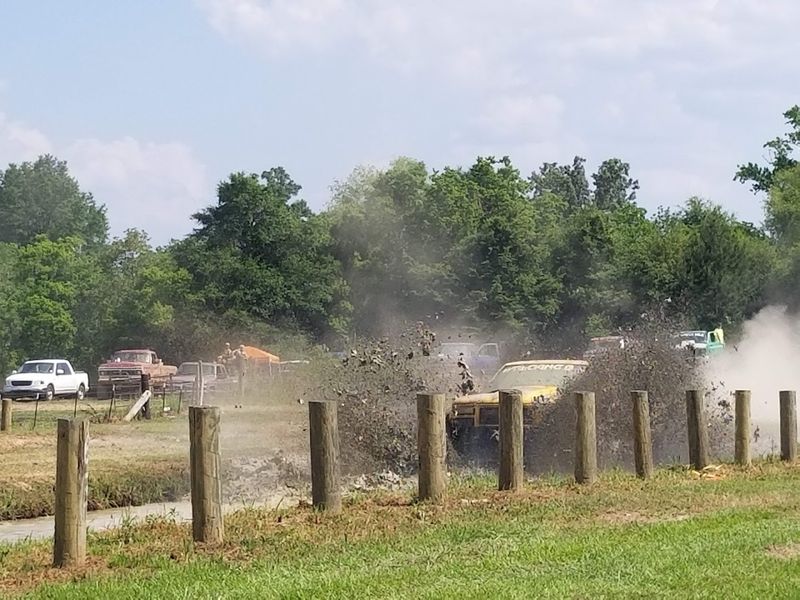
There’s a lot more going on than food: expect mud bog races, a trail ride, arts and crafts vendors, and morning runs that broaden the weekend’s appeal. The mud bog is a loud, messy spectacle that contrasts with quieter cultural moments like pageants and craft stalls.
A 1k walk and 5k run Saturday morning bring a different, active crowd to the grounds.
If you want variety, plan for both early and late festival hours to catch the full range of activities. The festival’s scale makes it suitable for families and for anyone curious about rural Louisiana festivities grounded in communal habits and long local memory.
A Glimpse Into Local Traditions
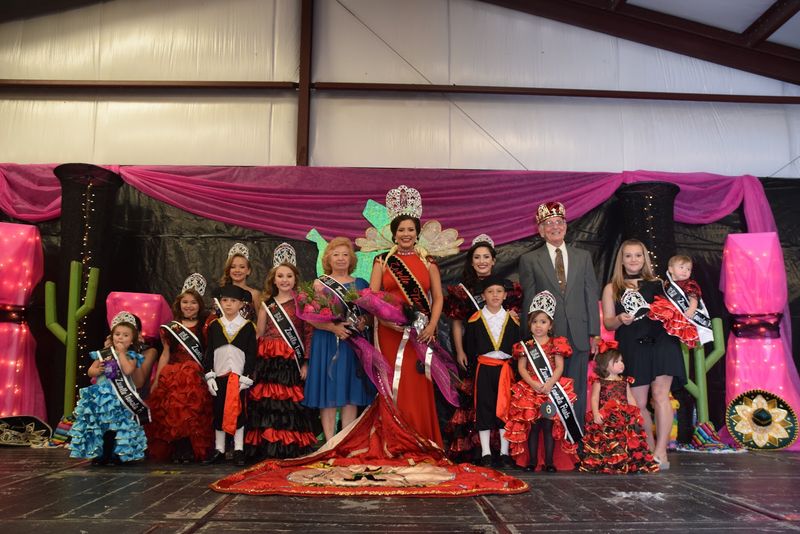
The fiesta intertwines civic celebration with spiritual practice, including a Spanish language mass at St. Joseph’s Catholic Church that underscores cultural continuity. Events like the pageant and the selection of a Queen highlight community structures that extend beyond three festival days.
Local traditions anchor the weekend in relationships that matter long after the tents come down.
Observing these rituals reveals how food functions as cultural shorthand, signaling lineage and belonging. The festival is a reminder that culinary practice can be a public archive.
Approach with respect and curiosity, and you’ll see why the tamale means more here than flavor alone.
Visitor Logistics And Tips
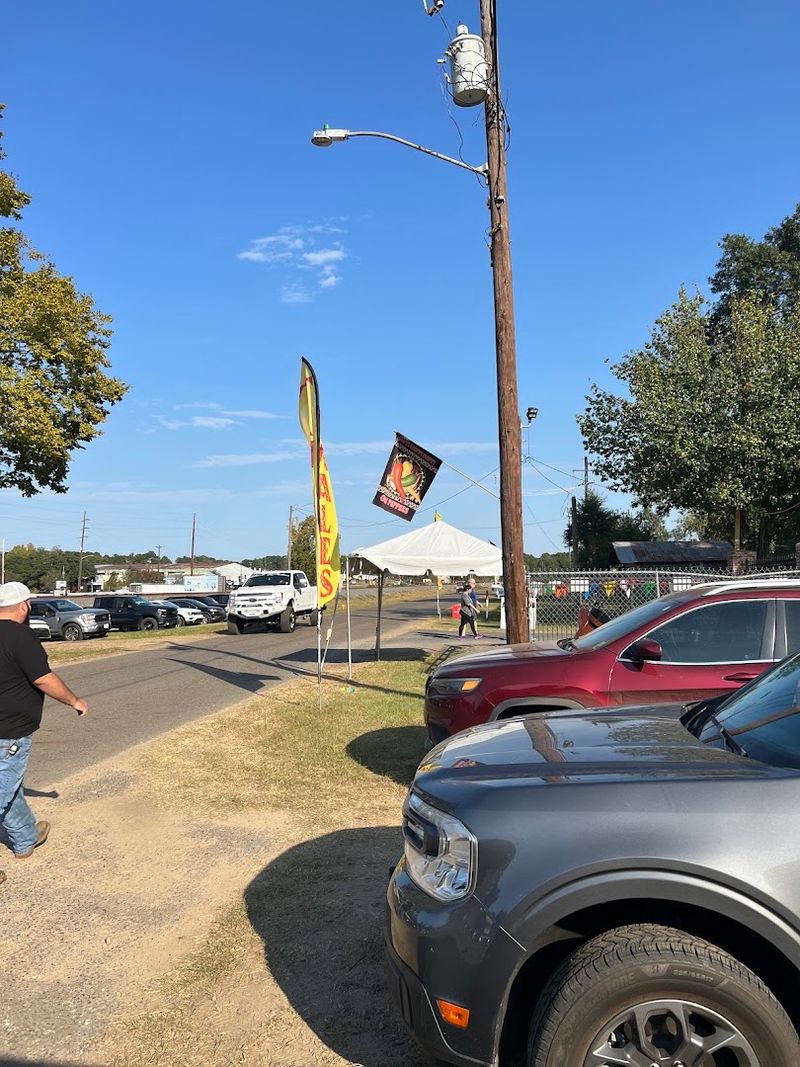
A better fiesta visit starts with practical expectations. Parking may involve grassy or field areas near the festival grounds, so shoes matter more than fashion, especially if rain has softened the ground.
Comfortable walking shoes are the safe choice because the weekend involves standing, browsing, waiting, and moving between food, music, contests, and rides.
Cash is also wise. Some vendors may accept cards, but small festivals still run more smoothly when visitors carry bills for food, crafts, drinks, and quick purchases.
Bring a water bottle if allowed under current rules, and check the official schedule before leaving because event times can shift or become more detailed closer to the weekend.
Tamales can sell fast during peak hours, so earlier visits often mean better selection and shorter lines. Anyone planning to buy extra for home should bring a cooler or insulated bag.
This is especially useful if the drive back is long. The tamales are the treasure, but the logistics protect the treasure.
Seasonal Quirks
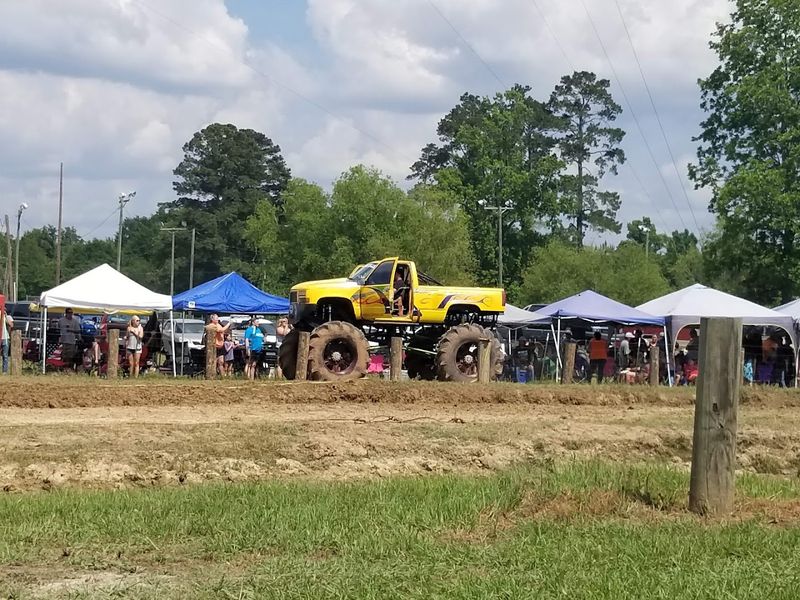
Held on the second full weekend of October, the fiesta benefits from cooler weather that encourages all-day attendance and outdoor performances. Seasonal changes affect both the ground and the mood: a crisp morning can turn into a warm afternoon, so layering is useful.
The festival calendar also opens possibilities for camping nearby and combining a visit with Toledo Bend outdoor activities.
Weather can influence vendor availability and the condition of parking fields, so check forecasts and wear shoes suited for grass or mud. The timing also means local produce and flavors align with harvest rhythms, which subtly shapes some food offerings seen at booths.
Detail Spotlight On Technique
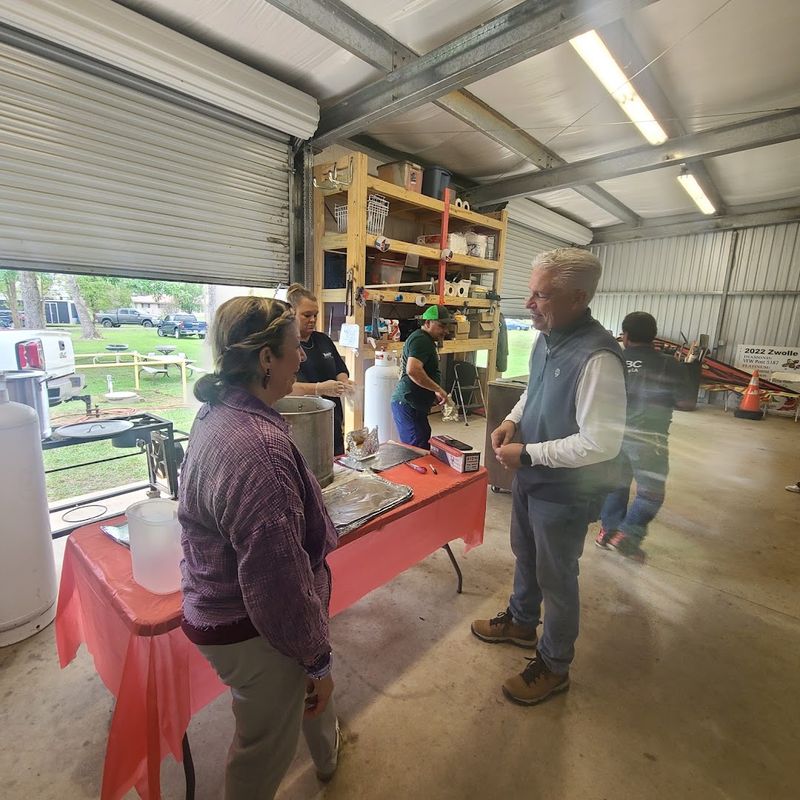
Technique is where the tamale stops being simple. A finished bundle may look humble, but every part of the process affects the result.
Masa texture, seasoning, meat preparation, shuck handling, wrapping pressure, stacking, steaming time, and family preference all shape the final bite.
That is why demonstrations can be one of the most valuable parts of the festival. They slow the food down and show visitors what is easy to miss when eating quickly.
The work is tactile. Hands judge moisture, spread masa, place filling, fold shucks, and repeat the process until a pot becomes a batch.
Learning even a few basics changes how the tamale tastes. You start noticing whether the masa is tender, whether the filling is balanced, whether the seasoning lingers, and whether the wrap held together cleanly.
The fiesta makes that knowledge public without stripping it of family pride. It shows that local food traditions survive because someone keeps doing the work correctly, again and again.
Community Voices And Hosts
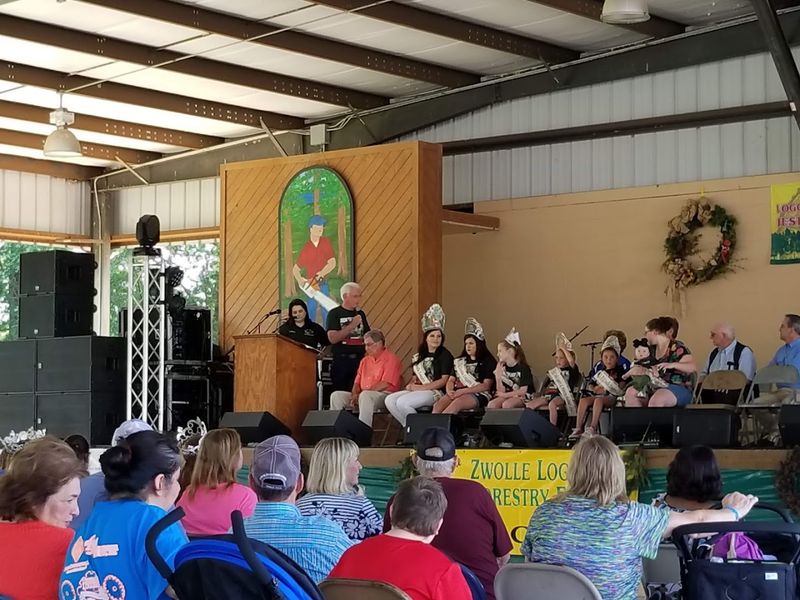
Hosts and long-time vendors shape the festival’s rhythm; they greet regulars like family and treat newcomers with genuine hospitality. Conversations with stallholders reveal the persistence of family recipes and the occasional tension of balancing tradition with demand.
The festival’s organizers coordinate pageants, demonstrations, and contests, but much of the warmth comes from individual makers and volunteers.
Engage with vendors about techniques and history, and you’ll often find a story tied to the recipe. This festival is run by people who care, and those interactions are what make the visit memorable beyond the food and entertainment.
Practical Visitor Habits
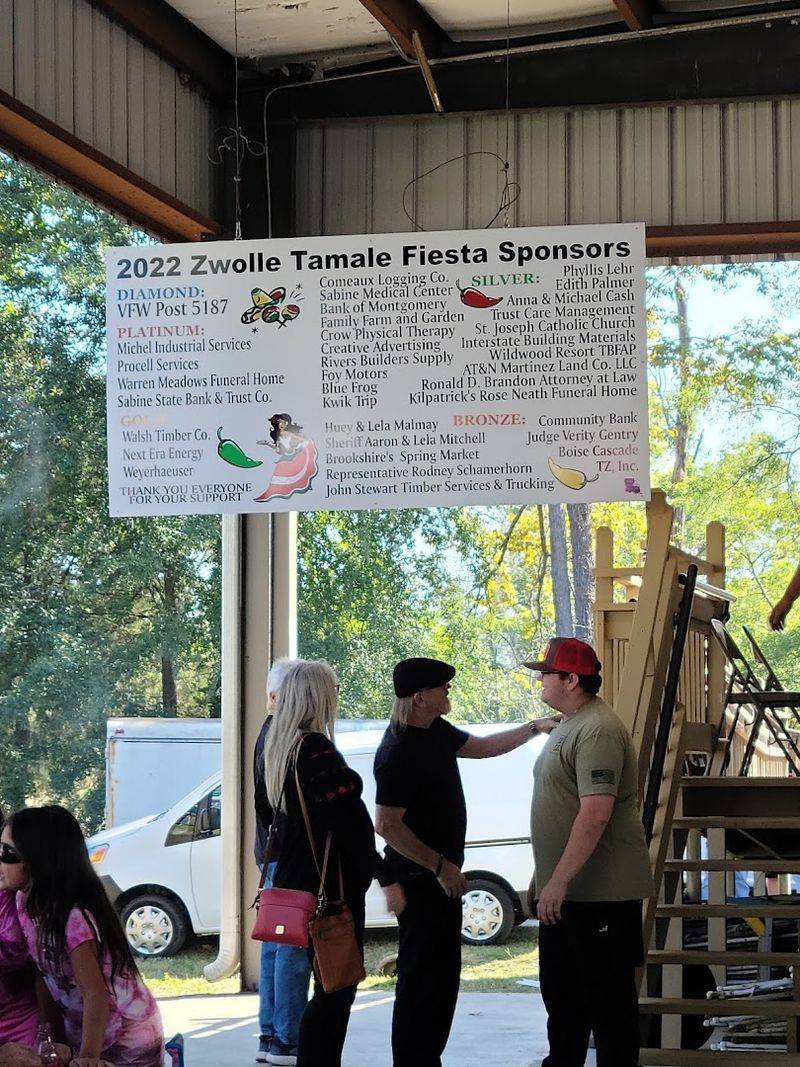
Small preparations can make the difference between a fun festival day and a tiring one. Arrive early if tamales are your main goal, because popular booths can draw lines and selection may narrow as the day goes on.
Bring cash, comfortable shoes, sunscreen, and a cooler if you plan to carry food home.
Think about timing the day around your energy. Mornings are better for calmer browsing, demonstrations, and easier movement.
Afternoons bring more crowd energy and often stronger festival momentum. Evenings are best for music, lights, and the social feeling that makes the grounds glow after dark.
Portable chairs or a picnic blanket may help if seating is limited or if you are traveling with children or older relatives. Expect grass, dust, possible mud, and the usual unpredictability of a busy outdoor festival.
The best habit is to stay flexible. Eat when the line is reasonable, watch what catches your attention, and let the fiesta unfold around the tamales rather than trying to control every minute.