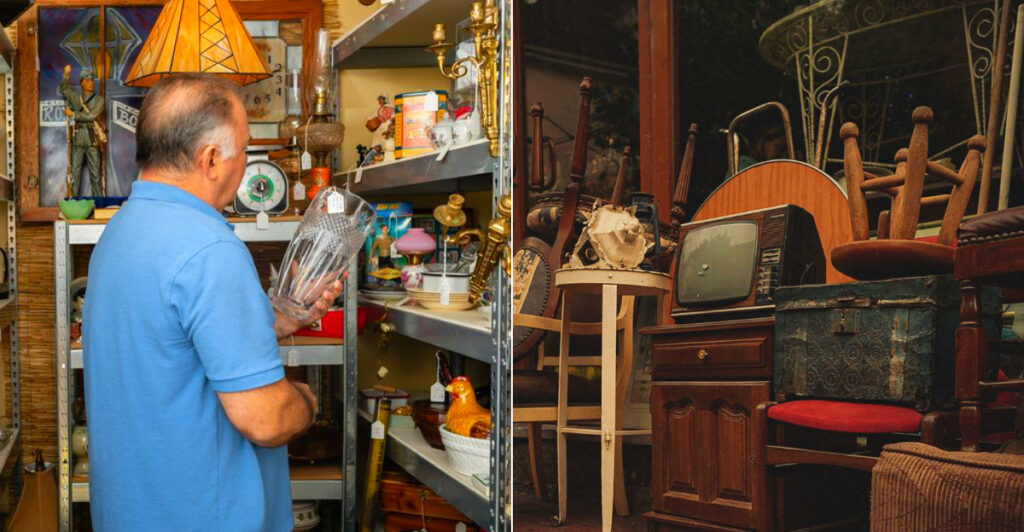
Twenty-plus antique shops in a six-block stretch is either a dream or a problem, depending on your wallet. This town earned its nickname honestly.
Store after store of vintage furniture, mid-century glassware, estate jewelry, and Louisiana folk art, all walkable along a main street draped in Spanish moss. The shopkeepers sit on front porches and greet you by name on the second visit.
I walked in planning to browse and walked out with a piece of Mardi Gras ephemera from the sixties that I did not know I needed. The buildings date to the early 1900s.
Original hardwood floors creak under your feet.
The smell of aged wood and old paper follows you from shop to shop. Skip the busy festival weekends if you are a serious collector.
Go on a random Saturday when you have the run of the place. Louisiana towns do not get more browsable than this.
Learn Why The Town Chose Antiques
Ponchatoula did not become America’s Antique City by accident. The town began in the nineteenth century as a railroad and timber center, then later leaned on farming, especially strawberries.
When those older patterns no longer carried downtown on their own, local leaders pushed a fresh identity in 1989 and turned antiques into a serious civic plan.
Knowing that backstory changes the walk. You are not just browsing old objects.
You are seeing how a small town used preservation, business, and stubborn local pride to keep its center alive. Storefront after storefront makes more sense once you realize the antique district was part strategy, part rescue, and part love letter to local history.
That history also explains why shopping here feels unusually rooted, not staged for tourists alone. It gives each block a purpose beyond pretty windows and nostalgia for sale.
Pine Street Drops You Into Antique City
Ponchatoula’s antique district fills the historic downtown core of this small Louisiana city, with shops clustered around Pine Street and Railroad Avenue. From I-55, take LA-22 east, which becomes Pine Street as it carries you directly into downtown.
Stay on Pine Street until you reach the railroad tracks, where the compact antique-shopping district spreads along Railroad Avenue and the surrounding blocks. Storefronts sit close together here, making the Pine and Railroad intersection a useful point to switch from driving to walking.
Use available public or street parking around downtown, then explore the antique shops on foot along Pine Street, Railroad Avenue, and the neighboring blocks. Several of Ponchatoula’s best-known antique stores are concentrated within this walkable central area.
Notice The Spanish Moss First
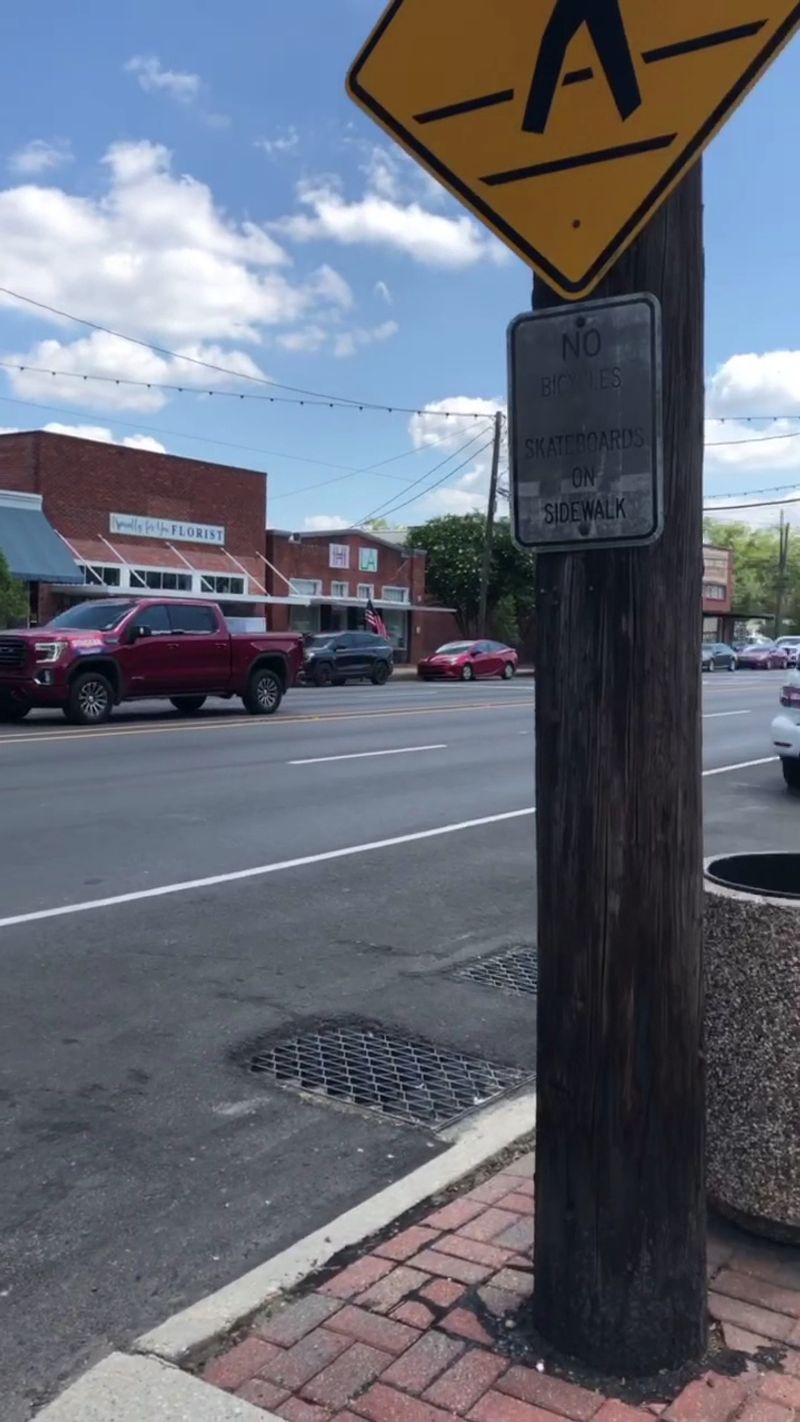
Before you even step inside a shop, look up. Spanish moss hangs from the big oaks and gives downtown a dreamy, slightly ghostly softness that fits the antique mood perfectly.
Ponchatoula’s name comes from a Choctaw phrase often explained as meaning hair to hang, so the moss is more than pretty scenery.
That detail changes the pace of a visit. The trees shade the sidewalks, slow your stride, and make it easier to linger at display windows or bench corners between stores.
I found that the town works best when you stop chasing a list and start noticing textures instead: brick, bark, old glass, peeling paint, iron rails. Antiques are the reason to come, but the hanging moss teaches you how to look, which is half the fun here on a warm afternoon when everything seems gently paused in time.
Read The Buildings Like Artifacts
Some of the best antiques in Ponchatoula are not for sale at all. Downtown’s late nineteenth and early twentieth century brick buildings carry pressed tin details, tall windows, and old commercial proportions that remind you this was once a working railroad town.
Even the facades feel like exhibits if you slow down enough.
Try pausing at corners before entering the next shop. You will notice how carefully many structures have been reused instead of replaced, which gives the district its real depth.
A repurposed storefront holds more meaning than a brand-new imitation ever could. Looking at architecture first also sharpens your eye indoors, where furniture, signs, and fixtures start to seem connected to a bigger local story rather than random old stuff piled together.
It is a useful habit when you want souvenirs with context, not just bargains with dust.
Save Time For C J’s Antiques
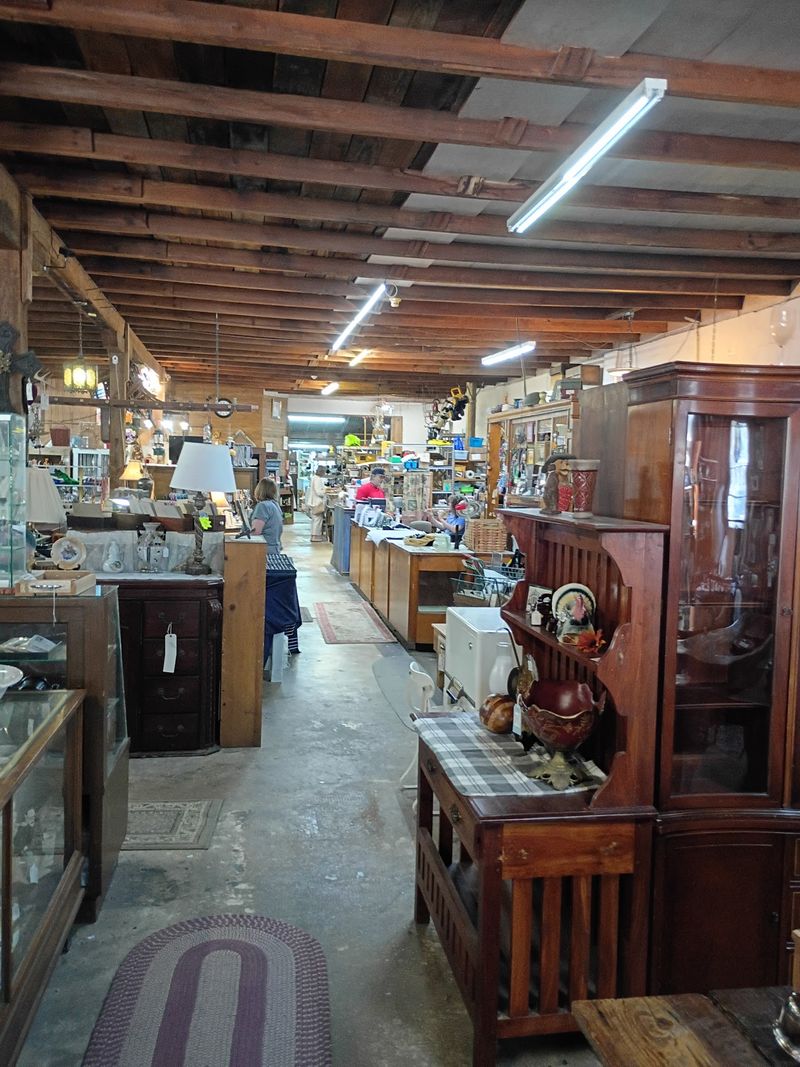
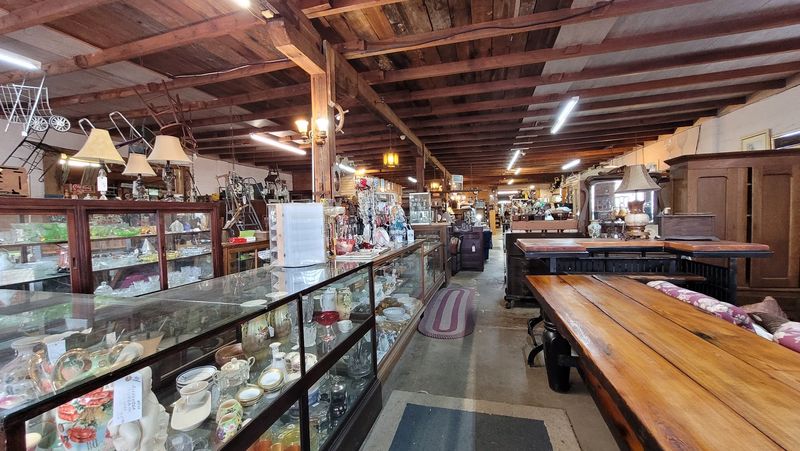
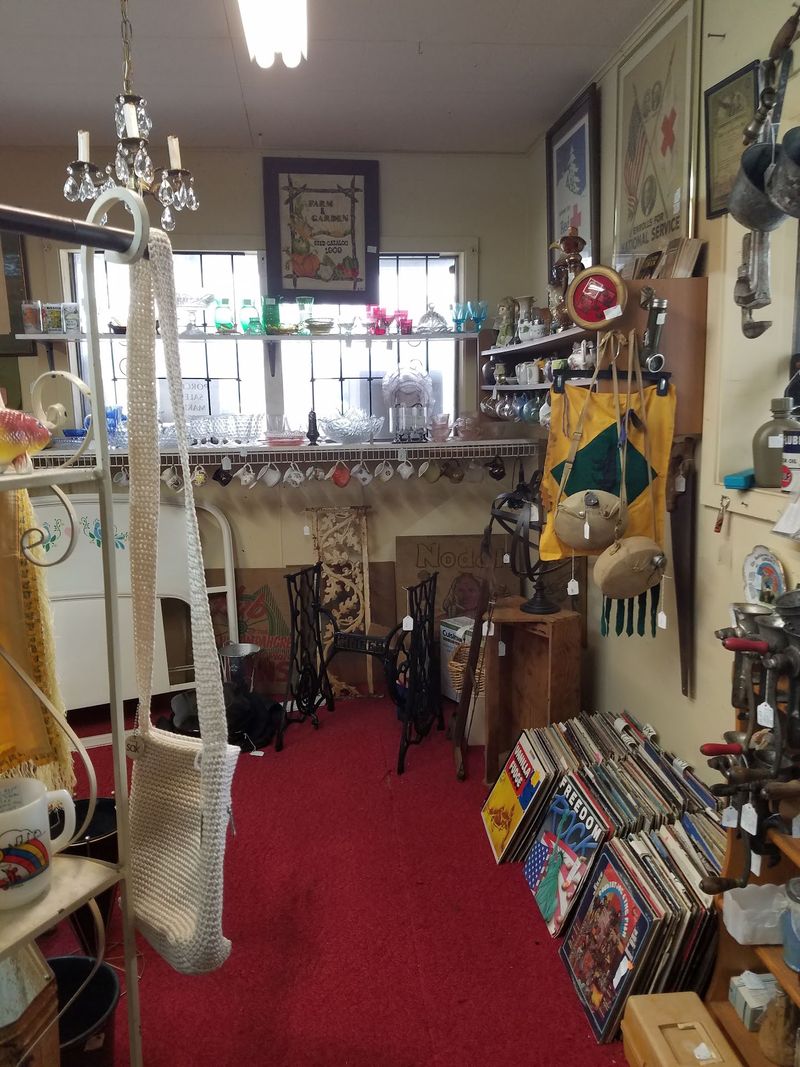
One stop can swallow an afternoon, and C J’s Antiques & Collectibles is the place most likely to do it. At 160 S E RR Avenue, this large multi-room antique store is known for packed aisles, furniture, records, tools, signs, and all kinds of vintage surprises.
If your schedule is tight, plan around it instead of treating it like a quick add-on.
The smart move is to give yourself at least an hour, preferably more, and keep your hands free for opening cabinet doors or checking labels. Narrow paths in parts of the building mean patience matters.
I went in thinking I would browse briefly and lost all sense of time by the third room. Ponchatoula has many shops, but this one shows how big the town’s antique ambition really is.
Bring a measuring tape and a fully charged phone.
Hunt By Category, Not By Store

Twenty shops in six blocks sounds neat on paper, but it can blur together fast once you are inside your sixth room of glassware and framed prints. A better plan is to shop by category.
Decide whether you care most about furniture, kitchenware, books, jewelry, tools, or regional memorabilia, then let that list steer your steps.
That method keeps impulse buys from taking over too early. It also helps when stores vary from polished displays to more crowded, treasure-hunt spaces.
Some rooms reward careful digging; others are best for quick scanning. I like to circle back later for the maybe items after I have seen prices elsewhere downtown.
Ponchatoula becomes less overwhelming when you give your search a shape, even if you leave room for one glorious surprise. A small tote helps, especially when paper finds start stacking up inside.
Bring Measurements And A Car Plan
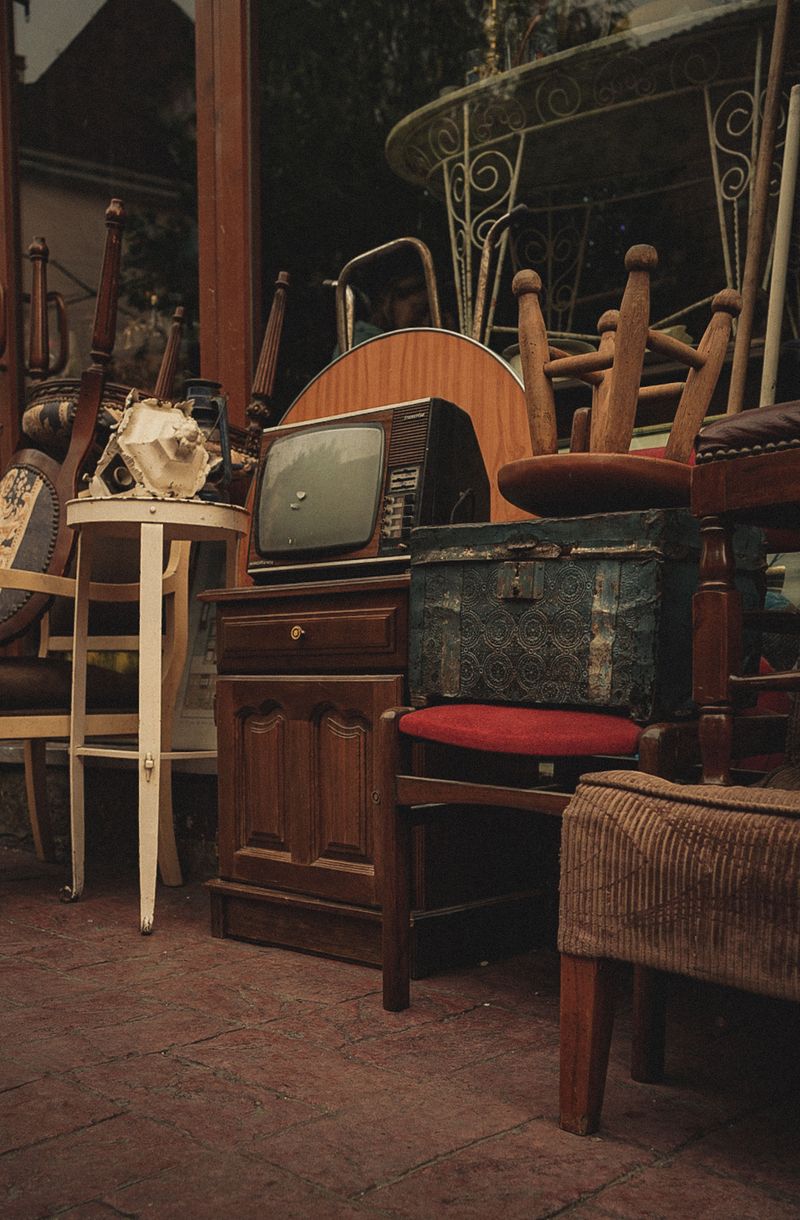
Antique shopping gets tricky the moment something large steals your heart. Ponchatoula’s downtown is full of furniture, mirrors, trunks, and wooden pieces that can look manageable under high ceilings, then turn giant once you imagine them in your hallway.
A tape measure, room dimensions, and a quick sketch on your phone can save you from a very dramatic miscalculation.
Think about transportation before you buy. If you are driving a small car, ask yourself whether that side table or rocking chair truly fits.
Keep blankets or cardboard in the trunk if you hope to carry fragile finds home safely. The town is easy to explore on foot, but purchases have a way of making logistics suddenly feel like the real adventure.
Even small lamps, framed maps, and pottery need space, padding, and a plan before checkout feels wise to you.
Visit During Antique Trade Days
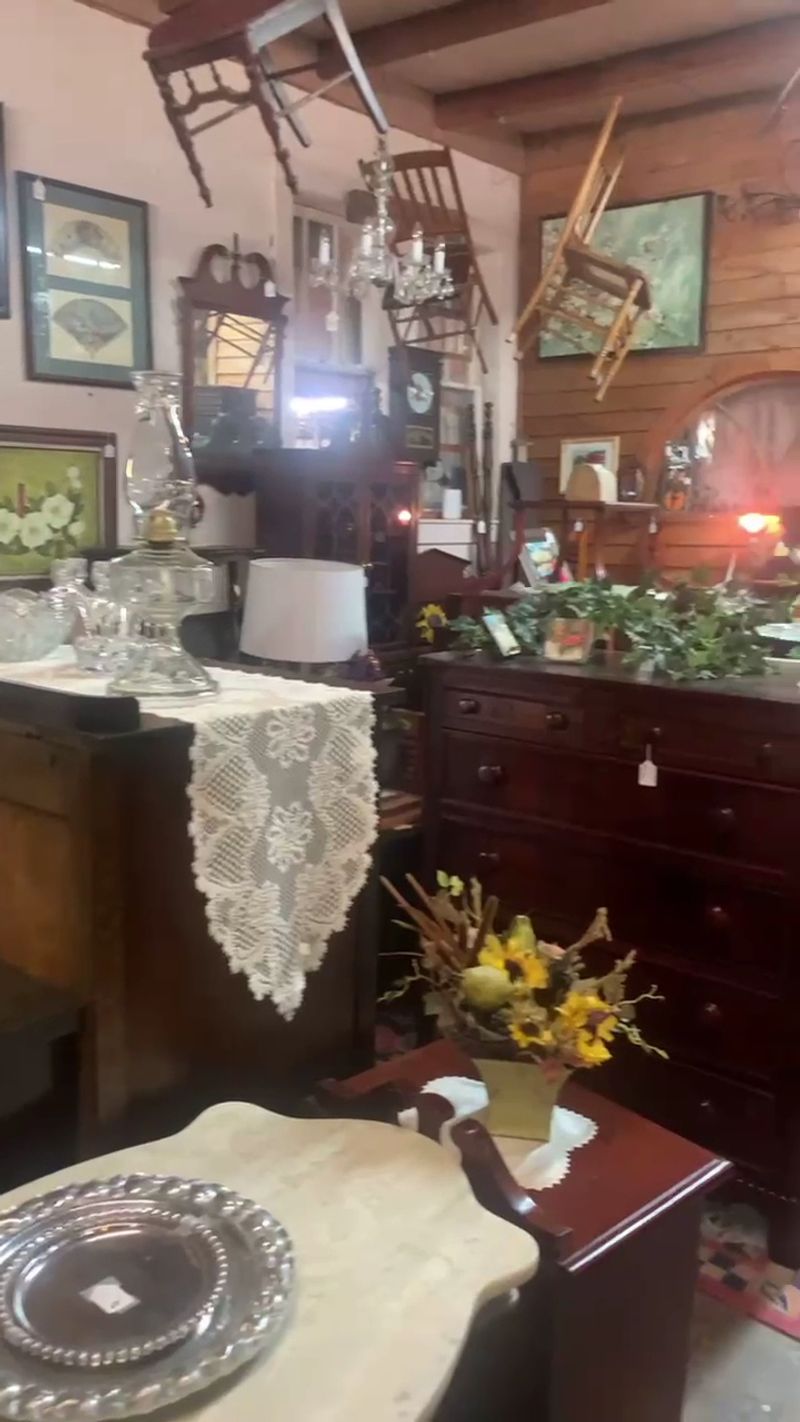
Twice a year, Ponchatoula shifts from pleasantly busy to gloriously crowded in the best possible way. The town’s Antique Trade Days, held in spring and fall, spread extra vendors and energy through downtown, turning an already strong shopping district into a larger open-air hunt.
If you enjoy choice, conversation, and a little bustle, those dates are worth targeting.
The trade-off is pace. Parking can take longer, and the smartest visitors arrive early, wear light clothes, and bring cashless payment options plus a tote for smaller finds.
I enjoy regular days too, but event weekends reveal the town at full volume, when locals and visitors move block to block comparing lamps, comic books, old tools, and farmhouse pieces. It feels less like errands and more like a small civic festival built around memory.
Plan meals and breaks so your energy lasts.
Look Beyond The Obvious Collectibles
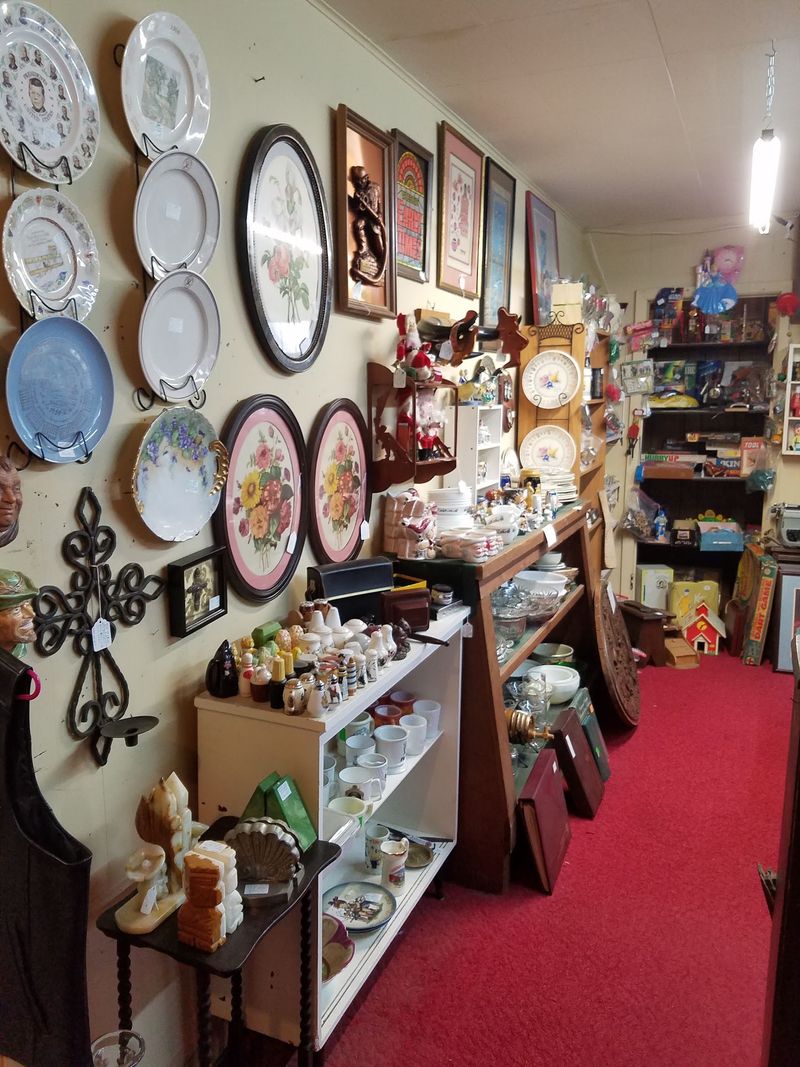
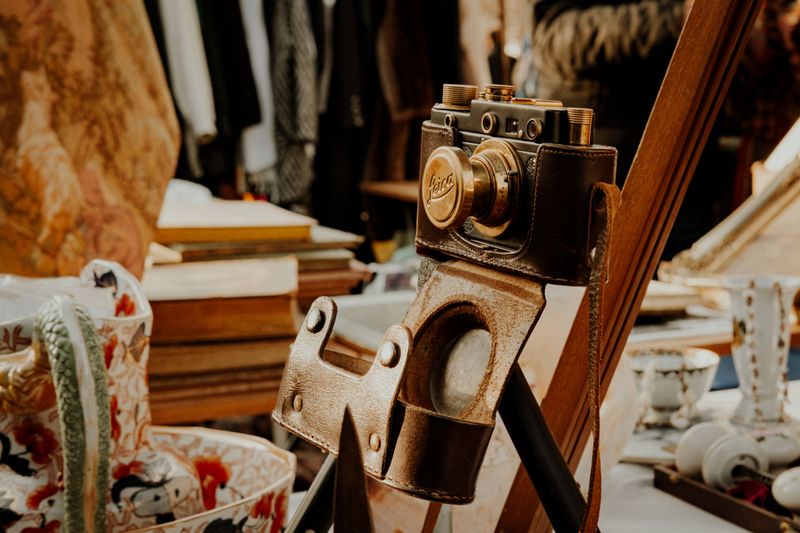
Not every good find in Ponchatoula is a grand statement piece. Some of the most memorable objects are small, odd, and easy to miss: recipe boxes, handwritten ledgers, postcards, sewing tins, scout books, church fans, or local advertising signs.
Those pieces often carry the strongest sense of everyday life, which is what makes them linger in your mind later.
Give lower shelves, side cases, and mixed booths your attention. Items with modest price tags can teach you more about a place than one expensive cabinet ever will.
I once spent longer with a box of old paper ephemera than with a room full of furniture. In a town built on antiques, the humble things sometimes hold the richest stories, and they are easier to carry home too.
Bring sleeves or folders if you think paper goods might tempt you there.
Talk To People Who Know The Stock
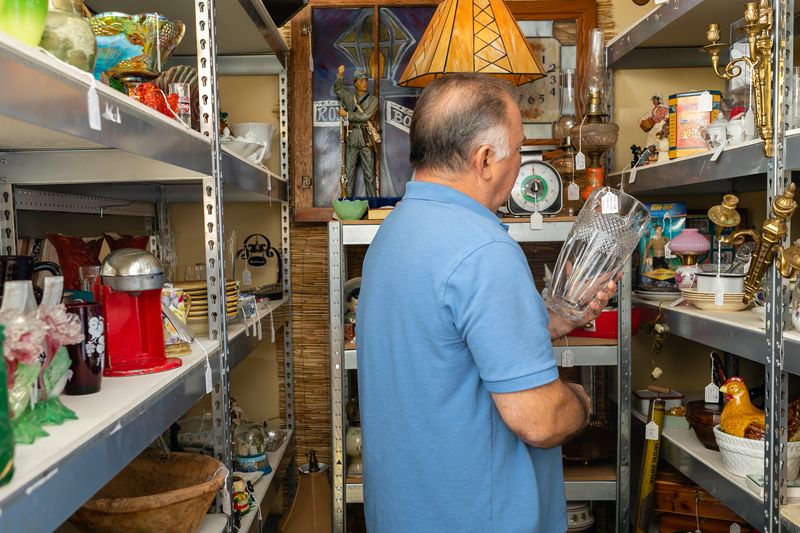
Antique towns reward conversation, and Ponchatoula is no exception. Shop workers and vendors often know when new pieces arrived, which booth leans mid-century, and where to send you for cast iron, records, or Louisiana postcards.
A quick friendly question can save time and open doors you would not notice on your own.
Keep the questions specific. Ask about eras, materials, or whether similar pieces are tucked in another room.
That approach works better than saying you are just looking for something old. I have been pointed toward back corners I would have missed completely, and those quiet redirects changed the day.
In a place with so many stores close together, local knowledge acts like a shortcut, a history lesson, and a map folded into one. You may leave with better context, a fairer match, and fewer aimless laps around downtown.
Leave Room For The Town Itself
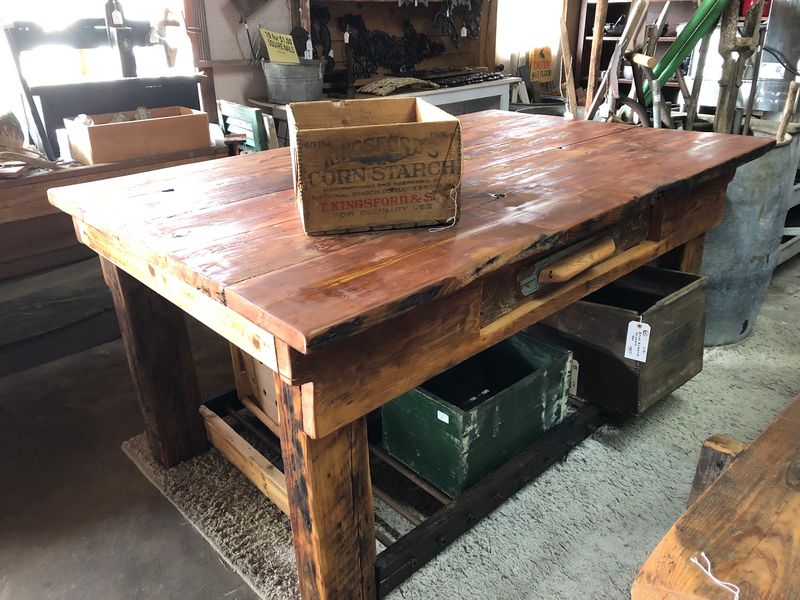
After a few hours of antique hunting, the smartest move is to stop trying to buy the whole past. Sit for a while, walk the full downtown again, and notice how the district fits together: brick streets, old storefronts, the former depot area, and the steady rhythm of a town that rebuilt itself through preservation.
The setting deserves attention equal to the merchandise.
That pause can also keep you from making rushed purchases late in the day. When I looped back after a break, I saw one piece more clearly and another far less romantically, which is useful.
Ponchatoula works because it is both market and place. If you let the town itself be part of the experience, the title America’s Antique City feels earned rather than merely printed on a sign.
Then it stays with you longer after sunset.