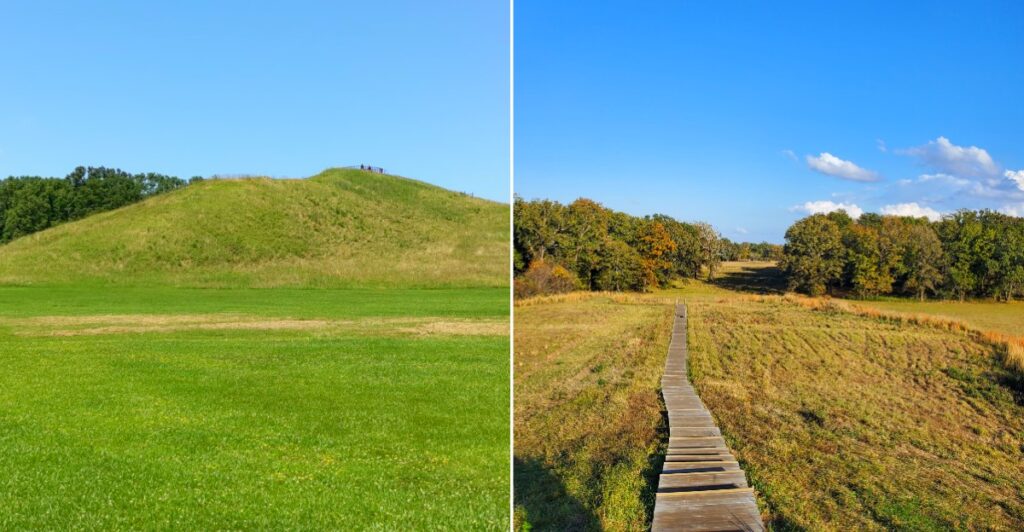
About two million cubic yards of dirt were moved by hand to build it. No wheels, no shovels from a hardware store, and no pack animals doing the heavy lifting. Just people, baskets, and a plan that lasted for centuries.
The builders were hunter-fisher-gatherers, not farmers. They raised a giant mound that stands 72 feet tall. They also shaped six curved ridges that wrap around a huge plaza like ripples in a pond.
It’s the kind of place that flips what most of us learned about ancient history. Older than Stonehenge, this remarkable archaeological site in northeast Louisiana preserves the earthworks of a civilization that moved mountains of soil without modern tools.
Today you can hike a trail right through it all. You can even climb to the top of that big mound, with the curves of the ancient landscape spread out below you.
Highway 577 Takes You Into Ancient History
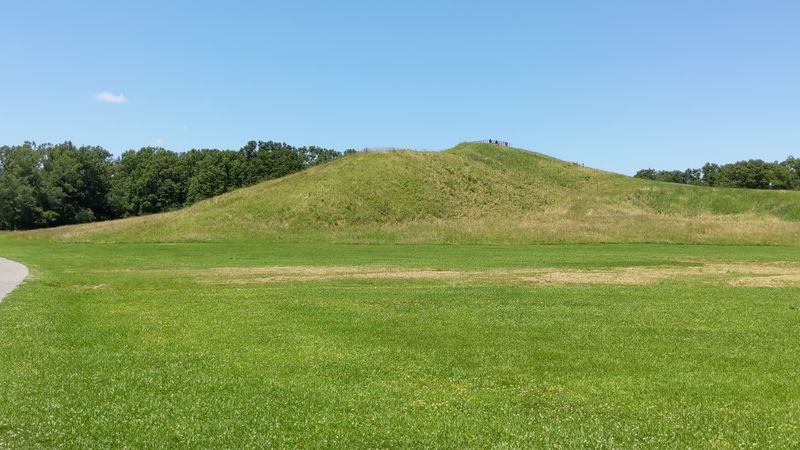
Poverty Point World Heritage Site is at 6859 Louisiana Highway 577 in Pioneer, Louisiana. Approach through northeast Louisiana and follow Highway 577 toward the signed heritage site entrance.
The visitor center and low earthen ridges mark the archaeological landscape rather than a conventional wooded recreation trail. Look for the official Poverty Point entrance signs before entering the site’s grounds.
Park in the designated visitor area and begin at the museum or visitor center for trail information. The complete walking trail is approximately 2.6 miles, but visitors may plan a shorter visit around accessible sections.
Climb The Big Bird Mound For A View Worth Every Step
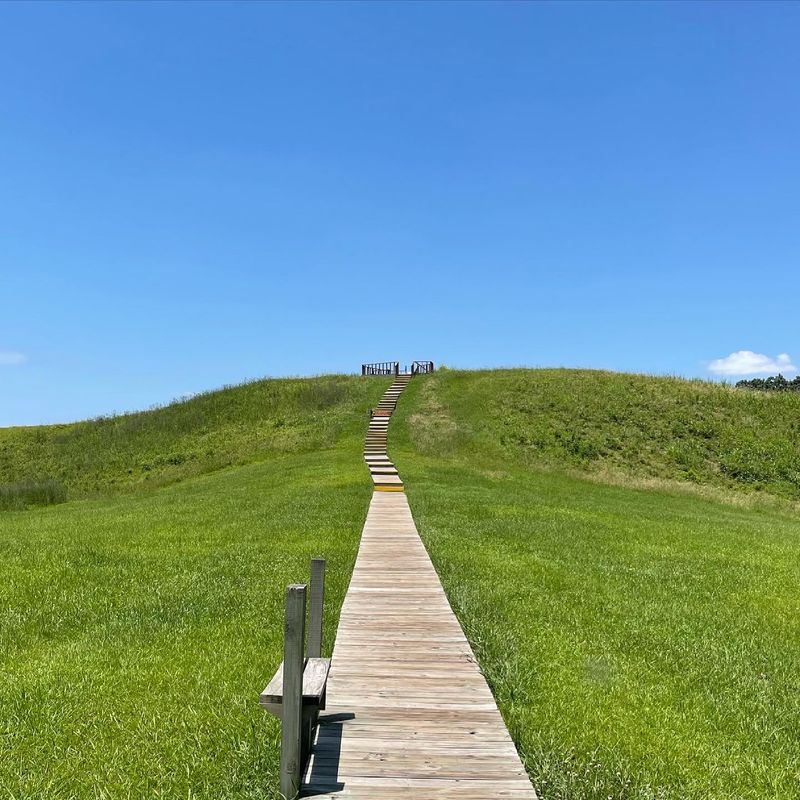
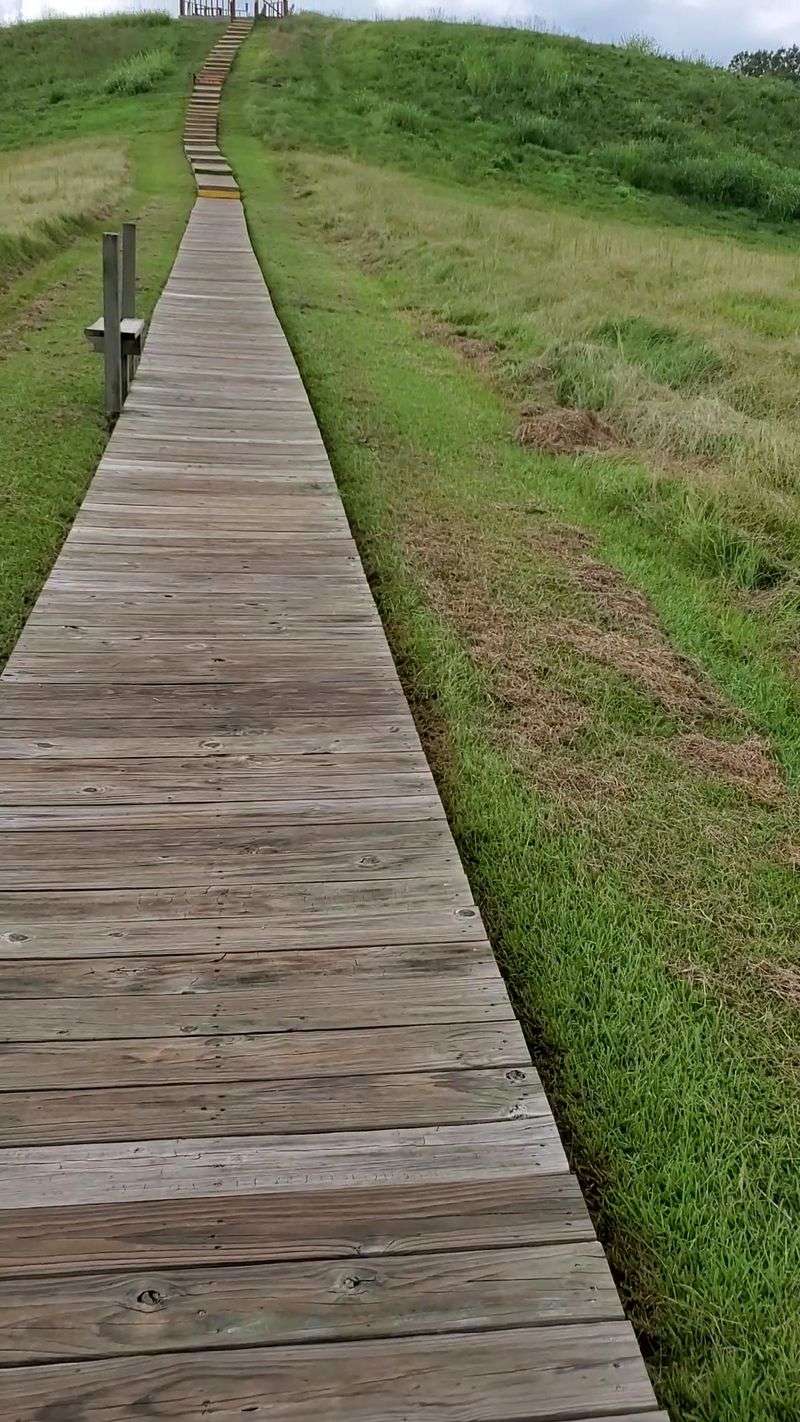
Seventy-two feet of hand-carried earth rises in front of you. Mound A, also called the Bird Mound, ranks among the largest constructed earthen mounds in North America.
The good news? You don’t have to scramble up the side. Stairs lead to the top, so you can climb it at your own pace.
It’s a real workout, especially on a hot Louisiana afternoon. Bring water, wear a hat, and take breaks when you need them.
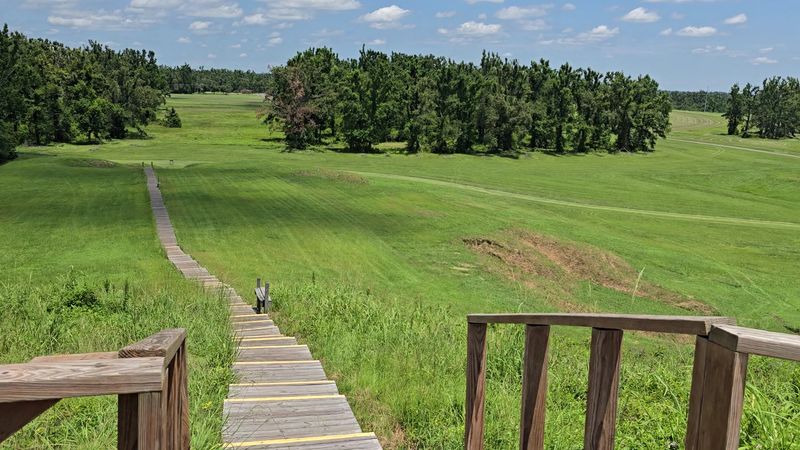
Once you reach the top, the whole layout opens up around you. You get a panoramic look across the site and its surrounding landscape.
From below, the ridges can be hard to read. From up high, the scale of the project starts to make a lot more sense.
Here’s a fun thought to carry up those steps. Every bit of soil under your feet was moved by people without modern tools.
Grab your site map before you head up. Matching what you see with the map helps you spot the plaza, the ridges, and other mounds. Your legs may complain a little. Your brain will thank you.
Lace Up For A 2.6-Mile Trail Through Ancient History
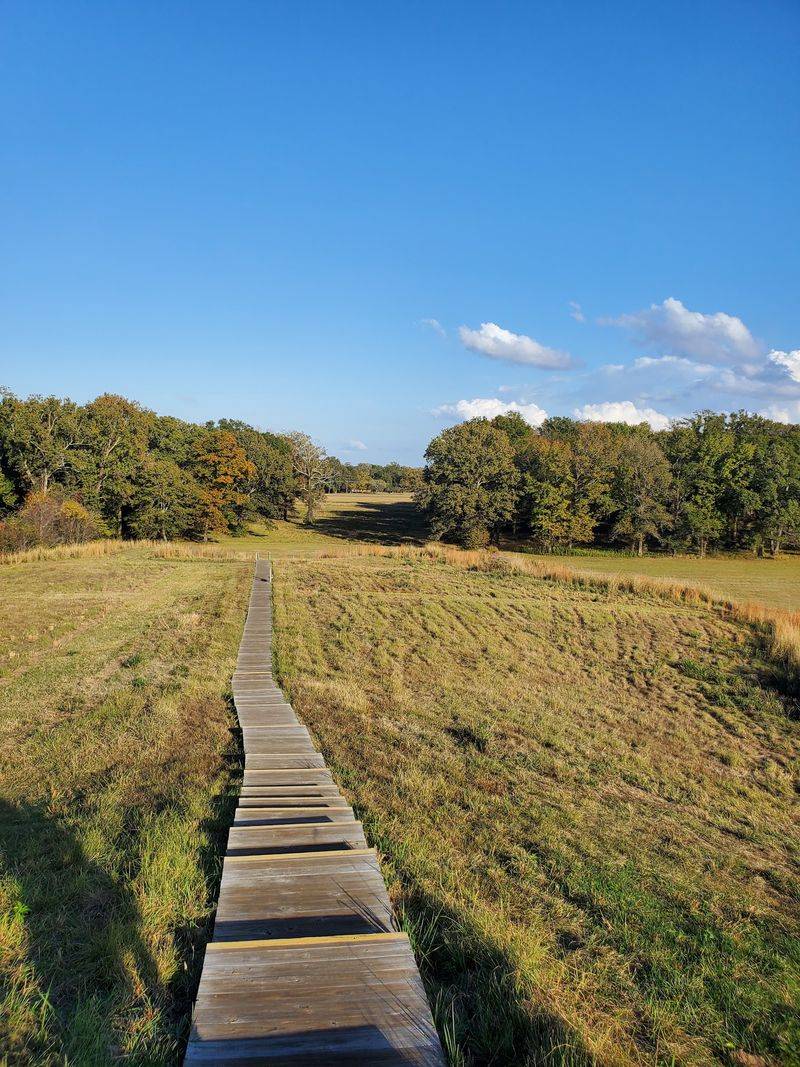
Walking shoes are the best tool you can bring. The hiking trail at Poverty Point World Heritage Site stretches 2.6 miles across the grounds.
It’s the most personal way to experience the earthworks. You move at human speed, much like the people who once lived and worked here.
The trail lets you see parts of the site that feel different up close. Ridges, open fields, and wooded edges all take turns in the spotlight.
Plan your timing with the weather in mind. Mornings tend to feel better in the warmer months, and the site opens at 9 a.m.
Pack plenty of water and some sunscreen. Comfortable shoes matter too, since 2.6 miles adds up quickly when you stop to read and look around.
Picking up a trail map at the visitor center is a smart first move. It helps you understand what each stop along the way actually means.
Without that context, a ridge can look like a long lump of grass. With it, you’ll realize you’re tracing the edge of an ancient community. That’s a pretty great upgrade for a simple walk.
Prefer Air Conditioning? The Driving Tour Has You Covered
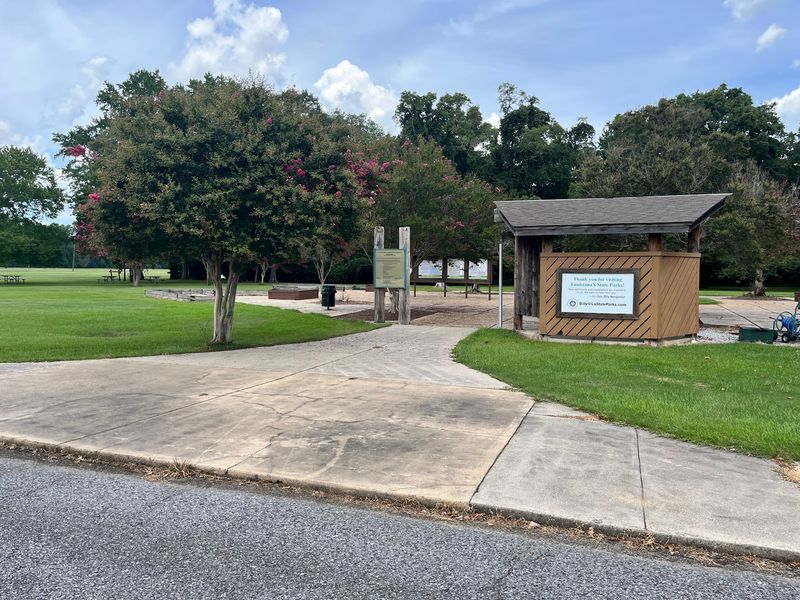
Not everyone wants to hike in July heat, and that’s fair. A paved driving tour gives you another way to see the earthworks.
The road loops past key features of the site. You can pull over at numbered stops and read about what you’re looking at.
It’s a great option for families with small kids or anyone with limited mobility. It also works well when time is short and you still want the big picture.
Think of it as the scenic version of a history lesson. You get the overview without logging miles on foot.
One tip makes a big difference here. Grab the brochure at the visitor center before you start driving.
The handout explains each stop in plain language. Without it, you might cruise right past features that matter a lot.
You can still hop out for the main event. Parking near Mound A lets you combine an easy drive with that rewarding climb to the top.
Driving through a 3,000-year-old landscape is a strange and wonderful feeling. Just remember to watch the road and not only the ridges.
Let A Ranger Do The Talking On The Tram Tour
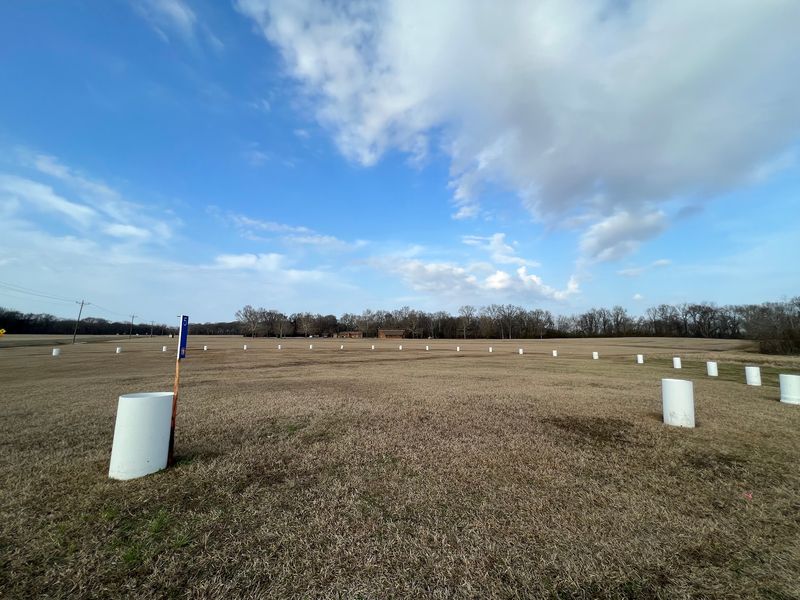
Some stories land better when someone tells them out loud. Ranger-guided tram tours at Poverty Point World Heritage Site bring the earthworks to life.
The tours run year-round when the weather cooperates. They’re typically offered Wednesday through Sunday.
Schedules can shift, so call the visitor center ahead of your trip. That small step can save you from showing up at the wrong time.
A guided ride adds something a sign can’t. Rangers can answer your questions as they come up and point out details you might miss.
Curious how a group of hunter-gatherers fed so many workers? Wondering why the ridges curve the way they do? This is the moment to ask.
The tram also gives your feet a break. You still cover plenty of ground, but somebody else handles the steering.
Kids often do better with a live guide too. A friendly voice beats a long plaque for holding young attention spans.
If your schedule allows, try pairing the tram with a hike or climb. You’ll get both the expert view and the explorer’s view.
Start Inside With Artifacts That Traveled Hundreds Of Miles
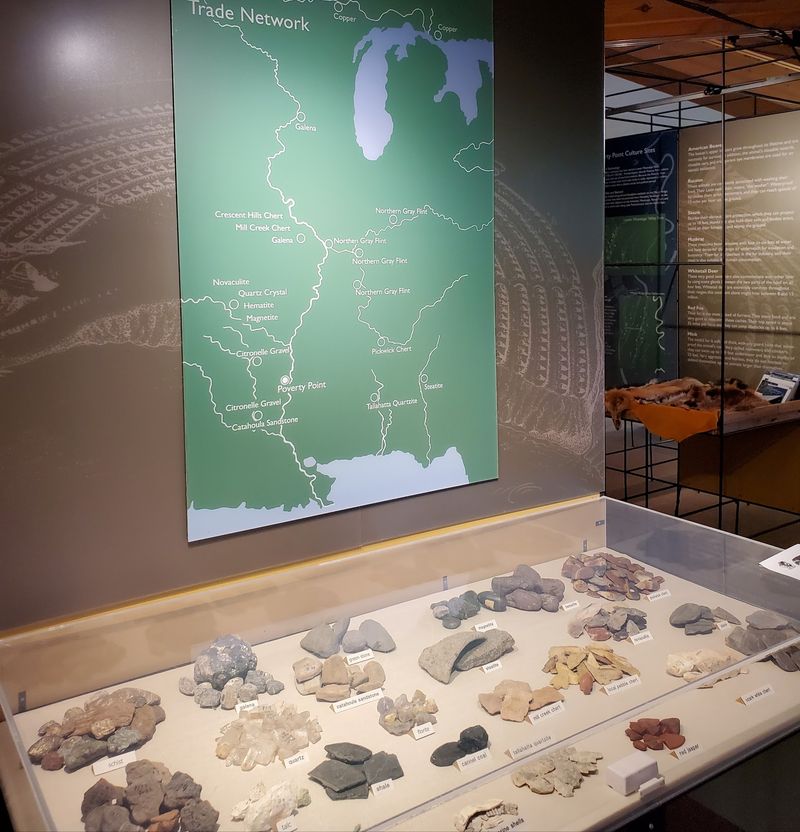
Rocks from far away tell one of the coolest stories here. Poverty Point was a major trading and ceremonial center in its day.
Its network reached hundreds of miles across the continent. That means materials found at the site came from distant places, long before roads or horses existed.
The interpretive museum shows off artifacts uncovered at the site. Seeing real objects helps the scale of this trade network feel real.
An introductory film also explains the history and meaning of the earthworks. Watching it before heading outside is a smart move.
Why start indoors? The museum gives you a mental map. Once you know what you’re seeing, the mounds and ridges stop looking like plain grassy hills.
It also helps you picture the people behind the dirt. Tools, ornaments, and everyday items make them feel less like a mystery and more like neighbors from long ago.
Restrooms are available on-site, which makes the visitor center a handy first stop. Take your time inside, then head out with fresh eyes. The landscape will make a lot more sense.
A World-Famous Honor Sits In Quiet Louisiana Farm Country
June 22, 2014, was a big day for this corner of the South. That’s when UNESCO officially named Poverty Point a World Heritage Site.
That puts it on the same global list as some of the most famous places on Earth. Not bad for a field of grassy ridges in Louisiana.
The honors started long before that, though. The site became a National Historic Landmark in 1962.
In 2010, it became a Smithsonian Affiliate. Each recognition added another layer to its reputation.
Today, the State of Louisiana manages the site as a state historic site. It sits at 6859 Louisiana Highway 577, Pioneer, Louisiana 71266, in West Carroll Parish.
The name has a funny backstory too. “Poverty Point” comes from a 19th-century plantation nearby, not from the ancient builders.
So the label is fairly recent compared to the earthworks themselves. The mounds were already ancient by the time anyone gave them that name.
It’s a little wild that something this important feels so peaceful. You get world-class history without big-city noise.
Plan Smart So Your Visit Feels Easy
A little planning goes a long way out here. Poverty Point World Heritage Site is open daily from 9 a.m. to 5 p.m.
It closes on Thanksgiving Day, Christmas Day, and New Year’s Day. Every other day of the year is fair game.
Admission is affordable for ages 13 and up. Seniors 62 and over, kids 3 and under, and active military get in free.
Bring lunch if you’d like to linger. Picnic areas are available on-site, along with restrooms and comfort stations.
Leave yourself enough time to enjoy it. Between the museum, the film, a climb, and a trail or drive, a couple of hours goes quickly.
Tech fans have a bonus option. A mobile app offers an interactive experience with augmented and virtual reality features.
That can help you picture how the site may have looked long ago. It’s like getting a peek behind the curtain of time.
Dress for the season and the sun. Hats, water, and sturdy shoes make the whole outing much more fun.
Stretch The Day With A Lake Nearby
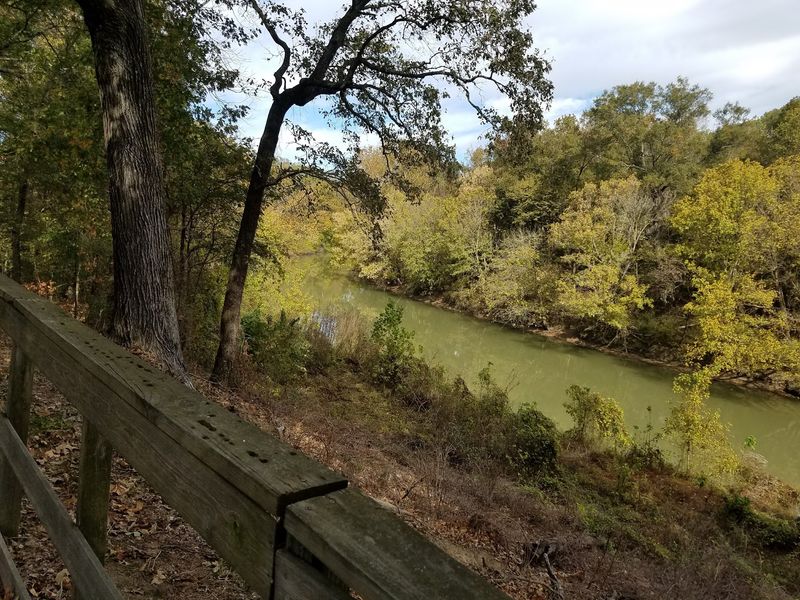
Ancient history in the morning, fishing in the afternoon. That’s a pretty solid way to spend a day in northeast Louisiana.
Poverty Point Reservoir State Park sits in the same general area. It’s a popular choice for camping and fishing.
Staying overnight there lets you take things slowly. You won’t have to rush through the earthworks just to beat the sunset home.
Golfers have an option too. The Black Bear Golf Club is also nearby for anyone who wants to swing a few clubs.
The closest town to the historic site is Epps. It’s a handy reference point when you’re mapping out your route.
This part of the state feels rural and relaxed. Wide fields and quiet roads are part of the charm.
Special events and programs at the historic site can make a return trip worthwhile. Demonstrations of ancient tools like the atlatl show how early hunters threw spears with extra power.
Check the event calendar before you go. Pairing a program with a lakeside stay could turn one visit into a mini getaway you’ll remember.