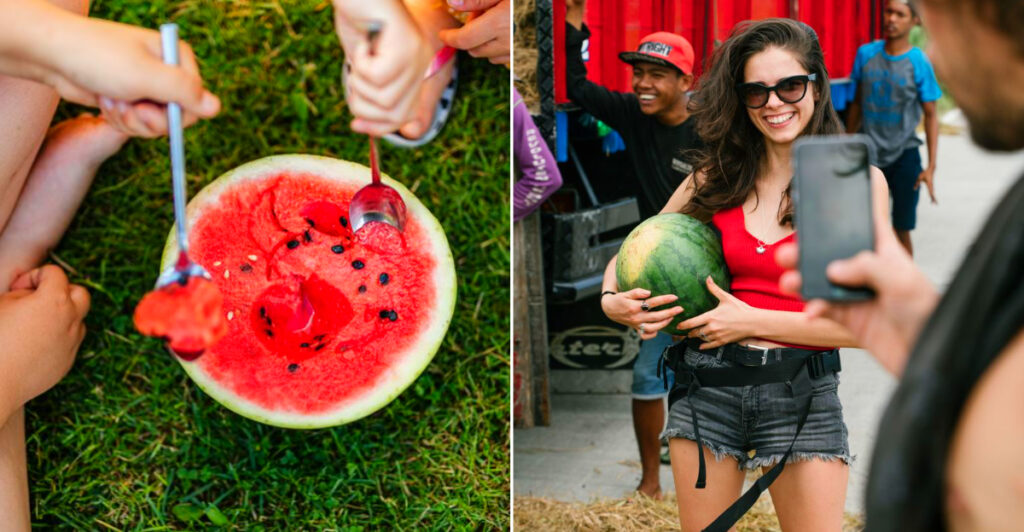
The watermelons arrive on truck beds, not grocery carts, and by the time the judging tent opens, the town has already been smelling like fresh fruit for two hours.
A parade rolls through the courthouse square with floats that took a week to build, kids on bicycles race down blocked-off streets, and a stage that took three days to construct hosts a band that will play until the streetlights come on.
The treasure hunt sends families scrambling through downtown, the tennis tournament draws players from three parishes, and the watermelon auction closes with bids that would make a farmer blush.
Sixty years of doing this has taught Farmerville exactly how to throw a party around one fruit, and the town does it with the kind of confidence that only comes from practice. A late-July road trip built around watermelons is exactly what Louisiana summer needed.
Witness The Weighty Contests
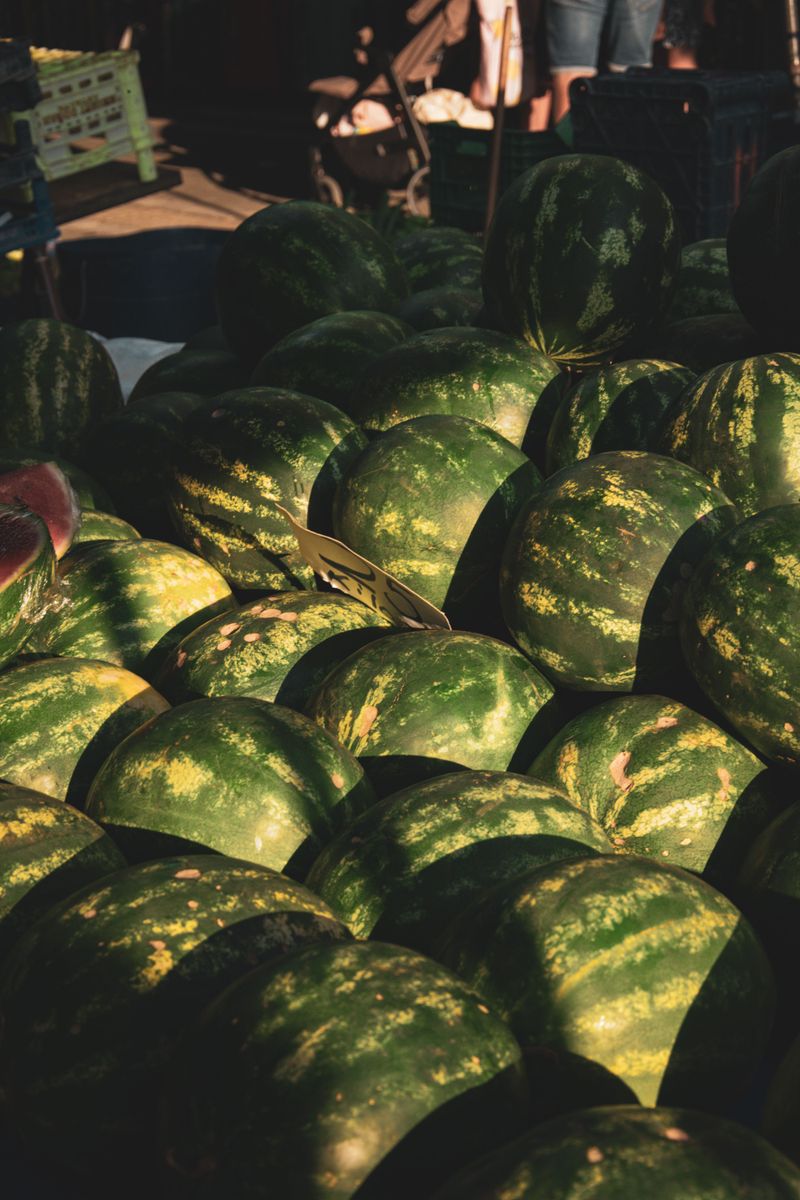
Saturday morning is contest time, when growers reveal their trophies of patience and technique with an almost ceremonial solemnity. The size competition prizes sheer weight, and seeing those massive melons moved onto scales is oddly reverent, a contest of farming craft more than bravado.
Families gather close, cameras come out, and even casual visitors start understanding why a single watermelon can command so much attention.
Quality judging happens inside the Extension Service where refractometers measure sugar with precise, clinical brightness. The contrast between sweaty outdoor heft and lablike sweetness testing is charmingly practical; wins are both agricultural and scientific.
If you time it right, you can watch melons go from field to benchmark in a few steps, which is a neat lesson in how a crop becomes local pride and pageant candidate all at once. The whole ritual gives the festival a deeper agricultural backbone beneath the fun.
Main Street Turns Into Watermelon Country
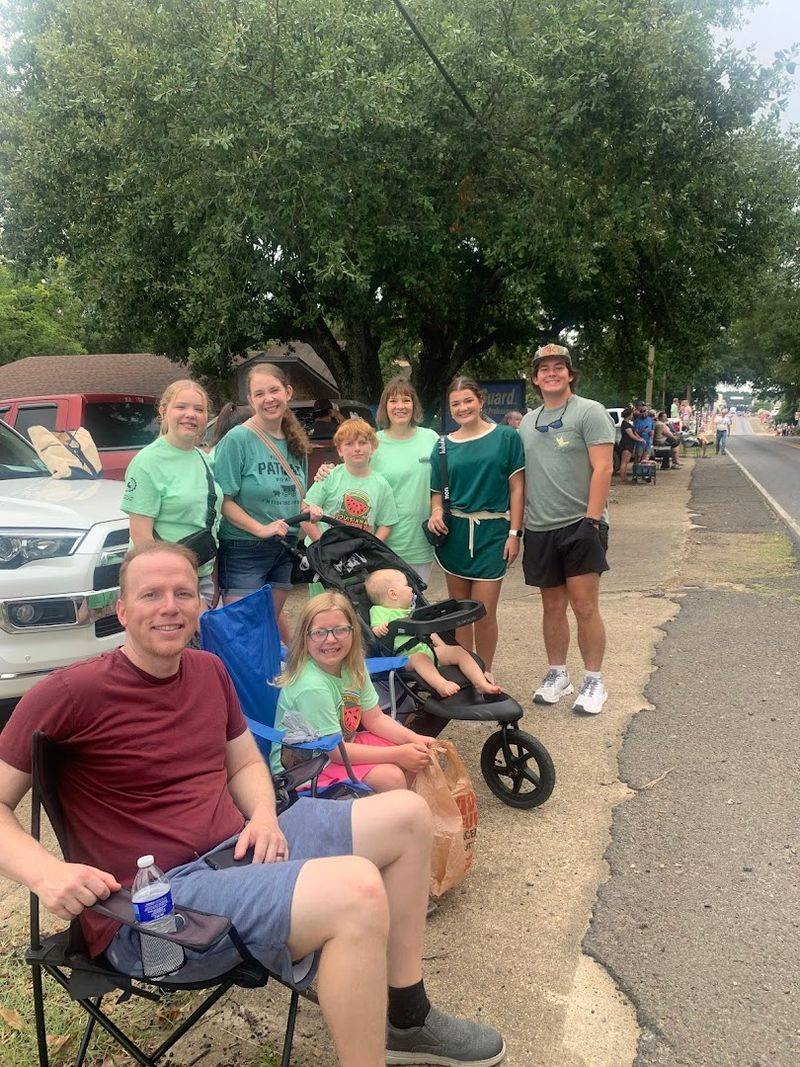
The Louisiana Watermelon Festival takes over downtown Farmerville, Louisiana, with Main Street serving as the easiest arrival point. From Highway 2 or Highway 33, head into the center of town and let the route pull you toward the courthouse-area streets.
The 2026 festival runs July 24–25, so expect downtown Farmerville to feel busier than usual with vendors, pageant events, parade traffic, music, and watermelon crowds. Use 403 North Main Street as a practical navigation anchor, but follow posted signs once festival traffic starts shaping the route.
Park where event parking is directed, then continue on foot toward the downtown activity. Once the storefronts, tents, and watermelon signs start filling the street, Farmerville has made the rest of the directions easy.
Stroll Through The Lively Marketplace
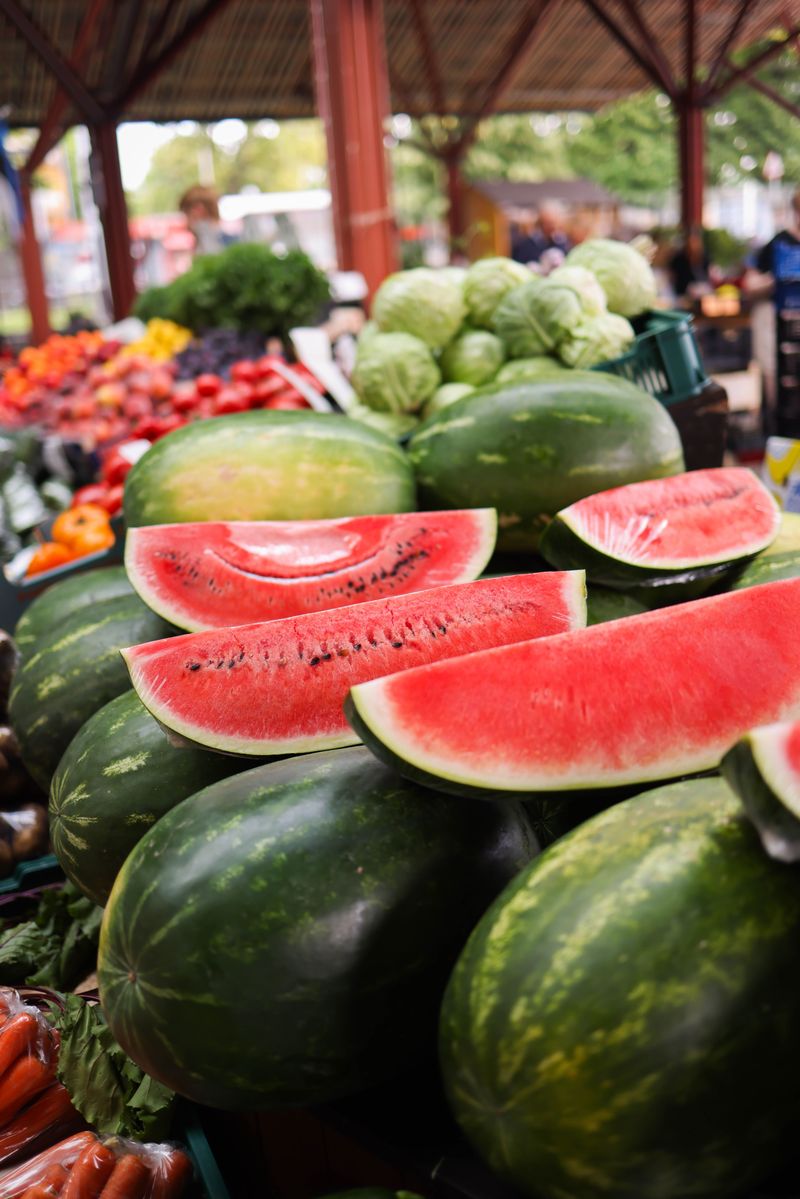
The marketplace wraps the courthouse square in color, and more than 150 vendors turn a walk into a treasure hunt for crafts and bites. Booths range from polished artisans to home cooks selling seasonal specialties, creating an ecosystem of local creativity under canvas canopies.
The whole area feels busy in the best way, with conversations, sales pitches, and food smells blending into one cheerful festival current.
It’s easy to lose track of time wandering between pottery, jewelry, woodwork, and fruit sellers with expertly stacked melons. I recommend sampling thoughtfully: a small plate can introduce a maker and leave room for festival staples.
The marketplace is where the festival’s personality is most visible, in the objects people brought and the stories they tell about making a living here. It also gives visitors a reason to slow down between headline events and notice the everyday skill behind the celebration.
Cheer On The Main Street Parade
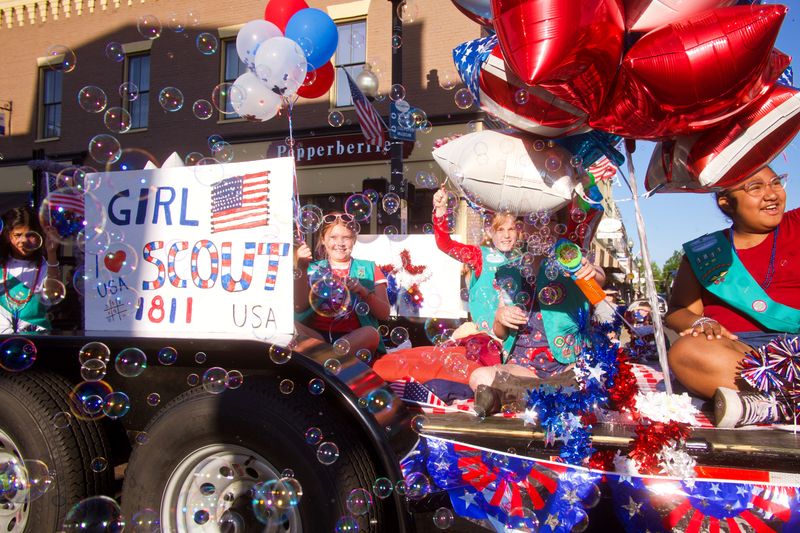
The parade is a proper small-town display of energy, starting at Farmerville High School and winding down Main Street with bands, floats, and community groups. It’s not polished like a city parade, which is the point: you see neighbors, school groups, and local clubs investing time into a visible celebration of place.
That sincerity gives the route a warmth that feels earned rather than staged for visitors. Finding a bench early is smart because prime viewing fills fast, and the atmosphere rewards patience with close-up smiles and confetti.
Bring a hat, a folding chair, and a willingness to clap at earnest performances; the parade reveals more about Farmerville’s character than any brochure could convey.
The view is reliably charming and refreshingly human. It is the kind of event where the details matter, from kids waving from floats to familiar names shouted from the sidewalk.
Experience Youthful Athleticism
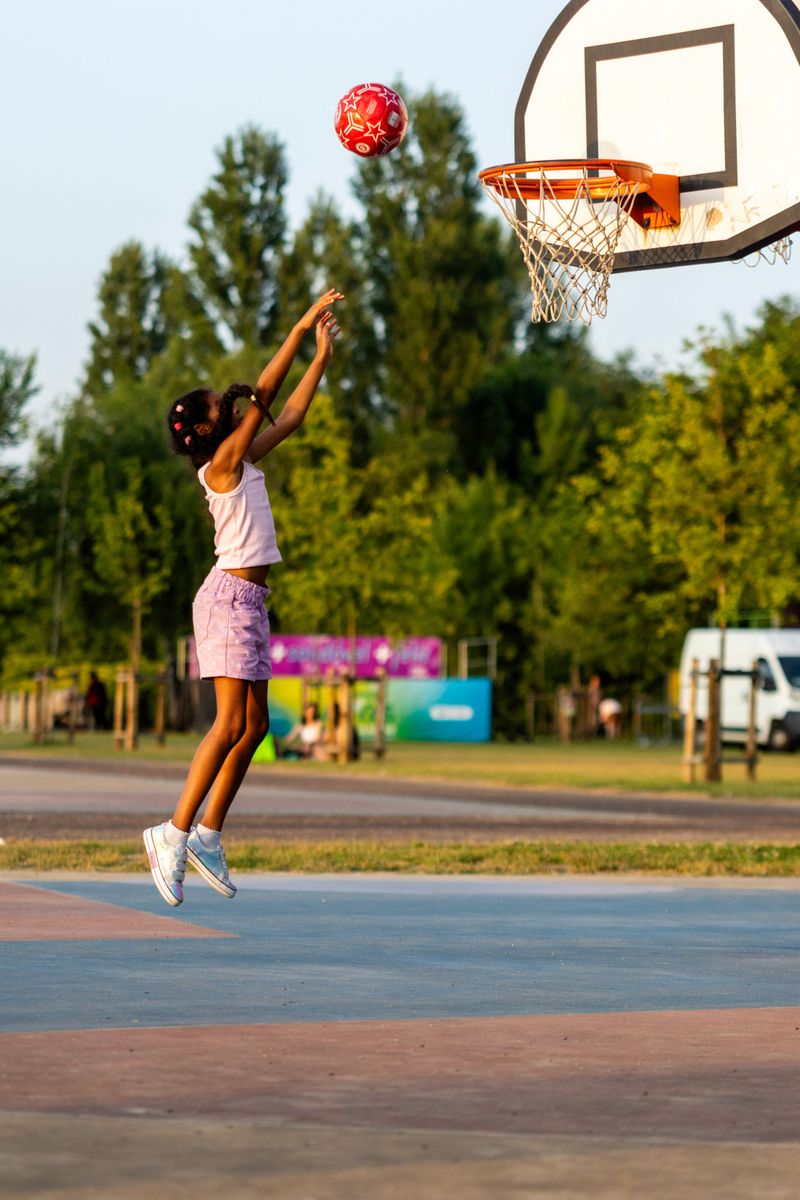
Kids make this festival lively in a way adults envy: bicycle and tricycle races fill the air with determined squeals and gleeful crashes that get patched with laughter. Events like arm wrestling and contests for younger children feel designed to include everyone, making the weekend a multigenerational party rather than a spectator sport.
The energy is contagious and often leads to impromptu cheering sections where strangers root for tiny competitors. If you’re traveling with family, these races are great for planned downtime between events; if not, they’re a joyful reminder that simple contests can be the soul of a community gathering, relentless in their good humor and sincere in their stakes.
Explore Local History At The Museum

The Union Museum of History and Art curates the festival’s memory with care, and exhibits like Preserving a Sweet Tradition give context to the weekend’s pageantry. Photographs, documents, and pageant gowns on display tell stories that the festival itself gestures toward without always spelling out.
Those materials make the celebration feel less fleeting, connecting today’s crowds to earlier queens, growers, organizers, and families who helped shape the event.
Stepping inside feels like reading a family album with captions; you get lineage and the arcs of change. Exhibits run mid-July through the festival dates, so pairing a museum visit with outdoor events lets you switch from celebratory noise to contemplative discovery.
It’s an excellent place to appreciate how present rituals emerged from decades of local choices. The museum adds texture to the trip, reminding visitors that tradition survives because people keep documenting, preserving, and retelling it.
Join The Watermelon 5K Challenge
The Watermelon 5K mixes fitness with festival fun, an early Saturday event that feels both earnest and celebratory as competitors tackle a course that includes the notorious Watermelon Mountain.
The route opens with a quick downhill before testing legs on a climb that locals jokingly mark on maps and in conversation.
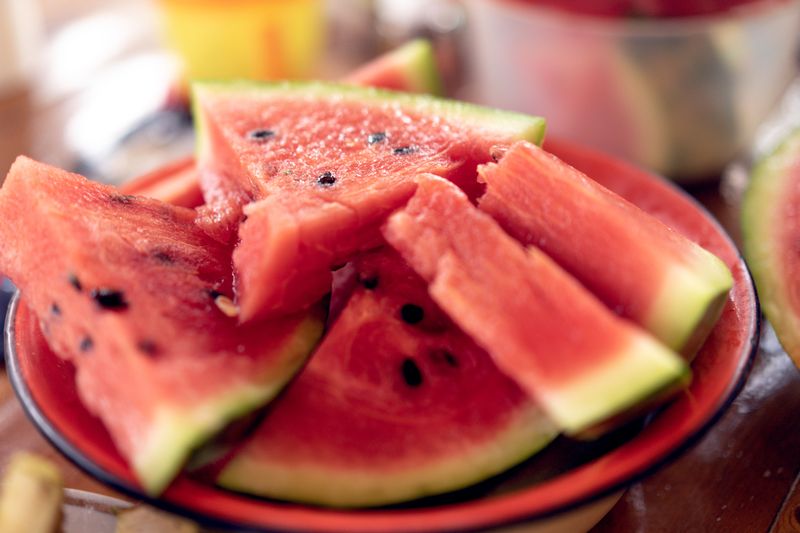
Finishers are rewarded with slices of local watermelon, which somehow tastes like victory and weather combined. Registration on race day makes it accessible to visitors, and the start time is early enough to leave the day open for wandering stalls and contests.
Running alongside residents is a neat way to feel embedded in the weekend rhythm.
Marvel At The Pageant Glamour
The pageant mixes local pride with regional ambition, offering Teen and Miss winners pathways to statewide competition and educational support through sponsorships.
Watching the contestants is a study in preparation and poise; families and businesses invest time and resources, which shows in the performances and the community support behind them.
Even if pageants aren’t your usual scene, the event invites appreciation for dedication and for how a small town stages opportunities.
Sponsors’ involvement underscores community investment in youth, and the pageant’s presence on the program calendar is a reminder that tradition and aspiration often travel together in rural festivals.
Participate In Playful Contests
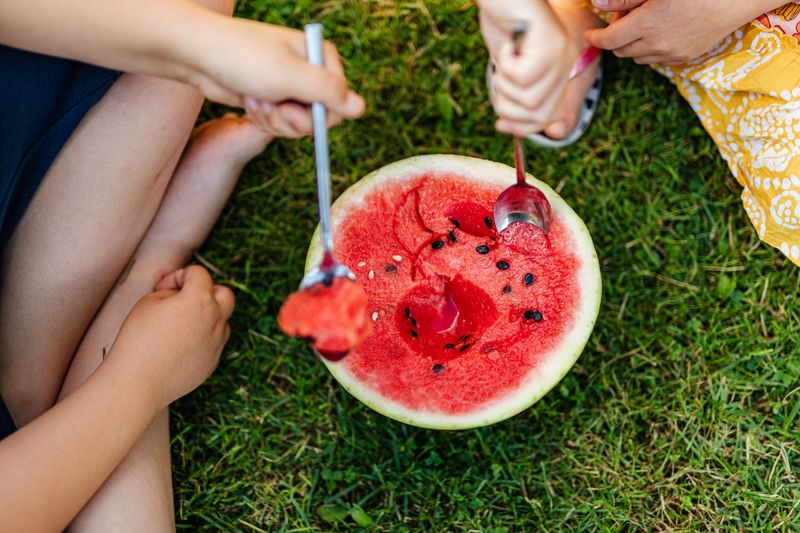
Playful contests are the festival’s wink: seed spitting, eating competitions, and the best-dressed watermelon invite everyone to join. These events are pure communal silliness with a competitive edge, and they often draw crowds who cheer as loudly for effort as for outcomes.
Participating is low-pressure and high-reward because the point is laughter and connection rather than prestige. Bring a towel, a sense of humor, and an appetite for spectacle.
These contests encapsulate the festival’s heart, an earnest embrace of food, craft, and small-town whimsy that leaves you smiling and sticky in the best possible way.
Dance Under The Southern Sky
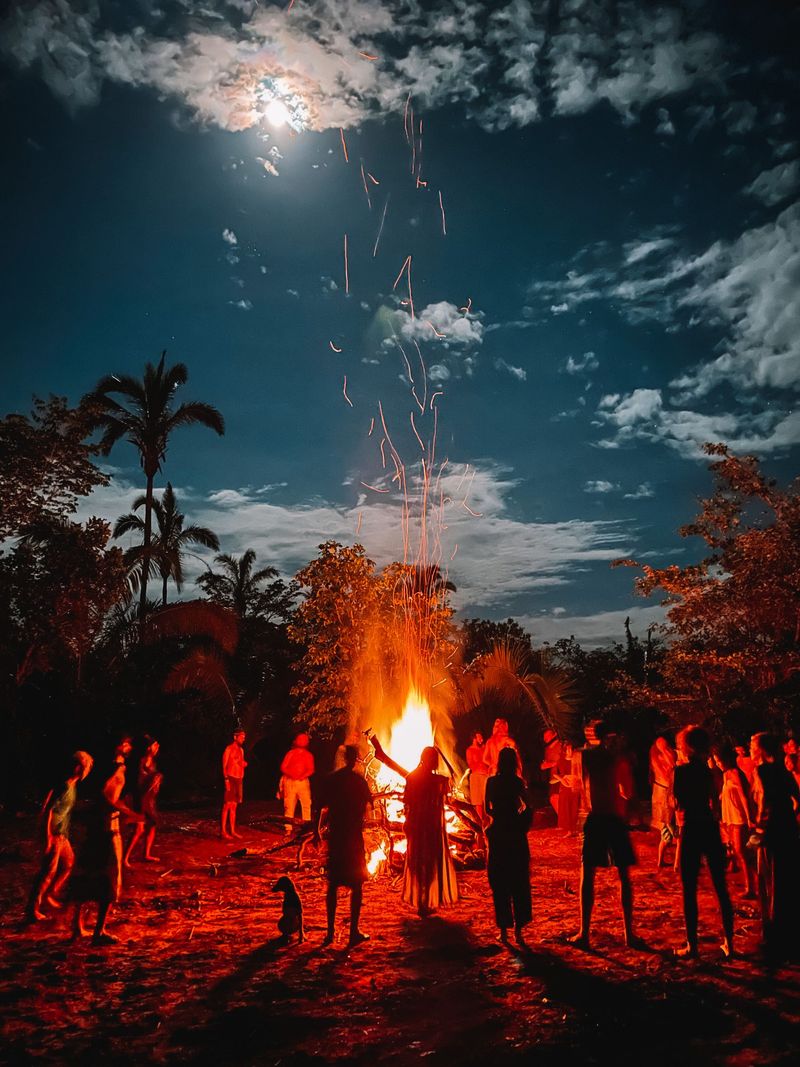
Friday night turns the Courthouse Square into a communal dance floor where families gather to enjoy live music and easy company. The street dance is free and relaxed, less about choreography and more about coming together to move and socialize under string lights as summer air cools down.
It’s a perfect way to end a busy festival day, offering an unpretentious space to recover and connect. Bring comfortable shoes and an openness to joining a circle of locals; the music tends toward familiar tunes that encourage participation.
The scene is friendly and inclusive, full of laughter and the occasional enthusiastic two-step.
Uncover Hidden Treasures
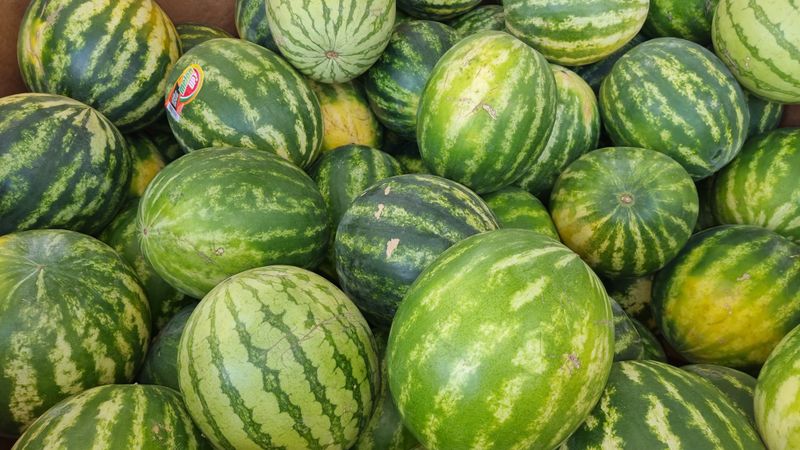
The festival’s scavenger hunt introduces a playful way to explore Farmerville by following clues broadcast on local radio that send you into town’s quieter corners. It’s a walking tour disguised as a game, leading participants past storefronts, historical markers, and little-known public art pieces that reward attention with discovery.
Playing along encourages conversations with merchants and neighbors who often supply hints and local lore. Bring comfortable shoes and a charged phone for quick photos of clue locations.
The hunt reframes the town as a layered place where small details reveal character, making a strong case for slow exploration during a lively weekend.