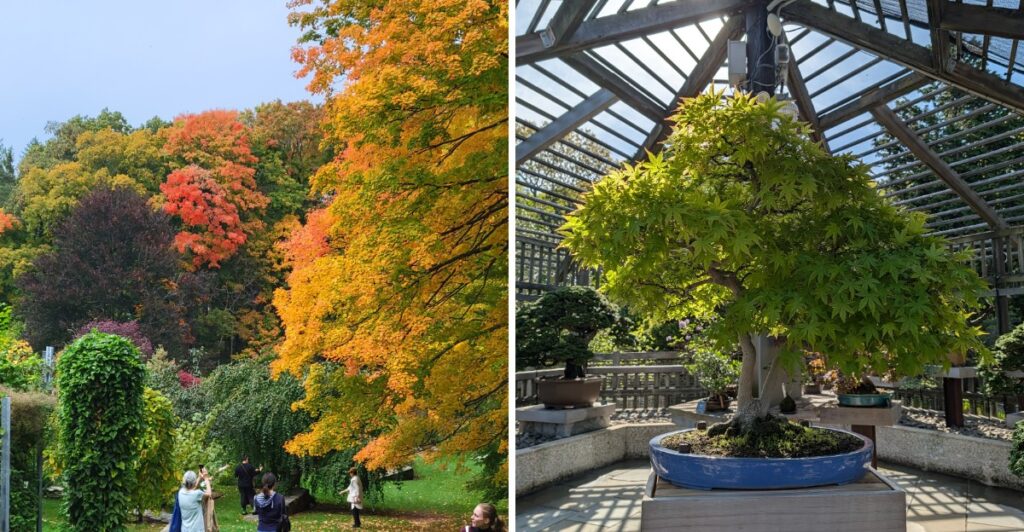
Harvard has a museum where the exhibits grow, shed leaves, and occasionally outlive entire generations. And admission? Not a penny.
This Massachusetts arboretum is home to more than 15,000 living plants, including bonsai approaching 300 years old. Imagine needing three centuries just to perfect your branches.
The paperbark maples aren’t exactly youngsters either. Some rank among the oldest outside China, while the beech collection is considered one of the finest around.
Late autumn brings copper leaves, bare branches, and winding paths that make a quick stroll a dangerous promise.
The grounds stay open from sunrise to sunset, though the bonsai display closes around mid-November.
Some people collect antiques. Harvard keeps its treasures watered.
A Free Tree Museum Is The Best Deal In Boston
Few museums let you walk in with muddy shoes and a dog on a leash. The Arnold Arboretum of Harvard University welcomes both, and it never charges admission.
This place works as a free public park and a serious research institution at the same time. Its living collection holds more than 15,000 documented plants from around the world.
Nearly every tree wears a name plaque, which feels a bit like a nametag party for plants. You can learn a species just by strolling past it. That makes every walk a sneaky science lesson.
The focus leans toward woody plants from eastern North America and East Asia. That means plenty of maples, beeches, oaks, and conifers to admire. Rare specimens grow right beside familiar backyard favorites.
Paved paths make the main routes easy to follow. Woodland trails offer a quieter option if you want more of a hike. Both choices loop across gentle hills with fresh views around many bends.
Grab a map before you start exploring. The grounds cover 281 acres, so getting turned around happens easily. A map also helps you plan a route toward your favorite tree groups.
Sixty-Five Kinds Of Maples Put On A Fall Show
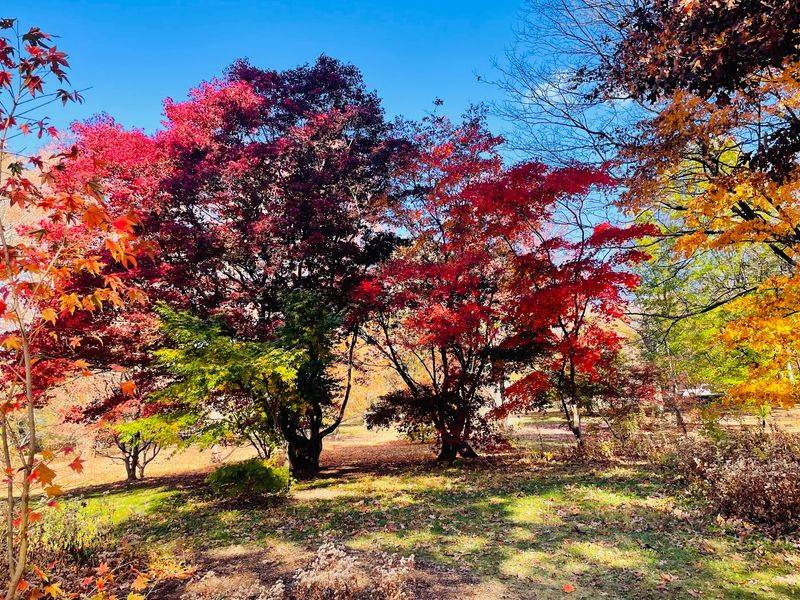
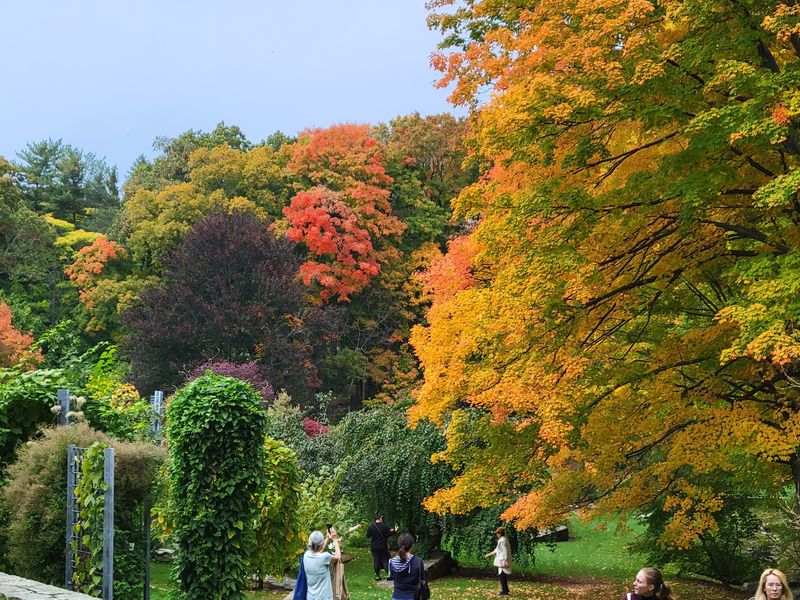
Approximately 65 maple species grow across these grounds. That’s a lot of red, orange, and gold packed into one Massachusetts park.
The paperbark maple steals attention even after its leaves fall. Its bark peels in thin curls with a striking copper color. Some paperbark maples here rank among the oldest growing outside their native China.
Japanese maples bring a softer, more delicate look. Their lacy leaves turn brilliant shades as autumn deepens. Side by side, the different species look like a paint swatch display come to life.
Late in the season, the last leaves create a quieter kind of beauty. Branches thin out, and bark textures become easier to notice. Bare maples still reveal plenty of character.
Bring a camera or your phone for this part of the walk. Low autumn light makes those colors glow in photos. Try shooting from different angles to catch bark and leaves together.
The arboretum has offered seasonal maple walks with staff. Keep an eye on the events calendar for those. Learning from experts makes the trees feel even more remarkable.
Beech Path Feels Like Walking Through Living History
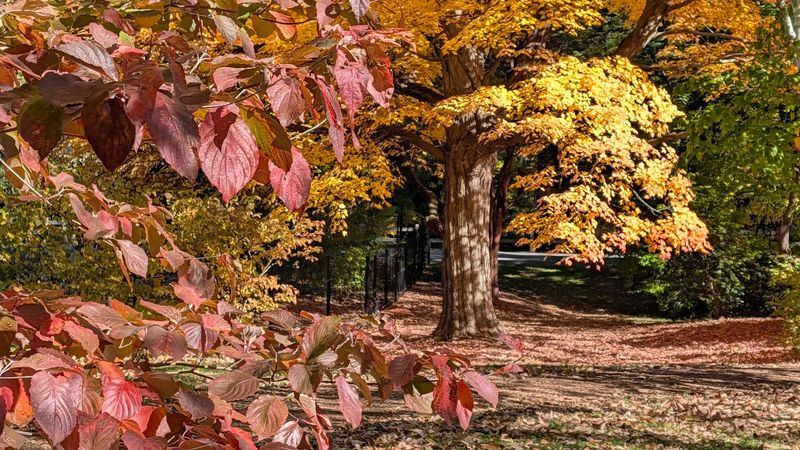
Smooth gray bark, twisting limbs, and serious age. The beech collection at the Arnold Arboretum of Harvard University is widely called one of the best on the planet.
Over 100 specimens represent eight species. Some of these beeches have been growing here since the 19th century.
That means some of these trees have witnessed more than a century of the arboretum’s history.
Beech Path is where you’ll want to wander. Look for the parasol beech, a twisted form of the European species. Its branches curl in ways that seem almost sculpted.
Beeches have a fun late-season habit worth knowing. Many hold onto dry leaves well into colder months. That gives the grove a coppery glow when most trees have gone bare.
Please admire the bark without carving anything into it. Smooth beech bark tempts people, but cuts can harm the tree. A photo makes a far better souvenir anyway.
Take your time on this stretch. These trees reward slow walkers who notice small shapes and textures. You might find yourself whispering, even though nobody asked you to.
Central Park’s Designer Had A Hand In These Hills
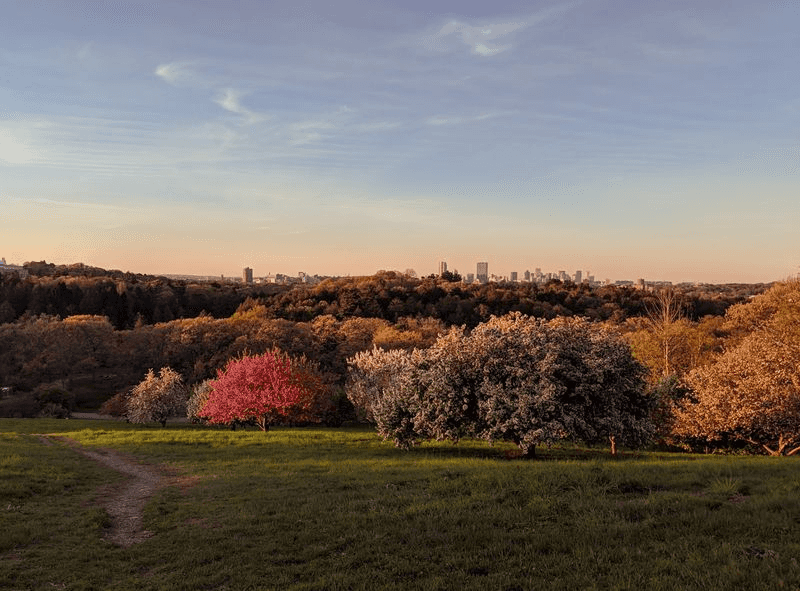
Frederick Law Olmsted helped shape New York’s Central Park. He also partnered on the design of this beloved Boston landscape.
Olmsted worked alongside Charles Sprague Sargent, the arboretum’s first director. Together, they created a layout that feels natural yet carefully planned. Paths curve gently, and views open up at just the right moments.
The arboretum also forms part of Boston’s Emerald Necklace park system. That chain of green spaces links several parks across the city. This landscape remains one of its most loved pieces.
Notice how the paths guide you without feeling forced. Hills reveal new tree groups as you climb or turn. Good design often hides in plain sight like that.
History buffs can stretch the theme further. Olmsted’s former home and office, Fairsted, sits nearby in Brookline. Visiting both offers a fuller picture of his landscape ideas.
Next time you find a perfect bench view, give Olmsted a mental thank-you. Great landscape design tends to feel effortless. That’s usually the sign of very careful planning.
Climb Peters Hill For A Skyline Payoff
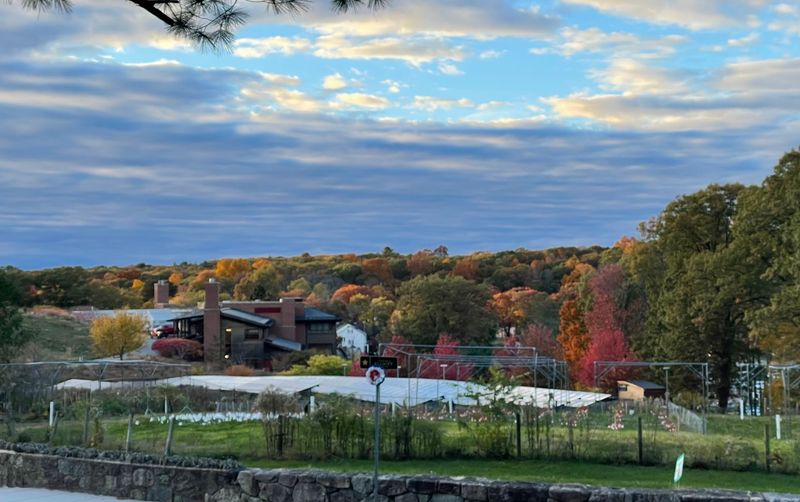
Your legs will grumble a little on Peters Hill. Your eyes will be glad you kept going.
Peters Hill is the highest point in the Emerald Necklace. It rises about 240 feet and offers sweeping views of the Boston skyline.
From the top, the tree canopy spreads out below in layers. Late fall shows a patchwork of lingering color and bare branches. It’s a great way to grasp how big the arboretum really feels.
Wear comfortable shoes for this climb. The slope isn’t extreme, but it does get your heart pumping. Bring water too, especially on warmer days.
Clear days give you the best skyline views. Hazy weather can soften the city outline. Check the forecast before you plan your hilltop moment.
Sunset timing deserves a little thought. The grounds close at sunset, so leave enough time to walk back down. Racing darkness down a hill isn’t anyone’s idea of fun.
Snap your photo, catch your breath, and enjoy the quiet. Few city views come with this much greenery attached.
Tiny Trees Steal The Spotlight In The Bonsai Collection
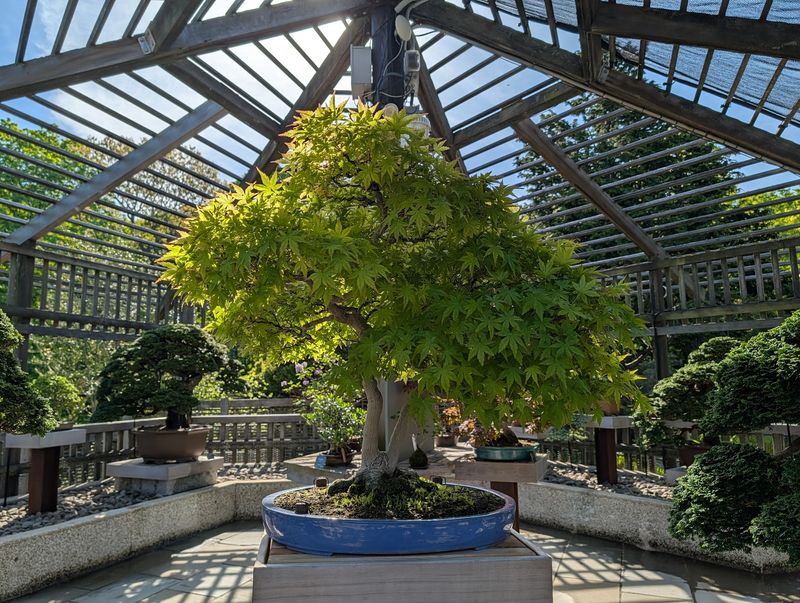
After all those giant beeches, the bonsai area delivers a fun change of scale. These miniature trees pack serious history into small pots.
The arboretum’s bonsai collection ranks among its most talked-about features. It’s considered historic, and the trees show incredible care and patience. Each one looks like a full-size tree shrunk down by a careful wizard.
Bonsai is an art form built around shaping and pruning over many years. Some trees take decades to develop their graceful forms. That’s a long commitment for a single plant.
Spend a few minutes studying the trunks and branch lines. Small details reveal how much work goes into every specimen. You’ll start noticing tiny curves and balanced shapes.
Keep your hands to yourself in this area. These trees are delicate, and even small bumps can damage them. Looking closely is welcome, touching is not.
The collection makes a great stop for kids too. Tiny trees feel magical to younger visitors. They also spark good questions about how plants grow and change.
Start Smart At The Hunnewell Visitor Center
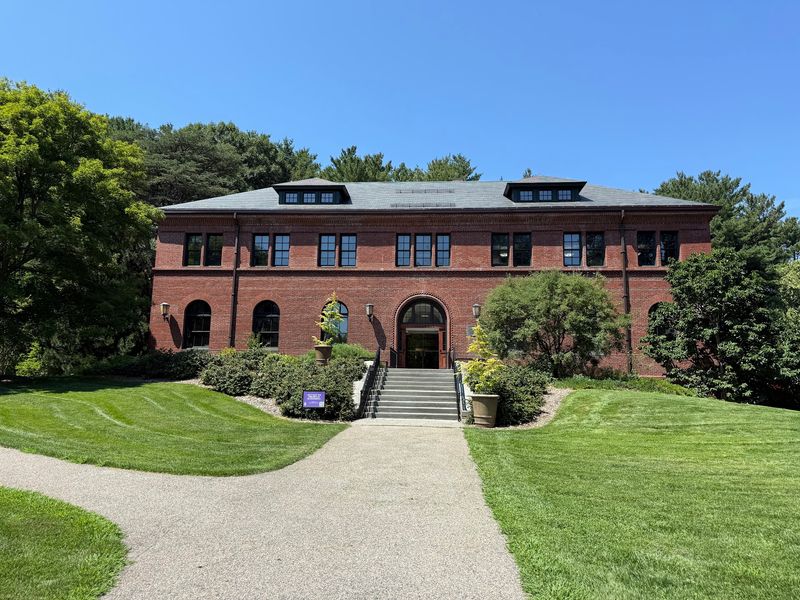
Smart explorers begin at the Hunnewell Building. It serves as the Visitor Center near the main entrance at 125 Arborway, Boston, MA 02130.
Inside, you can grab maps and get helpful answers from staff. An interactive scaled model of the arboretum helps you plan your route. Seeing the hills in miniature makes the real ones easier to tackle.
The Visitor Center is open daily from 10 am to 4 pm. The building also houses a horticultural library for curious minds. Restrooms and a water fountain are available near the main entrance too.
Exhibitions add another layer to your trip. A recent one, Living Connections: The Arnold Arboretum and Korea, explored botanical and cultural ties. Check what’s showing before you go.
This research side matters more than many folks realize. Scientists study the living collection to learn about plant ecology and climate change responses. Your casual stroll happens inside a working outdoor lab.
Spend ten minutes here before wandering off. You’ll walk with a better plan and more appreciation. Plus, you’ll know how to find your way back out.
Getting There Is Easier Than Picking A Favorite Tree
Good news first: the gates open every day from sunrise to sunset. Admission stays free, which makes repeat visits painless.
No visitor parking exists inside the grounds. Free street parking runs along the Arborway, Flora Way, and Walter Street. Spots near less busy gates can be easier to find.
Public transit offers another solid option. The Orange Line reaches the area, and a side entrance sits close to the station. That saves you from circling blocks looking for a space.
Dogs are welcome on a leash, so your pup can join the tree tour. Bring bags and clean up along the way. Everyone shares these paths, after all.
Pack water and comfortable shoes before heading out. The grounds are big, and hills add up quickly. A light snack helps, as long as you skip the picnic spread.
The Arnold Arboretum of Harvard University rewards visits in every season. Late fall brings a special charm as the last leaves hang on. Catch them before winter clears the branches.