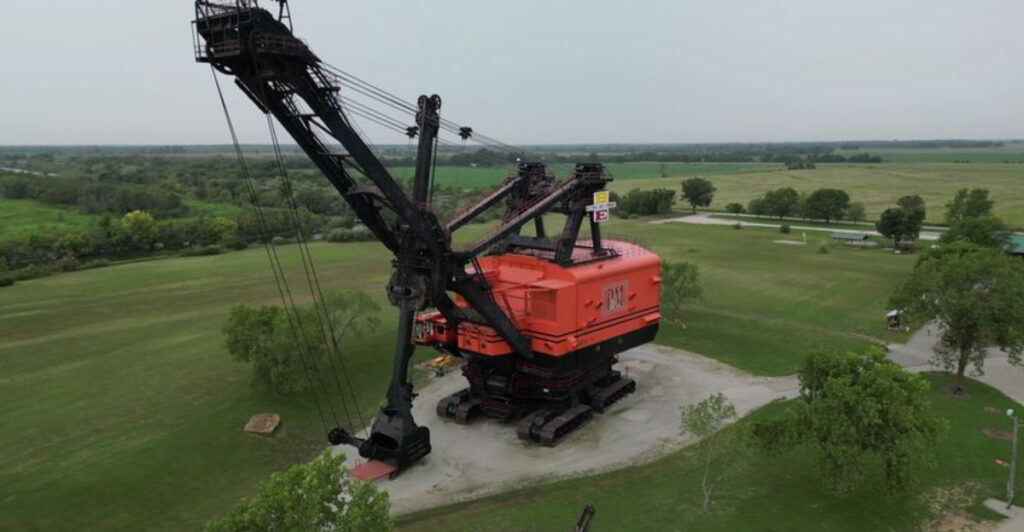
Some roadside stops make you pull over because they are cute. This Kansas giant makes you pull over because your brain needs a second to process it.
A massive machine like this is not just big for the sake of being big; it points to a piece of American history that feels gritty, industrial, and surprisingly easy to get curious about. That is the fun of a place built around scale.
It turns engineering, labor, and old mining stories into something you can actually stand beside and feel. No textbook can compete with looking up at a machine that once helped reshape the land.
I have a soft spot for oddball history stops, especially the ones that make me say, “Wait, how did they even build that?” before I am halfway out of the car.
Big Brutus Is The Second Largest Electric Shovel Ever Built
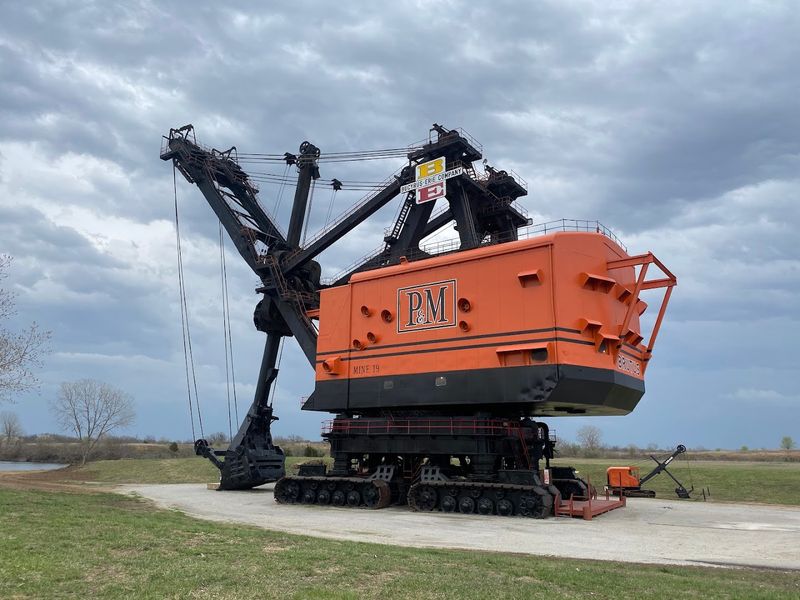
Few machines in American history can claim to be nearly 16 stories tall, but Big Brutus pulls it off with jaw-dropping confidence.
Officially known as the Bucyrus-Erie Model 1850-B, this electric shovel stands 160 feet high and weighs an astonishing 11 million pounds. It held the title of the world’s largest electric shovel for years before being edged out by a slightly larger machine.
Built in 1962 by the Bucyrus-Erie Company, Big Brutus was designed to handle the heavy demands of strip coal mining in southeast Kansas.
Every single component had to be transported to the site and assembled piece by piece, a process that took months of careful engineering work.
Even today, standing at its base and craning your neck upward gives you a real sense of just how ambitious American industry once was.
It is genuinely hard to believe something this large was ever put to practical use.
It Took A Small Army To Build And Operate
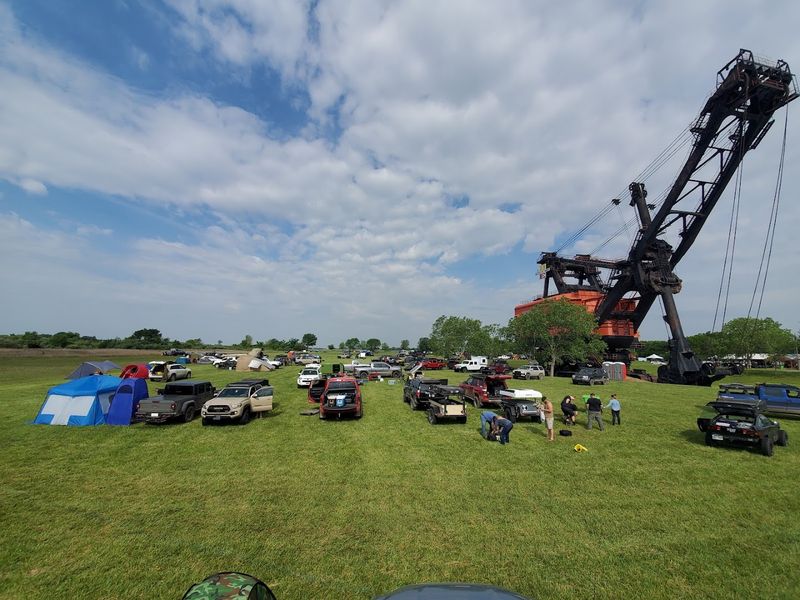
Assembling Big Brutus was not a weekend project. It required a crew of specialized local workers and took about 11 months to complete after the parts arrived on site.
The machine was so large that its massive components had to be shipped from Wisconsin to Kansas on roughly 150 rail cars.
Once operational, Big Brutus used a three-man crew, supported by electricians and roller operators, to keep it running smoothly.
The machine ran around the clock, operating 24 hours a day, seven days a week in the Cherokee County strip mining fields of Kansas.
Running a machine of this scale required serious technical skill, not just brute strength. The human effort behind Big Brutus is just as impressive as the machine itself.
The Bucket Alone Weighs 150,000 Pounds
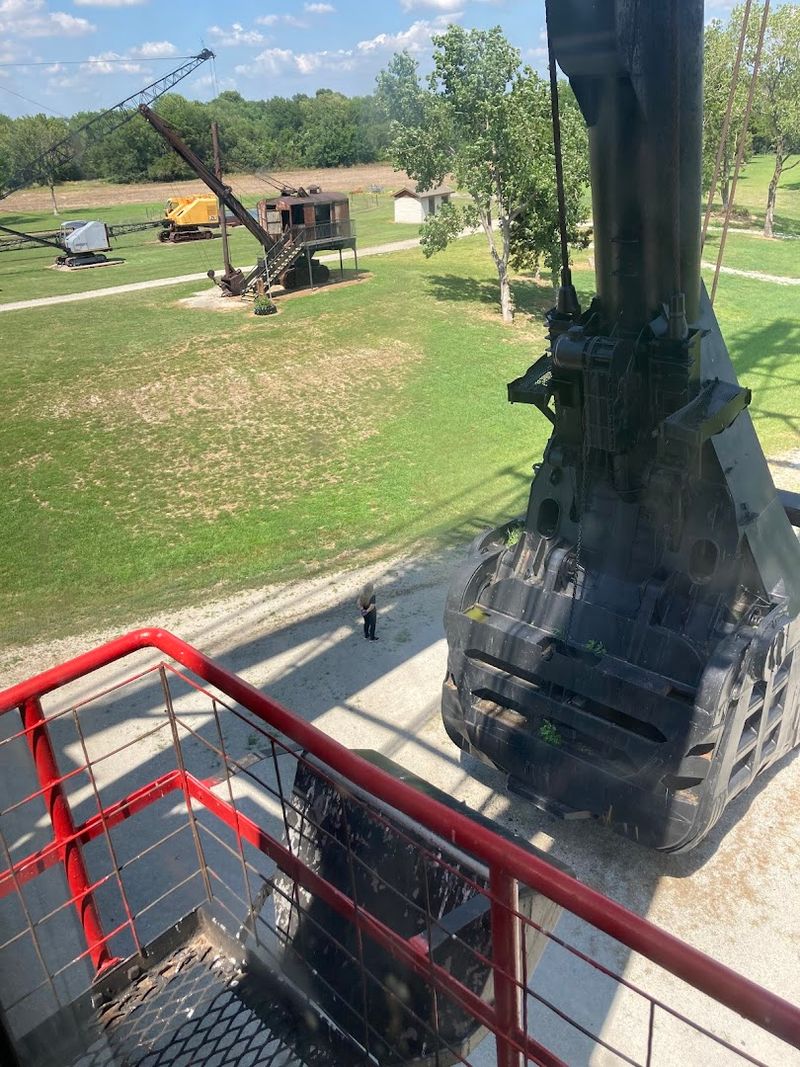
If you want a single statistic that captures the absurdity of Big Brutus, try this one on for size: the dipper bucket could move about 150 tons of material.
That capacity meant 90 cubic yards of overburden could be scooped in a single bite. To put it another way, each scoop could fill three full-sized railroad hopper cars with room to spare.
The bucket is now resting on the ground near the base of the machine, and visitors are encouraged to walk right up to it.
Standing next to the bucket is a genuinely humbling experience. A full-grown adult barely reaches the top of its steel teeth.
Speed and volume were everything in strip mining, and the bucket was the heart of the whole operation.
It is still an awe-inspiring piece of steel engineering today too.
The Machine Ran On Electricity, Not Diesel
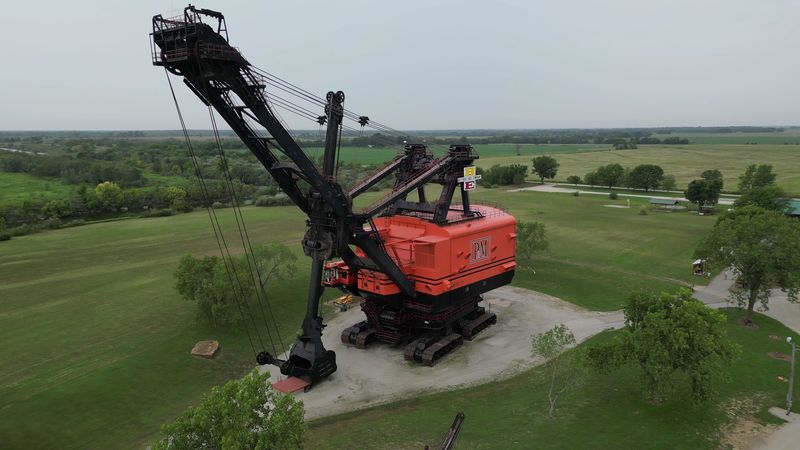
Here is something that surprises almost everyone: despite its monstrous size, Big Brutus ran entirely on electricity.
It used enough power for a community of 15,000 people, drawing electricity through thick cables that connected it to a local power grid.
No diesel, no gasoline, just raw electrical energy powering every movement. This was actually a practical choice for large-scale mining operations.
Electric motors provided more consistent torque and were easier to maintain over long periods than internal combustion engines of that era.
The technology was cutting-edge for its time, and similar electric shovel systems were being adopted in mining regions across the United States.
The electrical systems inside Big Brutus were so complex that only specially trained electricians could maintain them.
Visitors who climb into the cab today can see the controls and operating layout, rather than preserved drive motors, giving a vivid sense of how advanced this technology truly was.
Big Brutus Only Worked For 11 Years
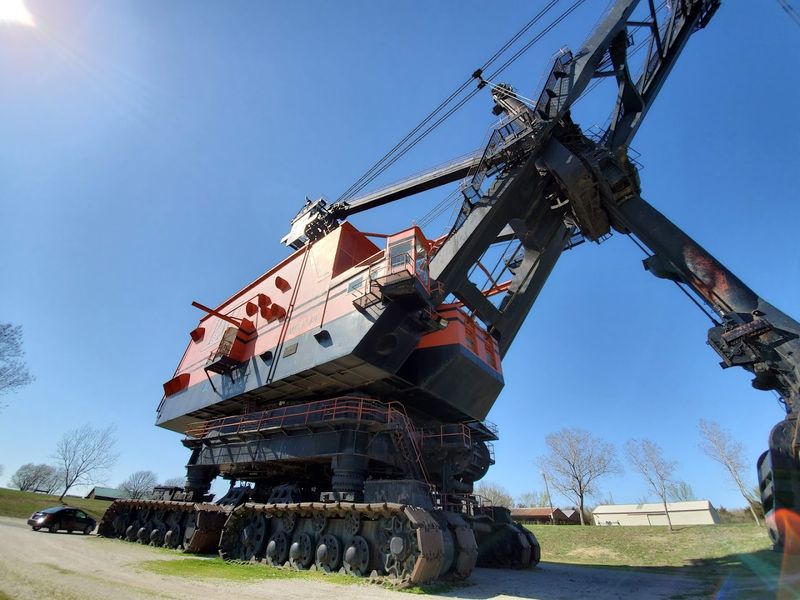
For all its size and power, Big Brutus had a surprisingly short working life. The machine operated from 1963 to 1974, a span of just 11 years.
The reason it stopped working had nothing to do with mechanical failure. Rising energy costs and a drop in the profitability of strip coal mining in the region made it too expensive to keep running.
When the Pittsburg and Midway Coal Mining Company shut it down, Big Brutus was simply too large and too costly to move or dismantle.
So it stayed right where it was, sitting quietly in the Kansas landscape like a sleeping giant waiting for someone to notice it.
The difference is that Big Brutus got a second life as a museum, turning its short career into a permanent piece of American industrial heritage.
You Can Climb Inside And Up Through The Machine
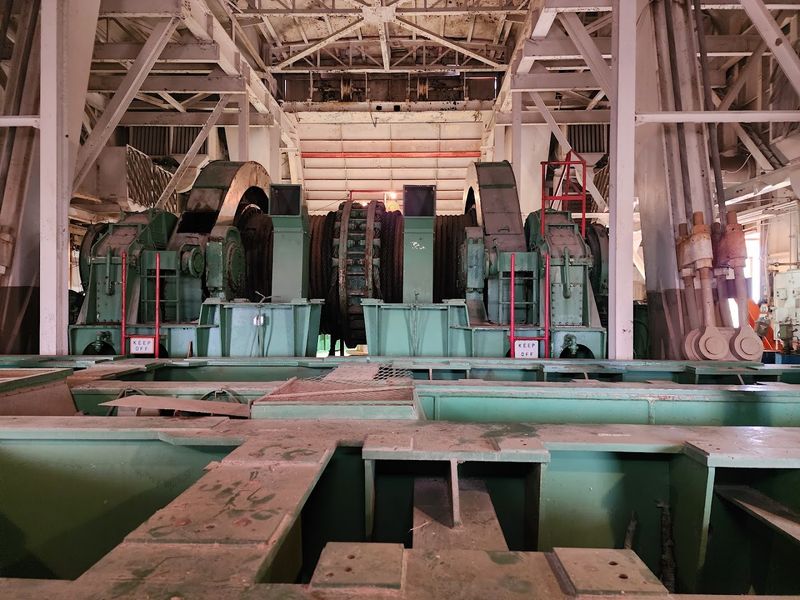
One of the most memorable parts of visiting Big Brutus, Kansas is that you are not just looking at the machine from the outside. You can actually go inside it today.
A self-guided route lets visitors climb into the cab and sit at the controls of this extraordinary preserved mining machine.
Along the way, you pass massive structural parts, cables, and control areas that help explain how the machine functioned when it was still operating.
The current access is impressive, but it should not be confused with climbing all the way up the boom, which visitors should avoid.
From inside the cab, the flat Kansas countryside stretches out around the machine in every direction.
It is the kind of view that makes you appreciate both the scale of the machine and the quiet beauty of the landscape it once tore through.
Few museums anywhere in the country offer this kind of hands-on, climb-inside access to their main exhibit.
Local Citizens Saved Big Brutus From Being Scrapped
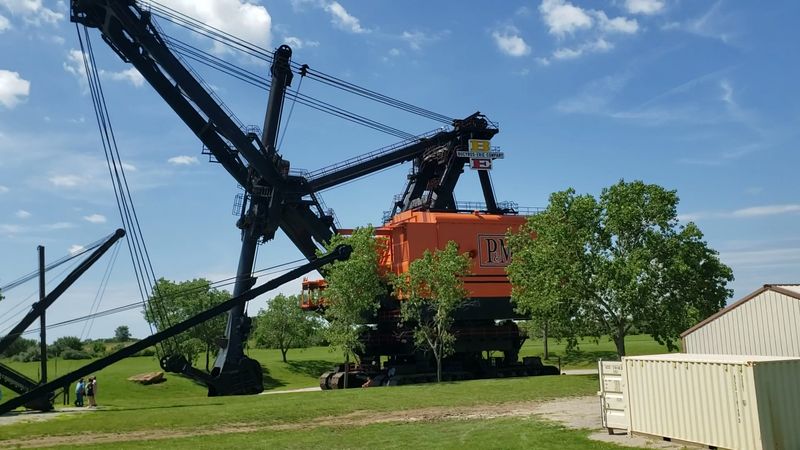
After Big Brutus stopped operating in 1974, the obvious next step for most retired industrial equipment is the scrap yard. But the people of Cherokee County, Kansas, had other ideas.
A group of dedicated local citizens formed a nonprofit organization with one clear mission: save Big Brutus and turn it into a museum for future generations.
Their grassroots effort paid off. The land was donated, funds were raised, and in 1985 the Big Brutus museum officially opened to the public.
The community’s determination to preserve this piece of local history is a story worth celebrating on its own.
Preservation efforts like this one echo similar community-driven projects seen in industrial states.
The difference here is the sheer scale of what was preserved. Saving Big Brutus was not just an act of nostalgia.
It was a genuine contribution to American industrial heritage that continues to pay dividends today.
The On-Site Museum Is Full Of Mining History
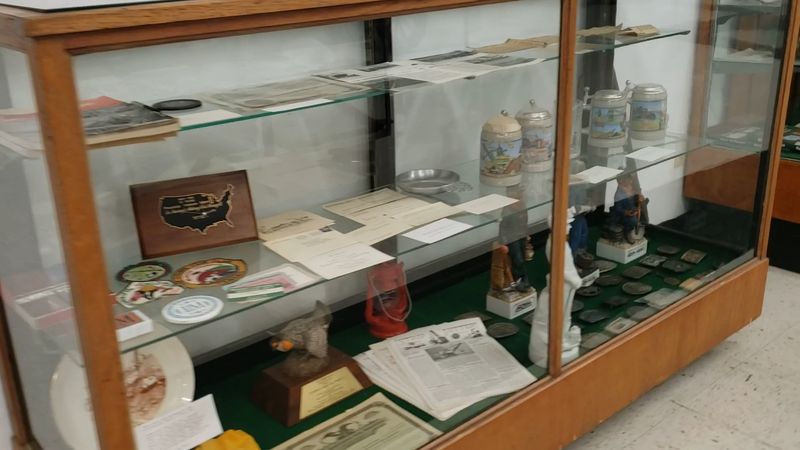
Beyond the giant machine itself, Big Brutus, Kansas operates a genuinely impressive museum inside its visitor center.
The exhibits cover the full history of coal strip mining in southeast Kansas, with artifacts, photographs, documents, scale models, and vintage vehicles filling the space from floor to ceiling.
A short documentary film plays on a loop, giving visitors helpful context before they head out to explore the grounds.
The film covers the machine’s construction, its operational years, and the community effort that saved it from the scrap heap.
It is well-produced and genuinely engaging, even for visitors who did not arrive as mining enthusiasts.
The museum does a thoughtful job of placing Big Brutus within that larger national story, making it more than just a showcase for one impressive machine. It is a window into a whole chapter of American working life.
The Site Includes Additional Vintage Mining Equipment
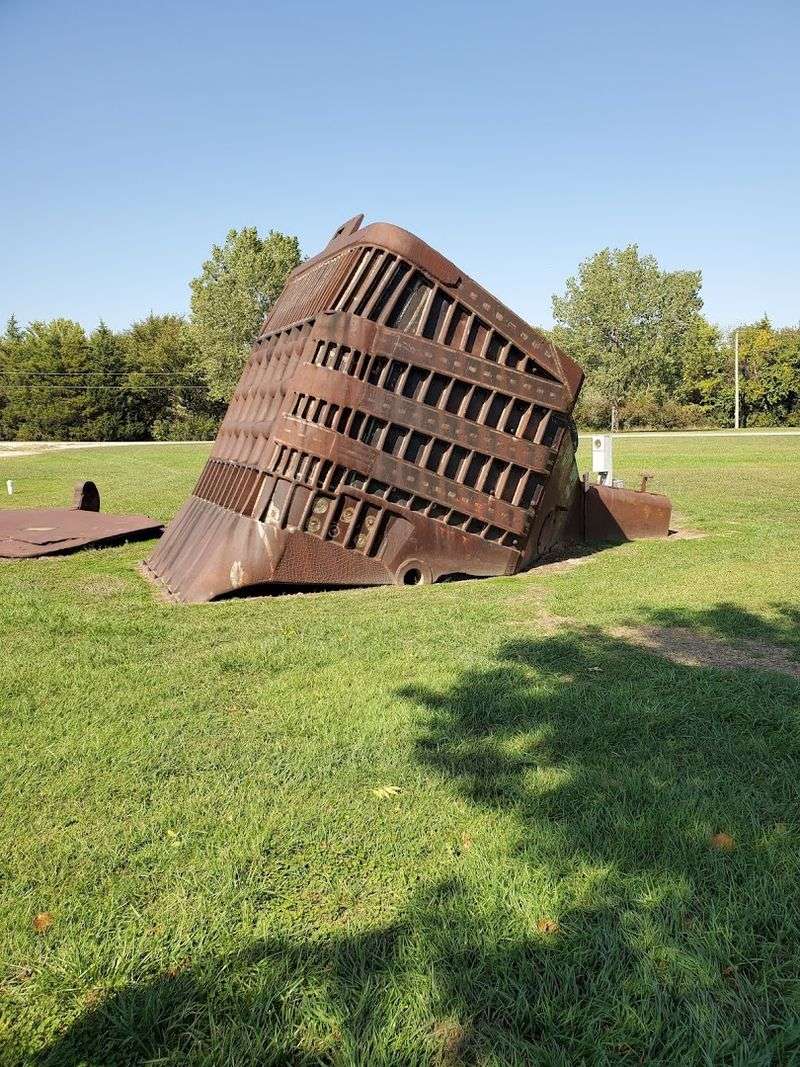
Big Brutus gets all the attention, but the surrounding grounds hold a fascinating collection of additional equipment that is worth your time.
Scattered across the site are other vintage mining machines, draglines, and construction vehicles that were once used in the Cherokee County coal fields.
Each one tells its own story about the evolution of American mining technology.
Some pieces are fully restored, while others are left in a more weathered state, which actually adds to the authenticity of the experience.
Walking among them feels a bit like wandering through an open-air industrial museum, which is essentially what it is.
The flat horizon, the open sky, and the orange painted steel of Big Brutus looming in the background give the whole site a character that is hard to replicate anywhere else.
Plan to spend extra time exploring these overlooked machines.
Big Brutus Is Open Year-Round And Very Family Friendly
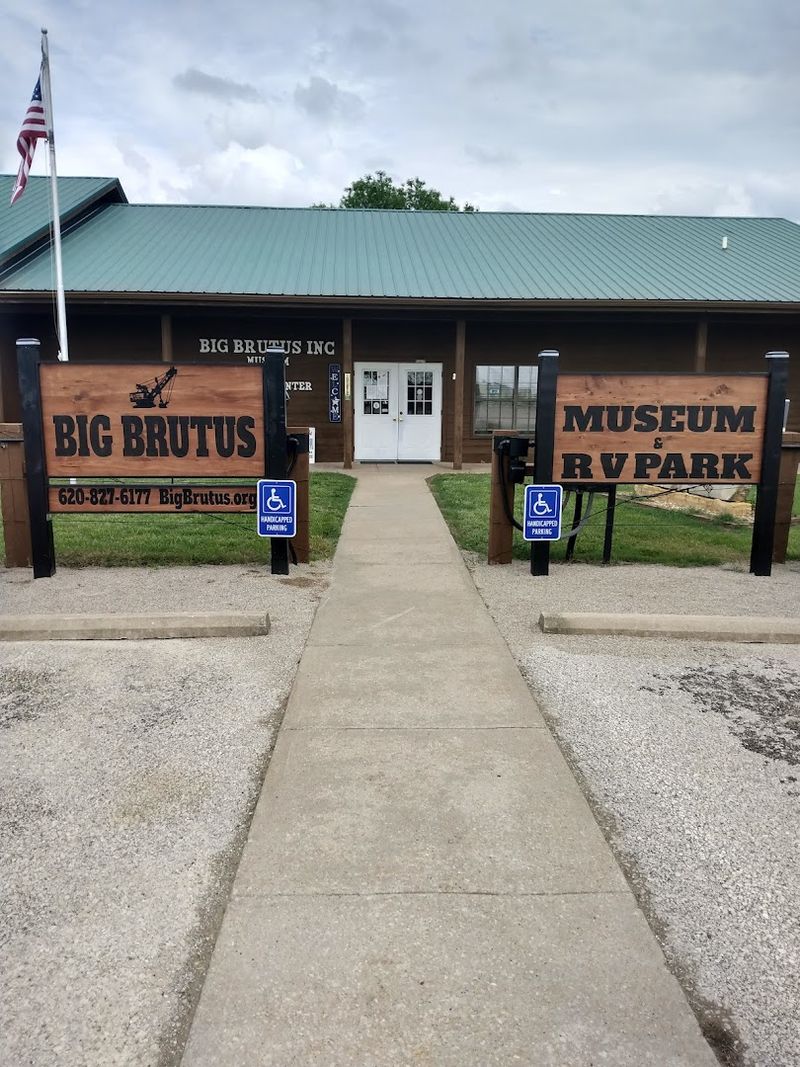
Practical details matter when planning a trip, and Big Brutus, Kansas delivers on the logistics front.
The site is open daily, except Thanksgiving and Christmas, from 9 AM to 5 PM during daylight saving months and 9 AM to 4 PM in winter.
Admission is affordable, with adults paying ten dollars and seniors or military visitors slightly less. Children five and under get in free.
The grounds are family-friendly, with open outdoor spaces, picnic tables, and fishing around the reclaimed mined land.
There is also an RV park on site with hookups, which makes it a convenient overnight stop for road-trippers passing through the region.
The combination of a climb-inside giant machine, a real museum, and outdoor space makes it a rare attraction that genuinely works for all ages. Few roadside stops deliver this much substance.