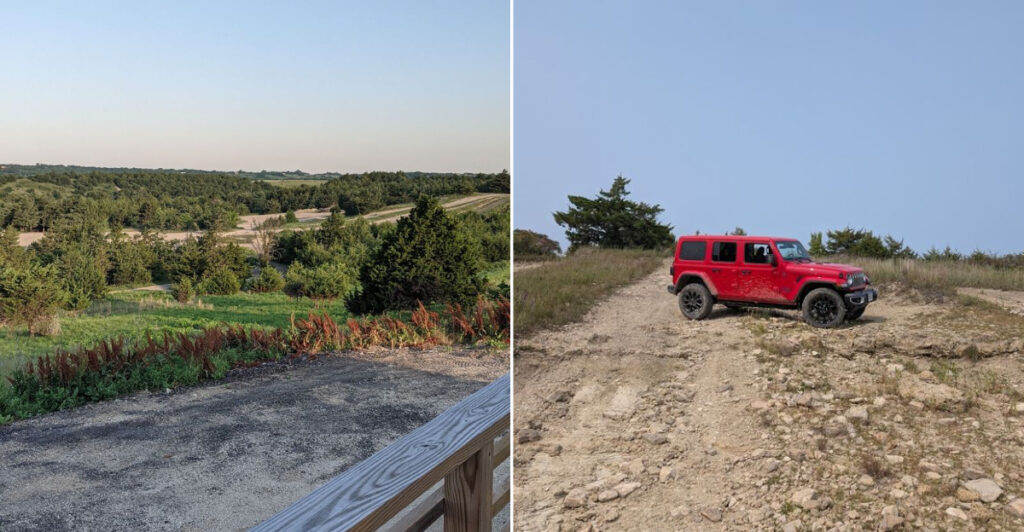
Some parks are built for quiet walks. This is not one of them.
Kansas has an off-road playground where rugged trails, prairie dirt, and the promise of a bumpy ride turn a normal outing into something with a little more horsepower.
It is the kind of place where adventure starts as soon as the tires leave smooth pavement and the map begins looking more like a dare.
Wide-open country adds to the fun, giving riders space to test their nerve, kick up dust, and come back with a story that sounds better than “we stayed home.” A good off-road park does not need polish.
It needs room, grit, and trails that make the day feel earned. Give me a place where the road gets rough on purpose, and suddenly clean shoes feel like the wrong choice.
A Trail System Built For Every Skill Level
Not every off road park can honestly say it welcomes beginners and seasoned trail veterans on the same day without either group feeling short changed.
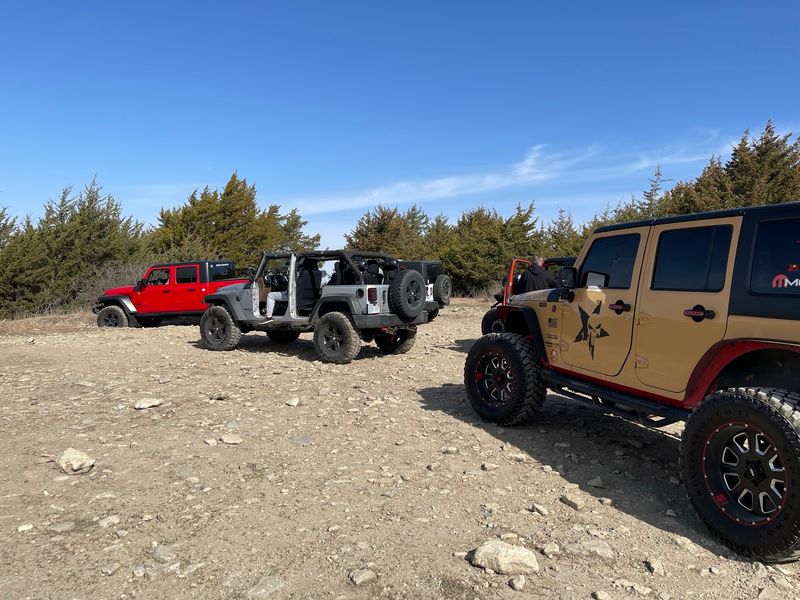
Tuttle Creek ORV Area pulls that off with a trail network that genuinely spans the full spectrum of difficulty.
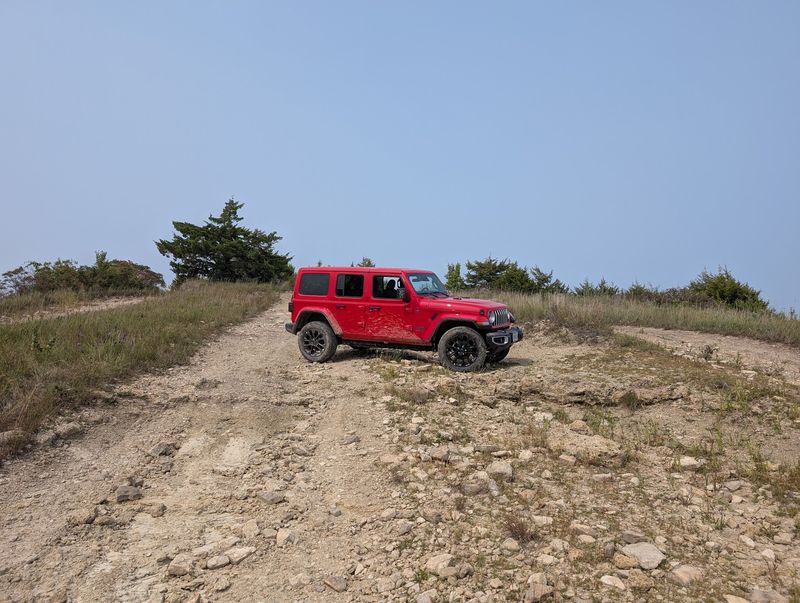
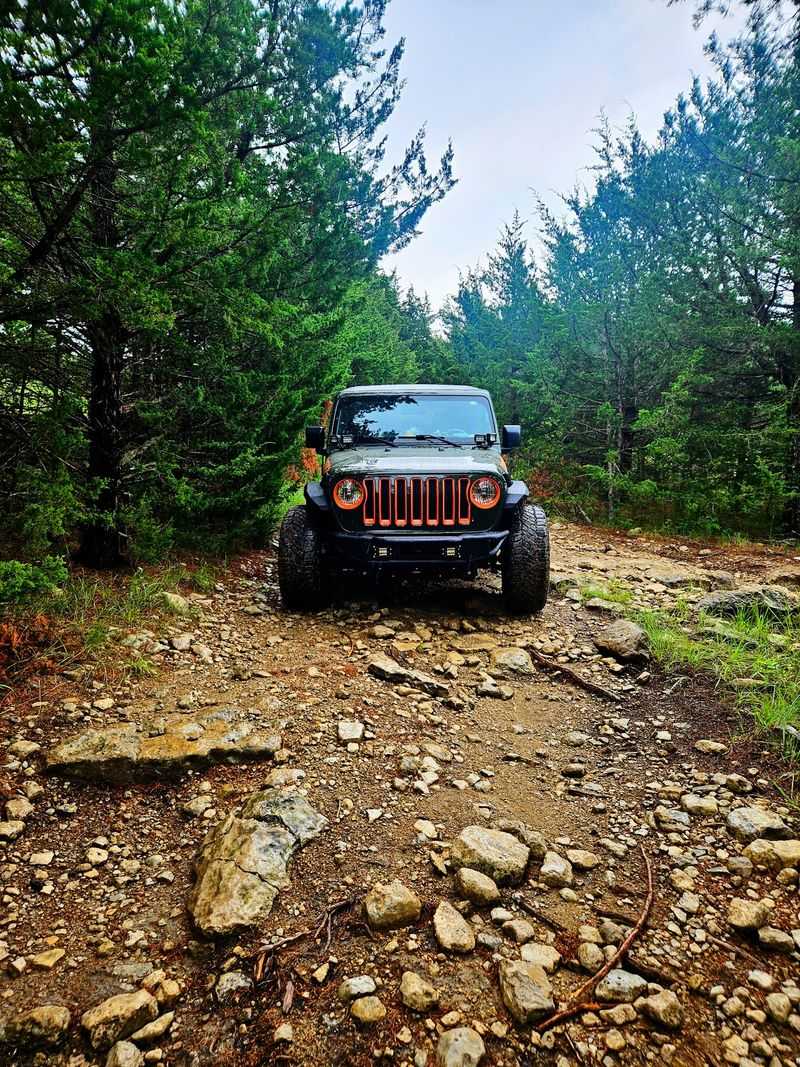
Crossover SUVs and bone stock Jeeps can explore the easier routes without unnecessary stress, while heavily modified rigs equipped with lifts, lockers, and off road tires can tackle demanding rock obstacles, steep climbs, and technical sections tucked deeper into the park.
That wide variety of terrain allows drivers to choose challenges that match both their vehicle and experience level.
One of the park’s biggest strengths is how naturally the trails progress. Beginners can spend time developing confidence on forgiving routes before watching more advanced drivers tackle tougher obstacles or deciding to test their own skills.
More experienced off road enthusiasts, meanwhile, will find plenty of opportunities to push both themselves and their vehicles.
That balance between accessibility and genuine challenge has helped Tuttle Creek ORV Area build a strong reputation among Kansas off road enthusiasts.
The Mud Is Legendary And Completely Unforgiving
There is a reason experienced off road enthusiasts warn newcomers about the mud at Tuttle Creek ORV Area before mentioning anything else.
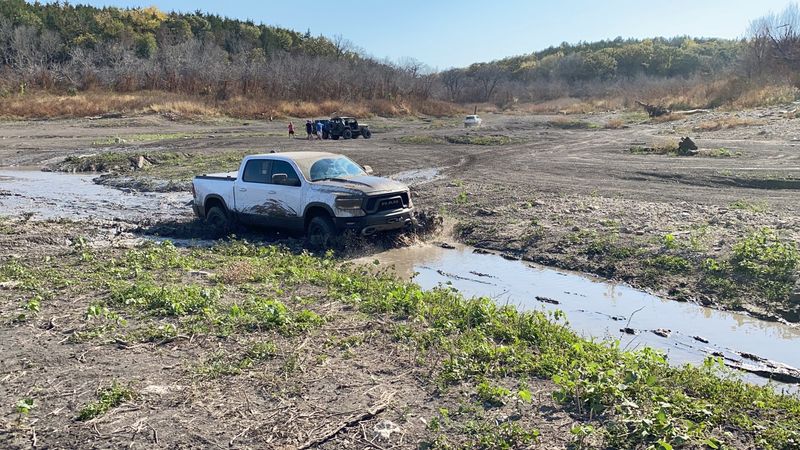
After a good rain, the Kansas soil changes dramatically, creating thick, sticky mud that can challenge even well prepared drivers and capable vehicles.
The muddier sections have earned a serious reputation among regular visitors.
Even rigs equipped with large mud tires have occasionally found themselves buried deep enough to require recovery, showing just how quickly conditions can become demanding when the trails are wet.
Anyone planning to explore the park after rainfall should come prepared with proper recovery equipment.
A winch can make the difference between a minor delay and a much bigger problem, while recovery straps, tow points, and basic recovery gear are also worth bringing along.
Traveling with at least one other vehicle is another smart precaution. Having a second rig nearby provides extra safety, another set of recovery tools, and experienced hands if someone gets stuck.
At Tuttle Creek ORV Area, a little preparation goes a long way toward keeping the adventure fun instead of frustrating, especially when the mud is at its most challenging.
Rock Climbs And Ledges That Test Your Rig’s Limits
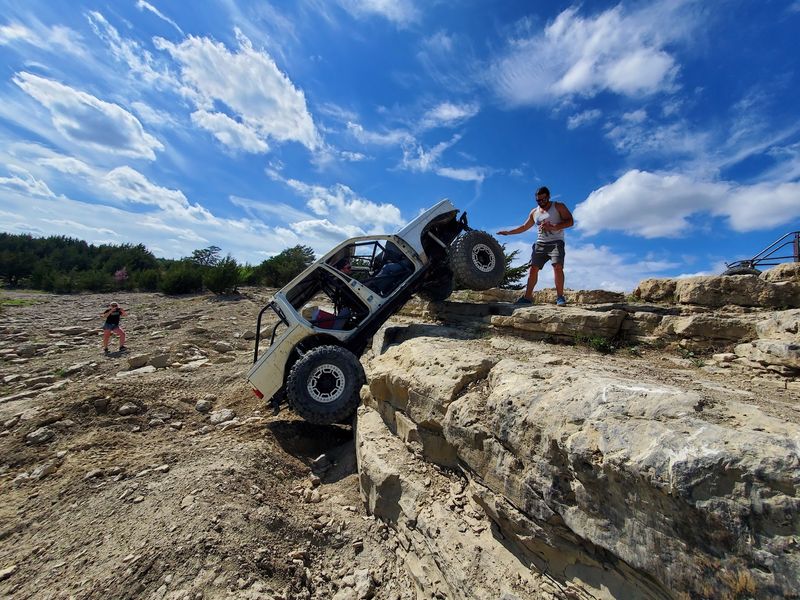
Rock crawling is a documented part of Tuttle Creek ORV Area, and the guide warns that harder terrain can include steep hill climbs, ledges, boulders, cross slopes, narrow passages, and blind turns.
Drivers need skills and equipment before attempting these obstacles.
The park map identifies some routes and areas as more difficult or most difficult, but it also explains that not every trail is marked or rated.
Conditions and exact routes can change, so a line that appears manageable on the map may look different from behind the wheel.
The Corps recommends leaving room between vehicles and using a spotter on steep inclines or anywhere a driver cannot pass or reverse safely. Vehicles traveling uphill have the right of way.
The harder climbs can test suspension, clearance, traction, and judgment, but the payoff comes from choosing routes responsibly rather than assuming every obstacle must be conquered.
Lake Frontage Views That Reward The Drive Out
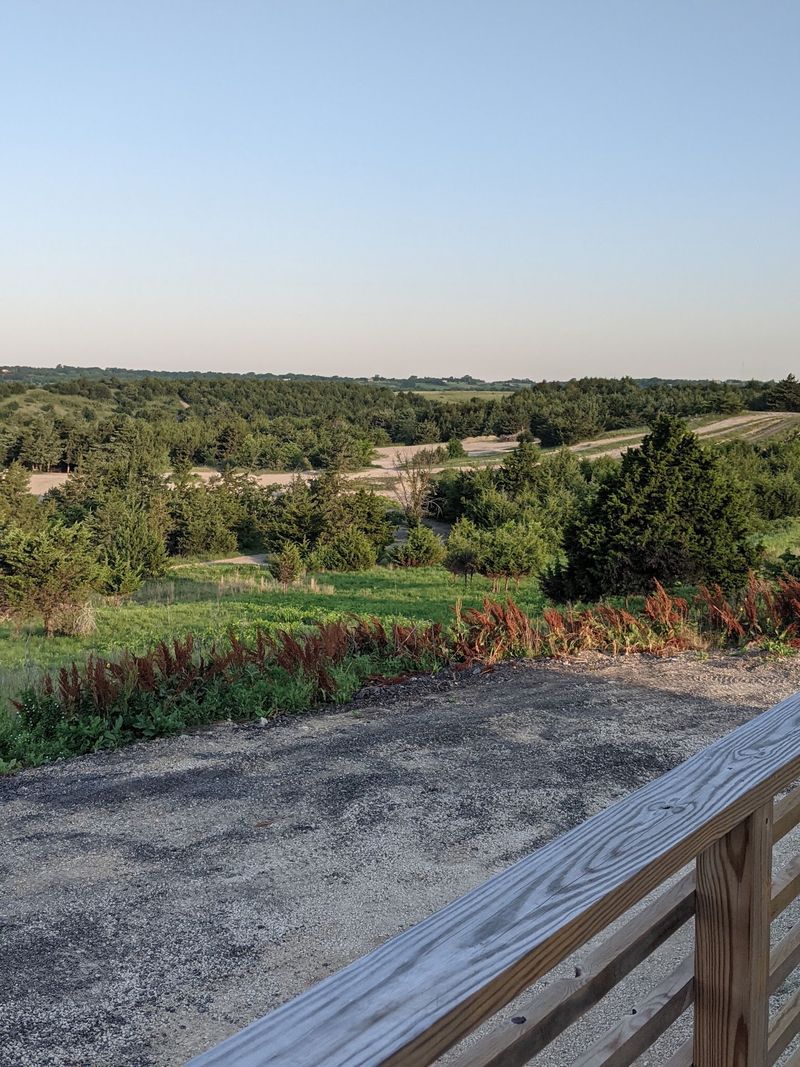
Tuttle Creek Lake contributes to the scenery around the ORV Area, but vehicles are not permitted along the shoreline.
The rules prohibit motorized vehicles within 100 yards of the lakeshore, and the wheeling guide warns that the boundary changes as the lake level rises or falls.
Drivers must remain inside the marked riding boundary and stop when they encounter yellow posts, signs, barriers, fences, rock walls, or private property.
The contrast between rugged upland terrain and the reservoir can still give the area a strong sense of place.
Visitors may pause only where doing so is safe and lawful, without blocking a trail or crossing into the protected shoreline zone.
Respecting that buffer helps prevent erosion, protects access, and keeps riders away from changing waterlines and unstable ground.
Open Hours Every Day Of The Week Make Planning Easy
One logistical headache that plagues some off-road parks is limited operating hours that force you to plan around a tight window.
Tuttle Creek ORV Area sidesteps that problem entirely by opening seven days a week from 7 AM to 7:30 PM throughout the year.
That kind of consistency makes it straightforward to plan a weekday run when the trails are less crowded, or to show up on a Saturday with a full group and know the gates will be ready for you.
The early opening time also means you can get a solid half-day of wheeling in before the midday heat of a Kansas summer starts making things uncomfortable.
For groups driving in from a distance, the full-week schedule removes one variable from what can otherwise be a complicated logistical puzzle.
Knowing the park will simply be open when you arrive lets you focus energy on what actually matters: getting out on the trail.
Picnic Tables, A Vault Toilet, And A Convenient Loading Ramp
Tuttle Creek ORV Area provides basic amenities near the entrance.
The U.S. Army Corps of Engineers lists picnic tables, one vault toilet, and a loading ramp beside the entrance parking lot and staging area.
The materials do not promise covered picnic tables, shaded seating, restrooms, running water, or facilities for family breaks.
A vault toilet is useful, but it should not be described as a full bathroom facility. Visitors should bring drinking water, food, sun protection, and anything else needed for the day.
The entrance amenities can make unloading and taking a break easier, especially for groups rotating between vehicles and the staging area.
However, this remains a rugged, minimally developed riding site rather than a serviced recreation complex.
Planning around the limited facilities will make the day more comfortable and prevent visitors from arriving with unrealistic expectations about shade, water, or restroom conveniences.
A Friendly Community That Looks Out For Fellow Riders
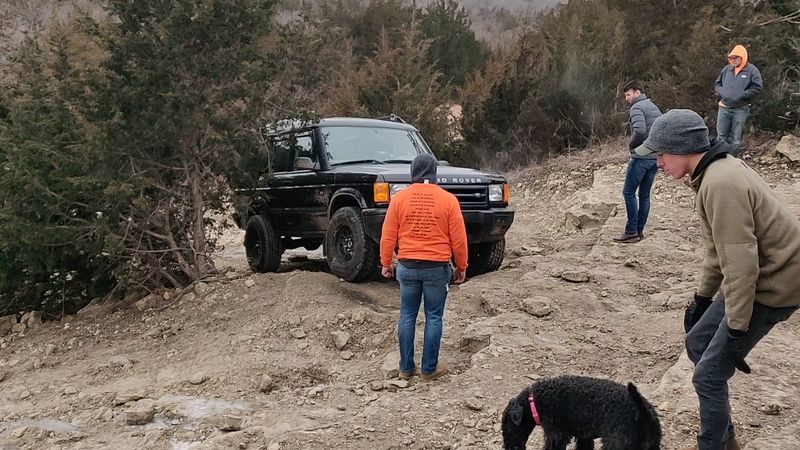
The official guidance encourages a cooperative off-road culture at Tuttle Creek ORV Area. Riders are asked to respect others, look out for one another, and stop to help when someone needs assistance.
That expectation supports a safer atmosphere across the open riding area during every visit.
However, visitors should not interpret community courtesy as a reason to arrive alone or depend on strangers for recovery.
The Corps specifically advises traveling with others and warns that routes are largely inaccessible to first responders.
Drivers should bring suitable recovery equipment onsite, supplies, and people capable of helping if a vehicle becomes stuck or disabled.
The official guide instead emphasizes individual responsibility: remain on established routes, avoid muddy conditions, respect boundaries, prevent damage, and remove litter properly. The area’s future depends on users following those rules, not on assuming volunteers will repair careless trail damage afterward.
Bring All Your Own Recovery Equipment Because On-Site Support Services Remain Very Limited
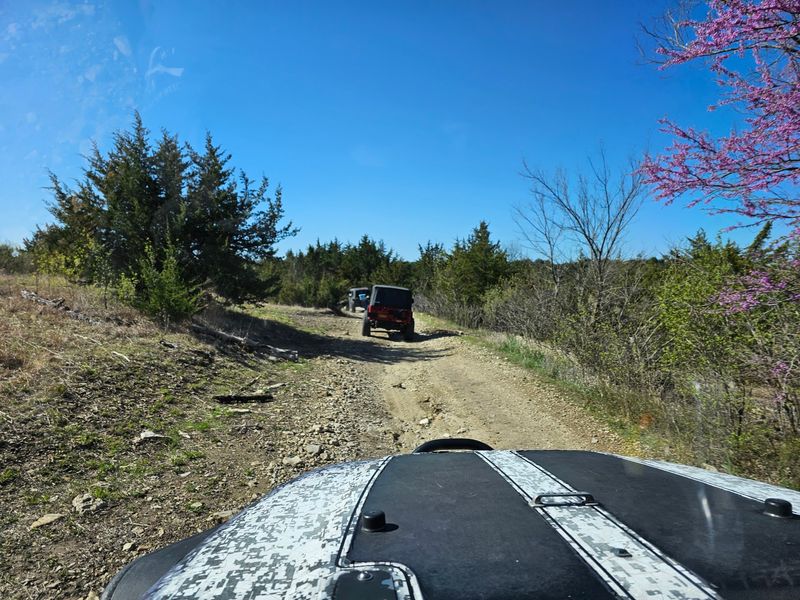
A portable air compressor can be useful for drivers who choose to lower tire pressure, but airing down is not listed as mandatory at Tuttle Creek ORV Area.
The guide instead tells visitors to bring equipment and supplies appropriate for their vehicle, skills, terrain, and conditions.
The riding area is two miles southeast of Randolph, with access from Gardiner Road and then east along Secrest Road.
However, visitors should not assume that nearby fuel stations or repair shops will provide every needed service.
The entrance has picnic tables, a vault toilet, and a loading ramp, but the area has limited facilities and no advertised air station.
Recovery equipment may include tow straps, a winch, suitable tires, protective hardware, tools, and a compressor when appropriate.
Arriving self-sufficient is sensible because trails are unmaintained, first responders may have difficulty reaching them, and towing or vehicle recovery can become expensive.